
Tsavo Safari Reviews: What Travellers Love, What Surprises Them and Who Should Go
One traveller remembers eleven lions. Another remembers the silence, red dust and a waterhole at dusk. Read together, their stories reveal the safari Tsavo actually offers.

Tsavo safari reviews repeatedly praise the scale, red elephants, quieter roads and the contrast between open Tsavo East and greener, more dramatic Tsavo West. They also reveal the trade-offs: animals can be harder to find in thick bush, distances are large, and a rushed one-night visit leaves too much to luck. This guide separates recurring patterns from one-off sightings so you can decide whether Tsavo suits you.
- Tsavo safari reviews: the honest verdict
- What travellers love about Tsavo East
- What travellers love about Tsavo West
- How to read Tsavo wildlife reports
- Is Tsavo really quieter?
- What reviews reveal about Tsavo lodges
- Road, rail and air experiences
- How long a satisfying Tsavo safari takes
- How season shapes Tsavo reviews
- Tsavo safari reviews from families
- What photographers say about Tsavo
- Common complaints and what sits behind them
- Who should choose Tsavo
- What to ask before booking Tsavo
- How to use Tsavo safari reviews well
- Traveller opinions
- FAQs
Tsavo safari reviews: the honest verdict
Tsavo is most rewarding for travellers who enjoy a landscape unfolding slowly. The park complex is immense, sightings can arrive after long quiet stretches, and the memory is often a whole scene rather than a single animal: red dust behind elephants, a line of giraffes above thorn scrub, or Mzima water turning clear beneath trees.
The same qualities can frustrate a visitor expecting the dense, rapid sightings associated with a short Mara trip. That is not a failure of either destination. It is a question of fit. Read reviews for the conditions, pacing and decisions behind the emotion, then choose the safari whose rhythm sounds like yours.
| Review pattern | What it means for planning |
|---|---|
| Praise for space | Allow time to enjoy landscape |
| Red-elephant memories | Prioritise Tsavo East |
| Love of Mzima and lava | Include Tsavo West |
| Few predator sightings | Do not build the trip around a guarantee |
| One night felt short | Protect at least two mornings |
| Long transfers | Match gate and lodge to the route |
What travellers love about Tsavo East
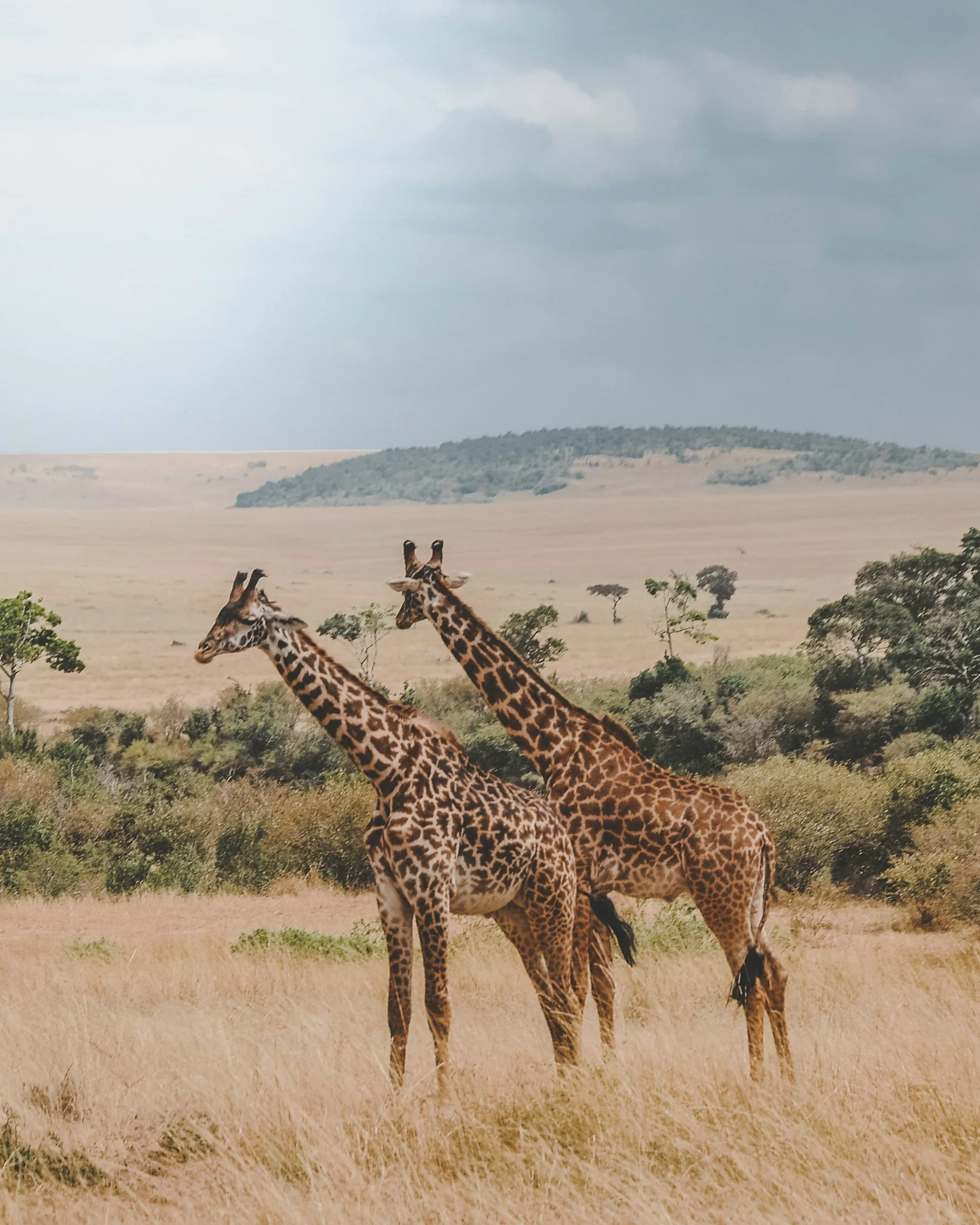
Tsavo East is the classic red-elephant park. Its broad views, Galana River country, Aruba Dam and dusty roads give wildlife a strong sense of place. Travellers often mention elephants, giraffes, zebra and the relief of watching without a ring of vehicles. The landscape makes a family herd feel part of something larger than the photograph.
East still requires decisions. A park of 13,747 square kilometres cannot be treated like a compact enclosure. Lodge position affects every drive, and an arrival through Bachuma, Voi, Sala or Mtito Andei shapes the sensible next leg. The detailed East versus West comparison helps match the sector to the route.
What travellers love about Tsavo West
Tsavo West changes the visual language. Mzima Springs brings hippos, fish, birds and clear water into a volcanic landscape. Shetani Lava Flow, Chaimu, Roaring Rocks, Ngulia and Lake Jipe create a journey where geology and viewpoints matter alongside mammals. One coast traveller compared the black lava to finding Iceland in Kenya.
The greener, bushier terrain can hide animals. A lion may be close and invisible, while elephant signs lead through vegetation without producing the herd. Visitors who value scenery and the act of tracking often love this. Anyone who needs constant visible wildlife should combine West with East or Amboseli rather than demanding West behave like an open plain.
How to read Tsavo wildlife reports
A review saying that eleven lions appeared in August is a truthful memory, not a seasonal contract. Another visit by the same person produced none. Rain, water, prey, heat, road access and chance alter each drive. Use repeated observations to understand habitat and common species, but never treat a dramatic number as an itinerary inclusion.
Ask what the reviewer actually did. Two dawns with a private guide are not comparable to a single transfer drive at noon. A lodge waterhole can produce wonderful evening viewing without proving that the surrounding game drives were dense. Specific context makes a review useful and protects you from turning somebody else’s luck into disappointment.
Is Tsavo really quieter?
Many travellers describe fewer vehicles than in the busiest parts of the Mara. Tsavo’s size disperses traffic and gives guides room to leave a gathering. Quiet is especially noticeable away from gates, major water points and holiday peaks. It creates time to watch behaviour instead of collecting hurried photographs.
Quieter roads also mean that a guide may have fewer instant radio reports. This is where fieldcraft matters. Tracks, fresh dung, alarm calls, vultures and water movement become part of the drive. Choose quiet because you enjoy that process, not because you expect a private lion at every bend.
What reviews reveal about Tsavo lodges
Tsavo accommodation ranges from practical lodges near gateways to tented camps and properties with active waterholes. Review the exact property, room category, meal basis, electricity pattern, pool, fencing and drive arrangement. A beautiful lodge on the wrong side of the route can cost hours; a modest room beside the right gate can protect a dawn drive.
Waterhole lodges deserve special attention. They can bring elephants, buffalo and smaller animals into view from the terrace, but activity changes with rainfall and alternative water. Consider the waterhole a bonus, not a substitute for the park. Families should also confirm escorts, room distance and whether children can safely move between facilities.
Road, rail and air experiences
Road travellers like the continuity of one vehicle from Nairobi or the coast, especially when combining parks. They also report fatigue when a long transfer is followed by an ambitious game drive. Rail users praise the comfort of the SGR to Voi or Mtito Andei, provided a driver is waiting and the lodge route fits the station.
Flights save time but add baggage limits, airport transfers and airstrip logistics. The right answer depends on the whole holiday. Read the Tsavo access guide before comparing package prices because a cheaper route may quietly spend much more of the trip in transit.
| Access style | What travellers value | What to confirm |
|---|---|---|
| Private road vehicle | Door-to-door continuity | Drive hours and gate |
| SGR to Voi | Comfort from Nairobi or Mombasa | Inter-county stop and transfer |
| SGR to Mtito Andei | Useful for western access | Current stop and vehicle |
| Scheduled flight | More safari time | Airstrip, baggage and transfer |
| Coast road add-on | Natural beach combination | Departure time and border route |
How long a satisfying Tsavo safari takes
One night normally gives an arrival drive and one morning. A delay, hot afternoon or quiet dawn then dominates the entire opinion. Two nights give three possible drive windows and enough time to follow fresh local information. Three nights let photographers, families and first-time visitors stop chasing.
Combining East and West needs at least three nights and works better with four. The inter-park transfer is not empty time, but it is still movement. Do not add both simply to claim two parks. Choose a route where each has a role: East for scale and red elephants, West for springs, lava and changing elevation.

How season shapes Tsavo reviews
Dry months can make water more influential and some animals easier to locate, while dust and heat create the famous ochre palette. Green periods bring dramatic sky, fresh vegetation, birds and fewer vehicles, but wildlife spreads and some roads may become difficult after heavy rain. Neither version is the only authentic Tsavo.
A reviewer who loves green photography and storm light may praise the very month another calls inconvenient. Match their priorities to yours. The best-time guide compares weather, wildlife searching, coast combinations and the practical effect of rain without pretending that a calendar controls nature.
Tsavo safari reviews from families
Elephants, giraffes and lodge waterholes can hold children’s attention, while long road hours and silent searches test it. A private vehicle lets a family return for food, sleep or the pool. Choose the lodge by room layout, fencing, meal flexibility and gate position rather than a generic family-friendly label.
Two bases in two nights can exhaust young travellers. One well-placed Tsavo East lodge may create a better family safari than a fast East-West circuit. Pack layers, water, sun protection, dust protection and simple activities for transfers. Confirm child restraints and age rules in writing before arrival.
What photographers say about Tsavo
Tsavo photographs work when red soil, dust, baobabs, lava, water and scale remain in the frame. A telephoto lens helps with distant wildlife, while a wider lens tells the environmental story. Early and late light can make the earth glow, but midday at a waterhole may produce behaviour worth the harsher exposure.
Use a private vehicle if photography is central, and discuss seating, roof, beanbags, charging and dust protection. Never ask a guide to leave approved roads or block animals. KWS rules and the animal’s route outrank the frame. A calm herd photographed at distance is a better result than a close image made by pressure.
Common complaints and what sits behind them
The most common criticisms are long drives, fewer visible cats, thick bush in West, heat, dust and a feeling that one night was not enough. Each points to a planning lever. Move the lodge closer, add a night, choose East for more open country, travel by rail or air, or combine Tsavo with a different habitat.
One online traveller wrote, “I would definitively not recommend Tsavo.” That opinion deserves space, but not automatic authority over all travellers. The same short discussion offered no detailed route, sector or length. A critical review is most useful when it explains what disappointed the visitor and helps identify who should choose somewhere else.
Who should choose Tsavo
Choose Tsavo if elephants, quiet, geology, a coast pairing, railway history or broad landscape excite you. It also suits return visitors who want Kenya beyond the usual first circuit and photographers who can accept patient searches. East works particularly well as the first safari stop from Mombasa or Diani.
Choose the Mara first if a short trip centres on open-plains predator possibilities and migration country. Choose Amboseli if Kilimanjaro, wetlands and elephant research lead. These are not league positions. The strongest Kenya itinerary lets each destination do the job it does naturally.
What to ask before booking Tsavo
Ask for the named lodge, gate, drive arrangement, expected road time, park-fee treatment, vehicle occupancy, baggage terms and the exact flow between Tsavo and the next stop. Ask whether an advertised full-day drive involves a picnic, a return to lodge or long transit.
Then ask what would change if rain closes a road, the train timetable moves or the family needs a slower morning. Good planning does not promise to remove uncertainty. It places enough time and practical alternatives around wildlife so that one change does not unravel the holiday.
How to use Tsavo safari reviews well
Save reviews that describe a feeling or practical detail you want: quiet waterhole time, an SGR arrival, patient elephant watching, a volcanic walk or a coast finish. Ignore reviews whose main value is a species count without context. Share the useful details with the planner and let the route reproduce the conditions, not the exact sighting.
A strong Tsavo plan names what success means before departure. It might be two dawns in East, one slow afternoon at a waterhole and a beach arrival before dark. That is within the power of design. A leopard beside the road is not. When the itinerary respects that boundary, Tsavo has room to surprise you.
What travellers say after the trip
These are exact words from public reviews and discussions. Each person had their own route, budget and expectations, so the value is in the detail rather than treating one experience as a promise.
I just went there for the second time and I really like it there.
A repeat visitor describing why Tsavo East drew them back.
Personally we loved it. Look for the small stuff as well as the big animals.
A traveller advising future visitors not to judge Tsavo by a Big Five checklist alone.
Two days felt short. Already planning to go back for longer.
A coast-based traveller reflecting on a brief Tsavo West trip.
Four hours in a comfy train car is so much better than five or six hours driving!
A repeat visitor explaining why the SGR shaped the comfort of the whole Tsavo trip.
I was fascinated by the natural beauty of Tsavo West and the vast savannah of Tsavo East.
A visitor who valued the contrast between the two parks as much as the animal list.
We enjoyed the oasis of Mzima springs in tsavo west.
A July traveller finding value in a stop where people can leave the vehicle in a designated place.
The roads aren’t that rough as we expected.
A first-hand Tsavo East review that helps balance dramatic warnings about every park road.
I can’t say that the quality of the wildlife viewing is up to the level of the Serengeti or Masai Mara.
A critical comparison from a traveller who still recognised Tsavo’s convenient coast access.
Questions behind Tsavo safari reviews
Is Tsavo worth visiting?
Yes for travellers who value space, strong elephant country, varied landscapes and a safari that rewards patience rather than a crowded checklist.
Which receives better reviews, Tsavo East or West?
Neither is universally better. East is often praised for red elephants and open scale; West for Mzima Springs, lava, hills and varied scenery.
How many nights do reviewers recommend?
A recurring lesson is that one night feels rushed. Give one sector two nights, or use three to four nights for East and West.
Is wildlife difficult to see?
It can be. East has open areas, while West contains thicker vegetation. Good guides, early drives and realistic time improve the search.
Does Tsavo have lions?
Yes, but no lodge or guide can promise a sighting. A past review reporting many lions does not predict the next day.
Is Tsavo crowded?
Many visitors find it quieter than Kenya’s most famous reserves, although gates, water points and holiday periods can still concentrate vehicles.
Can I reach Tsavo by train?
Kenya Railways inter-county services stop at stations including Voi and Mtito Andei. Confirm the current timetable and arrange the park transfer before travel.
Is Tsavo good after a beach holiday?
Yes. Tsavo East is a natural road or rail addition from Mombasa, Diani, Kilifi, Watamu or Malindi when transfer time is planned honestly.
Are online reviews reliable?
They are useful for lived details, not guarantees. Check route, season, nights, lodge position, vehicle type and the reviewer’s expectations.
Can NLS plan a Tsavo safari from reviews I liked?
Yes. Share the details that appealed to you and we will translate them into a realistic route without promising another traveller’s sightings.
Sources and further reading
These sources provide the official park and rail context that sits behind the first-hand reviews.
Turn the useful parts of the reviews into your own route
Share your dates, starting city, comfort level and the moments you hope for. We will build the time, lodge position and transport around them.
Plan your Tsavo safari
Tell us your dates, group size, start point, preferred comfort and whether you want Tsavo East, West, the coast or Amboseli.