
5-Day Kenya Safari Itineraries Compared
In five days, the crucial choice is how much of the holiday to spend moving. Compare a deeper Mara stay, four nights with Amboseli’s elephants, and a northern pairing of Samburu and Ol Pejeta.
A five-day safari sounds generous until one day is an arrival, another is the journey home and a third is swallowed by moving between parks. The trip can still be wonderful. The trick is to be honest about the hours you can actually spend watching wildlife. An extra dawn in one place may be worth more than a third park on the brochure cover.
The three routes below all start and finish in Nairobi and each has four nights. They are not the only possibilities. They are useful reference points for three different motivations: the classic Mara landscape and big cats, Amboseli’s elephants and wetlands, or Samburu’s northern species paired with Ol Pejeta’s rhino country. The right one depends on what you came to Kenya to see, and on how much of the four-night trip you want to spend in transit.
Five calendar days give four nights, if the flights cooperate
Day one is travel from Nairobi to the safari area and day five is the return. That leaves days two, three and four as the possible complete wildlife days for a single-base trip. An international arrival late on day one does not leave time to drive to the Mara or Amboseli and enjoy a game drive. Add a Nairobi hotel night before starting, or accept that the safari itself will be shorter. Likewise, a morning flight home may require a Nairobi night after the safari. The examples assume the visitor is already ready to depart Nairobi on the morning of day one and can return on day five.
For the two-base northern route, day three includes a transfer, leaving fewer full days in either place. That is not necessarily a bad choice: Samburu and Ol Pejeta are different enough to justify it for the right traveller. But the trade should be explicit.
Three good five-day safaris, three different rewards
| Route | Four-night split | Why choose it | What you give up |
|---|---|---|---|
| Masai Mara in depth | Four nights in one Mara sector, or a thoughtful split between two sectors. | Three complete wildlife days after arrival, with time to return to a promising area. | No Kilimanjaro backdrop or northern dry-country species. |
| Amboseli at an easy pace | Four nights in or close to Amboseli. | Patient elephant watching, wetlands, birds and flexibility around mountain weather. | Less habitat and predator variety than the Mara, depending on conditions. |
| Samburu and Ol Pejeta | Two nights in Samburu, two in Ol Pejeta. | Northern species followed by rhinos and conservation interest. | A hotel change on day three and only one full day in each main area. |
Each can be tailored. A photographer may spend all four nights in the best-positioned camp and use a private vehicle. A family may want a pool, a shorter game drive and a room that genuinely fits everyone. A couple may prefer a quiet tented camp over a large lodge. The route is the frame; the actual property and guide determine much of the experience.
Route one: four nights in the Masai Mara
The Mara is a natural first-safari choice because open grasslands, wooded stretches and river systems can support a broad range of wildlife viewing. Four nights do not mean four dawn-to-dusk drives. They mean an arrival, three full days and time to adapt when weather or animal movements change your plans. Our Masai Mara safari guide explains the Reserve, Mara Triangle and surrounding conservancies.
Day 1: Leave Nairobi by private vehicle or take a suitable bush flight. A road arrival may use much of the day; an air arrival also needs airport time and a camp transfer. Settle, then drive if the timing and park entry work. Do not promise a long afternoon game drive on top of a delayed arrival.
Day 2: Explore the area closest to the camp in early light, pause for lunch or a rest and go out again later. A good guide may return to a location where a pride, herd or bird activity was seen the previous day. This is where a multi-night stay starts to pay off.
Day 3: Choose a longer drive into a different Mara sector if access allows, or stay local and take the sightings as they come. A balloon flight can be arranged where offered, but it is optional and weather-dependent. It does not guarantee a crossing or replace time with a guide on the ground.
Day 4: Keep it flexible. During migration months, animal movements may draw the group toward a river area; in another season, resident wildlife can make a different sector richer. If the camp is in a private conservancy, use the activities and quieter drive style that justified booking it. A conservancy stay does not automatically include entry to the Reserve.
Day 5: Return to Nairobi with enough room for the onward flight. A morning bush flight may save road time, but it still needs a connection margin, baggage check and airport transfer.
The key lodge decision is not merely “Mara view”. Where is the property relative to the drives you actually want, and what entry is included? A camp at one edge of the ecosystem cannot provide the same daily access as a camp next to a different gate. Our where-to-stay guide helps turn the map into a room choice.
Route two: four nights around Amboseli
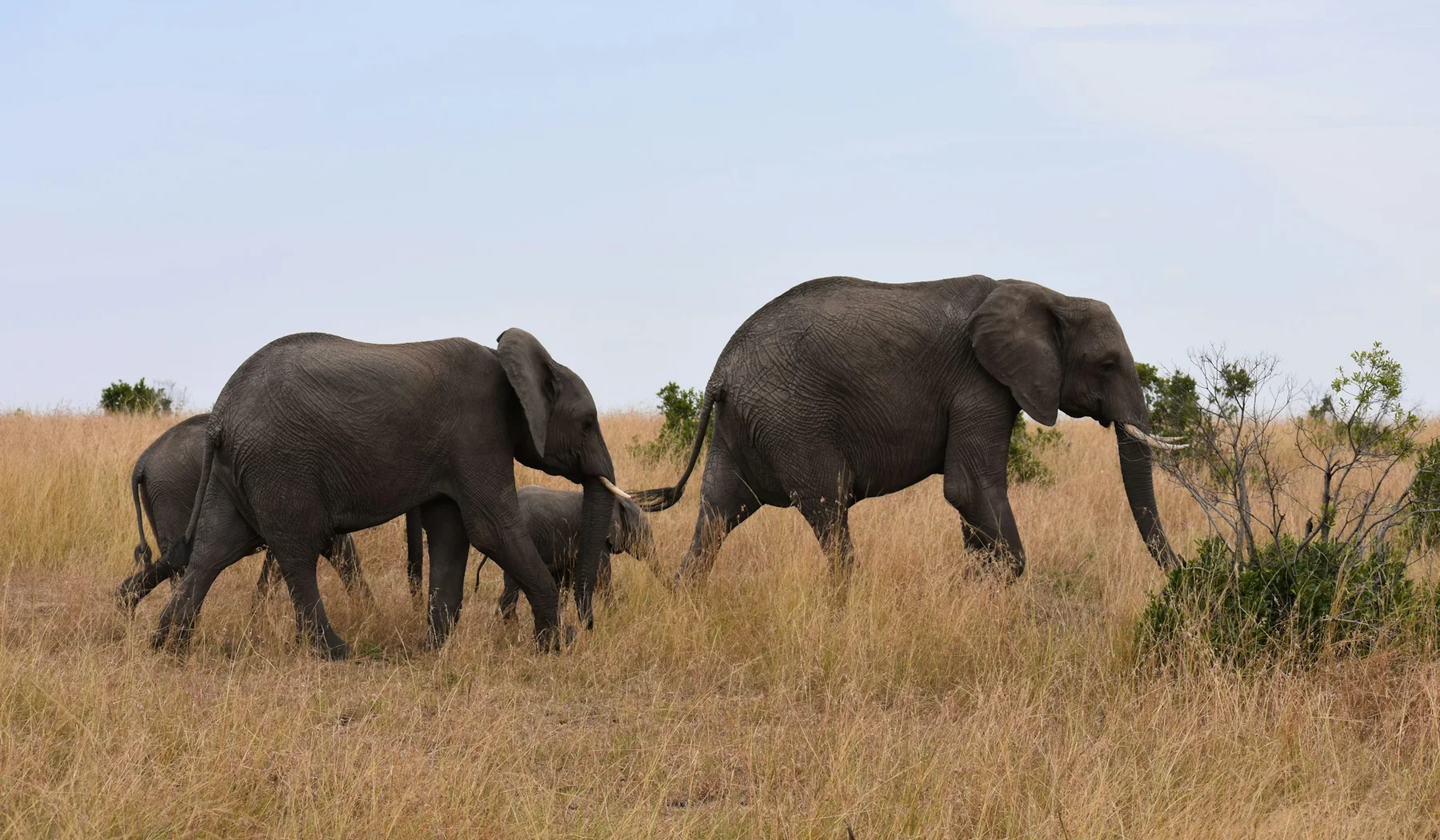
Amboseli rewards travellers who enjoy watching elephants rather than ticking sightings. The wetlands bring birds and other animals into a landscape that changes with light and cloud. Mount Kilimanjaro may appear in the background, but visibility is not a bookable inclusion. Four nights give several chances to see the mountain and a comfortable pace around the park.
Day 1: Travel south from Nairobi, arrive at the chosen lodge and take a gentle drive if daylight and entry arrangements permit. An inside-park lodge can shape the first and last drive differently from an outside-park camp. Know where the gate sits before deciding on a lower room price.
Day 2: Begin early, when light and air may be best for elephant watching and possible mountain views. Rest during the hottest part of the day, then drive again in a different part of the park. A good safari day does not need to be twelve uninterrupted hours in the vehicle.
Day 3: Follow the wildlife and weather rather than repeating yesterday’s route automatically. Some travellers enjoy a longer park drive; others value the camp and its setting. If staying on community land outside the park, discuss any permitted walking or hosted community experience in advance and confirm its cost and timing.
Day 4: Give the day a different focus: elephants with calves, waterbirds, landscape photography or a quieter drive. Four nights make that possible without the anxious feeling that one cloudy morning has ruined the trip. An optional experience should be chosen because it interests you, not because the itinerary needs another bullet point.
Day 5: Return to Nairobi. Allow for road conditions and airport check-in. If the international flight leaves too early, stay a final Nairobi night rather than planning an implausible morning dash from the park.
Four nights here may be more than a first-time visitor wants if they also dream of Mara predators. In that case, consider a longer holiday rather than trying to compress both into five days. Our Amboseli guide covers lodging geography, wildlife and access in more detail.

Route three: two nights in Samburu and two in Ol Pejeta
This pairing has a more natural geographical flow than forcing the Mara and Amboseli into the same four nights. From Nairobi, travel north to Samburu, then southwest to Ol Pejeta in Laikipia before returning to the city. Samburu’s river landscape and dry-country species contrast with Ol Pejeta’s rhino and conservation focus. It has one inter-area transfer rather than a cross-country sprint.
Day 1: Leave Nairobi for Samburu by road or suitable air service. Settle at a camp whose entry and drive area are clear. If you arrive in time, take a short first drive along the Ewaso Nyiro or another area your guide recommends.
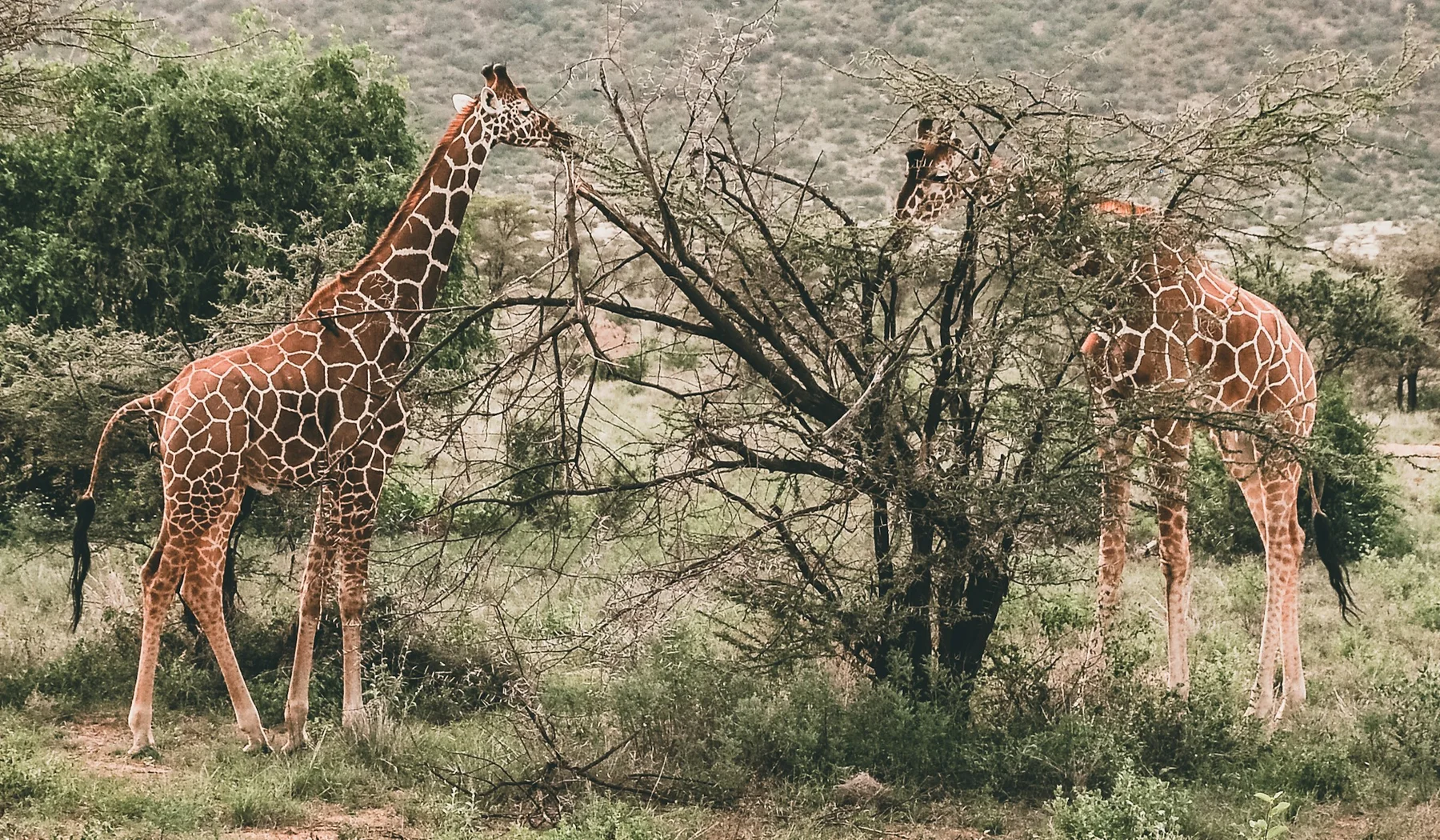
Day 2: Use the full day in Samburu. Reticulated giraffe, Grevy’s zebra and gerenuk are compelling reasons to look beyond the standard Big Five list. Elephants and birds also bring the river and surrounding dry country to life. A reserve camp, Buffalo Springs base and nearby community-land stay may have different permissions and fees, so the name of the camp matters.
Day 3: Travel to Ol Pejeta and make time for an afternoon drive if arrival allows. Avoid stacking a scheduled conservation visit onto an uncertain road arrival. Day three is a travel day with possible wildlife, not a full game-drive day in both places.
Day 4: Spend the full day in Ol Pejeta. Rhino viewing, general game drives and specific visitor experiences are possible, but the latter must be booked subject to availability and rules. Decide whether the group wants a conservation-focused day or a more conventional wildlife drive. The Ol Pejeta guide explains the options.
Day 5: Return to Nairobi. The road is manageable as a dedicated departure day, but the exact international flight still determines whether a city night is prudent.
This route is often satisfying for someone who has already visited the Mara or particularly wants northern wildlife and rhinos. It is less suitable if the only dream is a long grassland cat safari. The Samburu guide helps decide whether the north is worth the journey for your group.
What if you want both the Mara and Amboseli?
It is possible to put two nights in each. It is not the same experience as two full days in each. Day one reaches the first park, day two is a full drive, day three crosses much of the country or uses a flight connection, day four is a full drive in the second park, and day five returns to Nairobi. That is a five-day trip with two complete safari days, plus whatever genuine arrival drives fit. For travellers who came a long way to see both, the trade may be acceptable. For a family with young children or anyone wanting to relax, it is likely too fast.
| Five-day shape | Full wildlife days after arrivals | Longest transfer | Better fit |
|---|---|---|---|
| One Mara base, four nights | Three. | Nairobi to and from the chosen Mara sector. | First safari, big cats, patient game viewing. |
| One Amboseli base, four nights | Three. | Nairobi to and from Amboseli. | Elephants, birds, slower pace and landscape. |
| Samburu plus Ol Pejeta, two nights each | One full day in each, with a transfer on day three. | Nairobi to Samburu, then the north-to-Laikipia move. | Northern species plus rhino and conservation interest. |
| Mara plus Amboseli, two nights each | One full day in each, with a major cross-country move. | Mara to Amboseli via road or a suitable air connection. | Guests who value seeing both more than time in either. |
Adding Lake Nakuru as a third sleeping base is another common temptation. It can add rhino and lake habitat, but three areas in four nights mean another checkout and less time in each. The Lake Nakuru guide is worth reading if the park itself appeals, rather than adding it merely as a line between the Mara and Nairobi.
Road and air change the usable safari time
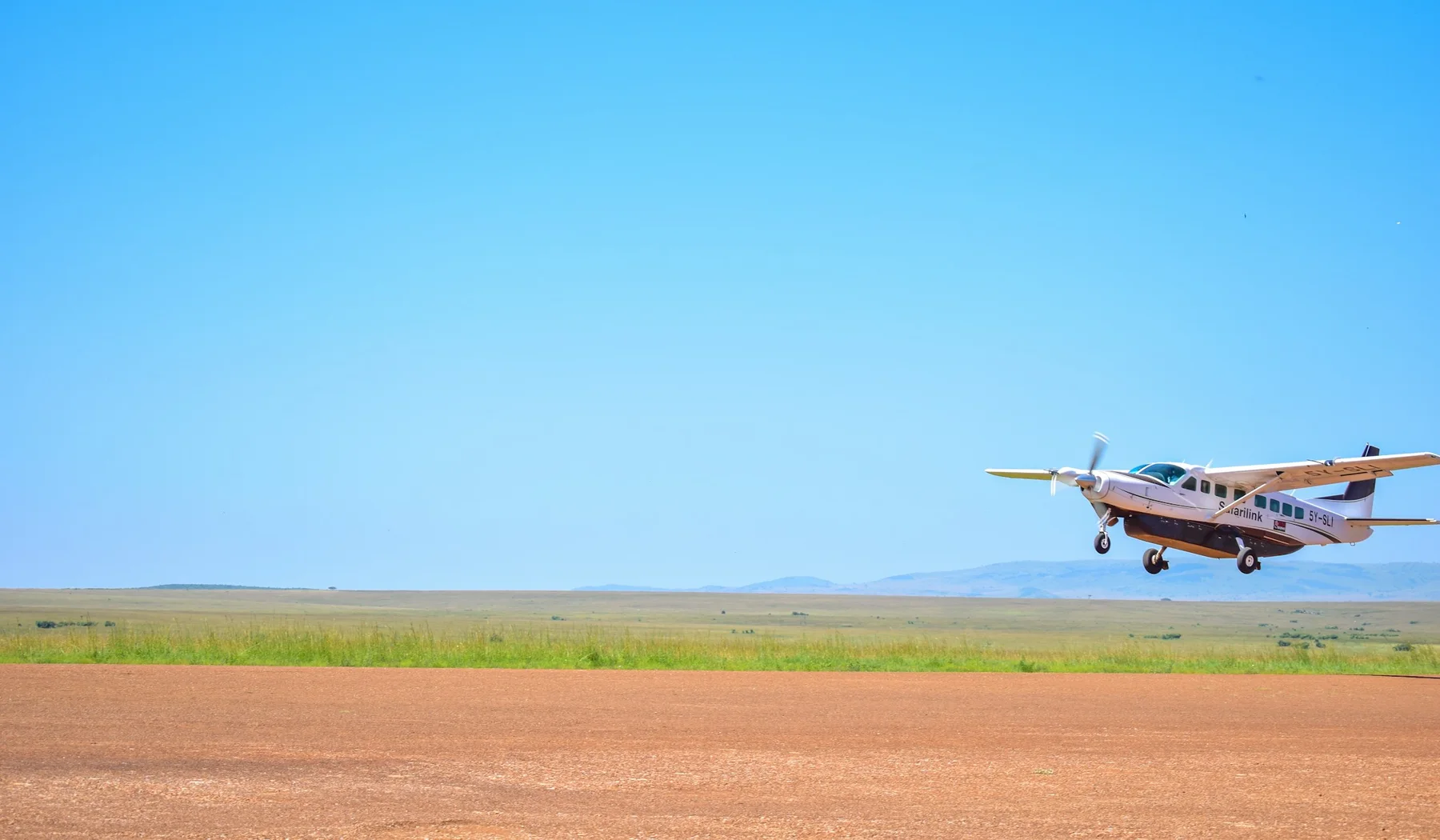
A bush flight can spare a long road day, but not every hour between hotel and camp. You still need the transfer to Wilson Airport, check-in, possible intermediate airstrip stops, baggage rules and collection at the far end. A road safari keeps the group and luggage with one guide and may be better for travellers with substantial gear or children, but road time is still road time. Compare door-to-door estimates and cost, not only flight duration versus kilometres. Our domestic safari flight guide covers the bag question.
On a five-day trip, a late-arriving flight or a missed domestic connection has a larger effect than on a two-week journey. Keep a margin before the international flight home, particularly if tickets are separate. If a quote says “morning flight, full afternoon drive”, ask which airstrip, what time the plane usually reaches it and how long the camp transfer takes. The answer will show whether that afternoon is plausible.
Compare complete five-day quotes on the same basis
Five-day prices vary by season, number of people, room, vehicle and park or conservancy entries. The Mara Reserve, Mara Triangle, private Mara conservancies, Amboseli, Samburu and Ol Pejeta do not share one admission system. A lower room rate outside a park can add gate travel and daily entry. A fly-in camp may include shared game drives; a private road safari normally has a dedicated vehicle. Neither is automatically better, but they are not the same purchase. Our Kenya safari cost guide explains the larger cost drivers.
| Quote detail | Why it matters in only five days | What should be named |
|---|---|---|
| Camp position | Gate and drive time can consume a significant share of a short stay. | Exact property, sector, room category and meal basis. |
| Wildlife access | A conservancy room does not necessarily include the Reserve. | Every park or conservancy entry and included activity. |
| Transport | One long transfer can remove a whole wildlife day. | Private or shared vehicle, guide, flights, baggage and all ground transfers. |
| Departure | A tight international connection puts the last day at risk. | Return mode, expected arrival point and any Nairobi buffer night. |
When we price your route, we can show a road and an air version where relevant, with the same room and fee assumptions. The question is not which headline figure is smallest. It is which trip gives you the wildlife time, comfort and connection safety you are paying for.
A traveller’s small but useful hindsight
One traveller in a public Kenya safari discussion said of their route through several stops: I’d skip Naivasha if I could redo the trip, and spend more time in the parks.
That is one person’s preference, not a verdict on Naivasha, which many visitors enjoy. It is especially relevant to a five-day decision: add a stop only when you actively want its experience, not because an itinerary can fit the name.
The same principle applies to all three recommended routes. A longer Mara stay is not “missing” Amboseli. A four-night Amboseli visit is not failing to reach the Mara. A northern pairing is not incomplete because it omits both. Each makes its own space for the wildlife and people you came to meet.
5-day Kenya safari itinerary questions
How many nights are in a five-day Kenya safari?
These examples run from arrival on day one to departure on day five and have four nights. If an international flight lands late, add a Nairobi night before the safari or reduce the wildlife days honestly.
Can I do the Mara and Amboseli in five days?
Yes, with two nights each, but connecting the parks consumes much of one day by road or requires a workable flight routing. It is a fast sampler rather than a relaxed stay in either place.
Which route is best for a first Kenya safari?
Four Mara nights offer three full game-viewing days and fewer transfers. Amboseli is strong if elephants and its landscape are the priority. The Samburu and Ol Pejeta route suits travellers interested in northern species and rhinos.
Will four nights in the Mara guarantee a migration crossing?
No. Migration movement and river crossings cannot be scheduled. The extra days improve flexibility rather than guarantee a sighting.
Is four nights in Amboseli too long?
Not for travellers who want patient elephant observation, wetlands, birding and a slower pace. Others may prefer two Amboseli nights and a second southern park, accepting an extra transfer.
Can I see rhinos on the northern route?
Ol Pejeta is a strong rhino destination, but sightings and specific conservation experiences are never automatic. Check activity availability and entry arrangements for the dates.
Does this comparison assume a Nairobi start and finish?
Yes. All three sample routes start and finish in Nairobi, which makes their travel burden easier to compare. Arrival and departure flight times still change the usable days.
Should I drive or fly to the Mara?
Compare the door-to-door time, group budget, luggage and international connection. Flying saves road time for some travellers but involves airstrip transfers and baggage rules.
Can I add Lake Nakuru in five days?
Yes, but it replaces a night or part of a full day elsewhere. Choose it for its own wildlife and lake habitat, not merely to collect another park name.
Are the suggested lodges fixed?
No. The route comes first; the actual camp, room, meal basis and access must be chosen for the dates and travellers.
Can a family with young children use these routes?
Yes, with appropriate rooms, private driving rhythm, child restraints and age rules. One base may be easier than two, especially after a long international journey.
What must a five-day safari quote include?
It should identify the property and room, meals, guide and vehicle, park or conservancy fees, transfers, domestic flights if any, optional activities and cancellation terms.
Go deeper into your preferred route
Choose the wildlife time you want
Share your dates, group, wildlife interests, budget and onward flight. We will help choose a route with named accommodation, transport and entries.