
Amboseli Safari Packages: Elephants, Kilimanjaro and the Right Place to Stay
Before sunrise, Kilimanjaro may stand clear above the marsh. By breakfast it can disappear into cloud. The elephants remain, following paths older than any lodge fence.

Amboseli safari packages work best when they protect early and late wildlife hours, name the exact lodge and understand that the national park, Kimana area and private conservancies offer different kinds of access.
- Why Amboseli feels different
- Two, three, four and five-day Amboseli safaris
- Amboseli lodges and camps, not vague room categories
- How to plan for Kilimanjaro views
- Watching Amboseli elephants well
- Getting to Amboseli from Nairobi
- Combining Amboseli with Tsavo East and Tsavo West
- Amboseli with children
- Amboseli package pricing and inclusions
- Observation Hill, swamps and a full Amboseli day
- Traveller opinions
- FAQs
Why Amboseli feels different
Amboseli lies in a dry landscape fed by underground water from the Kilimanjaro massif. Springs support Enkongo Narok and Longinye swamps, drawing elephants, buffalo, hippo and abundant birdlife. The contrast is startling: dust and pale lake bed can sit a short drive from green marsh where elephants feed almost shoulder-deep.
The park is compact enough for a two-night safari, yet the wider ecosystem extends into community rangelands and conservancies. Wildlife does not recognise the park boundary. A package that understands seasonal movement and neighbouring land offers a richer picture than one that races from the gate to the mountain viewpoint and back.
| Amboseli habitat | What it adds | When to slow down |
|---|---|---|
| Permanent swamps | Elephants, hippo, buffalo and birds | Midday can remain active |
| Dry lake bed | Open views, dust and seasonal flamingos | After rain or in dramatic light |
| Acacia woodland | Giraffe, birds and predator cover | Morning and late afternoon |
| Community rangeland | Movement corridors and cultural context | With a responsible local arrangement |
Two, three, four and five-day Amboseli safaris
A two-day, one-night trip is possible but road time dominates. Two nights creates one full day and is the practical classic from Nairobi. Three nights gives two full dawns, time at Observation Hill and a slower return to promising sightings. Four or five days make sense when a private conservancy, photography or a very relaxed family rhythm is important.
Do not add nights simply to repeat the same circuit. Use the extra time for a different ecosystem edge, a meaningful Maasai-hosted visit, birding, a private meal, or a connection into Tsavo. The package should explain what each day adds.
| Trip length | Rhythm | Best for |
|---|---|---|
| 2 days | Fast road safari with limited margin | Residents and very tight schedules |
| 3 days | Two nights and one strong full day | Classic first visit |
| 4 days | Two full wildlife days and slower lodge time | Families and photographers |
| 5 days | Park plus conservancy or onward connection | Depth and special journeys |
Amboseli lodges and camps, not vague room categories
Inside or directly associated with the park experience, well-known choices include Ol Tukai Lodge, Amboseli Serena Safari Lodge, Elewana Tortilis Camp and KWS self-catering homes such as Kilimanjaro Guest House, Kibo House, Kilimanjaro Annex, Simba Cottages and Chui Cottages. KWS also lists Kilima Safari Camp, AA Lodge Amboseli, Kimana Amboseli Camp, Kibo Villa, Tulia Amboseli Safari Camp, Sentrim Amboseli, Tawi Lodge, Sungura Safari Camp and Elerai Camp among local private accommodation.
These properties do not offer identical access. Some sit inside the national park, some near Kimana Gate and others in private conservancy or community settings. Tawi and Elerai, for example, are chosen for a wider ecosystem feeling and activities connected to their land. Ol Tukai and Amboseli Serena appeal to travellers who want to wake within the park. Ask for the map position before choosing by room photograph.
| Setting | Named examples | Planning consequence |
|---|---|---|
| Inside national park | Ol Tukai, Amboseli Serena, KWS homes | Strong dawn and late-day access |
| Conservancy or ecosystem lodge | Tawi, Elerai, Tortilis | Space and activities depend on land rights |
| Kimana and gate area | Kilima, AA Lodge, Sentrim and others | Confirm gate transfer and entry days |
| Self-catering | Kilimanjaro Guest House, Kibo House, cottages | Food, staffing and vehicle plan need detail |
How to plan for Kilimanjaro views
Kilimanjaro is across the border in Tanzania, but the classic northern view opens from the Amboseli ecosystem. Cooler early hours often provide the clearest chance before cloud builds. Wind and season matter, and a perfectly planned morning can still find the mountain hidden. That uncertainty is why two or three dawns are valuable.
A good guide does not spend the whole day waiting at one postcard location. Elephants may cross in front of the mountain, behind the vehicle or nowhere near it. Use the first clear opportunity, then let marsh behaviour, predators and birds lead the drive. The best Amboseli story survives a cloudy summit.
Watching Amboseli elephants well
Amboseli is known for long-term elephant research and unusually recognisable individuals. Family groups move between feeding and water, while older bulls may travel alone or in loose company. Watching the spacing, trunk touches, calves and matriarch decisions is more rewarding than simply counting animals.
Vehicles should leave crossing routes open and never crowd a family at the marsh edge. A calm guide reads ear position, pace and the direction of travel. Photographers gain better behaviour and better images by waiting at a respectful angle rather than driving repeatedly into the herd’s path.

Getting to Amboseli from Nairobi
KWS describes road access through Iremito, Kimana and Meshanani gates. The Emali route uses the Nairobi to Mombasa highway before turning toward the ecosystem, while the Namanga route approaches from the west. The right gate depends on the lodge and the condition of the final road, not simply the shortest line on a map.
Road travel works well with a private Land Cruiser and can continue into Tsavo. Flying saves time and energy for a short or high-comfort safari. The quote should name pickup point, vehicle, gate, estimated travel window, flight details when relevant and the lodge transfer.
Combining Amboseli with Tsavo East and Tsavo West
Tsavo West changes the mood with lava, hills, springs and denser bush. Tsavo East opens into red-earth plains, seasonal rivers and broad elephant country. Linking them with Amboseli creates more contrast than adding a distant park that requires returning through Nairobi.
A comfortable route usually gives at least two nights in Amboseli, one or two in Tsavo West and one or two in Tsavo East before continuing toward Mombasa or Diani. The exact order depends on the coast, train, flight or Nairobi connection. One night in each park can feel like a lodge tour rather than a safari.
Amboseli with children
Elephants are easy for children to recognise, and the marshes often hold activity when shorter attention spans need it. Observation Hill offers a chance to leave the vehicle on the designated path and look across the ecosystem. A pool and family room can turn the warm middle of the day into genuine rest.
Use a private vehicle, shorter drives and a guide who enjoys questions. Check room distance, unfenced grounds, meal timing, mosquito nets and child age rules for walks or special activities. A family package should not be an adult dawn-to-dusk schedule with smaller seats.
Amboseli package pricing and inclusions
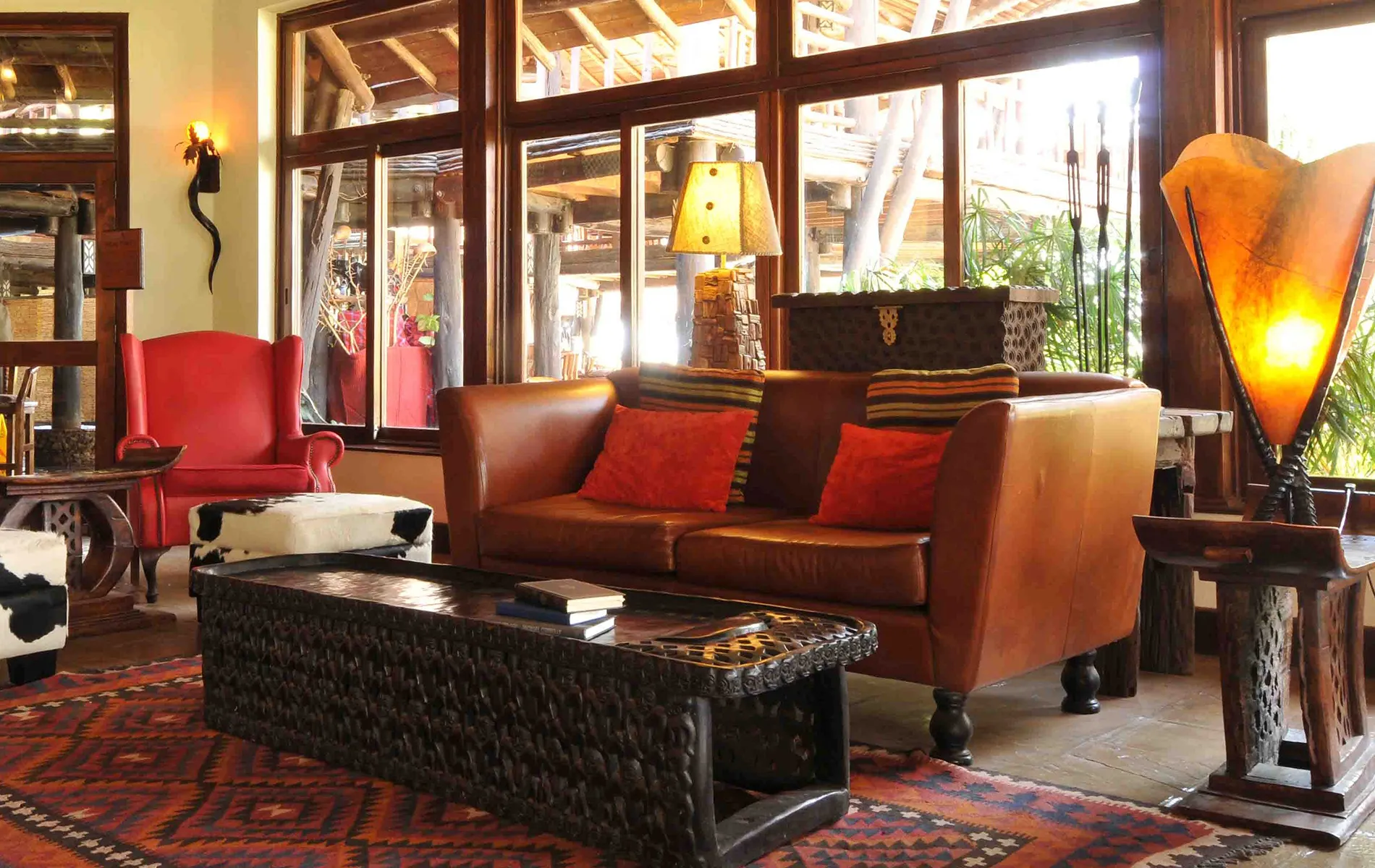
The number changes with lodge, season, room sharing, park fee category, vehicle type, group size and road or flight access. Inside-park and conservancy properties price location and land access differently. Children may receive room or park-fee reductions according to age and policy.
The written plan should name every night, room, meal, park-entry day, conservancy activity, vehicle, guide, transfer, drinks policy and exclusion. If Kilimanjaro views are the dream, the package still cannot sell weather. What it can provide is several well-positioned mornings and a safari rich enough to stand on its own.
Observation Hill, swamps and a full Amboseli day
Observation Hill is one of the designated places where visitors can leave the vehicle and look across the lake basin, marshes and surrounding plains. The climb is modest for many travellers, but the heat, steps and mobility needs should be considered. From the top, the ecosystem makes sense in a way it cannot from a single track: dry ground gives way to bands of green, and animal movement follows water.
A full day does not need to race continually. Begin with mountain light and animal movement, pause at the hill when conditions suit, then read the marshes through the warmer hours. Elephants and buffalo may stay active near water when cats have disappeared into shade. Birdwatchers can find pelicans, raptors, herons, egrets and seasonal flamingo interest around wet areas and the lake basin.
The picnic plan should respect designated areas and park rules. Returning to the lodge for lunch is useful for families or hot days, while a picnic protects time when the most interesting wildlife is far from the room. Decide with the guide that morning rather than locking every day into the same meal pattern.
Photographers should carry both a longer wildlife lens and something wider for animals within the landscape. The mountain may need a wide frame, while birds and distant cats need reach. Dust protection, charged batteries and a beanbag are more useful than changing lenses repeatedly beside the lake bed. When elephants approach, keep hands and cameras inside the vehicle and let the guide decide whether the engine should remain running. A quiet vehicle often reveals social behaviour that a hurried approach would interrupt. Patience changes everything.
| Part of day | Amboseli focus | Useful choice |
|---|---|---|
| Dawn | Kilimanjaro chance, predators and movement | Leave early from a well-positioned lodge |
| Late morning | Swamp feeding and birds | Stay patient near water |
| Midday | Observation Hill or lodge rest | Match heat and traveller energy |
| Late afternoon | Elephant routes and soft light | Protect enough time before exit rules |
What travellers say after the trip
These are exact words from public reviews and discussions. Each person had their own route, budget and expectations, so the value is in the detail rather than treating one experience as a promise.
I liked Amboseli because Kilimanjaro is so prominent and makes a great backdrop for photos.
A traveller explaining why Amboseli became the third safari stop on a Kenya itinerary.
You can’t beat Amboseli for elephant watching and the views of Kilimanjaro are incredible.
A repeat Kenya safari traveller comparing Amboseli with several conservancy experiences.
My favorite photos from the entire trip (9 nights on safari) came from Amboseli.
A traveller who stayed at Tortilis Camp and singled out Amboseli after a longer Kenya safari.
An independent traveller’s day in Amboseli
Travel vloggers Nav and Shish filmed their road journey, budget camp, game drives and the scale of the elephant country. It is useful for seeing the difference between the famous mountain photograph and the practical rhythm of a real Amboseli visit.
Amboseli safari package questions
How many days do I need in Amboseli?
Two nights is a strong minimum. Three nights gives more flexibility for cloud, wildlife movement and a conservancy or cultural experience.
Can I always see Mount Kilimanjaro?
No. Cloud can hide it, often later in the day. Several dawns improve opportunity but never guarantee a clear summit.
Which animals is Amboseli known for?
It is celebrated for elephants and also supports lion, cheetah, buffalo, giraffe, zebra, hippo, hyena, antelope and more than 400 recorded bird species.
Should I stay inside the park?
Inside-park lodges protect gate time. Outside-gate and conservancy properties can offer space, views and additional activities. Exact location matters.
Can I fly to Amboseli?
Yes, light-aircraft services and charter options use local air access. The operating schedule and lodge transfer must be confirmed for the travel date.
Is Amboseli good for families?
Yes. The compact wildlife area, elephants and lodges with pools can work well. A private vehicle helps with shorter drives and child-led stops.
Can I combine Amboseli with Tsavo?
Yes. The ecosystems connect naturally by road, especially when continuing toward the Kenyan coast.
Can I combine Amboseli with the Masai Mara?
Yes. Allow enough days and consider flying one sector to avoid turning the holiday into long road transfers.
When is Amboseli driest?
Drier periods often concentrate wildlife around permanent water, while greener months bring dramatic skies and birdlife. Conditions vary with rain across the wider ecosystem.
Can the itinerary be customised?
Yes. Duration, road or air access, lodge, vehicle, cultural visit, Tsavo and beach connections can all be adapted.
Sources and further reading
Official park, heritage, tourism, aviation and regulatory sources support the practical details in this guide.
Plan an Amboseli safari with room for the mountain to appear
Share your dates, number of nights and onward route. We will match the lodge, gate and game-drive plan to the way you want to travel.
Start planning Amboseli
Dates, traveller ages and preferred comfort level are enough for the first route.