
Naboisho Camp: Asilia’s Family, Walking and Night Safari Base
Nine spacious tents, two family suites, a pool and a chance to explore Naboisho on foot or after dark give Asilia’s Naboisho Camp a particular appeal. It is not the same property as Mara Nyika, and the cost of the stay is not always the headline room figure. Here is the fuller picture.
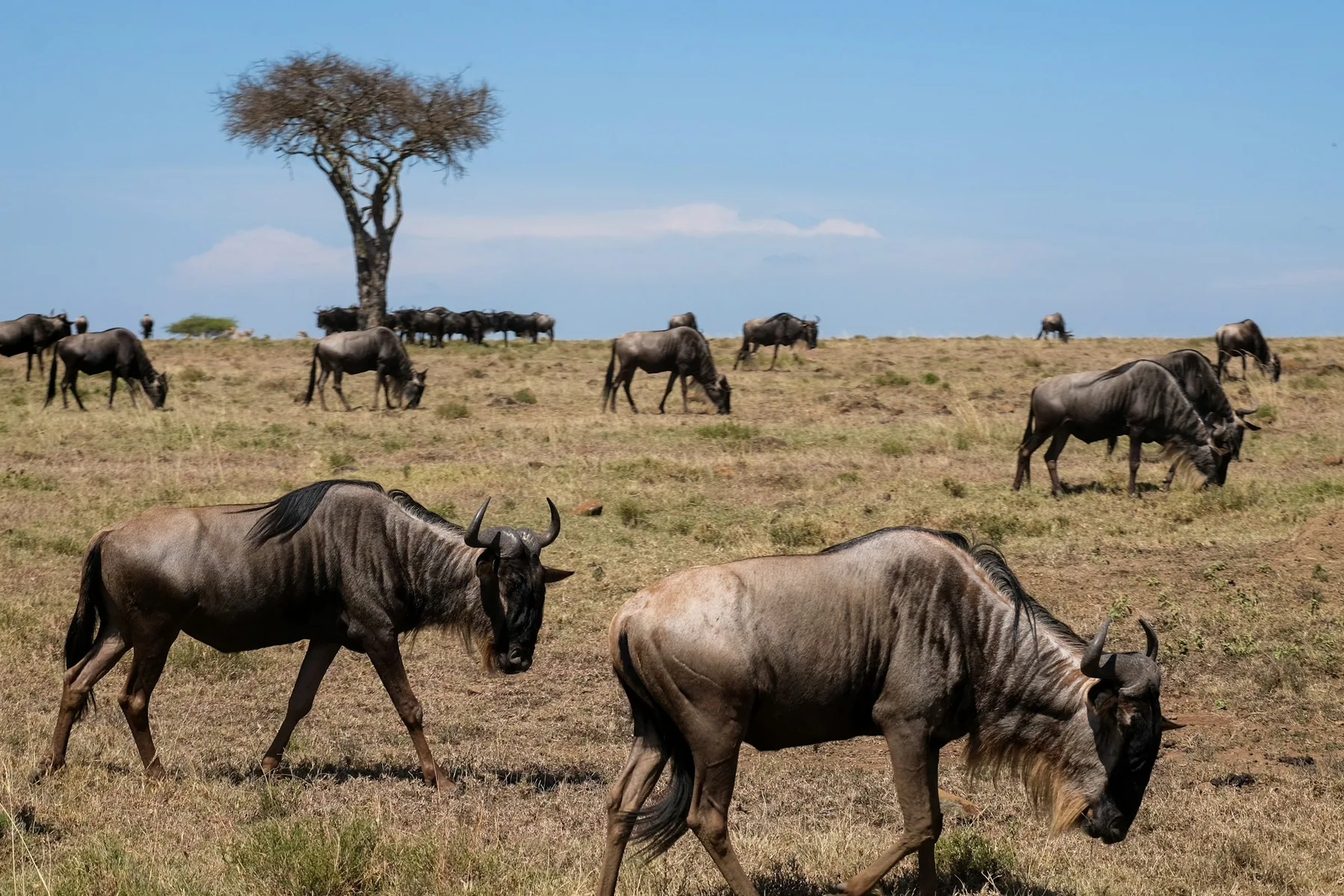
The name sounds simple until you start researching: Naboisho is a conservancy, Naboisho Camp is one camp in it, and several other excellent properties use Naboisho in their descriptions. The one discussed here belongs to Asilia Africa. Its appeal is not only a comfortable tent with a fine view. You can take a normal morning drive, try a guided walk, go out after dark and return to a camp with a pool and social main area. That range can make several days feel varied without changing accommodation every morning.
Asilia lists nine tents, including two family suites, in the private Mara Naboisho Conservancy. The operator describes indoor and outdoor hot showers, a pool, a dedicated spa tent, twice-daily game drives, night drives and walking safaris. It welcomes children aged five and older. Those concrete features make the property different from Mara Nyika Camp, a Great Plains property in the same conservancy with raised woodland suites and a different minimum age and fee structure.
Do not choose by the name alone. A family with an eight-year-old may love the pool and a family suite. A photographer may care most about the vehicle option and guide. A couple may want a few nights in Naboisho but prefer a smaller, more private room arrangement elsewhere. The Naboisho Conservancy guide provides the landscape context. This page concentrates on how Asilia’s camp can work in an actual itinerary, including the items the first displayed room rate may not cover.
The camp and the conservancy are not the same thing
Mara Naboisho is a private conservancy beside the Masai Mara National Reserve. The landowner partnership protects habitat while creating tourism income for Maasai families. It is a place with its own access rules and a collection of camps, not a lodge owned as one giant estate. Asilia’s camp is one base from which to experience that landscape. It has broad views over plains and a more open, social feel than a tiny hideaway tucked among river trees.
Naboisho is known for resident wildlife throughout the year. Lion, cheetah, elephant and many other animals use the area, while seasonal herds may move through the wider ecosystem. None of that is a promise of a specific sighting on your dates. The strength of staying several nights is the chance to see how the place changes: activity in the cool dawn, different tracks after rain and a night sky that appears only once camp lights are low. A guide’s understanding of animal movements matters more than a dramatic species list copied from a brochure.
The conservancy’s controlled access can reduce the number of vehicles compared with a busy public reserve road, but it does not guarantee solitude at every big-cat sighting. One guest reported seeing crowding around a leopard despite enjoying the camp itself. That makes ethical guiding a real choice rather than a slogan. Tell your guide if you would rather leave a congested encounter and look for an animal behaving naturally elsewhere. Our Mara game-drive etiquette guide explains why distance and patience protect both the animal and the quality of the visit.
| Term in the itinerary | What it means | Why it matters |
|---|---|---|
| Naboisho Conservancy | The protected, privately managed wildlife area. | Access and activity rules differ from the reserve. |
| Naboisho Camp | Asilia’s nine-tent property in the conservancy. | Its rooms, food and vehicle choices are operator-specific. |
| Mara Nyika Camp | Separate Great Plains property in Naboisho. | Different minimum age, suites and inclusions. |
| Masai Mara National Reserve | Adjacent protected area with its own entry system. | A visit needs a route and applicable fees. |
What the nine tents offer families and couples
Asilia describes king or twin beds, en-suite bathrooms, indoor and outdoor hot showers and private verandas. The outdoor shower is one of the pleasures of tented safari accommodation: water, air and landscape are close without giving up a proper bathroom. The tent also has enough space for a quiet hour between drives. A couple can take coffee on the veranda; a child can point out a bird while parents rest. These are not tiny adventure tents where you must leave to feel comfortable.
Two of the nine are family suites. That number matters during school holidays, when a family room can be harder to secure than an ordinary tent. Ask for the exact bed arrangement and how the rooms connect. A teenager may be delighted with privacy; a parent of a five-year-old may want a very different configuration. Do not assume that a family suite automatically brings a private vehicle or a dedicated child programme. Treat room layout and drive arrangement as separate decisions.
The camp welcomes children from age five according to its current description. That is younger than the minimum at some luxury neighbours, including Mara Nyika. A five-year-old can still find a long shared drive tiring, and not every activity will be suitable. A walking safari or fly-camping night has different considerations from an ordinary game drive. Tell the camp each child’s age and interests, and give the family enough downtime for the safari to be enjoyable. Our Mara with kids guide covers vehicle pacing and age choices in more detail.
For a couple, the normal tent can feel private while the camp’s dining and lounge remain social. That balance appeals to guests who enjoy meeting others after a drive. If your honeymoon idea is every meal at a separate table and no shared vehicle, make that preference explicit before booking. A guest’s special private meal in one review does not mean private dining is the default or can always be arranged at the last minute.
Twice-daily drives and the vehicle decision
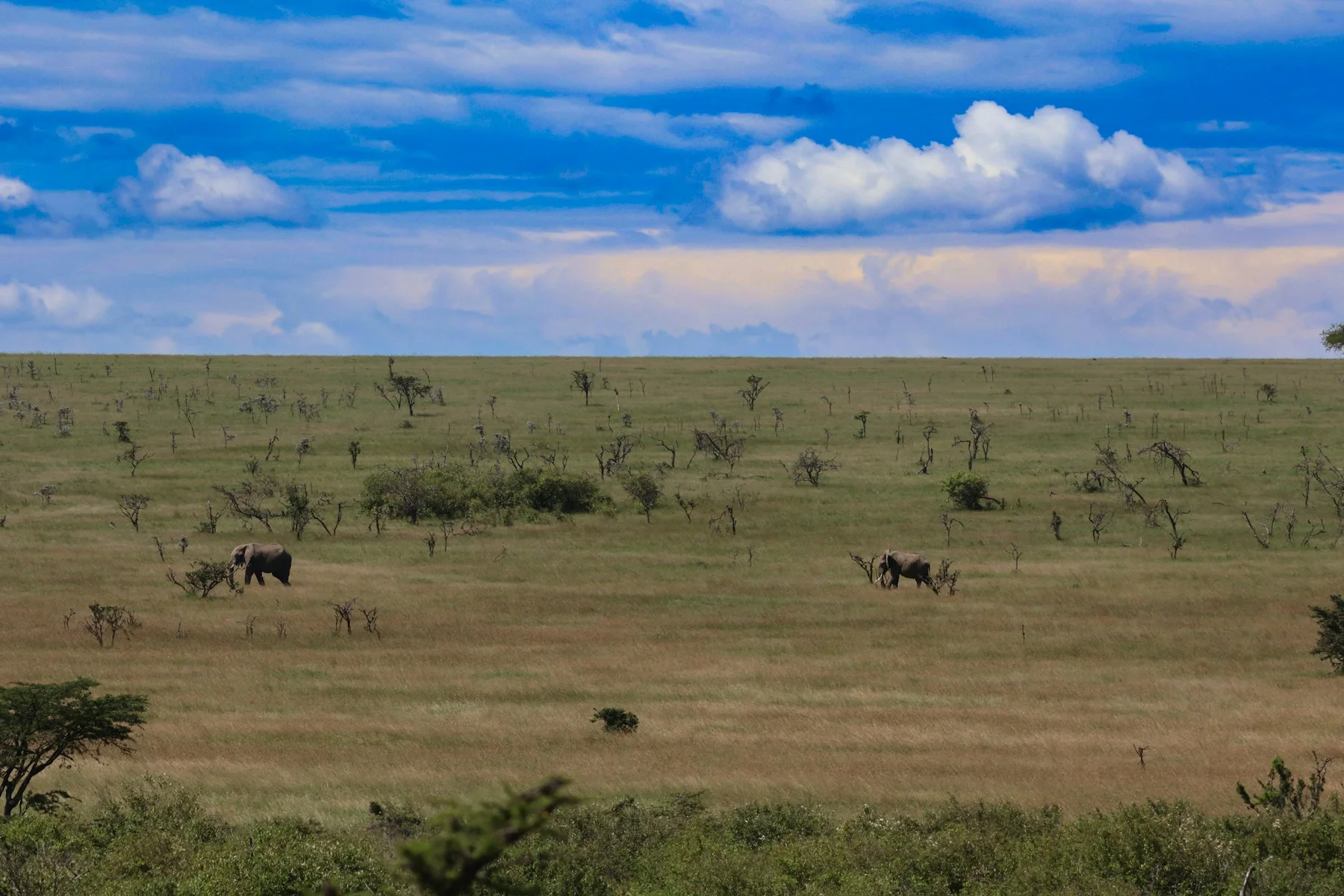
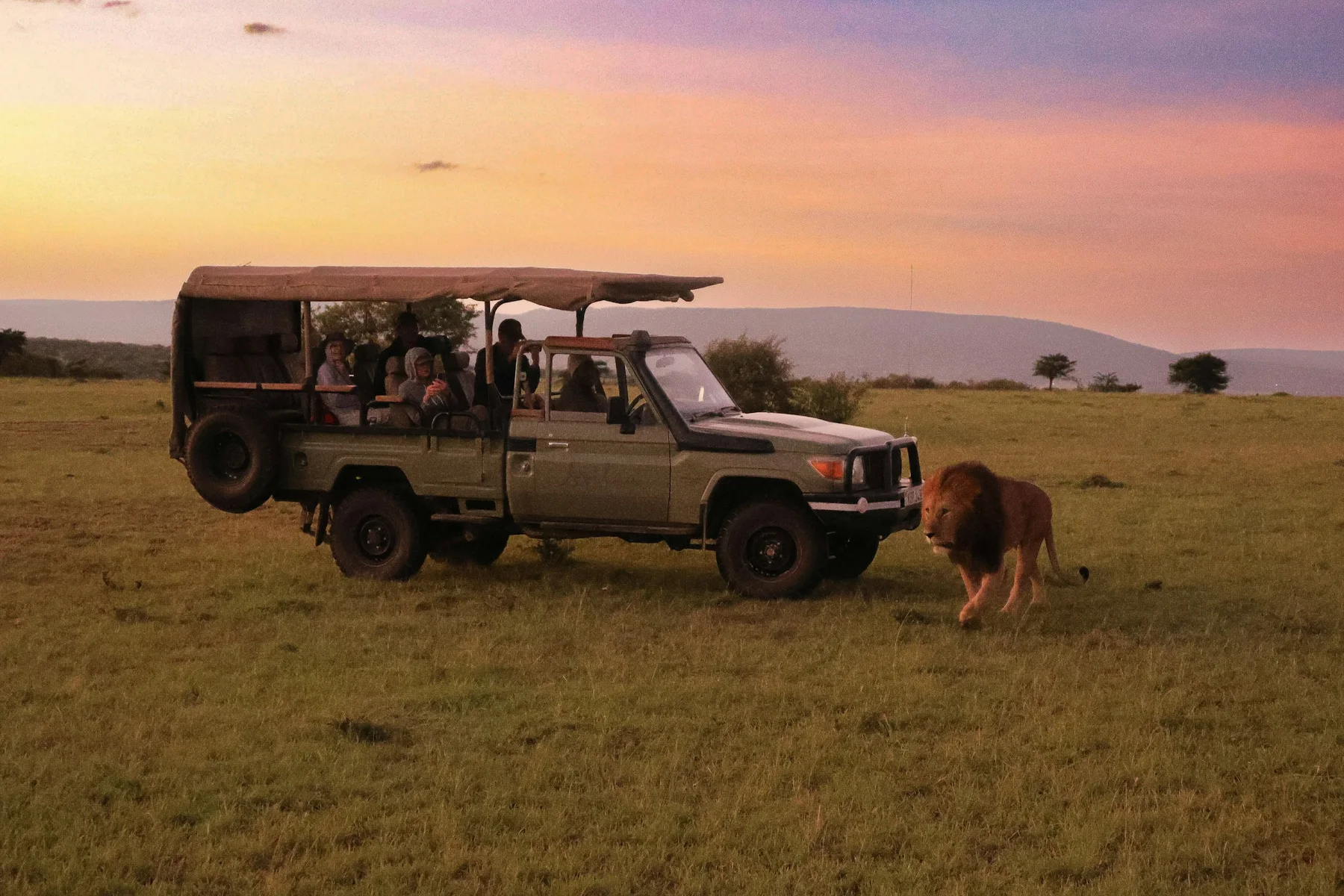
Asilia lists two game drives a day in customised 4×4 vehicles. The morning start is early because cool air and low light often make animals active. The late-afternoon drive gives a second window. Those outings can be very different. A guide may spend one morning reading tracks or searching a river corridor, while the later drive stays with an elephant family. You do not need a new species every fifteen minutes for the day to be rich.
A standard camp rate does not automatically mean a private vehicle. The operator offers different vehicle arrangements, and a first-time safari guest described choosing a photography vehicle for her partner. For families, private use can solve a practical issue: a child may need to return to camp early while others want to continue. For photographers, it gives more say over angle and duration. For sociable travellers, a shared drive can be a pleasure, and you may learn from someone else’s questions. Choose the arrangement that improves your day rather than buying privacy by reflex.
A good guide also manages how close the vehicle gets. At a lion sighting, patience can produce a better experience than rushing into a cluster. A guest who loved the camp still described too many vehicles around a leopard on several occasions. That account is an individual observation, not a measured report for every day, but it is a useful reminder that private conservancies are not empty of other guests. The ethical choice may be to wait at a distance or move on. Ask the guide to prioritise animal welfare and your preferred pace.
Seasonal migration is another place to keep expectations grounded. Asilia itself says herds may pass through Naboisho, particularly around August and September, but it does not guarantee migration viewing from the conservancy. If a river crossing is the central dream, consider whether a planned day in the National Reserve or a second camp nearer a suitable sector would help. Even then, a crossing cannot be scheduled. The river crossings guide explains the uncertainty without taking away the excitement.
The world looks different on foot and after dark
A guided walk is one of Naboisho Camp’s most meaningful alternatives to sitting in a vehicle. Instead of scanning the horizon for a cat, you notice tracks, grasses, insects and the relationship between plants and animals. A good walk makes the bush feel three-dimensional. It is not a casual stroll taken alone outside camp. The route, pace and whether children can join depend on guide judgment, weather and safety rules. A guest who travelled solo in February 2026 called his walking safari the right balance between controlled and thrilling.
A night drive offers another change of perspective. A guide may use suitable lighting to look for nocturnal movement, but a night safari is not a promise of rare cats hunting under the stars. Respectful viewing is especially important after dark. If you have young children, ask how late the outing ends and whether a shorter plan is possible. For some families, dinner and the sounds around camp may be enough; others will treasure the thrill of a safe, guided drive after the normal reserve hours.
These activities are why choosing a conservancy camp can be more than choosing a quieter road. Asilia lists game drives, a night drive and walking safari in its included experiences. Availability on a specific day still depends on local conditions. A rainy afternoon may change a walking route; a child may be too young for an activity that older siblings enjoy. Build flexibility into the itinerary so a missed walk does not feel like the whole holiday has failed.
| Experience | How it changes the safari | Who should discuss suitability? |
|---|---|---|
| Day game drive | Covers more ground and offers varied wildlife encounters. | Families planning a child’s drive length. |
| Guided walk | Focuses on tracks, plants and smaller details. | Anyone with mobility concerns or young children. |
| Night drive | Explores the conservancy after daylight fades. | Travellers who prefer an early dinner or bedtime. |
| Photography vehicle | Changes space and positioning for camera work. | Photographers who need a particular angle or pace. |
| Fly camping | An overnight away from the main camp. | Guests under twelve or those wanting full room comfort. |
Fly camping is a separate, more adventurous night
Asilia offers fly camping for guests who want to spend a night farther from the ordinary camp routine. It is not a free extra hidden in the normal accommodation rate. Under the operator’s terms it needs a minimum three-night stay at Naboisho Camp, a minimum of two people and a minimum participant age of twelve. It is offered seasonally, with weather determining whether an overnight outside is sensible. The quoted supplement changes by travel period, so include it only if you genuinely want the experience.
Fly camping can be wonderful for a couple or older children who are comfortable with a simpler overnight arrangement and want to hear the bush after dark. It may be a poor idea for someone who chose Naboisho primarily for the full bathroom and pool, or for a family with a five-year-old who cannot meet the age rule. Do not confuse it with a game-drive picnic or a night drive that returns to camp. It is a different way to spend one of your nights and should be explained before you commit.
Ballooning is another optional adventure, with an early departure, a flight subject to weather and a separate charge. It is not necessary to enjoy Naboisho. A well-guided dawn drive can be more meaningful than a balloon to a traveller who wants close observation of animal behaviour. A hot-air balloon can be unforgettable for someone drawn to the scale of the landscape. Our Mara balloon guide helps weigh that choice.
Pool time, meals and the spaces between drives
The main lounge and swimming pool give Naboisho Camp an easy midday rhythm. A guest who has been out since dawn can read, swim, take a spa treatment or simply look over the plains. Families often need that breathing room. An overloaded safari itinerary can leave children remembering only bumpy roads and early alarms. The pool is a practical part of the holiday, but it still sits in wildlife country, so supervise children closely and follow camp guidance about movement around the property.
Meals are cooked at camp, with Asilia describing locally sourced vegetables when possible. Guests have praised the food and social meals. One solo visitor particularly enjoyed the communal lunch and dinner as a way to meet other travellers. That can be a strength if you are on your own or enjoy conversation after a drive. It may be less suitable for a couple who expects private restaurant-style dining every night. Discuss the meal format and any celebration request before arrival.
The camp offers spa treatments in a dedicated tent or in-room, but they are charged separately. Laundry is limited under the included rate. Wi-Fi and power for charging are listed, yet the pleasure of this location lies partly in stepping away from the habits of a normal hotel day. Bring a book, make time for the view and do not feel obliged to fill every hour with an activity. Naboisho Camp can be both active and restful when the schedule leaves room for each.
What independent guests say, including a concern
Real guest accounts make the camp easier to understand than a row of five-star icons. In a February 2026 Tripadvisor review, solo traveller Benjamin B described a friendly community spirit amongst all the guests
. He wrote about guide Evelyn, a walking safari and communal meals. His details suggest a sociable camp where a solo visitor can feel included, not just a beautiful private room.
A couple who were first-time safari guests said their photography vehicle helped them work with guide Lenkoko on their shots. They praised the staff’s care with a lactose-intolerant diet and the room’s understated luxury. Their experience shows what a thoughtful vehicle choice and advance dietary note can add. It does not mean every normal vehicle is a dedicated photographic vehicle, or that every sighting will fall into place for a camera.
It would be dishonest to present only praise. In a March 2026 review, Libby A enjoyed the tents and staff but said there were so many vehicles
around some animal sightings. She was particularly concerned about a crowded leopard encounter and its possible effect on the animal. That is one guest’s report, not a universal description of every drive. It deserves a place in the decision because low vehicle density is often a reason people choose a conservancy. Tell your guide how you want to handle a busy sighting. The best wildlife experience may be somewhere quieter.
Another traveller writing elsewhere online was disappointed by service and a private-dining request, despite acknowledging the strong public ratings. That account, too, is individual. The practical lesson is to put an important private meal, special celebration or vehicle arrangement in the booking and not rely on a general promise of luxury. Hospitality can be deeply personal when it works, and frustration can be just as personal when expectations are left vague.
The room rate is not the whole trip price
Asilia’s rate description lists full-board accommodation, house drinks except premium wines and champagne, game drives, a night drive, walking safari, nearest-airstrip transfers and limited laundry. It says a conservancy bednight fee is included, yet its exclusions separately refer to conservancy fees and other charges. Those categories may apply in different circumstances. The sound way to price a stay is to have the room, applicable conservancy charges and Asilia conservation charge shown together for the exact party and dates.
Flights, airport taxes, ballooning, spa treatments, cultural visits, fly camping, gratuities and certain additional meals are outside the displayed full-board basis. A photography vehicle or private vehicle needs its own arrangement. Asilia describes a promotion for seven consecutive nights across its properties with certain in-country transfers included, but that is a route-specific offer rather than a universal inclusion at Naboisho Camp. Do not let a promotion obscure the ordinary cost of the stay.
The conservancy fee is not simply a surcharge without purpose. Tourism revenue helps pay landowners and manage habitat. Still, travellers deserve a clear total. If you compare Naboisho Camp with Mara Nyika or a camp inside the reserve, include room category, board basis, fees, flights, vehicle, special activities and desired nights. Our Mara safari cost guide and fee guide help make those comparisons intelligible.
| Cost line | Asilia’s normal description | Practical point |
|---|---|---|
| Room and meals | Full board included. | Name the normal or family suite. |
| House drinks | Included, excluding premium wines and champagne. | Celebration drinks may differ. |
| Game drives, walk and night drive | Listed among included activities. | Vehicle arrangement and suitability still matter. |
| Bednight fee and other conservancy charges | Bednight fee shown as included; other fees may be excluded. | See the total for your dates. |
| Asilia conservation charge | Excluded. | Include it in the final total. |
| Flight and airport taxes | Excluded from normal camp rate. | Plan the whole route. |
| Fly camping, spa and balloon | Optional extras. | Choose experiences you will actually enjoy. |
Ol Seki and the journey from Nairobi
Mara Ol Seki is Asilia’s closest listed airstrip, about forty-five minutes by road from Naboisho Camp. The transfer from the nearest airstrip is part of the camp arrangement, but the flight itself is a separate cost under the ordinary rate. A scheduled light aircraft normally departs Nairobi’s Wilson Airport rather than the international terminal at Jomo Kenyatta. If you arrive from abroad that morning, allow enough time for immigration, baggage, road transfer across Nairobi and domestic check-in. A night in Nairobi can be a gentler start after a long-haul flight.
Asilia’s travel notes mention a 15 kg limit for small-plane luggage. Check the specific airline and whether the limit includes hand baggage or camera gear. Soft-sided bags are easier to load than rigid cases. The safari flight baggage guide covers the questions to settle before packing. If you are weighing a private road transfer instead, the fly-in versus drive-in guide looks at travel time and comfort across the trip.
For a multi-stop holiday, Naboisho pairs well with a different ecosystem rather than a second near-identical camp. Ol Pejeta brings a rhino focus; Amboseli offers elephants and Kilimanjaro views on clear days; the coast allows a restful finish. Each extra flight consumes time and money, so choose a route that gives the family at least a few uninterrupted nights in each place. A beautiful camp deserves more than a single hurried arrival and departure.
Choose it for the variety, not just the name
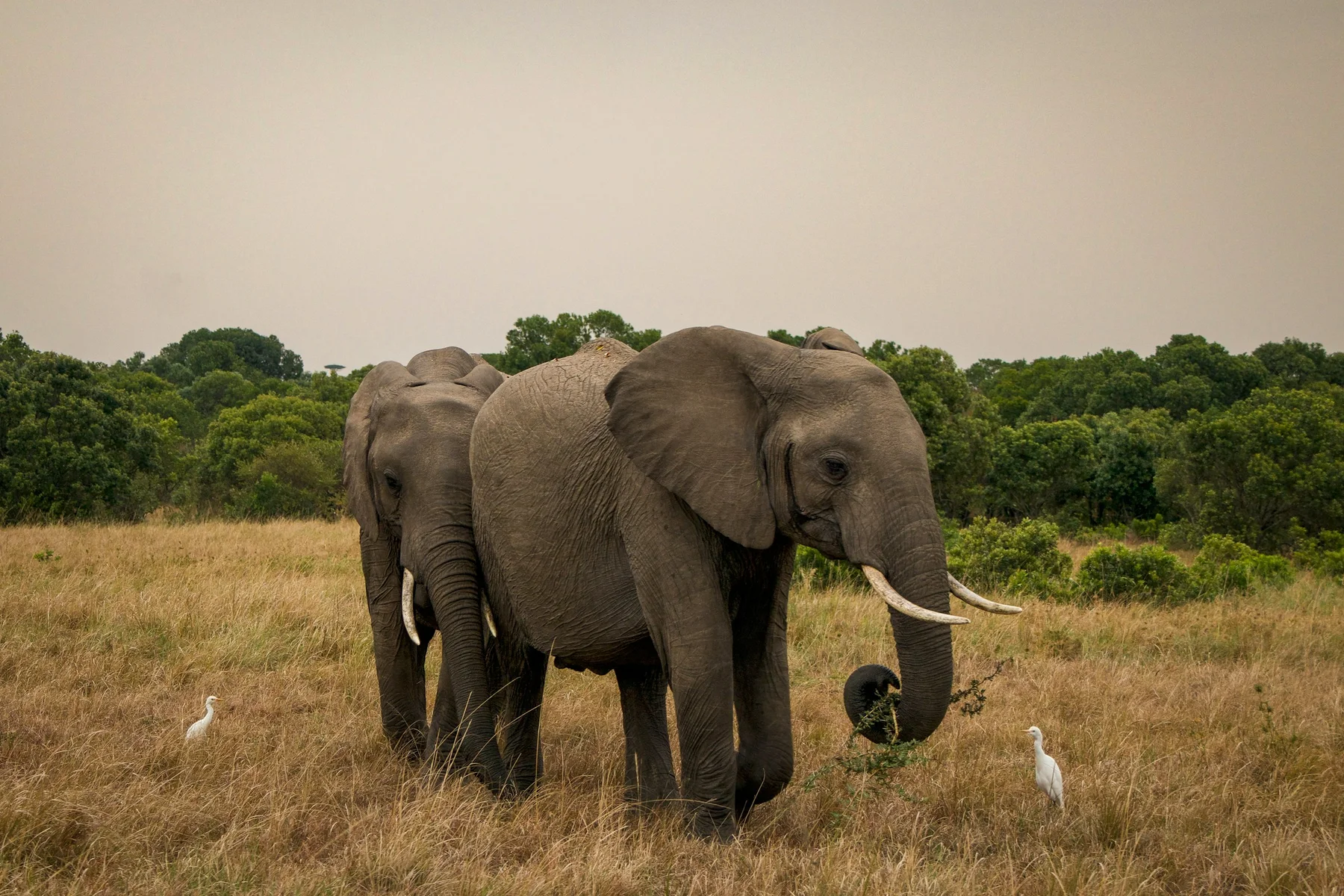
Naboisho Camp can be an excellent fit for a family with children old enough to enjoy short drives and pool time, a couple who likes social meals, or an adventurous traveller who wants to walk and try a night drive. Its nine tents keep it intimate without eliminating shared spaces. The spa and pool help the midday hours feel like part of the holiday. The most important choice may be whether you want a standard vehicle, private vehicle or photographic setup.
Choose Mara Nyika if its woodland walkways, brass baths and smaller-scale Great Plains style speak to you more, and everyone meets its older minimum age. Compare Encounter Mara, also run by Asilia in Naboisho, for a different camp atmosphere and price point. If the National Reserve must be the home base, look at Mara Expedition or another reserve property instead. Our Mara lodging guide helps locate each option.
Whichever camp you choose, make space for the experiences that cannot be photographed neatly. A walk that changes how you see tracks, a child asking the guide an unexpected question, or a quiet evening when the plains disappear into darkness can be as memorable as a lion. Naboisho Camp gives you enough ways to spend the day that those moments can find room.
Naboisho Camp questions
Is Naboisho Camp inside the National Reserve?
No. Asilia’s Naboisho Camp is in private Mara Naboisho Conservancy, adjacent to the broader reserve ecosystem.
How many tents does Naboisho Camp have?
Asilia lists nine tents, including two family suites.
Is this the same as Mara Nyika Camp?
No. Both are in Naboisho, but this is an Asilia Africa property with a pool and two family suites; Mara Nyika is run by Great Plains and has a different room and rate model.
Can children stay?
Asilia says children aged five and older are welcome, with two family suites. Discuss the age of each child and suitability of individual activities.
Are walking and night safaris offered?
Yes. The operator lists both among its camp activities, subject to weather, safety and guide judgment.
Does every booking include a private vehicle?
No private vehicle is implied by the ordinary full-board inclusion. Asilia has vehicle choices, including a photography vehicle; make your preferred arrangement explicit.
What is fly camping?
A separately charged overnight bush experience offered seasonally with a minimum three-night camp stay and minimum age of twelve under the operator’s stated terms.
Are conservancy fees included?
The operator’s rate display says the bednight fee is included while separately listing conservancy fees and its conservation charge as exclusions. Have the applicable fees itemised for the travel dates.
Are flights included?
No. Asilia lists flights and airport taxes as exclusions. The transfer from the nearest airstrip is included.
Which airstrip serves the camp?
Mara Ol Seki is the closest listed airstrip, with an approximately 45-minute road transfer according to Asilia.
Is there a pool?
Yes. The camp has a swimming pool overlooking the conservancy landscape.
Can I visit the Maasai Mara National Reserve from camp?
A reserve visit requires a separately planned route and any applicable access fees. The camp’s core activities are in Naboisho Conservancy.
Go deeper into the Mara
Plan Naboisho Camp
Share your dates, party ages, room choice and whether walking, photography or family downtime matters most.