
Elerai Camp: Kilimanjaro Views, a Waterhole and Its Own Conservation Area
Elerai Camp is not inside Amboseli National Park and it is not in Selenkay Conservancy. It stands on its own conservation area southeast of the park, with twelve tents, five cottages, a waterhole and the chance to walk or drive after dark. Those details are why you would choose it. They are also the details to check before you book.
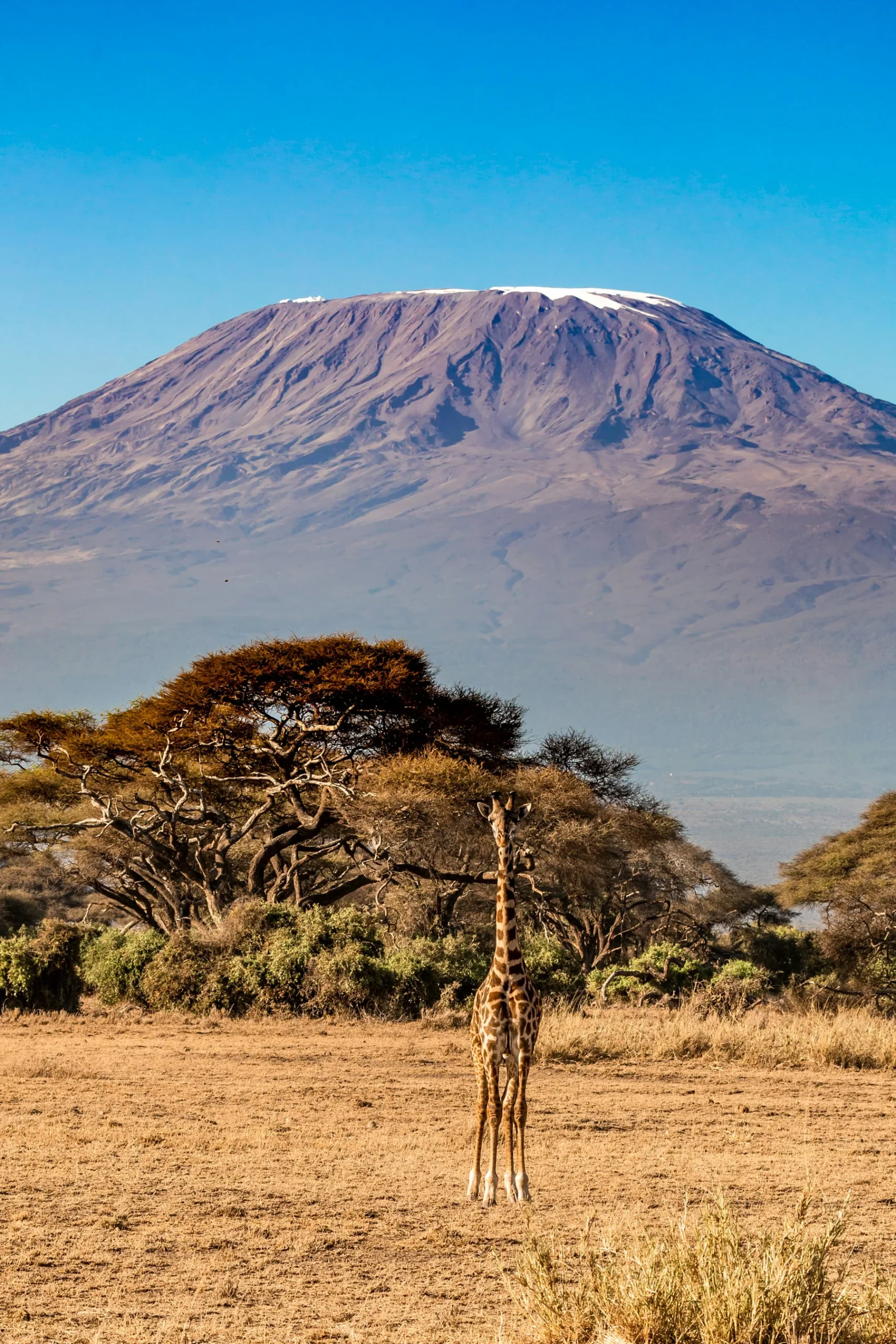
A mountain can make you change your morning plans. At Elerai Camp, an early glance from the veranda may find Kilimanjaro clear and bright. Later it may disappear behind cloud. In between, the waterhole can draw your attention in the opposite direction, down toward the plains. It is a camp for lingering as well as driving, which matters because its location is outside the national park.
The camp’s own description places it on a 5,000-acre private conservation area about twelve kilometres southeast of Amboseli National Park. That is not the same as being twelve kilometres from the gate by road, and it is not Selenkay Conservancy, which hosts different camps elsewhere around Amboseli. The distinction protects you from a common search-result muddle. Elerai’s outlook, game walks and night drives arise from its own setting. A conventional Amboseli park game drive still requires the right route and park fee.
The location is the advantage, and sometimes the compromise
From Elerai, you can look toward Amboseli in one direction and Kilimanjaro in another. The conservation land around camp has its own wildlife and a quieter feel than the busy park tracks at peak times. It also lets you return from a park outing to a place where the safari does not end at the park gate. You may spend an evening around the waterhole, walk with a guide or set out after dusk where that activity is allowed.
The trade-off is travel time. The operator states distance from the park boundary, not a universal gate-to-tent driving time. Road conditions, your chosen entry gate, wildlife stops and a slow transfer can all stretch the journey. If your only objective is to be among Amboseli’s elephants at dawn every day, a park-inside property may simplify the early start. If you want some park drives but also a quieter base with more activity choice, Elerai becomes more attractive. Our Amboseli safari guide explains what the park itself offers, and the accommodation guide helps place the different areas on a route.
There is no promise that Kilimanjaro stays visible all day. Clouds often cover parts of it, and a beautiful sunrise can become a pale afternoon sky. Position matters too: a tent’s veranda and a cottage’s balcony do not frame the exact same view. Ask about the chosen room category, not simply “mountain view.” The mountain is a living backdrop, not an amenity the camp controls.
| Base | What you gain | What you give up |
|---|---|---|
| Elerai’s private conservation area | Mountain outlook, waterhole, guided walks, night drives and quieter time away from park traffic. | A separate road journey to enter Amboseli National Park. |
| Inside Amboseli National Park | Earlier access to park circuits from the room. | Different rules around night driving and walking; often a busier lodge setting. |
| Another surrounding conservancy | Conservancy activities with its own land and lodge style. | Different fee, wildlife habitat and park access; it is not interchangeable with Elerai. |
Twelve deluxe tents or five cottages?
The official room count is specific: twelve deluxe tents and five cottage rooms. The tents use raised cedar floors, acacia poles and thatched roofing, with an en-suite bathroom, spacious shower and large veranda with a daybed. A tent gives you the canvas feeling and the mountain outlook that many people imagine before their first Kenya safari. It still has proper facilities, but you will hear the night more directly than from a walled cottage.
The five cottages are made with natural rock and acacia wood. Their broad doors open to balconies toward the plains and park. The bathrooms include a bathtub as well as a shower, with solar-heated running water. This may suit a couple who wants more solid walls, a bath after a dusty drive or a different view down toward the waterhole country. Do not assume that a cottage is simply an “upgrade” to the tent. One looks toward the mountain from its own position; the other changes the relationship to the plains. Preference is personal.
The layout matters for families. A parent may care more about room adjacency, nighttime escort arrangements and how far the child walks to dining than about whether the roof is canvas. A traveller with limited mobility needs to know the path grade and steps, not just that the bathroom is spacious. The camp’s photographs are useful for visualising categories, but ask for the exact room allocation when such details will make or break the stay.
| Feature | Deluxe tent | Cottage room |
|---|---|---|
| Structure | Raised canvas room with timber floor and thatched roof. | Solid materials including natural rock and acacia wood. |
| Outdoor space | Large veranda and daybed facing Kilimanjaro. | Balcony overlooking the plains and park direction. |
| Bathroom | En-suite with spacious shower. | Bath and shower, with solar-heated water. |
| Why choose it | The open, traditional safari-camp feel. | More enclosed room and a different outlook. |
| What to check | Exact mountain angle and bed configuration. | View, bath setup and proximity to family rooms. |
A stay in a small camp feels different from a large resort. You see the same staff across meals, and dinner may become part of the day’s conversation. Elerai says it serves a-la-carte meals made with locally grown produce and can lay tables on the terrace on a clear night. Its infinity pool faces the mountain. None of that guarantees an immaculate experience on every date, but it makes the afternoon in camp worth protecting rather than filling with another long drive.
A waterhole you can watch from a chair
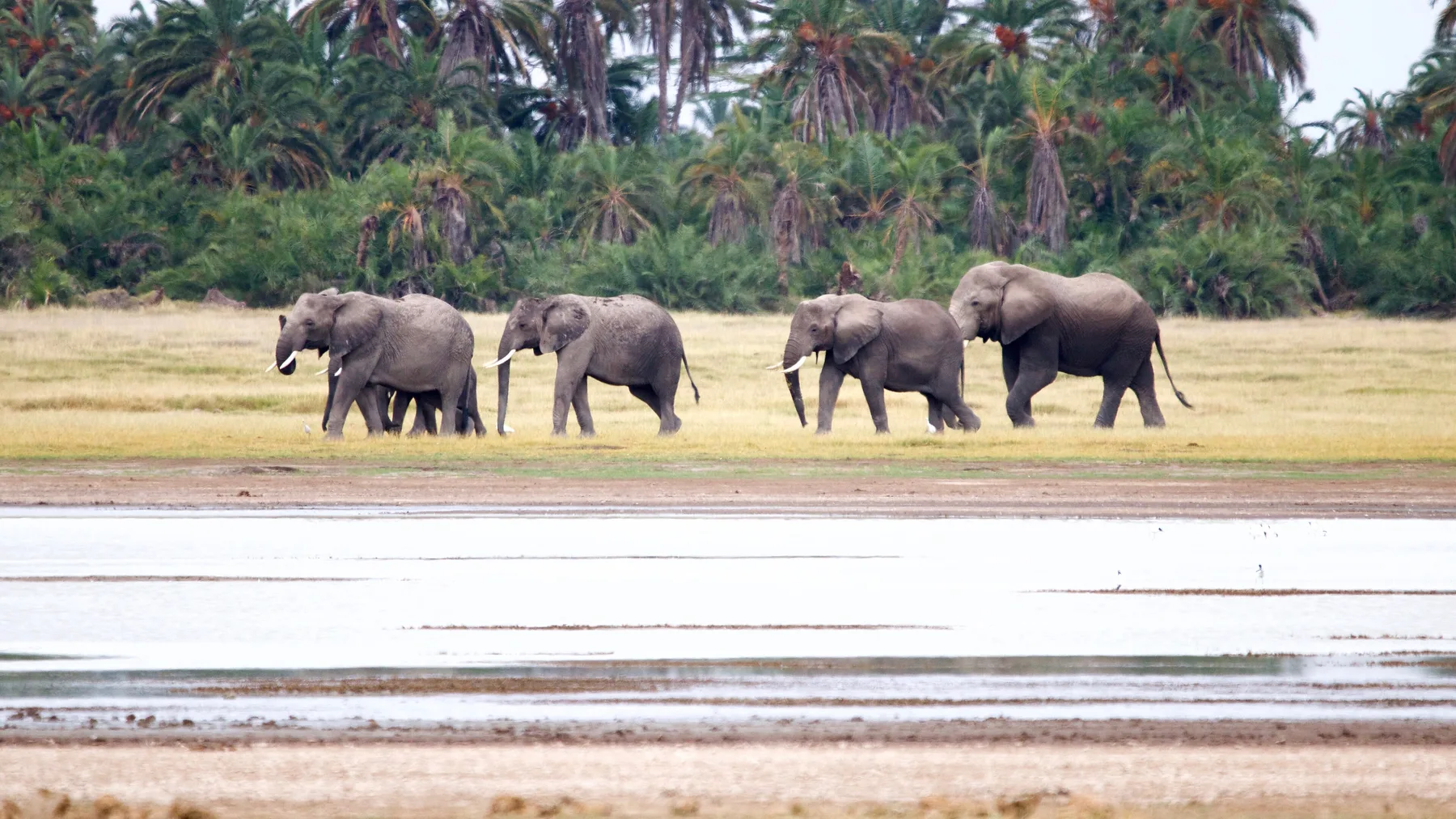
Elerai’s waterhole is visible from the dining area and other shared spaces. That makes a midday break more than time between drives. A giraffe may approach when you have decided to eat; an elephant might arrive after you have put down the camera. Equally, you may sit through a quiet spell. Wildlife presence changes with weather and water elsewhere, so treat waterhole viewing as a chance rather than a scheduled show.
The pool looks toward Kilimanjaro and gives families or tired travellers a genuine rest period. It is not a substitute for a park drive if your dream is Amboseli’s elephant herds moving across the wetland, but it changes the pace of the trip. Plan at least one unhurried afternoon so the camp’s setting earns its place in your itinerary. A one-night stop can miss the point: arrival, a rushed dinner and an early departure leave little room to see why travellers remember the place.
Park drives, local walks and a different night drive
The camp’s activities page lists day and night game drives, guided walks on its conservation area, sundowners and community visits. Walking options include routes near a river gorge. A walk should be planned around fitness, age, weather and the guide’s safety assessment. The chance to notice tracks, plants and smaller animals can be a welcome change after several vehicle days. It is not a free-roaming stroll outside your tent.
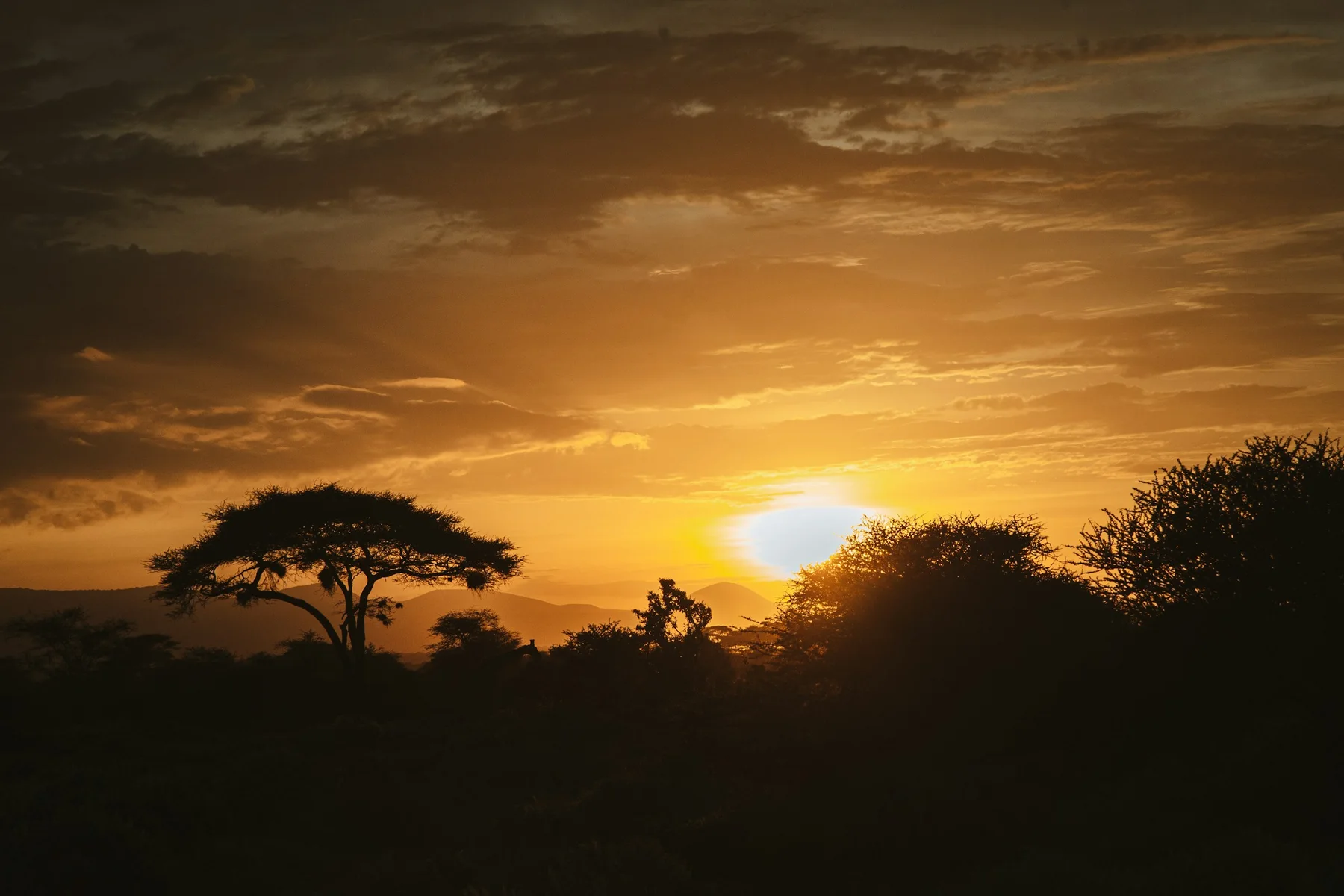
Night driving is one of the reasons to sleep outside the national park. The camp lists possibilities such as genet, civet, serval, owls and bushbabies. Those are possible animals, not a checklist to expect in one outing. A quiet night drive can be memorable even when the sighting is small: the change in sounds and the way the landscape disappears beyond the light are the experience. Confirm whether a drive is shared or private, its duration and any age restrictions.
Amboseli National Park still deserves proper time. Its wetland, open lakebed and elephant viewing cannot be replaced by looking at the mountain from camp. If you are here for two nights, a balanced plan might include one full park day, one shorter conservancy outing and time by the waterhole. With three nights, the schedule breathes: an early park drive, a late walk, perhaps a sundowner and a genuinely restful afternoon. Avoid stacking every listed activity into one stay simply because it appears in a brochure.
Elerai also mentions community visits and even escorted cycling for guests who bring their own bicycles. The latter is a specialist arrangement, not something to assume is included in a standard safari. A community visit is best when hosts welcome it and the benefit is clear. Our ethical Maasai visit guide offers a way to think about that choice beyond the souvenir stop.

The people on the land matter to the stay
Visitors often describe attentive local staff and guiding as the memory that outlasts the room. Elerai’s conservation setting is not empty scenery: communities live in the wider Amboseli ecosystem, and the land has a history beyond tourism. Ask how the conservation-area fee and local employment work in the itinerary, especially if community benefit is part of why you choose a private-area camp. A respectful safari does not reduce Maasai people to costumes or a photo opportunity.
Guiding style matters enormously in Amboseli. It is easy to race toward every elephant report, especially when visitors have little time. A patient guide may allow an elephant family to cross at its own pace or spend longer watching birds in the marsh. A recent guest praised a guide specifically for not racing from animal to animal. That is a useful criterion to raise when arranging your vehicle: do you want a high-energy search, photography time, a family pace or a quieter natural-history drive?
What real guests loved, and what one found disappointing
On Tripadvisor’s Elerai reviews, Maureen M described Tent 5 as spacious and said the porch faced Kilimanjaro. Her guide’s pace stood out: he didn’t race from animal to animal
. She also called the food merely okay while praising service and the evening walk. That mix is more useful than a perfect score. It says that excellent wildlife time and hospitable staff need not mean every meal will be a personal favourite.
Another guest, Sve, wrote that from the pool or dining area they could watch numerous animals gathering at the waterhole
. They regretted staying only two nights. A couple visiting in 2025 loved the design and warm team but warned that Kilimanjaro was often cloud-covered. Their advice to rise early reflects a real limitation, not a fault of the camp. It is a reason to build a trip around the landscape as a whole rather than one postcard view.
There is also a sharply critical guest account. A traveller praised the setting and pool but reported uncomfortable tipping pressure, rooms placed far apart despite a request, and no hot water in either of two rooms. Management publicly replied that it wanted to investigate those complaints. This is one person’s experience, not proof of a permanent pattern. But if room adjacency or consistent hot water is essential, say so before the reservation is accepted and check what the property confirms. Real reviews are most useful when they change a practical decision, not when they are treated as a vote for or against a camp.
What should appear in the Elerai safari price?
The camp describes facilities and activities, but its public overview is not a universal all-inclusive tariff. A final itinerary should distinguish the tent or cottage, meal basis, park-entry days, private conservation-area charges if applicable, vehicle arrangement, walks or night drives, airstrip transfers and any extra experiences. Do not assume that an activity on the website is automatically included in every room rate. Conversely, do not discard a quote as expensive until you know whether it covers a dedicated guide and vehicle.
Amboseli park fees change with visitor category and policy. A trip cost needs the number of park-entry days, not merely the number of nights at Elerai. A park-focused couple who goes in twice may have a different fee bill from a family spending one day in the park and another on the conservation area. Our Amboseli safari cost guide provides the wider framework, while the room and vehicle should be selected for your actual group.
| Part of the proposal | What to pin down | Why it changes the trip |
|---|---|---|
| Tent or cottage | Named category, room count, bed setup and adjacency. | The two room types face the landscape differently. |
| Meals | Full board or another basis, and drinks. | Dining is part of a remote-camp day. |
| Amboseli National Park | Exact entry days and current fee basis. | Elerai is outside the park. |
| Conservation-area activities | Night drive, walk, guide and any separate charge. | These are a main reason to stay here. |
| Vehicle | Shared or private, pickup and route. | Photography, families and park transfers need different pacing. |
| Transfer | Airstrip or road pickup and realistic driving time. | The park-boundary distance is not the gate transfer time. |
Arriving without losing the first afternoon
Elerai is often part of a longer Kenya circuit rather than a destination reached in isolation. A road journey from Nairobi can work well if you have a vehicle for the rest of the trip. Flying toward Amboseli may save time, but the landing, camp transfer and your chosen park route still need coordination. The nearest airstrip displayed in lodging listings does not tell you the transfer Elerai will actually use. Confirm the landing point and meeting arrangement in the itinerary.
Try to arrive with daylight left. You can settle into the room, look for the mountain if the sky is clear, and see whether the waterhole is active before deciding on a sundowner or short activity. A late arrival followed by a dawn park drive can turn a beautiful camp into an expensive bed. If your journey continues to the Mara, Tsavo or the coast, compare transfer routes before adding another one-night stop. Our fly-in versus drive-in guide helps weigh the whole day rather than a flight duration alone.
Who is likely to love Elerai Camp?
Choose Elerai if a smaller lodge, Kilimanjaro outlook, pool, waterhole and the option of walks and night drives matter as much as your hours in the park. It suits a couple who wants a scenic place to come home to, a family that appreciates an afternoon by the pool, or a repeat visitor ready to see the Amboseli ecosystem beyond the national park boundary.
Compare another base if every possible hour must be spent on the main park circuits, if a long transfer from the park gate will frustrate your schedule, or if the exact view from a particular room is non-negotiable. Those are not weaknesses to hide. They are how you choose a safari that feels coherent rather than collecting impressive property names.
Elerai Camp questions
Is Elerai Camp inside Amboseli National Park?
No. The camp is on its own private conservation area roughly twelve kilometres southeast of the national park boundary. Park entry and travel are separate.
Is Elerai Camp in Selenkay Conservancy?
No. Elerai has its own conservation-area setting. Selenkay is another conservancy in the Amboseli ecosystem and hosts different properties.
How many rooms does Elerai have?
The camp describes twelve deluxe tents and five cottage rooms, for seventeen rooms in total.
What is the difference between a tent and cottage?
Deluxe tents have a raised canvas design, en-suite shower and mountain-facing veranda. Cottages use more solid materials and have a balcony over the plains plus a bath and shower.
Can I see Kilimanjaro from Elerai?
The camp is positioned for mountain views, particularly from its tents and shared spaces, but clouds can hide the mountain and room outlooks differ.
Does Elerai have a swimming pool?
Yes. The official camp page describes an infinity pool looking toward Kilimanjaro.
Can guests take a night drive?
The camp lists night drives on its private conservation area. Confirm the exact arrangement, vehicle and charge in your itinerary.
Are guided walks possible?
Yes. Elerai describes several walks on its conservation land, including routes near a river gorge. Age, weather and safety conditions apply.
Will I still see Amboseli elephants?
You can plan drives into Amboseli National Park, which has well-known elephant habitat. Wildlife near Elerai’s waterhole is also possible but cannot be guaranteed.
Are park fees and activities included in the room price?
Do not assume so. The complete trip proposal should show park-entry days, conservation-area charges, drives, walks, vehicle, meals and transfers separately or clearly state what is included.
Explore Amboseli further
Plan Elerai and Amboseli
Tell us when you hope to travel, who is coming and how much time you want in the park. We can compare the tent and cottage and fit the activities to your pace.