
Rekero Camp: A Talek River Base Inside the Mara
At Rekero, lunch can come with a view across the Talek River and game drives begin inside the Maasai Mara National Reserve. A crossing point lies close to camp, but wildebeest do not arrive on cue. This is a guide to the position, the nine tents, the family suites, what guests actually notice and the costs that sit outside the camp rate.

A riverfront camp offers a rare kind of safari hour: the one when you are not in a vehicle at all. Sit with a drink, watch the water and see whether a hippo surfaces or an animal comes down to the far bank. Rekero’s deck gives that pause a real setting. The wildlife may be quiet; a crossing may never happen during your stay. Yet the camp’s position inside the reserve means the first drive can begin in useful habitat instead of at a gate.
Asilia places Rekero Camp on the Talek River inside the Maasai Mara National Reserve. Its present accommodation count is nine tents, including two family suites. The renovated lounge, dining area and deck face a river bend. The operator says a Talek crossing point is about 150 metres from the dining area. That is remarkable geography, not a river-crossing guarantee. The Talek and Mara rivers are different waterways, and their crossing points do not behave like a performance schedule.
This is a different safari from a small conservancy camp. Daylight drives inside the reserve, direct access to reserve circuits and a conventional hot-water bathroom are part of Rekero’s appeal. Night drives and escorted bush walks are not standard reserve-camp activities, so a traveller who wants them should add or choose a suitable conservancy stay. The Masai Mara safari guide explains how the reserve, Triangle and surrounding conservancies differ.
The Talek bend is not a generic “Mara location”
Many accommodations are marketed as being in the Maasai Mara, but their daily geography varies enormously. Rekero is inside the National Reserve, close to where the Talek River shapes the camp landscape. It is not a lodge outside Talek Gate, and it is not a private-conservancy camp with a daily drive into the reserve. That difference can save a long gate transfer at first light and make an afternoon return to the deck feel like a choice rather than a commute.
The Talek River is a tributary in the Mara system. It can bring hippos, crocodiles, birds and animals coming to drink into the camp’s view. River level changes with rain; high water, exposed banks and quieter periods can all alter the scene. There is a crossing point close to the dining deck, while the famous Mara River has other crossing stretches reached by vehicle. A traveller who has seen a photo of a large Mara River crossing should not assume it was taken immediately in front of Rekero.
Asilia’s history of the camp traces it to the Beaton family and guide Jackson Looseyia, and the property has long drawn repeat guests. History is a useful part of its identity, but what counts for a new visitor is the current team, rebuilt guest spaces and access to the surrounding wildlife. A well-positioned camp can still be wrong for someone who wants night driving or nearly empty conservancy tracks. The Mara accommodation guide is a good starting point for choosing the area before choosing the tent.
| Location choice | Rekero’s advantage | What it does not provide |
|---|---|---|
| Inside the National Reserve | Game drives begin in reserve wildlife country. | No ordinary conservancy night-drive access. |
| On the Talek River | Wildlife watching from a guest deck, possible Talek crossing. | A crossing cannot be timed or guaranteed. |
| Near Mara River routes | A reserve drive can explore different river sectors. | The Mara River is not the stream outside the deck. |
| Ol Kiombo airstrip | Named local flying arrival, about twenty minutes from camp. | Flights and airport taxes are outside displayed camp rate. |
A crossing point nearby does not mean a crossing on demand
Rekero’s river position is genuinely special during migration months. Wildebeest may come to a Talek bank, hesitate, turn back, cross elsewhere or cross while everyone is sleeping. The river can be quiet for days and then full of movement. This uncertainty is what makes a real crossing unforgettable. It is also why a two-night booking should never be sold as an assured spectacle. More nights and flexible guiding improve the chance of encountering movement without turning it into a promise.
Asilia says Talek crossings have been viewed from the deck and calls the Mara River a short drive away. The deck is an extraordinary bonus, not a replacement for a good game drive. Guides can look for herds across the reserve, check river approaches and still spend time with resident predators and plains game when the migration is somewhere else. The Great Migration crossings guide explains the difference between broad season, location and a crossing moment.
There is another reason not to design every hour around the bank. Waiting vehicles can gather at popular points, and a crowd can diminish an otherwise powerful experience. A patient guide knows when to wait, when to move on and how to give animals space. From camp, you can also watch the river between drives without joining any vehicle cluster. But the river might offer only birds and hippo sounds during your stay, which should still be a pleasure rather than a disappointment.
Outside the migration season, the reserve has resident lion, leopard, cheetah, hyena, elephant, buffalo and many smaller animals. One guest’s July rhino sighting was a fortunate individual experience, not a reliable reason to choose Rekero. If rhino is central, combine the Mara with a place known for rhino conservation. A safari built around more than one animal is resilient when nature chooses a different script.

Nine tents, two family suites and an unhurried deck
Rekero is small, but its nine tents give it a different feel from a six-tent field camp. Two are family suites. Asilia describes spacious, airy tent interiors with en-suite bathrooms and hot-water showers, plus solar power backed by a generator. Wi-Fi, battery charging and limited laundry are listed amenities. The showers are a conventional hot-water setup, unlike the bucket-fed safari showers at some low-impact camps. A guest comparing these properties should not assume canvas means the same facilities everywhere.
The rebuilt lounge, dining room and river deck make the camp itself part of the safari. Lunch can be served with the river in view, and a guest can return from a hot drive to sit and watch. An August 2026 guest described seeing animals from both the deck and the tent area. That is an account of her visit, not a daily guarantee, but it captures the particular value of the site. Some camps have gorgeous rooms far from wildlife; Rekero’s public space is intentionally facing it.
Meals are usually communal, with picnic options for days out. Asilia describes three-course dinners and asks for advance notice of dietary requirements. Recent guests praised the food; one negative review complained that meals felt repetitive after another Asilia stay and that service timing was off. Both experiences are possible at different times. If dining is a major part of your holiday, explain restrictions and preferences early, and read the actual review details rather than an averaged score.
Because the camp is in wildlife country, the river is not a place to wander alone. Hippos and crocodiles are dangerous despite seeming quiet from a deck. Follow staff instructions around camp and after dark. The best riverfront experience is patient observation at a safe distance. A warm drink and a comfortable chair are enough equipment for a long hour beside the Talek.
Reserve days begin early, but not after dark
Asilia lists guided game drives in modified 4×4 vehicles, generally morning and afternoon. A well-chosen early drive can be in useful habitat before a traveller from a gate-area lodge has completed their entry journey. That time advantage is one reason to pay for an inside-reserve camp. It does not guarantee fewer vehicles throughout the reserve. Popular sightings can still draw attention, particularly in high migration season.
A reserve guide can cover plains, riverine areas and predator territory based on recent conditions. The best day might include an extended wait near a promising river approach, or it might leave the river for a leopard, elephants or birds. A full-day drive with picnic can make sense when wildlife is far from camp; split drives may be better when the river deck and nearby circuits are rewarding. The Mara game-drive guide helps compare those rhythms.
Do not assume a night safari because the page says “safari camp.” Night drives are associated with appropriate conservancy or private-land rules, not ordinary driving inside the National Reserve after hours. A traveller who wants both Rekero’s Talek setting and a guided night drive can pair it with a camp such as Naboisho Camp under its own rules and activity programme. That split is worthwhile only if there are enough nights for both places to feel like a stay rather than a transfer.
Private vehicle terms should be discussed if your party has strong photographic goals or a child who needs shorter outings. The operator’s public page describes the vehicles and included drives but does not by itself settle whether your exact booking is shared or private. Make the arrangement explicit in the itinerary. The photograph taken from one passenger seat cannot tell you how many other guests would be aboard on your dates.
The camp closes for the wettest stretch
Rekero’s stated operating season runs from June through March, with closure in April and May. A traveler planning those long-rains months needs another property, even though the wider Mara remains a wildlife destination. June can bring fresh green landscape after the rains. July through October is the broad migration-interest period, while August and September can be especially busy and expensive. Later months shift toward resident wildlife, shorter rains and birdlife.
October does not have an automatic end date for animal movement. The herds respond to rain and grazing, and the Talek may be quiet or active in ways a calendar cannot predict. January to March can be compelling for guests who prize resident predators, fewer vehicles and a softer pace, without needing a crossing to call the trip successful. The month-by-month Mara guide helps weigh weather, cost and crowd tolerance together.
Choose the number of nights from your goals. Two nights give one full day. Three nights create two full days and more room for a river wait that does not work out. Four nights may suit someone making a serious migration journey, though a split with another reserve sector can sometimes improve coverage. Extra nights are not insurance against bad luck, but they make it easier to enjoy the other wildlife while keeping an eye on the herds.
| Period | Rekero character | Decision to make |
|---|---|---|
| June | Open after seasonal closure, often greener. | Travel for resident wildlife and landscape, not a fixed crossing promise. |
| July to October | Migration possibilities and strong demand. | Book enough nights, expect other visitors in reserve sectors. |
| November to March | Birdlife, variable rain and resident game. | Choose this for the whole Mara, not only a crossing. |
| April and May | Camp closed under stated schedule. | Use a different open base for long-rains travel. |
Two suites make riverfront family travel possible
Asilia lists two family suites among Rekero’s nine tents. Its current page describes children aged five and older in the quick facts, while the FAQ says children over five. For a child who is exactly five, confirm the policy before locking flights. For an older child, the family suite gives a more appropriate setup than assuming an extra bed in a standard tent. Ask for the precise bedroom and bathroom arrangement on the available dates.
Families can love the river deck, but adult supervision is non-negotiable. A hippo is not a gentle animal to approach, and crocodiles can be unseen. Children should understand where they may sit, when a staff member needs to accompany them and why they cannot run toward the bank. On drives, a private vehicle can help if a younger child needs a shorter outing. A child interested in small stories may be delighted by birds, tracks and the change in river light even without a crossing.
A birthday or anniversary can also fit well here. One December guest described an unexpected cake for a twentieth wedding anniversary, while others remembered quiet time by the river. Tell us if a celebration is part of the journey, but let any special touch be a conversation with camp rather than a promised surprise copied from another guest’s review. Our family safari guide considers age, vehicle time and room layout across different Kenya camps.
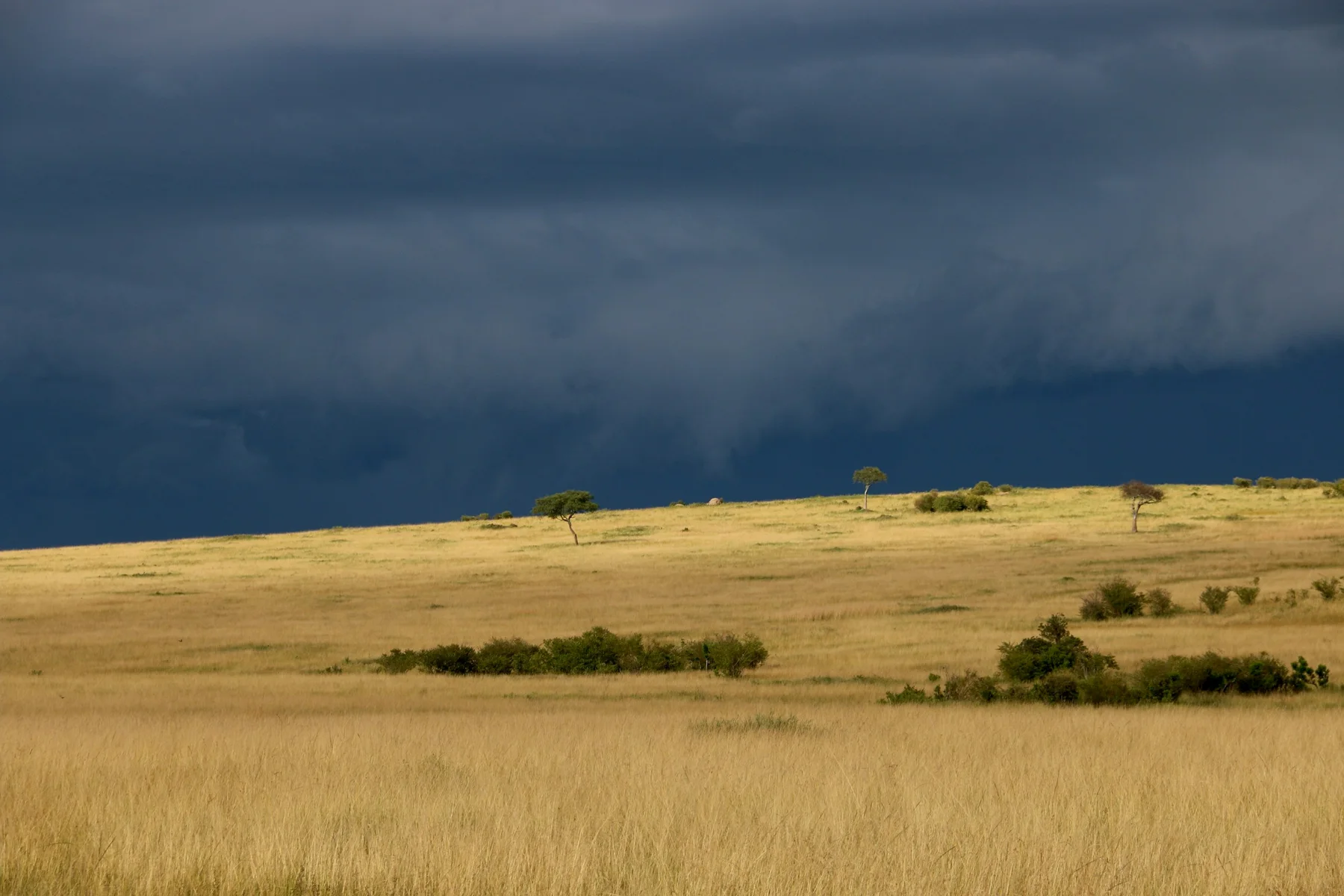
What guests noticed beyond the river photograph
In an August 2026 Tripadvisor review, erintraceyy singled out the team and a guide named Saruni. She liked seeing animals from the deck and outside her tent, and wrote that she would stay again. Another August guest described hippos and crocodiles visible from the setting and praised the food and bathroom comfort. These reports make the camp’s river position tangible, but the wildlife visible from a tent changes each day.
Elena M, writing after a July stay, remembered falling asleep to the sound of cascading water
. That is a lovely, specific reason to want a river camp. Jeff J, after an October visit, praised the hot shower’s water pressure and the variety of meals, along with wildlife visible from the eating deck. For someone comparing Rekero with a bucket-shower field camp, those ordinary comfort details matter. A guest travelling solo also reported feeling safe and well cared for, while enjoying both the guide and food variety.
There is a less glowing account worth reading. A reviewer who liked the setting and guiding felt the meals were repetitive after another Asilia camp and service around dinner was slow. The guest called the location beautiful but said the experience missed the mark
. The complaint does not cancel the positive reviews; it reminds us that a beautiful room and strong game viewing do not guarantee every meal or service interaction will delight everyone.
Tripadvisor notes that some reviews may be collected through a partner arrangement. Read the individual account and its date, not an automated summary or just the rating. Notice whether the writer cared most about crossing views, guiding, food or a family celebration. Those priorities can be very different from yours. A review can help you picture a stay; it cannot reserve a particular hippo, guide or wildebeest herd for you.
The room rate is not the safari total
Asilia’s displayed rate terms include full-board accommodation, house drinks except champagne, game drives, Ol Kiombo airstrip transfers and limited laundry. They exclude Maasai Mara park fees, an Asilia conservation charge, balloon safaris, flights and airport taxes, transfers beyond the nearest airstrip, flying-doctors or medical-evacuation insurance, gratuities and personal items. The list also names an extra picnic or in-house lunch in some circumstances. A complete itinerary must account for the paid reserve days and actual flight or road routing.
That fee structure is different from the Porini conservancy packages discussed in neighbouring pages. It does not make Rekero poor value; it means a headline nightly amount is not the finished trip price. Ask what the total includes for your dates, group, room and number of reserve days. The Mara safari cost guide explains why fees can make two apparently similar quotes diverge.
A private vehicle, if available for the chosen dates, can be valuable for photographers or families. It should be priced explicitly. A balloon flight should also be considered in context: it starts early, carries its own weather and launch conditions, and replaces some morning game-drive time. Neither is needed to make a good Rekero stay. The camp’s core strength is its position and the guiding out into the reserve, plus the unusual pleasure of simply sitting beside the Talek between drives.
| Cost line | Operator’s listed position | Why it matters |
|---|---|---|
| Accommodation and meals | Full board and most house drinks included. | State room and dietary needs. |
| Game drives | Included in the camp rate. | Clarify shared or private vehicle terms. |
| Ol Kiombo transfer | Included to and from nearest airstrip. | Flight itself is separate. |
| Park and conservation charges | Excluded from displayed rate. | Add for actual nights and entry days. |
| Balloon and insurance | Outside standard rate. | Choose deliberately and budget separately. |
| Laundry | Limited service included. | Useful for a longer multi-camp route. |
Ol Kiombo makes the fly-in straightforward
Asilia identifies Ol Kiombo as the nearest airstrip, around twenty minutes from camp in normal conditions. A short airstrip transfer lets guests reach the Talek setting quickly, though wildlife on the road can make a transfer slower in the nicest possible way. Flights from Nairobi generally use Wilson Airport, not the international airport. A traveller arriving from abroad through Jomo Kenyatta needs enough time to change airports, or a Nairobi overnight before the bush flight.
The flight schedule and luggage rules matter if this is part of a longer Kenya trip. Soft bags and small-aircraft weight limits are common, and Asilia’s Rekero FAQ mentions a 15-kilogram baggage allowance. Check the actual carrier ticket before packing, especially if you carry camera equipment. The Kenya safari flight baggage guide helps with the practical planning.
Rekero combines well with a few nights in a conservancy if you want both river-side reserve access and walks or night drives. It also works as a single base when the party has only three nights and values not repacking. A transfer should buy a meaningful new wildlife area, not merely another room photograph. Camp location is the part of a safari booking that you live with every sunrise.
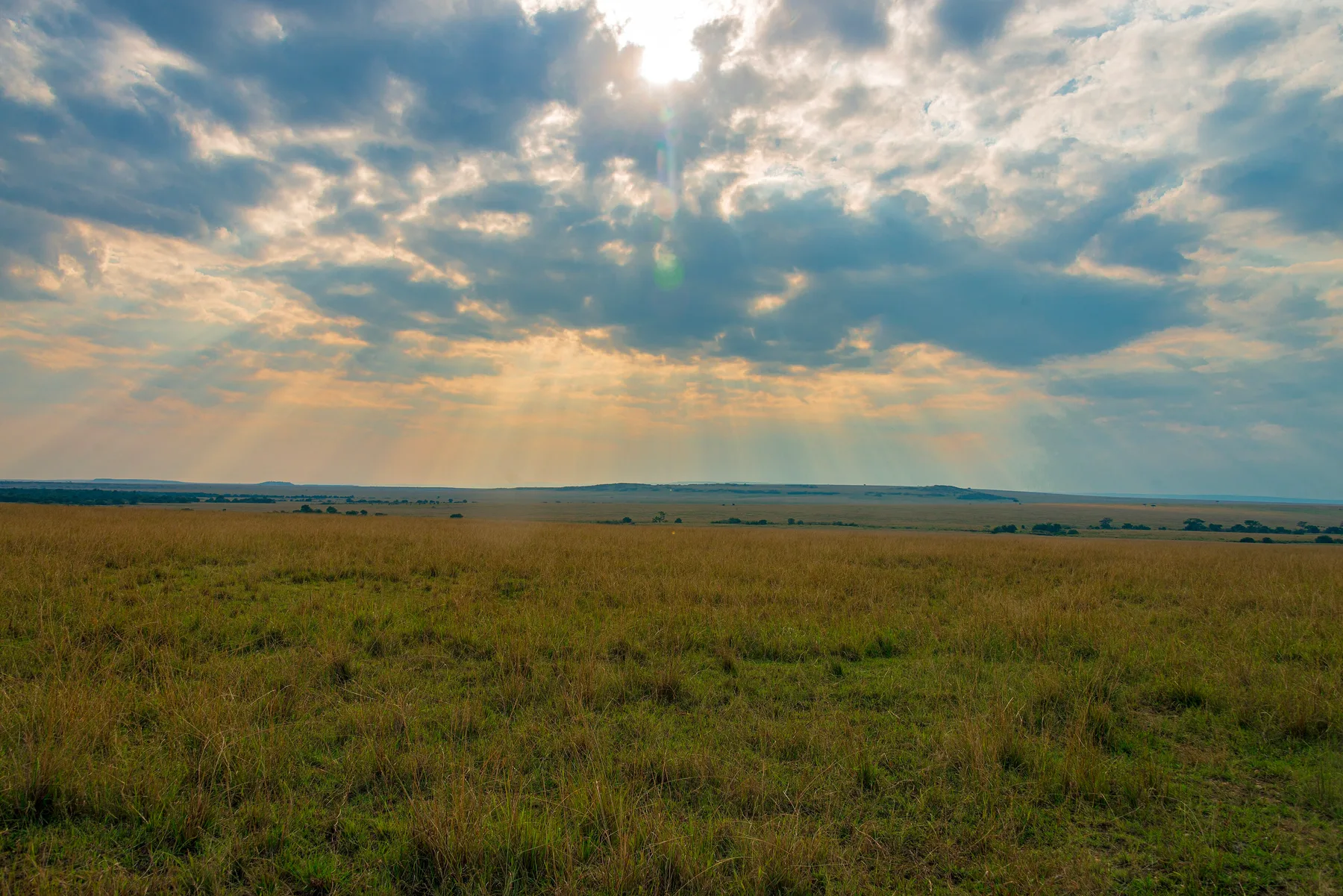
Who will enjoy Rekero most?
Choose Rekero if you want to stay inside the reserve, enjoy a riverfront camp between drives and value a comfortable en-suite tent with an actual hot-water shower. It is compelling for migration-interest travellers willing to accept uncertainty, for people who enjoy watching from a deck and for families old enough for the camp’s policy who can use one of the two family suites. The historic position and rebuilt public areas give it a character beyond a generic “luxury Mara camp.”
Choose a conservancy camp instead if night drives, guided walks or controlled vehicle numbers are the leading priorities. Choose another river sector if a very particular Mara River crossing area is the trip’s main focus. Rekero’s nearby crossing point is on the Talek, and the migration may move elsewhere. A good safari should be satisfying when the river is quiet.
At the end of a drive, the deck is waiting. That is where Rekero becomes more than a place to sleep near wildlife. You might watch hippos, or a bird, or only the changing current. The river does not owe anyone a spectacle. Give it time, then go out with the guide the next morning and see what the Mara has chosen to show.
Rekero Camp questions
Is Rekero Camp inside the Maasai Mara National Reserve?
Yes. Rekero is inside the National Reserve above the Talek River, so its usual game drives explore reserve wildlife areas.
Can you watch a river crossing from camp?
A Talek River crossing point is close to the dining deck and crossings have been seen there, but no wildebeest crossing can be guaranteed for any dates or hours.
Is the Talek River the Mara River?
No. Rekero overlooks the Talek River. The Mara River is another waterway reached by game drive, with different crossing points.
How many tents are at Rekero?
Asilia lists nine safari tents in total, including two family suites.
Can children stay at Rekero?
The operator lists children aged five and older and has two family suites. Confirm the exact rule for a child who has just turned five and the chosen suite arrangement.
Is Rekero open all year?
No. The operator lists an open season from June through March and closure in April and May.
Are Maasai Mara park fees included in the displayed camp rate?
The operator’s rate notes exclude park fees and an Asilia conservation charge. A complete safari quote should add these for the actual entry days.
Does Rekero offer night drives?
Normal drives at this reserve camp are daylight game drives under National Reserve rules. Choose an appropriate conservancy camp if a night drive is essential.
Which airstrip serves Rekero?
Ol Kiombo is the nearest named airstrip, described by Asilia as about a twenty-minute transfer from camp under normal conditions.
Are bathrooms conventional?
Each tent has an en-suite bathroom and hot-water shower. Recent guests describe comfortable, well-appointed bathrooms rather than a bucket shower.
What does the displayed rate include?
Asilia lists full board, house drinks except champagne, game drives, Ol Kiombo transfers and limited laundry. Flights, park fees, the conservation charge, ballooning and other items are excluded.
Is Rekero only worthwhile in migration season?
No. Its reserve position and resident wildlife can be rewarding from June through March. The Talek crossing possibility is seasonal and never guaranteed.
Plan the Mara beyond one river bend
Plan Rekero Camp
Share your dates, party ages, migration interests and room or vehicle preferences. We will build the full trip with reserve fees and transfers clear.