
Porini Mara Camp: The Original Ol Kinyei Safari Base
Porini Mara Camp is small on purpose. Its six tents sit in Ol Kinyei Conservancy, where a Maasai guide can spend a morning with an animal rather than a queue of vehicles. The camp offers a family unit, walks, night drives and access to neighbouring Naboisho. Here is how to tell whether this quiet, practical style is the Mara stay you want.
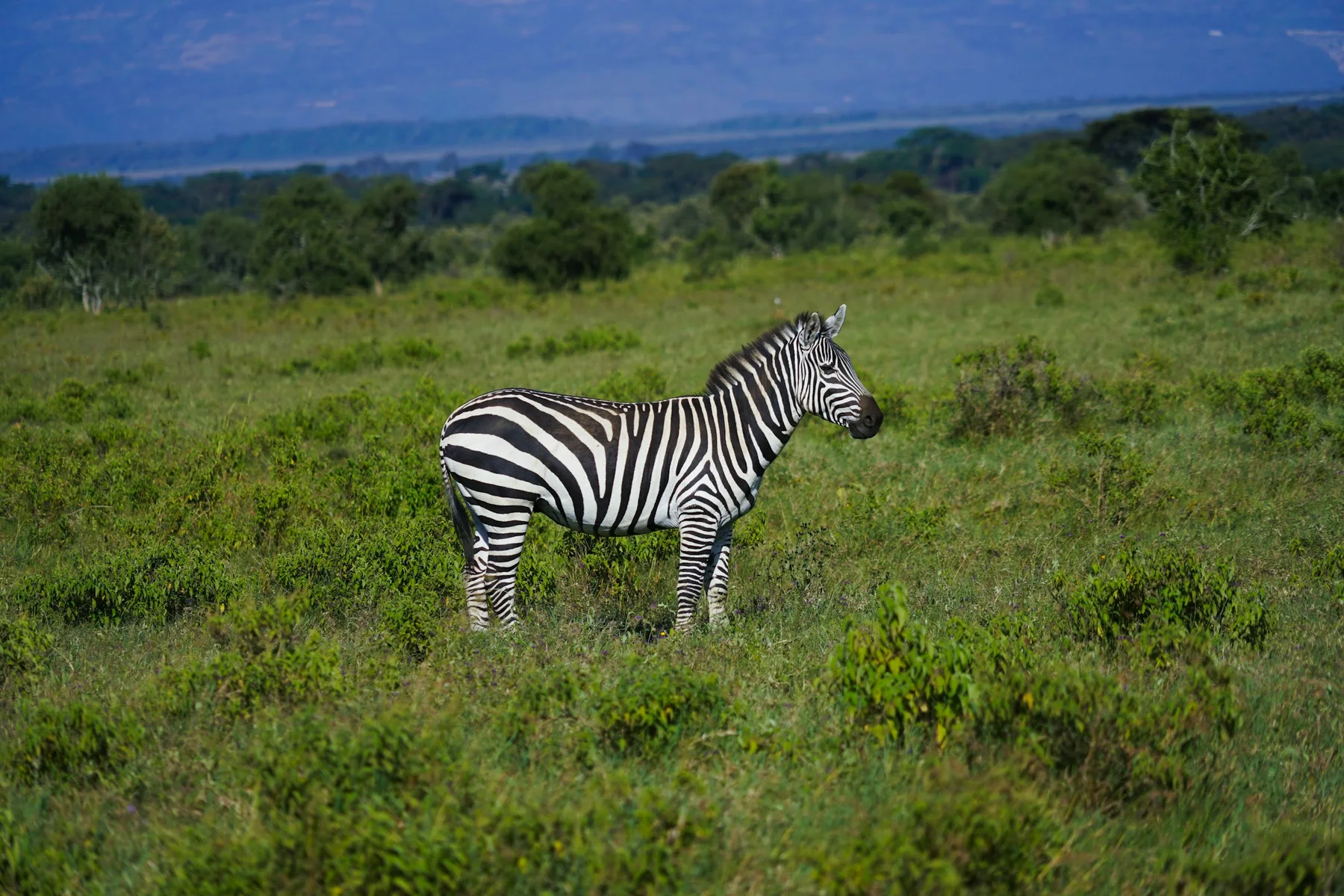
A small safari camp changes the order of things. You learn your guide’s name before you learn the tent number. The morning drive may stretch into a bush breakfast because there is no need to hurry back for a large dining room. At Porini Mara Camp, the room is comfortable, but the reason to come is the chance to watch Ol Kinyei wake up with people who know this land well.
Porini describes six safari tents, including one family unit, in Ol Kinyei Conservancy. Its current fact sheet is more specific: five double tents and one family unit. Game drives can take in Ol Kinyei and neighbouring Naboisho, while walks and night drives give a different view of the ecosystem. The camp is not inside the Maasai Mara National Reserve. These are not small print details; they shape every day you spend there.
There is another Porini property, Porini Cheetah Camp, in the same conservancy. They are separate camps, not two names for one accommodation. A quote should name the exact property, tent type and driving arrangement. The Porini Cheetah guide explains its own hosted atmosphere and rooms. Porini Mara has a longer-established role in Ol Kinyei and a distinct family unit. Choosing between the two should be more thoughtful than selecting the animal you like best.
Ol Kinyei is more than a quieter corner of the Mara
Ol Kinyei was established as a community conservancy on Maasai land. The operator’s 2026 fact sheet says the land is leased for wildlife conservation and that only Porini camp vehicles use the area. Tourism helps keep wildlife habitat open while providing land payments and jobs. For a guest, the most immediate effect is fewer vehicles at a sighting. Porini gives an operating limit of no more than one vehicle per 1,400 acres. That does not mean you will have every lion to yourself, but it changes the ordinary feeling of a drive.
The conservancy is part of the wider Mara ecosystem, not an island with fixed animals. Wildlife moves with grass, rain, water and breeding patterns. Open plains, trees and streams offer different kinds of viewing. A guide who knows recent animal movement can work across those habitats rather than drive straight toward an old pin on a map. The reward can be a long, quiet look at giraffes, an elephant family or a predator preparing to move. It can also be a morning of small discoveries without a famous cat.
Porini also contributes to access in Naboisho Conservancy next door. That extends the ground guides can explore, but two nights do not provide enough time to exhaust either landscape. Ask how the drives are usually planned and what conditions might draw the guide into Naboisho. The Ol Kinyei guide explains the community model, while the Naboisho guide shows why it is a separate destination rather than another name for the same land.
| Place | What it contributes | Planning point |
|---|---|---|
| Porini Mara Camp | Small tented base in Ol Kinyei. | Six units including one family unit. |
| Ol Kinyei Conservancy | Core day and night driving, community wildlife land. | Low vehicle density, no sighting guarantee. |
| Naboisho Conservancy | Additional habitat and routes under Porini’s programme. | Which drives go there depends on wildlife and time. |
| Maasai Mara National Reserve | Optional separate full-day excursion. | Reserve fee is seasonal in the displayed flying package. |
A family unit among five double tents
Six tents make the camp intimate without making it a private booking. The current fact sheet lists five double tents and one family unit. Standard tents have a veranda, an en-suite bathroom and charging points. The camp uses solar power and keeps its infrastructure light. A family should confirm the exact layout of the sole family unit, rather than assume a pair of ordinary tents will feel the same. On popular dates, one family unit can sell out much earlier than the rest of the camp.
The en-suite bathroom is a safari bathroom. Guests describe a warm bucket-fed shower, with water prepared by staff when requested. Some reviewers found it easy to adapt and even part of the camp’s charm; others needed a day to get used to it. There is a proper toilet, but this is not a high-pressure hotel shower. The honest description helps a first-time guest decide if light-footprint canvas sounds refreshing or inconvenient. It also matters when comparing Porini Mara to more elaborate Ol Kinyei accommodation.
Inside the tent, night sounds carry. An unfenced camp is part of the wildlife landscape, so a staff escort after dark is normal. Never step outside to investigate a noise without the camp’s guidance. A small torch, warm top and spare camera battery make the routine easier. The camp lists charging in guest tents and Wi-Fi in shared areas; neither should be treated as a promise of uninterrupted video calls. If connection is essential for work, this is probably the wrong portion of your holiday to schedule meetings.
Common areas include a dining and lounge tent and outdoor space. At this scale, a meal can turn into conversation about the morning’s birds or a guide’s reading of a lion’s behaviour. It is social, not a private dining bubble. Tell the team about allergies or a special diet before you travel. One recent solo guest specifically praised how the kitchen handled both gluten-free and dairy-free meals, right through dessert. Her experience is encouraging, while advance notice remains the sensible way to give staff time to prepare.
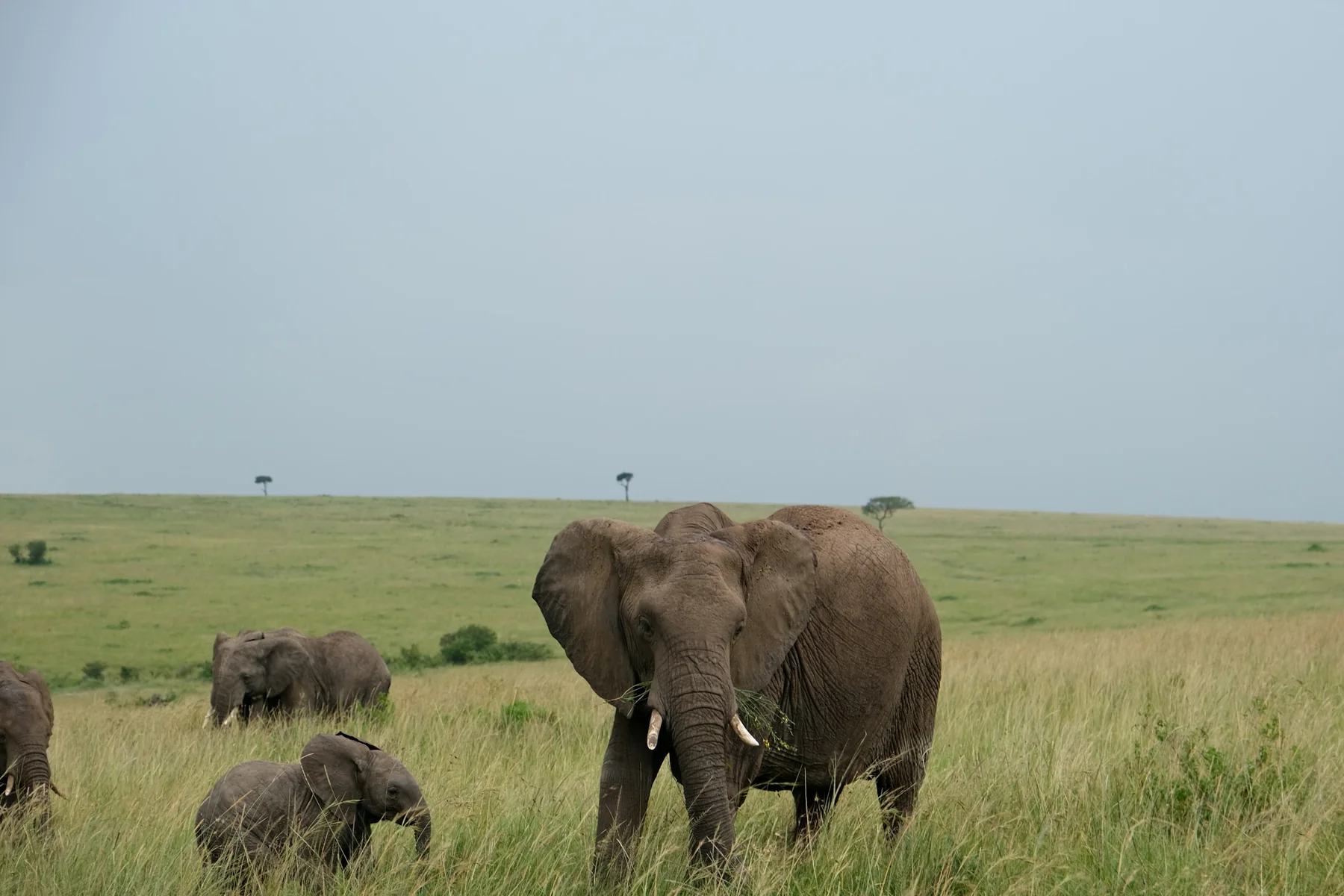
A guide, a spotter and a maximum of six seats
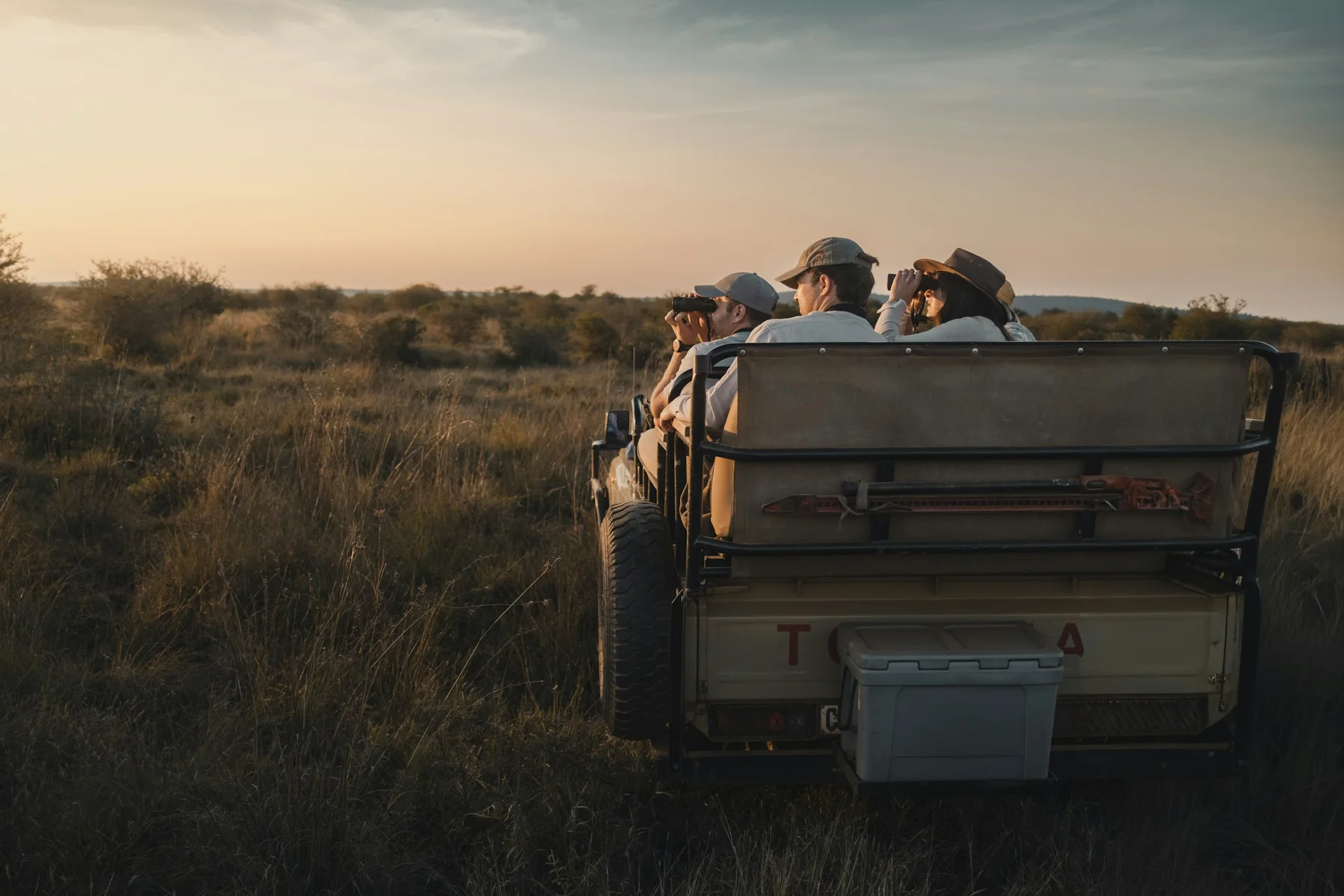
Porini’s fact sheet says shared game drives use no more than six guests per 4×4 so everyone has a window-side view. The camp description refers to a driver-guide and spotter team, both with KPSGA training. The additional observer can help spot small movements in grass or trees, but a good drive is not an arms race to find the most animals. It is the conversation between field knowledge, patience and what the wildlife is doing.
A small shared vehicle can be excellent company. You may see a child’s excitement at the first giraffe or hear another guest ask a question you had not thought of. It can also impose a compromise if one person wants to photograph a bird for forty minutes and everyone else wants to search for lions. A private vehicle is an available supplement. For serious photography, a family needing flexible returns or people who prize unhurried solitude, it can be a worthwhile part of the trip. It is not automatically included because the camp itself is small.
Guided walks bring the view down from distant mammals to tracks, plants, insects and the way a landscape changes underfoot. Night drives have different possibilities after the heat leaves the plains. Both are guided activities under local rules; neither is an invitation to wander alone or pursue an animal at any cost. The Mara night-drive guide explains where these outings are allowed. In the National Reserve, a normal daylight drive follows a different rule set.
Porini includes bush breakfasts and sundowners in its camp programme. These are not merely decorative photographs for the itinerary. Breakfast out in the field can preserve the cool early hours when a return to camp would break the drive. A sundowner can give you a quiet pause before darkness rather than one more frantic sighting search. If you want an active walk or a particular photography rhythm, say so before arrival, then let the guide adapt to weather and wildlife.
There are two migration stories here
The Great Migration river crossings draw many travellers to the Mara from roughly July to October, though exact herd movements vary. Porini Mara Camp is in an eastern conservancy, not at the Mara River crossing bank. A full reserve excursion can be arranged, but a two-night stay in Ol Kinyei is not the same as sleeping in a river-sector camp. If a crossing is the central dream, consider splitting nights with a better positioned base. The river-crossings guide explains why even that cannot guarantee the event.
Ol Kinyei has another, quieter movement. The Loita wildebeest herds use the eastern Mara ecosystem, with calving often early in the year. Porini’s materials mention January and February, sometimes stretching into March as conditions change. That is not a miniature rerun of the Mara River crossing. It is an opportunity to see newborn animals and the interactions around a seasonal herd landscape. A guide may talk about grass, recent rain and where the animals have been moving. Those clues matter more than a fixed calendar square.
The distinction is worth making before flights are bought. A guest asking for July river drama may need a different camp mix. A guest who likes green plains, fewer visitors and the chance to see the Loita movement may find early-year Ol Kinyei fascinating. Wildlife stays wild in either season. Our Mara month-by-month guide helps match the time of year to what you hope to feel and see.
| Wildlife interest | How Porini Mara fits | What to keep in mind |
|---|---|---|
| Resident cats and plains game | Ol Kinyei and Naboisho are core driving areas. | No species appears on demand. |
| Loita wildebeest movement | Eastern ecosystem can be important early in the year. | Rain and grazing shift timing and distribution. |
| Mara River crossing | A reserve day may be possible. | Camp is not beside the main crossing points. |
| Walking and night wildlife | Part of conservancy activity menu. | Guided, seasonal and safety-dependent. |
| Rhino | Not the reason to choose this part of the Mara. | Add a rhino-focused destination if essential. |
A camp day that leaves space for surprise
A gentle knock and warm drink before dawn are memories several Porini guests mention. You dress in layers, meet the guide and set off while the grass is cool. There may be a bush breakfast once the morning has unfolded. Back at camp, the central hours can be for reading, downloading photographs, resting or simply looking out from the veranda. The later drive finds different light and perhaps different animals. Dinner brings stories from the vehicles together.
There is no virtue in cramming a walk, two long drives, a reserve excursion and a balloon into the same day. A balloon starts early and is an optional cost. A reserve day uses time for travel and a separate area. A night drive pushes the finish later. Let the party’s energy decide what belongs on which day. Three nights often let people discover the pace of the camp; one night mostly tells you what its airstrip and transfer look like.
For a first Mara safari, a day in the reserve can add a useful contrast, but the conservancy is not just accommodation for that day. It is the reason to be at Porini Mara Camp. If you spend every available hour trying to leave Ol Kinyei, a reserve-side base may better suit your priorities. The game-drive day guide helps compare split drives, full days and the value of staying close to the wildlife area you most want to explore.
The reserve day needs its own line in the trip
Porini’s displayed two-night flying package includes one Masai Mara National Reserve entrance day only from 1 July through 30 September. Its wider camp description presents a reserve excursion as optional. If you travel outside that period, the entrance fee and outing need to be accounted for separately. Even within it, the itinerary should state that the reserve day is planned, rather than let a fee line imply an excursion that never makes sense for your short stay.
The National Reserve brings broader circuits and famous migration country, but a return from Ol Kinyei takes time. A picnic lunch can keep the group in the field. If a family includes a child who tires easily, the long day may be less rewarding than another guided conservancy drive. If a couple has three or four nights, a reserve day may fit beautifully alongside time in Ol Kinyei and Naboisho. There is no universal yes or no; there is a geography and an energy budget.
Fees are attached to the actual land used. Ol Kinyei and Naboisho conservancy fees are in the listed package, while the reserve has the date-specific inclusion. A private vehicle is a separate decision again. We can show the whole route clearly, with the relevant fees built into the price, so the traveller knows where each wildlife day will be spent.
What guests remember when the trip is over
An August 2026 Tripadvisor reviewer praised the guides for their tracking and said they saw cats on every drive. That is a striking first-hand account, but it is not a forecast for the next guest. More useful for planning is the way the reviewer described patience and having few other vehicles nearby. That is the advantage the conservancy model can offer even on a day when a lion stays hidden.
Kiwishell, travelling with family in July 2026, remembered a warm drink brought to the tent before sunrise, walks, a night drive and hot-water bottles waiting under the mosquito nets. The phrase hot chocolate, coffee or tea
is a small detail, but it tells you something about the human scale of the camp. On the walk, the family learned about the tracks and even the poo
, a child’s-eye detail worth more than a generic activity label. Another guest, Linda G, said it was her third stay over ten years. Repeat travel is not proof of perfection, though it is a good sign that the camp’s style has lasting appeal for some people.
A solo visitor in an early-2026 review highlighted the stillness of sitting with wildlife and the team’s care with gluten-free and dairy-free meals. An older guest review said the bucket showers took some getting used to. Both observations are worth keeping together. The camp can be warm and attentive while still asking guests to accept a practical safari bathroom. The right reader will find that combination attractive; another reader will not.
Read guest reviews as accounts of individual stays, not a menu of animals to order. One family’s lion pride, one solo guest’s leopard and another traveller’s porcupine on a night drive are not transferable to the next date. The better recurring questions are whether guides shared knowledge, how many vehicles were at sightings, whether meals suited different needs and whether the simple tent felt right. The Mara accommodation guide lets you compare that camp experience against other areas.
One family unit, an age rule and real wildlife boundaries
The current fact sheet welcomes children older than eight. With only one family unit, a school-holiday booking needs early room confirmation. Ask how many beds are in the unit, the privacy between sleeping spaces and which adults will accompany the children. A family tent does not mean camp is fenced or that children can move around alone. Staff escorts after dark and adult supervision are basic parts of the experience.
For older children interested in animals, the camp can be an outdoor classroom. Tracks on a walk and the way a guide reads a herd can matter more than seeing another lion from far away. But a child may not enjoy the same hours in an open vehicle as adults who have waited years for this trip. A private vehicle is worth considering if a midday return, a slow bird stop or a shorter sunset drive would change the holiday. The family safari guide covers those trade-offs across Kenya.
Do not push a child under the published minimum into an unsuitable camp because the photographs are lovely. The Mara has other good family properties with different age rules, pools and room types. The best family safari is one where the wildlife day and the accommodation both fit the people travelling.
The two-night flying package, without hidden assumptions
The operator’s listed two-night flying arrangement covers return Wilson to Ol Seki flights, camp transfers, full board, selected drinks, bush picnics, daily Ol Kinyei and Naboisho conservancy fees, shared day and night drives, sundowners, escorted walks, emergency evacuation cover and a conservation contribution. Its one reserve entrance day is included only during the July to September window. A different trip length or a ground-arrival itinerary should be priced as that actual trip, not described with another package’s inclusions.
Private use of a 4×4, a hot air balloon, international travel, gratuities, visa, travel insurance and personal purchases are outside the core package. A solo guest should ask how any single-room terms apply to the dates. A family should confirm the child-rate rule and room layout. Special offers can change the overall cost but may leave conservancy fees on an extra night. The right comparison is total trip price for the same number of nights, transport mode, room, vehicle and reserve days. Our Mara safari cost guide helps make sense of those parts.
Cost alone does not tell you whether the trip will feel good. A cheaper camp far outside a gate may spend hours each day getting to wildlife. A more expensive suite may bring comforts you barely use. Porini Mara is strongest when you want low-density guiding in the conservancy and appreciate a small camp’s social simplicity. Put those benefits beside the bucket shower and shared vehicle honestly, then decide what is worth paying for.
| Part of the stay | Listed flying package | Decision that changes it |
|---|---|---|
| Room and meals | Two nights, full board, selected drinks. | Double or the single family unit; dietary needs. |
| Ol Kinyei and Naboisho | Fees and shared drives included. | Private vehicle supplement or longer stay. |
| Reserve day | One entrance day included only 1 July to 30 September. | Other dates or extra reserve outings add cost. |
| Air travel | Wilson to Ol Seki return flight and transfers. | Road arrival or international connection changes route. |
| Extra experiences | Walks, night drive and sundowners listed. | Balloon safari is a separate choice. |
| Personal items | Not part of camp package. | Tips, insurance, visa and personal spending. |
Ol Seki by air, or a measured road journey
The flying package arrives at Ol Seki airstrip from Nairobi’s Wilson Airport, followed by a camp transfer. The fact sheet also describes a road journey of approximately four hours from Nairobi in favourable conditions. Road time can change with traffic, weather, stops and the final track; a longer travel day should not be squeezed into the same expectations as a short flight. If an international flight lands at Jomo Kenyatta, remember that Wilson is another airport across the city. A Nairobi overnight can make the safari start calmer.
The camp’s check-in and departure times matter if you add a late flight. The current fact sheet lists an extra cost for afternoon departure. We can align the flight and transfer with the nights, rather than leave a family sitting with bags after breakfast. Porini Mara can pair with a different Mara camp or another Kenya ecosystem, but each move uses time. A two-camp route is worth it when the second area genuinely changes the experience.
Porini notes a rainy-season closure of around one month, with exact dates to check. A green-season traveller can enjoy remarkable light and fewer visitors, but the room must be open and the transfers workable. A stay here should be chosen because you want Ol Kinyei and the guides, not because the camp name sounds as if it covers every part of the Maasai Mara.
The right guest for this small camp
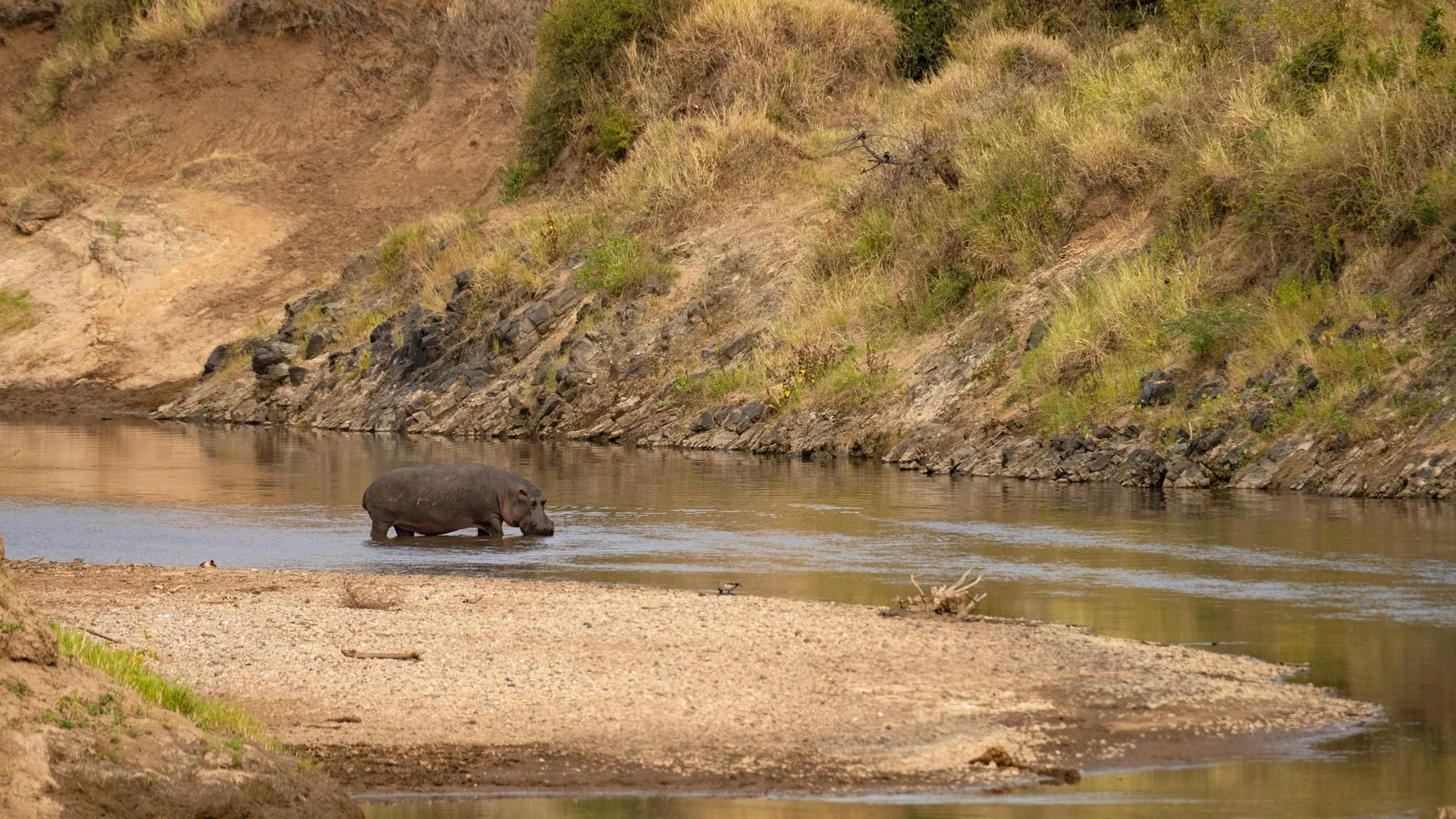
Porini Mara Camp makes sense for people who want wildlife-led days, Maasai guiding, an uncomplicated tent and the feeling of being in a small group. A couple may enjoy its quietness, while an older-child family can find the single family unit a strong base when it is available. A solo traveller can be part of a social table without feeling lost in a large lodge. The conservancy itself is a meaningful part of the stay, not simply a place to sleep before a reserve outing.
It is less suitable when a pool, conventional shower, under-eight child programme or guaranteed private vehicle is essential. If a Mara River crossing is the main aim, add a better-positioned reserve stay or choose a different base. If rhino is a must-see, add a destination where rhino conservation is a central feature. A safari does not become better by asking one camp to be everywhere.
The memory you carry may be a cat, but it may just as easily be the guide reading the plain before you notice anything, a warm drink in the dark or a quiet breakfast after a long morning out. Those experiences are what Porini Mara Camp is built to make possible. The room and package details should be clear enough that you can arrive ready for them.
Porini Mara Camp questions
Where is Porini Mara Camp?
It is in Ol Kinyei Conservancy in the eastern Maasai Mara ecosystem, not inside the Maasai Mara National Reserve or Naboisho Conservancy.
How many tents are at Porini Mara Camp?
The current operator fact sheet lists six units: five double tents and one family unit.
Is Porini Mara Camp the same as Porini Cheetah Camp?
No. They are separate six-tent camps in Ol Kinyei, with different room layouts, teams and precise positions.
Can guests drive in Naboisho?
Yes. The standard Porini Mara programme includes guided drives and conservancy fees for Ol Kinyei and neighbouring Naboisho.
Are the vehicles private?
Shared open-sided 4×4 drives are the normal arrangement, with a maximum of six guests per vehicle in the operator’s fact sheet. A private vehicle costs extra.
Can I see a Mara River crossing from camp?
The camp is in eastern conservancy country, not beside the main Mara River crossing points. A reserve day can be arranged, but crossings are never guaranteed.
What is the Loita migration?
A distinct seasonal movement of wildebeest and zebra through the eastern Mara ecosystem. Ol Kinyei can be part of its calving landscape, often early in the year, depending on rain and animal movement.
Does the two-night flying package include a reserve day?
The displayed package includes one reserve entrance day only from July 1 to September 30. A reserve excursion outside that window or on a different booking requires an explicit fee and route plan.
How do I reach the camp?
The displayed flying package uses Nairobi Wilson to Ol Seki airstrip and a camp transfer. The current fact sheet also describes a road journey from Nairobi of roughly four hours in favourable conditions.
Is Porini Mara Camp suitable for children?
The current fact sheet welcomes children older than eight and lists one family unit. Confirm the exact ages and bed arrangement before flights are booked.
What is the bathroom like?
The tents have en-suite safari bathrooms with a bucket-fed warm shower, rather than a continuous hotel shower.
Does the camp close during the long rains?
The current fact sheet notes closure for about one month in the rainy season. Confirm exact operational dates for a green-season itinerary.
Keep exploring the eastern Mara
Plan Porini Mara Camp
Share your dates, party ages, family-unit and vehicle needs, and the wildlife you would most like time to watch.