
Ol Pejeta Entry Fees and Activities: 2026 Planning Guide
Entry opens the gate. The single-entry rule, fixed experience times, transport and child eligibility decide whether the day feels effortless or rushed.
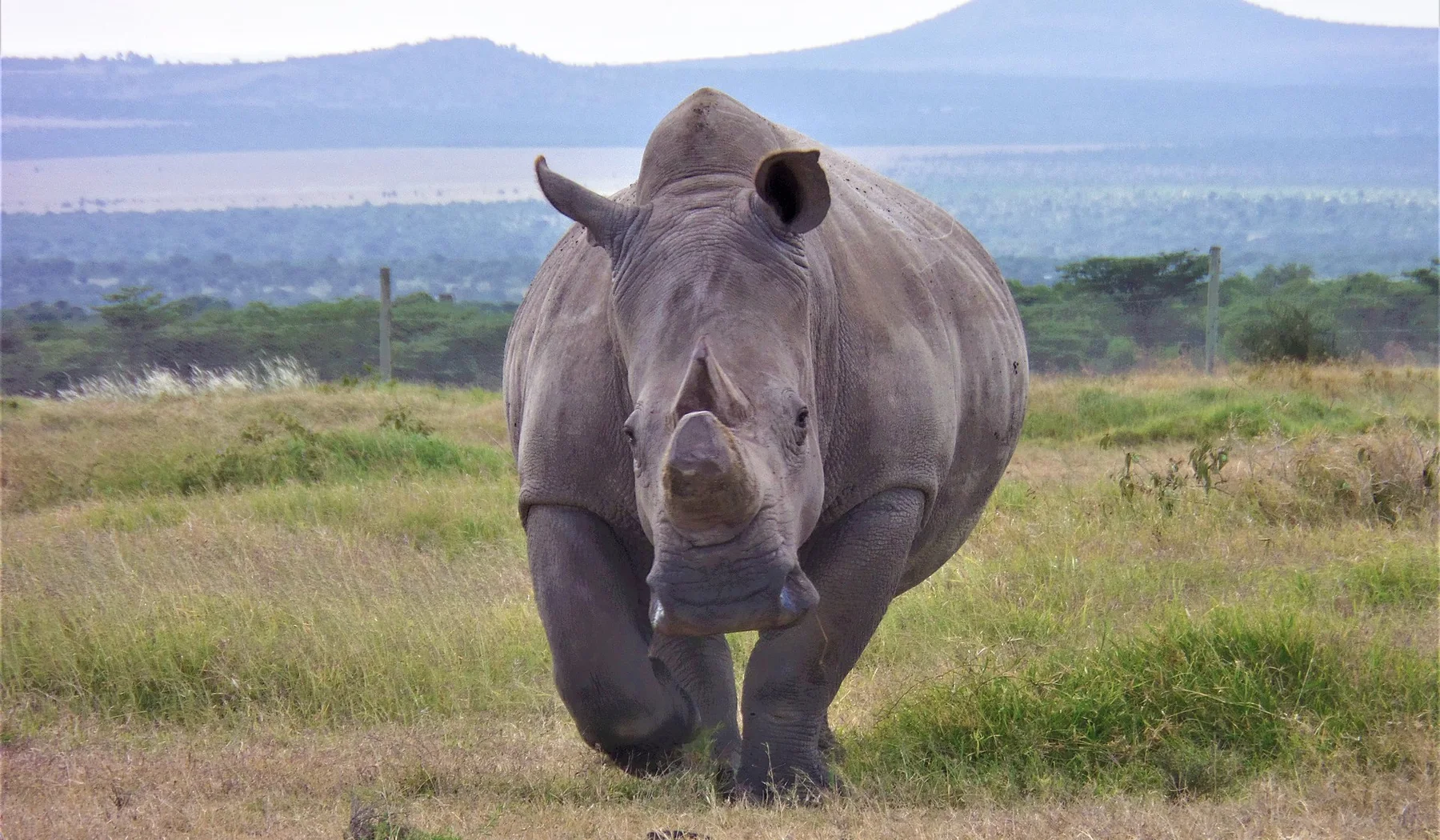
- Ol Pejeta entry fees and activities at a glance
- The 2026 conservancy entry table
- Who counts as a child?
- East African citizen and resident proof
- Student rates have conditions
- Vehicle entry fees
- The gate is cashless
- The single-entry rule is the cost most often missed
- What standard entry includes
- Sweetwaters public visit versus Behind the Scenes
- Paid activities in one comparison table
- Meeting Najin and Fatu
- Rhino monitoring and identification
- Lion tracking
- Night game drives
- The single-entry trap around a night drive
- Dog tracking with the K9 unit
- Guided bush and bird walks
- Livestock and wildlife integration
- Meet the Neighbours
- Conservation talks
- Run the Wild
- Hiring an Ol Pejeta vehicle
- Entry fee versus vehicle versus guide
- A realistic non-resident day-visit budget
- A citizen family example
- One activity in a day is often enough
- Strong day-plan combinations
- Combinations that compete
- A day visitor arriving from Nairobi
- Staying inside changes the activity menu
- Families should start with ages, not prices
- Accessibility must be checked activity by activity
- Weather can change the activity
- Cancellation and change terms matter
- Code of conduct is part of the price
- What to carry
- Entry fees do not guarantee wildlife
- Ol Pejeta or Solio for a rhino-focused budget?
- Ol Pejeta or Lewa for structured activities?
- Linking Ol Pejeta with Samburu
- The booking order that protects the trip
- The final booking checklist
- Spend money where the story matters to you
The first surprise at Ol Pejeta is not a rhino. It is how quickly a simple entrance ticket turns into a day-planning exercise. The gates open at 7:00. Lion tracking begins while the grass is still cool. The chimpanzee sanctuary closes for lunch. A night drive starts after ordinary daytime driving has ended. Leave the conservancy between those moments and the single-entry rule means another ticket may be needed to return.
None of this is difficult once the pieces are placed in the right order. The mistake is to choose activities as if they were items on a restaurant menu, then discover that two happen at the same time, transport was not included or an outside hotel requires an extra entry.
This guide turns the official Ol Pejeta entry fees and activities into a workable visit. It covers the published 2026 rates, proof of status, children and students, vehicle charges, included experiences, activity times, shared vehicles, day-visitor budgets and the combinations that actually fit together.
For wildlife, accommodation and route context beyond the tariff, begin with the complete Ol Pejeta Conservancy guide.
Ol Pejeta entry fees and activities at a glance
| Decision | 2026 position | What to do |
|---|---|---|
| Non-resident entry | USD 110 adult, USD 55 child, USD 32 student | Add vehicle entry and any paid activities |
| East African citizen entry | KES 2,000 adult, KES 1,000 child, KES 500 student | Carry accepted proof of citizenship |
| East African resident entry | KES 3,500 adult, KES 1,750 child, KES 500 student | Carry a passport with work permit or alien certificate |
| Child age | 3 to 11 years | Under threes enter free, activity ages can differ |
| Day entry | One entry only | Leaving and returning requires a new entry fee |
| Overnight entry | Tariff describes 24 hours for overnight guests | Confirm how the lodge has included and timed it |
| Gate hours | 7:00 to 19:00 through Rongai and Serat | Night drives follow their booked arrangements |
| Payment | Gates are cashless | Book online and carry a backup card |
| Included | Day game drive and public chimpanzee visit | Vehicle, guide and transport may still cost separately |
| Most paid experiences | Usually USD 70 per adult | Check child rate, minimum group and transport |
The 2026 conservancy entry table
| Visitor category | Adult | Child aged 3 to 11 | Student |
|---|---|---|---|
| East African citizen | KES 2,000 | KES 1,000 | KES 500 |
| East African resident | KES 3,500 | KES 1,750 | KES 500 |
| Non-resident | USD 110 | USD 55 | USD 32 |
These are conservancy entry fees, not a complete safari price. A self-drive couple still needs the vehicle charge. A visitor without a safari vehicle needs transport. A guest adding lion tracking or the northern white rhinos pays the activity fee as well.
Who counts as a child?
Ol Pejeta defines a child as 3 to 11 years old for entry. Children below 3 enter free. That definition does not automatically make every conservation activity suitable for the same ages.
| Age | Entry position | Activity planning |
|---|---|---|
| Under 3 | Free entry | Many structured activities are impractical or unsuitable |
| 3 to 11 | Child entry rate | Child activity rate exists only where the tariff lists one |
| 12 and older | Adult entry rate | Some age-restricted activities become possible |
Dog tracking and Run the Wild are not suitable for children under 12. Rhino monitoring is listed as unsuitable for children. A family should therefore build the day around each child's exact age rather than assume that a child ticket opens the full activity list.
East African citizen and resident proof
The reduced categories are evidence-based. The 2026 tariff asks East African citizens for a national identity card or valid passport. East African residents need a valid passport showing a work permit or an alien certificate.
| Category claimed | Carry to the gate |
|---|---|
| East African citizen | National identity card or valid passport |
| East African resident | Valid passport with work permit, or alien certificate |
| Non-resident | Valid passport details used for the booking |
Do not build a budget around a resident rate if the required document will not be available on the day. A screenshot of an expired document or a verbal explanation may not establish the category.
Student rates have conditions
The student price is not simply a cheaper youth ticket. Groups must pre-book, arrive with a booking reference and contain at least ten students. They need a teacher and a letter from a recognised institution. Two teachers per group are allowed free entry.
| Student requirement | Published condition |
|---|---|
| Minimum group | 10 students |
| Advance booking | Required for the concession |
| Institution evidence | Teacher and/or recognised institution letter |
| Teachers | Two admitted free per qualifying group |
| Optional guide | KES 2,500 |
| School bus | KES 5,000 weekdays, KES 10,000 weekends |
An unbooked group can be charged the ordinary daily entrance rate. Schools should secure the booking reference before transport leaves campus.
Vehicle entry fees
| Vehicle size | 2026 fee |
|---|---|
| Up to 6 seats | KES 1,000 |
| Mid-size vehicle | KES 5,000 |
| 15 seats and more | KES 12,000 |
The live fee page labels the middle band as 7 to 14 seats, while the 2026 PDF prints 7 to 12 seats. A 13 or 14-seat vehicle sits inside that wording difference, so confirm the correct band when booking it. The useful figure is the vehicle's licensed seating capacity, not the number of passengers travelling.
The gate is cashless
Ol Pejeta says its gates are cashless and directs visitors to the online booking system. A digital booking reduces time at arrival, but the traveller should still carry the booking reference, identification and a second working card.
| Before the drive | Why it helps |
|---|---|
| Complete online entry booking | Avoids rebuilding the party at the gate |
| Check names and categories | Prevents proof-of-status disputes |
| Save the reference offline | Mobile signal can be uneven |
| Carry a backup card | Protects the day if one payment fails |
| Match vehicle capacity | Keeps the correct vehicle fee in the budget |
The single-entry rule is the cost most often missed
A day ticket permits one entry. If a guest exits and later returns, a new entry fee is required. This matters most when accommodation is outside the conservancy or when a night drive is added after dinner elsewhere.
| Day pattern | Entry consequence |
|---|---|
| Enter at 7:00 and remain until the end of daytime activities | One entry |
| Leave for an outside lunch and return | New entry required |
| Stay outside, visit by day, leave, return for night drive | New entry required |
| Stay inside and join an approved night drive | No public-gate re-entry between activities |
For a non-resident couple, a second entry can add USD 220 before vehicle charges or the night-drive fee. This is why an inexpensive outside room can become poor value when the itinerary repeatedly crosses the gate.
What standard entry includes
The 2026 visitor information includes daytime game driving and the public Sweetwaters Chimpanzee Sanctuary visit. The tariff also lists the Baraka and Morani information centre, nature trail and visitor dining or shop stops as free-entry facilities once inside the conservancy.
| Included stop | Published hours or position | Important limit |
|---|---|---|
| Daytime game drive | 7:00 to 19:00 | Vehicle and guide are separate if not already arranged |
| Public chimpanzee visit | 8:30 to 12:30 and 14:00 to 16:30 | Welfare or operational needs can change access |
| Baraka and Morani information centre | 7:30 to 18:00 in tariff | Baraka died in August 2026, so expect the centre's story to evolve |
| Nature trail | 9:30 to 16:30 | Confirm current walking conditions |
| Restaurant and shops | Daytime opening | Meals and purchases cost separately |
Entry gives access, not a chauffeured safari. A traveller arriving in a taxi cannot treat that vehicle as a suitable open-ended game-drive arrangement unless the driver and vehicle are booked for it.
Sweetwaters public visit versus Behind the Scenes
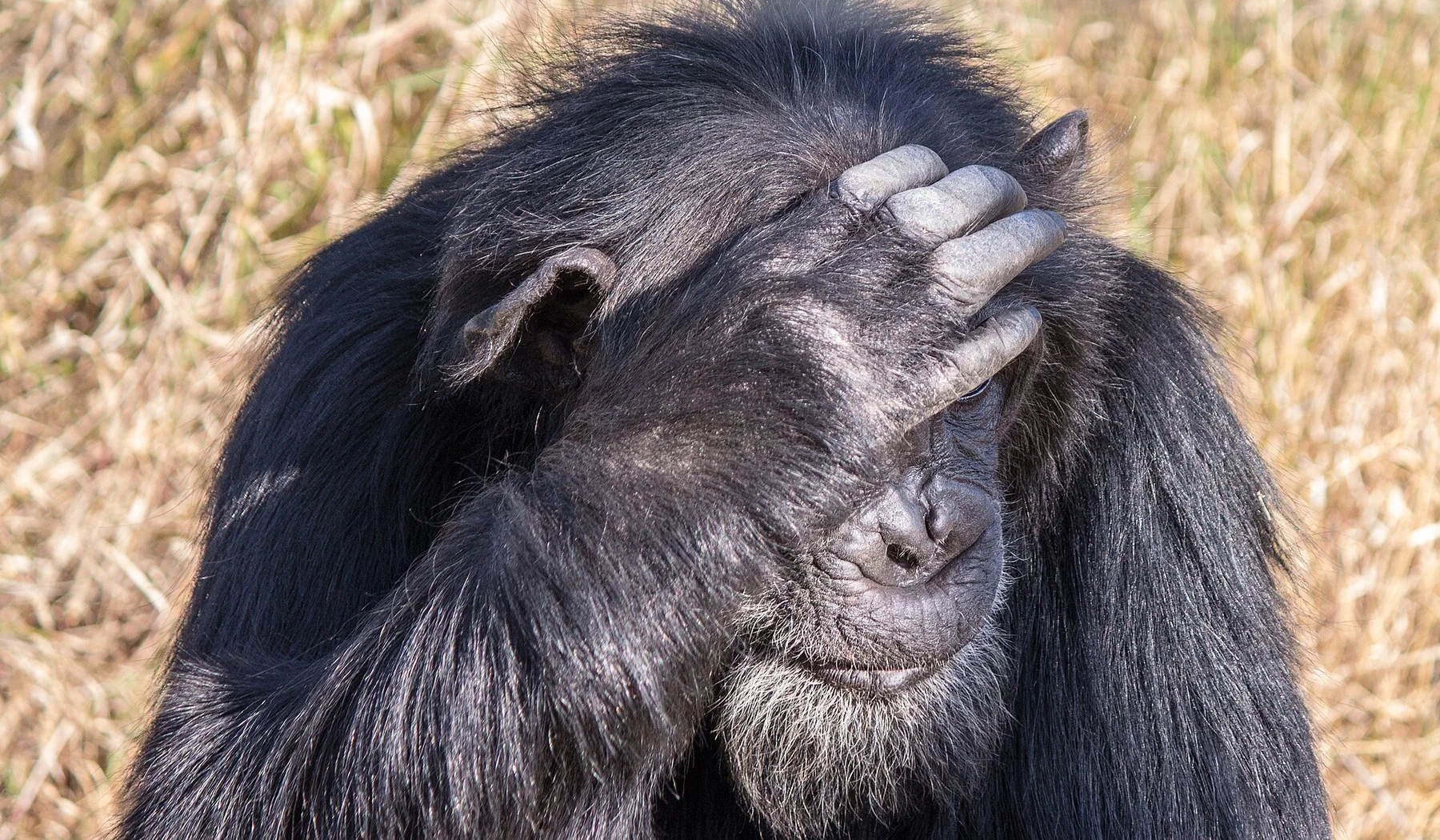
These are different experiences. The public sanctuary visit is included in entry during the published windows. Behind the Scenes is a paid, one-hour encounter focused on daily care and the stories of the chimpanzees.
| Feature | Public visit | Behind the Scenes |
|---|---|---|
| Fee | Included in entry | USD 70 per adult |
| Time | 8:30 to 12:30 and 14:00 to 16:30 | 11:45 to 12:45 |
| Group | General visitor flow | 2 to 6 people |
| Focus | Viewing and interpretation | Care, sanctuary operations and closer learning |
| Health protocol | Follow current sanctuary rules | Mask and hand sanitation listed |
The paid version is not merely a guaranteed better photograph. It is for travellers who want the sanctuary's work to become a central part of the day.
Paid activities in one comparison table
| Experience | 2026 adult fee | Child fee shown | Main timing |
|---|---|---|---|
| Northern white rhinos | USD 70 | Not listed | 8:30, 11:00, 15:00, 16:30 |
| Rhino monitoring | USD 70 | Not suitable for children | 6:30 to 8:30 or 15:30 to 17:30 |
| Lion tracking | USD 70 | USD 35 | 6:30 to 8:30 or 15:30 to 17:30 |
| Night game drive | USD 70 | USD 35 | 19:00 to 21:00 or 21:00 to 23:00 |
| Dog tracking | USD 70 | Under 12 not suitable | Once daily at 8:30 |
| Guided bush or bird walk | USD 70 | Not listed | 6:30 to 8:30 or 15:30 to 17:30 |
| Behind the Scenes chimps | USD 70 | Not listed | 11:45 to 12:45 |
| Livestock-wildlife integration | USD 70 | USD 35 | Daily at 8:00, about two hours |
| Meet the Neighbours | USD 70 | USD 35 | Monday to Saturday, 10:30 to 12:30 |
| Run the Wild | USD 40 | Under 12 not suitable | Confirm current time |
| Conservation talk | USD 20 | Per person | Daily, book three days ahead |
The fee does not answer whether two activities clash, whether transport is included or whether an animal is available. Those questions decide the day.
Meeting Najin and Fatu
The northern white rhino encounter is the activity many travellers will regret missing if it mattered to them. It is a keeper-led conservation visit, not a wild tracking drive. The tariff lists four daily one-hour slots: 8:30, 11:00, 15:00 and 16:30.
| Question | Useful answer |
|---|---|
| What is it? | A structured visit to Najin and Fatu with their keepers |
| Fee | USD 70 per adult |
| Duration | About one hour |
| Best for | Conservation-minded travellers and older children who can listen quietly |
| Book first when | This is the emotional reason for visiting Ol Pejeta |
One independent traveller wrote, “We felt honored to be able to visit Najin and Fatu”. Another said, “The sole reason we went was to see the Northern White Rhinos and we weren't disappointed.”
Those reactions are powerful, but the visit should not be sold as touching a famous animal on demand. Keeper instructions, animal welfare and the rhinos' behaviour come first.
The dedicated northern white rhino and chimpanzee sanctuary guide explains the history, ethical questions and differences between the two conservation visits.
Rhino monitoring and identification
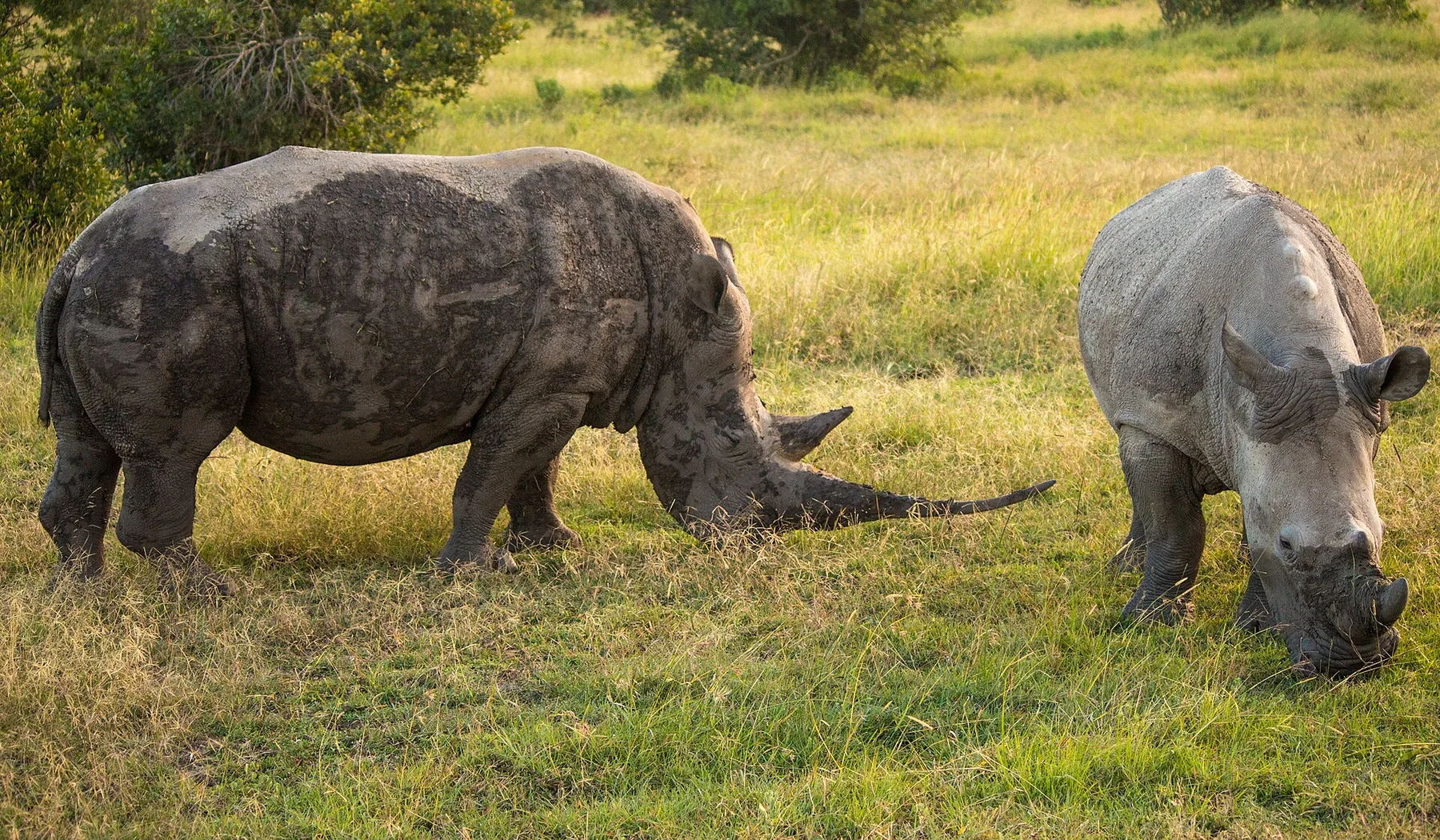
Rhino monitoring follows the field team rather than placing the animal in a fixed visitor setting. Guests learn how ear notches identify individuals and how teams record body condition, habitat and activity.
| Feature | Published detail |
|---|---|
| Fee | USD 70 per adult |
| Times | 6:30 to 8:30 and 15:30 to 17:30 |
| Children | Not suitable |
| Strongest appeal | Research, field methods and wild rhino behaviour |
| Difference from northern whites | Monitoring is a field activity, not a fixed enclosure visit |
Choose this when the method of conservation is as interesting as the sighting itself. It also suits repeat safari travellers who already know what a rhino looks like and want to understand how each animal is protected.
Lion tracking
Lion tracking uses radio-collared animals to help the monitoring team locate a pride and collect information. The vehicle seats six and is not exclusive. The handbook requires a minimum of four people for the activity.
| Feature | Published detail |
|---|---|
| Fee | USD 70 adult, USD 35 child |
| Times | 6:30 to 8:30 and 15:30 to 17:30 |
| Vehicle | Shared, up to six people |
| Minimum | Four participants |
| Included items | Drinking water, lion ID sheets and pens |
A traveller described it simply: “In the afternoon we did the lion tracking and that was very special.” Another wrote, “I highly recommend to do the lion tracking in Laikipia plateau.”
Tracking technology improves the search. It does not turn lions into performers or guarantee a hunt.
Night game drives
Night drives run at 19:00 to 21:00 and 21:00 to 23:00. The shared vehicle seats six, the booking requires at least four participants and warm clothing is sensible. This is an organised activity after ordinary visitor driving ends.
| Night-drive question | Planning answer |
|---|---|
| What changes after dark? | Species, behaviour, sounds and the way a spotlight reveals the landscape |
| Is the vehicle private? | No, the standard activity uses a shared six-seat vehicle |
| Minimum group? | Four people |
| Where should I stay? | Inside the conservancy is simplest |
| What should I skip? | Avoid squeezing in a full late-afternoon drive before the early night slot |
One traveller remembered that rain limited the drive but “Saw a Zorilla which made the outing more than worthwhile.” That is the honest appeal of night driving. A small nocturnal animal can become more memorable than another distant lion.
The single-entry trap around a night drive
An outside guest who enters for a day drive, leaves for dinner and returns for a night drive needs another entry under the current policy. The activity fee does not cancel the re-entry cost.
| Non-resident couple scenario | Entry | Activity | Vehicle and transfer |
|---|---|---|---|
| Inside stay, one night drive | Usually handled within lodge and conservancy arrangement | USD 140 | Confirm lodge transfer |
| Outside stay, night visit only | USD 220 | USD 140 | Add vehicle entry or transfer |
| Outside stay, day visit then return at night | USD 440 across two entries | USD 140 | Add both vehicle movements |
This is the clearest example of why accommodation location and activity choice belong in the same budget.
Dog tracking with the K9 unit
Dog tracking introduces the bloodhounds and handlers who support anti-poaching and community security. Participants may hide for a demonstration and be found by the dogs. Closed shoes, sunscreen and a hat are recommended.
| Feature | Published detail |
|---|---|
| Fee | USD 70 per adult |
| Time | Once daily at 8:30 |
| Children | Not suitable under 12 |
| Physical element | Interactive hiding and tracking demonstration |
| Bookability | Subject to availability |
One visitor called it “an incredible experience, probably a highlight of our trip to Kenya.” The same review offered the most useful clothing advice: expect dog footprints.
Guided bush and bird walks
A walk slows the conservancy down. Tracks, dung, grass, insects and bird calls take over from the search for large mammals. The handbook lists morning and afternoon windows.
| Feature | Published detail |
|---|---|
| Fee | USD 70 per adult |
| Times | 6:30 to 8:30 and 15:30 to 17:30 |
| Best for | Birders, repeat safari travellers and curious walkers |
| Equipment | Closed shoes, neutral clothing, water and binoculars |
| Mobility | Surface and pace need individual confirmation |
Do not add a walk because the itinerary needs another item. Choose it when being on foot is the point.
Livestock and wildlife integration
Ol Pejeta is a working cattle conservancy. This two-hour experience explains how Boran and Ankole cattle contribute to rangeland management and income for conservation.
| Feature | Published detail |
|---|---|
| Fee | USD 70 adult, USD 35 child |
| Time | Daily at 8:00, about two hours |
| Vehicle | Shared, up to six people |
| Best for | Travellers interested in land use, ecology and conservation economics |
| Expectation | A working-landscape lesson, not a conventional game drive |
It is one of the best choices for a traveller who wonders why cattle appear among zebra and antelope. Instead of treating the herd as an interruption, the activity explains the model.
Meet the Neighbours
This community visit runs Monday to Saturday between 10:30 and 12:30. Revenue is reinvested in the community visited.
| Planning point | Published position |
|---|---|
| Fee | USD 70 adult, USD 35 child |
| Days | Monday to Saturday |
| Time | 10:30 to 12:30 |
| Purpose | Community exchange and understanding local development work |
| Good practice | Listen, ask before photographing and avoid staged expectations |
A respectful visit is not a performance added between animals. It works when the traveller is genuinely interested in people, livelihoods and the relationship between a conservancy and its neighbours.
Conservation talks
The USD 20 talk is the least expensive paid experience and can be one of the most intellectually useful. Visitors choose a subject such as wildlife conservation, community development, technology or livestock integration and speak with an expert.
| Feature | Published detail |
|---|---|
| Fee | USD 20 per person |
| Availability | Daily |
| Advance booking | Three days |
| Best for | Students, specialists, repeat visitors and thoughtful families |
| Value | Depth without consuming a full drive period |
Prepare real questions. A conversation about monitoring technology or community water projects becomes much richer than asking for a generic summary of the conservancy.
Run the Wild
Run the Wild covers about 5 to 7 kilometres with armed rangers. It combines exercise with a view of ranger work and the open plains. It is not suitable for children under 12.
| Feature | Published detail |
|---|---|
| Fee | USD 40 per adult |
| Distance | About 5 to 7 kilometres |
| Safety | Accompanied by armed rangers |
| Children | Not suitable under 12 |
| Prepare | Running shoes, fitness, water and current start-time confirmation |
This is a specialist choice. A traveller should want the run itself, not use it as a substitute for a bush walk.
Hiring an Ol Pejeta vehicle
The official handbook lists a seven-passenger tour vehicle with professional driver-guide at KES 28,000 for four hours or KES 35,000 for eight hours.
| Hire | 2026 rate | Best use |
|---|---|---|
| Four hours | KES 28,000 | Focused morning or afternoon visit |
| Eight hours | KES 35,000 | Full day including sanctuary and game drive |
Shared vehicles are specifically provided for night drives and lion tracking. Other experiences may need separate transport at extra cost. Ask how the party moves from the gate to each activity before assuming the activity vehicle will collect everyone.
Entry fee versus vehicle versus guide
| Cost | What it buys | What it does not automatically buy |
|---|---|---|
| Conservancy entry | Access for each person | Safari vehicle, driver or paid experience |
| Vehicle entry | Access for the vehicle | Driver-guide expertise |
| Vehicle hire | Vehicle and professional driver-guide for set hours | Every conservation activity |
| Paid activity | The named experience | General entry and sometimes transport |
This separation explains why two quotes with the same hotel can differ. One may include conservancy fees, private 4×4 and activities. The other may list only room and meals.
A realistic non-resident day-visit budget
Consider two non-resident adults in their own hired safari vehicle, adding one paid activity.
| Cost line | Example amount |
|---|---|
| Two adult entries | USD 220 |
| One activity for two | USD 140 |
| Vehicle entry | KES 1,000 for up to six seats |
| Transport from Nairobi or Nanyuki | Depends on pickup, vehicle and duration |
| Meals and drinks | Separate |
This is not a quote. It shows why the USD 70 activity cannot be discussed without the USD 110 entry and a vehicle plan.
A citizen family example
Two East African citizen adults and two children aged 6 and 10 would pay KES 6,000 in person entry before the vehicle.
| Cost line | Example amount |
|---|---|
| Two adults | KES 4,000 |
| Two children | KES 2,000 |
| Vehicle up to six seats | KES 1,000 |
| Entry subtotal | KES 7,000 |
If the family adds lion tracking, the activity uses USD pricing in the tariff. Check the payment currency and age suitability at booking rather than converting informally at the gate.
One activity in a day is often enough
Ol Pejeta offers so many experiences that a first visit can become an appointment schedule. The conservancy is still a wildlife landscape. Leave time to stop for an elephant herd, wait for a black rhino to emerge and eat without watching the clock.
| Traveller | Sensible activity load |
|---|---|
| First-time day visitor | One paid activity plus game drive and public chimp visit |
| Two-night guest | Two or three paid activities across separate days |
| Family with young children | One structured experience per day |
| Specialist conservation traveller | Two daily sessions with a quiet middle period |
| Photographer | One fixed activity only when it adds access or learning |
Strong day-plan combinations
| Combination | Why it works |
|---|---|
| 8:30 northern whites, game drive, afternoon chimps | Famous conservation story first, flexible wildlife later |
| Morning game drive, 11:45 Behind the Scenes, afternoon game drive | Keeps the sanctuary at the centre without losing both drive periods |
| 6:30 lion tracking, breakfast, chimps, slow afternoon drive | Strong behaviour-focused start |
| 8:30 dog tracking, game drive, 15:00 northern whites | Two distinct conservation stories with space between |
| 10:30 Meet the Neighbours, lunch, afternoon game drive | Useful human context before wildlife time |
Combinations that compete
| Pair | Conflict |
|---|---|
| Lion tracking and morning rhino monitoring | Same 6:30 to 8:30 window |
| Dog tracking and 8:30 northern whites | Same start time |
| Behind the Scenes and 11:00 northern whites | Times overlap |
| Afternoon walk and 16:30 northern whites | Overlapping late-day window |
| Early night drive and full late-afternoon drive | No recovery or dinner time |
The answer is not to race between them. Choose which story matters more.
A day visitor arriving from Nairobi
Nairobi is roughly four hours away in ordinary conditions. A same-day drive cannot reliably reach a 6:30 or 8:00 activity without leaving at an unreasonable hour and gambling on traffic.
| Nairobi day trip | Reality |
|---|---|
| 6:30 lion tracking | Not a sensible same-morning arrival |
| 8:30 northern whites | High risk from Nairobi |
| 11:00 northern whites | More realistic with a very early departure |
| 15:00 northern whites | Fits better, but return reaches Nairobi late |
| Night drive | Requires an overnight stay |
One night near or inside Ol Pejeta protects the early activities and makes the fee worthwhile. Read the Nairobi to Laikipia guide before treating the drive as a small transfer.
Staying inside changes the activity menu
An inside camp or lodge can reach early tracking sessions and return after a night drive without crossing the public gate. Outside accommodation may have a lower room price but loses that ease.
| Stay | Strongest advantage | Main caution |
|---|---|---|
| Inside conservancy | Early, late and night activity access | Room may cost more |
| Outside near Rongai gate | Choice of Nanyuki-area hotels | Single-entry rule and transfer time |
| Nanyuki town | Wider town facilities | Longer drive to activity meeting points |
The where to stay in Ol Pejeta guide compares the actual properties and locations.
Families should start with ages, not prices
| Family question | Why it matters |
|---|---|
| Exact age of each child | Entry and activity rules differ |
| Can the child sit quietly for an hour? | Keeper-led visits rely on calm listening |
| Does the child need a car seat? | Shared activity vehicles may not carry one automatically |
| Is a late night realistic? | A 21:00 finish can disrupt the next day |
| What happens if one child cannot join? | The party may need a second adult and vehicle plan |
The best family day often uses the public chimp visit, a measured game drive and one age-suitable paid experience. The Kenya family safari guide helps place it in a wider route.
Accessibility must be checked activity by activity
A general statement that Ol Pejeta is accessible is not enough. The gate, vehicle step, shared seating, walking surface, toilet, sanctuary route and accommodation room can each change the answer.
| Activity | Question to verify |
|---|---|
| Northern white rhinos | Vehicle boarding and viewing position |
| Lion tracking | Shared-vehicle seat and transfer assistance |
| Night drive | High step, darkness, cold and two-hour duration |
| Behind the Scenes | Path surface, distance and standing time |
| Dog tracking | Walking, hiding and uneven ground |
| Bush walk | Distance, terrain and emergency support |
Share the traveller's actual needs before booking. The accessible Kenya safari guide explains the full chain.
Weather can change the activity
The official tariff says experiences are subject to weather, availability, animal health and welfare. A rainstorm can soften tracks. A chimpanzee group may need privacy. A field team may change direction.
| Change | Sensible response |
|---|---|
| Heavy rain | Allow a slower road plan and flexible meeting time |
| Animal welfare closure | Accept the change and use the wider conservancy |
| Minimum group not met | Ask about another time or the cancellation terms |
| Shared vehicle full | Choose another slot rather than crowding the day |
| Tracker cannot locate target animal | Value the method, not only the result |
An ethical conservation activity is not a theatre ticket. The lack of a scripted outcome is part of its honesty.
Cancellation and change terms matter
The official tariff directs travellers to the current cancellation policy and warns that rates may change without notice. Keep the entry, accommodation and activity terms together because they may not all cancel in the same way.
| Confirm before payment | Reason |
|---|---|
| Refund window | Weather and itinerary changes happen |
| Minimum group | Lion and night activities may depend on numbers |
| Child eligibility | An ineligible child cannot solve the issue at arrival |
| Transport inclusion | Missed meeting points can void the activity |
| Re-entry requirement | Outside stays can create a second ticket |
| Currency and card | Prevents an avoidable payment failure |
Code of conduct is part of the price
The conservancy sets a 40 kph speed limit, prohibits ordinary off-road driving and gives wildlife right of way. Visitors must remain in the vehicle outside designated areas, avoid feeding animals, keep off the roof and leave drones at home unless authorised.
| Rule | Reader benefit |
|---|---|
| 40 kph limit | Protects wildlife and creates time to see more |
| Stay on designated tracks | Reduces habitat damage |
| No crowding or chasing | Keeps animal behaviour natural |
| No feeding | Prevents dangerous habituation |
| No private drones without approval | Protects animals and other visitors |
| No driving after 19:00 | Night access remains controlled |
The activity fee never buys permission to ignore these rules.
What to carry
| Item | Why |
|---|---|
| Passport or accepted status document | Entry category proof |
| Booking references | Gate and activity check-in |
| Backup payment card | Cashless gate |
| Refillable water bottle | Conservancy is plastic-free |
| Hat, sunscreen and layers | Highland sun, wind and cool evenings |
| Closed shoes | Walks, dog tracking and activity areas |
| Binoculars and charged camera | Wildlife can remain distant |
| Prescription medication | Day plans cover a large area |
Use reusable bags and bottles. Bright fashion is not a crisis, but muted clothing is easier around wildlife and dust.
Entry fees do not guarantee wildlife
Ol Pejeta's rhino density is a genuine strength. A paid ticket still does not guarantee a black rhino, leopard, hunt or perfect Mount Kenya view.
| What the fee supports | What nature retains |
|---|---|
| Conservancy access and protection work | Animal movement |
| Maintained visitor roads | Weather |
| Structured conservation experiences | Visibility and behaviour |
| Rangers and monitoring | The outcome of a tracking session |
This distinction builds confidence because it describes the product honestly.
Ol Pejeta or Solio for a rhino-focused budget?
Solio is often chosen for quiet, concentrated rhino viewing. Ol Pejeta has a broader menu of structured conservation experiences, the northern white rhinos and chimpanzees.
| Priority | Stronger fit |
|---|---|
| Wild southern and black rhino viewing with a quieter rhythm | Solio |
| Keeper-led northern white rhino story | Ol Pejeta |
| Chimpanzee sanctuary | Ol Pejeta |
| Several paid conservation activities | Ol Pejeta |
| Simple wildlife day without appointments | Solio |
Use the Ol Pejeta versus Solio guide and Solio visitor guide to compare the complete cost, not only entry.
Ol Pejeta or Lewa for structured activities?
| Priority | Ol Pejeta | Lewa |
|---|---|---|
| Public day entry | Available | Usually tied more closely to accommodation arrangements |
| Published activity menu | Extensive | More property-led |
| Northern white rhinos | Yes | No |
| Chimpanzees | Yes | No |
| Quiet exclusive conservancy rhythm | Depends on zone and day | Strong |
The Ol Pejeta versus Lewa comparison helps choose the experience before choosing the tariff.
Linking Ol Pejeta with Samburu
Ol Pejeta's early activities work best before driving north, not after a long Samburu transfer. Spend the final morning on a normal game drive or leave after breakfast.
| Order | Activity logic |
|---|---|
| Ol Pejeta then Samburu | Complete specialist activities on the full Ol Pejeta day |
| Samburu then Ol Pejeta | Arrive for an afternoon drive, book activities next morning |
| Fly one sector | Protects time but adds baggage rules |
The Samburu safari guide gives the northern reserve enough time of its own.
The booking order that protects the trip
- Choose the travel date and accommodation location.
- Record each traveller's citizenship or residency category and age.
- Reserve the activity with the least availability or greatest emotional importance.
- Fit the public chimpanzee window and game drives around it.
- Decide whether an inside or outside stay supports early and night times.
- Arrange the safari vehicle, guide and meeting-point transfers.
- Book entry for the correct people and vehicle.
- Save references and verify proof documents.
- Check minimum groups, weather flexibility and cancellation terms.
- Leave enough unscheduled time for wildlife.
The final booking checklist
| Confirm in writing | Why it matters |
|---|---|
| Entry category and proof | Sets the correct rate |
| Child and student status | Entry definitions do not cover every activity |
| Vehicle seating band | Determines vehicle charge |
| Gate and arrival time | Rongai and Serat operate 7:00 to 19:00 |
| Inside or outside accommodation | Changes re-entry and night access |
| Exact activity slot | Prevents clashes |
| Shared or private vehicle | Changes comfort and flexibility |
| Minimum participants | Lion and night drives can depend on four people |
| Transport to meeting point | Not every activity includes it |
| Health and mobility needs | Each experience has a different physical setting |
| Cancellation policy | Fees may have separate terms |
| Meal plan | Long activity days need realistic food stops |
Spend money where the story matters to you
Ol Pejeta can be a simple wildlife day or a deep dive into conservation. Both are valid. The expensive mistake is paying for every available activity and giving none of them enough attention.
Start with the reason for coming. If Najin and Fatu matter, reserve that hour first. If field science matters, choose rhino monitoring. If children are fascinated by working dogs, check their ages and book the K9 unit. If night sounds have always pulled at you, stay inside and let the spotlight reveal a different conservancy.
The entry fee opens the gate. A thoughtful schedule turns it into a day worth remembering.
Plan your Ol Pejeta visit
Share the date, categories, ages, accommodation, transport and activity priorities. We will turn the tariff into one clear safari day.