
Solio Ranch and Game Reserve: Complete Visitor Guide
Solio is not a smaller Mara. It is a focused rhino landscape where a patient day reveals behaviour, conservation history and the quiet details between sightings.
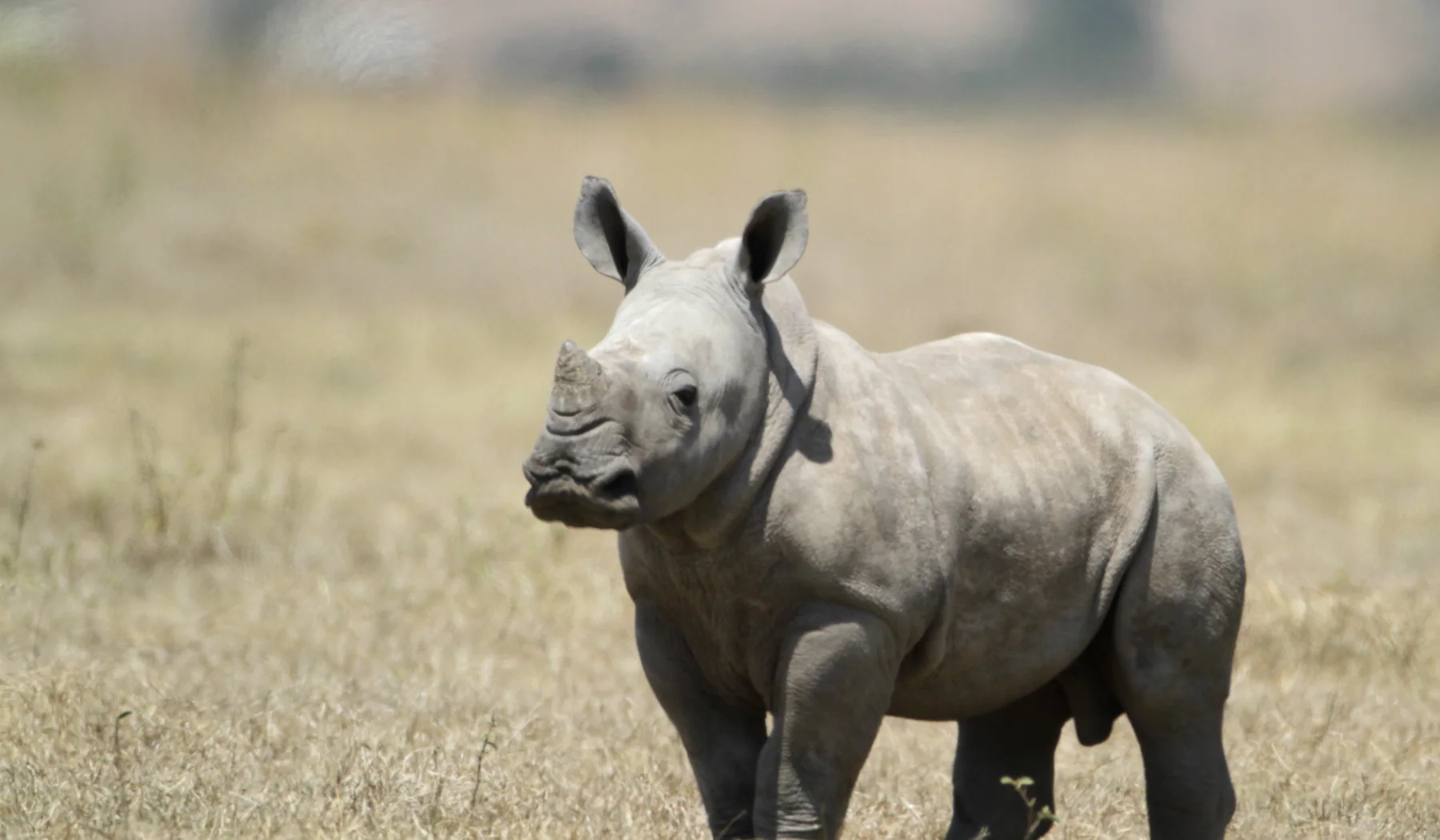
- Solio Ranch and Game Reserve at a glance
- What Solio actually is
- Why Solio belongs on some Kenya itineraries
- Who will love Solio
- Who should pair Solio with another ecosystem
- The conservation story began with protected space
- Rhino numbers should not become a marketing contest
- White rhinos are often the most visible
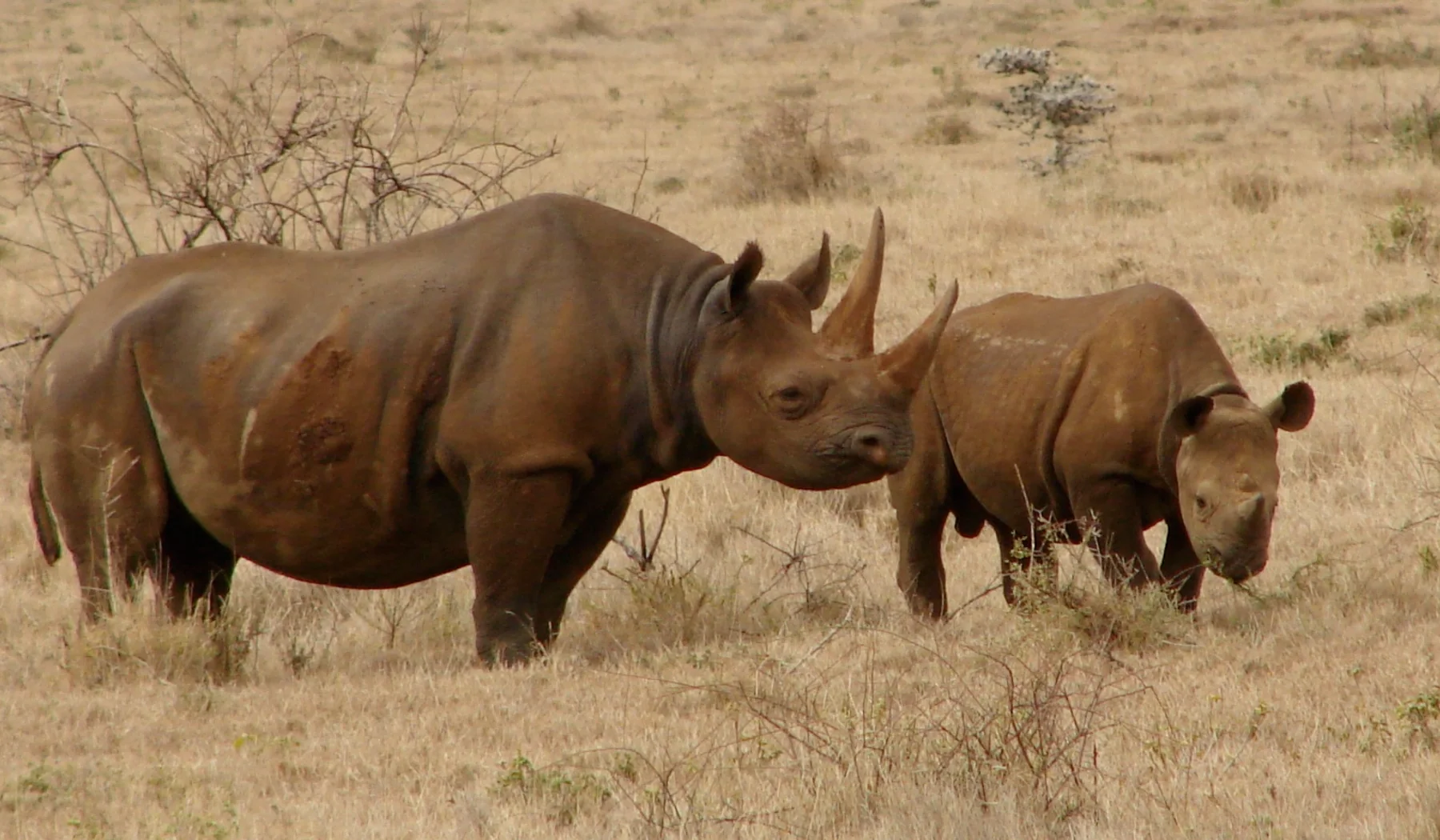
- Black rhinos ask for more patience
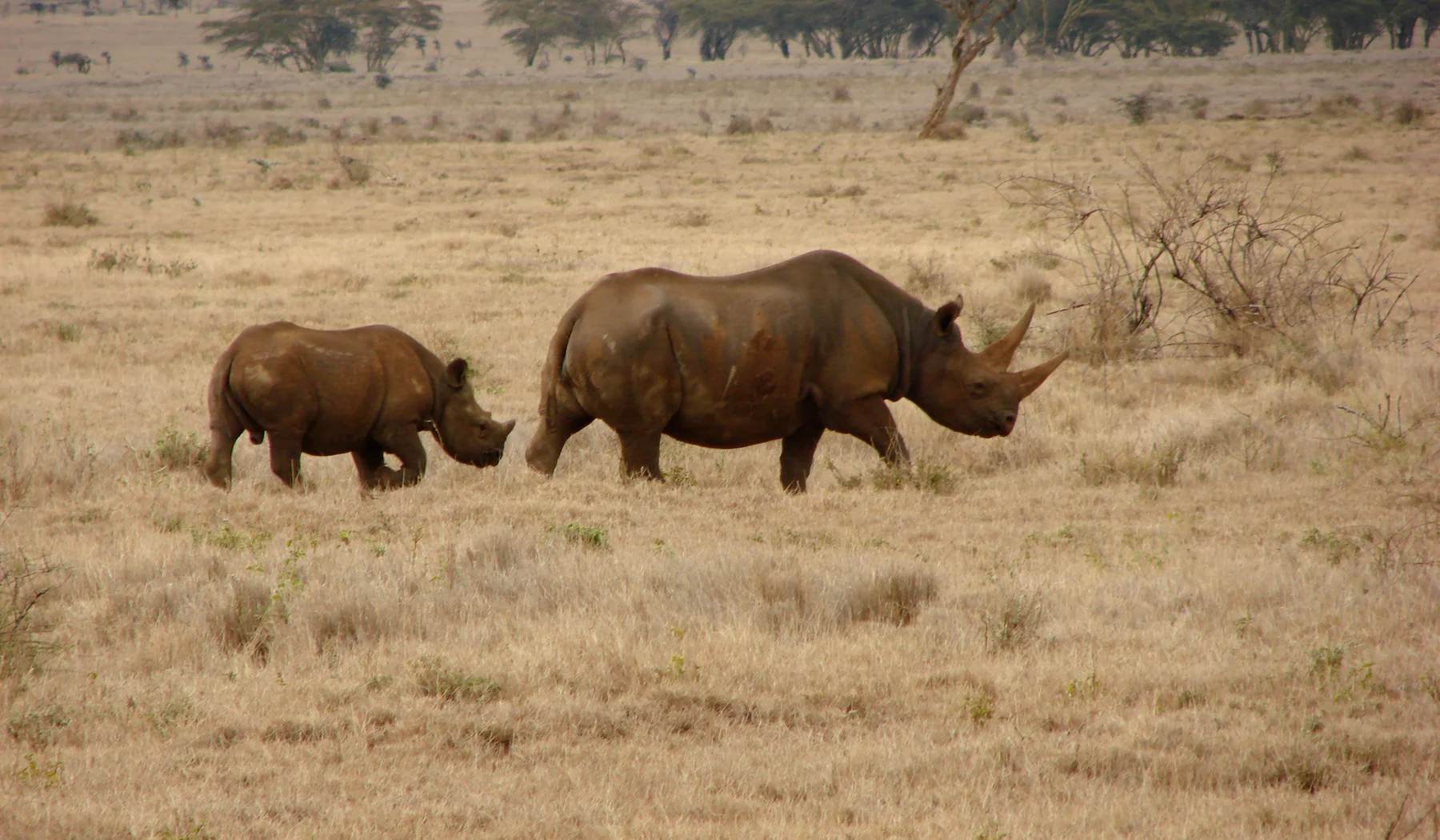
- How to watch rhinos well
- Wildlife beyond the rhinos
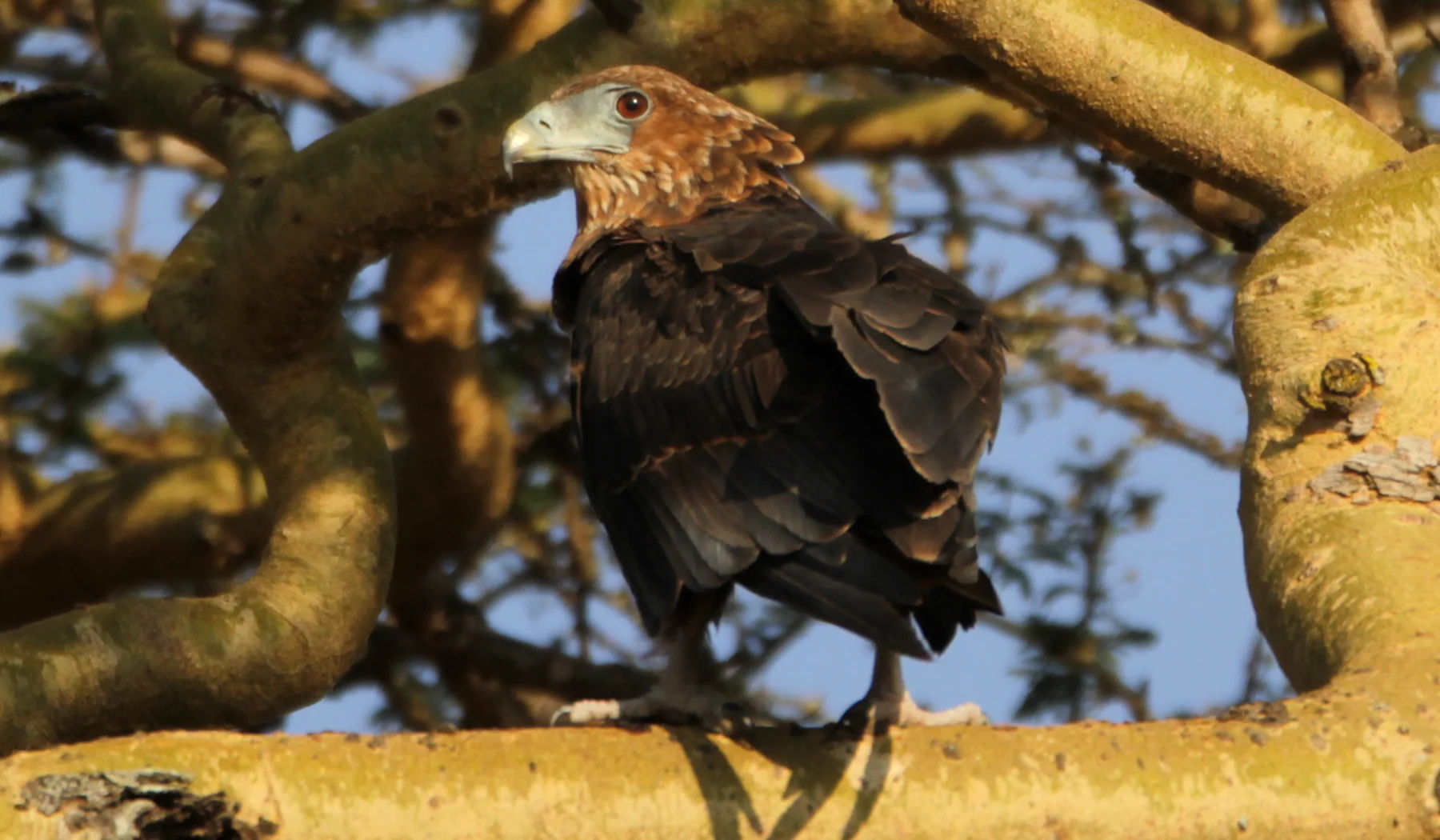
- Birding deserves its own attention
- The landscape is part of the experience
- Best time of day for a Solio game drive
- Best months to visit Solio
- Main Gate or Rhino Gate
- Driving from Nairobi
- Driving from Nyeri and Nanyuki
- Reaching Solio by air
- Current entry process
- The official pages disagree on closing time
- Solio entry fees
- Self-drive or guided safari
- The safari vehicle changes the day
- Rules that protect both wildlife and visitors
- Picnics and food
- Toilets and comfort stops
- Solio Rhino Orphanage
- Staying inside the reserve
- Staying outside Solio
- How many nights do you need
- A good full-day rhythm
- Solio for photographers
- Solio with children
- Accessibility and limited mobility
- What independent reviewers noticed
- Solio versus Ol Pejeta
- Combining Solio with the Aberdares
- Combining Solio with Ol Pejeta
- Combining Solio with Samburu
- What to pack for Solio
- Common planning mistakes
- A booking brief that produces a useful proposal
- Final verdict
The first rhino is thrilling. The fifth makes you look more closely. By the time a mother and calf appear beyond another grazing animal, the day at Solio has changed from a search into something rarer: time to watch rhinos behave like residents rather than brief safari rewards.
That is the heart of Solio Ranch and Game Reserve. This private reserve sits in the high country between Mount Kenya and the Aberdare ranges, close enough to Nyeri and Nanyuki for a day visit, yet different enough from Kenya's famous parks to deserve its own place in an itinerary. It is not a compressed Mara and it should not be sold as one. Solio is rhino country.
This guide covers the decisions that shape a good visit: which gate to use, how long to stay, what the reserve protects, what else lives there, how the orphanage fits in, when roads become difficult, which rules matter, where to sleep and what independent visitors actually noticed.
Solio Ranch and Game Reserve at a glance
| Question | Practical answer |
|---|---|
| Where is it? | In central Kenya between Mount Kenya and the Aberdare ranges, with approaches from Nyeri and Naro Moru |
| Main reason to visit | Concentrated black and white rhino viewing in open grassland and woodland |
| Reserve type | Privately managed wildlife reserve within a working ranch landscape |
| Day visitors | Accepted through the Main Gate and Rhino Gate under current official entry information |
| Opening | Gates open at 6:30; confirm the closing time because official pages currently differ |
| Payment | Official entry information says card only and no cash |
| Documents | Every traveller should carry a passport and complete an indemnity |
| Best length | A long morning or full day; one or two nights for a slower luxury stay |
| Best companion destinations | Aberdares, Ol Pejeta, Mount Kenya, Samburu and the wider Laikipia circuit |
What Solio actually is
Solio Ranch is the larger private property. Solio Game Reserve is the protected wildlife sanctuary inside that landscape. Travellers often use “Solio Ranch”, “Solio Reserve” and “Solio Rhino Sanctuary” as if they mean exactly the same thing, but a booking should name the gate, activity and accommodation clearly.
The reserve is fenced and actively managed. That matters. Wildlife numbers, roads, security and access are not governed in the same way as a national park. The result is exceptional rhino viewing, but also a more specialised ecological experience.
| Name used in conversation | What the traveller should confirm |
|---|---|
| Solio Ranch | Whether the speaker means the wider private property or the wildlife reserve |
| Solio Game Reserve | Gate entry, vehicle, guide, hours and current fee |
| Solio rhino sanctuary | Usually the protected reserve, not a separate public park |
| Solio Rhino Orphanage | A distinct welfare facility with its own booking arrangements |
| Solio Lodge | A luxury accommodation inside the reserve, not the reserve itself |
Why Solio belongs on some Kenya itineraries
In many parks, a rhino is the distant sighting that completes a list. Solio lets the animal become the subject of the day. White rhinos graze across open ground, calves stay close to their mothers, and black rhinos may appear along denser edges. Repeated encounters make room for behaviour, comparison and better photography.
Solio is especially rewarding for repeat safari travellers. Someone who has already watched elephants in Amboseli or a pride in the Mara may value a day that goes much deeper into one conservation story.
Who will love Solio
| Traveller | Why it works |
|---|---|
| Rhino enthusiast | Both black and white rhinos are central to the reserve's identity |
| Wildlife photographer | Open ground and repeated encounters create time for behaviour and composition |
| Conservation-minded family | The reserve history and orphanage can give children a clear story to follow |
| Repeat safari visitor | Solio feels distinct from a broad Big Five circuit |
| Luxury traveller | An inside stay can combine privacy, guiding and unhurried drives |
| Road-trip traveller | It fits naturally between Nairobi, the Aberdares, Nanyuki and northern Kenya |
Who should pair Solio with another ecosystem
Solio should not carry every first-safari expectation. A traveller hoping for elephant herds, river crossings, large lion-pride dynamics and a broad list of habitats needs another destination too.
| Missing priority | Useful companion |
|---|---|
| Elephants beneath Kilimanjaro | Amboseli |
| Migration and large plains predators | Masai Mara |
| Dry-country species and elephants | Samburu |
| Big Five plus structured conservation visits | Ol Pejeta |
| Forest, waterfalls and highland scenery | Aberdares |
The Solio versus Ol Pejeta comparison helps when only one rhino destination will fit.
The conservation story began with protected space
Solio's official history traces the modern ranch to 1966. A fenced wildlife reserve was established in 1970, and five black rhinos were moved into it. Southern white rhinos arrived in 1978. In 1980, 27 black rhinos from nine areas were brought to Solio, and the sanctuary later expanded.
The importance of that history is not a claim to age for its own sake. Breeding success made it possible to move rhinos out again. Animals from Solio helped establish or reinforce populations in other Kenyan protected areas.
| Milestone | Why it matters |
|---|---|
| 1966 | The modern ranch history begins |
| 1970 | A fenced reserve gives black rhinos protected habitat |
| 1978 | Southern white rhinos add a second species and different behaviour |
| 1980 | Black rhinos from several regions strengthen the sanctuary population |
| 1991 | The protected reserve expands |
| Later translocations | Solio's breeding success contributes to conservation beyond its fence |
| 2024 orphanage | Rescue and rehabilitation become more visible to visitors |
Rhino numbers should not become a marketing contest
You will find dramatically different population figures online. Some are old, some refer to the whole ranch, and some appear on sales pages without a census date. The useful fact is that Solio protects an exceptional concentration of black and white rhinos and has bred animals for translocation. A precise current count should come from the reserve's monitoring team.
This distinction protects the reader from false certainty. It also keeps the visit focused on living animals rather than a score.
White rhinos are often the most visible
White rhinos are grazers. Their broad, square lips work close to the ground, and their preference for open grass can make them easier to find. They may appear in loose social groups, especially females and young animals.
Watch how a calf positions itself, how adults use scent and how animals react to vehicles. Ten quiet minutes can reveal far more than racing toward the next sighting.
Black rhinos ask for more patience
Black rhinos are browsers with a pointed upper lip suited to leaves and twigs. They often use thicker cover and can appear more solitary. “Black” and “white” do not describe reliable skin colour, so shape, feeding style and habitat are better clues.
| Field clue | White rhino | Black rhino |
|---|---|---|
| Lip | Broad and square | Pointed and prehensile |
| Feeding | Grazes grass | Browses shrubs and leaves |
| Head carriage | Often lower while feeding | Often higher |
| Social pattern | Females may be seen with calves or in loose groups | More often solitary |
| Easy sighting promise | Never guaranteed | Never guaranteed |
How to watch rhinos well
The reserve rules set a maximum of three vehicles around wildlife, a ten-minute limit beside the same animal and a minimum distance of 20 metres. Those are not obstacles to a good sighting. They prevent crowding and encourage each vehicle to leave space for the next.
Ask the guide to stop the engine where safe. Look before lifting the camera. A rhino that raises its head, pivots its ears or changes direction is communicating. Give it more room.
Wildlife beyond the rhinos
Solio's official wildlife gallery shows a wider community: buffalo, giraffe, zebra, waterbuck, vervet monkeys, black-backed jackals, leopard and many birds. Lions may be seen, but no ethical itinerary should promise a predator.
| Habitat or feature | What to scan for |
|---|---|
| Open grass | White rhinos, zebra, buffalo and grazing antelope |
| Woodland edge | Black rhinos, giraffe, browsers and cats moving between cover |
| Fever-tree areas | Monkeys, birds, shade-seeking animals and strong photographic backgrounds |
| Riverine ground | Tracks, birds and wildlife using water or cover |
| Sky and tall trees | Bateleurs, vultures and other raptors |
Birding deserves its own attention
The temptation is to keep every eye on the ground for horns. That misses part of Solio. Raptors patrol above the plains, guineafowl move through the grass, and wooded sections can slow the drive for smaller species.
The juvenile bateleur in this guide was photographed at Solio Ranch. Its mottled plumage differs from the bold black, chestnut and white pattern of an adult. A bird guide or a guide who enjoys birding can turn quiet periods between rhino sightings into some of the richest parts of the day.
The landscape is part of the experience
Solio sits between two mountain systems. Mount Kenya can rise to the east and the Aberdare range defines the western side, although clouds may hide both. On the ground, open grass, wooded margins and fever trees create a calmer, more intimate scene than the endless plains many travellers imagine when they hear “Kenya safari”.
| Light and weather | Likely effect |
|---|---|
| Clear early morning | Mountain context, softer shadows and active wildlife |
| Overcast morning | Even light for dark rhino skin and fewer harsh highlights |
| Midday sun | Strong contrast, heat haze and more difficult photography |
| Rain | Rich colour and dramatic cloud, but slippery tracks may limit routes |
| Late afternoon | Warm light, subject to the confirmed gate-closing time |
Best time of day for a Solio game drive
Enter as gates open if possible. Early light is kinder for photographs, wildlife may be active, and the day still has room for a route change. A full-day visit can add a second period of useful light, but only if the gate rules, picnic arrangement and road conditions are clear.
| Visit window | Strength | Trade-off |
|---|---|---|
| Gate opening to late morning | Cool conditions and good light | Requires a very early departure from an outside hotel |
| Midday | Useful for a full-day route and resting animals | Harder light and heat |
| Afternoon | Changing light and less rushed pace | Closing time must be confirmed before entry |
| Full day | Best chance to slow down and read behaviour | Needs food, toilet and driver-hour planning |
Best months to visit Solio
Solio can be visited throughout the year. The better question is which visual character and road tolerance you prefer. Drier periods may simplify driving and concentrate animals around dependable water. Green periods can bring fresh grass, dramatic skies and young animals, with a higher chance of muddy roads.
| Seasonal pattern | What it can feel like | Planning response |
|---|---|---|
| Drier conditions | Paler grass, dust and simpler road travel | Carry water and protect cameras from dust |
| Short-rain period | Green colour and passing showers | Use a proper 4×4 and flexible route |
| Warmer dry weeks | Strong midday sun | Prioritise early entry |
| Long-rain period | Lush scenery and slippery sections | Keep timing flexible and confirm road advice |
No month guarantees a particular animal. A patient guide and enough time matter more than a slogan about the “best” season.
Main Gate or Rhino Gate
Solio currently lists two public entry points. The original Main Gate is reached from the Nyeri to Nyahururu road. Rhino Gate is closer to Naro Moru and can make more sense from Nanyuki or the Mount Kenya side.
| Starting point | Gate to investigate first | Why |
|---|---|---|
| Nyeri | Main Gate | Direct approach from the Nyeri side |
| Aberdare accommodation | Main Gate in many itineraries | Often suits the western approach |
| Naro Moru | Rhino Gate | Designed to improve access from this direction |
| Nanyuki | Rhino Gate | Can reduce the approach compared with circling toward Nyeri |
| Nairobi | Depends on overnight and onward route | The whole itinerary matters more than a single map line |
Confirm the gate in the final itinerary. “Solio entrance” is not precise enough for a driver leaving before dawn.
Driving from Nairobi
The reserve's directions page estimates roughly 180 kilometres and three hours from Nairobi, using the A2 through Thika and Karatina toward Nyeri. Real travel time depends on the starting neighbourhood, traffic, weather, stops and the chosen gate.
An early-morning Solio game drive is much better with a night near Nyeri, Naro Moru or the reserve than with a dawn departure from central Nairobi. The Nairobi to Solio Ranch route guide works through the road choices in detail.
Driving from Nyeri and Nanyuki
Solio's official directions give about 25 kilometres and 30 minutes from Nyeri, and about 60 kilometres and one hour from Nanyuki. Treat those as route-planning estimates rather than promises.
| Origin | Official estimate | Sensible extra check |
|---|---|---|
| Nyeri | 25 km, about 30 minutes | Main Gate directions and morning traffic |
| Nanyuki | 60 km, about one hour | Rhino Gate access and road condition |
| Nakuru | 160 km, about three hours | Whether the drive is worth doing in one day |
| Mombasa | 550 km, nine to ten hours | Use a flight or break the journey |
Reaching Solio by air
The reserve says scheduled flights can use Nanyuki Airstrip, followed by roughly a 30-minute road transfer. Private flights may use Solio's private airstrip, described as about ten minutes from the entrance.
| Flight question | Confirm before payment |
|---|---|
| Airstrip | Nanyuki or Solio private airstrip |
| Transfer | Vehicle, driver, luggage space and exact meeting point |
| Baggage | Soft-bag weight and dimensions for the booked aircraft |
| Weather | Diversion or delay procedure |
| Onward route | Whether the same vehicle and guide continue after Solio |
Current entry process
The official entry page says tickets are sold at both gates. Visitors should bring passports, complete an indemnity form and pay by card. Cash is not accepted. The rules page also says every visitor, driver and guide must obtain a gate pass and return it at exit.
| Gate task | Prepare |
|---|---|
| Identification | Original passports for all travellers |
| Payment | Working card and a backup card |
| Forms | Time for every adult to sign and parents to sign for children |
| Guide and driver | Their entry details and indemnities |
| Gate pass | Keep it safe until exit |
| Contact | Carry the reserve's official gate number offline |
The official pages disagree on closing time
The entry page and site footer state 6:30 to 17:00. The rules page says gates close at 18:00, while also stating that no entries are accepted after 16:30. A late-afternoon plan should therefore use a directly confirmed time, not an assumption.
This is not a reason to avoid Solio. It is a reason to ask one precise logistical question before travel: “What time must our vehicle exit on our date?”
Solio entry fees
The reserve's rates page currently displays a card labelled 2025. Those figures are not relabelled here as current prices. Request the applicable citizen, resident or non-resident fee for adults and children, plus vehicle, guide, orphanage and any picnic charges.
| Cost line | Ask for it in writing |
|---|---|
| Adult entry | Category and currency |
| Child entry | Age definition and rate |
| Vehicle | Private, commercial or self-drive charge |
| Guide | Included or separate |
| Orphanage | Booking, duration and fee |
| Picnic | Approval and any site charge |
| Payment | Card type and deposit terms |
The companion Solio safari cost, entry and booking guide is designed for the full budget rather than a single gate line.
Self-drive or guided safari
Current entry information should be confirmed for the specific vehicle, but a guide familiar with Solio is the better choice for most first visits. The reserve is not difficult only because of roads. Good guiding identifies behaviour, chooses respectful positions and knows when a track is becoming unsafe after rain.
| Traveller | Better arrangement |
|---|---|
| First-time visitor | Guided 4×4 |
| Photographer | Private vehicle with an experienced local guide |
| Family | Private guided vehicle with meal and toilet plan |
| Resident repeat visitor | Confirm current self-drive terms directly |
| Limited mobility | Vehicle chosen around step height and seating access |
The safari vehicle changes the day
Ask whether the vehicle is private, how many window seats it has, whether the roof opens safely and who decides the pace. A lower window can be better for rhino portraits than standing through a roof. A private vehicle is especially valuable when one person photographs and another wants a shorter day.
| Vehicle detail | Why it matters |
|---|---|
| 4×4 capability | Wet tracks and recovery risk |
| Window seat for each guest | Clear views without leaning across others |
| Roof style | Shade, standing room and photography angles |
| Step height | Comfort for children and limited mobility |
| Charging | Camera and phone power on a long drive |
| Recovery equipment | Reserve rules state that rescue can attract a fee |
Rules that protect both wildlife and visitors
Solio requires visitors to stay in vehicles unless management has given written approval. Off-road driving is prohibited. Feeding, harassing wildlife, littering, loud music, drones, weapons, smoking and open flames are prohibited. The maximum speed is 40 kph, with the rules wording indicating that speed is for emergencies rather than a target.
| Rule | What respectful behaviour looks like |
|---|---|
| Stay in vehicle | Do not step out for a photograph |
| Remain on main roads | Accept the angle the animal chooses |
| 20-metre minimum | Back away if wildlife approaches or reacts |
| Three vehicles maximum | Wait at a distance rather than joining a crowd |
| Ten minutes per animal | Use the time well, then leave calmly |
| No drone | Photograph from the vehicle |
| No feeding | Let wildlife remain wild |
Picnics and food
The rules say picnics require advance approval from Solio management. Do not assume a scenic patch is an informal lunch stop. Confirm whether food may be brought in, where it can be eaten, whether guests may leave the vehicle and what waste must be removed.
| Food plan | Best for |
|---|---|
| Early breakfast before entry | Short morning drive |
| Approved packed breakfast | Gate-opening visit, if the stop is authorised |
| Approved picnic lunch | Full-day visit |
| Lodge meal | Overnight stay or hosted luxury visit |
| Return to outside hotel | Half-day visit with a nearby base |
Toilets and comfort stops
Do not leave this until the vehicle is already inside. Ask the guide where approved toilets are located, how long the route between them takes and whether any stop involves steps or uneven ground.
Families, pregnant travellers and anyone with a medical condition may need a shorter loop. A flexible private vehicle often adds more comfort than another hour of game viewing.
Solio Rhino Orphanage
The orphanage cares for rescued young wildlife with the aim of rehabilitation and return to the wild where possible. Its official material describes emergency rescue, veterinary treatment, nutrition, bottle feeding, walks, play and preparation for release.
An orphanage visit is not the same as seeing wild rhinos on a game drive. It should be approached as a welfare and conservation experience, with contact determined by the animals' needs rather than a visitor's photograph.
| Orphanage question | Confirm |
|---|---|
| Booking | Whether advance reservation is required |
| Timing | Arrival time and duration |
| Current residents | Which animals can be viewed on the date |
| Interaction | What is permitted under current welfare rules |
| Photography | Flash, distance and staff instructions |
| Fee | Current amount and payment method |
Staying inside the reserve
Solio Lodge is the established luxury lodge inside the wildlife reserve. The advantage is not simply a beautiful room. It is time: early starts, a shorter return after game drives and a schedule shaped around light rather than a gate commute.
An inside stay works best for travellers who value private guiding, spacious accommodation and a slow rhythm. It is not necessary for access, because day tickets are sold at the gates.
Staying outside Solio
Nyeri, Naro Moru and the Aberdare side offer bases for different budgets. The important detail is not the advertised distance to “Solio”. It is the drive to the correct gate at the time you want to arrive.
| Outside base | Main strength | Question to resolve |
|---|---|---|
| Nyeri | Practical Main Gate access | Exact early-morning drive time |
| Naro Moru | Useful for Rhino Gate and Mount Kenya routes | Vehicle and gate coordination |
| Nanyuki | Wider accommodation and restaurant choice | Whether the one-hour estimate suits the desired entry time |
| Aberdare area | Easy highland pairing | Road direction and morning transfer |
| Laikipia lodge circuit | Stronger multi-night conservation route | Transfer time and duplicate activities |
Use where to stay in the Aberdares and the Ark, Treetops and Aberdare Country Club comparison to build the western side of the trip.
How many nights do you need
| Time available | Sensible Solio plan |
|---|---|
| Half day | Early drive from a nearby base, with realistic gate and transfer times |
| Full day | Morning and afternoon wildlife with an approved meal plan |
| One night | Afternoon arrival plus early drive, or early drive plus relaxed lodge stay |
| Two nights | Unhurried photography, orphanage subject to booking, and weather flexibility |
| Three nights | Best for a luxury retreat or dedicated rhino project, not essential for most circuits |
One full, well-guided day is more useful than two rushed entries built around distant hotels.
A good full-day rhythm
| Time | Purpose |
|---|---|
| Before 6:30 | Reach the correct gate with documents and payment ready |
| Early morning | Open grass and woodland edges in softer light |
| Mid-morning | Slow down for behaviour, birds and smaller wildlife |
| Midday | Approved meal and comfort stop |
| Early afternoon | Explore a different habitat rather than repeating the morning loop |
| Late afternoon | Final sightings with a confirmed exit deadline |
The table is a rhythm, not a wildlife promise. A black rhino beside the track may be worth changing everything.
Solio for photographers
Bring a long lens, but keep a wider option ready. A tight portrait records horn and skin detail. A wider frame can show a calf beside its mother, the shape of the grassland or the line of mountains behind the reserve.
| Photograph | Useful approach |
|---|---|
| Rhino portrait | Lower window, stable support and space around the horn |
| Mother and calf | Do not crowd; wait for natural spacing |
| Several rhinos | Use a wider focal length and watch background overlap |
| Bird in woodland | Faster shutter and careful exposure through branches |
| Mountain context | Wider lens and early clear conditions |
| Dust or rain | Protect equipment and expose for highlights |
Solio with children
Children who love rhinos may remember Solio for years. Others may tire when every stop appears similar. Give the day a story: learn the lip shapes, count behaviours rather than animals, look for calves, and switch attention to birds or giraffes between rhino sightings.
| Family decision | Better choice |
|---|---|
| Very young child | Shorter private drive from a nearby base |
| Rhino-obsessed child | Full morning with guide-led identification |
| Mixed ages | Private vehicle and planned comfort stop |
| Orphanage interest | Confirm age, timing and interaction rules |
| Long road from Nairobi | Sleep closer the night before |
The Kenya family safaris guide covers room configuration, vehicle privacy, meals and age-specific pacing.
Accessibility and limited mobility
Most wildlife viewing happens from a vehicle, which can make Solio workable for travellers who cannot walk far. The difficult part is often the vehicle itself: step height, narrow doors, roof access and long periods on uneven roads.
| Access detail | Put in the booking brief |
|---|---|
| Transfer | Door-to-door assistance and luggage handling |
| Vehicle | Door width, step, grab handle and preferred seat |
| Stops | Toilet accessibility and walking surface |
| Duration | Maximum comfortable time before a break |
| Orphanage | Paths, distance and seating |
| Emergency | Medication storage and nearest suitable care |
Use the accessible Kenya safaris guide to create a precise mobility brief.
What independent reviewers noticed
Independent impressions are most useful when they reveal both delight and friction. They are personal experiences, not guarantees.
| Exact comment | What it adds |
|---|---|
| An experienced reviewer wrote that “nothing prepared me for the experience at Solio.” | Rhino concentration can surprise even seasoned safari travellers |
| Her review title was “Flocks of Rhinos in Solio Ranch.” | Several animals in one landscape are a defining visual memory |
| A recent visitor called it “A Rhino Haven.” | The reserve's central identity is immediately clear |
| The same visitor wrote, “It's a park we will definitely want to visit again.” | A day visit can create repeat interest even without big-cat sightings |
| Another visitor said they had “never seen sooo many rhinos together.” | Abundance is the recurring visitor theme |
The same reviews mention slippery roads after rain and inconsistent briefing at the gate. That makes a local guide, a photographed gate map and a clear weather plan valuable.
Solio versus Ol Pejeta
Solio offers a more concentrated rhino game drive. Ol Pejeta offers a broader conservation day with the last two northern white rhinos, Sweetwaters Chimpanzee Sanctuary, Big Five possibilities and more structured activities.
| Priority | Better fit |
|---|---|
| Many rhino encounters and behaviour | Solio |
| Northern white rhino story | Ol Pejeta |
| Chimpanzees | Ol Pejeta |
| Specialised photography day | Solio |
| Mixed-interest first safari | Ol Pejeta |
| Two distinct conservation days | Combine both |
Read Solio versus Ol Pejeta for rhino viewing for the narrower wildlife decision, or the complete Ol Pejeta guide for the wider destination.
Combining Solio with the Aberdares
This is the most natural short pairing. Solio supplies open-country rhinos. The Aberdares add forest, waterfalls, high elevation and lodge-based waterhole watching.
| Three-night idea | Experience |
|---|---|
| Night 1 near Nyeri | Recover from Nairobi and prepare for early entry |
| Day 2 Solio, night 2 Aberdare side | Rhino drive followed by forest transition |
| Day 3 Aberdares, night 3 same area | Waterfalls, forest wildlife or lodge waterhole |
| Day 4 onward | Return to Nairobi or continue to Laikipia |
Combining Solio with Ol Pejeta
Do not describe this as two versions of the same day. Solio's value is ordinary rhino behaviour in a concentrated reserve. Ol Pejeta's value is breadth: northern white rhinos, chimpanzees, black rhino conservation and a larger activity menu.
The where to stay in Ol Pejeta guide helps decide whether to sleep inside the conservancy or use Nanyuki.
Combining Solio with Samburu
Solio can form the first wildlife chapter on a northern route. Continue through Nanyuki toward Samburu for elephants, reticulated giraffes, Grevy's zebras, gerenuk and dry-country scenery.
| Sequence | Why it works |
|---|---|
| Nairobi to Solio area | Manageable first road leg |
| Solio rhino day | Focused conservation experience |
| Nanyuki or Laikipia night | Break the route if needed |
| Samburu | Completely different habitat and species mix |
The Samburu safari guide covers the next destination in depth.
What to pack for Solio
| Item | Reason |
|---|---|
| Passport | Required under current entry information |
| Two payment cards | Cash is not accepted and a backup prevents a failed entry |
| Neutral layers | Cool early morning, changing highland weather |
| Rain shell | Sudden showers and open vehicle roofs |
| Sun protection | Strong midday exposure at elevation |
| Binoculars | Black rhinos in cover and birding |
| Camera dust cover | Dry tracks or rain |
| Water | Confirm what the vehicle supplies |
| Medication | Keep essential doses in the day bag |
Avoid bright expectations as carefully as bright clothing. Wildlife decides the order of the day.
Common planning mistakes
| Mistake | Better approach |
|---|---|
| Leaving Nairobi before dawn for a rushed half-day | Sleep closer and enter at opening |
| Assuming there is one gate | Put Main Gate or Rhino Gate in the itinerary |
| Carrying only cash | Bring working cards |
| Printing an old fee as current | Confirm the rate for the travel date |
| Treating Solio as a complete first safari | Pair it with another ecosystem |
| Chasing every rhino | Stop, watch behaviour and respect the ten-minute rule |
| Assuming a picnic is automatic | Obtain advance approval |
| Booking a shared vehicle for serious photography | Request a private vehicle |
A booking brief that produces a useful proposal
Send one compact picture of the trip rather than asking only for “a Solio price”.
| Detail | Example of useful information |
|---|---|
| Dates | Exact travel dates and flexibility |
| Party | Adults, children and ages |
| Starting point | Hotel or previous park |
| Time | Half day, full day or nights available |
| Room level | Practical, comfortable or luxury |
| Wildlife | Black rhinos, white rhinos, birds, photography or orphanage |
| Vehicle | Private, window seats, step height and charging |
| Mobility | Walking, toilet and transfer needs |
| Next stop | Aberdares, Ol Pejeta, Samburu, Nairobi or elsewhere |
Final verdict
Solio is at its best when nobody asks it to imitate a larger park. Come for the unusual privilege of giving rhinos time. Notice the difference between a grazer and a browser. Watch a calf learn where to stand. Look up for bateleurs. Let the mountains appear if the clouds decide to lift.
For a first Kenya safari, add another ecosystem. For a repeat visitor, photographer or rhino enthusiast, Solio may become the day that feels least like a checklist and most like entering another animal's home.
Plan a thoughtful Solio visit
Share the dates, party, starting point, time available, wildlife interests, room level, vehicle and onward route. We will confirm the current access details and build the day around what matters.