
Watamu Guide: Beaches, Marine Life, Mida Creek and Honest Trip Planning
Choose the right Watamu beach, understand the marine park, plan around real sea conditions and connect reef, creek, forest, history and safari without rushing them.
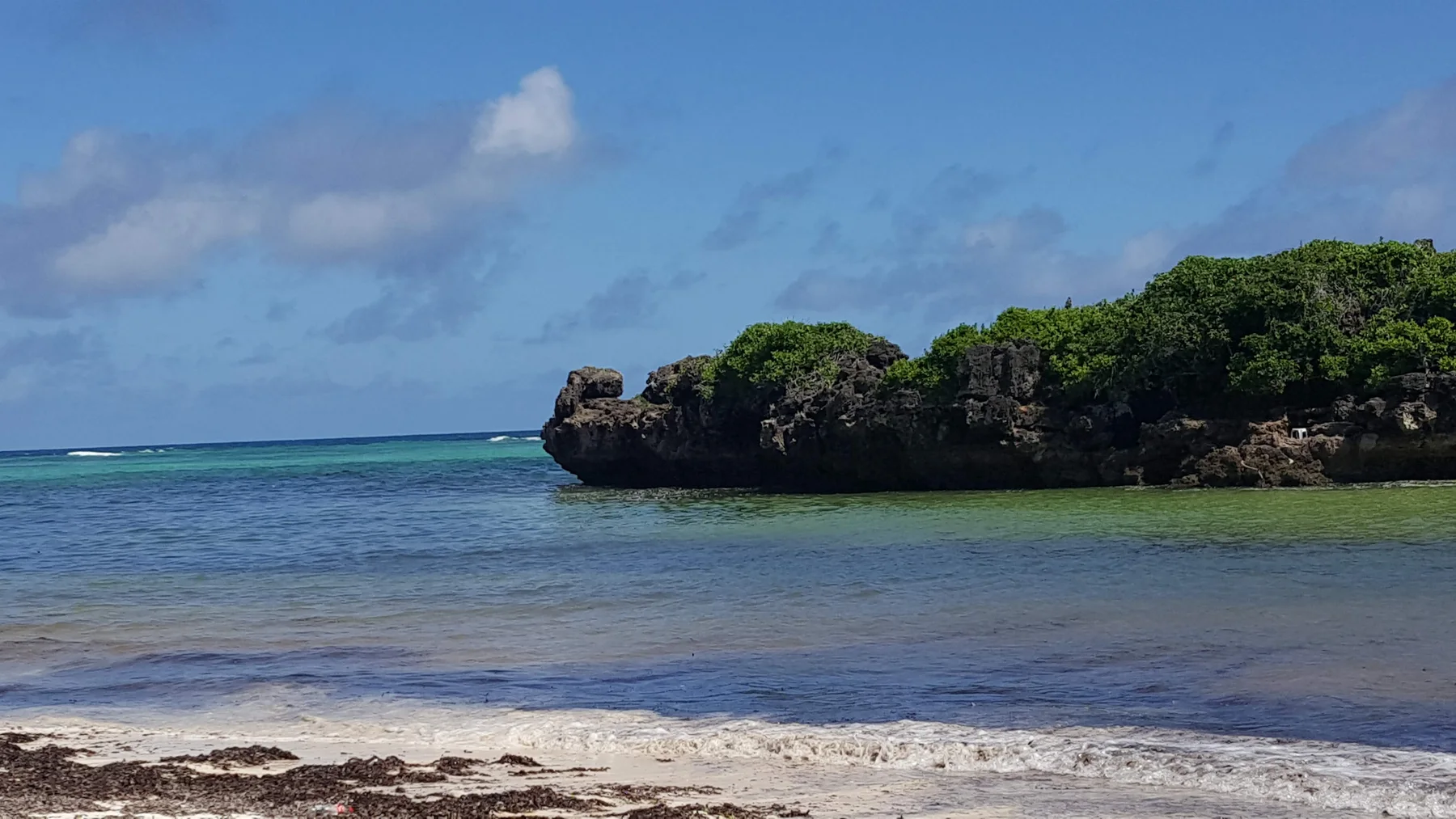
- Is Watamu worth visiting?
- Watamu in one sentence
- Where is Watamu?
- Watamu is not one continuous beach
- Watamu Bay
- Turtle Bay
- Garoda Beach
- Seven Islands and the village side
- Jacaranda and the northern beach
- Tides shape every day
- Why a tide table matters
- Spring and neap tides
- Swimming
- Seaweed
- Reef shoes
- Watamu Marine National Park and Reserve
- Marine park versus marine reserve
- Current marine park fees
- Snorkelling
- Snorkelling from shore
- Choosing a snorkelling boat
- A poor blue safari
- A strong marine day
- Diving
- Beginner diving
- Experienced diving
- Sea turtles
- Local Ocean Conservation
- Visiting the turtle rehabilitation centre
- Turtle hatching
- Dolphins
- Dolphin chasing
- Whale sharks
- Humpback whales
- Billfish and fishing
- Coral health
- Do not buy shells or coral
- Mida Creek
- Mida Creek at high tide
- Mida Creek at low tide
- Canoes and dhows
- Mida sunset
- Mangrove ecology
- Mida Creek for birdwatchers
- What travellers value at Mida
- Arabuko Sokoke Forest
- Birds of Arabuko Sokoke
- Golden-rumped elephant shrew
- Forest walking
- Gede ruins
- Gede, not a ghost-story prop
- How long at Gede?
- Gede and Arabuko in one day
- Bio-Ken Snake Farm
- How many nights do you need?
- A four-night plan
- A seven-night plan
- Best time to visit
- Rain
- Wind and sea state
- Humidity and sun
- Where to stay
- Hemingways Watamu
- Turtle Bay Beach Club
- Ocean Sports
- Medina Palms
- Temple Point and Mida Creek edge
- Villas and apartments
- Watamu for families
- Watamu for a honeymoon
- Accessible Watamu
- Solo travellers
- Food
- Seafood ethics
- Restaurants and transport
- Getting there by air
- Getting there from Mombasa
- Getting there by SGR
- Getting there from Malindi
- Getting around Watamu
- Watamu versus Malindi
- Watamu versus Diani
- Watamu versus Kilifi
- Watamu and Tsavo East
- Watamu and the Masai Mara
- A sensible bush-and-beach route
- What a clear Watamu quote names
- Packing
- Health
- Beach safety
- Boat safety
- Responsible photography
- Common planning mistakes
- Questions before booking
- Who should choose Watamu?
- Who should stay longer?
- Final verdict
- Frequently asked questions
- How many nights do I need?
- Can I swim at low tide?
- Is snorkelling good all year?
- Are dolphins guaranteed?
- Can I see turtles?
- Is Mida Creek for snorkelling?
- Do I pay a marine-park fee?
- Which airport is closest?
- Is there an SGR station in Watamu?
- Is Watamu good for children?
- Can I combine Watamu with Tsavo East?
- Is Watamu better than Diani?
Watamu changes shape while you are looking at it. High tide fills a turquoise bay to the rocks. A few hours later, sandbars appear, children search shallow pools and a walk that looked impossible becomes easy. South of town, mangroves turn Mida Creek into a quiet maze. Inland, forest has grown through the coral-stone rooms of Gede for centuries.
This Watamu guide explains those different places rather than treating the coast as one beach. It covers tides, swimming, snorkelling, diving, ethical dolphin trips, turtles, whale sharks, Mida Creek, Arabuko Sokoke, Gede, hotel areas, seasons, transport and the safari routes that make sense before or after the sea.
Is Watamu worth visiting?
Yes, especially for travellers who want a beach holiday with marine conservation, creek, forest and Swahili history close by. Reef-protected bays can be beautiful for swimming and snorkelling when tide, wind and visibility align.
Watamu is not perfect every day. Seaweed can accumulate, low tide can move the water far from shore, and crowded boat trips can damage both enjoyment and the reef. A good plan treats those realities as normal coastal conditions.
| Watamu is a strong choice when you want | Think carefully when you expect |
|---|---|
| Reef-protected bays and white sand | One beach to look the same all day |
| Marine park snorkelling and diving | Guaranteed dolphins or turtles |
| Mida Creek mangroves and birds | Reef snorkelling inside the shallow creek |
| Gede and Arabuko Sokoke nearby | Every boat sold as a “blue safari” to be equal |
| A quieter coast base than central Mombasa | No seaweed during seasonal changes |
| A direct link with Tsavo East | A railway station inside Watamu |
Watamu in one sentence
Watamu is a small north-coast destination where coral reefs, tidal beaches, Mida Creek, turtle conservation, coastal forest and nearby Swahili ruins create a holiday much richer than the familiar turquoise-water photograph.
Where is Watamu?
Watamu lies in Kilifi County on Kenya's Indian Ocean coast, south of Malindi and north of Kilifi town. Malindi Airport is the nearest airport for most domestic arrivals. Mombasa's airport and SGR terminus require a longer road transfer.
The village, beach hotels, Garoda side and Mida Creek are spread out. “Watamu” on a booking confirmation does not tell you whether dinner, shops or a favourite beach are walkable.
Watamu is not one continuous beach
Rocky headlands, tidal channels, reef lagoons and creek mouth divide the coast into distinct sections. High and low tide can make the same hotel frontage look like two different places.
Ask for a current map pin, recent beach photograph at both tides and honest walking distance to the water.
| Area | Character | Usually suits | Question before booking |
|---|---|---|---|
| Watamu village and bay | More restaurants, movement and island views | First visits and travellers who like choice | How busy is the beach frontage? |
| Turtle Bay | Long established hotel zone near the marine park | Families, swimming and organised activities | What happens at low tide? |
| Garoda side | Quieter southern beach near Mida Creek | Couples, villas and slower stays | Is transport needed for dinner? |
| Mida Creek edge | Mangrove, sunset and bird atmosphere | Nature travellers and honeymooners | Is there an ocean swimming beach? |
| Jacaranda and northern sands | Wide tidal beach and sandbar scenery | Resort stays and long walks | How far is central Watamu by road? |
Watamu Bay
Watamu Bay curves around the village with small rocky islands and changing channels. At low tide, sand and pools expand. At high tide, the bay can feel compact and bright.
This area is convenient for restaurants and local movement, but beach activity and vendors may be more noticeable than at a remote creek property.
Turtle Bay
Turtle Bay is associated with the marine park, hotels and a broad beach south of the village. The reef can soften waves in suitable conditions, while tides determine water depth and walking distance.
Do not assume the word “turtle” means guests see nesting or swimming turtles on demand. It reflects important habitat, not a scheduled attraction.
Garoda Beach
Garoda lies toward the southern end of the Watamu coast, near the Mida Creek side. It often appeals to travellers who want quieter sand, villas and access to both reef and creek experiences.
Low tide exposes more sand and reef-flat features. Stay off living coral and do not collect shells, starfish or other marine life.
Seven Islands and the village side
The rocky islets off the northern bay create Watamu's most recognisable views. Depending on tide, channels and sandbars change around them. Swimming routes that look easy from shore may carry current.
Use local safety advice before walking or swimming toward any island.
Jacaranda and the northern beach
The broad northern sands are often sold as Sardinia Two or Jacaranda beach. These names are used loosely, and the road journey from central Watamu can be longer than the straight coastline suggests.
Choose the area for resort space and tidal scenery, not because a salesperson promises a private island.
Tides shape every day
Watamu has two high and two low tides in a typical lunar day, with timing moving daily. Low tide may reveal pools, sandbars and a long reef flat. High tide brings water closer to shore and can improve swimming in some bays.
Download a reliable tide table for the exact dates and ask the hotel how local beach shape modifies it.
Why a tide table matters
It tells you when a boat can enter shallow water, when a beach walk may be cut off and when swimming depth improves. It also helps photographers plan reflections and exposed sand.
A visitor called the beach “incredibly immense” but found it “very hard to swim when the tide is low”. That is precisely why hotel location and tide belong in the same decision.
Spring and neap tides
Around new and full moon, spring tides create a larger difference between high and low water. Neap tides have a smaller range. Local wind and swell add another layer.
Never use a moon phase as the only safety decision. Check the day's conditions with a responsible local operator.
Swimming
Reef-protected lagoons can provide gentle swimming, but current, channels, waves and depth vary. Swim where the hotel or KWS considers safe, especially with children.
Low tide is not automatically safer. A shallow reef flat can have sharp coral, sea urchins and fast flow through channels.
Seaweed
Natural seaweed can accumulate during seasonal winds and currents, especially on exposed stretches. The amount changes by beach, day and tide. It is part of a living coast, though heavy deposits can affect swimming and smell.
Ask for a recent, unedited beach photograph. A hotel image from another month cannot predict your week.
Reef shoes
Reef shoes protect against sharp fragments and hot sand, but they do not make it acceptable to stand on living coral. Shuffle carefully in sandy shallows, watch for urchins and avoid turning rocks.
If a guide encourages touching or lifting animals, decline.
Watamu Marine National Park and Reserve
Kenya Wildlife Service manages the marine protected area, including a no-take national park and surrounding reserve. The official brochure gives the national park area as 10 square kilometres and identifies reefs, turtles, dolphins, fish and other marine life.
Entry fees support protected-area management. Use the current KWS page because categories and rates can change.
Marine park versus marine reserve
The national park is the most strictly protected core, with no extractive use. The surrounding reserve uses a different management framework that includes regulated community use.
Visitors do not need to memorise every boundary, but boat crews should know where activities are permitted and what fee applies.
Current marine park fees
KWS publishes separate categories for East African citizens, Kenya residents, African citizens and non-residents, with adult and child rates. Pay through the official method and keep the receipt.
The boat price and marine-park entry are often separate. Ask the seller to state both before payment.
| Cost item | What to confirm |
|---|---|
| KWS entry | Category, adult or child, payment method and receipt |
| Boat | Private or shared, maximum passengers and duration |
| Equipment | Mask, snorkel, fins, sizes and sanitation |
| Guide | In-water guide, language and safety qualification |
| Food | Exact menu, dietary alternative and drinks |
| Creek canoe | Included or paid separately |
| Hotel transfer | Pickup time, vehicle and return point |
Snorkelling
Good snorkelling depends on tide, wind, swell, visibility, guide quality and the chosen reef area. Bright fish do not prove healthy coral, and a crowded buoy with food thrown into the water is not a responsible wildlife experience.
Choose a small group, properly fitted equipment and a guide who can identify coral without standing on it.
Snorkelling from shore
Some beaches offer shallow exploration, but the best reef sections may require a boat. Shore conditions change, and a channel that appears calm can carry current.
Ask KWS or the hotel where entry is permitted that day. Do not rely on a forum post from a different season.
Choosing a snorkelling boat
A low price can hide a crowded boat, late departure, poor masks and no reef explanation. Ask for the boat photograph, passenger maximum, ladder, shade, life jackets and exact snorkelling site.
| Boat question | Strong answer | Warning sign |
|---|---|---|
| How many guests? | Named maximum for that boat | “As many as come” |
| Which reef site? | Chosen by conditions and KWS rules | One crowded buoy every day |
| Are life jackets carried? | Correct sizes for all passengers | A few old jackets under seats |
| How is equipment cleaned? | Fresh-water sanitising and size fitting | Shared snorkels rinsed in sea water |
| How are dolphins approached? | Slow, parallel, limited time, no chasing | Surrounding or cutting through a pod |
| What if sea conditions are poor? | Reschedule or refund rule in writing | Departure regardless of safety |
A poor blue safari
Poor trips combine large groups, vague timing, overcrowded snorkelling, animal chasing and a lunch sold as the main event. One independent reviewer warned travellers to “ask for tour details, specifying what is included in the price”.
Another unhappy guest wrote “do not waste your money, stay on the beach”. The lesson is not to avoid every boat. It is to buy a clear itinerary rather than a label.
A strong marine day
A good trip leaves after checking conditions, carries a sensible group, spends unhurried time at one suitable reef, follows dolphins without pressure and explains mangroves or fish. Lunch is safe, fresh and accurately described.
Half-day trips often suit travellers who care more about snorkelling than a long social lunch.
Diving
Watamu offers reef and deeper dive sites through local dive centres. Certification level, recent experience, current, depth and equipment determine the right site.
Ask about instructor credentials, oxygen, emergency plan, boat shade, group ratio and the nearest recompression arrangements. Do not fly immediately after diving.
Beginner diving
An introductory dive should include a proper briefing, shallow skills and close supervision. It is not simply snorkelling with a tank.
Tell the centre about asthma, ear problems, medication and swimming confidence before booking.
Experienced diving
Certified divers should send their qualification, log history and last-dive date. A refresher may be required. Current and visibility can change between sites.
Choose the operator by safety culture, not only by promises of large animals.
Sea turtles
Green and hawksbill turtles feed and nest in the Watamu ecosystem. Seeing one while snorkelling is a privilege, not a service inclusion. Keep distance, never touch, and do not block a turtle rising to breathe.
Nesting beaches need darkness and space at night. Flash, noise and crowds can disrupt a female.
Local Ocean Conservation
Local Ocean Conservation runs Watamu Turtle Watch, bycatch release, nesting protection, education and a rehabilitation centre. Its current visitor page offers booked education tours and clearly states that turtles may not always be present because healthy patients are released.
That honesty is the right model. A rehabilitation centre exists to return animals to the ocean, not maintain a display.
Visiting the turtle rehabilitation centre
Book directly, arrive on time and treat the requested donation as conservation support. Listen to the rehabilitation story rather than asking to handle an animal.
Current tour times and contribution can change, so use the organisation's live booking page.
Turtle hatching
Hatching dates depend on nesting and incubation. Responsible teams protect sites and manage any public access. Do not buy a guaranteed release or dig around marked nests.
Red light and quiet observation may be required. Follow Local Ocean guidance.
Dolphins
Indo-Pacific bottlenose and other dolphins occur in the wider coast waters. They may be seen year-round, but distribution changes with food, sea state and season. No ethical captain guarantees a pod.
The boat should approach slowly, run parallel, limit time and avoid separating mothers and calves.
Dolphin chasing
Multiple boats racing toward a pod create noise, collision risk and stress. Feeding dolphins changes behaviour and should never occur.
If a crew cuts through the group or encourages swimmers to jump onto animals, ask them to stop and report serious conduct.
Whale sharks
Whale sharks visit Kenyan coastal waters seasonally, often discussed between roughly October and April, with variation across years. They are not whales and not guaranteed on a Watamu trip.
Choose a specialist operator that follows distance and entry limits. Never touch or ride one.
Humpback whales
Humpback whales migrate along the East African coast, commonly associated with the July to October period. Timing and sightings vary. A whale trip should include a no-sighting policy and responsible approach code.
Binoculars can reveal blows from shore, but distant water and heat shimmer make identification difficult.
Billfish and fishing
Offshore waters are known for billfish and sport fishing. Fishing rules differ between the national park, reserve and offshore zones. A licensed operator must understand boundaries, catch rules and conservation practice.
Ask about tag-and-release methods, tackle, target season, fuel surcharge and what happens in rough weather.
Coral health
Reefs face warming, bleaching, pollution, anchor damage, trampling and fishing pressure. A colourful trip photo does not show the whole condition.
Use reef-safe behaviour: no touching, no standing, no feeding and no souvenir collection. Boats should use moorings rather than drop anchors on coral.
Do not buy shells or coral
KWS explicitly warns against buying shells and marine products because demand encourages removal. Leave dead coral, shells and starfish where they belong.
A shop label saying “found naturally” does not make export or purchase responsible.
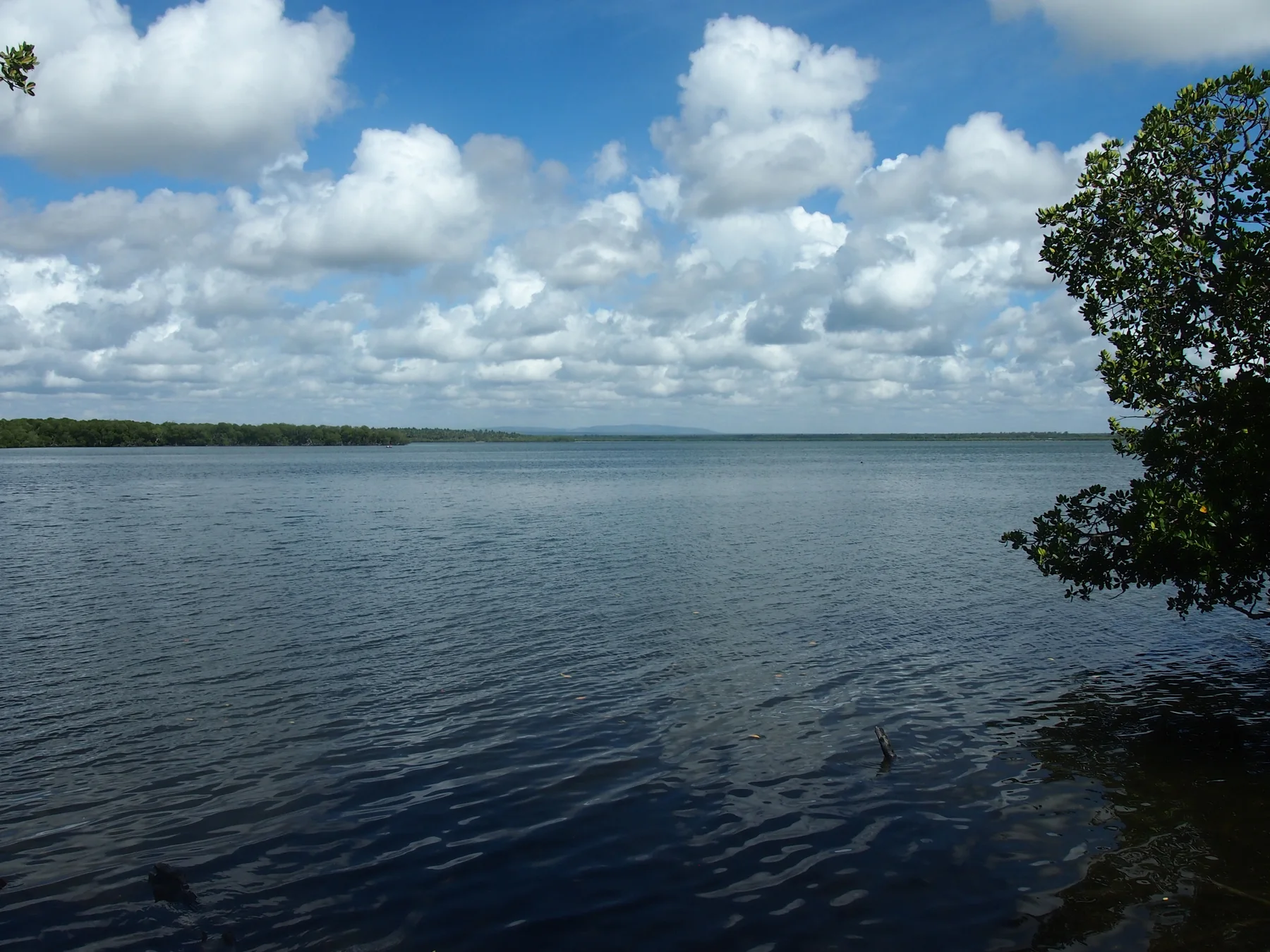
Mida Creek
Mida Creek is a tidal mangrove system south of Watamu with mudflats, channels, birds, fish nurseries and local community activities. It is not an inland lake, and its water level changes dramatically with the tide.
Plan it for canoeing, boardwalks, mangroves, birding and sunset.
Mida Creek at high tide
Water fills the mangrove channels and boats can reach areas that are mud at low tide. Reflections and green edges are beautiful, though birds may spread across roosting sites.
High tide can cover a beach route used earlier. Never walk out without knowing the return tide.
Mida Creek at low tide
Mudflats expose feeding ground for waders, crabs and other life. Boats may not move through shallow channels, but birdwatching can improve.
A January visitor advised “Worth to see, mind tides” and called it a “very specific ecosystem”.
Canoes and dhows
A canoe explores narrow channels quietly, while a dhow can provide a longer sunset or meal experience. Ask about life jackets, shade, toilet, group size, seat cushioning and boarding steps.
One traveller's practical advice was “Take a towel to sit on” because “hard wooden seats are uncomfortable after a while”.
Mida sunset
Sunset over still creek water can be beautiful, but clouds decide the colour. The experience should work without a dramatic sky.
Choose a trip with a clear duration and return method. Four hours sitting on one dhow can feel long for someone who expected a short cruise.
Mangrove ecology
Mangroves protect shorelines, trap sediment, store carbon and provide nursery habitat for fish and invertebrates. Their roots are not decoration. Boat propellers and careless walking can damage them.
A local guide who explains species, salinity and crab behaviour adds more value than loud music.
Mida Creek for birdwatchers
Tide controls where waders feed and roost. Bring binoculars, sun protection and a guide who understands shorebird identification. Low tide may expose feeding flats, while rising water pushes birds closer to roosts.
Avoid flushing large groups for photographs.
What travellers value at Mida
One guest called a quiet creek stay a “wonderful respite from the hustle and bustle” and enjoyed “paddling through the mangroves”.
Those comments explain Mida's strongest role in a Watamu holiday: slower nature, not a crowded add-on between snorkelling and lunch.
Arabuko Sokoke Forest
Arabuko Sokoke is one of East Africa's most important remaining coastal forests. It protects rare birds, butterflies, plants and mammals in habitats that differ from the beach by only a short drive.
Arrange a guide through the recognised visitor system. Specialist birds require early starts and patient listening.
Birds of Arabuko Sokoke
Birders seek species such as Sokoke scops owl, Clarke's weaver, Amani sunbird and East Coast akalat. None is guaranteed, and some require exact habitat and an experienced local guide.
The forest is worthwhile for trees, insects and atmosphere even when a target bird remains hidden.
Golden-rumped elephant shrew
The golden-rumped elephant shrew is a flagship forest mammal. It moves quickly through leaf litter and can be difficult to see.
Do not chase it off trail. A brief natural crossing is better than prolonged disturbance.
Forest walking
Wear closed shoes, long trousers, repellent and carry water. Heat and humidity build quickly. Trail conditions change after rain.
Use a guide for interpretation and current route safety, especially for dawn birding.
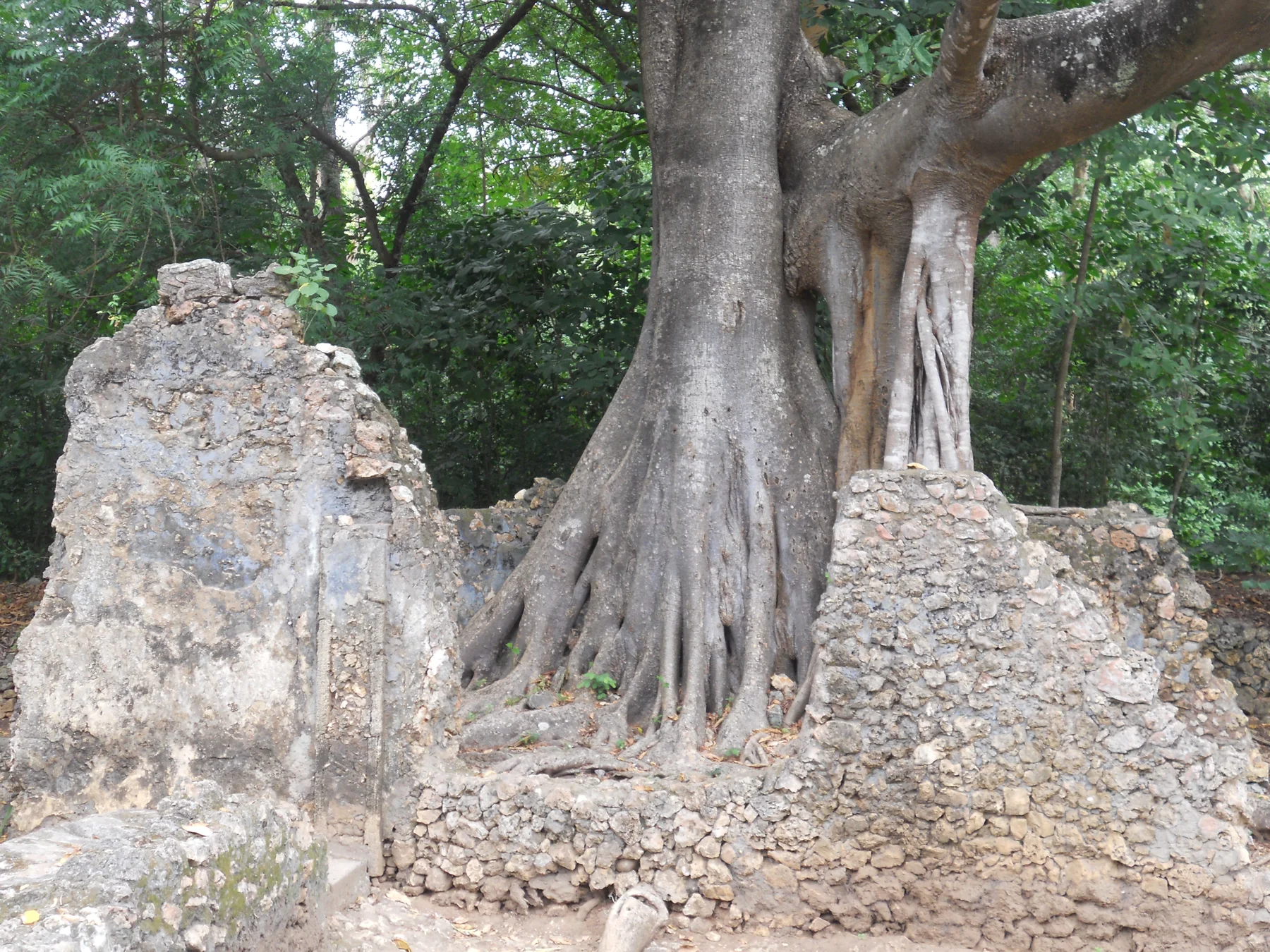
Gede ruins
Gede preserves the coral-stone remains of a Swahili town within forest. National Museums of Kenya dates its origins to the twelfth century, with rebuilding and prosperity in the fifteenth and sixteenth centuries before abandonment in the seventeenth.
Mosques, houses, tombs, wells and palace structures reveal trade, faith, water and private life on the coast.
Gede, not a ghost-story prop
Tour descriptions often turn Gede into a mysterious “lost city”. Mystery can invite interest, but it should not replace archaeology or Swahili agency.
Use the museum's evidence and a trained guide rather than invented supernatural claims.
How long at Gede?
Allow at least two hours for the site and museum, longer if history or architecture matters. Midday can be hot even under trees.
Carry water and avoid climbing walls. Roots and masonry are fragile.
Gede and Arabuko in one day
An early forest walk followed by Gede can work because the sites are close, but it becomes a long day in heat. Eat, rest and keep the afternoon flexible.
Families may prefer one site per half day with a pool break.
Bio-Ken Snake Farm
Watamu has long been associated with Bio-Ken, a snake and antivenom research facility. Operating name, visitor access and hours should be confirmed directly because facilities and programmes change.
Choose a visit for education, not handling photographs.
How many nights do you need?
Four nights give three full days and suit a first visit. Five to seven nights allow marine weather to change without losing every boat activity. Two nights are too short after a long Mombasa road transfer.
| Nights | Realistic experience | Verdict |
|---|---|---|
| 2 | Beach plus one hurried activity | Too short for most |
| 3 | Beach, marine trip and Mida or Gede | Workable minimum |
| 4 | Marine, creek, history and rest | Strong first stay |
| 5 | Adds forest or diving with weather flexibility | Better |
| 7 | Full beach holiday and safari recovery | Excellent |
| 10 or more | Diving, conservation and slow coast life | For enthusiasts |
A four-night plan
Arrive and learn the tide. Use the first full day for a carefully chosen marine trip. Use the second for Gede or Arabuko and the third for Mida Creek at the best tide, leaving mornings or afternoons for rest.
Swap days when wind or visibility changes.
A seven-night plan
Add diving, a second snorkel, Local Ocean education, a restaurant day and one completely empty beach day. Weather flexibility improves both safety and value.
Do not fill every sunrise and sunset with a paid excursion.
Best time to visit
Watamu is warm year-round, with changing rain, wind, humidity and sea conditions. January to March often brings hotter, drier weather. April and May are associated with heavier long rains. June to October can be cooler and windier, with seasonal seaweed on some beaches. November and December bring short-rain variability.
| Period | Typical strength | Real trade-off |
|---|---|---|
| January to March | Hot beach weather and often clearer sea windows | Strong sun and heat |
| April to May | Green coast, lower demand and dramatic skies | Heavy rain and rougher days possible |
| June to August | Cooler air, whale season context and fewer crowds | Wind, seaweed and variable visibility |
| September to October | Warming conditions and whale migration window | Wind and transition remain possible |
| November to December | Warmer sea and festive atmosphere | Short rains and holiday demand |
Rain
Tropical rain can be intense and local. A forecast icon does not mean continuous rain all day. It also does not guarantee a boat can leave between showers.
Book flexible activities and keep one indoor or forest-edge alternative.
Wind and sea state
Wind determines comfort, visibility and boat safety. The shore lagoon can look calm while offshore water is rough.
Trust a captain who cancels for safety. Pressure to depart because money has changed hands is a warning sign.
Humidity and sun
Cloud does not remove ultraviolet exposure. Use shade, hat, reef-safe sunscreen, water and a rash vest. Reapply after swimming.
Air-conditioned rooms feel attractive, but abrupt temperature changes can be uncomfortable. Ventilation and mosquito protection also matter.
Where to stay
Choose by beach position, tide, room ventilation, food plan and transport. A luxury room on the wrong stretch for your interests is still the wrong room.
| Property or area | Position and style | Usually suits | Confirm |
|---|---|---|---|
| Hemingways Watamu | Turtle Bay, established upscale resort | Couples, families and marine activities | Exact room, meal plan and beach tide |
| Turtle Bay Beach Club | Turtle Bay, all-inclusive family focus | Families and activity-led stays | Child facilities and room position |
| Ocean Sports | Turtle Bay, long-running beach hotel | Independent travellers and divers | Meal basis and current water-sport access |
| Medina Palms | Turtle Bay, suite and villa style | Families and longer stays | Kitchen, pool and exact beach access |
| Temple Point area | Between Mida Creek and ocean | Nature, sunset and quieter stays | Whether ocean swimming is on site |
| Village guesthouse or villa | Near restaurants or inland | Budget, groups and local flexibility | Security, backup power and beach transport |
Hemingways Watamu
Hemingways sits on the Turtle Bay side and offers a polished resort base. It can suit couples or families who want pool, beach and organised marine activities in one place.
Compare room view, meal plan, drinks, airport transfer and boat group size. A resort desk still needs to answer the same ethical dolphin questions as an independent operator.
Turtle Bay Beach Club
This all-inclusive property has a long family reputation. It suits guests who value programmed activities and predictable meals.
Confirm current room renovation, child club age, dietary support, drinks, low-tide swimming and whether excursions use private or shared suppliers.
Ocean Sports
Ocean Sports is associated with a relaxed beach and water-sport atmosphere on Turtle Bay. It can suit divers and travellers who prefer a less formal stay.
Ask about room cooling, meal plan, dive centre relationship and transfer to the exact boat departure.
Medina Palms
Suite and villa layouts can work well for families and longer stays. Kitchen or living space may reduce pressure around children's meals.
Confirm which pool and beach access belong to the booked unit, plus stairs, lift and bedroom separation.
Temple Point and Mida Creek edge
The creek-edge area offers mangrove sunsets and quieter grounds. It is not the same as stepping from every room onto an open-ocean swimming beach.
Choose it deliberately for nature and atmosphere, then confirm transport to the village and preferred beach.
Villas and apartments
Self-catering works for groups and long stays, but power, water, mosquito screens, pool safety, housekeeping and night transport need written answers.
Do not send a deposit to an unverified personal account because a social-media page uses attractive photographs.
Watamu for families
Shallow lagoon water, pools, turtles, Gede and short tuk-tuk rides can work beautifully. The risks are strong sun, tide channels, unfenced pools, boat ladders and long excursion lunches.
| Family question | Why it matters |
|---|---|
| Is the pool fenced or supervised? | Villas often open directly to water |
| Are life jackets child-sized? | Adult jackets do not secure small bodies |
| Can the child climb the boat ladder? | Reboarding may be harder than swimming |
| Is there shade on the boat? | Tropical sun builds quickly |
| What food is served? | Seafood-only lunch may not suit everyone |
| Is the beach safe at both tides? | Channels and depth change |
Our Kenya safari with children guide helps connect beach and wildlife days.
Watamu for a honeymoon
Choose privacy, a room with outdoor space, reliable transport and two or three planned experiences rather than a packed week. A private Mida canoe or small dhow can be more romantic than a crowded all-day boat.
Confirm whether “private dinner” means an exclusive table or simply a quieter corner of the main restaurant.
Accessible Watamu
Sand, steps, boat boarding and tidal beach slopes are the main barriers. Ask for measured room access, bathroom photographs, pool entry, firm paths and a boat ladder image.
The accessible Kenya safaris guide includes a written mobility brief that also works for the coast.
Solo travellers
Choose accommodation with reliable reception, licensed transfers and walkable dining or a clear tuk-tuk plan. Avoid isolated night walks on unfamiliar beach paths.
Share boat and transfer details with the hotel and keep valuables out of sight.
Food
Watamu combines Swahili cooking, seafood, Italian influence and international resort menus. Ask the day's catch rather than treating lobster as a mandatory coast meal.
Food safety depends on cold chain, cooking and water, not whether a meal looks rustic or luxurious.
Seafood ethics
Avoid undersized lobster, protected species and seafood sold without seasonal awareness. A responsible restaurant can explain the catch and source.
Do not eat turtle meat or eggs under any circumstance.
Restaurants and transport
Properties outside the village may need a tuk-tuk or taxi for dinner. Confirm the return ride before drinking or staying late.
Resort half-board can save planning, while bed-and-breakfast gives more local choice. Compare transport cost honestly.
Getting there by air
Malindi Airport is the nearest practical airport. Domestic flights commonly link Nairobi Wilson with Malindi, subject to current schedules. A pre-arranged road transfer then reaches Watamu.
Confirm whether the fare uses Wilson or Jomo Kenyatta, because changing Nairobi airports takes time.
Getting there from Mombasa
Mombasa airport is served by more international and domestic flights, but the road north can take several hours depending on traffic, ferry or bridge routing, works and the final hotel.
Do not accept “two hours” as a guarantee. Schedule a meal and water for the drive.
Getting there by SGR
The SGR reaches Mombasa, not Watamu. Guests need a road transfer from Miritini terminus. Combining train and road can be cost-effective, but it is not a doorstep arrival.
Name the transfer driver, meeting point and train delay policy.
Getting there from Malindi
Malindi town and airport are the closest urban services. The drive to Watamu is relatively short but varies by beach sector and traffic.
Read the Malindi guide when deciding whether to split the stay or visit for a day.
Getting around Watamu
Tuk-tuks, taxis and hotel transfers handle most local movement. Agree the fare and pickup point before departure. At night, use a trusted driver rather than walking an unlit route.
Rental cars add flexibility but require secure parking and local road confidence.
Watamu versus Malindi
Watamu is smaller, more beach-and-marine focused and close to Mida Creek. Malindi offers a larger town, airport, more urban services and its own history and marine park.
| Question | Watamu | Malindi |
|---|---|---|
| Atmosphere | Small beach destination | Larger coastal town |
| Strongest nature | Reef bays and Mida Creek | Marine park and broader coast |
| Airport | Road transfer from Malindi Airport | Airport in town area |
| Dining | Resort, village and beach mix | Wider urban choice |
| Best for | Beach, conservation and slow stays | Access, town services and day trips |
Watamu versus Diani
Diani Beach is longer, more developed and closer to Shimba Hills. Watamu feels smaller and has Mida Creek, Gede and Arabuko Sokoke close together.
Choose Diani for a broad resort strip. Choose Watamu for a compact marine and nature cluster.
Watamu versus Kilifi
Kilifi centres on a creek, town and quieter coastal properties rather than Watamu's marine-park beach identity. Kilifi can feel more local and less excursion-driven.
Combine them only if moving hotels adds real value.
Watamu and Tsavo East
Tsavo East connects naturally through the Sala side when current road conditions and gate logistics work. A three-night safari followed by four or more Watamu nights creates a strong bush-and-beach holiday.
Build the coast and park costs together. The Kenya safari cost guide explains the vehicle, park, accommodation and transfer choices that change the total far more than one hotel headline rate.
Do not promise the park transfer from an old map. Confirm the gate, vehicle and seasonal road.
Watamu and the Masai Mara
Flying from Malindi through Nairobi to the Mara may save time, but schedules, airport changes and baggage limits matter. A road combination is impractical for most short holidays.
The Masai Mara safari guide helps choose enough nights before the coast.
A sensible bush-and-beach route
Arrive in Nairobi, spend two or three parks in a logical direction, finish in Tsavo East and continue to Watamu. Alternatively fly from the Mara or Nairobi to Malindi.
Place the beach last so dust, early starts and laundry do not follow the relaxation week.
What a clear Watamu quote names
| Line | Required detail |
|---|---|
| Hotel | Property, room, meal plan and exact nights |
| Airport | Malindi or Mombasa and flight number |
| Transfer | Private or shared, vehicle and waiting policy |
| Marine trip | Boat, passenger maximum, site and KWS fee |
| Mida activity | Canoe or dhow, tide, duration and food |
| Safari link | Gate, vehicle, park days and accommodation |
| Exclusions | Drinks, tips, park fees and optional activities |
Packing
Bring breathable clothing, hat, rash vest, reef-safe sunscreen, insect repellent, secure sandals, closed forest shoes, reusable water bottle and a dry bag. Add a light rain layer and modest clothing for villages and historical sites.
Use the Kenya packing guide when combining light aircraft and safari.
Health
Discuss malaria prevention and travel vaccines with a qualified clinician. Use mosquito screens, repellent and evening clothing. Drink safe water and manage heat before symptoms begin.
Travel insurance should cover marine activities actually booked.
Beach safety
Ask the hotel about current swimming zones, currents and security. Do not leave phones or bags unattended. Avoid isolated night beaches and never swim while intoxicated.
Children need direct supervision even in shallow water.
Boat safety
Life jackets, working communication, first aid, shade and a safe ladder are basic. Tell the crew about non-swimmers and mobility needs before boarding.
If weather worsens, returning early is good judgement, not a failure.
Responsible photography
Use a polarising filter for water, protect highlights on white sand and carry a dry bag. Ask before photographing fishers, guides or community members.
Never move a starfish or turtle for a composition.
Common planning mistakes
The biggest mistakes are choosing a hotel without checking the beach sector, booking a crowded blue safari on price alone, expecting dolphins, ignoring tides, calling Mida a snorkelling reef and allowing only two nights after a Mombasa transfer.
Another is buying shells while claiming to support turtle conservation.
Questions before booking
| Question | Why it matters |
|---|---|
| Which exact beach is the hotel on? | Watamu sectors differ |
| What does the beach look like at low tide? | Swimming and walking change |
| Is the boat private or shared? | Crowding changes safety and reef impact |
| Are KWS fees included? | Boat price may exclude entry |
| How are dolphins approached? | Ethics reveal operator quality |
| What happens in rough weather? | A refund rule prevents unsafe pressure |
| Is Mida timed to the tide? | Boat access and birds change |
| Is the safari via a confirmed gate? | Seasonal roads affect Tsavo links |
Who should choose Watamu?
Choose it for marine life, tidal scenery, conservation, mangroves, forest and a smaller destination. It suits families, couples, divers, birders and travellers finishing a safari.
It may not suit someone who needs deep swimming water in front of the room at every hour or wants a large nightlife strip.
Who should stay longer?
Divers, families, marine-life enthusiasts and travellers visiting in variable weather should allow five to seven nights. More time lets a cancelled boat day remain a weather decision rather than a lost holiday.
Two empty days are often more valuable than two extra excursions.
Final verdict
Watamu is most rewarding when the tide becomes part of the plan. The beach widens, the creek drains, birds move, boats wait, and the reef decides whether visibility is good. Gede and Arabuko add stories the sea cannot tell.
Use this Watamu guide to choose the right bay, ethical boat, tide and number of nights. Then leave enough space for the coast to change its mind.
Frequently asked questions
These answers cover the decisions most likely to change a Watamu stay.
How many nights do I need?
Four nights are strong for a first visit. Five to seven give better weather flexibility and genuine rest.
Can I swim at low tide?
It depends on the beach. Water may become shallow or move far out, and channels can still carry current.
Is snorkelling good all year?
The park is open year-round, but visibility and comfort depend on wind, tide, rain and sea state.
Are dolphins guaranteed?
No. Ethical operators never guarantee wild dolphins and never chase a pod.
Can I see turtles?
Possibly while snorkelling or through a booked Local Ocean education visit, but neither guarantees an animal.
Is Mida Creek for snorkelling?
Its strongest experiences are mangroves, birds, canoeing and sunset. Reef snorkelling is planned in suitable marine-park areas.
Do I pay a marine-park fee?
Yes for activities within the KWS protected area. Use current categories and keep the official receipt.
Which airport is closest?
Malindi Airport is closest. Mombasa has more services but requires a longer road transfer.
Is there an SGR station in Watamu?
No. The SGR reaches Mombasa, followed by a road transfer.
Is Watamu good for children?
Yes when accommodation, pool safety, boat equipment, tides and excursion length match their ages.
Can I combine Watamu with Tsavo East?
Yes. It is one of the strongest Kenya bush-and-beach combinations when the current Sala-side route and gate are confirmed.
Is Watamu better than Diani?
Watamu is smaller and stronger for Mida Creek, Gede and Arabuko. Diani offers a longer, more developed resort strip.
Tell us how you want Watamu to feel
Share dates, travellers, swimming confidence, marine interests, preferred hotel style, mobility, food needs and any safari connection. We will plan around real beach sectors and sensible tide windows.