
Masai Mara, Amboseli and Tsavo Safari: Build the Route Without Racing
Cross Kenya without racing through it, from Mara grasslands to Amboseli wetlands and the red earth of Tsavo.
- Is this route actually practical?
- The strongest route when the trip ends at the coast
- The strongest route when the trip ends in Nairobi
- A balanced twelve-night itinerary
- The Masai Mara chapter
- The Amboseli chapter
- Tsavo East and Tsavo West are not one stop
- How should you connect the Mara and Amboseli?
- Road, fly-in or hybrid comparison
- Vehicles and guide continuity
- Accommodation has to serve the route
- The transfer days need their own plan
- Wildlife contrast without a checklist promise
- Responsible community and conservation experiences
- Should you add the beach?
- Arrival and departure buffers
- Food, luggage and daily comfort
- Where the route goes wrong
- When should you travel?
- Families, couples and photographers
- What should the quote include?
- What changes the price?
- Booking checklist
- Frequently asked questions
- Three landscapes need three real chapters
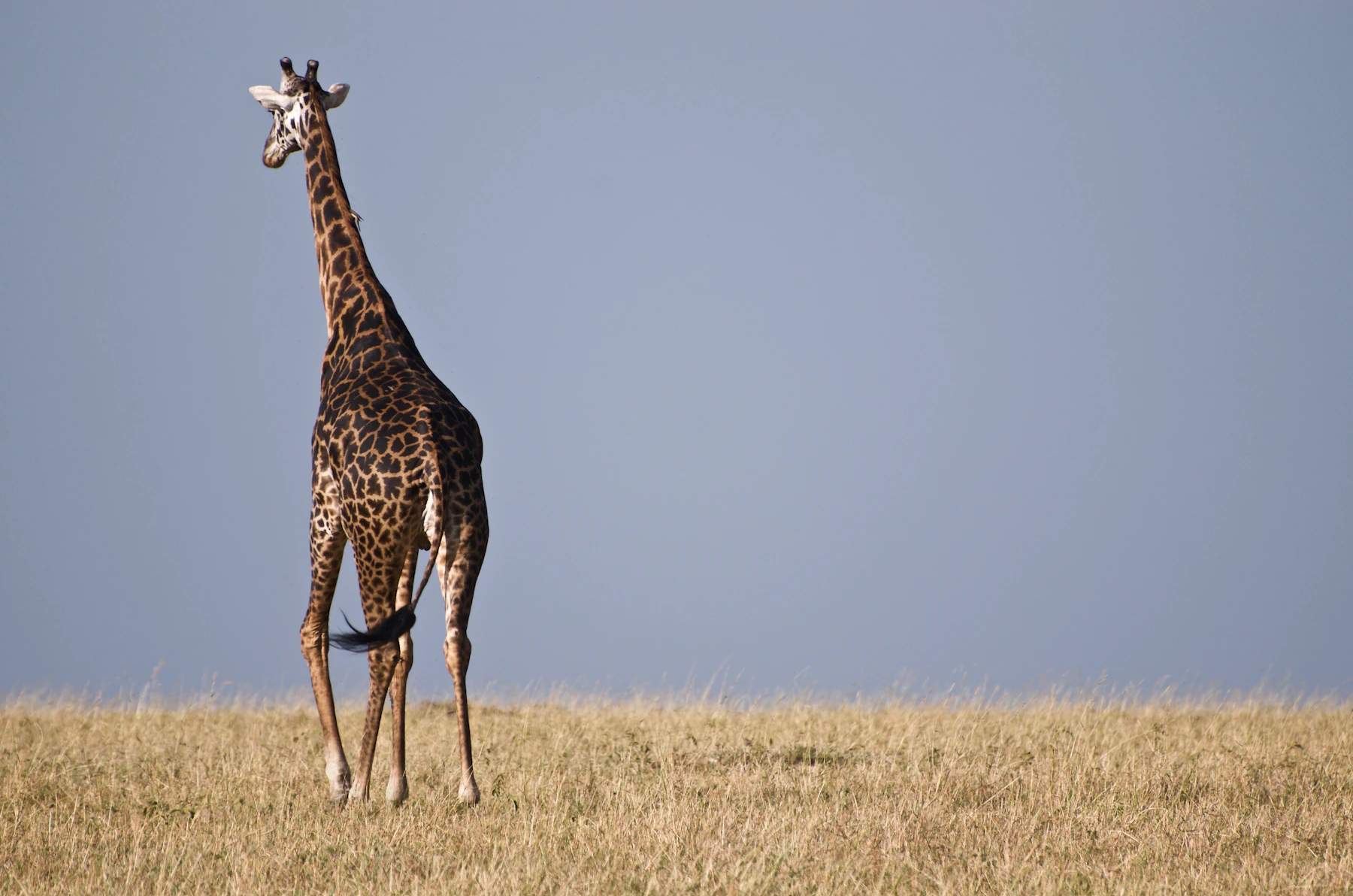
The map makes this journey look irresistible. Start with the Masai Mara's grasslands, turn southeast for Amboseli's elephants and Kilimanjaro horizon, then continue through Tsavo's red earth toward the coast. Three famous names. Three different landscapes. One Kenya safari.
The map hides the difficult part. The Mara sits west of Nairobi. Amboseli lies southeast. Tsavo is not one park but two enormous parks stretching toward Mombasa. Joining them well takes enough nights, one strategic flight or a willingness to spend real days on the road.
Is this route actually practical?
Yes, when the trip is long enough and the order matches the final destination.
The Mara deserves multiple full wildlife days. Amboseli needs two mornings because the mountain can remain hidden and wildlife does not keep an appointment. Tsavo East and Tsavo West are large, distinct parks where lodge position changes how much of the landscape a traveller can reach.
The route becomes impractical when seven or eight nights are divided into one-night stops. A hotel night is not the same as a day on safari. Arrival after lunch and departure after breakfast may create only one short viewing window.
| Safari nights | Workable shape | Verdict |
|---|---|---|
| 7 | 2 Mara, 2 Amboseli, 1 Tsavo, plus transfer nights | Too compressed for most travellers |
| 9 | 3 Mara, 2 Amboseli, 2 Tsavo, plus connections | Possible with a strategic flight |
| 10 | 3 Mara, 2 Amboseli, 3 Tsavo | Good minimum |
| 12 | 4 Mara, 3 Amboseli, 3 Tsavo, plus transfer space | Balanced |
| 14 | 4 Mara, 3 Amboseli, 4 Tsavo, plus Nairobi or coast buffer | Slow and complete |
One traveller warned that “driving always takes longer than expected in Kenya.” That simple sentence should sit beside every route map.
The strongest route when the trip ends at the coast
Begin in Nairobi, visit the Mara, connect to Amboseli, then drive through Tsavo West and Tsavo East toward Diani, Mombasa, Watamu or Kilifi.
| Stage | Nights | Why it belongs |
|---|---|---|
| Nairobi | 1 before safari | Recovery after the international flight |
| Masai Mara | 3 or 4 | Two or three full wildlife days |
| Amboseli | 2 or 3 | Elephants, wetlands and two mountain opportunities |
| Tsavo West | 1 or 2 | Volcanic terrain, springs, wooded hills and rhino-conservation context |
| Tsavo East | 2 | Red-earth plains, Galana corridor and a logical coastal exit |
| Coast | 4 or more | A real beach chapter after the road journey |
This order turns the southern half into a continuous journey. Tsavo East exits naturally toward the coast. The Amboseli and Diani Beach safari explains the final connection in detail.
The strongest route when the trip ends in Nairobi
When the international flight departs Nairobi, fly the Mara sector and use a road loop for Amboseli and Tsavo. One version begins with a road journey to Amboseli, continues through Tsavo, returns to Nairobi, then flies to and from the Mara. Another flies to the Mara first, returns to Wilson Airport and begins the southern road circuit after a Nairobi buffer.
Do not connect a late Mara arrival at Wilson directly to an Amboseli road departure without allowing for luggage, traffic, meals and driver hours. Wilson Airport and Jomo Kenyatta International Airport are separate airports across the city.
| Order | Strength | Weakness |
|---|---|---|
| Mara flight first, then southern road circuit | Keeps the Mara transfer short and finishes with a clear road return | Needs a Nairobi or Wilson connection buffer |
| Southern road circuit first, then Mara flight | Ends with the highest-density grassland chapter | Final Mara flight must connect safely to international departure |
| All road | One guide and vehicle throughout | Long Mara-to-south transfer and substantial backtracking |
A balanced twelve-night itinerary
This model includes a coast ending and keeps the wildlife chapters distinct.
| Day | Route | Main purpose | Overnight |
|---|---|---|---|
| 1 | Nairobi to Masai Mara by road or air | Arrival drive only if timing allows | Masai Mara |
| 2 | Masai Mara | Full wildlife day | Masai Mara |
| 3 | Masai Mara | Different sector, reserve or conservancy rhythm | Masai Mara |
| 4 | Masai Mara | Third full day or a planned specialist activity | Masai Mara |
| 5 | Mara to Nairobi or Amboseli connection | Transfer with realistic buffers | Nairobi or Amboseli |
| 6 | Amboseli | Full wildlife day | Amboseli |
| 7 | Amboseli | Second full day or split drives | Amboseli |
| 8 | Amboseli to Tsavo West | Morning drive and one-way road transfer | Tsavo West |
| 9 | Tsavo West | Full park day | Tsavo West |
| 10 | Tsavo West to Tsavo East | Transfer through the southern park corridor | Tsavo East |
| 11 | Tsavo East | Full park day | Tsavo East |
| 12 | Tsavo East | Second sector or slower final wildlife day | Tsavo East |
| 13 | Tsavo East to the coast | Morning drive only if the coastal transfer permits | Coast |
If twelve nights must include Nairobi, remove one Mara or Tsavo night only after deciding what the group values least. Do not quietly remove all the full days while keeping every park name.
The Masai Mara chapter
Three nights create two complete days. Four nights create three, which is stronger for photography, migration-season uncertainty and a reserve-plus-conservancy combination.
The Masai Mara National Reserve, Mara Triangle and private conservancies have different access, vehicle rules, activities and fees. A camp name does not explain where the guide can drive. Map the property to the gate, river, airstrip and intended sector.
A reserve stay offers access to the public reserve and its broad wildlife areas. A conservancy stay may offer lower vehicle density, walking, night drives and off-road access under conservancy rules, while reserve-day access may add time and fees. A split stay can reveal both, but moving camps consumes part of a day.
Migration herds may enter the Mara ecosystem in some months, but river crossings cannot be scheduled. The Mara remains a resident-wildlife destination all year. Lions, leopards, cheetahs, elephants, giraffes, zebras, antelope and birds are wild and never guaranteed.
Use the Masai Mara safari guide and where to stay in the Masai Mara guide before choosing the camp.
The Amboseli chapter
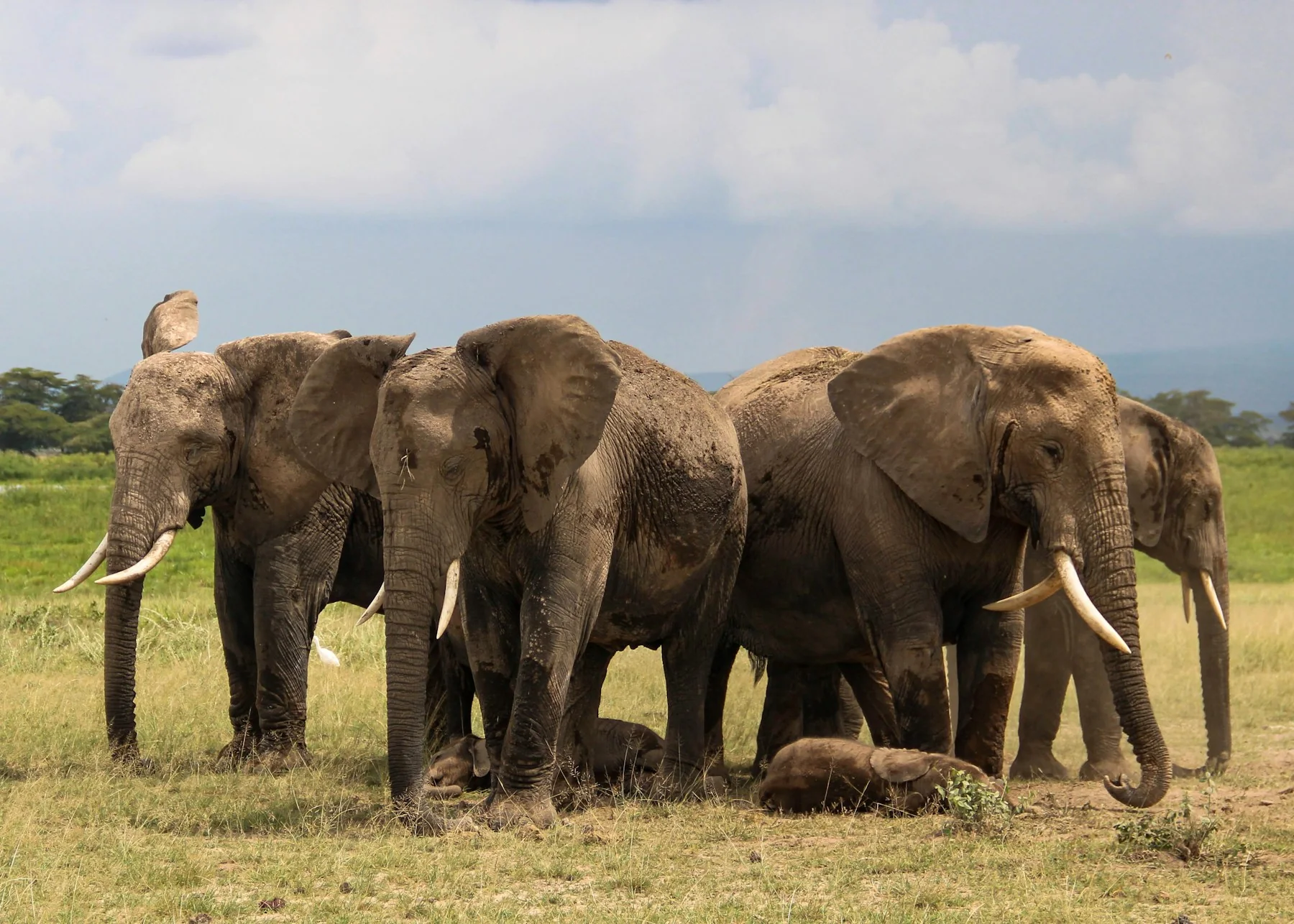
Amboseli changes the visual language. Wetlands and open seasonal plains sit below a mountain that belongs to Tanzania and appears only when cloud and haze allow. Elephant family behaviour is the main reason to slow down here.
Two nights create an arrival afternoon, one full day and a final morning. Three nights give weather another chance and allow a community or conservation experience without stealing the only full wildlife day.
Inside-park accommodation can shorten gate logistics. Outside lodges may offer wider price and activity choices but add a drive to every park entry. A property toward Kimana, Chyulu or Tsavo may improve the next transfer, yet the route should not weaken the actual Amboseli experience.
The Amboseli National Park guide explains the habitat, while the where to stay in Amboseli guide maps lodge positions.

Tsavo East and Tsavo West are not one stop
Together the two parks form a vast conservation landscape, but the visitor experiences differ.
Tsavo West is more broken and visually enclosed, with volcanic terrain, hills, lava, woodland, springs and long internal distances. Mzima Springs is a known feature, although water clarity, wildlife presence and access conditions vary. The Ngulia rhino landscape carries an important conservation story, not a guaranteed rhino sighting.
Tsavo East often feels more open. Red soil colours elephants, the Galana River cuts through dry country and the Yatta Plateau shapes the broader geology. Wildlife may spread across an enormous area. A quiet drive can be part of the experience rather than evidence that the park is empty.
| Question | Tsavo West | Tsavo East |
|---|---|---|
| Landscape | Volcanic, hilly, wooded and varied | Broader, drier and often more open |
| Route role | Natural after Amboseli | Natural final park before the coast |
| Viewing style | Scenic drives and habitat changes | Long-range searching across vast country |
| Lodge caution | Internal road position matters | Gate and Galana-sector position matter |
| Best minimum | 2 nights | 2 nights |
Read the Tsavo East versus Tsavo West guide and the full Tsavo safari guide before dividing the nights.
How should you connect the Mara and Amboseli?
This is the route's hardest join.
Fly through Nairobi
A Mara airstrip flight usually reaches Wilson Airport. The onward Amboseli sector may use another scheduled flight, charter or road vehicle. The timetable, luggage limits and through-checking must be verified. A connection on paper is not enough if separate airlines will not protect it.
Fly one sector and drive the other
Flying from the Mara to Wilson and driving to Amboseli after a buffer can work. It may still create a long day, especially if the first flight stops at several airstrips. A Nairobi night makes the journey safer and calmer.
Drive across Kenya
The route typically returns toward the Nairobi side before turning southeast. Traffic and stops make map estimates unreliable. Treat it as a transfer day, not a promised afternoon game drive.
A post-trip traveller said the flights “saved us time and energy.” The same traveller warned that baggage size caused complications. Both facts belong in the decision.
Road, fly-in or hybrid comparison
| Plan | Strength | Cost or comfort trade-off | Best fit |
|---|---|---|---|
| All road | Guide continuity, luggage flexibility and one vehicle | Long cross-country transfer | Travellers with more nights who value the journey |
| Fly Mara, road south | Protects the hardest transfer and preserves a southern one-way route | Airport connections and baggage limits | Most balanced version |
| Fly Mara and Amboseli | Maximum time protection | More schedules, transfers and lodge vehicles | Short premium trip |
| Private charter | Direct routing where feasible | High cost and aircraft constraints | Private groups with limited time |
Do not compare only the flight fare with the road vehicle. Compare every door-to-door hour, airport transfer, extra Nairobi night and vehicle arrangement.
Vehicles and guide continuity
A private road vehicle gives the group control over pace, stops, seating and rest. It is especially valuable for families, photographers and travellers with limited mobility.
Fly-in camps commonly use resident guides and shared open vehicles. Ask how many people share each row, whether a private vehicle is available and whether children join the standard schedule. The guide may change in every region.
If one road guide continues from Amboseli through Tsavo, confirm that the vehicle is suitable for long highway transfers and park tracks. Seat belts, roof access, charging, tyres, drinking water and recovery equipment matter more than a generic “luxury jeep” label.
Accommodation has to serve the route
The most beautiful room can weaken the safari when it sits on the wrong side of the wildlife area or the next day's road.
In the Mara, identify whether the property is in the national reserve, Mara Triangle, a named private conservancy or an outside community area. A lodge near Sekenani does not provide the same practical access as a camp in the Mara Triangle. A conservancy camp may be excellent for quiet drives and walking but require a longer, separately charged reserve excursion.
In Amboseli, an inside-park lodge can simplify early access to the wetlands. A property outside Kimana, Iremito or another gate may offer a quieter setting, better views or a lower price, yet add time before every park drive. A lodge on the eastern side can help the Tsavo transfer only if the game-drive plan still reaches the habitat the group came to see.
Tsavo requires even more care. A Tsavo West lodge near one gate may be far from Mzima Springs, Ngulia or the route into Tsavo East. A Tsavo East camp near Voi, Aruba, the Galana corridor or a remote northern sector creates a different safari and a different coastal exit.
| Region | Location detail the quote must show | Why it matters |
|---|---|---|
| Masai Mara | Reserve, Triangle, named conservancy, gate and airstrip | Determines fees, activities and usable wildlife area |
| Amboseli | Inside park or named outside gate and ecosystem area | Determines gate transfer and dawn access |
| Tsavo West | Gate, lodge sector and next-day route | Internal distances can consume a full drive |
| Tsavo East | Voi, Aruba, Galana, Sala or another sector | Changes wildlife pattern and coast connection |
Room language also needs precision. “Luxury tent,” “suite,” “family room” and “waterhole view” are not protected standards. Ask for the exact category, bed arrangement, bathroom, cooling, power, steps and distance from the main area.
The transfer days need their own plan
A transfer day should answer five questions before the safari begins:
- What time does the vehicle leave the room or lodge?
- How many hours are on public road rather than wildlife tracks?
- Where are fuel, bathroom and meal stops?
- Which gate or airstrip is the destination?
- What happens if rain, traffic or an aircraft delay removes the afternoon drive?
The Mara-to-Amboseli connection is the most vulnerable. A morning flight can become several airstrip stops before Wilson. A road departure from Wilson can meet Nairobi traffic. An all-road transfer may feel longer after three early Mara mornings than it looked during planning.
Amboseli to Tsavo West is more logical, but the first Tsavo lodge may still sit far inside the park. The Tsavo West to Tsavo East move can become a wildlife day when the gates, lodge positions and route line up. It can also become a road transfer with little time for stopping. Tsavo East to the coast adds highway traffic and the final transfer to the exact beach property.
Pack water, personal medicine, a light meal and one accessible layer. Do not place essential medicine in a suitcase tied beneath other luggage. Families should know the longest gap between reliable bathrooms.
Wildlife contrast without a checklist promise
Each region adds a real ecological contrast.
The Mara's productive grasslands and river systems can support large concentrations of grazers and predators. Amboseli's groundwater-fed wetlands bring elephants and other wildlife into close relationship with water, dust and seasonal plains. Tsavo's scale, aridity, rivers and woodland reward searching rather than expecting a sighting around every bend.
| Wildlife interest | Strongest route chapter | Important limit |
|---|---|---|
| Big cats and open-plains behaviour | Masai Mara | Density varies by sector and season |
| Elephant family behaviour | Amboseli | Keep distance and never block movement to water |
| Red-dust elephant imagery | Tsavo East | Soil colour and animal location change |
| Rhino conservation context | Tsavo West and selected Mara areas | Wild rhino sightings remain uncertain |
| Birding across habitats | All three regions | A specialist pace requires more stops and fewer rushed transfers |
| Migration interest | Masai Mara | Herd movement and crossings cannot be guaranteed |
The Big Five should never decide whether a day succeeded. A secretary bird hunting, an elephant family choosing a safe crossing, a dik-dik pair in Tsavo or a quiet hour beside a wetland can carry more meaning than a distant checklist animal.
The complete Masai Mara wildlife guide, Amboseli elephants guide and planned Tsavo wildlife guide support the three chapters.
Responsible community and conservation experiences
Mara, Amboseli and Tsavo are surrounded by people whose land, livestock, work and decisions shape wildlife survival. A cultural visit should therefore be treated as a hosted encounter, not a costume stop between game drives.
Ask who invited the group, who leads the visit, how many guests attend, what photography is allowed and where the payment goes. A clear craft purchase is different from a compulsory sales line. Children should never be photographed or given gifts without the host's and guardian's consent.
Conservation activities also need honest descriptions. A ranger talk, research presentation, school visit or trust contribution may be available through a particular lodge. That does not make it automatically available to every guest or suitable to interrupt working staff. Confirm the host and purpose before adding it to the itinerary.
On game drives, follow the rules of each land type. National parks generally require vehicles to remain on established roads and travellers to stay inside except at designated places. Conservancy rules may allow selected off-road access, but the guide should still avoid crowding, cutting off animals or damaging habitat.
Should you add the beach?
The coast is the natural reward for a route that finishes in Tsavo East, but it needs enough nights to matter. Three beach nights normally create only two full days. Five nights create four and allow one weather-dependent excursion without losing the entire rest period.
Diani works for a south-coast finish. Mombasa and the north coast may create an easier transfer for some flights and hotels. Watamu or Malindi requires a longer continuation north, which can be worthwhile for marine, reef or town interests.
Do not call the beach “free” because the road already points toward Mombasa. Add the coastal transfer, hotel, meal plan, airport departure and any marine activities to the comparison. The Kenya safari and beach packages guide explains the main coast choices.
Arrival and departure buffers
An overnight flight landing at Jomo Kenyatta International Airport should normally be followed by a Nairobi recovery night. Immigration, baggage, traffic and fatigue make a same-morning Mara road departure vulnerable. A domestic flight from Wilson still requires a cross-city transfer.
At the end, choose the buffer from the final geography. A Diani or Mombasa flight must reach Nairobi with enough time to collect luggage, cross airports when required and check in again. Separate tickets are rarely protected when the first flight is late.
If the final safari vehicle returns from Tsavo to Nairobi, do not book an international departure based on the fastest map estimate. Traffic, road incidents and a delayed park departure belong in the risk calculation. One Nairobi night can protect the whole journey.
The proposal should show the international flight number and scheduled time beside the domestic connection. That makes a weak buffer visible before the deposit rather than at the airport.
Food, luggage and daily comfort
Long safari routes magnify small comfort problems. Tell the planner about allergies, dietary needs and medicine refrigeration before properties are selected. Remote kitchens can often prepare well with notice, while last-minute requests may have fewer options.
Road vehicles handle luggage more easily than light aircraft, but hard cases still block space and rear visibility. Soft-sided bags are easier to fit. Domestic flights commonly restrict both weight and dimensions, and camera equipment may be included in the allowance.
Laundry can reduce the bag size, but check turnaround times and items the lodge will not wash. Keep one warm layer accessible for Mara and Amboseli dawns, sun protection for Tsavo, and dust covers for cameras. The Kenya safari packing list covers the shared essentials.
Where the route goes wrong
The most common failures are predictable:
- One night in each park.
- Calling transfer days full safari days.
- Booking a Mara lodge far from the chosen sector.
- Choosing an Amboseli lodge without checking the gate.
- Treating Tsavo East and West as a single entry and activity area.
- Connecting Wilson and an international flight too tightly.
- Adding a coast night that provides no full beach day.
- Comparing quotes with different vehicle and fee assumptions.
The route is not improved by squeezing every attraction into it. It is improved by protecting the mornings and full days already paid for.
When should you travel?
These regions do not share one weather system. The Mara can be wet while Tsavo remains dry, and Kilimanjaro can be clouded on an otherwise clear safari.
January and February are often warm and comparatively dry in several regions. March can be transitional. Long rains commonly affect April and May, but exact timing varies. June through October often brings cooler mornings and drier travel. Migration interest makes parts of the Mara busy from roughly July into October, without guaranteeing herds or crossings. Shorter rains commonly arrive around November and December.
| Period | Mara | Amboseli | Tsavo |
|---|---|---|---|
| January to February | Resident wildlife and warm days | Often dry, dusty and warm | Dry-country viewing and heat |
| March to May | Green landscape and possible heavy rain | Changing wetlands and slower roads | Rain can alter tracks and dispersal |
| June to October | Cool dawns and migration-season demand | Dry-season concentration near water | Dry conditions, dust and broad visibility |
| November to December | Short-rain colour and bird movement | Green changes and possible storms | Local rain, heat and holiday demand |
Ask about recent road, water and wildlife conditions in each exact area.
Families, couples and photographers
Families should use no more than four wildlife bases, reserve a private vehicle and protect midday rest. Confirm family-room layout, pool supervision, age limits and meal timing.
Couples should prioritise the room position, private vehicle and smooth transfer before decorative extras. The route has enough natural drama.
Photographers need three or four Mara nights, a private vehicle, charging, beanbag support and luggage planning. Tsavo's dust and the small-aircraft weight limit require different packing choices.
Travellers with limited mobility should check every vehicle step, aircraft step, tent path, bathroom and distance to the restaurant. The accessible Kenya safaris guide provides the full checklist.
What should the quote include?
The proposal should name:
- every lodge, camp and room category;
- every road, air and airport transfer;
- private or shared vehicle in each region;
- park, reserve and conservancy entries;
- game-drive schedule and optional activities;
- meals, drinks, drinking water and taxes;
- domestic-flight baggage limits;
- child, dietary and mobility arrangements;
- coast transfer when relevant;
- emergency contact, substitutions and cancellation terms.
Do not accept “all park fees” without the number of entry periods and visitor categories. Do not accept “all game drives” without the vehicle basis.
What changes the price?
Season, Mara land type, room category, private vehicle, domestic flights, Tsavo nights, park entries and group size create the largest differences. A road vehicle is a shared fixed cost for a private group. A flight is priced per seat. A conservancy stay may combine accommodation and land fees differently from a national-park lodge.
Compare the Kenya safari cost guide and all-inclusive Kenya safari packages guide before comparing totals.
Booking checklist
Before paying, confirm:
- Ten or more safari nights, or a clear reason for fewer.
- Three or four Mara nights.
- Two or three Amboseli nights.
- At least three nights across Tsavo.
- Exact Mara-to-Amboseli connection.
- Wilson and international-airport buffers.
- Lodge positions and gates.
- Private or shared vehicle in every area.
- Fee periods and visitor categories.
- Flight baggage size and weight.
- Coast or Nairobi ending.
- Payment, substitution and cancellation terms.
Frequently asked questions
How many days do I need?
Allow ten safari nights at minimum. Twelve creates a better balance.
Can I do the route entirely by road?
Yes, but the Mara-to-Amboseli join is long. Add a transfer day and enough total nights.
Should I visit Tsavo East or Tsavo West?
Use both with at least three nights total. If choosing one before the coast, Tsavo East is often the more direct ending.
Can I add Diani Beach?
Yes. A Tsavo East finish connects naturally toward the south coast.
Will I see Kilimanjaro?
No view can be guaranteed. Two or three Amboseli mornings improve opportunity.
Will I see the Great Migration?
Migration movement varies by rain and grazing. River crossings cannot be scheduled.
Is a private vehicle necessary?
No, but it gives valuable control over pace, seating, children, photography and rest.
Can I fly directly from the Mara to Amboseli?
Routes change and may involve Wilson Airport or stops. Confirm the exact service for the dates.
Is this route suitable for children?
Yes when night counts, private transport, rooms and rest are designed around their ages.
Can NLS customise it?
Yes. We can change the order, nights, flights, vehicle, accommodation and final destination.
Three landscapes need three real chapters
A Masai Mara, Amboseli and Tsavo safari succeeds when each place feels different by the time you leave. The Mara becomes more than cats, Amboseli more than a mountain and Tsavo more than a road toward the beach.
Send us the dates, travellers, wildlife priorities, road tolerance, comfort level and final destination. We will build the route around full days, not a collection of names.
Tell us how you want Kenya to unfold
Share the dates, travellers, room style, wildlife priorities, road tolerance and preferred finish. We will shape the route around them.