
Amboseli and Diani Beach Safari: From Elephants to the Indian Ocean
Give Amboseli a proper wildlife chapter, choose the route east with care, then let Diani become more than an afterthought.

- Why this combination makes sense
- How many nights do you need?
- A balanced nine-night itinerary
- A tighter seven-night version
- The Amboseli chapter
- Where should you stay in Amboseli?
- Three ways to reach Diani
- Arriving at Diani is not the end of the logistics
- Choosing the right part of the south coast
- Hotel, villa or boutique stay?
- Meal plans at the beach
- What can you do in Diani?
- Tides, reef and swimming
- Treat the coast as another wildlife landscape
- What to pack for both landscapes
- A candid note about beach sellers
- When should you travel?
- Families, honeymooners and slower travellers
- What should the quote include?
- What changes the price?
- Booking checklist
- Frequently asked questions
- Let the coast be a real chapter
The change happens slowly at first. Amboseli's pale tracks give way to the long road east, thorn country thickens and the air grows warmer. By the time palms begin appearing beside the highway, dusty boots and dawn jackets belong to another part of the trip. The next morning begins barefoot on white sand.
That contrast is the reason an Amboseli and Diani Beach safari works. Amboseli gives the journey a concentrated wildlife chapter. Diani gives it room to breathe. The two places are not beside each other, however, and the transfer between them deserves as much thought as the lodges.
Build my safari and beach route
Share your dates, travellers, safari pace, room needs and preferred beach style. We will connect the wildlife and coast chapters without wasting a day.
Why this combination makes sense
Amboseli and Diani answer different holiday needs without competing for the same hours.
Amboseli is compact enough for a focused two or three-night safari. Its wetlands, open plains, seasonal lake bed, woodland and surrounding ecosystem support elephants, buffaloes, hippos, antelope, birds and predators. Kilimanjaro can dominate the southern horizon, but cloud and haze decide whether the mountain appears.
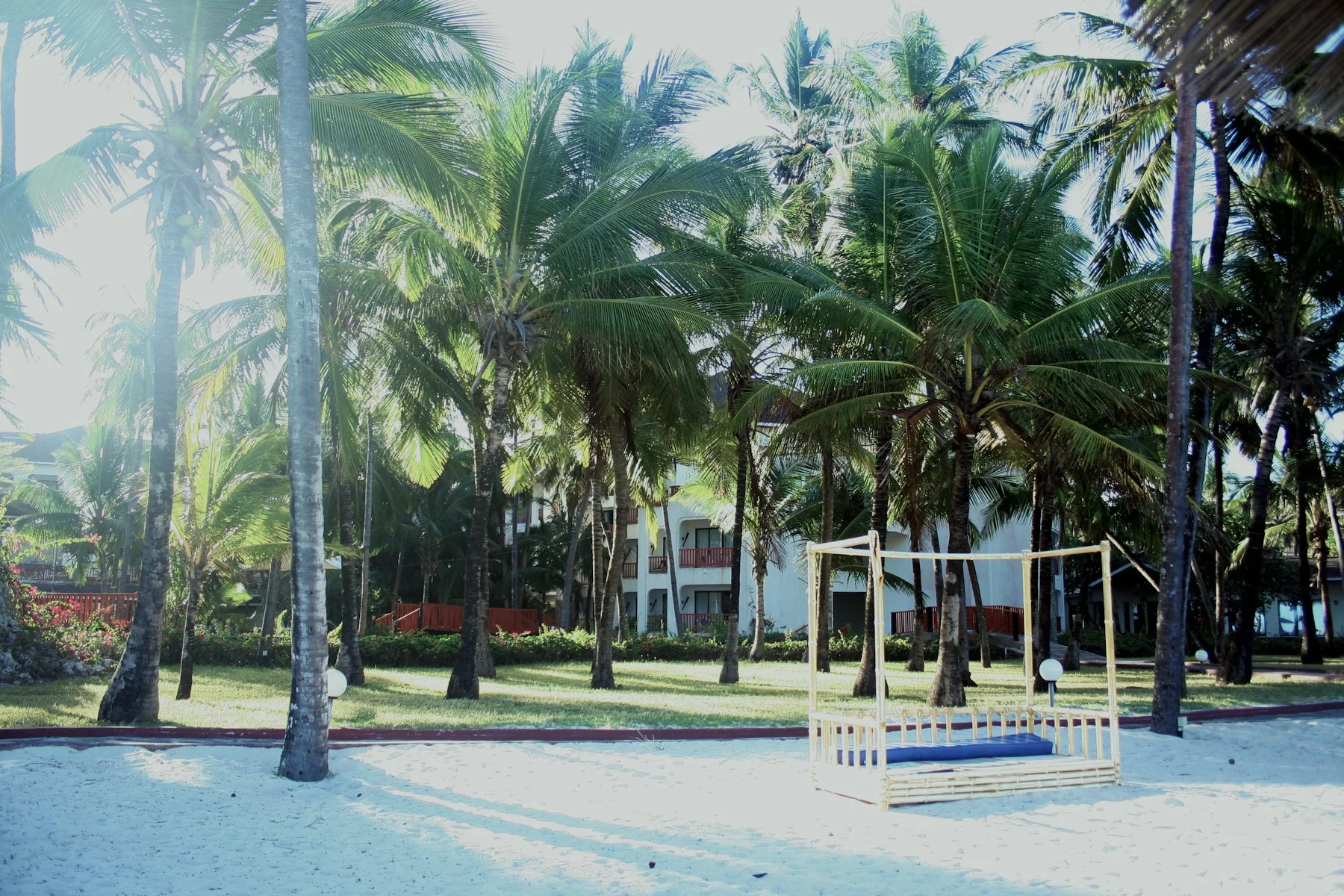
Diani is a long south-coast destination rather than a single resort. The beach runs beside coral reef, palms, hotels, private villas, restaurants and pockets of coastal forest. A stay can be quiet and private, active and social, or built around diving, kitesurfing and day trips.
The strongest logistical reason is direction. Amboseli lies southeast of Nairobi. Diani lies south of Mombasa. A route can continue through Tsavo toward the coast instead of returning all the way to Nairobi. Travellers who prefer speed can use flights, while travellers with more nights can turn the transfer into another wildlife chapter.
| What you want | Best route shape | Why it works |
|---|---|---|
| Short, polished holiday | Nairobi, two Amboseli nights, flight connection, four Diani nights | Protects beach time and limits road fatigue |
| Wildlife plus a one-way journey | Two Amboseli nights, one or two Tsavo nights, four or five Diani nights | Every long move leads toward the coast |
| Slow honeymoon | Three Amboseli nights, flight or private transfer, five Diani or Galu nights | More unhurried mornings and private time |
| Family holiday | Two Amboseli nights, carefully timed transfer, five beach nights | Keeps the safari focused and adds recovery days |
| Active coast stay | Two or three Amboseli nights, four Diani nights | Leaves room for diving, kitesurfing or Kisite without losing every beach day |
How many nights do you need?
Seven nights is the useful minimum, not the perfect maximum. It creates two nights in Amboseli, one transfer day and four nights at Diani. If the international flights sit outside those seven nights, the holiday can feel complete. If arrival and departure also consume the same week, it will feel compressed.
Nine nights creates a better rhythm. Use three nights in Amboseli and five at the coast, or insert one Tsavo night between two Amboseli nights and five beach nights. Eleven nights allows two Tsavo nights, slower Diani days and a Nairobi buffer.
| Total holiday nights in Kenya | Safari shape | Coast shape | Best for |
|---|---|---|---|
| 7 | 2 Amboseli | 4 Diani plus 1 transfer or Nairobi night | Travellers with limited leave |
| 9 | 2 Amboseli plus 1 Tsavo, or 3 Amboseli | 5 Diani | Balanced first visit |
| 11 | 2 Amboseli plus 2 Tsavo | 6 Diani plus connection buffer | Slow route and fuller coast stay |
| 13 or more | Add Nairobi, Chyulu, Taita or another coast area selectively | 6 or 7 beach nights | Travellers who dislike back-to-back moves |
The right answer depends on international flight times. A 2:00 AM departure from Nairobi is not a usable beach day. A late international arrival is not a reliable first safari day.
A balanced nine-night itinerary
This version uses the road toward the coast rather than backtracking.
| Day | Journey | What the day is for | Overnight |
|---|---|---|---|
| 1 | Nairobi to Amboseli | Road transfer and first afternoon drive if timing works | Amboseli |
| 2 | Amboseli | Dawn and afternoon drives, or a full field day | Amboseli |
| 3 | Amboseli to Tsavo West or Tsavo East | Final Amboseli drive, then one-way transfer | Tsavo |
| 4 | Tsavo to Diani | Morning wildlife time and continuation to the coast | Diani |
| 5 | Diani | Nothing scheduled beyond swimming and rest | Diani |
| 6 | Diani | Optional Colobus Conservation visit or water activity | Diani |
| 7 | Diani | Full free day | Diani |
| 8 | Diani | Optional Kisite, diving, kitesurfing or private experience | Diani |
| 9 | Diani | Final full beach day | Diani |
| 10 | Ukunda flight or road transfer | Onward journey with connection buffer | Departure or Nairobi |
The quiet day immediately after arrival is deliberate. Do not use the first coast morning for a pre-dawn excursion unless the group asked for it. The body needs to leave the safari timetable before the beach begins to feel like a holiday.
A tighter seven-night version
When seven nights are all you have, do not add a one-night Tsavo stop merely to collect another park name. The cleaner pattern is a Nairobi buffer, two Amboseli nights and four Diani nights, with a flight connection after the final Amboseli morning.
Day one begins with a rested departure from Nairobi, not an international landing followed by a rushed drive. Day two belongs wholly to Amboseli. Day three uses an early game drive only if it fits the air connection. Arriving in Diani before evening protects dinner and sleep. Days four, five and six are full coast days. Day seven remains at the beach, and day eight handles the flight to Nairobi and the international connection.
Four Diani nights sound generous on a booking summary, but they create only three complete days if arrival is late and departure is early. Keep the first full day empty, choose one optional activity for the second or third, and leave the remaining day free. A Kisite outing, dive course and inland tour cannot all fit without turning the coast into another checklist.
If the return international flight leaves Nairobi in the morning or early afternoon, add a Nairobi night. If it leaves late at night, a same-day Ukunda flight may work with a long, conservative buffer. Separate tickets, weather and small-aircraft schedules make a tight connection risky. The traveller, not the itinerary designer, carries the consequences of a missed international flight.
This compact route costs more when air is used, yet that extra transport can protect an entire beach day. Compare the saving in hours, not only the ticket price.

The Amboseli chapter
Two nights create three useful viewing windows: the arrival afternoon, a full middle day and the final morning. Three nights add flexibility for weather, a slower game-drive rhythm and one carefully chosen community or conservation experience.
Morning is valuable for cool temperatures, active animals and the possibility of a clear mountain. Midday can be productive around wetlands, particularly when elephants and other animals gather near water. Late afternoon brings softer light and another chance to read the landscape.
Do not circle the park simply hunting for a mountain photograph. Kilimanjaro stands in Tanzania and can disappear behind cloud for an entire stay. Amboseli still has a story without it. Spend time with elephant family behaviour, wetland birds, dust, light and the movement between water and open plains.
The Amboseli National Park guide explains the habitats, while the where to stay in Amboseli guide maps the lodge zones. Use the Amboseli elephants guide when elephant behaviour matters more than a species checklist.
Where should you stay in Amboseli?
Inside-park lodges reduce gate transfers and can make dawn logistics easier. They also operate within park rules and may have a busier lodge atmosphere.
Properties near Kimana, Iremito or other approaches can offer different price points, views and community settings. A beautiful lodge outside the park may still add a road-and-gate journey to every drive. Conservancy and ecosystem properties can offer activities unavailable inside the national park, but reserve access, vehicle arrangements and activity areas must be written clearly.
| Lodge position | Strength | Question to ask |
|---|---|---|
| Inside Amboseli National Park | Shorter access to central park habitats | Which room, meal plan and drive schedule are included? |
| Near a main gate | Wider accommodation choice | How long is the real dawn transfer to the gate? |
| Private conservancy or ecosystem setting | Privacy and selected activities outside park rules | Are national-park entries and drives included? |
| Toward Chyulu or Tsavo | Useful for a one-way coastal route | Does the position improve the next transfer without weakening Amboseli time? |
Match the lodge to the coastal route
Share your dates, travellers, safari pace, room needs and preferred beach style. We will connect the wildlife and coast chapters without wasting a day.
Three ways to reach Diani
The transfer is the hinge of the holiday. Compare it door to door, not airport to airport.
Fly via Nairobi
A typical air plan may involve a lodge-to-airstrip transfer, a small aircraft to Wilson Airport, a connection from Wilson to Ukunda, then a road transfer to the Diani property. Exact routes, days and schedules change. Some itineraries may require different airports or a Nairobi night.
Flying saves road hours, but it introduces baggage limits, fixed check-in times and connection risk. Confirm whether checked luggage must be soft-sided, whether the same airline handles both sectors and what happens if the first flight is late.
Drive through Tsavo
Amboseli, Tsavo and Diani form a coherent southern arc. One Tsavo night breaks the road but gives only a short introduction. Two nights create a proper Tsavo chapter. Decide between Tsavo West, Tsavo East or a conservancy based on the route, not simply the park name.
The Amboseli, Tsavo West and Tsavo East safari shows the broader route. Read the Tsavo East versus Tsavo West guide before deciding where to sleep.
Private road transfer without Tsavo nights
It is possible to drive from the Amboseli region toward Diani in one long day. The real time depends on lodge position, road, traffic, stops and the south-coast approach. This is transport, not a relaxed game-drive day. Leave early, use a suitable vehicle and do not schedule a boat trip that evening.
One traveller planning Kenya put the fatigue issue plainly: “I definitely wouldn't have wanted to have big travel days back-to-back.” That is the right test here. A long transfer can work when the next day is empty. It becomes punishing when it sits between a dawn drive and an early marine excursion.
| Transfer | Time protected | Hidden demand | Best fit |
|---|---|---|---|
| Fly via Nairobi | Usually the most beach time | Airstrip transfers, connection, baggage and possible Nairobi buffer | Shorter premium trip |
| Drive with Tsavo stop | Keeps the journey moving east | Adds park fees, lodge and another check-in | Nine nights or more |
| Direct private road transfer | Avoids airport procedures | Long sitting day and traffic uncertainty | Budget-conscious travellers who accept the road |
Arriving at Diani is not the end of the logistics
Ukunda Airport sits close to Diani, but the road transfer still depends on where the hotel lies. A property at Tiwi, central Diani, Galu or Chale Island has a different final connection. Chale may add a tide-dependent island transfer. A Mombasa arrival adds the city, crossing and south-coast road.
Ask for the exact pickup point, vehicle, driver contact and expected waiting arrangement. If arriving after dark, confirm reception hours and the final access before travel.
Choosing the right part of the south coast
Diani is often used as shorthand for several adjoining coast experiences.
Central Diani offers the widest concentration of restaurants, shops, bars, water-sports desks and established resorts. It suits travellers who want options beyond the hotel.
Galu lies farther south and often feels quieter, with villas, boutique properties and kitesurfing interest. The exact beach varies by tide and frontage, so a map pin matters.
Tiwi lies north of central Diani. It can feel more secluded, but access and dining beyond the property may be less convenient. Chale is an island-style escape with its own transfer logic and a more self-contained stay.
| Area | Character | Usually suits | Check before booking |
|---|---|---|---|
| Central Diani | Social, accessible and varied | First-time visitors, restaurant explorers, active families | Beach frontage, room position and nearby activity |
| Galu | Quieter southern extension | Couples, villa stays, kitesurfers | Restaurant access and transport after dark |
| Tiwi | More secluded north-coast setting | Travellers happy to stay near the property | Tidal beach character and outside dining options |
| Chale | Self-contained island atmosphere | Honeymoons and resort-focused stays | Island transfer, tides and meal plan |
An independent traveller who stayed farther south described it as “pretty, quiet and low-key.” Another called the beach “gorgeous.” Those impressions are useful, but they belong to one stay. Hotel position and season can produce a different Diani.
Hotel, villa or boutique stay?
A full-service resort makes the safari-to-beach transition easy. Meals, pool, security, water-sports contacts and airport transfers can sit under one roof. It may also feel busy, particularly during school holidays.
A boutique hotel can offer quieter service and fewer rooms, while a villa gives families or groups space and privacy. Villas require more decisions about shopping, cooking, staff, transport and beach access. “Beachfront” can mean direct sand access, a cliff, a public path or a tidal cove. Look at the map and recent property images.
Room category matters. Garden, pool, side-sea-view and direct oceanfront rooms are not interchangeable. Confirm stairs, lift, distance to restaurant, air conditioning, mosquito screens, extra beds and connecting doors.
The planned Diani accommodation guide will compare individual zones and stay styles. The Kenya safari and beach packages page compares Diani with Watamu, Mombasa and Lamu.
Meal plans at the beach
Full board or all-inclusive can be valuable in a self-contained property. Half board works well when restaurants are accessible and travellers want to explore. Bed and breakfast gives flexibility but can become inconvenient for families in an isolated villa or resort.
Ask what “all-inclusive” covers. Premium drinks, bottled wine, specialty restaurants, room service, minibar, water sports and holiday dinners may sit outside the package. A safari lodge's full board and a beach resort's all-inclusive plan are different products.
Compare safari, transfer and beach inclusions
Share your dates, travellers, safari pace, room needs and preferred beach style. We will connect the wildlife and coast chapters without wasting a day.
What can you do in Diani?
The best beach schedule contains blank space. Choose one or two significant activities, not an excursion every day.
Kisite-Mpunguti marine day
Kisite-Mpunguti lies near Shimoni, south of Diani. A day normally involves a road transfer, boat time and weather-dependent marine activity. Kenya Wildlife Service identifies coral gardens, birdlife, snorkeling and marine biodiversity among the protected area's attractions. Dolphins live in the wider seascape, but a sighting is never guaranteed.
Use an operator that follows responsible wildlife distances. Do not touch coral, feed fish, chase dolphins or remove shells. Sea conditions can cancel or shorten the day.
Colobus Conservation
Colobus Conservation is a Diani-based nonprofit created to protect primates and coastal forest, particularly the Angolan colobus. A suitable visit can add context to the monkeys seen around hotel gardens and roadside canopy. Confirm current visitor hours, contribution and programme before arriving. It is a conservation centre, not a petting attraction.
Diving, snorkeling and kitesurfing
Certification, sea state, visibility, wind and tide determine what is possible. A beginner course needs more time than a single boat outing. Travellers flying after scuba diving need an appropriate surface interval based on professional medical and dive guidance.
Kaya, village and cultural visits
Choose a host-led experience with clear permission, payment and group size. Sacred forest and community spaces are not scenery. Ask who interprets the visit and how the fee benefits the custodians.
Shimba Hills or another safari day
Shimba Hills can add forested inland scenery, but travellers who have just left Amboseli and Tsavo may prefer the sea. Add it for a specific ecological interest, not because an empty afternoon looks unfinished.
Tides, reef and swimming
Diani's appearance changes through the day. At low tide, the water can retreat and expose reef-flat features. At higher tide, swimming may feel easier in some sections. Wind, currents, waves, seaweed and local conditions change by season and day.
Ask the property about the exact swimming frontage, not Diani in general. Use reef shoes where appropriate, follow lifeguard and local advice, and do not walk onto reef or sandbanks without understanding the returning tide.
Treat the coast as another wildlife landscape
The safari vehicle makes wildlife boundaries obvious. At the coast they are easier to forget. Monkeys cross hotel gardens, turtles use beaches, coral animals live under apparently empty water and dolphins move through working fishing grounds.
Do not feed monkeys from a balcony. Food changes their behaviour, encourages conflict and can bring them into kitchens and rooms. Close doors and windows when the property advises it, and keep medicine and snacks out of reach. A photograph of a colobus in a palm is enough. It does not need fruit from a guest.
Choose marine operators that brief passengers before launch, carry safety equipment and respect the animals. Swimming near a dolphin is not automatically responsible. The boat's approach, number of vessels, distance and the animal's behaviour matter. If the crew pursues a group that is repeatedly diving or changing direction, ask to stop.
Coral can be damaged by standing, kicking or collecting. Use reef-safe behaviour, control fins while snorkeling and leave shells where they lie. Sunscreen, insect repellent and a refillable water bottle belong in the day bag, but local rules on plastics must also be followed.
Night lighting can affect wildlife and the sense of place. Ask a villa or hotel to switch off unnecessary outdoor lights, close curtains and avoid loud music on the beach. The quieter choice is usually better for neighbours as well as animals.
What to pack for both landscapes
Pack one small, flexible bag that works in a safari vehicle and, if needed, a light aircraft. Rigid oversized cases are awkward even when the road vehicle has room. A separate folding bag can hold coast clothing while the main suitcase stays in Nairobi, but the storage, labelling and reunion plan must be confirmed.
For Amboseli, bring neutral layers, a warm dawn layer, closed shoes, a hat, binoculars, camera dust protection and personal medicine. For Diani, add swimwear, sandals, a light long-sleeved cover, high-protection sunscreen, sunglasses, insect repellent and suitable water shoes. A dry bag protects a phone and medication on boat days.
Do not bury the coast clothes below camera equipment if the first Diani evening begins immediately after a long transfer. Keep one change of light clothing, toiletries and swimwear accessible. Laundry is often available in both safari and beach properties, but turnaround time and exclusions differ.
The Kenya safari packing list covers the shared essentials. Check airline baggage rules again after the final flights are ticketed.
A candid note about beach sellers
Many travellers enjoy friendly conversations and buy crafts or excursions on the beach. Others report persistent approaches. One recent visitor wrote, “Diani Beach: Beautiful, but beach sellers can be persistent.”
That report should neither define the whole community nor be hidden. A calm “no thank you” may be enough, but return to the property if an interaction feels uncomfortable. Buy excursions through a verified provider, agree the full price and inclusions before leaving, and do not hand over valuables or travel documents. Ask the hotel how beach access and security work in its section.
When should you travel?
Amboseli and the south coast do not share identical conditions. Dry plains in Amboseli do not guarantee a calm, cloudless Diani sea.
January and February are popular for warm coast weather and can be dry in Amboseli. March can be transitional. The long rains commonly affect April and May, although exact timing varies. June through October often brings cooler safari mornings; the coast can be breezy, and water activities depend on local sea state. Shorter rains often arrive around November, while festive dates in December can be busy.
| Period | Amboseli planning | Diani planning |
|---|---|---|
| January to February | Warm, often dry, possible dust and haze | Warm beach weather; check wind and sea conditions |
| March to May | Green landscapes and possible heavy rain | Humidity, rain and possible property maintenance periods |
| June to October | Cool dawns and often dry viewing conditions | Breezier periods can suit some water sports but not every swimmer |
| November to December | Short rains and changing green landscapes | Mixed showers, warm water and holiday demand |
Pack for both places. Amboseli mornings can require a fleece or light jacket. Diani needs breathable clothing, strong sun protection, swimwear, sandals and a light cover for mosquitoes and evening breeze.
Families, honeymooners and slower travellers
Families should use a private safari vehicle, confirm child ages for every activity and check family-room layout at both properties. Four beach nights provide only three full days, so five may be better with younger children.
Honeymooners should protect privacy with the right room, vehicle and transfer. A direct beach flight may be worth more than another decorative dinner. Ask whether a “honeymoon room” is private, quiet and positioned away from entertainment areas.
Older travellers and anyone with limited mobility should check vehicle steps, aircraft steps, walking distance on sand, room access, bathrooms, boat boarding and help with luggage. A gorgeous beach can still be difficult if the restaurant sits across deep sand.
What should the quote include?
The proposal should separate the three chapters.
Safari
- Nairobi pickup and first transfer;
- exact Amboseli property and room;
- private or shared vehicle;
- game drives and guide basis;
- park entries by visitor category;
- meals, drinking water and taxes;
- any Tsavo stay and its entries.
Connection
- each road or flight sector;
- airstrip and airport transfers;
- baggage limits;
- waiting time and missed-connection plan;
- ferry, bridge, island or late-arrival details when relevant.
Beach
- exact hotel or villa and room;
- meal and drink plan;
- airport transfers;
- included or excluded water activities;
- holiday supplements and local charges;
- departure transfer and final flight buffer.
The all-inclusive Kenya safari packages guide explains why a single package label is not enough.
What changes the price?
Amboseli season and lodge, vehicle sharing, park entries, flight sectors, Tsavo nights, Diani room, meal plan and holiday dates cause the biggest changes. A family of four may distribute a private vehicle cost efficiently but need two rooms. A couple may pay more per person for the same vehicle while using one room.
Beach resorts sometimes use minimum stays or gala supplements over festive dates. Small aircraft pricing changes with route and availability. Marine excursions can be private or shared. Ask for the assumptions, not simply the total.
Booking checklist
Before paying, confirm:
- Number of real nights in Amboseli and Diani.
- Exact use of arrival and departure days.
- Lodge and hotel positions on a map.
- Private or shared safari vehicle.
- Park-entry periods and visitor categories.
- Road, flight and transfer sequence door to door.
- Flight baggage limits.
- Diani room and meal plan.
- Child, dietary and mobility arrangements.
- Which activities are included and weather-dependent.
- International flight buffer.
- Substitution, payment and cancellation terms.
Frequently asked questions
How many nights should I spend in Amboseli and Diani?
Use at least two nights in Amboseli and four in Diani. Three safari nights and five beach nights create a more relaxed trip.
Can I drive directly from Amboseli to Diani?
Yes, but it is a long road day. Lodge position, road, traffic and stops determine the real duration.
Is it better to add Tsavo?
Add Tsavo when you have at least one extra night and want the transfer to remain a safari. Two nights give Tsavo more depth.
Are there direct flights from Amboseli to Diani?
Do not assume a permanent direct scheduled service. Air routes and days change. Many plans connect through Nairobi's Wilson Airport.
Is Diani good for children?
Yes when the property, room, beach frontage, pool and activities fit their ages. Check tides and water safety locally.
Can I see dolphins?
Dolphins occur around Kisite-Mpunguti and the southern seascape, but no ethical operator can guarantee a sighting.
Is Diani only for resort holidays?
No. Villas, boutique stays, conservation visits, diving, kitesurfing and cultural experiences create different versions.
Which should come first, safari or beach?
Safari first usually creates the strongest rhythm. The coast then becomes a slower ending before the journey home.
Can this work as a honeymoon?
Yes. Protect a private vehicle, quiet rooms, a smooth transfer and enough unscheduled beach time.
Can NLS customise the route?
Yes. We can adjust the number of nights, transport, Tsavo stop, accommodation and beach area around the travellers.
Let the coast be a real chapter
An Amboseli and Diani Beach safari should not feel like a safari followed by whatever beach hotel happened to be available. The elephants, road east, first salt air and final unhurried morning belong to one journey.
Tell us the dates, travellers, preferred safari pace, room style, transfer comfort and what a good beach day means to you. We will shape both halves with equal care.
Plan my Amboseli and Diani Beach safari
Share your dates, travellers, safari pace, room needs and preferred beach style. We will connect the wildlife and coast chapters without wasting a day.
Tell us what safari and beach mean to you
Share the dates, travellers, preferred wildlife pace, room needs, transport comfort and ideal beach day. We will shape the route around them.