
Masai Mara Birdwatching Guide: The Safari Above, Beside and Beneath the Big Five
A secretarybird walks the grass like it has somewhere important to be. A roller flashes blue from a dead branch. Vultures turn one distant column of air into a map.
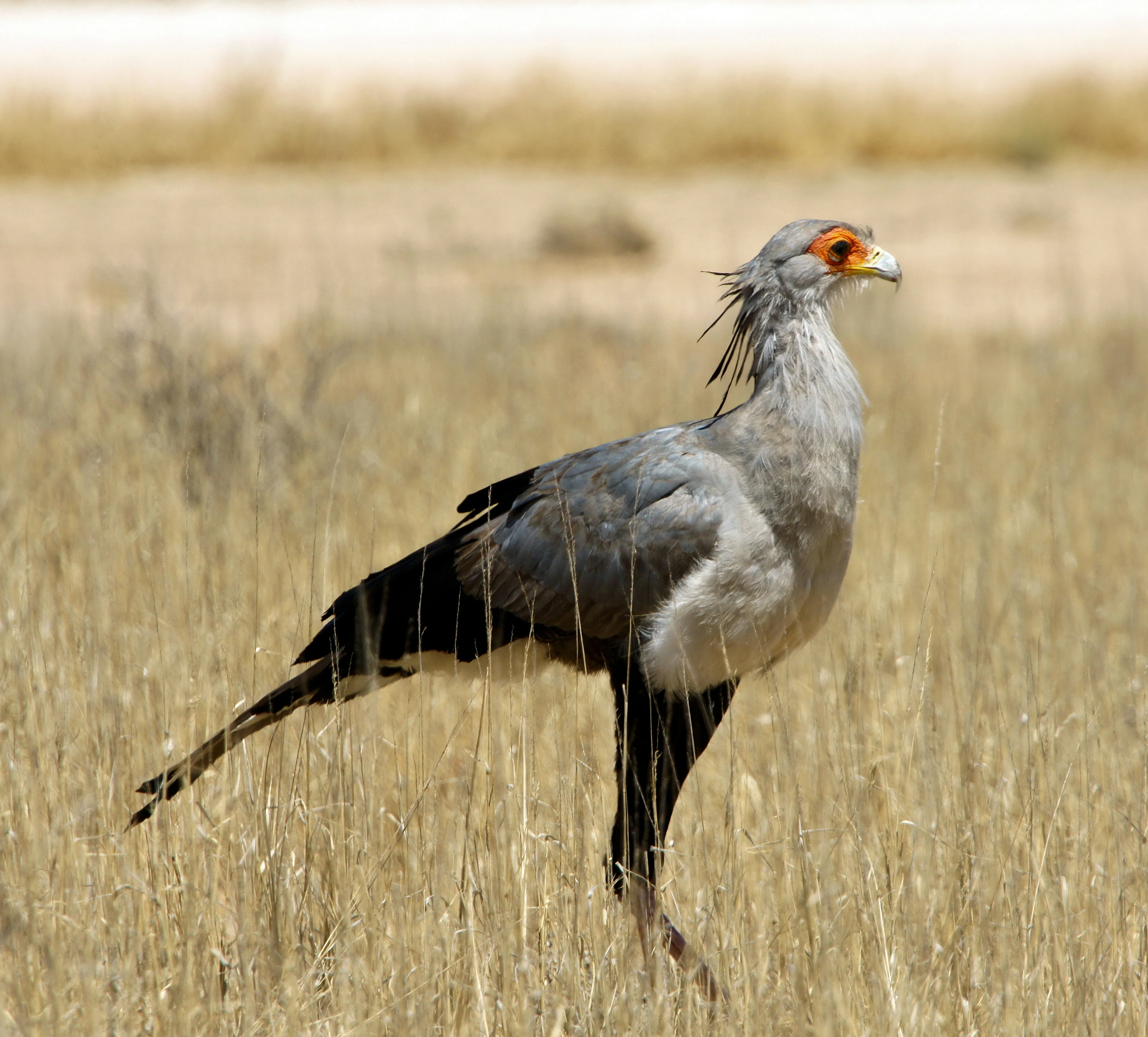
Masai Mara birdwatching adds hundreds of stories to every game drive. The Mara Triangle records more than 470 bird species across grassland, woodland, river, marsh and escarpment habitats. You do not need to ignore lions to become a birder here.
- Why the Mara is such a strong birding destination
- Open grassland birds
- Riverine woodland and wetland birds
- Rollers, bee-eaters, kingfishers and starlings
- Raptors and vultures
- Resident birds, migrants and the green season
- Reserve, Triangle and conservancy birding
- Choosing a guide and private vehicle
- Ethical birding and photography
- Binoculars, field guides and camera gear
- A four-day birding plan across Mara habitats
- Traveller opinions
- FAQs
Why the Mara is such a strong birding destination
The Greater Mara combines open plains, riverine forest, acacia woodland, marsh, seasonal pools, escarpment and settlement edges within a relatively compact ecosystem. Each habitat brings different food, perches and nesting possibilities. Large mammals also create opportunities: oxpeckers feed on hosts, egrets follow grazers and vultures respond to predators and carcasses.
Birding changes how a quiet drive feels. A distant thermal becomes a vulture clue. Alarm calls can reveal a cat. Rain wakes insects and breeding activity. A guide who reads birds is often reading the whole ecosystem, not distracting from the mammals.
Open grassland birds
Secretarybirds stride through open country hunting insects, reptiles and small animals. Ostriches cross plains in family groups. Southern ground hornbills walk slowly and call deeply. Kori bustards, crowned lapwings, larks, pipits, chats and wheatears become easier once the vehicle stops racing between big-cat sightings.
Raptors use the same openness from above. Martial eagles, tawny eagles, bateleurs, harriers and kestrels appear according to habitat and season. Scan termite mounds, dead trees and the horizon. Heat shimmer makes identification harder in the middle of the day, so dawn light helps both optics and photography.
| Grassland clue | Bird group | Watch for |
|---|---|---|
| Tall walker | Secretarybird or ground hornbill | Hunting and foot movement |
| High mound | Bustard, eagle or lapwing | Display and lookout behaviour |
| Hovering | Kestrel or small raptor | Wind-facing hunt |
| Mixed grazers | Egrets and oxpeckers | Feeding relationships |
Riverine woodland and wetland birds
The Mara and Talek river systems support kingfishers, herons, storks, cormorants, ducks and waders, while wooded banks hold barbets, woodpeckers, turacos, hornbills and flycatchers. Hippo pools may attract waterbirds, but the bank is wildlife territory and viewing must follow the guide and reserve rules.
Marshes and seasonal pools change quickly. Crowned cranes, saddle-billed storks, egrets and lapwings respond to water depth and food. Rain can make one roadside depression briefly productive. Give the guide permission to stop even when the site has no famous name.
Rollers, bee-eaters, kingfishers and starlings
Lilac-breasted rollers are common enough to teach observation rather than simply collect a photograph. Watch the hunting perch, fast drop and return. Bee-eaters catch insects in flight, kingfishers use water and open perches, and superb starlings change colour with the angle of light. Brightness does not make a bird simple.
Photographers should expose carefully for iridescent feathers and avoid pushing the vehicle too close to a favourite perch. The cleanest background often comes from moving slightly farther away or lowering the window angle. Do not ask a guide to flush a bird for a flight shot.
Raptors and vultures
Vultures circling together can indicate rising warm air, a roost or food below. Species differ in size, bill, flight silhouette and feeding role. Their numbers also reveal a conservation crisis, since poisoning, habitat change and unsafe carcasses have affected African vultures severely. Treat every sighting as more than a cleanup scene.
Eagles, hawks and falcons hunt from perches or flight. Juvenile plumage makes identification challenging, so photographs of the underside, tail and wing shape help later. A specialist guide will sometimes leave a bird unidentified rather than force certainty. That honesty is part of good birding.
| Field mark | Useful for |
|---|---|
| Wing shape | Raptor family and flight style |
| Tail length and pattern | Separating similar silhouettes |
| Bill and head | Vulture feeding role |
| Perch and habitat | Narrowing likely species |
| Call | Confirming a hidden bird |

Resident birds, migrants and the green season
Residents keep the Mara active all year. Palearctic migrants can add species during the northern winter, while intra-African movements respond to rain. Green months bring insects, breeding displays, fresh plumage and water across the landscape. They can also bring muddy tracks and tall grass.
Drier months make road access more predictable and may concentrate birds around water, but dust and harsh midday light can affect viewing. Do not choose migration season only because it is famous for mammals. A birder with flexible dates may prefer a quieter period with more calls, colour and breeding behaviour.
Reserve, Triangle and conservancy birding
The National Reserve offers broad grassland and river systems. The Mara Triangle adds western river, plain and escarpment context. Conservancies such as Mara North, Naboisho and Olare Motorogi can provide controlled vehicle density, walks under current rules and habitats outside the main reserve circuits. A camp beside a wooded stream creates different morning birding from one on open plains.
Ask where a camp walks, which areas its vehicles use and whether a birding guide is based there or must be brought in. A two-base stay can make sense when it changes habitat, not merely the room. Three or four nights in one strong location is better than rushing between similar grasslands.
Choosing a guide and private vehicle
A specialist guide recognises calls, habitat, flight shape and seasonal plumage, then explains uncertainty without overwhelming a beginner. Ask about birding experience before arrival. A general guide may be outstanding with mammals but less confident with small brown species. The operator should match the interest honestly.
A private vehicle is highly valuable because birding stops are frequent and sometimes long. Shared guests waiting for lions may not enjoy forty minutes with larks. Tell the guide whether the goal is a large list, photography, families, raptors or slow natural history. The same Mara can support all of them, but not with the same driving pace.

Ethical birding and photography
Keep distance from nests, courtship and feeding birds. Never remove branches, pressure a guide to drive off-road illegally or use repeated playback to pull a bird into view. Playback can disrupt territory and breeding, especially when many visitors repeat it. Follow the protected area and guide’s stricter rule.
Do not publish exact locations of sensitive nests or persecuted raptors. Geotagging can attract pressure. Use a beanbag in the vehicle, turn off camera sounds when possible and photograph behaviour rather than demanding a portrait. A bird that continues feeding is giving a better experience than one staring at the vehicle in alarm.
Binoculars, field guides and camera gear
Eight-power binoculars offer a wide, steady view for many travellers; ten-power can bring more detail with a narrower field and more shake. Fit matters, especially for glasses and children. Bring a regional field guide or trusted app, notebook, pencil and a way to record location without broadcasting sensitive data.
For photography, a flexible telephoto zoom and fast autofocus are practical. Carry spare batteries, memory, dust protection and a beanbag. A tripod is usually awkward inside a game-drive vehicle. Keep one camera ready, then lower it often enough to learn the call and movement that made the picture possible.
A four-day birding plan across Mara habitats
On the first afternoon, keep close to camp and let the guide establish the common species. Learn rollers, starlings, lapwings, egrets, vultures and the calls around the tent. This creates a shared vocabulary and tests binocular fit before a long drive. Record habitat and behaviour, not only a name. A bird seen twice in different situations has already taught more than ten rushed ticks.
Use the first full morning for open grassland while light is soft and terrestrial birds are active. Search for secretarybirds, bustards, larks, pipits and raptors on perches. Mammals will appear naturally. The private vehicle can spend time with a hunting bird without abandoning every stop for a distant radio call. In the afternoon, move toward a river, marsh or wooded drainage.
Dedicate another day to water and woodland. Kingfishers, herons, storks, cormorants, hornbills, barbets and flycatchers need a slower visual search. Stay on legal tracks and never leave the vehicle near hippo water without a designated area and guide instruction. A picnic can keep the day flexible, but shade and hydration protect concentration.
A conservancy morning can add walking where rules, age and safety permit. On foot, tracks, calls, insects and plant relationships become more visible, even when the species list grows slowly. The guide should avoid sensitive nests and repeated playback. Later, use photographs and the field guide to review uncertain identifications. Uncertainty recorded honestly is useful data.
On the final drive, return to the habitat that produced the strongest interest rather than chasing a target that has not appeared. Birding success may be one remarkable behaviour, a better understanding of raptors or a child learning five calls. If the wider Kenya trip continues, add Lake Naivasha, Kakamega, Samburu, Arabuko Sokoke or the coast according to target species and time, not simply the longest national checklist.
Leave time after each drive to compare notes with the guide. A photograph can confirm a field mark, but the conversation about habitat and behaviour is often more valuable than a corrected name.
| Day | Habitat | Birding focus |
|---|---|---|
| Arrival | Camp edge | Common species and guide rhythm |
| Full day 1 | Open grassland | Secretarybirds, bustards and raptors |
| Full day 2 | River, marsh and woodland | Waterbirds and forest-edge species |
| Final morning | Best previous habitat | Behaviour, photography or target follow-up |
What travellers say after the trip
These are exact words from public reviews and discussions. Each person had their own route, budget and expectations, so the value is in the detail rather than treating one experience as a promise.
This trip last to Kenya in March last year was the start of my birding journey because there is just so many incredibly cool different species to see in one place.
A photographer explaining how a Kenya trip changed the way they watched birds.
I didn’t realize Kenya was a world-class birdwatching destination until I tagged along on a trip with my father’s birdwatching group.
Another traveller in the same discussion reflecting on the range of species.
The other two vans were a little less dedicated and happy to watch lions, giraffes, elephants, and other non-avian wildlife.
A useful reminder that a birding vehicle and general safari vehicle often need different pacing.
Masai Mara birdwatching questions
How many bird species are in the Masai Mara?
The Mara Triangle reports more than 470 species in the reserve, reflecting the range of habitats and migrants.
What is the best birding season?
Birding is strong year-round. Migrants and wetter-season activity add variety, while drier months can make roads and open-country viewing easier.
Do I need a specialist bird guide?
A guide with strong bird identification, calls and habitat knowledge greatly improves a focused trip.
Can I combine birds with mammals?
Yes. A private vehicle lets the day balance both without forcing one interest to follow a general group.
Which habitats should I visit?
Include open grassland, riverine woodland, marsh, seasonal pools, escarpment and conservancy bush when time permits.
What binoculars should I bring?
Comfortable 8x or 10x binoculars suit many travellers. Fit and brightness matter more than chasing the highest magnification.
What lens is useful for bird photography?
A telephoto zoom with fast autofocus is practical. Bring a beanbag and enough storage rather than relying on a tripod in the vehicle.
Can children enjoy birding?
Yes. Colour, calls, nests and behaviour create short challenges between mammal sightings.
Can recordings be used to attract birds?
Playback can disturb birds and should be avoided or used only under expert ethical guidance where permitted.
Can NLS arrange a birding itinerary?
Yes. Guide, vehicle, habitats, camps, season and additional Kenya birding areas can be tailored.
Sources and further reading
Official park, heritage, tourism, aviation and regulatory sources support the practical details in this guide.
Let the birds decide where the vehicle stops
Share your dates, target species and experience level. We will build a Mara safari where small feathers receive as much attention as big cats.
Plan a Mara birding safari
Tell us the season, target birds and whether you want a specialist private guide.