
Kenya Safari Travel Insurance: What Your Policy Must Actually Cover
A safari deposit, a small-aircraft connection and a remote camp create a different risk map from a weekend city break.
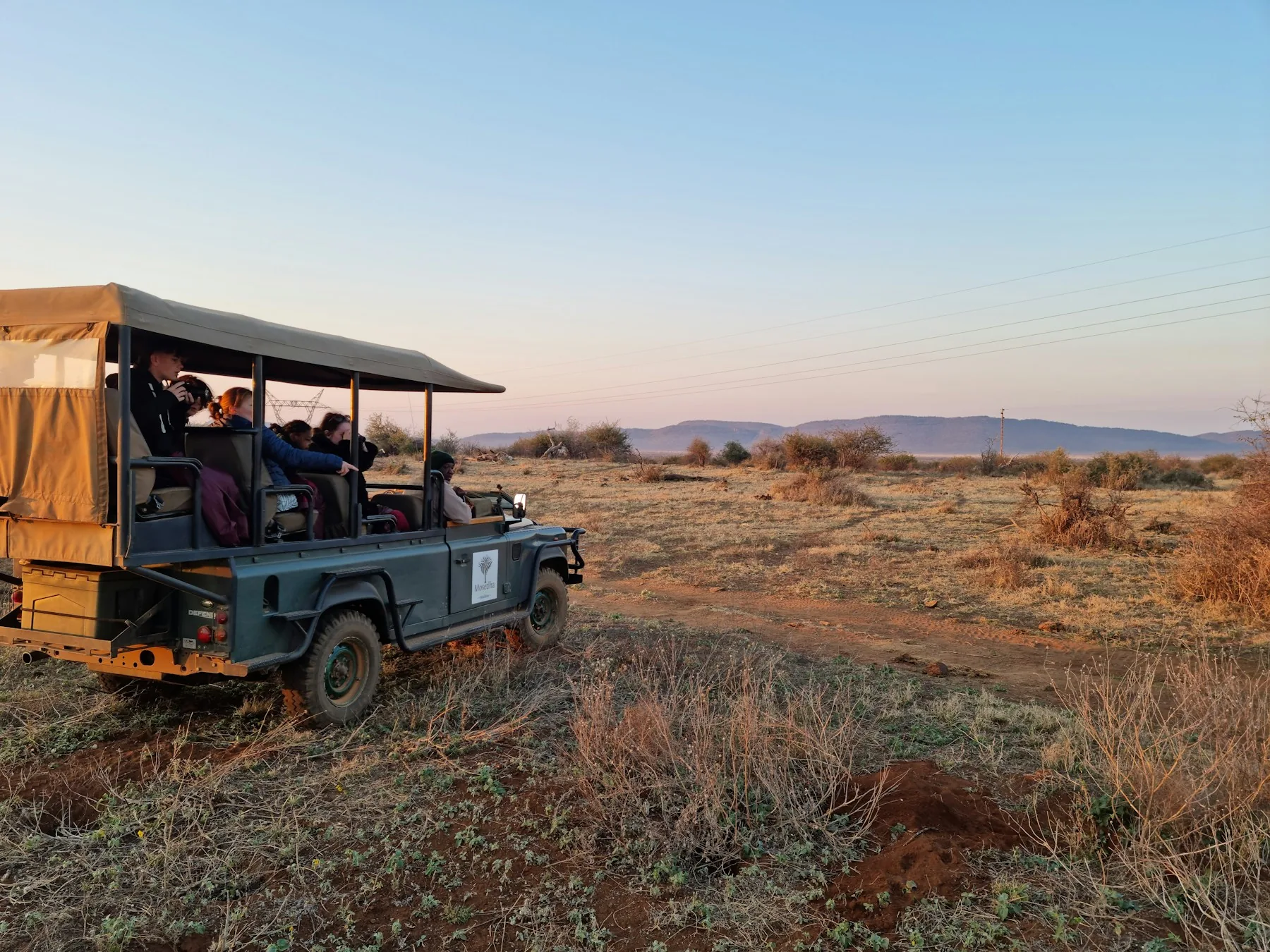
Good Kenya safari travel insurance should cover emergency medical treatment, evacuation from remote areas, repatriation, cancellation, interruption, missed connections, baggage and the activities in your itinerary. The right policy is the one whose definitions, limits and exclusions match your trip, health history and home country.
- Kenya safari travel insurance at a glance
- Kenya’s travel health insurance requirement
- Medical, evacuation and repatriation
- Travel policy, evacuation membership and safari support
- Pre-existing conditions and declarations
- Cancellation and interruption
- Delays and missed connections
- Safari activities and exclusions
- Cameras, phones and valuables
- Credit card and employer insurance
- Documents and emergency contacts
- How to compare policies
- If something goes wrong
- A safari policy audit before payment
- Questions to send the insurer in writing
- Extend cover when the journey changes
- Traveller opinions
- FAQs
Kenya safari travel insurance at a glance
A safari can combine non-refundable deposits, separate international tickets, light-aircraft sectors, remote roads and activities with special definitions. The policy needs to follow that chain. A generic badge saying worldwide cover is not enough.
Read the schedule of benefits and full wording. The first shows limits. The second decides whether an event qualifies. Save both before buying, because website wording can change later.
| Risk | Policy section to inspect | Question to ask |
|---|---|---|
| Illness or injury | Emergency medical | Are remote safari locations covered? |
| Air evacuation | Evacuation and repatriation | Who authorises and arranges transport? |
| Trip cancelled | Cancellation | Which reasons and deposits qualify? |
| Trip interrupted | Curtailment | Are unused safari nights and new transport covered? |
| Bush flight delay | Travel delay or missed connection | Are separate tickets included? |
| Camera loss | Baggage and valuables | What are item and unattended limits? |
Kenya’s travel health insurance requirement
Kenya’s Social Health Insurance Act says that a non-Kenyan intending to enter and remain for less than twelve months must possess travel health insurance as designated by the Cabinet Secretary. Regulation 70 adds the benefits that the cover should include: personal accident, emergency medical expenses, emergency medical evacuation, repatriation of mortal remains, hospital benefits and prescription medicines.
That legal list is a starting point, not a complete safari policy. It does not automatically protect prepaid lodge deposits, missed connections, cameras or every activity. Border procedures and the documents requested by airlines can also change. Before departure, check the Directorate of Immigration’s eTA information, the airline and the insurer, then keep proof of cover offline.
Medical, evacuation and repatriation
Emergency medical cover pays eligible treatment. Evacuation moves a traveller to suitable care. Repatriation may bring the traveller home. These are related but not interchangeable, and each can have separate limits and authorisation rules.
Ask whether the assistance company chooses the facility and carrier, whether remote airstrips are included and whether a companion or child escort is covered. Carry the assistance number offline. In a crisis, call as soon as safely possible.
Travel policy, evacuation membership and safari support are not interchangeable
An evacuation membership such as an eligible AMREF Flying Doctors product can be valuable on a remote East African route. Its purpose is medical transport within the terms of that membership. It should not be assumed to pay every hospital bill, unused safari night, international repatriation or baggage loss.
The safari organiser and lodge have their own emergency procedures. Those procedures help people respond, contact airstrips and coordinate local logistics. They do not replace the traveller’s personal contract with an insurer. Ask what evacuation arrangement is included in the trip, then show that wording to the insurer.
| Layer | What it may do | What must still be checked |
|---|---|---|
| Travel insurance policy | Eligible treatment, evacuation, cancellation, interruption, delay and baggage benefits | Limits, exclusions, activities, authorisation, excess, pre-existing conditions and country of residence |
| Medical evacuation membership | Arrange or cover an eligible air evacuation within a stated region | Geographic boundary, destination facility, trigger, hospital costs and onward repatriation |
| Safari organiser and lodge procedures | Call local responders, share coordinates, reach an airstrip and assist the group | Whether any financial cover is included and who has authority to approve transport |
Keep the policy number, assistance line and any evacuation membership details together. If two organisations might respond, ask in advance which number should be called first.
Pre-existing conditions and declarations
Policies define pre-existing conditions broadly. A stable condition, recent test, changed medication or relative’s health may affect cover. Answer every question accurately and keep the insurer’s response.
If cover requires a medical screening or premium, complete it before paying large deposits. Never assume a condition is irrelevant because it is controlled. The written definition matters.
Cancellation and interruption
Cancellation cover protects eligible prepaid costs when a listed event prevents departure. Interruption applies after travel starts. Buy within the policy’s timing rules, often soon after the first payment, if you want the widest available benefits.
Insure the total at-risk amount: safari, flights, beach extension and non-refundable extras. Update the policy when the trip grows. A limit below the deposit total creates a quiet gap.
Delays and missed connections
Bush flights operate around weather, airstrip conditions and operational changes. International tickets may be separate from domestic sectors. Check whether the policy covers missed onward transport when tickets are not on one booking.
Good itinerary design still matters. Leave realistic time between the Mara and an international departure, especially when changing airports in Nairobi. Insurance should be the safety net, not the schedule.

Safari activities and exclusions
Game drives are usually straightforward, but walking safaris, balloons, horse riding, mountain hikes, diving and water sports may sit under activity tables. Confirm altitude, guide qualification, certification and any additional premium.
If an insurer says an activity is covered, ask whether medical, personal accident, liability and evacuation all follow. One sentence from a sales chat should be saved with the policy.
Cameras, phones and valuables
Check the total baggage limit and the smaller single-item limit. A camera body and lens may be treated separately or as one set. Depreciation, proof of ownership and unattended-vehicle exclusions can reduce a claim.
List serial numbers, photograph the gear and save receipts before travel. Carry essential equipment and medication in hand luggage within airline rules. Ask the safari airline about weight, not only the international carrier.
Credit card and employer insurance
Card insurance can be valuable, but it may require the trip to be purchased with that card, impose age limits, exclude pre-existing conditions or offer low cancellation and item limits. Read it as carefully as a purchased policy.
Employer or national health cover may pay treatment but not evacuation, repatriation or unused travel. Combine benefits only after understanding which insurer is primary and how claims coordinate.

Documents and emergency contacts
Keep the policy certificate, full wording, assistance number, traveller names and declared conditions offline. Add flight confirmations, lodge contacts, payment receipts and the itinerary. Share access with a travelling companion.
During disruption, request written evidence: medical notes, diagnosis, receipts, airline delay confirmation, baggage report or police report. Contact the insurer before major arrangements whenever safety allows.
How to compare policies
Place policies beside the same itinerary and test concrete scenarios. A child becomes ill before departure. A guide arranges a remote evacuation. A bag misses the Nairobi connection. A balloon is cancelled. A parent at home is hospitalised.
Record the answer, limit, excess, exclusion and evidence required for each. The best policy may not have the biggest headline number. Clear definitions and a capable assistance process matter.
| Scenario | Policy A | Policy B | Decision point |
|---|---|---|---|
| Remote medical evacuation | Limit and authorisation | Limit and authorisation | Adequacy and organiser |
| Family illness before travel | Covered reason | Covered reason | Who counts as family |
| Missed bush flight connection | Separate-ticket rule | Separate-ticket rule | Minimum connection |
| Camera stolen from vehicle | Exclusion | Exclusion | Supervision requirement |
| Balloon or walk incident | Activity wording | Activity wording | Named cover |
| Existing condition flare-up | Screening result | Screening result | Written acceptance |
If something goes wrong
Protect health first. Then contact the assistance provider, organiser and relevant supplier. Note names, times and instructions. Do not destroy receipts or rely on a messaging thread that might disappear.
Be accurate rather than dramatic. A claim is judged against documents and policy definitions. If rejected, request the written reason and use the insurer’s complaint route or regulator available in your home country.
A safari policy audit before payment
Begin with the deposit schedule. List every amount that becomes non-refundable and the date the risk starts. Include international flights, internal flights, safari nights, beach hotels and separately booked activities. If the policy’s cancellation limit is lower than this total, decide whether the gap is acceptable. Increase cover when the booking grows, and save the insurer’s confirmation.
Next trace the medical route. Ask where the nearest suitable clinic or hospital would be from each remote stay and how an evacuation is normally initiated. The safari organiser can explain logistics, but only the insurer can confirm benefits. Give the insurer the countries, remote camps, light-aircraft travel, planned walks, ballooning, diving or mountain activity. Ask whether treatment, evacuation and repatriation each apply.
Test the connection chain. A Mara flight can be delayed by weather or an airstrip issue, while the international flight may sit on a separate ticket. Read the minimum connection and separate-ticket wording. If the policy will not protect the risk, change the schedule. An extra Nairobi night can be cheaper and far more pleasant than defending a claim after a missed long-haul departure.
Audit every traveller rather than only the lead passenger. Declare pre-existing conditions, recent symptoms, medication changes and relevant family health where the policy asks. Confirm age limits and child cover. If one person’s condition is excluded, understand whether that exclusion also affects cancellation claims made by travelling companions. Keep the written decision with the certificate.
Finally, rehearse the first hour of a problem. Who calls the insurer? Where is the policy number? Who holds the passports and medication list? Which receipts must be collected? Save the assistance number in two phones and on paper. The goal is not to imagine disaster. It is to make a difficult moment smaller by deciding the administrative steps while everyone is calm.
Questions to send the insurer in writing
Write one message containing the exact countries, travel dates, total prepaid cost and activities. Ask whether emergency treatment, remote evacuation, repatriation, cancellation, interruption and separately ticketed missed connections are covered. Name every traveller and declare the health information requested by the policy.
For equipment, list the most valuable camera body, lens, phone and laptop. Ask for the single-item limit, depreciation rule and unattended-vehicle exclusion. For a balloon, walk, dive or mountain activity, include the operator qualification and maximum altitude or depth. Vague questions produce vague reassurance.
Ask what must happen before the assistance company will authorise an evacuation or major treatment. Find out whether the traveller pays first, which hospitals are in network and what evidence a companion needs to extend a stay. Save the full exchange as a PDF with the policy.
Finally, ask how to complain or appeal if a claim is rejected and identify the regulator in the traveller’s home jurisdiction. A trustworthy insurer should make this route visible. The purpose of the exercise is not to predict every accident. It is to remove avoidable ambiguity from the risks that matter most on the confirmed safari.
Repeat the audit if the route changes. Adding Zanzibar, a Mount Kenya hike, scuba diving or a more expensive lodge can alter the countries, activities and insured cost. Forward the amendment to the insurer and keep its acknowledgment. A policy purchased for the first sketch of the trip should not be left behind while the real holiday becomes longer, costlier or more adventurous.
Extend cover when the journey changes
If the return date moves, contact the insurer before the original policy expires whenever possible. A beach extension, hospital stay or changed flight can leave the final days outside cover. Keep the written extension, new certificate and payment receipt beside the original documents.
What travellers say after the trip
These are exact words from public reviews and discussions. Each person had their own route, budget and expectations, so the value is in the detail rather than treating one experience as a promise.
they missed several safari trips and had to stay were we were rather than progressing on to the next stop
A family describing how illness created extra lodge and onward-travel costs during a Kenya trip.
the credit card I used for the booking included it in their stock coverage for travel
A safari traveller who checked a camp’s medical evacuation requirement against card insurance.
The tour operator’s own policy only covers evacuation up to $100k and doesn’t touch hospital treatment or getting us home after
A traveller separating evacuation membership from full medical and trip cover.
twice I’ve filed claims for unexpected cancellations and had them paid out within 2 weeks.
A frequent traveller explaining why documentation and a policy matched to prepaid costs matter.
once I got and submitted all the necessary documentation, it was quick and painless
A traveller describing a successful claim, with the paperwork as the difficult part.
He ended up breaking a bone while he was there. So it was lucky he had the insurance.
A safari traveller’s family example of a routine injury becoming the reason cover mattered.
Safari insurance questions
Is travel insurance required for Kenya?
Kenya’s Social Health Insurance Act and Regulation 70 require qualifying non-Kenyan visitors to possess travel health insurance with specified health benefits. Check current eTA and airline procedures before departure.
What medical cover should I buy?
Choose limits appropriate to international treatment, remote evacuation and repatriation. Ask the insurer to confirm the itinerary.
Does evacuation membership replace insurance?
Not necessarily. A membership may arrange transport but exclude treatment, repatriation or trip costs.
Will insurance cover cancellation?
Only for listed reasons and within policy conditions. Buy promptly and declare health information accurately.
Are hot-air balloon safaris covered?
Check the policy’s aviation and activity wording and obtain written confirmation if unclear.
Is walking safari covered?
It depends on definitions, guide requirements and exclusions. Name the activity and location to the insurer.
Are cameras covered?
Standard baggage limits may be too low. Check single-item limits, unattended-vehicle exclusions and proof of ownership.
What if a bush flight is delayed?
Look for missed-connection and travel-delay cover, minimum delay periods and treatment of separately booked tickets.
What documents help a claim?
Keep policy, receipts, medical reports, delay letters, police reports when relevant and written supplier cancellation terms.
Can NLS recommend a specific insurer?
NLS can provide itinerary facts and logistics, while the traveller should select regulated insurance suited to residence and personal circumstances.
Sources and further reading
Official park, heritage, tourism, aviation and regulatory sources support the practical details in this guide.
- Kenya Law: Social Health Insurance Act, section 26(6)
- Kenya Law: Social Health Insurance Regulations, regulation 70
- Directorate of Immigration Services: Kenya eTA
- National Association of Insurance Commissioners: travel insurance consumer guide
- MoneyHelper: pre-existing medical conditions and travel insurance
- AMREF: Flying Doctors and remote medical evacuation
Protect the journey behind the dream
We will give you the itinerary detail your insurer needs, from remote camps and activities to payments and internal flights.
Plan an insurable Kenya safari
Share dates, travellers, activities, route and any mobility or medical logistics you want considered.