
Kenya Safari Vaccines and Malaria: Health Planning Guide
Separate entry rules from medical recommendations, understand malaria and bite prevention, and build medicine, insurance and access-to-care logistics around the traveller.
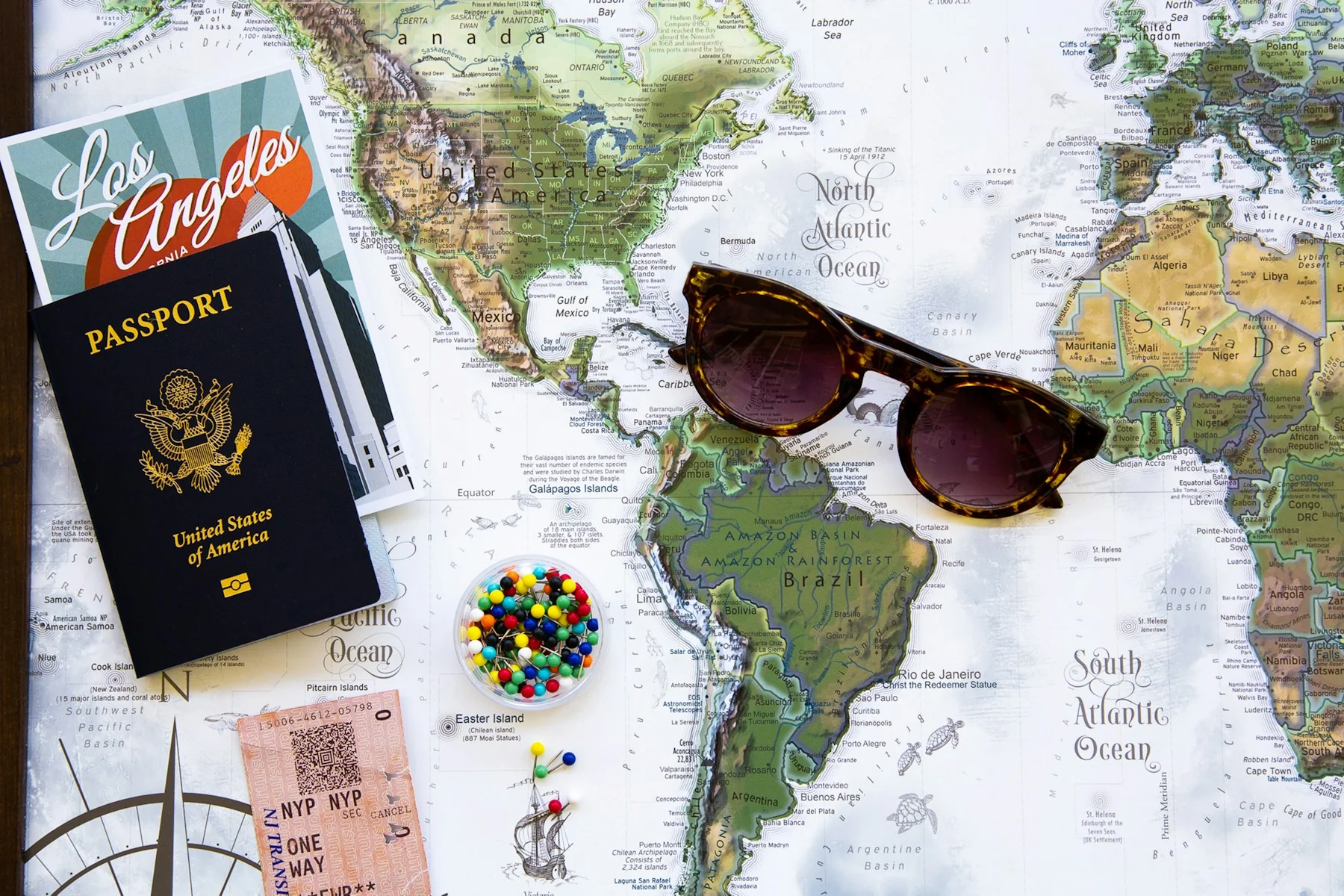
Health preparation for a Kenya safari is not a single injection or a box of tablets. It starts with the route. A useful discussion about Kenya safari vaccines and malaria must distinguish Nairobi, the Masai Mara, Samburu, Mount Kenya and the coast because they sit at different altitudes and present different combinations of heat, insects, remoteness and access to medical care. Your age, health, pregnancy status, medicines and previous vaccinations matter just as much.
This guide helps you arrive at a travel-health appointment with the right questions. It cannot tell you which vaccine or malaria medicine is right for you, and it does not replace a clinician who knows your medical history.
Build a Kenya route with practical health logistics
Share the route, dates, travellers and any mobility, dietary, pregnancy or medicine-storage needs. We will explain the transport, camp and access-to-care logistics for your clinician and insurer to consider.
Start with the itinerary, not a generic country list
Two travellers can both say, "I am going to Kenya," while needing very different conversations. One is flying from London to Nairobi for a conference and two nights in the city. The other is crossing from Uganda, spending a week in low-altitude game parks, sleeping in remote camps and climbing on Mount Kenya.
Take this information to the clinician:
- Every country visited or transited through before Kenya
- Length of any airport transit in a yellow-fever-risk country
- Kenya entry point and onward border crossings
- Exact parks, conservancies, towns and coast stops
- Travel dates and total duration
- Altitude and physical intensity of planned activities
- Rural stays, animal contact, healthcare work or long community visits
- Pregnancy, immune conditions, allergies and chronic illness
- Current medicines and previous vaccine record
- Age of every child travelling
If the route changes later, revisit the advice. Adding Zanzibar, Uganda, Rwanda, Ethiopia or a remote northern Kenya sector can change entry documents, yellow fever questions and access-to-care planning.
A practical pre-travel health timeline
The CDC advises travellers to see a doctor at least a month before travel for vaccines or medicines they may need. Some vaccine series take time, and some malaria medicines begin before arrival. Earlier is useful for a complex itinerary, pregnancy, young children, immune conditions or a long trip.
| When | Useful actions |
|---|---|
| Several months before | Review medical conditions, routine vaccine records, route, pregnancy plans and insurance exclusions |
| 6 to 8 weeks before | Attend a travel-health consultation, begin any multi-dose schedule and discuss malaria prevention |
| 2 to 4 weeks before | Complete planned doses where possible, order enough prescription medicine and prepare medical letters |
| Final week | Pack medicine in hand luggage, check storage, save insurance contacts and copy health documents |
| During the trip | Follow the prescribed medicine schedule, prevent bites, hydrate, use food and water care and report illness early |
| After return | Seek medical attention promptly for fever or serious symptoms and mention the full travel history |
If departure is close, do not assume it is too late. A clinician can still prioritise the most useful actions and explain what protection will or will not be established in time.
Routine vaccines come first
Travel is a good moment to check ordinary immunisation. The CDC Kenya traveller page asks visitors to be up to date on routine vaccines and specifically highlights measles because international cases have risen.
The routine list depends on home-country schedules and personal history. It commonly includes measles, mumps and rubella, diphtheria, tetanus and pertussis, polio, influenza, chickenpox and age-appropriate vaccines. A clinician should check the record rather than assume childhood protection is complete.
Bring dates or a digital record. "I had all my vaccines" is difficult to interpret if no one knows which doses or when.
Kenya safari vaccines to discuss
The following table is a conversation guide, not a prescription. Recommendations change with age, health, route, duration and exposure.
| Vaccine topic | Why it may come up | Route or traveller details that matter |
|---|---|---|
| Hepatitis A | CDC recommends it for unvaccinated travellers to Kenya, with age-specific clinical guidance | Previous doses, age, immune status and departure timing |
| Typhoid | Often considered because contaminated food or water can transmit typhoid | Rural travel, long stays, visiting friends or relatives and eating settings |
| Hepatitis B | CDC recommends or considers it for unvaccinated travellers according to age and risk | Medical care, tattoos, sexual exposure, long stays and previous vaccination |
| Yellow fever | Can be an entry requirement based on where you arrive from and is also a route-dependent health recommendation | Countries visited or transited, traveller age, contraindications and destinations within Kenya |
| Rabies | Pre-exposure vaccination may be discussed for some travellers, but it does not remove the need for urgent care after a bite | Animal contact, children, remote areas, cycling, running and access to post-exposure treatment |
| Meningococcal disease | May be considered for travel to parts of Kenya in the meningitis belt during relevant periods | Northern route, season, age and medical risk |
| Cholera | Usually a specialised rather than universal traveller decision | Active transmission, aid or healthcare work, living conditions and clinician advice |
Do not make the decision from an online checklist alone. A vaccine may be unsuitable for a person with a particular allergy, immune condition or pregnancy, while another traveller may benefit because their route is longer and more remote.
Yellow fever: entry requirement and health recommendation are different questions
This is the point that causes the most confusion.
The Kenya Ministry of Health states that travellers arriving from countries where yellow fever is endemic should present a valid yellow fever certificate. That is an entry requirement based on the journey before Kenya.
Separately, health authorities publish recommendations based on yellow fever exposure risk within the destination. The CDC and WHO describe geographic exceptions and age thresholds. The answer can therefore differ for a direct Nairobi visit, a national-park route and an arrival after time in another risk country.
Ask the clinician two separate questions:
- Do I need a valid certificate to enter Kenya based on my origin and transit route?
- Is yellow fever vaccination medically recommended for the places I will visit in Kenya?
The Ministry lists exemptions for infants under nine months, pregnant women in specified circumstances, people with severe egg-protein allergy and people with severe immunodeficiency or thymus disorder. An exemption is a medical and border-document matter, not something to self-declare. Ask a qualified clinician how a contraindication should be documented.
WHO guidance under the International Health Regulations treats a valid documented dose of an approved yellow fever vaccine as providing lifelong certificate validity. Keep the original International Certificate of Vaccination or Prophylaxis safe and carry it when the route requires it.
Yellow fever and multi-country safari routes
A direct flight from a country without yellow fever risk can produce a different entry requirement from a journey through Uganda, Tanzania, Ethiopia or another risk country. Transit duration and whether you leave the airport may matter under the applicable rule.
For a Kenya and Tanzania safari, check the order of countries, border used and return flight. For Kenya and Zanzibar, remember that Zanzibar follows Tanzania's entry-health framework. For gorilla trekking before Kenya, the previous country becomes part of the Kenyan arrival question.
Use the final ticketed route, not the route you hope the airline will operate. If a schedule change creates a new transit, recheck the requirement with the airline, border authority and clinician.
Malaria risk on a Kenya safari
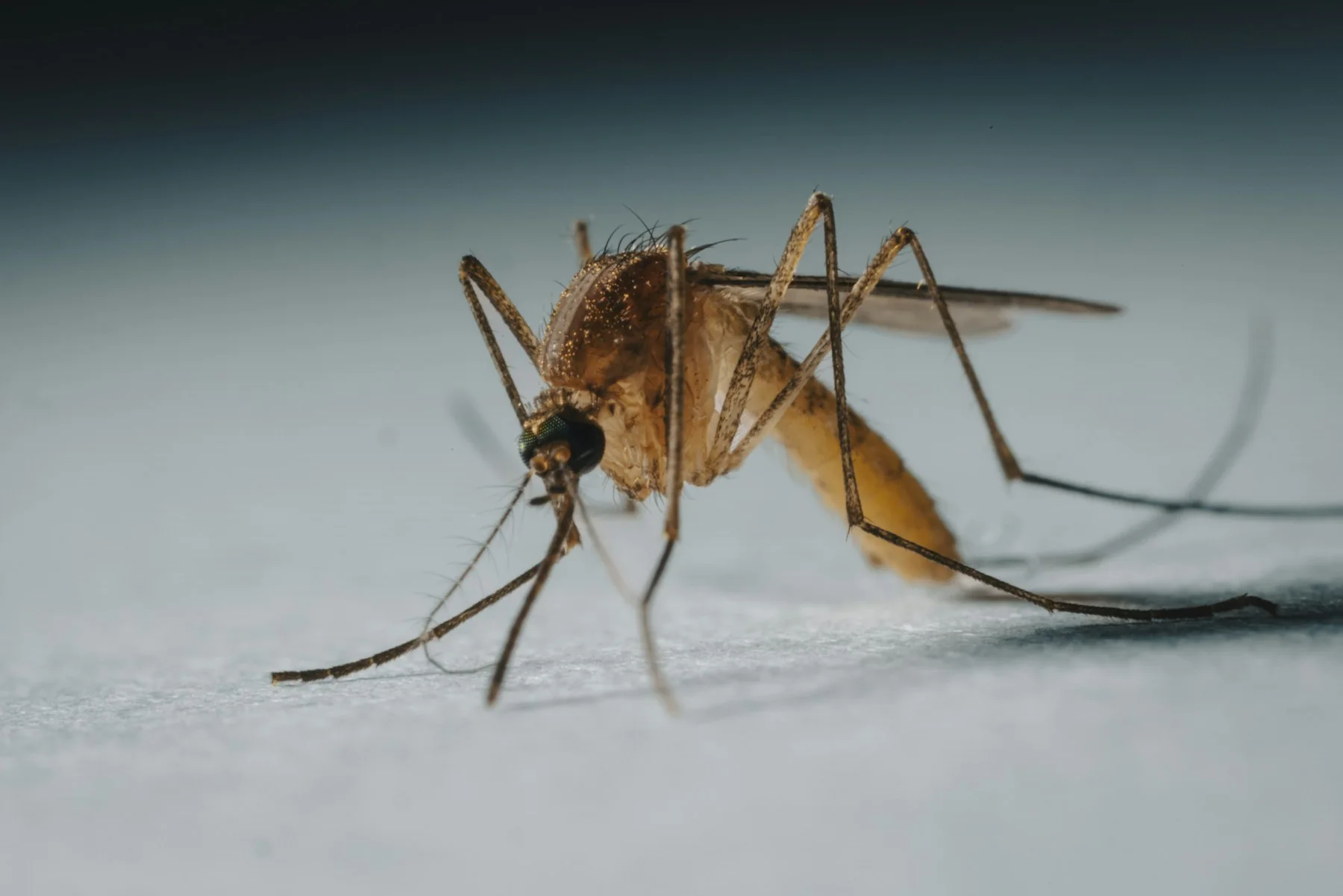
The CDC describes malaria transmission in Kenyan areas below 2,500 metres, including game parks, with rare cases in the highly urbanised central part of Nairobi. This means that many classic safari and coast routes deserve a malaria conversation even when the first night is in Nairobi.
Risk is not identical every day or in every location. Altitude, season, rainfall, accommodation and individual behaviour change exposure. None of those variables turns a low-risk decision into a no-risk guarantee.
Your clinician may discuss prescription preventive medicines and their timing, contraindications, interactions and side effects. Common options named by CDC guidance include atovaquone-proguanil, doxycycline, mefloquine and tafenoquine. That list is not a recommendation for any individual. Some options require additional testing or are unsuitable for certain ages, health conditions or pregnancy.
Ask:
- Which malaria prevention options fit my medical history and exact route?
- When must I start and stop the medicine?
- What should I do if I vomit after a dose or miss one?
- Does it interact with my regular medicine?
- How should it be stored?
- What symptoms require urgent assessment during or after travel?
Buying an unknown tablet after arrival is not a substitute for a documented clinical plan.
Bite prevention still matters when taking malaria medicine
No malaria tablet provides complete protection, and mosquitoes can transmit other infections. Bite prevention is a second line of defence, not an alternative afterthought.
The CDC recommends appropriate insect repellent, covering exposed skin and using screened or air-conditioned rooms or a bed net where the sleeping area is open. It lists effective registered ingredients and says products should be used as directed.
A practical evening routine is:
- Shower and change before dusk when convenient
- Put on long trousers, socks and a long-sleeved shirt
- Apply repellent to exposed skin according to the label
- Close screens and doors before lights attract insects
- Check that the bed net is intact and tucked where a net is provided
- Keep the torch and shoes beside the bed
- Follow the camp escort rule rather than walking outside alone
Permethrin-treated clothing or gear may be discussed, but permethrin should not be applied directly to skin. Follow product and clinician instructions.
Plan the route, camp access and medical handovers
Share the route, dates, travellers and any mobility, dietary, pregnancy or medicine-storage needs. We will explain the transport, camp and access-to-care logistics for your clinician and insurer to consider.
Mosquito nets, screens and safari camps
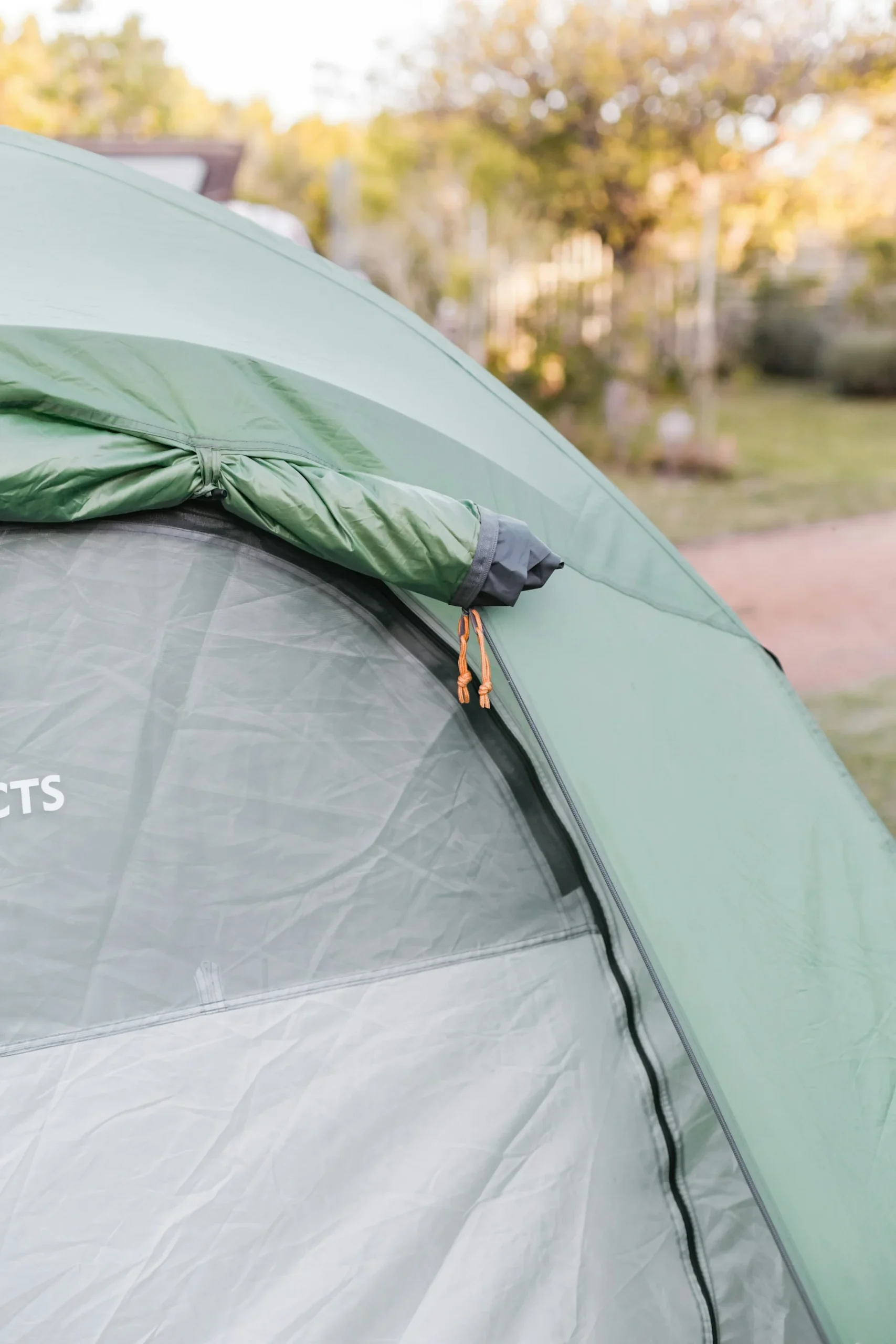
A canvas tent can be luxurious and still sit in an insect-rich ecosystem. Good properties use a combination of screens, nets, housekeeping, airflow and guest instructions. A mosquito net only works when it is intact and arranged properly.
When health needs are important, ask the property:
- Is the room fully screened or open to the environment?
- Is a bed net installed, and can it cover a child's bed or extra bed?
- Is air conditioning, a ceiling fan or a portable fan available?
- Can the room be placed close to the main area without sacrificing quiet?
- Is there reliable power for a medical device?
- Can medicine be refrigerated securely?
- Who is contacted if a guest becomes ill at night?
Do not assume every tent has the same level of enclosure. A beautiful open bathroom, star bed or outdoor sleep-out changes the bite-prevention plan.
Route-by-route health planning
| Area | Health-planning questions to raise | Practical preparation |
|---|---|---|
| Nairobi | Urban transport, air quality, altitude, access to regular medicine and handover timing | Keep first-night medicine and essentials in hand luggage |
| Masai Mara | Malaria discussion, remote-camp access, long game drives, dust and evacuation | Bite prevention, adequate medicine, insurance assistance contact and camp emergency procedure |
| Amboseli | Heat, dust, malaria discussion and distance to advanced care | Hydration, eye or respiratory plan where relevant and realistic transfer times |
| Samburu and northern routes | Heat, dehydration, malaria discussion, remoteness and meningococcal advice for some itineraries | Strong hydration plan, sun protection, sufficient medicine and evacuation cover |
| Tsavo | Heat, malaria discussion, long park distances and coast combination | Bite protection, water, medicine access and an honest road schedule |
| Kenya coast | Malaria discussion, heat, sun, food and water, marine activities | Repellent, sun protection, hydration and wound care for small cuts |
| Laikipia | Activity-specific risks from walking, riding or cycling and remote access | Disclose activities to insurer and clinician, pack appropriate footwear and medicine |
| Aberdares and highlands | Cold, rain, altitude and slippery terrain | Warm layers, waterproof shell and route-appropriate shoes |
| Mount Kenya | Altitude illness, exertion, cold exposure and evacuation | Trek-specific medical assessment, acclimatisation plan, technical kit and insurance that covers altitude |
This table helps form questions. It does not assign a medical risk level to an individual.
Food, water and stomach illness
Even an excellent lodge cannot control every exposure before and after the safari. Use ordinary food and water care throughout the journey.
- Drink sealed bottled water or properly treated water
- Use safe water for brushing teeth where advised
- Eat food that is thoroughly cooked and served hot
- Choose fruit you can peel yourself
- Avoid raw or undercooked meat, seafood and eggs
- Wash or sanitise hands before eating
- Be cautious with ice where the water source is uncertain
- Carry oral rehydration salts
Ask a clinician how to manage traveller's diarrhoea, which symptoms require medical help and whether a standby medicine is appropriate for you. Blood in stool, high fever, severe dehydration, persistent vomiting or serious illness deserves prompt assessment.
Heat, sun and dehydration
Samburu, Tsavo and the coast can feel intensely hot, while a vehicle roof and wind can disguise how much fluid you lose. Alcohol at lunch and a long afternoon drive make dehydration easier.
Carry water, drink regularly and use sunscreen, a hat and breathable clothing. Oral rehydration salts can be useful when advised. Children, older adults and people taking certain medicines may need a more deliberate plan.
Heat exhaustion and heat stroke are not the same. Confusion, collapse, very high body temperature or severe illness is an emergency. Guides should know early that a traveller feels unwell, not after the person has tried to endure another hour.
Dust, allergies and breathing conditions
Dry-season roads can produce fine dust. Travellers with asthma, severe allergies, contact lenses or eye conditions should discuss the route and carry their regular treatment. A buff or light mask can make dusty transfers more comfortable, but it does not replace prescribed care.
Keep inhalers and emergency allergy medicine in the day bag, not buried in the vehicle luggage. Tell the guide and a travelling companion where they are. Share food allergies with every property before arrival and confirm the kitchen's response rather than relying on a note made at check-in.
Animal bites, scratches and rabies
Do not touch monkeys, dogs, cats, bats or other mammals, even when they appear tame. Children need close supervision because they may not report a small scratch.
If an animal bites, scratches or licks broken skin, wash the area thoroughly with soap and running water and seek urgent medical advice. Pre-exposure rabies vaccination can simplify parts of post-exposure management but does not remove the need for prompt care.
Remote areas can make access to post-exposure treatment difficult. That is why animal-contact plans and the location of appropriate care should be discussed before a long or remote trip.
Freshwater, swimming pools and the ocean
Swimming pools and the Indian Ocean are different from freshwater lakes and rivers. Some freshwater exposures can carry parasitic risk. Follow current health guidance and local safety advice before swimming or wading in lakes or rivers.
On the coast, use a reputable operator for diving, snorkelling or boating. Check whether travel insurance covers the activity and any depth. Small coral cuts should be cleaned and monitored, and serious marine injury needs medical attention.
Mount Kenya and altitude
Altitude illness can affect fit people. It is driven by ascent and individual response, not by willpower. Headache, nausea, unusual fatigue, poor sleep, dizziness and breathlessness can be warning signs, while severe symptoms require urgent descent and medical care.
A Mount Kenya itinerary needs enough time to acclimatise, trained guides, a communication plan and evacuation arrangements. Do not add a fast summit attempt to a vehicle-safari health checklist as if it were an ordinary day walk.
Tell the clinician the route, sleeping altitudes and ascent profile. Confirm that insurance covers the planned maximum altitude and evacuation method.
Pregnancy and Kenya safari planning
Pregnancy changes vaccine, malaria, heat, food-safety, flight and medical-access decisions. Some areas may be unsuitable depending on individual circumstances, and some medicines or vaccines have pregnancy-specific considerations.
Speak to an obstetric and travel-health clinician before committing to a remote route. Discuss gestational timing, malaria exposure, yellow fever questions, domestic aircraft, road vibration, seat belts, food safety and the location of obstetric care.
Build more rest, shorter drives, easy bathroom access and flexible cancellation terms into the itinerary. A babymoon should not depend on hiding discomfort to keep up with a standard programme.
Babies, children and teenagers
Age affects vaccine schedules, malaria options, yellow fever requirements, dehydration and the ability to describe symptoms. Bring each child's record and exact age at travel to the clinician.
Pack child-appropriate repellent, sunscreen, medicine and dosing devices. Do not use an adult dose by estimation. Keep a thermometer, oral rehydration plan, familiar food for transfer delays and a spare outfit in the day bag.
Choose rooms with safe sleeping arrangements and nets that fit cots or extra beds. Confirm child seats, fencing, pool supervision, meal timing and the distance from room to main area.
Older travellers and chronic conditions
A safari can be adapted around cardiac, respiratory, mobility, diabetes, kidney, immune and other needs, but the planner needs the information early. Room location, refrigerator access, aircraft steps, vehicle entry height and distance to care all matter.
Carry a medication list using generic drug names, a brief medical summary, clinician contact and adequate supplies. If medicine needs refrigeration, ask exactly how it will be kept during flights, road transfers and generator-off periods. A minibar is not automatically a medical refrigerator.
Break long drives, avoid tight connections and plan an arrival night when fatigue could destabilise a condition.
Medicine, medical devices and airport security
Keep essential medicine and devices in hand luggage, in original labelled packaging. Bring prescriptions or a clinician letter when controlled medicines, injectables, needles, oxygen or large quantities are involved.
Before departure, confirm:
- Legal entry rules for each medicine in every country crossed
- Airline procedure for needles, liquids, batteries and devices
- Storage temperature and protection from heat
- Time-zone dosing plan
- Backup supply and what to do after loss
- Generic medicine names
- Whether a device works on Kenya's voltage and in a solar-powered camp
Never split all vital medicine into checked luggage simply to save cabin weight. Ask the airline how medical equipment is handled.
Travel insurance and medical evacuation
A medical policy limit means little if the insurer excludes safaris, pre-existing conditions, pregnancy, trekking altitude or the activity that caused the injury. Read the definitions.
Confirm:
- Emergency medical treatment limit
- Medical evacuation and repatriation
- Pre-existing condition disclosure and waiver
- Trekking altitude and walking safari cover
- Air ambulance authorisation process
- Direct payment or reimbursement
- 24-hour assistance number
- Which person must call before expensive care is arranged
- Cancellation and curtailment after illness
- Family and child provisions
Keep the assistance number offline and share it with the planner and a travelling companion. Our Kenya safari travel insurance guide explains the policy questions in depth.
Health questions to settle with every camp
Remote does not mean unprepared, but the answer should be specific. A camp manager may coordinate a vehicle to an airstrip, call a local clinician or activate an evacuation partner. Those are different levels of response, and the time depends on weather, daylight, aircraft availability and location.
Before paying a deposit, ask the questions that affect your traveller:
- Is there a staff member trained in first aid on duty at all times?
- What communication works if mobile coverage fails?
- Which clinic or hospital is normally used for a non-life-threatening illness?
- What is the usual route to the nearest airstrip?
- Can an aircraft operate after dark at that airstrip?
- Is reliable refrigeration available for medicine, including during a power interruption?
- Can a room be placed near the main area for mobility or monitoring?
- Are special meals prepared in a way that addresses a severe allergy?
- How are a wheelchair, oxygen concentrator or other device handled on transfers?
An operator can gather these logistical answers without interpreting symptoms or choosing medicine. Combine them with the Kenya safari safety guide and your insurer's assistance process. The result is a chain of care that makes sense before anyone needs it.
Design a route with realistic access to care
Share the route, dates, travellers and any mobility, dietary, pregnancy or medicine-storage needs. We will explain the transport, camp and access-to-care logistics for your clinician and insurer to consider.
What to put in the safari health kit
Your clinician should personalise medicines. The packing system can still be practical.
| Keep in hand luggage | Keep in the day bag | Keep in the main bag |
|---|---|---|
| Prescription medicine | Daily medicine dose | Backup non-urgent supplies |
| Vaccine certificate | Inhaler or emergency allergy medicine | Spare contact-lens solution |
| Medical summary | Insect repellent | Extra sunscreen and toiletries |
| Insurance certificate | Sunscreen and lip balm | Laundry and comfort items |
| Prescriptions and letters | Oral rehydration salts | Non-essential first-aid refills |
| Device batteries allowed in cabin | Tissues and hand sanitiser | Approved device accessories |
Add a compact thermometer, dressings and the ordinary remedies your clinician says you can use. Do not build a miniature pharmacy from social-media lists.
The Kenya safari packing list covers luggage, clothing, charging and route-specific equipment.
What to do if you become ill on safari
Tell the guide or camp manager early. A headache may be simple dehydration, but it may also need assessment. Waiting until the next morning can turn a manageable transfer into an emergency.
Give the responder:
- Main symptoms and when they began
- Temperature if known
- Medical conditions and allergies
- Medicines already taken
- Pregnancy status where relevant
- Recent animal bite or freshwater exposure
- Exact location and next planned stop
- Insurance assistance details
Call the insurer according to the policy, but do not delay emergency care when life or serious health is at risk. The camp and operator can help with logistics, not replace a clinician.
Fever during or after Kenya travel
Fever after time in a malaria-risk area deserves prompt medical attention. Tell the healthcare professional that you travelled to Kenya, where you went, the dates, malaria prevention used and any missed doses. Do not assume symptoms after return are ordinary flu.
Keep the itinerary and accommodation list for several months. It can help a clinician understand exposure and timing.
Kenya safari health planning FAQs
Do I need vaccines to go on safari in Kenya?
The answer depends on routine vaccine history, age, health, route, activities and countries visited before Kenya. A Kenya safari vaccines and malaria consultation should use the final itinerary. CDC recommends several vaccines for unvaccinated travellers and the yellow fever entry rule depends on origin. See a travel-health clinician.
Is yellow fever vaccination mandatory for Kenya?
Kenya requires a valid yellow fever certificate from travellers arriving from countries where yellow fever is endemic, subject to the applicable age and exemption rules. A separate medical recommendation may apply based on the Kenya itinerary.
Do I need malaria tablets for the Masai Mara?
CDC includes game parks below 2,500 metres in its malaria transmission description. A clinician should decide whether prescription prevention is appropriate and which option fits you.
Is Nairobi a malaria area?
CDC describes rare cases in the highly urbanised central part of Nairobi and provides different prophylaxis guidance for that area. A safari route usually continues beyond central Nairobi, so discuss the complete itinerary.
When should I visit a travel clinic?
At least a month before travel is a useful target, and earlier helps with complex routes or vaccine series. A last-minute consultation can still be valuable.
Can I take malaria medicine while pregnant?
Pregnancy changes the risk-benefit decision and the suitability of medicines. Consult an obstetric and travel-health clinician before booking a malaria-risk route.
Do children need the same vaccines and malaria medicine as adults?
Not necessarily. Age and weight affect schedules, products and dosing. Each child needs an individual professional assessment.
Does a yellow fever certificate expire?
Under WHO's International Health Regulations framework, a valid documented dose of an approved yellow fever vaccine has lifelong certificate validity. Border documentation and medical exemptions still need to be correct.
Is mosquito repellent enough without malaria medicine?
Bite prevention is important, but it does not answer whether prescription malaria prevention is appropriate. Use a clinician's route-specific plan.
What happens if an animal bites me?
Wash the wound thoroughly with soap and running water and seek urgent medical advice. Even a previously vaccinated traveller needs prompt assessment.
Should I buy travel insurance for a Kenya safari?
Yes. Look for emergency treatment, evacuation, repatriation and the activities and medical conditions relevant to the trip.
Can the safari operator give medical advice?
The operator can explain route, accommodation, transport, distance to care and evacuation logistics. Vaccine and medication decisions belong with a qualified clinician.
Let the health plan support the safari
Good health preparation does not make the journey clinical. It clears mental space. You know where the medicine is, how the certificate applies, whom to call and why the route contains a rest night or a better-positioned camp.
Bring the itinerary to the clinician, then bring the clinician's practical requirements back to the itinerary. That conversation is how a beautiful safari becomes a journey that also fits the traveller.
Plan my Kenya safari around the people travelling
Share the route, dates, travellers and any mobility, dietary, pregnancy or medicine-storage needs. We will explain the transport, camp and access-to-care logistics for your clinician and insurer to consider.
Build a route around the people travelling
Tell us the dates, route, travellers and any mobility, dietary or medicine-storage needs. We can explain transport, camp and access-to-care logistics for your clinician and insurer.