
Crescent Island Walking Safari Guide
Plan the boat, path, wildlife, safety and timing for a calm Lake Naivasha walk that deserves more than a hurried hour.
- What Crescent Island is, and why the name can be confusing
- Who will love the walk
- Who may prefer a different experience
- How the day unfolds
- Arrange the boat and island entry separately
- Current opening window and the importance of leaving early
- 2026 entry fees and what the price does not include
- Should you use a guide?
- The walking routes are flexible, not a single compulsory circuit
- What the walking safari feels like
- Wildlife you may see
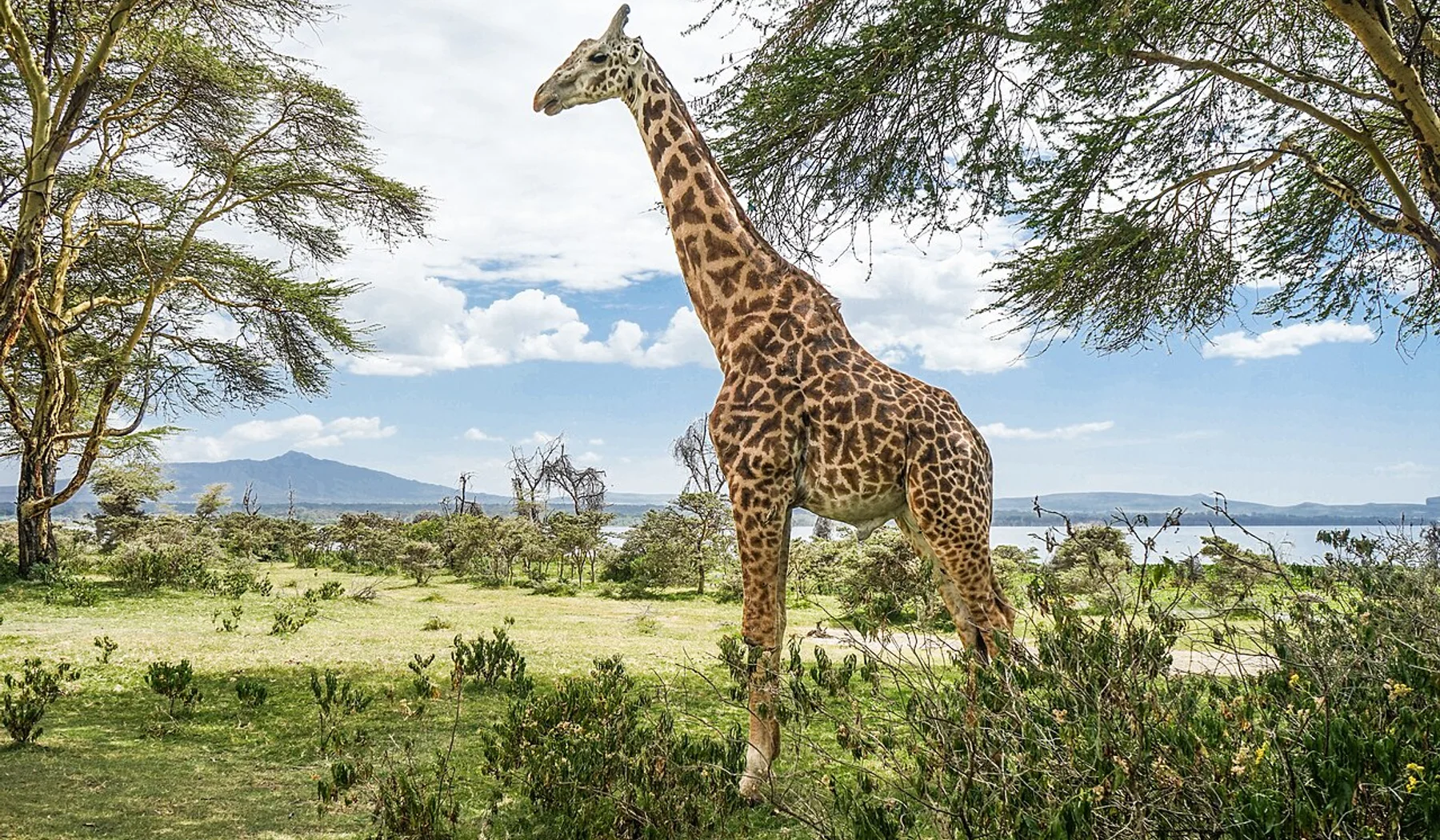
- Giraffes change the scale of the landscape
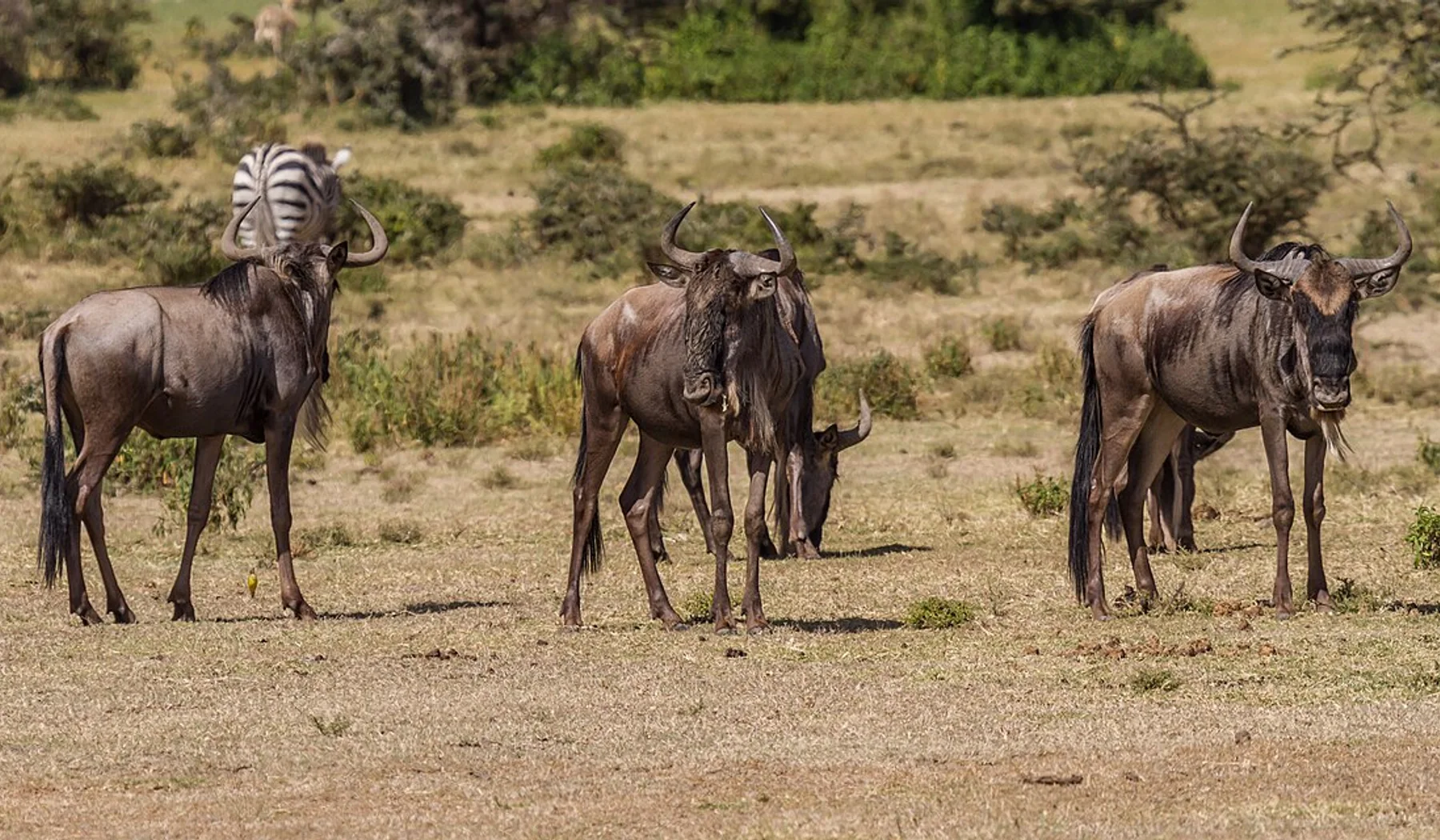
- Wildebeest, zebra and mixed herds reward patience
- Birding can be the richest part of the visit
- The lake is part of the safari, not just the transport
- Hippo safety is not a footnote
- Buffalo and other large herbivores need space
- Children on Crescent Island
- Accessibility and limited mobility
- Best time of year to visit
- What rain changes
- What to wear and carry
- Photography without crowding animals
- What real visitors liked, and what some did not
- Conservation context changes how you see the island
- Crescent Island versus Hell’s Gate
- Crescent Island versus a Lake Naivasha boat safari
- Crescent Island versus Lake Nakuru
- What to combine with Crescent Island
- Where to stay for an easy visit
- A half-day plan that does not feel rushed
- A full Naivasha day
- A Nairobi day trip
- Common planning mistakes
- How to book the experience clearly
- Final verdict
- Frequently asked questions
There is a moment on Crescent Island when Lake Naivasha slips behind the trees and the path opens onto grassland. A giraffe may be feeding ahead, zebra may be moving across the slope, and the only engine you hear is a boat fading towards the shore. That quiet is the point. This is not a miniature Masai Mara and it should not be sold as one. It is a short, gentle walking safari where distance, pace and attention replace the roof of a vehicle.
This Crescent Island walking safari guide explains the visit as it actually works: the boat transfer, the separate entry payment, the paths, the wildlife, the limits, the lake, the safety questions and the nearby experiences that make a Naivasha stop worth the time.
| Quick decision | Practical answer |
|---|---|
| Where is it? | On the eastern side of Lake Naivasha, currently reached by boat |
| What is the main experience? | A guided or self-guided wildlife walk among giraffe, zebra, antelope, wildebeest and birds |
| How long should I allow? | Roughly two to three hours including the boat transfer; longer for birding and photography |
| Is it a Big Five safari? | No. Come for walking, landscape, plains game and birdlife |
| Is a guide compulsory? | The sanctuary says no, but advance booking is wise if you want one guaranteed |
| Can children go? | Yes, with close adult supervision and a pace suited to the youngest walker |
| Can hippos be present? | Yes, especially near water and after dark. Follow staff instructions and finish before evening |
| Best time of day | Morning for cooler walking, softer light and active birds |
| Footwear | Closed walking shoes with grip |
| Current hours and fees | Confirm on the sanctuary's important information and entry fee pages |
What Crescent Island is, and why the name can be confusing
Crescent Island Game Sanctuary occupies part of the rim of an old volcanic formation on the eastern side of Lake Naivasha. Lake levels determine whether it feels and functions as an island or a peninsula. The sanctuary itself describes a place that has alternated between the two. That is more useful than trying to force a permanent label onto a changing lake.
For a visitor, the important fact is simple: the sanctuary currently says access is by boat. Do not plan around an old map, an old driveway description or a tour listing that assumes road access. Ask where your boat will leave from, how long the transfer takes and where it will collect you after the walk.
| Term you may see | What it means for the visit |
|---|---|
| Crescent Island | The familiar tourism name |
| Peninsula | The land may connect when lake levels are lower |
| Game sanctuary | A privately managed wildlife area, not a Kenya Wildlife Service national park |
| Lake Naivasha excursion | Often a boat ride and island walk sold together, although they are separate services |
The distinction matters at payment time. Crescent Island states that it does not operate the boats. The boat operator charges for the transfer, while the sanctuary collects its own entry fee on arrival and issues its own receipt.
Who will love the walk
The walk works best for people who notice small changes: a giraffe choosing leaves, the alarm call of a bird, hoof marks in soft ground, the silhouette of Mount Longonot through haze. It can be particularly rewarding after several days of vehicle-based game drives because your body finally moves and the landscape returns to human scale.
| Traveller | Why it can work | What to arrange |
|---|---|---|
| First safari visitor | An approachable introduction to common East African herbivores | A guide who explains behaviour and safe distance |
| Family | Short duration, open views and frequent animal interest | Private boat, flexible walk and clear child supervision |
| Photographer | Low eye level, uncluttered backgrounds and broad lake views | Early light, time rather than a rushed group circuit |
| Birder | Lake edge, woodland and grassland species in a compact area | Guide with bird knowledge and binoculars |
| Older traveller | Route length can be adjusted | Landing assistance, firm-ground route and rest stops |
| Repeat safari traveller | A change from vehicle viewing | Slow natural-history walk rather than a species chase |
| Nairobi weekend visitor | Fits into a day or overnight Naivasha escape | Road timing that avoids an exhausted late return |
One independent visitor summed up the appeal as being able to “walk among the wildlife”. That is accurate, but it does not mean treating animals as props. You remain a visitor in their space.
Who may prefer a different experience
Crescent Island is not the best answer to every safari question. If your priority is predators, a long species list, remote wilderness or the drama of a full game drive, spend that time in a larger ecosystem. If you are uncomfortable on boats, cannot manage uneven ground or expect guaranteed close encounters, the island may disappoint.
| Your main priority | Better choice |
|---|---|
| Lions, leopards or cheetahs | A major reserve such as the Masai Mara |
| Cycling through cliffs and geothermal scenery | Hell's Gate cycling and hiking |
| A strenuous summit day | Mount Longonot National Park |
| Boat birding and hippo viewing only | A carefully operated Lake Naivasha boat safari |
| A conventional vehicle safari with rhinos | Lake Nakuru National Park |
| A gentle wildlife walk | Crescent Island |
An honest plan can include Crescent Island and still say it is optional. The right question is not whether it is famous. It is whether walking quietly among herbivores adds something your wider route does not already provide.
How the day unfolds
A good visit has four distinct parts: the transfer to the lake, the boat crossing, the island walk and the return. Tour descriptions often compress those into one line, which is how travellers end up with a 35-minute walk when they imagined half a day.
| Stage | Realistic planning allowance | What can change it |
|---|---|---|
| Reach the boat landing | 15 to 45 minutes from a Naivasha hotel | Hotel location, traffic and road condition |
| Safety briefing and boarding | 10 to 20 minutes | Group size and mobility assistance |
| Boat transfer | Varies by landing point | Distance, wind, vegetation and route |
| Island reception and payment | 10 to 20 minutes | Queue, payment method and guide availability |
| Walking safari | 75 to 150 minutes | Pace, route, birds, photography and heat |
| Return crossing | Varies by landing point | Weather and collection timing |
Treat three hours as a comfortable starting block from a nearby landing. Birders, photographers and families who pause often can use more. A rushed schedule changes the character of the visit because the pleasure lies in stopping.
Arrange the boat and island entry separately
The sanctuary's current visitor information is unusually clear on this point. Crescent Island does not operate boats. You pay the operator for the return transfer, then pay the sanctuary entry fee on arrival. Ask the boat operator for a transfer to Crescent Island rather than assuming a generic lake cruise includes admission.
| Before paying a boat operator | Ask this |
|---|---|
| Route | Which landing point will we use on the island? |
| Price basis | Is the amount for the whole boat or per person? |
| Capacity | What is the maximum passenger number for this boat? |
| Duration | Is this a direct transfer or a longer lake safari? |
| Life jackets | Is there a correctly fitting jacket for every adult and child? |
| Waiting | Will the boat remain or return at a fixed time? |
| Island fee | Is it excluded and payable directly at the sanctuary? |
| Weather | What happens if wind or visibility makes crossing unsafe? |
The official directions page says listed transfers are normally priced per boat with a maximum of seven passengers, although individual lodges may structure charges differently. Confirm the live rate with the operator you choose. A low headline price is not useful if it omits the return, a longer departure point or the island entry.
Current opening window and the importance of leaving early
The sanctuary currently lists opening at 8:30 am, last entry at 4:30 pm and closure at 5:45 pm. It also explains why the last boat matters: hippos are not animals to meet on foot after daylight fades.
Do not treat 4:30 pm as a recommended arrival. It is the final entry, not the start of a relaxed walk. A late arrival produces harder light, a shorter route and unnecessary pressure around the return boat.
| Arrival | Likely experience |
|---|---|
| 8:30 to 9:30 am | Coolest walking, soft light and a full choice of route |
| 10:00 am to noon | Good visibility but increasing heat |
| Early afternoon | Quieter in some periods, but brighter light and warmer ground |
| After 3:30 pm | Shorter visit with less margin for delay |
| At last entry | A brief walk only; not the best value or safest pace |
Morning also makes a same-day combination with Hell's Gate easier. Walk first, have lunch, then choose a separate afternoon activity rather than trying to squeeze the island into the final hour of daylight.
2026 entry fees and what the price does not include
The sanctuary's official fee page lists rates valid from 1 January to 31 December 2026. At the time of planning, non-resident adults are listed at USD 33, students at USD 22 and children at USD 16. Kenya-resident adults are KES 1,100 and children KES 550 with proof of ID. Kenyan citizen adults are KES 800 and children KES 400. Children are charged from age 5 through 15.
| Cost line | Usually paid to | Included in island entry? |
|---|---|---|
| Return boat transfer | Boat operator or lodge | No |
| Crescent Island entry | Sanctuary on arrival | Yes, as a separate receipt |
| Sanctuary guide | No fixed extra guide charge is currently stated | A tip is appropriate when service is good |
| Hotel transfer to landing | Driver or itinerary operator | No, unless packaged |
| Food and drink | Café or lodge | No |
| Professional photo or filming fee | Sanctuary | No |
Rates can change with currency or operating conditions, so use the official link rather than a screenshot copied into an itinerary months earlier. The sanctuary says it accepts cash in USD, KES and GBP, M-Pesa and credit cards other than American Express. Carry a second payment option because connectivity can fail.
Should you use a guide?
A guide is not merely someone who points at a giraffe. A good guide reads posture, notices a bird before it flies, chooses a safe arc around buffalo and turns an ordinary antelope sighting into a lesson about habitat and social behaviour.
The sanctuary says guides are available on a first-come basis without an extra fixed charge, with tips welcomed, and that a booking is advisable if you want a guide guaranteed. For a first visit, a family, a birder or anyone uncertain about animal distance, that advance arrangement is worthwhile.
| Walk without a guide | Walk with a guide |
|---|---|
| More private and self-paced | Better species identification |
| Suits experienced naturalists | Better route and safety judgement |
| Easy to miss smaller wildlife | More context about lake and sanctuary changes |
| Requires confident navigation | Easier for families and first-time walkers |
| No interpretation unless researched beforehand | Quality varies, so state your interests at the start |
A recent visitor wrote that they were “so glad we had one”. That short sentence captures the difference between seeing animals and understanding the scene.
The walking routes are flexible, not a single compulsory circuit
Think in terms of habitats and time, not a rigid trail badge. The island rises from lakeshore and wooded sections into more open ground and viewpoints. Water level, vegetation, wildlife position and recent rain can affect the route that makes sense on a particular day.
| Route style | Approximate feel | Best for |
|---|---|---|
| Short introduction | Landing area, nearby open ground and selected sightings | Young children, limited time or reduced stamina |
| Standard nature walk | Mixed grassland, woodland edge and viewpoints | Most first visits |
| Slow photography walk | Short distance with long pauses and careful angles | Photographers and couples |
| Bird-focused walk | Shoreline, trees and quiet observation points | Birders |
| Longer exploratory walk | More elevation and habitat changes | Fit walkers with enough time and water |
Ask the guide what the ground is like before choosing. A shorter route with good interpretation is better than chasing a distant herd in midday heat.
What the walking safari feels like
Vehicle safaris train the eye to scan far ahead. On foot, attention changes. You hear hooves before the animal crosses the path. You notice the distance between an adult and a young animal. You become aware of wind direction, shade and where the lake sits behind the grass.
That intimacy is why some visitors love Crescent Island even after major reserves. One reviewer called the atmosphere “more peaceful than in the large parks”. Another simply said “the boat ride was lovely”. Neither comment promises spectacle. Both describe the softer rhythm that makes the excursion different.
Wildlife you may see
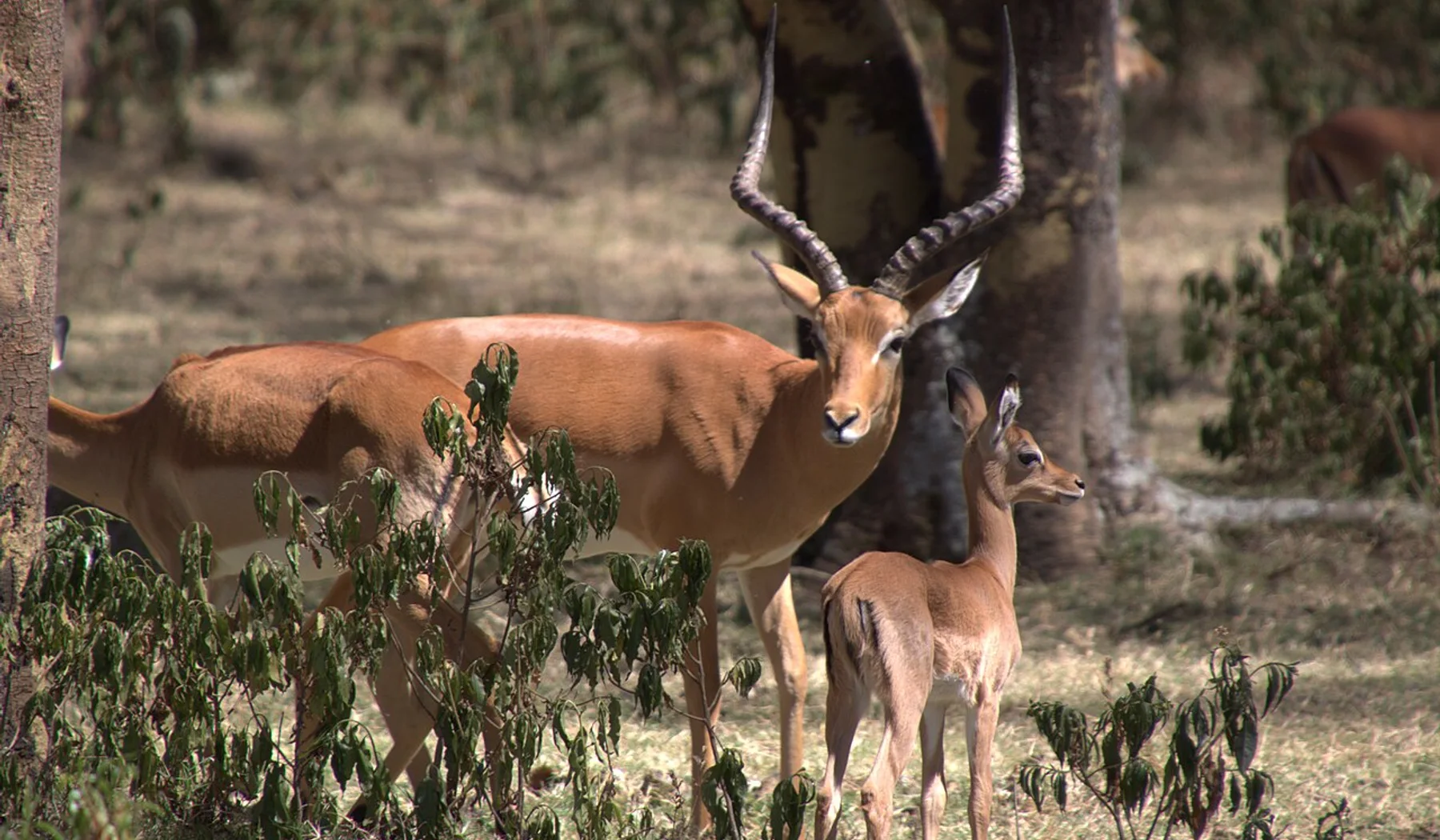
The sanctuary's own biodiversity pages list Masai giraffe, Defassa waterbuck, Thomson's and Grant's gazelles, impala, wildebeest, Burchell's zebra, bushbuck, Kirk's dik-dik, ostrich, vervet monkey, jackal, buffalo, hippopotamus and smaller species. Presence on a list is not a sighting guarantee. Animals move, rest, feed and choose distance.
| Wildlife | Where attention helps | Respectful viewing note |
|---|---|---|
| Giraffe | Woodland edge and open feeding areas | Never walk directly beneath or crowd a path |
| Zebra | Open grassland | Watch herd direction before crossing ahead |
| Wildebeest | Grassland and mixed herds | Give space when animals bunch or become alert |
| Waterbuck | Moist edges and cover | Let them move away without pursuit |
| Impala and gazelles | Open ground and woodland margins | Young animals need extra distance |
| Buffalo | Thick cover or open grazing areas | Follow the guide immediately and never approach |
| Hippo | Water edge, shoreline and after-dark routes | Never place yourself between water and a hippo |
| Ostrich | Open areas | Do not approach closely or attempt feeding |
There are no promises of predators prowling the walking route. That is part of why the experience can operate on foot, but it does not make every animal harmless. Buffalo and hippo demand serious respect, and any large herbivore can react when blocked or crowded.
Giraffes change the scale of the landscape
A giraffe seen from a vehicle is impressive. A giraffe seen while standing on the same ground changes your sense of proportion. The safest and most beautiful encounters happen when the animal controls the distance.
Stop before it stops. If the neck stiffens, the head fixes on you or the animal changes direction, you are already influencing its behaviour. Let the guide choose the viewing line, keep the group together and leave the route open.
Photography is strongest when you include the island rather than filling every frame with the giraffe. Lake water, Mount Longonot, acacia branches and a human-scale path explain where the encounter happened.
Wildebeest, zebra and mixed herds reward patience
Open-ground animals often appear ordinary to travellers who have just left the Mara. Walking reveals details a vehicle can hide: the way zebra position themselves, the soft contact calls, the repeated head lift when a herd checks its surroundings.
Do not walk into the centre of a herd for a photograph. Stay on the edge, lower your voice and wait. If animals keep feeding, your presence is less disruptive. If several heads lift together, pause or retreat.
The sanctuary is a managed and changing environment, not an untouched wilderness. Its conservation page explains that the 2020 lake rise cut animals off from mainland grazing and led to supplementary feeding. That context belongs in the story because it explains both the abundance visitors see and the management responsibility behind it.
Birding can be the richest part of the visit
The island's official biodiversity page reports more than 135 bird species recorded in a January 2026 count conducted with National Museums of Kenya and a sanctuary guide. The wider site also refers to more than 200 species recorded over time. Those figures describe different counting frames, so they should not be treated as contradictory checklists for one morning.
| Habitat | Birds to listen and look for | Useful approach |
|---|---|---|
| Lake edge | African fish eagle, cormorants, pelicans, herons and kingfishers | Scan slowly before walking closer |
| Open grass | Lapwings, larks and ground-feeding species | Use binoculars and avoid flushing birds |
| Acacia woodland | Sunbirds, weavers, barbets and smaller passerines | Stop in shade and listen first |
| Reed and floating vegetation | Waterbirds and concealed species | Observe from firm ground or the boat |
| Air above the island | Raptors, swifts and soaring birds | Check the sky whenever alarm calls begin |
Birders should state their priority when booking. A general wildlife guide and a specialist bird guide may choose different pace, route and start time.
The lake is part of the safari, not just the transport
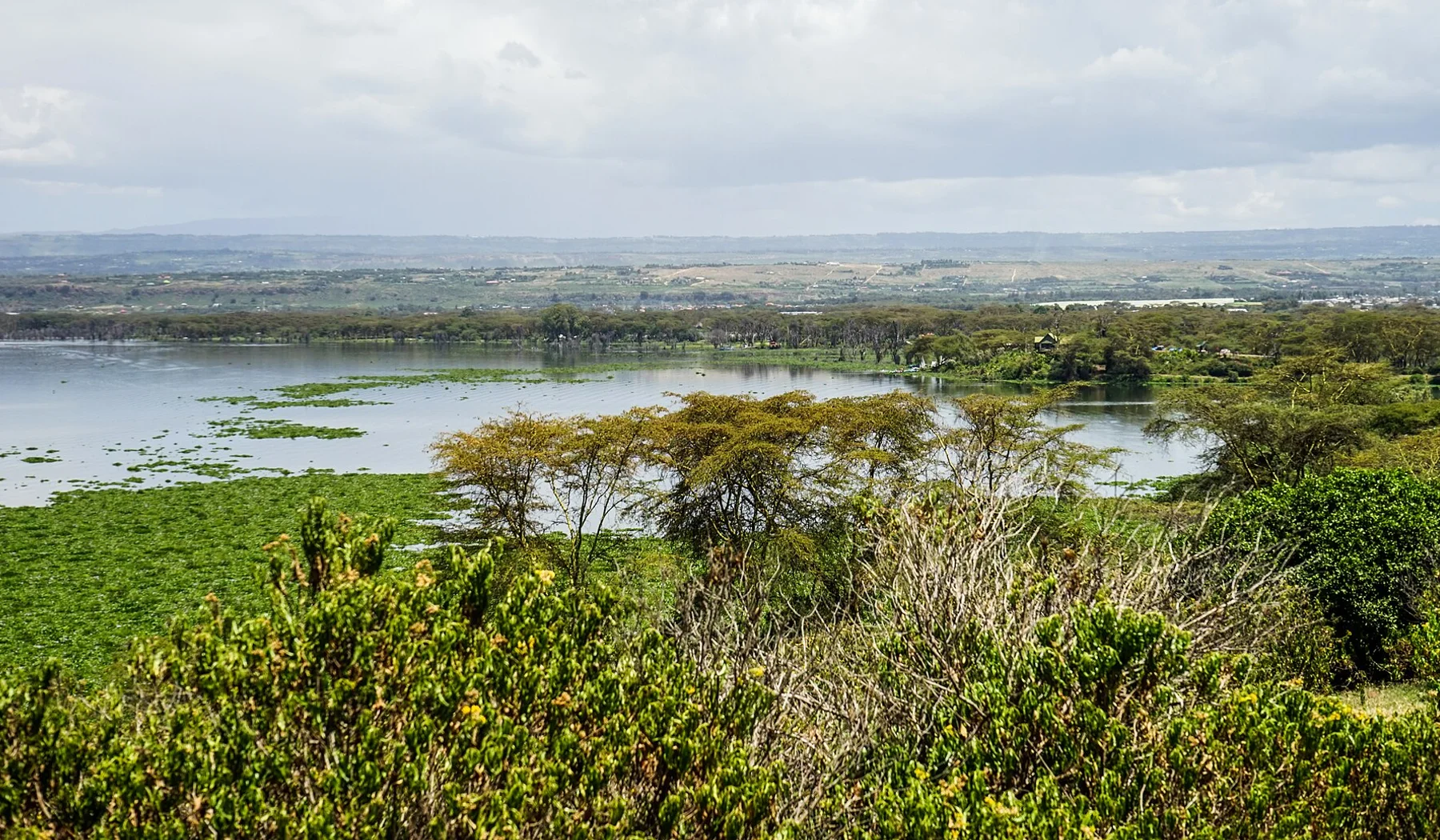
The crossing can add fish eagles, cormorants, pelicans, kingfishers and broad views of the flooded shoreline. It can also reveal how water has redrawn the edge of the island. Submerged and dead trees are not simply dramatic backgrounds. They are evidence of a changing lake system.
The sanctuary reports that Lake Naivasha rose by more than three metres in 2020, isolating grazing animals and drowning trees. Its response has included feeding, grass seeding and tree planting. A good guide can connect what you see from the boat to what you see on foot.
Do not ask a boat operator to force a close hippo encounter. Distance, engine position and an open escape route matter. Read the dedicated Lake Naivasha boat safari and hippo safety guide before combining the two experiences.
Hippo safety is not a footnote
Hippos spend much of the day in water and may graze on land at night. The sanctuary's closing guidance is built around that reality. Never stay beyond the agreed collection time, wander along the shore after dark or place yourself between a hippo and the water.
| Situation | Safer response |
|---|---|
| Guide reports recent hippo activity | Follow the altered route without arguing for a photograph |
| Hippo seen in water | Remain in the boat position chosen by the trained operator |
| Hippo on land | Give a very wide berth and follow staff instructions |
| Animal blocks the path | Stop, retreat and wait for the guide's decision |
| Dusk approaching | End the walk and board the return boat |
| Child runs ahead | Stop the group and bring the child beside the responsible adult |
Wildlife safety depends on behaviour, not a claim that the island has no dangerous animals. The quiet mood should make you more attentive, not casual.
Buffalo and other large herbivores need space
Buffalo can be difficult to see in cover and can react quickly when surprised. Do not walk ahead of the guide through dense vegetation, separate from the group or approach a lone animal. The same principle applies to any animal with young.
| Animal signal | What it may tell you | What to do |
|---|---|---|
| Head raised and fixed attention | The animal is assessing you | Stop and increase distance |
| Group bunches tightly | The herd is alert | Do not advance |
| Animal changes route | You are affecting movement | Open the path and retreat |
| Ears, posture or tail change | Stress may be increasing | Follow the guide immediately |
| Feeding continues calmly | Distance may be acceptable | Stay quiet and do not close the gap |
No photograph is worth making an animal move, splitting a mother from young or forcing staff to intervene.
Children on Crescent Island
For many children, the island becomes the safari story they retell because they walked rather than watched through a window. Success depends on preparation. Explain before landing that this is not a petting zoo, animals are not to be chased or fed, and the guide's instruction overrides the desire for a closer picture.
| Age or need | Planning adjustment |
|---|---|
| Young child | Short route, private pace, snacks after the walk and one adult assigned to supervision |
| Confident school-age walker | Simple wildlife checklist, binoculars and rest in shade |
| Teen photographer | Clear distance rules and time for composed images |
| Sensory sensitivity | Quiet boat time, predictable sequence and option to shorten |
| Mixed-age family | Two pace options if enough adults and guides are available |
Choose morning, carry water, use sun protection and avoid turning the walk into a forced endurance test. The wider Kenya safari with children guide helps place Naivasha inside a family route.
Accessibility and limited mobility
Boat boarding, a moving deck, the jetty, uneven natural ground and limited shade are the key questions. “Walking safari” does not describe one standard surface. Conditions may change after rain or with lake levels.
Before booking, share the actual mobility need rather than asking only whether the island is accessible. Mention steps, balance, walking distance, wheelchair dimensions, transfer assistance and whether the person can board a small boat.
| Question | Why it matters |
|---|---|
| Is the jetty level with the boat? | Boarding height can vary with water level |
| Can staff assist with transfers? | Help must be arranged, not assumed |
| Is there a firm, short route today? | Mud and soft ground can change access |
| Are there toilets near the landing? | Facilities affect the practical visit length |
| Can the group turn back at any point? | A flexible route protects comfort and safety |
| Is a private boat available? | It allows slower boarding and a tailored return |
For wider itinerary design, use the accessible Kenya safaris guide. Crescent Island may work beautifully for some travellers and poorly for others, depending on the boat and ground on the day.
Best time of year to visit
Crescent Island can be visited throughout the year, but the experience changes with rain, grass height, temperature and lake conditions. A dry month does not guarantee a cloudless morning, and a green month does not mean continuous rain.
| Broad period | Likely character | Planning response |
|---|---|---|
| January to February | Often warmer and relatively dry | Start early and carry more water |
| March to May | Greener landscape with a greater chance of rain | Use grippy shoes and protect camera gear |
| June to September | Cooler mornings and often easier walking | Carry a light layer at the start |
| October to December | Short-rain variability and fresh growth | Keep timing flexible and confirm boat conditions |
Bird migration, breeding behaviour, water level and local weather can matter more than a broad season label. For a multi-park route, compare the island with the month-by-month advice in the best time to visit Lake Nakuru guide.
What rain changes
Rain can deepen colour, soften dust and create beautiful reflections. It can also make the landing slippery, turn sections muddy and push a group into a shorter route. A brief shower is not automatically a cancelled visit, but lightning, strong wind or unsafe boat conditions require a different decision.
| Rain question | Sensible plan |
|---|---|
| Light rain forecast | Carry a breathable waterproof and dry bag |
| Heavy rain overnight | Ask about ground and landing conditions |
| Thunderstorm risk | Give the boat operator authority to delay or cancel |
| Camera equipment | Use a sealable dry bag, cloth and lens hood |
| Children | Pack a change of socks and keep the route short |
Do not let a fixed itinerary force an unsafe crossing. A good Naivasha plan has alternatives such as a lodge lunch, a later departure if conditions settle or a land-based activity.
What to wear and carry
You do not need expedition clothing. You do need shoes that protect your feet, layers that handle a cool boat and a warmer walk, and hands free enough to balance when boarding.
| Item | Why it earns space |
|---|---|
| Closed walking shoes | Sand, thorns, mud and uneven ground |
| Light trousers | Sun and vegetation protection |
| Hat and sunscreen | Open grassland can be exposed |
| Light layer | Morning boat air can feel cool |
| Waterproof shell | Sudden Rift Valley showers |
| Refillable water bottle | Heat and walking dehydrate quietly |
| Binoculars | Better birding without approaching wildlife |
| Small dry bag | Boat spray and rain protection |
| Insect repellent | Useful near water and vegetation |
| Personal medication | Keep it on your body, not in a vehicle at the landing |
An independent Kenyan visitor specifically recommended comfortable shoes and warned against open footwear. That remains sensible even on a short route.
Photography without crowding animals
The island lends itself to environmental portraits. A 70 to 200 mm lens is often more useful than pressing closer with a phone. A wider lens can show giraffe, lake, acacia and escarpment in one frame.
| Subject | Better photographic choice |
|---|---|
| Giraffe | Leave space in the direction it is facing |
| Herd | Photograph behaviour and relationships, not only individual heads |
| Bird | Use focal length rather than walking closer |
| Lake view | Include foreground vegetation to create depth |
| Family portrait | Let the guide choose a safe position and keep wildlife distant |
| Phone video | Stand still, avoid backing up blindly and keep the path clear |
Never ask a guide to call, feed or push an animal into position. Avoid geotagging sensitive nesting sites. If another group is already settled near an animal, wait or choose a different angle.
What real visitors liked, and what some did not
Reviews are most useful when they reveal trade-offs rather than provide a score. Recent visitors repeatedly mention the calm, the guide and the contrast with a vehicle safari. One called it “definitely worth a couple of hour visit”. The sanctuary's own guest section describes being able to “freely walk around and enjoy nature”.
Other travellers found the island less compelling after larger reserves, questioned aspects of the managed environment or felt the boat and entry costs reduced the value. Those reactions are valid. Crescent Island is strongest when sold as a quiet walking and birding experience, not as a substitute for a full safari.
| Review theme | What it means for your decision |
|---|---|
| Peaceful and intimate | Go when you want a change of pace |
| Guide added value | Reserve one if natural history matters |
| Short experience | Allow enough time, but do not expect a full-day reserve |
| Separate costs | Compare the complete boat, entry and transfer total |
| Managed sanctuary concerns | Read the conservation context and decide what aligns with your values |
| Easy wildlife photographs | Keep ethical distance even when animals appear habituated |
Individual reviews describe individual days. They help set expectations, but current staff advice and animal behaviour decide the route.
Conservation context changes how you see the island
The sanctuary says the area has been protected for more than 40 years through anti-poaching patrols, de-snaring, monitoring, tree planting, grass seeding, education and rubbish collection. It also describes supplementary feeding after rising water isolated animals from wider grazing.
This creates a more complicated story than “wild animals on a beautiful island.” Visitors should understand that the sanctuary is actively managed and that lake-level change has ecological consequences.
| Visible feature | Deeper context |
|---|---|
| Dead or submerged trees | Lake rise changed the shoreline and vegetation |
| Concentrated grazers | Movement and forage were affected when water cut off land connections |
| New planting | Reforestation is part of habitat rehabilitation |
| Supplementary feed | Management response to restricted grazing and drought |
| Litter collection | Waste arrives from local use and across the lake |
Responsible tourism here includes paying the correct entry fee directly, following paths, refusing wildlife feeding opportunities and asking how conservation claims are measured.
Crescent Island versus Hell’s Gate
These experiences are often bundled because both sit around Naivasha, but they answer different desires.
| Question | Crescent Island | Hell's Gate |
|---|---|---|
| Main activity | Gentle wildlife walk | Cycling, hiking and dramatic geology |
| Wildlife emphasis | Plains game and birds at close but respectful range | Wildlife may be seen, but landscape and movement dominate |
| Physical demand | Low to moderate and adjustable | Moderate, with heat, distance and bike quality important |
| Access | Boat under current conditions | Road through park gates |
| Best time | Early morning | Early morning before heat and wind |
| Family fit | Strong for short, supervised walks | Strong for active older children with suitable bikes |
If you have one full Naivasha day and reasonable fitness, combine a morning island walk with a carefully paced Hell's Gate visit. Read the Hell's Gate National Park guide before deciding whether cycling or driving suits your group.
Crescent Island versus a Lake Naivasha boat safari
They are complementary, not interchangeable. The boat gives access to waterbirds, lake scenery and distant hippo observation. The island gives you footing, time and a walking perspective.
| If you only have time for one | Choose |
|---|---|
| Limited mobility makes natural paths difficult | Boat safari, after checking boarding access |
| Strong fear of small boats | Island only is currently difficult because access is by boat |
| Children need movement | Island walk with a short crossing |
| Birding interest | Combine both if possible |
| Photography of giraffe in landscape | Island walk |
| Hippo and waterbird focus | Boat safari with a responsible operator |
When buying a combined excursion, ask for the minutes allocated to each part. “Boat and island” can mean a rich half day or a hurried transfer with a brief walk.
Crescent Island versus Lake Nakuru
Lake Nakuru is a national park with vehicle game drives, rhinos, varied woodland and a larger safari circuit. Crescent Island is a compact private sanctuary centred on walking. One should not be judged by the other's promise.
| Priority | Crescent Island | Lake Nakuru |
|---|---|---|
| Walk among plains game | Strong fit | Walking is not the standard park experience |
| Rhino viewing | Not the reason to visit | Stronger choice, although sightings remain wild |
| Full game-drive day | No | Yes |
| Boat element | Required for current island access | Not part of the normal park visit |
| Short Naivasha stop | Easy to integrate | Requires its own route and gate time |
| Birding | Intimate lake-edge and woodland walk | Broader park habitats and vehicle coverage |
The planned Lake Nakuru versus Lake Naivasha guide will help decide which lake deserves an overnight when time is tight.
What to combine with Crescent Island
Naivasha becomes rewarding when activities are selected by pace rather than collected like stamps. Choose one active element, one quiet element and enough time to enjoy the lodge or lake.
Start with the Lake Naivasha guide if you are deciding how the lake, town, southern shore and nearby parks fit together.
| Combination | Who it suits | Watch-out |
|---|---|---|
| Island walk plus boat birding | First visitors and families | Confirm what is transfer versus safari time |
| Island walk plus Hell's Gate | Active travellers | Heat and an overlong day |
| Island walk plus lakeside lunch | Couples, families and older travellers | Reserve lunch if travelling in a busy period |
| Island walk plus Mount Longonot next morning | Hikers | Do not put both physical activities into one hot afternoon |
| Island walk plus Lake Nakuru next day | Wildlife-focused circuit | Protect drive and gate time |
| Island walk plus relaxed lodge stay | Honeymooners and slow travellers | Choose a property by lake access and atmosphere |
Explore the broader things to do at Lake Naivasha before choosing. More activities do not automatically make a better day.
Where to stay for an easy visit
Hotel location changes the boat plan. A property with its own jetty may offer a longer or more expensive crossing than a public landing closer to the island, while a town hotel may require a road transfer before the boat.
| Base style | Advantage | Question to ask |
|---|---|---|
| Lakeside lodge with jetty | Simple boarding and a seamless morning | What is the crossing time and full price? |
| South Lake Road camp or lodge | Easy access to several activities | Which landing is used for Crescent Island? |
| Naivasha town hotel | Often practical for road travel | How long is the transfer to a safe landing? |
| Private cottage | Space and privacy | Who arranges boat, guide and return timing? |
| Nairobi day trip | No overnight cost | Is six or more hours of driving worth a short walk? |
Use the planned where to stay at Lake Naivasha guide to compare location, lake access, grounds, family layout and onward route rather than choosing by room photograph alone.
A half-day plan that does not feel rushed
| Time | Plan |
|---|---|
| 7:30 am | Breakfast and transfer from a nearby lodge |
| 8:15 am | Life-jacket check, boat briefing and boarding |
| 8:30 am | Cross towards Crescent Island, pausing only where wildlife distance is safe |
| 9:00 am | Pay island entry and meet the guide |
| 9:15 to 11:15 am | Flexible wildlife and bird walk |
| 11:15 am | Water, café stop if desired and return boarding |
| Noon | Reach the landing and continue to lunch |
Times depend on departure point and conditions. The value of this model is the margin. It gives the guide room to slow down without stealing from the return crossing.
A full Naivasha day
| Time | Experience | Why this order works |
|---|---|---|
| Early morning | Crescent Island walk | Cooler air and softer light |
| Late morning | Return boat and brunch or early lunch | Rest after walking |
| Early afternoon | Lodge time or short transfer | Avoid the harshest heat |
| Mid afternoon | Hell's Gate viewpoint drive, gentle cycle or another selected activity | One active block, not a frantic list |
| Sunset | Return to accommodation | No walking near the lake after dark |
If cycling is central, read the Hell's Gate cycling and hiking guide and move that activity to early morning on a second day.
A Nairobi day trip
It is possible, but the road can dominate the memory. Leave early, keep the island as the main event and avoid committing to a late Nairobi appointment.
| Decision | Better plan |
|---|---|
| Departure | Before city traffic builds |
| Activities | Crescent Island plus lunch, or one additional short stop |
| Driver hours | Agree rest and realistic return time |
| Children | Add breaks and avoid an overfilled afternoon |
| Rain | Keep one land-based alternative |
| Return | Allow for road delays and darkness |
The Nairobi to Lake Naivasha guide covers route choices and timing in more detail. An overnight is often the better holiday even when a day trip is technically possible.
Common planning mistakes
| Mistake | Why it hurts the visit | Better choice |
|---|---|---|
| Paying one vague combined price | You cannot see boat, entry and guide terms | Request an itemised total |
| Arriving near last entry | The walk becomes rushed | Book morning or early afternoon |
| Wearing sandals | Thorns, sand, mud and uneven ground | Closed shoes with grip |
| Promising children they can touch animals | Creates unsafe expectations | Explain respectful distance beforehand |
| Treating a guide as optional information | Misses behaviour, birds and context | Reserve one if interpretation matters |
| Walking towards a herd for a selfie | Disturbs animals and narrows escape paths | Stop and use focal length |
| Scheduling Hell's Gate, Longonot and the island in one day | Turns Naivasha into an endurance test | Choose one major and one gentle activity |
| Ignoring the return boat time | Creates dusk and hippo risk | Agree collection before walking |
How to book the experience clearly
Send one message that states the date, adult and child numbers, hotel, preferred landing, desired boat duration, walking interests, mobility needs and whether a guide must be guaranteed. Then ask for the transfer and island fees as separate lines.
| Booking line | Example detail to provide |
|---|---|
| Party | Two adults and one child aged nine |
| Base | Exact Naivasha hotel or Nairobi pickup point |
| Date and start | Preferred morning and acceptable alternative |
| Boat | Direct return transfer or longer birding safari |
| Walk | Standard, short, birding or photography pace |
| Guide | Required and booked in advance |
| Mobility | Boarding help, walking limit or other need |
| Payment | Currency and method available |
| Next activity | Lunch, Hell's Gate, transfer or rest |
Final verdict
Crescent Island is worth the stop when you want the safari to become quieter and more physical. Its pleasure is not a checklist of rare animals. It is the rhythm of walking, the height of a giraffe from ground level, the lake appearing through acacias and a guide noticing the bird you would have passed.
Use this Crescent Island walking safari guide as a decision tool, then confirm the live access, weather and collection time for the day you will actually visit.
Allow enough time, keep the boat and entry arrangements clear, take wildlife safety seriously and arrive without asking the island to imitate a major reserve. In the right itinerary, the walk becomes the gentle hinge between Nairobi roads, Rift Valley landscapes and the longer game drives ahead.
Frequently asked questions
Is Crescent Island really an island?
It has alternated between island and peninsula as Lake Naivasha levels change. The sanctuary currently states that visitor access is by boat.
How long is the Crescent Island walking safari?
Allow about 75 to 150 minutes for the walk and roughly two to three hours for the complete excursion from a nearby landing. Birding and photography can take longer.
Do I need a guide on Crescent Island?
The sanctuary says a guide is not compulsory. Guides are available on a first-come basis, and advance booking is advisable if you want one guaranteed.
How much is Crescent Island entry?
The official 2026 fee page lists non-resident adults at USD 33, students at USD 22 and children at USD 16, with separate resident and citizen rates. Confirm the live fee before travel.
Is the boat included in the entry fee?
No. Crescent Island does not operate the boats. Pay the operator for the transfer and the sanctuary for entry on arrival.
Is Crescent Island safe for children?
It can be a rewarding family walk when children remain beside responsible adults, follow the guide and understand that wildlife must not be chased, fed or touched.
Are there hippos on Crescent Island?
Hippos use Lake Naivasha and may come onto land, particularly towards night. Follow staff routes, never block a path to water and leave before closing.
What animals can I see?
Possible sightings include giraffe, zebra, wildebeest, waterbuck, impala, gazelles, ostrich, monkeys and many birds. No individual species is guaranteed.
What shoes should I wear?
Wear closed walking shoes with grip. Open sandals offer poor protection from thorns, sand, mud and uneven ground.
Can I combine Crescent Island and Hell’s Gate in one day?
Yes. Start Crescent Island early, rest over lunch and keep the Hell's Gate activity realistic for the group's fitness, heat and daylight.
Sources and further reading
Plan your Crescent Island visit
Share your date, travellers, hotel, boat preference, walking pace, wildlife or birding interests, mobility needs, next activity and budget basis. We will arrange a clear, realistic Naivasha day.