
Emboo River Camp: Electric Game Drives in the Masai Mara
Emboo sits on a wooded bend of the Talek River inside the Masai Mara National Reserve. Its eleven tents, solar-powered electric safari fleet and river-facing pool create a different kind of camp day. The strongest reason to stay is not a green slogan. It is the way the quiet vehicle, thoughtful food and river setting feel in practice.
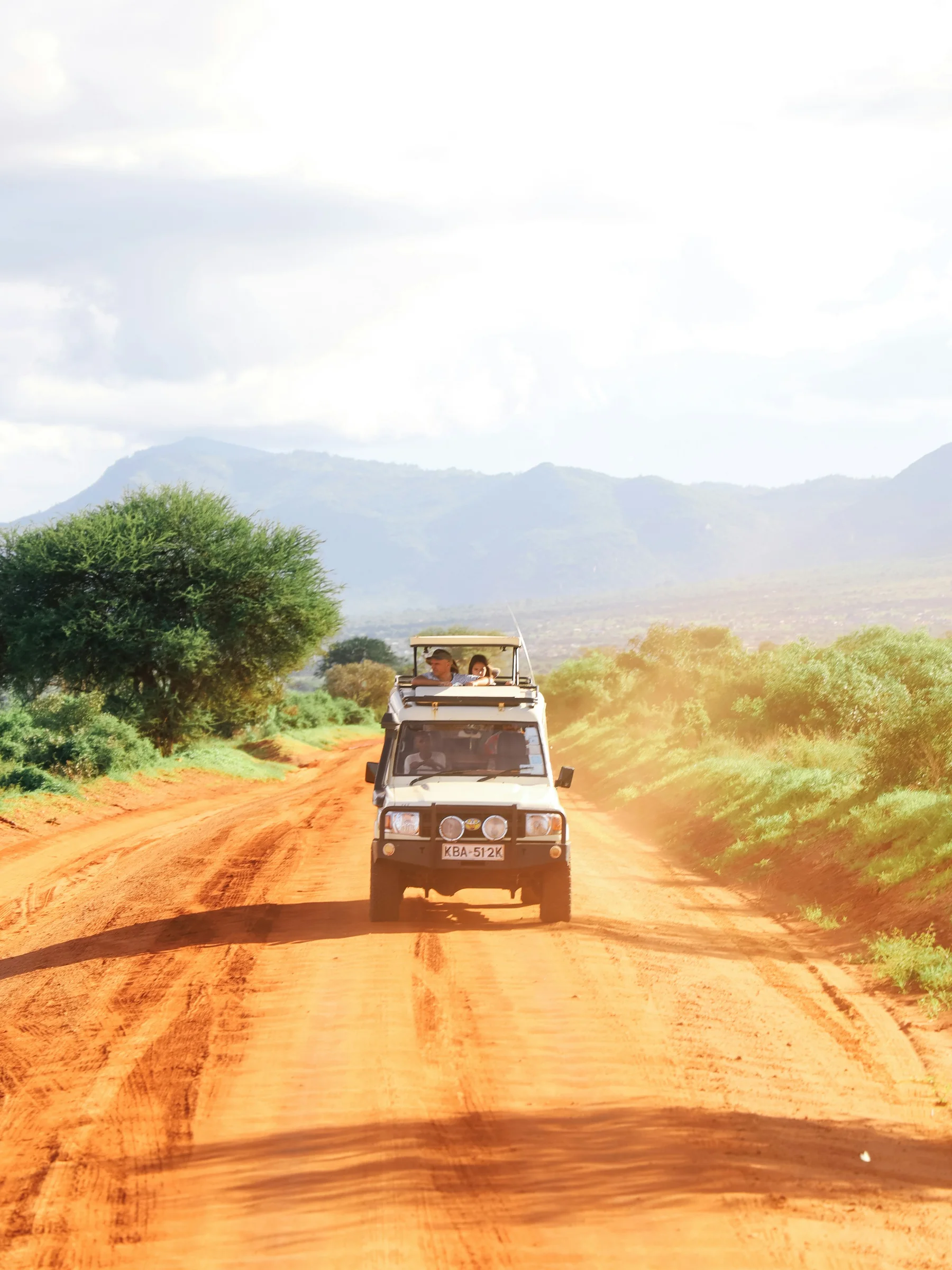
The vehicle rolls to a stop and you hear the birds before anyone speaks. That quiet is the detail travellers remember about Emboo. The camp has worked with electric safari vehicles since its early years, and the fleet is charged by the camp’s solar system. It does not make the Mara silent, of course. Other vehicles, wind, birds and wildlife are still there. It changes one part of the soundscape and lets you pay attention differently.
Emboo is on a forested bend of the Talek River inside the Masai Mara National Reserve, not in a private conservancy. Its current Asilia property page lists eleven tents, including one family suite, and Ol Kiombo as the nearest airstrip. Those are more reliable planning details than older third-party room counts. You still need the park fee and a sensible route. The electric vehicle is part of the camp’s identity, not a reason to neglect where the camp sits in the reserve.
A river camp, not a guaranteed river crossing
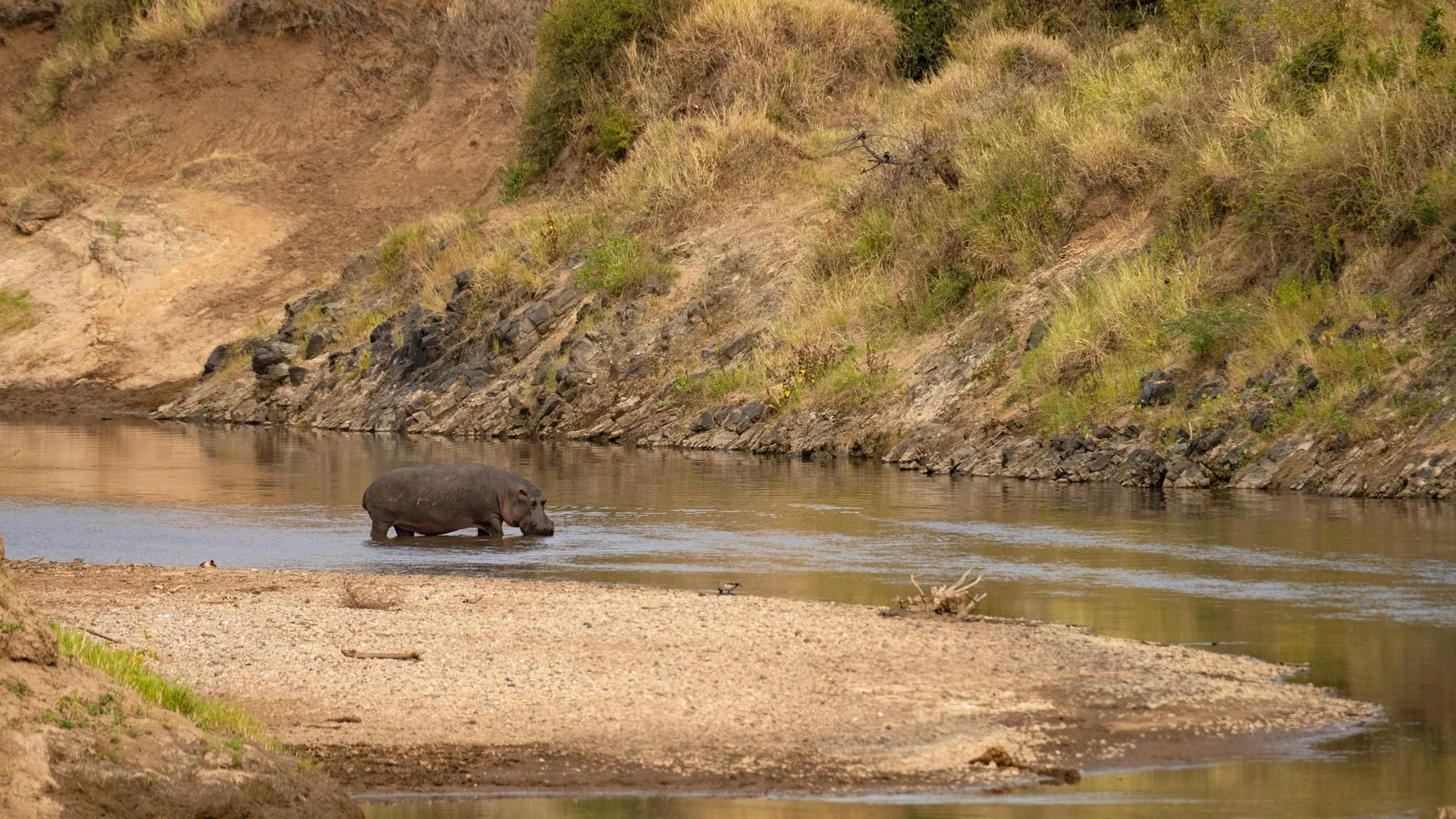
The Talek River curves through wooded country here. River suites face the water and the pool sits above it, so time in camp can include hippos, birds and other wildlife without a drive. The grounds are unfenced. Wildlife can move nearby, which is wonderful to watch and a reason to follow staff guidance after dark. The river is a living place, not a controlled attraction; sightings from a deck vary by day and season.
The words “river camp” are easy to misread during migration research. The Talek River and Mara River have crossing areas elsewhere in the ecosystem, but a room over the Talek does not mean wildebeest will cross below it. Asilia describes access to both Talek and Mara river circuits during migration season. An excursion still needs time, a guide and a willingness to return without a crossing. Our crossings guide explains why the famous moment cannot be reserved like a balloon seat.
Inside-reserve accommodation can simplify some national-reserve game drives compared with a base outside the gates. It does not grant the different walking or night-driving rights associated with certain conservancies. Emboo lists a nature walk around camp, not a free-ranging after-dark walk in the reserve. For a guest whose dream is a guided long walk or late-night game drive, compare a conservancy stay rather than assuming every “Mara” property operates by the same rules. The Masai Mara guide and lodging guide put these locations together.
| Priority | How Emboo fits | Limit to understand |
|---|---|---|
| Reserve game drives | Camp is within the national reserve, near Ol Kiombo and Talek-side circuits. | Park rules, animal movement and other vehicles still shape the day. |
| Quiet vehicle | Solar-charged electric fleet changes the noise of a drive. | A quiet engine does not guarantee a closer or rarer sighting. |
| River outlook | Suites and pool face the Talek River. | Wildlife visits are not scheduled; a crossing below camp is not promised. |
| Night drive or long walk | A nature walk around camp is listed. | Do not assume conservancy-style night drives or open-country walks in the reserve. |

Why some pages call it Emboo by Asilia
Emboo began as an owner-run camp and joined the Asilia portfolio through a long-term partnership moving into 2026. Asilia’s announcement explains the relationship. You may therefore see Emboo River, Emboo Camp and Emboo by Asilia in reviews and booking pages. They refer to the same Talek-side property, though rates and descriptions from its independent period may no longer match the current Asilia offer.
That timing matters because web articles often repeat an older eight-tent number. The current Asilia page says eleven tents including one family suite. A room count is not the most romantic fact on a safari page, but a wrong one can send a family to the wrong category or make the camp look smaller than it is. Look at the current suite configuration before comparing prices or photographs. An older review may still describe the river and vehicle feeling well, while being less reliable for today’s room inventory.
The River Suite and the one family configuration
Asilia describes king, twin and family layouts with private decks over the Talek, en-suite bathrooms and plumbed showers with solar-heated water. The family suite is one of the eleven tents, not a separate lodge or a promise that every suite links together. The camp welcomes children from age five. That threshold is worth noticing before telling a young family that any luxury Mara camp will accommodate them.
A river-facing deck is a reason to leave time in the day. You may watch the water and trees without reaching for a camera. The tents are spacious but still tented rooms; sound can travel from the bush, and the staff may escort guests after dark on unfenced grounds. If someone wants solid walls and silence at bedtime, this is not a hotel simulation. If being able to hear lions in the distance makes a trip feel real, the same feature becomes a highlight.
Asilia also lists a swimming pool above the river, a bush spa, limited Wi-Fi, laundry and an 800-metre running track. The track is an unusual detail for a safari camp and can make an afternoon appealing to an active guest, but follow the camp’s guidance about when and where movement is safe. A family may value the pool and supervised in-camp activities as much as another drive. Ask what is included for children and how a shared vehicle day fits their age and attention span.
| Guest need | Emboo option | Check before booking |
|---|---|---|
| Couple | King or twin River Suite with private deck. | Bed setup, suite position and whether a particular view matters. |
| Family | One family suite; children aged five or older. | Actual bed layout, child ages and vehicle arrangements. |
| Active traveller | Pool and camp running track between drives. | Safe track use and the daily rhythm of shared drives. |
| Work-connected guest | Some Wi-Fi is listed. | It is limited, so do not rely on it for uninterrupted calls. |
Does an electric game vehicle change the wildlife experience?
It changes the sound, not the animals’ freedom. Emboo runs a fully electric fleet of safari Land Rovers and Land Cruisers charged by its solar array, according to Asilia. The camp says its power runs day and night on solar generation and batteries. Associated Press reported on the fleet and its wider role in East African safari electrification. These are specific, testable practices, not a reason to claim that a long-haul safari has no carbon footprint.
In practice, you may hear a bird call when the vehicle pauses rather than a motor ticking over. Guests describe a calmer approach to sightings. A respectful driver still needs to hold distance, avoid blocking an animal’s path and obey the reserve’s driving rules. Silence should not become permission to creep closer to a den or chase a cat. Our wildlife-viewing guide explains the difference between a good position and an intrusive one.
The electric vehicle also means the day’s plan must fit charging and vehicle allocation, even if the guest rarely notices the work behind it. Ask whether game drives are shared or private and whether a dedicated vehicle is available for your dates. A private vehicle may be valuable for photography or young children, but buying one does not change a river crossing’s odds. The guide’s judgement still matters far more than the powertrain.
Food from the garden and a quieter afternoon
Emboo grows produce in vertical hydroponic gardens and describes farm-to-fork meals. The operator also describes a biogas system and water-treatment approach in its account of its environmental systems. Those details make the meal story more concrete than a vague “eco-luxury” label. They do not mean every ingredient is grown on site or that a guest should expect no waste at all.
The river-facing pool and dining areas are where the camp earns a full afternoon. Watch the light change, swim if conditions suit, and enjoy the absence of a transfer. If you are arriving from a hectic multi-park itinerary, three nights can feel more satisfying than one or two. It lets you spend a real day in the reserve and still return for a meal without turning every hour into a drive. A honeymoon couple may appreciate the thoughtful service; a family may find the pool and child activities essential to keeping everyone happy.
Emboo’s environmental choices deserve credit without making extravagant claims about “zero impact.” Flights, materials, supply chains and visitors all have costs. The interesting question is what the camp has actually changed: electricity generation, vehicle fuel, food-growing and waste handling. You can ask to see those systems, and then judge the hospitality on its own merits.
What guests remember, beyond the solar panels
On Tripadvisor, a guest called Kelmadar said the family could hear all the animals at night
and remembered breakfast watching hippos by the river. That account also praised a guide and meals adapted for a vegan daughter. The details speak to the camp’s real rhythm. They do not imply that every group will see the same animals on its first drive.
Another guest, Claudia P, wrote we went to three camps, and this one was our favorite
, praising the tents, food and service. These are genuine individual opinions, not a substitute for checking whether the property fits your route. Tripadvisor notes that Emboo encourages and collects some reviews through its own review partner. That does not make the accounts false, but it is worth reading across more than one source. The independent East African Traveller review calls its style “barefoot luxury” and explains the relaxed feel rather than simply counting amenities.
Not every experience is flawless. A July 2026 guest account on Trip.com complained that one guide seemed disengaged and made little effort to locate wildlife. That is one reported drive, not a fair verdict on every guide, and wildlife is never guaranteed. It is still a useful reminder to speak up early if the guiding pace does not match what you expected. In a small camp, the quality of a guide relationship can define the trip more than the tent’s furniture.
What the Emboo rate includes, and what it does not
Asilia’s current property page describes a rate that includes full-board accommodation, house drinks other than champagne, shared game drives, a nature walk around camp, limited laundry and transfers to and from Ol Kiombo airstrip. It excludes Masai Mara park fees, an Asilia conservation charge, ballooning, flights, gratuities, certain transfers and other personal extras. This is an important distinction: the room rate can sound complete because drives and meals are included, yet the park and conservation charges still change the total.
The site also publishes seasonal per-person rates that change by date. A static “from” figure in an evergreen guide would age badly and can mislead a family whose suite, child ages and park fees differ. The meaningful comparison includes the exact nights, guest ages, shared or private vehicle, park entry, conservation charge, transfer and any balloon morning. Our Mara safari cost guide is a useful companion when comparing Emboo with a conservancy camp whose fee structure is different.
| Cost line | Current treatment | What it means for you |
|---|---|---|
| Room, meals and house drinks | Included with the published stay basis, with exceptions. | Confirm suite type and beverage details. |
| Scheduled shared game drives | Included. | Ask about vehicle capacity and private-use upgrade. |
| Ol Kiombo airstrip transfer | Included for the nearest designated strip. | Another landing point may need separate planning. |
| Masai Mara park fees | Excluded. | Apply to the correct guest categories and dates. |
| Asilia conservation charge | Excluded. | Show it separately for the whole party. |
| Balloon, flight and other extras | Separate. | Choose them deliberately, not by default. |
Ol Kiombo and the first river afternoon
Asilia lists Ol Kiombo Airstrip at roughly twenty minutes’ drive from camp. Safari flights normally depart Nairobi’s Wilson Airport, which is separate from Jomo Kenyatta International. If your international flight arrives that day, allow for immigration, luggage and the cross-city transfer before choosing a Wilson departure. Soft-bag limits on small aircraft may be tighter than the allowance on your long-haul ticket; see our safari flight baggage guide.
Road arrival can be useful on a circuit with Lake Nakuru or Naivasha, but the last section and reserve entry take time. Arriving before dusk is worth more than trying to squeeze in one extra stop. You can meet the team, see the river and begin the next morning rested. Our fly-in versus drive-in guide helps compare that whole travel day rather than a flight’s air time alone.

Who will be happiest at Emboo?
Choose Emboo if you want an inside-reserve base with a river setting, genuinely quieter electric drives, warm small-camp hospitality and enough downtime to enjoy the food and pool. It can work for a couple, a honeymoon or a family with children who meet the age rule. It especially suits a traveller who wants the sustainability claims to be linked to visible operations rather than decorative language.
Compare elsewhere if you require a conservancy night drive, a long wilderness walk, strong always-on connectivity, or a guarantee of a migration crossing from your veranda. The right Mara safari might combine Emboo with a conservancy camp so the second stop adds different activities instead of another version of the same reserve day.
Emboo River Camp questions
Is Emboo River Camp inside the Masai Mara National Reserve?
Yes. The camp stands on a forested bend of the Talek River within the Masai Mara National Reserve, rather than in a private conservancy.
Is Emboo River Camp now part of Asilia?
Emboo joined Asilia Africa through a long-term partnership moving into 2026. The present Asilia property page is the right source for current rooms and inclusions.
How many tents does Emboo have?
Asilia lists eleven tents in total, including one family suite. Older websites may still carry a smaller room count.
Are Emboo safari vehicles electric?
Yes. The camp runs a fully electric fleet of safari vehicles charged by its solar system. A quiet drive still depends on responsible guiding and wildlife conditions.
What age can children stay from?
Asilia states that families are welcome with children aged five and older. Ask how the family suite and shared vehicle are configured for your party.
Can I see a Great Migration crossing from my tent?
No crossing should be promised from the room. Emboo is beside the Talek River, but a crossing excursion depends on herd movement and the route for the day.
Does Emboo offer a night drive?
Emboo is inside the national reserve. Its current inclusions list game drives and a nature walk around camp, not a conservancy-style night drive.
Which airstrip is closest?
Ol Kiombo is the nearest airstrip, about twenty minutes from the camp according to Asilia. Confirm the actual landing strip on your flight.
Are park fees included in the room rate?
No. Asilia lists Masai Mara park fees and its conservation charge separately, along with flights and other extras.
Is there a swimming pool and Wi-Fi?
Yes. The property lists a pool overlooking the river and limited Wi-Fi. Do not rely on uninterrupted connectivity for work calls.
Plan the wider Mara
Plan Emboo River Camp
Tell us who is travelling and what you hope to see. We can combine Emboo with the right reserve or conservancy route and show all applicable fees.