
Basecamp Masai Mara: Riverside Tents, Reserve Access and an Honest Guide
Morning begins with birds in the riverine trees and the soft scrape of a zip opening. Across the water, zebra are already moving through the grass. A few minutes later, boots cross the suspension bridge and the safari day has begun.

Basecamp Masai Mara is a 17-tent riverside camp on the Talek River, directly beside the Masai Mara National Reserve. Its strongest qualities are the immediate reserve access, the view from each private deck and a community and conservation programme that visitors can actually see rather than read about only in a brochure.
- Who Basecamp Masai Mara suits best
- Talek River location and reserve access
- River-view, honeymoon and family tents
- What a Basecamp safari day feels like
- Game drives, vehicles and guide quality
- Dining, picnics and dietary needs
- Enjoolata, Basecamp Maasai Brand and conservation
- Accessibility, children and camp safety
- Flying or driving to Basecamp Masai Mara
- How to compare the Basecamp price
- What travellers really say about Basecamp
- The Basecamp booking brief
- Traveller opinions
- FAQs
Who Basecamp Masai Mara suits best
Basecamp works beautifully for first-time Mara visitors who want real canvas, a river outside the tent and quick access to reserve game drives without paying for the most rarefied end of the luxury market. The atmosphere is comfortable rather than theatrical. Morning coffee, a bridge crossing and a well-led drive are the luxuries that carry the day. Couples, families and solo travellers can all fit, provided the exact tent and vehicle arrangement match the group.
Compare elsewhere if the dream is a tiny camp in a private conservancy with routine walks, night drives and very low vehicle density. Basecamp sits by Talek, one of the Mara’s busiest gateway settlements. That brings convenient access and a visible community connection, but not the feeling of being many kilometres from every other light.
| Strong fit | Compare another base |
|---|---|
| First Mara safari | Remote conservancy seclusion |
| Families needing a true family tent | Guest wanting a sealed lodge room |
| Travellers interested in community work | Night-drive priority |
| Value-conscious comfort seekers | Ultra-luxury villa experience |
| Reserve wildlife focus | Traveller avoiding gateway areas |
Talek River location and reserve access
The camp occupies a green peninsula along the Talek River, looking into reserve country. The suspension bridge is more than a photogenic detail. It is the daily handover between camp life and the game-drive network. This position can shorten the dead time before wildlife viewing in eastern and central sectors, especially when the guide leaves early and avoids the busiest gate rhythm.
The Mara is enormous, and no eastern base is beside every migration crossing or western viewpoint. A river-focused day can mean longer driving according to herd movement and road conditions. Ask where the guide expects to spend time during your month, then decide whether one base is enough or whether a second camp adds useful contrast rather than another packing day.
River-view, honeymoon and family tents
Each river-view tent has an en-suite bathroom, solar-heated shower and private terrace. The honeymoon tent receives a prime outlook, while two family tents use separate sleeping wings and a larger balcony. Those broad labels still leave practical questions: bed type, walking distance, shade, view, steps and proximity to the bridge or dining area. Put the important one in writing.
Canvas carries sound and temperature. Birds, monkeys, rain, staff paths and neighbouring tents are part of the stay. Nights can be cool enough for the hot-water bottle praised in reviews, while afternoons may feel warm without air conditioning. A traveller who expects a climate-controlled hotel room may judge the same tent very differently from someone who came to hear the river.
What a Basecamp safari day feels like
A wake-up drink arrives while the river is still grey. Guests cross the bridge, meet the vehicle and follow tracks into the reserve. Some mornings return for breakfast. Others continue with a picnic when wildlife or distance rewards staying out. Midday belongs to the deck, lunch, the Enjoolata Centre or a conversation with the Basecamp Maasai Brand team before the afternoon drive.
The schedule should follow the traveller, not habit. A family may choose shorter drives and a private vehicle. A photographer may stay out through changing light. Four nights make room for a slower community or conservation experience without sacrificing wildlife. Two nights force every interest into one full day and can turn a good location into a timetable.
Game drives, vehicles and guide quality
The best Basecamp reviews often name a guide because judgment shapes the safari more than upholstery. A guide decides when to wait, when to leave a crowd, how to position without blocking an animal and how to explain the landscape between headline sightings. Ask whether drives are shared or private and how many guests use each row.
Reserve drives follow reserve rules. Off-road permissions, night activity and walking differ from private conservancy arrangements. If those activities matter, combine Basecamp with an eligible conservancy rather than assuming the boundary disappears after dark. A private vehicle is especially valuable for photographers, families and anyone who prefers one long drive over two fixed departures.
| Choice | What it changes | Best for |
|---|---|---|
| Shared drives | Lower cost, fixed group rhythm | Flexible first-time visitors |
| Private vehicle | Control of pace and stops | Families and photographers |
| Full-day drive | Reach and patience | Migration or distant sector |
| Two shorter drives | Rest at camp | Balanced first safari |

Dining, picnics and dietary needs
Meals are part of the camp rhythm rather than a separate resort attraction. The strongest days mix one meal in camp with one well-packed picnic when the wildlife plan calls for it. Reviews praise vegetarian choice and personal attention, useful evidence for travellers who worry that remote safari food will feel repetitive.
Send allergies and medical diets before arrival and repeat them to the host. Ask which drinks, premium labels, special dinners and packed meals sit inside the rate. A family should confirm children’s meal times. A honeymoon couple may prefer one private dinner and two empty evenings to a programme of constant staged surprises.
Enjoolata, Basecamp Maasai Brand and conservation
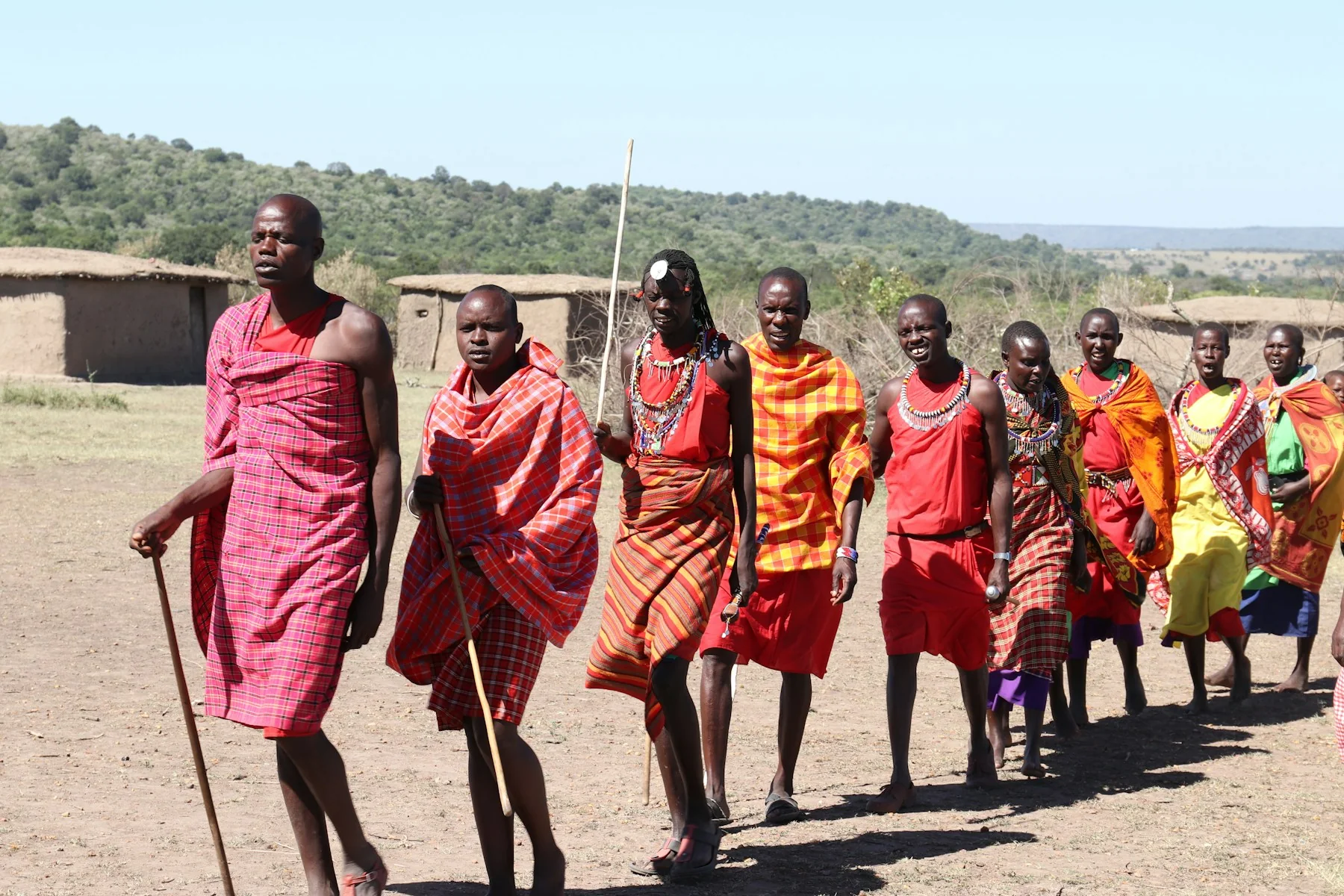
The Enjoolata Centre interprets Maasai culture and Mara wildlife, while Basecamp Maasai Brand connects visitors with a community-based craft workshop. These experiences are more useful when there is time to listen and ask questions. They should not be squeezed between checkout and a flight as a decorative cultural item.
Ask who hosts the visit, how long it lasts, whether photography is invited and how purchases or contributions are handled. The tree-planting programme also appears often in guest stories. Participation can be meaningful, but it is not a substitute for understanding land, livelihoods and the people whose choices help keep the wider ecosystem connected.
Accessibility, children and camp safety
Basecamp publicly identifies wheelchair-accessible tents 14A, 14B and 10, plus low-stair options and accessible common areas. That is unusually useful information, but the booking still needs measurements and a conversation about transfers, bathroom equipment, bridge use, vehicle entry and emergency support. Accessibility is a route, not a room label.
Families should discuss the river, unfenced setting, balcony, night escorts and whether young children sleep in the same wing as an adult. Staff instructions after dark are part of staying safely in wildlife country. Secure food, close tents as directed and never treat an animal near the path as a photograph worth ignoring an escort.
Flying or driving to Basecamp Masai Mara
A bush flight from Wilson Airport protects time but comes with soft-bag limits, possible intermediate stops and a ground transfer from the nominated airstrip. The confirmation should name every airport, airstrip and driver. An international arrival at JKIA still needs a road transfer across Nairobi or a night in the city.
Driving works well in a private Kenya circuit because the same guide and vehicle can continue from Nairobi, Naivasha or another park. The final road can be rough, and rain changes timings. Compare hotel door to tent, not only the advertised flight duration against a map estimate. Children, older guests and anyone prone to motion sickness need the real transfer story.
How to compare the Basecamp price
Season, tent category, occupancy, child ages, vehicle basis, park fees, transport and drinks shape the complete cost. The official page may show an accommodation starting point, but the useful number is the whole itinerary for the exact dates. A family tent with a private vehicle is not comparable with two adults on shared drives.
Read cancellation terms and fee-change clauses before paying. Confirm meals, drinks, laundry, game drives, airstrip transfers, cultural activities, conservation contributions and taxes. If one quote looks dramatically cheaper, find the missing line calmly. Value comes from the right tent and usable safari time, not from winning a spreadsheet by hiding a transfer.
| Line to compare | Question to answer |
|---|---|
| Tent and occupancy | Which exact layout and beds? |
| Vehicle | Shared with how many or private? |
| Park fees | Included for which entry days? |
| Transport | Road, flight, strip and transfers? |
| Meals and drinks | Which labels and picnics? |
| Terms | What changes or remains refundable? |
What travellers really say about Basecamp
Guests repeatedly praise the riverside setting, comfortable tents, attentive team, vegetarian food and animals visible across the water. The most convincing lines are not grand claims. They mention hot water, a suspension bridge, hot-water bottles and a guide who knew when to be still. Those details align with the experience Basecamp sells.
The tradeoffs are equally clear. Canvas is audible, the bridge can feel wobbly, Talek is not remote wilderness and drives inside the reserve may meet other vehicles. None of that makes the camp poor. It helps the right traveller recognise it. An honest review page should make a person more confident in either choosing Basecamp or choosing somewhere else.
The Basecamp booking brief
Write the tent category, bed setup, family ages, mobility needs, food requirements, private or shared vehicle and preferred drive style. Add the flight or road plan, baggage limit, airstrip, transfer and every reserve-fee day. If a cultural or conservation visit matters, give it real time.
Ask which requests are guaranteed and how the camp handles a room change or missed connection. Keep final documents offline. The aim is simple: arrive knowing where everyone sleeps, who meets the aircraft, what the game drives include and why this specific camp belongs in the route.
What travellers say after the trip
These are exact words from public reviews and discussions. Each person had their own route, budget and expectations, so the value is in the detail rather than treating one experience as a promise.
Everything, from the room to the drives and the people is perfect.
A September guest describing a roomy tent, a skilled guide and hot-water bottles at turndown.
Fantastic camp in a gorgeous location.
A family who watched wildlife from the deck and crossed the bridge into the reserve.
Wouldn’t change a thing!
A couple praising vegetarian food, comfortable tents, fires at night and the tree-planting experience.
Basecamp Masai Mara questions
Where is Basecamp Masai Mara?
It is on the Talek River beside the eastern boundary of the Masai Mara National Reserve, with access across a suspension bridge.
How many tents does Basecamp have?
The official property information lists 17 river-view tents, including two family tents.
Is Basecamp inside the reserve?
The camp sits at the reserve boundary. Guests cross the river bridge for reserve game drives, so the exact fee and access arrangement belongs in the itinerary.
Is Basecamp good for families?
Yes. Family tents have two sleeping wings and a larger balcony. Confirm the current bathroom layout, child policy and private vehicle.
Is Basecamp wheelchair accessible?
The camp identifies specific accessible tents and accessible shared areas. Describe the traveller’s exact mobility needs before booking.
Does Basecamp have Wi-Fi?
The official room descriptions include in-room Wi-Fi. Connection speed can vary in a remote safari setting.
Can wildlife enter camp?
Wildlife can be present around the river and camp. Follow escorts and staff instructions, particularly after dark.
How many nights should I stay?
Three nights provide two full wildlife days. Four nights give more time for community, conservation and a slower pace.
Which airstrip serves Basecamp?
The booked airline and camp should nominate the current airstrip and transfer. Keekorok and Ol Kiombo may appear in Mara routing, but the final documents control.
Can NLS include Basecamp in a custom safari?
Yes. The stay can be combined with another Mara land type, Nairobi, Amboseli, Laikipia or the coast.
Sources and further reading
Official park, heritage, tourism, aviation and regulatory sources support the practical details in this guide.
Cross the bridge with the right plan already in place
Share the people, dates and safari priorities. We will line up the tent, guide, vehicle, fees and onward journey.
Plan a Basecamp Masai Mara stay
Tell us your dates, group, tent needs and the destinations before and after the Mara.