
Masai Mara Airports: Airstrips, Flights and the Transfer That Really Matters
The aircraft drops below the clouds and a grass airstrip appears. Ten minutes later, giraffes are visible from the transfer vehicle. That easy arrival only happens when the camp and airstrip were matched before the ticket was issued.
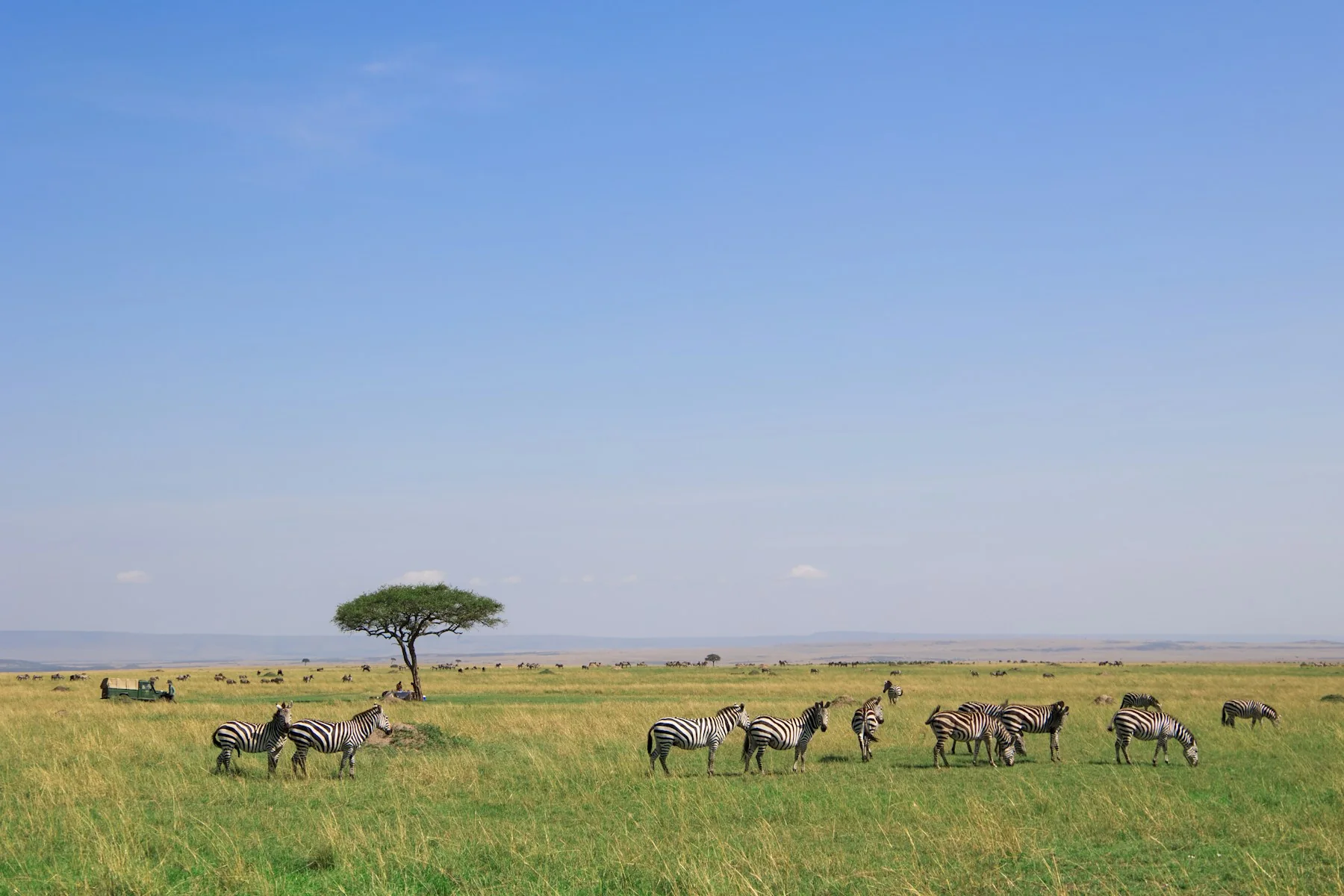
The phrase Masai Mara airports usually refers to a network of small bush airstrips, not one large terminal. Flights commonly leave Nairobi’s Wilson Airport and land at the strip chosen for the camp, wildlife sector and daily route.
- How Masai Mara airstrips work
- JKIA to Wilson Airport connections
- Main airstrip areas and the camps they tend to serve
- What the flight is actually like
- Luggage allowances and storage
- From the airstrip to camp
- Fly-in versus road safari
- Flights to Diani, Mombasa and other safari areas
- The flight booking checklist
- Masai Mara flight mistakes to avoid
- Morning or afternoon flight?
- Traveller opinions
- FAQs
How Masai Mara airstrips work
Bush airlines operate scheduled circuits between Nairobi and selected Mara airstrips. An aircraft may land at more than one strip, dropping and collecting guests. There may be a windsock, shelter and staff, but not the terminal services associated with an international airport. The camp vehicle meets the passenger beside the aircraft.
The strip used depends on the camp’s location, the airline schedule, airfield condition and current operating arrangements. Serena, Keekorok, Ol Kiombo, Musiara, Mara North, Ngerende, Ol Seki, Siana, Angama and Kichwa Tembo are among names travellers may encounter. The list is not a menu to choose independently.
| Airstrip factor | Why it matters | Who confirms |
|---|---|---|
| Camp position | Controls ground transfer | Camp and operator |
| Airline circuit | May add intermediate stops | Operating airline |
| Weather and condition | Can change operations | Pilot and airline |
| Protected-area boundary | May affect route and fees | Camp and guide |
JKIA to Wilson Airport connections
Jomo Kenyatta International Airport handles most long-haul arrivals. Wilson Airport handles many safari flights. They are separate airports connected by Nairobi roads, and traffic can vary sharply. Immigration, baggage, customs, vehicle loading and domestic check-in all need time. A short line on a flight search does not represent the ground journey.
When an international flight lands early enough, a same-day connection may work with a conservative buffer. Late arrival, separate tickets or children often justify a Nairobi night. Use a named transfer and tell the driver the airline, not only Wilson. The correct terminal or check-in desk can differ.
Main airstrip areas and the camps they tend to serve
Musiara serves northern reserve and riverine areas. Mara Serena is positioned for the Triangle lodge and western sector. Kichwa Tembo and Angama strips serve western properties under current arrangements. Ol Kiombo is useful for several central reserve camps. Keekorok and Siana names appear toward the east and southeast. Conservancy strips such as Mara North, Ngerende and Ol Seki connect their surrounding camp networks.
These are broad relationships, not permanent promises. A camp may use another strip because of schedule, weather or road condition. Ask for the nominated strip on the final itinerary and the expected transfer character. A transfer of ninety minutes through wildlife country may be enjoyable, but it should not be discovered after landing.
| Broad area | Example strip names | Planning focus |
|---|---|---|
| Western Triangle | Serena, Kichwa Tembo, Angama | Escarpment and Triangle access |
| Northern reserve | Musiara | River and marsh sectors |
| Central reserve | Ol Kiombo | Central camps and river routes |
| Eastern Mara | Keekorok, Siana | Road access and eastern properties |
| Northern conservancies | Mara North, Ngerende, Ol Seki | Conservancy camp transfers |
What the flight is actually like
Aircraft are usually small turboprops with limited cabin space. Seating may be assigned for weight and balance. The view can be excellent, but noise, heat and turbulence vary. Tell the airline about mobility needs, pregnancy, significant fear of flying or unusual equipment before purchase.
A scheduled service may stop at other parks or Mara strips. The pilot controls safety and can change routing. Keep medicine, documents and valuables in the small personal bag, but remember it may also count within the total allowance. Follow staff instructions on the airfield and never walk toward an aircraft without being directed.
Luggage allowances and storage
AirKenya publishes a 15 kg total allowance including hand luggage and requires suitable soft bags. Other carriers may use similar or different limits. The current ticket rules govern. Large hard cases can be refused because small aircraft baggage holds have restricted openings and shapes.
A Nairobi hotel or operator can store the main suitcase while the traveller takes a soft safari bag. Camera equipment still needs to be declared and counted unless the airline approves another arrangement. Families should divide essentials across bags and keep medicine with an adult. Do not arrive at Wilson expecting to negotiate kilograms beside the aircraft.
From the airstrip to camp
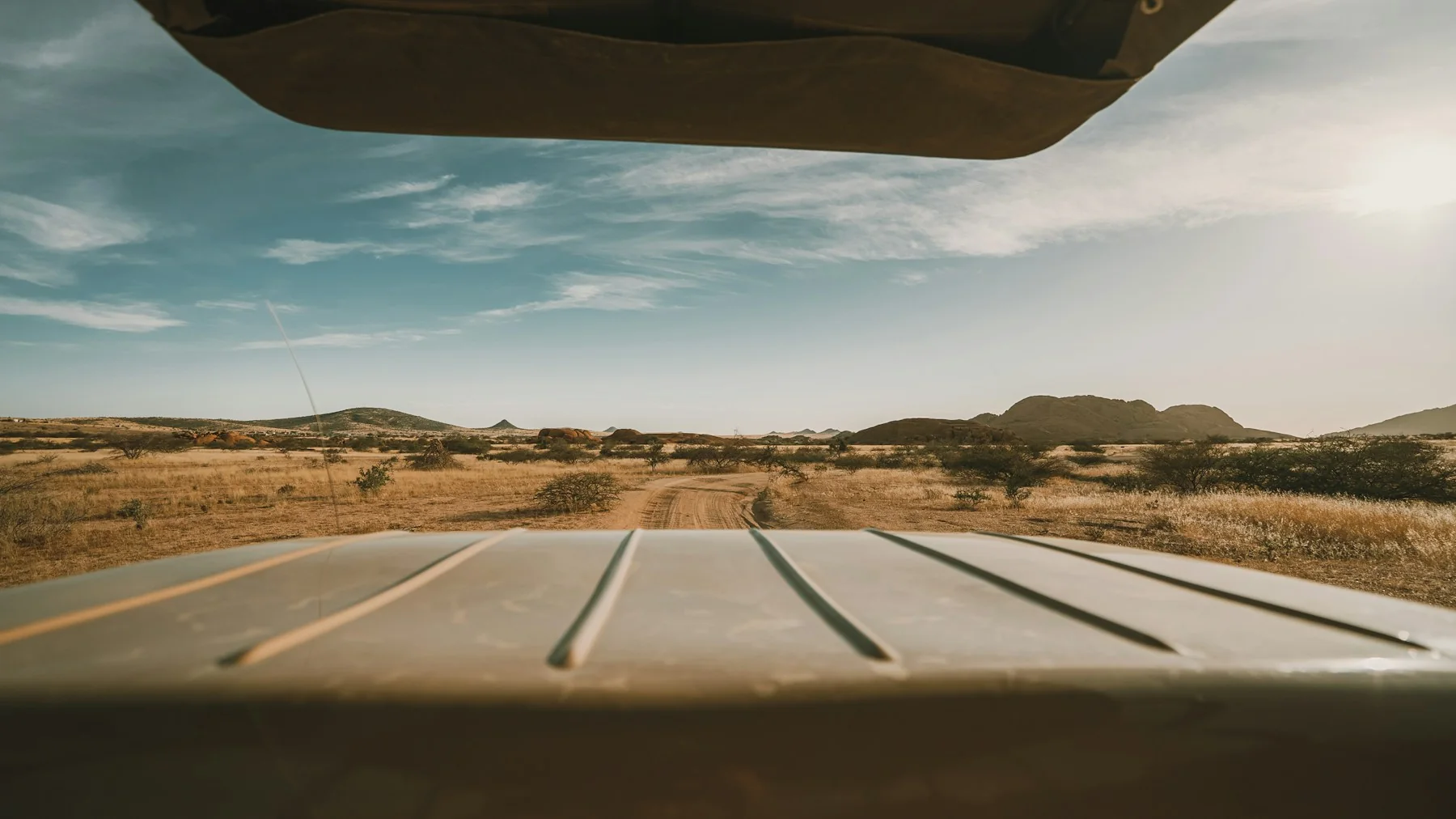
The camp vehicle should be waiting with the guest name and flight details. The transfer may take twenty minutes or much longer, depending on location and wildlife. Dust, rain and animal sightings can alter the time. Put a hat, water, sun protection and camera in the accessible bag rather than burying everything in luggage.
Ask whether the transfer is private or shared and whether park or conservancy fees are triggered by the route. On departure day, the camp chooses a leave time that allows for wildlife, tracks and check-in. A final cheetah cannot make the aircraft wait.
Fly-in versus road safari
Flying protects usable time and energy, which matters on a three-night stay, honeymoon or family trip. Road travel costs less for some groups, keeps one guide and reveals the Rift Valley and rural Kenya. The final road section can be rough and the complete Nairobi journey is long.
Compare door to door, not flight time against map time. A Wilson transfer and check-in belong to the fly-in total. Hotel pickup, stops and gate process belong to the road total. A one-way flight and one-way road journey can work when the wider route supports it.
| Choice | Strength | Tradeoff |
|---|---|---|
| Fly both ways | Maximum Mara time | Cost, bags and airport transfers |
| Drive both ways | One guide and lower group cost | Long road days |
| Fly in, drive out | Energy on arrival and route context later | Vehicle repositioning |
| Drive in, fly out | Road story first and quick exit | Guide and luggage logistics |
Flights to Diani, Mombasa and other safari areas
Seasonal and scheduled services may link Mara airstrips with Ukunda, Mombasa, Amboseli, Laikipia or other circuits, sometimes through Nairobi or intermediate stops. The availability, operating day and airstrip list change. A route should be checked for the exact date rather than inferred from a route map.
For an international flight, use a strong buffer and usually avoid making a fragile bush-flight chain the only protection. For Diani, Ukunda gives the closest coast arrival when a suitable service exists. Mombasa provides more options but requires a longer transfer to Diani. The beach hotel needs the confirmed airport and arrival time.
The flight booking checklist
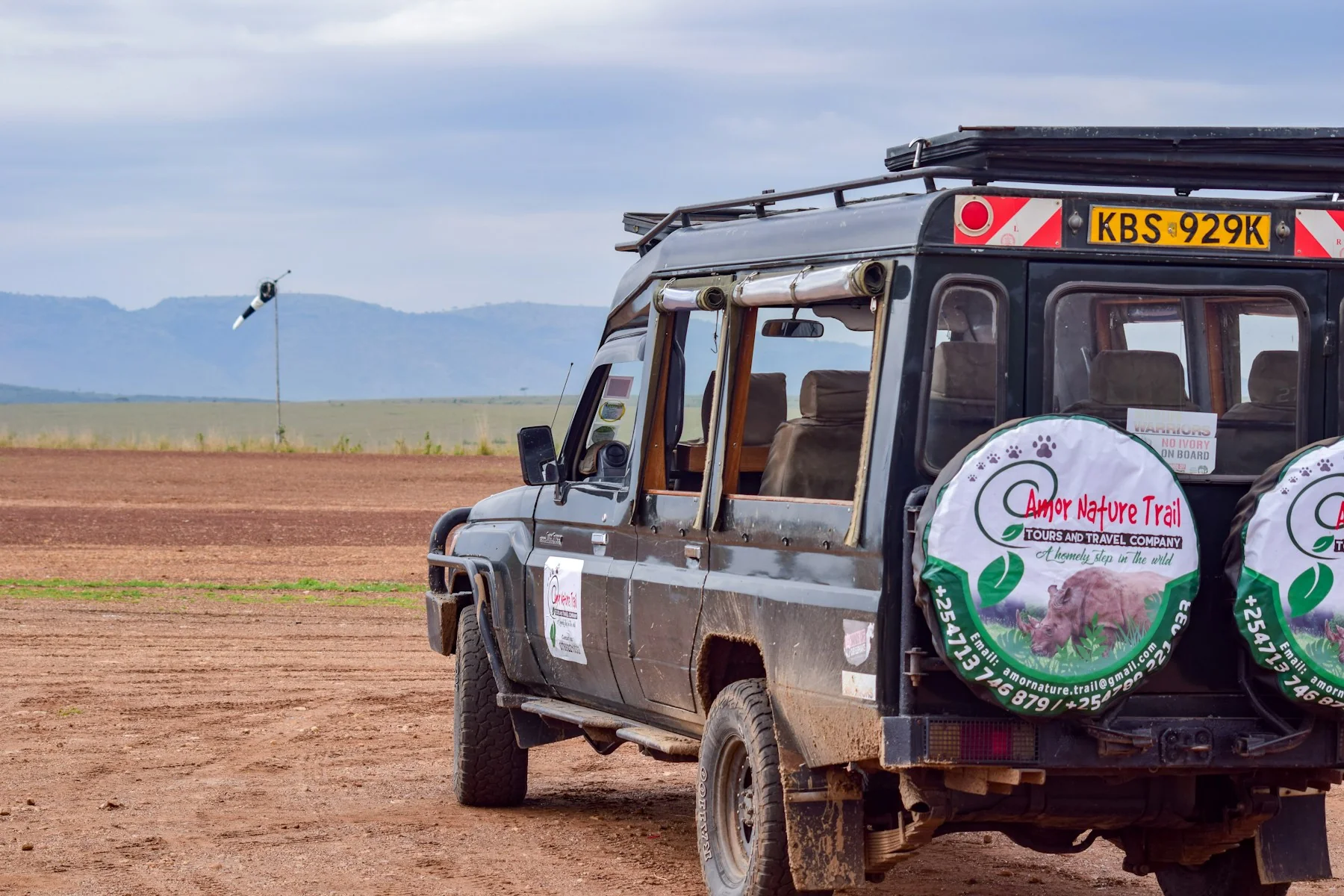
The itinerary should name the airline, departure airport, check-in time, Mara airstrip, camp transfer, baggage allowance, storage plan, passenger names and onward connection. Names must match travel documents. Share child ages and mobility needs. Ask how a cancellation or weather disruption is handled across separate bookings.
Reconfirm close to travel through the operator or airline, not by relying on an old screenshot. Keep all contacts offline. When every handover is visible, the flight feels like part of the safari rather than an obstacle between airports.
Masai Mara flight mistakes to avoid
Do not buy a ticket before the camp confirms its airstrip. Do not assume Wilson Airport and JKIA are terminals of one airport. Do not pack a hard international case and expect it to fit a bush aircraft. Do not schedule the final Mara flight against a long-haul departure with no recovery time. Each mistake begins as a small assumption and becomes expensive at the handover.
Check passenger names, dates and child ages before ticketing. Store excess luggage with a known hotel or operator. Use soft bags and weigh camera equipment. Keep the camp telephone number offline. If weather changes the flight, one responsible company should coordinate the camp, airline and next transfer instead of making the traveller call each supplier separately.
On the travel day, arrive early, follow airline staff and let the pilot control baggage, seating and route. The airstrip is an operational place, not a photography set. Keep clear of propellers and wait for a guide before crossing the strip. A smooth fly-in safari is built from respect for many small instructions.
Families should ask how infants are ticketed, whether a car seat can be carried and how the camp handles the airstrip transfer. Travellers with reduced mobility need the aircraft step, cabin access and vehicle transfer checked before payment. A bush airstrip may have uneven ground and no wheelchair equipment. The airline and camp both need the same information.
Photographers should declare heavy lenses and avoid assuming a camera bag sits outside the allowance. One flexible camera setup often travels better than several bodies and long lenses. When specialist equipment matters, obtain written airline approval or purchase the required freight or extra-seat arrangement rather than risking refusal at check-in.
Morning or afternoon flight?
Morning flights often give the onward itinerary more room to recover, but they also require an early camp departure. An afternoon flight may protect a final game drive, yet weather, aircraft rotations and the next connection leave less margin. Choose the time by looking at the complete day. The best flight is the one that joins the camp, road transfer and next hotel or international departure without asking one delay to ruin the chain.
What travellers say after the trip
These are exact words from public reviews and discussions. Each person had their own route, budget and expectations, so the value is in the detail rather than treating one experience as a promise.
The flights were a great experience and really allowed us to not get tired.
A family describing the effect of replacing several long Kenya road sectors with domestic flights.
The flight will save you a significant amount of (bumpy road) travel time as an FYI… something to consider if you only have 3 days
A repeat safari traveller advising someone with a short Mara visit.
The third time I had the joy of doing a fly-in safari…no drive time, and stayed at a small lodge on the river…it was an amazing experience.
A traveller comparing earlier road safaris with a later fly-in stay.
Masai Mara airport questions
Does the Masai Mara have one airport?
No. The ecosystem is served by multiple bush airstrips used by different camps and wildlife sectors.
Where do Mara flights leave Nairobi?
Many scheduled safari flights leave Wilson Airport. International arrivals usually use JKIA, requiring a road transfer between airports.
Which Mara airstrip should I choose?
Use the strip nominated by the confirmed camp for the operating date and transfer arrangement.
How long is the flight?
A direct sector is often around an hour, but stops at other airstrips and routing can lengthen the journey.
How much luggage can I bring?
Safari airlines use strict total allowances and soft bags. AirKenya publishes 15 kg including hand luggage, but check the operating carrier.
Are the airstrips paved?
Most Mara strips are simple unpaved bush airfields with limited facilities and weather-dependent operations.
Is the airstrip transfer included?
It often is when the flight and camp are booked together, but the itinerary should state it clearly.
Can I fly from the Mara to Diani?
Selected schedules may connect Mara strips with Ukunda or the coast directly or through Nairobi. Confirm the travel date.
Can children take safari flights?
Yes, subject to airline rules, seats, baggage and family comfort. Infants and car-seat arrangements need advance confirmation.
Can NLS arrange the flights?
Yes. The camp, strip, luggage, transfers and onward route can be booked as one chain.
Sources and further reading
Official park, heritage, tourism, aviation and regulatory sources support the practical details in this guide.
Land where the safari is ready to begin
Share the camp, dates and onward route. We will match Wilson Airport, the Mara airstrip, luggage and transfer before the ticket is issued.
Plan the Mara flight
Tell us the dates, camp or preferred area and the flight before and after the safari.