
Fig Tree Camp Masai Mara: Rooms, River and Balloon Mornings
Fig Tree Camp is a larger, long-established safari camp beside the Talek River inside the Masai Mara National Reserve. Riverside tents, superior chalets, a pool and an on-site balloon base make it different from a tiny conservancy camp. Here is what each choice really means for your wildlife days, costs and comfort.
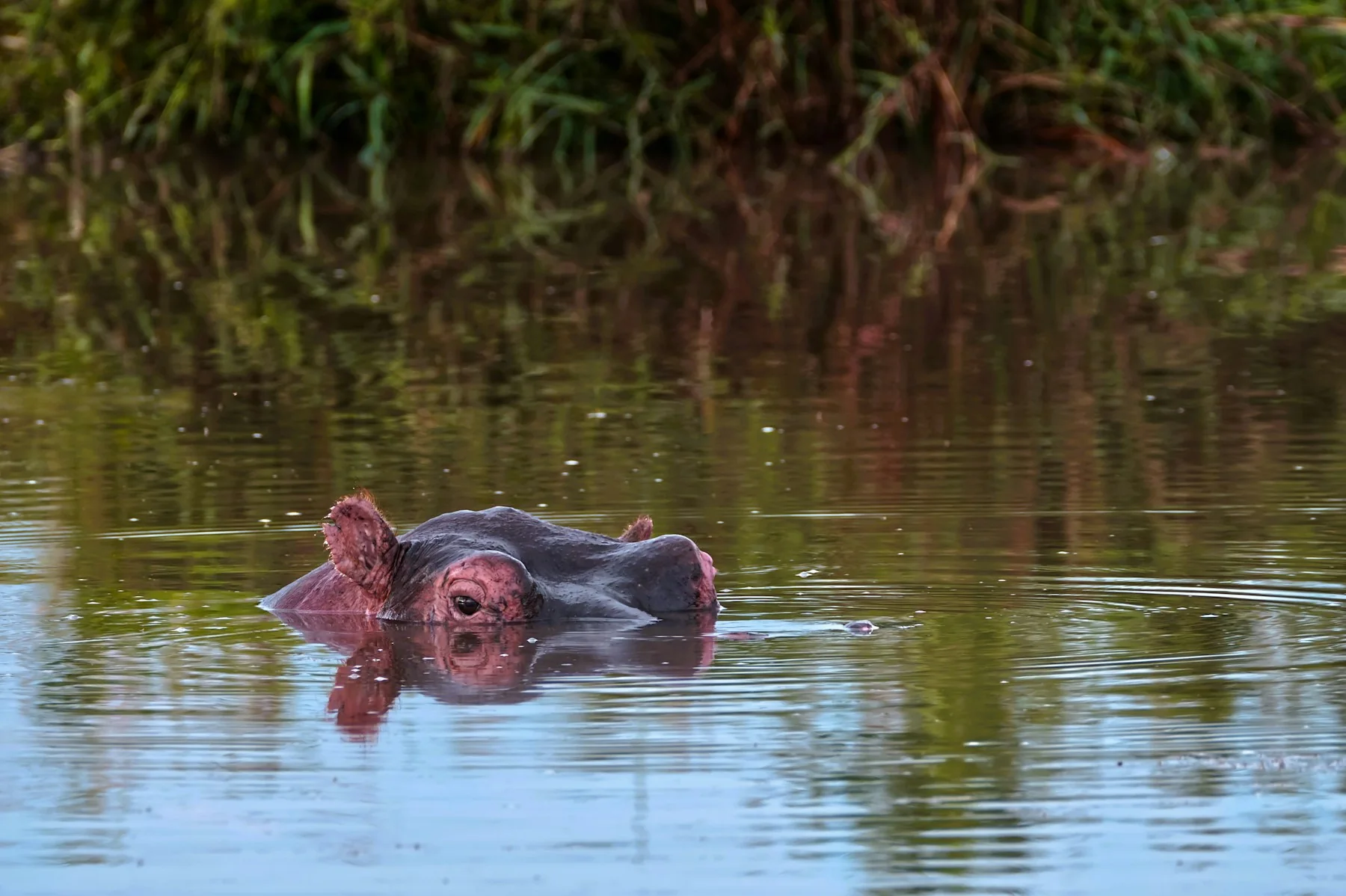
There is a moment at Fig Tree when the safari vehicle stops and you cross into camp on foot. The river is close, the trees soften the light, and it no longer feels as though your day is only about the next sighting. You might hear hippos after dark, sit at the tree-house deck or leave before sunrise for a balloon. Fig Tree has enough facilities for a family to enjoy an afternoon in camp, yet its real advantage is the location inside the Masai Mara National Reserve.
That last word matters. Fig Tree is inside the reserve on the Talek River, according to Mada Hotels, its operator. It is not a private-conservancy camp with its own night-drive and walking rules. Nor does a Talek riverside tent guarantee a Great Migration crossing outside the window. A good itinerary uses its reserve access and gives you time for the river setting without making either promise. Our Masai Mara guide explains the reserve and neighbouring conservancies.
What the Talek River location gives you
Inside-reserve accommodation removes a gate transfer from the start of many game drives. You wake up in the same protected area you came to explore. That can be valuable when the first light is brief or when you want to return for lunch and try a different sector later. It does not mean the entire reserve is close. The Mara is large, and getting to a particular river-crossing point can still require a long drive. Animal movement will decide whether the drive is worthwhile on a given day.
The Talek River itself brings a quieter pleasure. Riverside rooms can overlook water and vegetation, and guests report hearing or seeing hippos. You should keep a safe distance and follow staff guidance, especially at night. A river is habitat, not an attraction controlled by the camp. Some days the view may be active; on others you may hear birds and see little large wildlife. The term “riverfront” describes room orientation, not a promise of a crossing, a permanent hippo audience or uninterrupted privacy.
Compared with a small conservancy lodge, Fig Tree is a substantial property. Mada’s published camp inventory describes 80 rooms: 48 tents and 32 chalet rooms. A big camp can offer more choice in dining, a pool and a wider range of room rates. It can also feel busier at mealtimes. If you want to know every guest’s name by night two, this is not the same proposition as a ten-tent bush camp. Our Mara lodging guide helps compare those trade-offs.
| Priority | Fig Tree advantage | Limit to understand |
|---|---|---|
| Reserve game drives | Camp is inside the Masai Mara National Reserve. | Distant reserve sectors still need travel time; park fees must be accounted for. |
| River atmosphere | Talek-side tents and a tree-house outlook. | Room position varies and wildlife visits cannot be scheduled. |
| Choice of facilities | Pool, restaurant, bars and several room categories. | A larger camp may not have the intimacy of a small conservancy lodge. |
| Balloon safari | Adventures Aloft operates from the camp as a base. | The flight costs extra and depends on weather and availability. |

Crossing into camp, and living beside the water
The footbridge is more than a visual detail in older traveller accounts. Guests have described leaving the vehicle and walking across it to the camp side of the river. Mada says a raised bridge was rebuilt during its 2024 renovations to improve year-round access. A bridge does not make the place flood-proof, and the correct access plan still depends on river and weather conditions. The sensible point for a guest is practical: staff will manage arrival, but a person with limited mobility should discuss bridge crossing and the path to the proposed room before booking.
Mada describes a newly rebuilt restaurant, lounge and river-facing tent improvements as part of the 2024 work. Older online reviews may be useful for the river mood but less reliable for current room finishes. The camp also has a tree-house coffee deck, a pool and bars where an afternoon can pass without another vehicle outing. A three-night stay gives you a chance to notice that side of the property. Rushing in for one night and leaving at dawn can turn it into an expensive transit bed.
The riverside environment has a soundscape. Hippos may be audible at night, and a tent will not seal that out. To one guest it feels like a real safari; to another it is sleep interruption. If sound sensitivity matters, ask about a chalet or a room farther from the most active river stretch. That does not guarantee quiet, but it is more useful than assuming all 80 rooms feel the same.
The important choice: river tent or superior chalet?
The official fact file divides the inventory into 48 tented rooms and 32 superior chalets. Mada’s current site highlights Deluxe or Ngamboli tents with river-facing patios and Superior chalets with balconies looking toward the plains or bush. The category names on reseller sites sometimes vary. Before comparing prices, look at the actual room photograph and description for the category you will receive, not a collage of the camp’s best rooms.
A river-facing tent is the obvious choice if hearing the Talek and watching from your veranda is the reason you chose Fig Tree. It gives canvas atmosphere with an en-suite bathroom. A chalet can suit a family or traveller who wants a more solid-walled room and a different outlook. The river is not automatically the superior choice: some guests prize a wider plain view or easier access to central facilities. A couple may care more about room privacy than a labelled “luxury” tier.
Room position also influences the walk to the bridge, dining and pool. Ask whether the exact unit can be requested, but do not rely on a specific room number unless the camp confirms it. For a family, confirm beds and bathroom arrangements rather than extrapolating from one photograph. For someone who struggles with steps or uneven paths, room location should be discussed in concrete terms. A safari camp inside a wildlife area will seldom behave like a lift-served city hotel.
| Room option | What draws people | What to clarify |
|---|---|---|
| Deluxe or Ngamboli riverside tent | Talek outlook, private patio and classic canvas feel. | Actual category, distance to shared spaces and river noise. |
| Superior chalet | More solid construction with a balcony and bush or plain outlook. | Bed layout, view direction and whether it fits the group. |
| Family configuration | Larger camp offers multiple categories. | Age rules, beds, adjacent rooms and walk to the dining area. |
| Mobility-sensitive stay | Staff-managed arrival and several room locations. | Bridge, path gradient, steps and practical assistance. |
Use the reserve access without chasing a promise
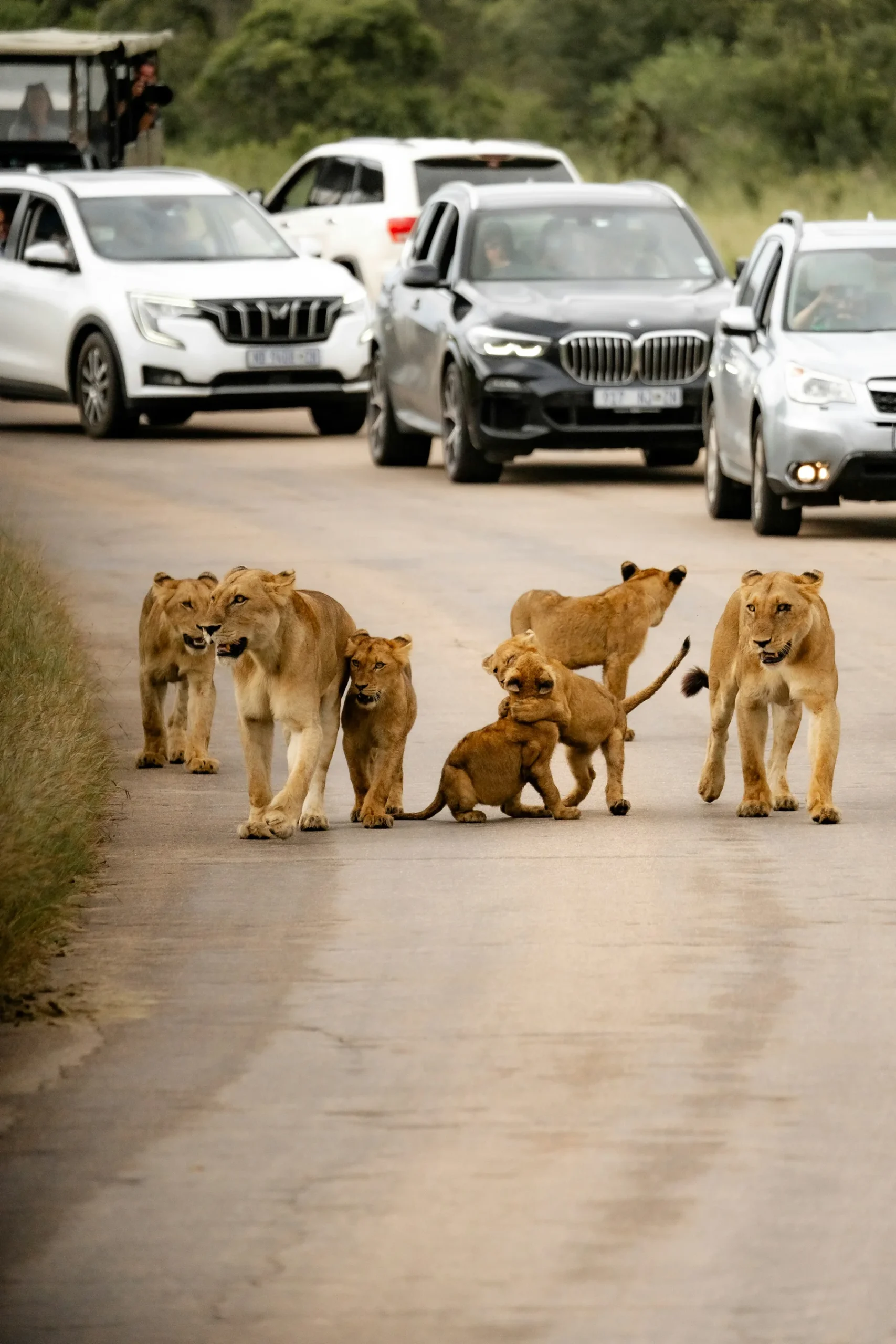
Inside-reserve location is a practical advantage. A morning can start with tracks and open country rather than a queue at an entry gate. The guide can choose a circuit based on weather, recent movement and your interests. That may mean lions, elephant, antelope and birds, or a long search with no headline sighting. The Masai Mara has abundant wildlife, but a good safari is not a checklist delivered at a fixed time.
During migration season, some travellers arrive with one image in mind: wildebeest leaping into the Mara River. Fig Tree’s Talek setting does not put a crossing outside your tent. Reaching a relevant riverbank takes a planned game drive, and the herds can wait for hours or disappear over a hill. A guide might reasonably choose a strong predator sighting instead of a crowded crossing point on a day when nothing is moving. Our river-crossings guide helps set the right expectation.
The official camp page also mentions guided nature walks. Because Fig Tree is in the national reserve, do not assume a free-ranging walk anywhere in the park or an after-dark reserve game drive. Ask the camp for the authorised route and permissions for any walk or bush dinner. Some older marketing describes a night outing as part of a special dinner; rules and products change, and the location must be clear. For regular night-drive or longer walking opportunities, a conservancy stay can be a better match. The Greater Mara walking guide explains the difference.
The balloon advantage is convenience, not certainty
Fig Tree is one of the bases for Adventures Aloft balloon safaris. For a traveller who has already chosen a balloon flight, the convenience is real: the launch logistics are connected to the camp rather than an awkward predawn drive across the Mara. It does not mean a balloon is included with the room or that every flight leaves from an identical spot. Weather, wind and the balloon team’s safety decision govern launch and route.
The pleasure is different from a vehicle safari. From the basket you see the shape of the land and animals as small parts of a larger ecosystem. You will not necessarily hover over a river crossing or spot a big cat. The landing and breakfast take time, so a balloon morning can replace part of a game-drive day. If your stay is short and wildlife photography from a vehicle is the priority, you may prefer to skip it. If you have always dreamed of a Mara sunrise from the air, Fig Tree makes the activity unusually straightforward. Our Mara balloon guide covers timing, costs and what a flight can realistically show.
Guest reviews are often effusive about ballooning, but remember to separate the operator’s flight service from the camp room and meals. A problem with a video upsell or flight cancellation is not necessarily evidence about the camp’s guiding. At the same time, a beautiful flight cannot excuse a room category that was misdescribed. Judge each component on its own terms.
A pool afternoon, tree-house coffee and a larger dining room
Fig Tree has a swimming pool, a main restaurant, bars and a tree-house coffee deck. The 2024 renovation updated the restaurant, according to Mada. Those spaces give guests more choice than a small camp where the only common area may be a single dining tent. A family can rest between drives; a couple can find a quieter corner; a guest can leave the camera behind for an afternoon. The pool is a hotel amenity, not permission to treat the river as a swimming area.
The larger dining operation commonly serves buffet meals, with bush dining offered separately. A buffet can be easy with children and mixed diets. It can also feel less personal than a plated meal at an intimate camp. Say ahead of time if a dietary requirement is essential, and ask how a packed breakfast or lunch will be handled on a long drive. The quality of food matters more than whether it comes from a buffet or a set menu, and recent guest accounts show different opinions.
Fig Tree also offers naturalist talks and Maasai performances on certain evenings. A talk can deepen a child’s understanding of tracks or river ecology. A cultural performance should not be treated as a substitute for a respectful community visit where Maasai hosts have agency over what they share. If spending meaningful time with a community matters, see our ethical Maasai visit guide and plan it separately.
What guests praise, and where they differ
A September 2026 Tripadvisor reviewer, Kerry W, wrote The ensuited tent on the river was roomy and clean
and described helpful staff and seeing elephants from the tree-house area. Another recent reviewer praised the meals and guide. Their accounts make the camp’s combination of river time and easy reserve access tangible. They are still individual stays; a rhino sighting or elephant visit cannot be built into every itinerary.
A July 2026 reviewer on the same platform, Steve, liked the location, rooms and service but thought the food was perfectly edible, but maybe a little average
. They also mentioned the effort of balancing water, power and Wi-Fi inside the park. The operator replied to the review. The criticism does not cancel the many positive food reports, but it gives a traveller a realistic sense of a busy, remote camp operation.
Another traveller’s practical complaint was that Wi-Fi was available in only a small open area during their stay, making it uncomfortable to connect during a storm. Connectivity arrangements can change after renovation, so the useful takeaway is not to promise strong in-tent internet. If you need a video call, ask for the current coverage and have a backup. A river tent is best booked for the view and atmosphere, not as a remote-work station.
Read reviews by room type and travel date. An older account may describe an unrenovated tent or the former bridge. A new one can still reflect a particular waiter’s service or a single meal. The pattern is that location, warmth and riverside experience draw people in; food preferences, connectivity and camp scale create the differences in opinion. That is much more informative than a star rating by itself.
The room rate, park fee and safari vehicle are separate questions
Mada’s older camp materials describe breakfast, lunch and dinner with room rates, but the exact board basis should be read from the chosen offer. A room price is not automatically a private guide, a vehicle, park fees, ballooning, bush dinner and airstrip transfers bundled together. These elements may be combined in a custom package. What matters is the complete trip, with the room category and the number of reserve entry days visible.
The Masai Mara National Reserve applies its own entry system. Being inside the reserve does not mean the fee disappears. Departure and re-entry, guest ages and trip dates can affect the calculation. A private vehicle may be worthwhile for photographers or a family that needs a different pace, but it has a cost. Our Mara safari cost guide explains the main moving parts. A cheaper chalet and shared vehicle can be a good choice for one traveller; a river tent and dedicated car may be worth the premium for another.
| Trip component | Why it deserves its own line | What to check |
|---|---|---|
| Room and meals | Tent and chalet categories differ, as may meal plans. | Exact category, board basis and dietary needs. |
| Reserve access | Park entry is governed separately from accommodation. | Correct nights, guest ages and any planned exits. |
| Game drives | Guide, vehicle and sharing policy shape the day. | Dedicated or shared car, drive duration and pickup plan. |
| Balloon flight | Specialist operator and weather-dependent activity. | Flight cost, cancellation terms and what replaces a cancelled launch. |
| Transfers and extras | Airstrip, road route, bush dining and tips vary. | What is already included in the actual itinerary. |
Ol Kiombo, Keekorok and the road into camp
Ol Kiombo and Keekorok are two airstrips used for the camp. The actual landing strip on your ticket matters more than an abstract “nearest airport” claim, and the road transfer differs between them. Small-aircraft routes can change stops and schedules. If you are connecting from an international flight, remember that most safari flights leave Nairobi’s Wilson Airport rather than Jomo Kenyatta International. The safari flight baggage guide covers the soft-bag limits that catch visitors by surprise.
Road travel from Nairobi can fit a wider circuit with Naivasha or Nakuru, but the day is longer than it looks on a simple map. The last stretch, reserve entry and weather can all slow arrival. It is better to reach the camp with daylight to meet staff, cross the bridge and enjoy the river than to count on a late-afternoon game drive after a long road transfer. Our fly-in versus drive-in guide helps compare the whole journey.

Who should choose Fig Tree Camp?
Choose it if you want an inside-reserve location, the sound and views of a river camp, a pool for the hours between drives and straightforward access to a balloon operator based at the property. It can work especially well for a family or first-time safari traveller who values facilities and a range of room prices. The camp’s long history and larger scale may feel reassuring, while the right riverside tent still offers a strong sense of being in the Mara.
Compare a small conservancy camp if night drives, longer guided walks or a more intimate dining atmosphere matter most. Compare a camp closer to the Mara River if a crossing excursion is the single overriding goal and you have limited time. The right choice is not the most expensive room or the most superlative description. It is the place whose location and daily rhythm fit the safari you want to have.
Fig Tree Camp questions
Is Fig Tree Camp inside the Masai Mara National Reserve?
Yes. Mada Hotels places Fig Tree Camp on the Talek River inside the national reserve. It is not a private conservancy camp.
How many rooms does Fig Tree Camp have?
The operator fact file lists 80 rooms, comprising 48 tented rooms and 32 superior chalets.
What is the difference between a tent and a chalet?
Riverside tents emphasise the Talek outlook and canvas atmosphere. Superior chalets are more solid-walled rooms with bush or plain outlooks. Confirm the exact category and view.
Can I see a Great Migration crossing from the tent?
No. The camp is on the Talek River, but a migration crossing at a relevant river point cannot be promised from the room or for a particular drive.
Does Fig Tree have a swimming pool?
Yes. Mada lists an outdoor swimming pool among the camp facilities.
Do balloon safaris depart from Fig Tree?
Adventures Aloft uses Fig Tree as a balloon base. A flight is a separate, weather-dependent booking and is not automatically included with a room.
Are night drives available at Fig Tree?
Do not assume a conservancy-style night game drive from a reserve-based camp. Confirm the location and authorisation of any special evening activity with the operator.
Which airstrips serve the camp?
Ol Kiombo and Keekorok can serve the camp. Confirm the actual strip and road transfer on the flight booking.
Is the park fee included in the room rate?
Being inside the national reserve does not remove park-entry charges. Confirm how the fee is shown in the complete itinerary for the relevant dates and guests.
Is the camp suitable for families?
It offers several room categories, a pool and a larger dining setup. Confirm beds, room location, bridge access and the game-drive arrangement for the children in your party.
Plan beyond one camp
Plan Fig Tree Camp
Tell us who is travelling and whether you prefer a river tent, a chalet or a balloon morning. We can build the reserve days and show the whole price.