
Saruni Eagle View: The Salt-Lick Camp, Night Drives and the Real Naboisho Cost
Eagle View is about the view even when your vehicle is parked. Its raised tents overlook a natural salt lick in Mara Naboisho Conservancy, where the safari can begin from your deck. Here is how the rooms, night drives, family layouts and separate conservation fee fit together.
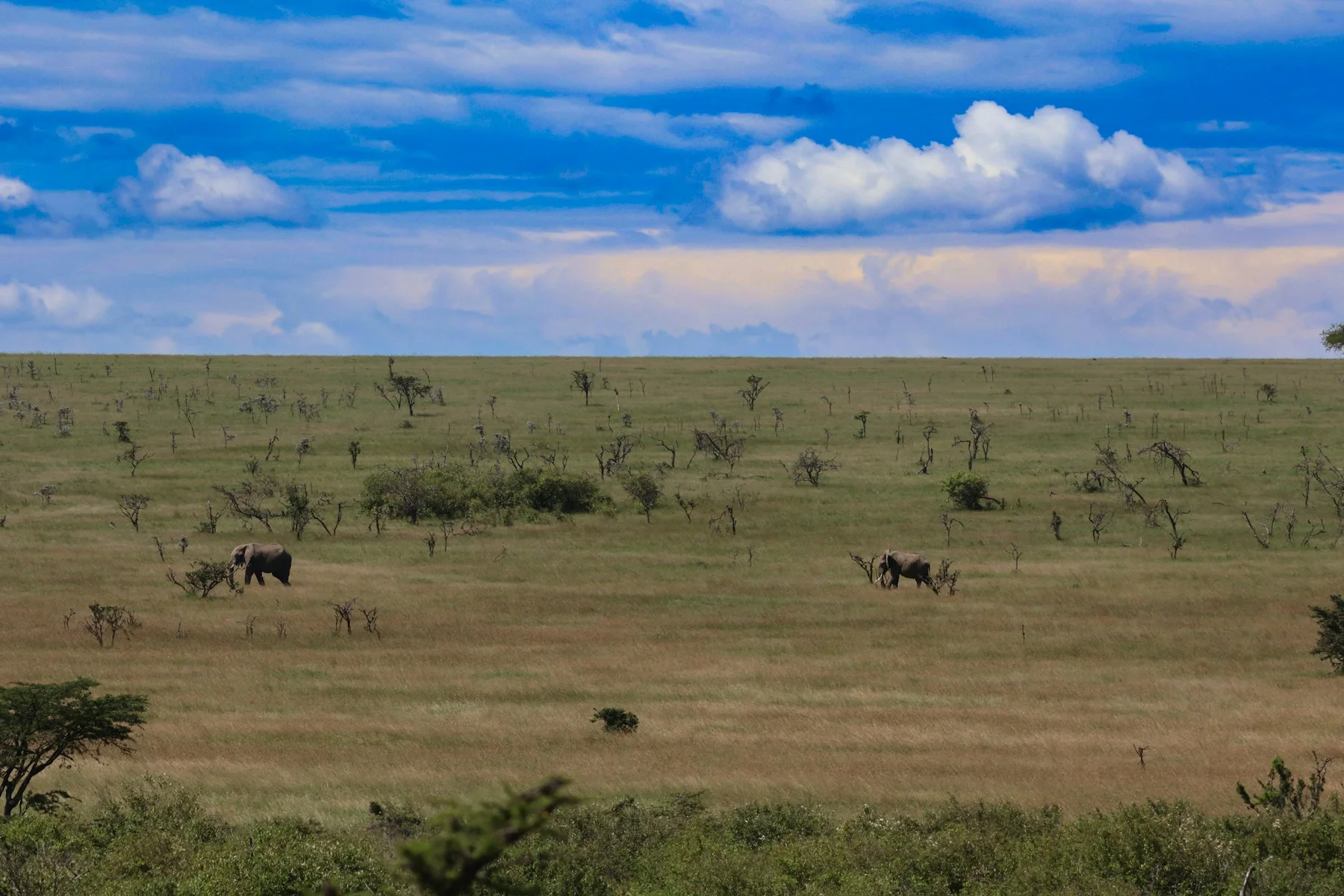
At some camps, the wildlife disappears when you leave the vehicle. At Eagle View, it may carry on below you while you sit with a book. The hilltop looks over the Koiyaki plains, a natural waterhole and a salt lick. Animals are free to come or go, but the possibility changes the mood of an afternoon. You can watch the light move across Naboisho without turning every hour into a game drive.
The camp’s current name is Saruni Eagle View. Older articles, photographs and reviews may call it Basecamp Eagle View or Eagle View Camp, because it now operates under Saruni Basecamp and has been refurbished. Search results sometimes mix room descriptions from different periods. The current property page is the right place to inspect the present tents, while guest accounts help test the day-to-day experience. The camp is in Mara Naboisho Conservancy, outside the Masai Mara National Reserve. That difference matters to the safari activities and fees.
Eagle View, Basecamp Eagle View or Saruni Eagle View?
They refer to the same hilltop property across different branding and refurbishment stages. Do not assume an old photograph shows the current pool or tent interior, and do not assume an old room count matches a recent family configuration. The official site says the camp has nine double tents with two family layouts, while its detailed rate sheet describes eight standard tents and two family units. Those are not phrased the same way, likely because a family unit comprises more than one sleeping tent. It is safer to choose by actual category and layout than to infer intimacy from one headline count.
This is still a small camp, not a lodge with dozens of rooms. The quiet view, open-sided communal spaces and Maasai guiding are central to its personality. It is also not a property inside the national reserve. An operator who calls it a “Mara reserve lodge” is speaking loosely. You can make a reserve visit, but the location that shapes most days is Naboisho. Our Mara accommodation guide compares that choice with camps in the reserve and other conservancies.
Why the salt lick makes staying in camp feel like safari
Eagle View sits above an open area used by wildlife. The camp’s own description talks about a natural waterhole and salt lick below the main area, and guest reports describe elephants, giraffes, antelope and other animals seen from the tents or lounge. There is no guaranteed daily roll call: rain, grazing and animals’ own movements decide what comes close. But the view makes the hours between drives worthwhile in a way a simple overnight base may not.
Naboisho is a community-led conservancy that limits visitor pressure and permits a different range of activities from the national reserve. Day drives can run across its grassland, night drives can reveal a different wildlife rhythm, and a guided walk changes your scale of attention from big cats to tracks, plants and birds. Those advantages need a real explanation. They do not mean every sighting is private or every species is likely on demand. A careful guide should respect the animals and other vehicles, and the best day might involve sitting still rather than racing between radio reports.
The location is strong for travellers who enjoy big-cat country but are equally happy to watch a giraffe from a deck. If the main ambition is a particular Great Migration river crossing, discuss a separate reserve day or a split stay. Naboisho has resident wildlife and seasonal herd movement, but the most famous crossing points are elsewhere and cannot be scheduled. Our crossings guide helps put that hope in perspective.
| Experience | Why Eagle View works | What to confirm |
|---|---|---|
| Watching from camp | Raised position above the waterhole and salt lick. | The exact tent outlook; wildlife never performs to a timetable. |
| Naboisho day drive | Guiding begins in the conservancy’s own landscape. | Shared vehicle size and the guide assigned to your party. |
| Night drive | Offered in the conservancy, beyond ordinary reserve hours. | Departure, age limits, weather and whether it is shared. |
| Walking safari | A chance to explore tracks and plants with a guide. | The current minimum age of eighteen and walking conditions. |
| National reserve day | Possible as a separate excursion. | Entry fee, route and whether the long day suits your stay. |

The raised tents, the honeymoon setup and two family layouts
The refurbished tents use elevated platforms and private viewing decks. Standard guest tents have king or twin beds, a bathroom with bio-flush toilet, indoor shower and bath. The camp describes a muted, minimalist interior designed to keep attention on the plains. Some tents have additional outdoor bathing features. If a bath under the sky or a particular honeymoon suite matters, ask for that exact category and tent rather than assuming every room photographed online is identical.
The two family configurations are worth a close look. In one, separate en-suite tent spaces are linked by a private terrace of roughly seven metres, keeping parents near younger children. In the detached layout, the connecting terrace is about thirteen metres, giving older children or two couples more independence. Each has its own entrance, bathroom and deck. A family with small children may love the first and find the second too spread out after dark. Friends travelling together may feel the opposite. The right choice is not “family tent” in the abstract but the physical layout that fits your group.
| Room choice | Why it may fit | Confirm before booking |
|---|---|---|
| Standard raised tent | A couple or two friends who want the camp view and their own deck. | King or twin beds and the exact bathing features. |
| Honeymoon configuration | Extra outdoor bathing and privacy for a special trip. | The named tent and features shown in your confirmation. |
| Closer family link | Two en-suite spaces joined by a shorter terrace, roughly seven metres. | Children’s ages, bed setup and safe movement after dark. |
| More detached family link | Two spaces joined by a longer terrace, roughly thirteen metres. | Whether the extra independence suits your group. |
| Tent 5 | Closer to the main area and relatively few steps. | The full path and vehicle access for specific mobility needs. |
The property says Tent 5 is close to the main area, with fewer steps, and may be most suitable for guests with limited mobility. That is helpful, but an elevated camp can still involve uneven paths and vehicle steps. Share the actual mobility needs before booking so the team can describe the route to dining, pool and tent. A label such as “accessible” without those details is not enough.
Between drives, the camp has lounge and dining areas, an outdoor fireplace, a plunge pool and Maasai Wellness Spa. For a couple, the view and slower afternoon may be the real luxury. For parents, the pool and Young Explorers activities can help a day feel balanced. The camp does not need to imitate a large resort to be comfortable; its appeal is the relationship between a small guest area and the land below.
The best Naboisho days need room for both drives and stillness
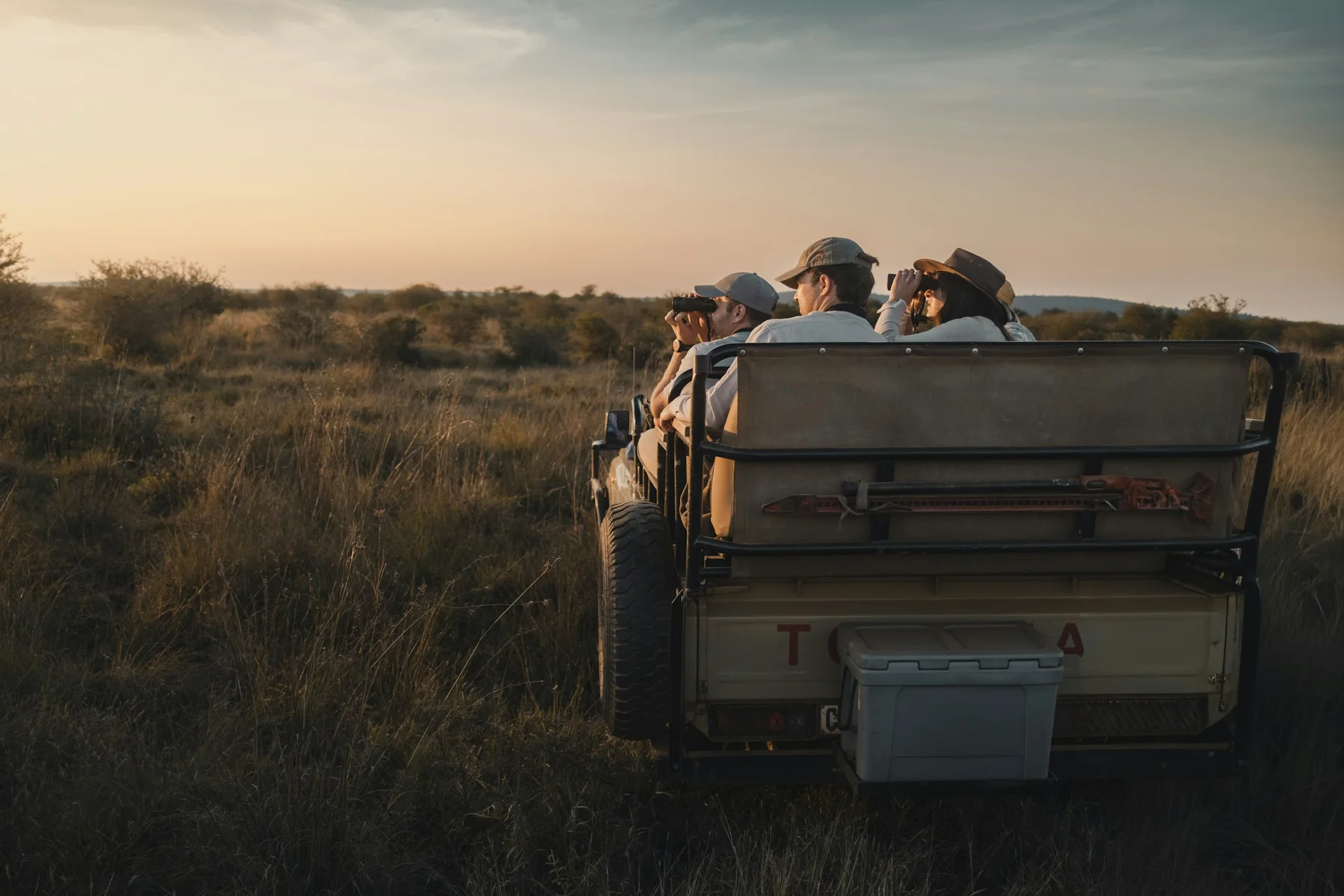
The camp’s rate terms include shared day and night game drives. An early drive can follow fresh tracks; a night outing may reveal animals and behaviour you would miss on a reserve-only itinerary. The guide, weather and wildlife determine the route. If you travel with young children, ask how a shared evening drive would work for your family. If you are a serious photographer, a private vehicle is available for a separate charge and can be more valuable than paying for another special meal.
Guided walks are offered, but the current property page sets the minimum age at eighteen. That is easy to miss when a general camp overview lists walking beside family activities. A teenager can still have a superb safari here, but do not plan a family walk that the camp cannot run. Instead, look at the Young Explorers Club, wildlife from the deck, short drives and other age-appropriate activities. Our Kenya family safari guide deals with the whole route, not just this room choice.
A Mara National Reserve excursion is possible, but it is a separate decision. The camp’s website lists reserve entrance among experiences; its rate sheet excludes the actual reserve entry fee. That distinction matters if you are comparing Eagle View with a camp inside the reserve. You may prefer to stay entirely in Naboisho and enjoy the lower-pressure game viewing. Or you may set aside a full day for the main reserve, with a picnic and the correct fee. Ask the guide about the drive and whether the wildlife season makes it worthwhile.
Ballooning and village visits are also shown among the property’s experiences, but the rate terms do not treat them as ordinary included activities. A balloon morning uses a dawn drive slot and depends on launch conditions. A cultural visit should be hosted with consent and clear benefit. The Mara balloon guide and our ethical village guide help you choose thoughtfully.
How a conservancy stay connects to Maasai land
Naboisho is not empty wilderness. Maasai landowners and community partners are part of the arrangement that keeps the area available for wildlife and tourism. Saruni Basecamp describes a community-based model and local guiding. The conservancy fee is a separate part of the bill, not a hidden nuisance; it is connected to land stewardship and livelihoods. A thoughtful traveller can ask how the fee is distributed and which community or conservation activities have willing hosts and clear purpose.
That does not require turning a safari into a lecture. A guide’s stories about grazing, wildlife movement and the land may teach more than a slogan printed in the room. A hosted visit to a tree nursery or community project can be worthwhile when it fits your interests. If you would rather spend the afternoon watching the salt lick quietly, that is also a legitimate way to appreciate the landscape. The important thing is that the people who live here are visible as partners, not background decoration.
Guests talk about the view, guiding and small practical details
Recent Tripadvisor reviews repeatedly come back to the hilltop. Brandon C described sitting on the porch and seeing wildlife in what felt like a backyard. Kathryn P, on honeymoon, said you are always on safari
because of the views from the tent and shared areas. Neither report means the same animals will visit on your dates, but both identify the reason this camp feels different from a simple place to sleep.
Some travellers praise the night drive and walking experience, while others highlight thoughtful staff, meals and the pool. A more detailed Expert Africa traveller review says the guide was anticipating the animal’s next move
. That is a more useful compliment than a claim that a leopard appeared: skilled guiding can make a sighting respectful and memorable. The same set of guest comments also includes a note that service felt thin at moments when only a few staff were visible. A remote, small camp will not feel like a city hotel, even when the hospitality is excellent.
A few guests mention Wi-Fi limitations or meal preferences. Read those details against your needs, not as universal verdicts. A traveller working during the trip might want to test connectivity; someone who wants a screen-free honeymoon may hardly notice. The camp has been refurbished and rebranded, so older Basecamp Eagle View feedback is useful for the location and guiding but may not describe the current room finish. That is why we combine guest accounts with the property’s present room descriptions.
The conservation fee is a real part of the price
The standard Eagle View rate terms describe full-board meals, selected drinks, airstrip transfers, shared day and night drives, some laundry and Wi-Fi in the tents. The conservation fee is separate and charged per person per night. The main reserve’s entry fee is separate again if you choose a reserve excursion. Premium drinks, a private vehicle, extra spa treatments, a village visit and other optional services can also add to the total. The room price may look simple until these pieces are included.
The family tent is priced as a unit with a minimum occupancy, while standard tents are normally priced per person sharing. That makes a superficial price comparison particularly misleading for a family of four or five. A proposal should show the exact family configuration, child ages, conservation nights, shared or private vehicle and any reserve day. If two operators quote different bases, the numbers cannot be compared fairly. Our Mara safari cost guide puts camp, fees and transport into one trip budget.
| Part of the stay | How to see it in a proposal |
|---|---|
| Standard or family tent | Name the configuration, guest ages, number of nights and occupancy basis. |
| Conservation fee | Show the per-person nightly charge separately for adults and children. |
| Game drives | Confirm shared daytime and night drives, plus the vehicle capacity. |
| Mara reserve visit | List any reserve entry fee and the planned route. |
| Private vehicle | Price it separately if photography or family flexibility makes it valuable. |
| Optional experiences | Balloon, specialist treatment or village visit needs its own terms. |
It is worth paying for Eagle View when you want to spend real time in Naboisho and enjoy the camp’s outlook between drives. If the plan would send you into the main reserve every day, or if the conservation fee stretches the trip so far that you lose needed nights, compare another base. Our Mara lodging guide helps identify the trade-off before you pay.
Airstrip, road journey and the first safari afternoon
The camp includes a return airstrip transfer in its standard rate terms, but the specific Mara flight and landing point must be coordinated. Wilson Airport in Nairobi is the usual departure for scheduled safari flights. The aircraft’s baggage limits and the road portion after landing matter, especially if you are connecting from an international arrival. Our safari flight baggage guide covers the soft-bag details.
Driving can be sensible on a longer Kenya circuit, but do not compare only the flight time with the road time. Add the Nairobi airport transfer, check-in, airstrip pickup and first-day game drive. A family with several stops may prefer a dedicated vehicle throughout; a couple on a short honeymoon may value the extra hours gained by flying. Our fly-in versus drive-in guide helps with the door-to-door choice.

Who will be happiest at Eagle View?
Choose it if you want a small, view-led camp where staying in can feel as rewarding as setting out, and if guided night drives and Naboisho’s quieter wildlife country matter to you. It can work for a honeymoon, a family that uses the right linked room, or an experienced safari traveller who enjoys waiting and observing. Compare elsewhere if you require daily close access to a particular river-crossing point, a lodge inside the national reserve, or a completely flat property with no steps. The right match is a combination of geography, room layout and rhythm, not a star rating.
Two nights can be good, but three let you take a proper night drive, enjoy the waterhole, perhaps visit the main reserve and still have an afternoon to rest. A longer trip might pair Naboisho with a very different place such as Amboseli or Laikipia. The aim is for each stop to add something, not to repeat the same sunrise drive in a different room.
Saruni Eagle View questions
Is Eagle View the same as Saruni Eagle View?
Yes. The hilltop Naboisho camp previously appeared as Basecamp Eagle View and now operates as Saruni Eagle View under Saruni Basecamp. Older reviews may describe an earlier room finish.
Is Saruni Eagle View inside the Masai Mara National Reserve?
No. The camp is in Mara Naboisho Conservancy. A visit to the national reserve is a separate excursion with its own entry fee.
Can I see animals from the camp?
The raised tents and main area overlook a natural waterhole and salt lick. Guests report seeing wildlife from camp, but animal appearances cannot be guaranteed.
Are night drives included?
The camp’s rate terms include shared day and night game drives in Naboisho Conservancy. Confirm the schedule and child suitability for your stay.
Can children join a walking safari?
The current official property page lists guided walking safaris for guests aged eighteen and over. Ask for age-appropriate alternatives if you are travelling with children.
What is the difference between the two family tents?
The two-bedroom family layouts have separate en-suite sleeping spaces connected by private terraces of roughly seven and thirteen metres respectively. The shorter connection may suit younger children.
Is the Naboisho conservation fee included in the room rate?
No. The published rate sheet lists a conservation fee per guest per night as a separate cost. Your complete itinerary should show it.
Is Masai Mara National Reserve entry included?
No. The current rate sheet excludes the national reserve entry fee, even though a reserve visit is offered as an experience.
Does Eagle View have a swimming pool?
The refurbished camp lists a plunge pool, along with lounge areas, a fireplace and a wellness spa.
Is there an easier tent for guests with limited mobility?
The property recommends Tent 5 near the main area because it has relatively few steps. Discuss the precise paths and vehicle access before booking.
Explore the wider Mara
Plan your Eagle View safari
Tell us when you want to travel, who is coming and what matters most. We can include Eagle View or compare another Mara camp, with the room layout, fees and safari activities made clear.