
Kenya Walking Safaris: Where You Can Walk and What to Expect
Compare short nature walks, ranger-led bush walks, sanctuary walks, highland hikes and multi-day expeditions before choosing the one that belongs in your trip.
- First, decide what you mean by a walking safari
- Why walking changes what you notice
- Where to take a walking safari in Kenya
- Greater Mara conservancies
- Lewa and the Laikipia landscape
- Ol Pejeta Conservancy
- Hell’s Gate National Park
- Lake Naivasha and Crescent Island
- Chyulu Hills and the Amboseli ecosystem
- Tsavo, Meru and Kora
- Aberdare, Mount Kenya and Mount Longonot
- A comparison of Kenya’s main walking settings
- What a properly run bush walk feels like
- Guide standards and the questions worth asking
- Wildlife safety without theatre
- Age, fitness and medical considerations
- Walking with children and teenagers
- Weather and the best time of day
- What to wear and carry
- Photography and birding on foot
- Multi-day walking safaris
- Three routes that use walking well
- What should be included in the price
- Red flags in a walking-safari proposal
- What other travellers noticed
- The booking brief we use for a walking safari
- Frequently asked questions about Kenya walking safaris
- Sources and further reading
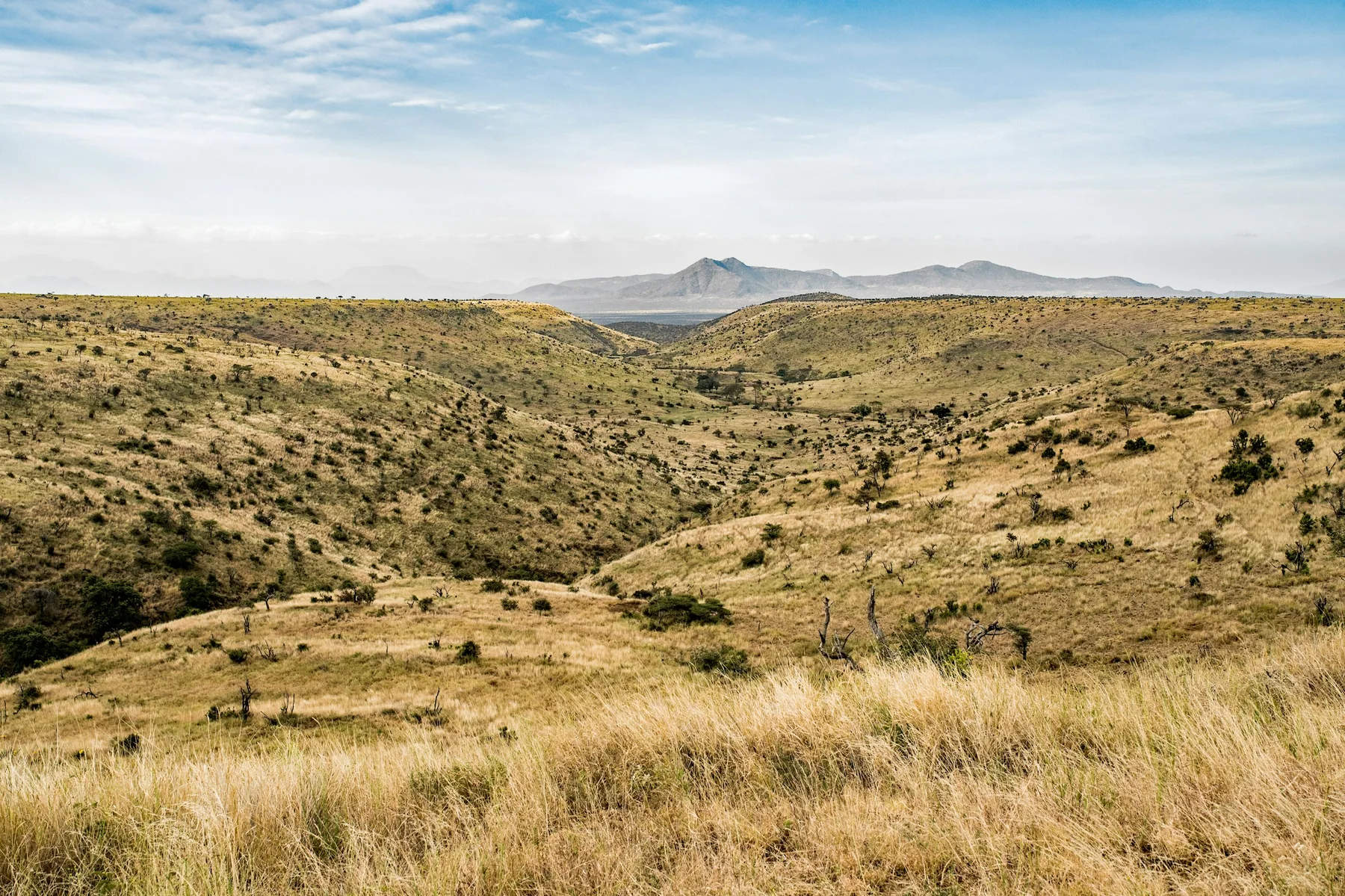
Kenya looks completely different at walking pace. From a vehicle, the eye naturally searches for elephants, lions and anything moving across the horizon. On foot, the story becomes smaller and richer. A guide may stop beside a track pressed into the dust, turn over a seed pod, listen for alarm calls or explain why one tree has been stripped while the next has not. The landscape stops being a backdrop.
That does not mean travellers can simply leave the vehicle wherever they like. A walking safari is a controlled activity, and the words can describe several very different experiences. It may be a gentle bird walk close to camp, an escorted walk through wildlife country, a hike in Hell's Gate, a highland trail, or a multi-day journey between fly camps. The land manager, wildlife risk, guide team, age rules and fitness requirements change with each one.
First, decide what you mean by a walking safari
The phrase is used loosely. Two itineraries can both promise a walking safari while offering experiences that share almost nothing beyond the fact that guests use their feet.
| Experience | What it usually feels like | Wildlife context | Questions to settle before booking |
|---|---|---|---|
| Camp nature walk | A short, unhurried look at plants, tracks, birds and camp surroundings | Often close to a lodge, sometimes outside a high-risk wildlife zone | Exact route, escort, duration, age limit and footwear |
| Guided bush walk | A structured walk in wildlife habitat with a trained guide and, where required, an armed ranger or security escort | Potential encounters with large mammals, managed through route choice, spacing and guide decisions | Guide qualification, ranger, group size, briefing, emergency support and cancellation rules |
| Trail hike | A landscape-led walk in a park, forest or mountain area | Wildlife may be present, but distance, gradient and terrain are often the main challenge | Distance, ascent, altitude, trail condition, guide requirement, water and turnaround time |
| Walking wildlife sanctuary | A designated place where guests walk among selected non-predatory species | More controlled than a bush walk but still subject to local rules | Boundaries, guide, animal distance, surface, shade and accessibility |
| Multi-day walking safari | Several hours on foot each day, sometimes moving between simple or mobile camps | A true expedition with logistics, weather exposure and wildlife protocols | Daily distance, luggage support, camp standard, water, toilets, vehicle backup, evacuation and guide team |
| Camel-supported walk | Guests walk while pack camels carry supplies, or combine walking with riding | Commonly associated with dry northern landscapes and community guides | Riding is not guaranteed, animal welfare, pace, camping, water and route ownership |
A one-hour walk can be the right choice for a first-time visitor who wants to read tracks and then return to game drives. A fit hiker may prefer a half-day trail. Someone dreaming of sleeping in a fly camp needs an expedition brief, not a casual activity line in an itinerary.
Help me choose the right kind of walking safari
Tell us how long you enjoy walking, the terrain you know, the wildlife context you want and any age, health or mobility considerations. We will match the walk to the right land and guide team.
Why walking changes what you notice
Walking is not a slower version of a game drive. It changes the scale of the day.
You begin to read relationships. Oxpeckers give clues about nearby animals. Dung reveals diet, age and movement. Termite mounds influence drainage, vegetation and vantage points. A feather, the direction of a breeze and the freshness of a print all become useful. The guide is not trying to drive rapidly between headline sightings. The value lies in interpretation.
Silence also feels different outside a vehicle. You hear footfall, insects and birds that disappear beneath an engine. A giraffe at a respectful distance can feel more imposing than a lion seen beside a vehicle. There is no promise of a close animal encounter, and there should not be. Good walking creates attention without pressuring wildlife.
Walking also restores movement to an itinerary. This matters to travellers who find repeated long drives tiring, to families with active teenagers, and to anyone who wants a physical connection with the terrain. Our guide to Kenya safaris with teenagers explains how active days and private vehicle time can share the same family route.
Where to take a walking safari in Kenya
Kenya does not have one national walking circuit. The strongest choices sit in different landscapes and operate under different authorities. Treat the list below as a planning map, not permission to walk independently.
Greater Mara conservancies
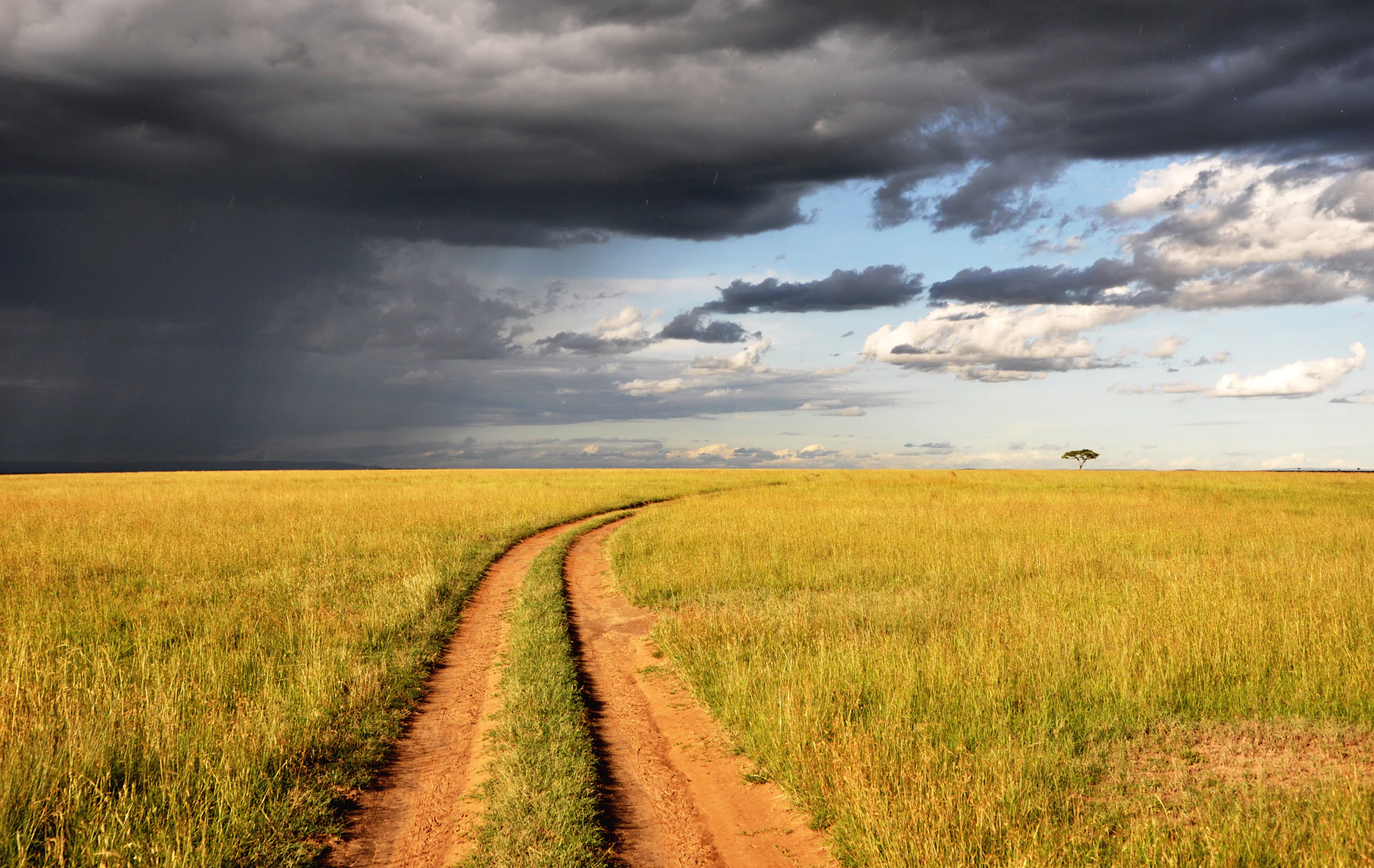
The Greater Mara is one of the clearest examples of why location matters. A stay in the national reserve and a stay on conservancy land can unlock different activity patterns. Conservancies such as Mara North advertise bush walks as part of their activity mix. The precise walk depends on the camp, conservancy agreement, guide team, age, wildlife conditions and season.
On a well-run Mara walk, the goal is not to march across open plains toward big cats. Routes often use ground that allows guides to manage visibility and distance. Guests may learn about tracks, grasses, medicinal and practical plant knowledge, insects, geology, grazing and the relationship between pastoral life and wildlife. The guide may change or abandon the route because of wind, animal movement or fresh signs. That is professional judgement, not a failed outing.
Do not assume that a camp with a Mara address offers the same access as a conservancy camp. Ask which land the walk uses, whether it begins at camp, who leads it and whether reserve fees or transfers are involved. Our forthcoming walking safaris in the Greater Mara guide will compare the main settings in detail.
Lewa and the Laikipia landscape
Lewa has long treated walking as a way to understand conservation land, not simply as an exercise session. Lewa's own reporting describes an escorted hour-long wilderness walk offered with lodge partners and led by ranger guides who receive specialised wildlife training. Individual lodges may offer longer or differently styled walks, so the lodge name and activity description still matter.
Across Laikipia, private and community conservancies can support bush walks, bird walks, camel-supported journeys and, in some places, multi-day expeditions. The attraction is variety. Open plains, wooded valleys, escarpments and river systems can sit within one broader route. Wildlife density and terrain differ across properties.
The phrase "Laikipia walking safari" is therefore not a single product. A gentle morning at Lewa, a tracker-led experience at a private conservancy and a mobile camel-supported walk need separate comparisons. Start with the future Lewa Wildlife Conservancy guide and Laikipia walking safaris guide when planning this part of Kenya.
Ol Pejeta Conservancy
Ol Pejeta publishes a guided bush and bird walk led by conservancy rangers. That wording is useful because it tells travellers what the experience is for: interpreting the bush and its birdlife with people who know the conservancy, rather than chasing a dramatic animal encounter on foot.
Activity times, prices and availability can change. More importantly, a lodge stay does not automatically guarantee a place. Confirm the walk separately, including the meeting point, transfer, age requirement, duration, maximum group and what happens if weather or wildlife makes the planned route unsuitable. The Ol Pejeta Conservancy guide will sit beneath this national hub and cover the wider conservation experiences.
Add a guided walk to a Laikipia safari
Tell us how long you enjoy walking, the terrain you know, the wildlife context you want and any age, health or mobility considerations. We will match the walk to the right land and guide team.
Hell’s Gate National Park
Hell's Gate is a landscape adventure rather than a classic dangerous-game walking safari. Kenya Wildlife Service promotes hiking and cycling among its signature activities. Cliffs, volcanic forms, open valley, towers and geothermal features make the scenery the point of the outing.
That difference is important. A visitor should not choose Hell's Gate because someone has promised an unstructured walk among wild animals. It is chosen because established trails and roads allow an active day in a dramatic Rift Valley setting, subject to park instructions and the condition of specific routes.
Heat, sun exposure, wind and distance can make an apparently simple outing demanding. Gorge access and trail conditions must be checked locally. KWS tells visitors to stay on established roads and trails, move quietly, respect wildlife distance, follow gate times and leave vehicles only in designated areas. A guide may be valuable even where independent movement is permitted because terrain, natural history and current closures are easier to understand with local knowledge.
Our predetermined child pages include a complete Hell's Gate National Park guide and a focused Hell's Gate cycling and hiking guide.
Lake Naivasha and Crescent Island
Crescent Island is often sold as a walking safari because visitors can walk in a designated sanctuary setting with herbivores and birdlife. It is accessible and visually open, but it should not be confused with an escorted dangerous-game walk in a remote conservancy.
The quality of the visit depends on timing, guiding, surface, heat and how it is combined with the lake. A boat transfer adds a separate water-safety layer, including life jackets and respectful distance from hippos. Travellers with limited walking capacity should ask about landing points, uneven ground, shade, toilets and how far the guide expects the group to walk. See the planned Crescent Island walking safari guide for those details.
Chyulu Hills and the Amboseli ecosystem
The Chyulu landscape offers hills, lava country, woodland and long views toward Kilimanjaro. Some private-land stays in the wider Amboseli and Chyulu ecosystem arrange guided walks as part of a lodge activity programme. This can create a strong combination: vehicle-based wildlife viewing in Amboseli, then a quieter foot-led day in a landscape built for space.
Property location is crucial. A lodge described as "Amboseli" may sit outside Amboseli National Park on private or community land, and that may be exactly what makes walking possible. The proposal should name the land, the guide arrangement, the drive time to the park and any separate fees. Our future Chyulu Hills National Park guide will explain the geography, while the Amboseli walking and conservancy activities guide will compare the activity options around the ecosystem.

Tsavo, Meru and Kora
Walking in a large KWS park is not an invitation to leave a game-drive vehicle. KWS fee documentation identifies organised group walking safaris in parks including Tsavo East, Tsavo West, Meru and Kora, with terms, group limits and security treated separately from ordinary entry. That means advance organisation is fundamental.
These landscapes suit experienced walkers who understand that a serious bush walk may be shaped by security, water, vehicle backup and remoteness. The operator must explain the approved area, escort and daily plan. If the proposal merely says "walking safari in Tsavo" without those details, it is incomplete.
Aberdare, Mount Kenya and Mount Longonot
Highland hiking belongs in a walking itinerary, but it is a different discipline from low-altitude bush walking. The Aberdare ranges bring forest, waterfalls, moorland, mud, cold rain and steep ground. Mount Kenya adds altitude, temperature swings and routes that can become full trekking expeditions. Mount Longonot is a volcanic hike where ascent, exposure and the crater-rim distance matter.
A traveller who is comfortable walking for two hours on flat savannah may not be ready for a long, steep trail. Ask for distance, elevation gain, highest altitude, expected time, surface, toilets, water, weather plan and the guide's turnaround rule. The future Aberdare hiking routes guide and Mount Kenya safari and climbing combinations page will help separate scenic day walks from technical mountain ambitions.
A comparison of Kenya’s main walking settings
| Setting | Best for | Typical commitment | Main planning issue |
|---|---|---|---|
| Greater Mara conservancy | Tracks, ecology, Maasai-guided interpretation and pairing walks with strong game drives | Often one to three hours | Confirm that the camp has access to the land where the walk operates |
| Lewa and Laikipia | Conservation, varied terrain, ranger knowledge and longer walking possibilities | One hour to several days | The exact lodge or expedition operator defines the experience |
| Ol Pejeta | Structured ranger-led bush and bird interpretation | A timed morning or afternoon activity | Reserve a place and confirm transfers and current eligibility |
| Hell's Gate | Hiking, cycling, geology and an active Rift Valley day | Half day or full day | Heat, route status, trail rules and current closures |
| Crescent Island | Accessible wildlife-sanctuary walk and birding beside Naivasha | One to two hours plus transfers | Do not confuse a sanctuary walk with a remote bush walk |
| Chyulu and private land near Amboseli | Scenery, private-land walks and a contrast with Amboseli drives | One to several hours | Know exactly where the lodge sits and which land the activity uses |
| Tsavo, Meru and Kora organised routes | Remote, serious bush-walking context | Half day to multi-day | Authorisation, security, group limits, water and vehicle support |
| Aberdare, Mount Kenya and Longonot | Hiking, forest, altitude and physical challenge | Half day to several days | Fitness, elevation, weather, equipment and guide scope |
No row is "best" in isolation. The right answer depends on whether walking is the heart of the holiday or one chapter within a broader Kenya conservation safari.
What a properly run bush walk feels like
A genuine wildlife-area walk begins before anyone takes a step. The guide explains formation, spacing, hand signals, when to speak, what to do if the group stops and why nobody moves independently. The briefing should be calm and precise. It should not be designed to frighten guests or manufacture drama.
The guide chooses the pace. Guests usually walk in single file or another instructed formation. Stops are deliberate, with the group gathered where everyone can listen without crowding the guide. If the wind changes or fresh signs appear, the team may alter course. Nobody should pressure the guide to approach an animal for a photograph.
The best walks often feel quiet rather than spectacular. A large animal seen at distance may be one part of a morning filled with tracks, plants, birds and stories about the land. If the only measure of success is proximity to dangerous wildlife, the expectations are wrong.
Guide standards and the questions worth asking
"Experienced guide" is not enough information for a walking activity. Ask who leads the walk and what role each person plays.
| Question | Why it matters | A useful answer should identify |
|---|---|---|
| Who is the lead walking guide? | Vehicle guiding and walking in wildlife country require overlapping but different skills | Name or role, recognised training, local experience and current authorisation |
| Is a ranger or armed escort required? | Rules depend on land manager and wildlife risk | Who provides the escort and whether it is confirmed |
| What is the maximum group? | Large groups are harder to brief, hear and manage | A clear limit rather than "as many as book" |
| What happens if wildlife blocks the route? | Route changes are a normal safety decision | Alternative route, return plan or cancellation process |
| Is a support vehicle available? | Heat, injury or fatigue may end a walk early | Where the vehicle can reach the group and how communication works |
| What first-aid and communication equipment is carried? | Remote response depends on preparation | Trained person, first-aid kit, radio or phone and evacuation chain |
| What are the age and health rules? | Maturity and mobility matter as much as age | Written operator policy and case-by-case questions where appropriate |
The guide's ability to say no is part of the product. A cancelled or shortened walk may be the strongest evidence that the team is taking conditions seriously.
Compare walking guides, locations and safety arrangements
Tell us how long you enjoy walking, the terrain you know, the wildlife context you want and any age, health or mobility considerations. We will match the walk to the right land and guide team.
Wildlife safety without theatre
Walking near wildlife carries real risk. It should be described honestly without turning the activity into a performance about danger.
Guests must follow the briefing, stay with the group and disclose anything that could affect movement or response. Strong perfume, loose items, loud conversation and sudden independent movement work against the guide's control of the group. Alcohol before a walk is incompatible with a safety-critical activity.
Never step toward an animal for a better image. Never assume a grazing animal is harmless. Never stand between an adult and young. Do not touch dung, bones, plants or insects unless the guide says it is safe. If the guide stops, the group stops.
Clothing does not make a guest invisible, but quiet earth tones are practical. Closed shoes protect against thorns and uneven ground. Long trousers can reduce scratches and insect exposure. A small, secure bag is better than loose straps that snag or swing.
Travel insurance should cover the activities actually booked, the remoteness of the route and medical evacuation where appropriate. Insurance is not a substitute for safe operations, but it is part of responsible planning.
Age, fitness and medical considerations
There is no single Kenya-wide minimum age for every walking product. A designated sanctuary walk, a camp nature walk and an escorted big-game walk can have different policies. Operators may consider age, height, ability to understand instructions and maturity. Ask for the written rule for the exact activity.
Fitness should be described functionally. "Moderately fit" tells a reader very little. Useful details include walking time, distance, elevation, surface, heat, shade, rest frequency and whether the pace is fixed by a group.
Tell the planner about knee or hip pain, balance concerns, asthma, heat sensitivity, recent surgery, pregnancy, severe allergies, medication timing and any condition that could affect an emergency response. The operator can explain operational limits. A qualified clinician should advise on personal medical suitability.
Travellers with limited mobility should not be excluded by vague assumptions. Some short walks may be possible with the right surface and pace, while other routes will not be safe. The accessible Kenya safaris guide gives a more detailed framework for surfaces, transfers, toilets and fatigue.
Walking with children and teenagers
Children notice details adults miss, and walking can turn a safari into a living science lesson. It can also create pressure if a child is tired, frightened or unable to remain quiet.
Ask the operator for its age policy before presenting the activity to a child as a promise. Then explain the briefing in language the child understands. A short private nature walk may be more rewarding than placing a young traveller in an adult group with a fixed pace.
Teenagers often enjoy being given a role: identify three tracks, photograph textures, record bird calls without playback, or ask the guide how rangers read the wind. Build in water, food and an exit plan. Never hide a child's fear because the family has already paid.
Weather and the best time of day
Early morning is popular because temperatures can be kinder and signs may be fresh. Late afternoon can produce softer light, but the walk must finish within the operator's safety and access limits. Midday heat increases water demand and reduces comfort in exposed country.
Rain changes more than visibility. Black-cotton soil can become slippery and adhesive. Streams may rise. Long grass can reduce sightlines. Highland trails can turn cold and muddy while low country remains warm. A green-season walk can be beautiful, with flowers, insects and bird activity, but route choice must respond to the day.
Do not force walking into a fixed hour simply because it appears in a brochure. Ask when the guide would choose to walk in that place during your month of travel.
What to wear and carry
For a short guided walk, less is usually better. Every item should stay secure while both hands remain available.
- Broken-in closed walking shoes with grip
- Long, breathable trousers
- Neutral shirt with sleeves
- Light fleece or layer for cool highlands and early starts
- Hat with a secure fit
- Water in the format specified by the operator
- Sunscreen and personal medication
- Compact binoculars with a snug strap
- Camera with one versatile lens rather than repeated lens changes
- Small daypack only if the guide permits it
- Rain layer when the season and altitude justify one
Bright colour is less important than comfort, silence and secure movement. Avoid brand-new boots, heavy camera bags, dangling bottles and anything that makes it hard to follow instructions.
Photography and birding on foot
Walking can improve observation while making photography harder. You cannot reposition freely, and the guide's safety line takes priority over light or composition. Keep the camera ready before movement begins, silence electronic sounds where possible and agree when the group may stop.
A short telephoto or versatile zoom is easier to handle than a very heavy wildlife setup. Wide images of tracks, hands, plants and landscape often tell the walking story better than a distant animal enlarged beyond recognition.
Birders should discuss pace before joining a general group. A bird walk may linger around calls and habitat, while a bush walk may keep moving for safety or timing. Our Kenya birding safaris guide explains how specialist guiding changes route and daily rhythm.
Multi-day walking safaris
A multi-day walk is not simply several morning activities placed together. It is a supported journey. The route, camps, drinking water, sanitation, food, luggage movement, communications and vehicle access form one system.
Ask for a day-by-day distance range rather than one total number. Establish the longest unsupported stretch and the terrain beneath it. Find out whether guests carry only water and a camera or personal overnight items as well. Clarify bedding, washing, toilets, charging and whether camp moves while guests walk.
Food and water deserve detail. How is drinking water treated and carried? Can dietary needs be met away from a permanent kitchen? What happens when a guest cannot continue? Is there a rest day or shorter option?
The romance of a fly camp comes from simplicity, but simplicity should be designed. It should never mean missing communication, first aid or a viable exit.
Three routes that use walking well
Mara conservancy plus classic game drives
Spend three or four nights at a conservancy camp with a confirmed guided walk, then add reserve game drives if the wildlife season and route justify them. This suits travellers who want strong big-cat viewing without spending every hour in a vehicle. The walk should remain flexible around wildlife and weather.
Laikipia, Mount Kenya foothills and the Mara
Begin with three nights in Lewa, Ol Pejeta or another Laikipia conservancy where the exact walk is confirmed. Add a day hike or forest experience near Mount Kenya for a more physical chapter, then fly or drive to the Mara for game drives. This route moves from tracks and conservation stories to wide predator country.
Amboseli, Chyulu and the coast
Use Amboseli for elephants and wetland game drives, then stay on suitable private land in the Chyulu ecosystem for a guided walk. Continue through Tsavo or travel to the coast for recovery. The route works because each place has a different purpose rather than repeating similar drives.
Build a Kenya itinerary around walking, wildlife and rest
Tell us how long you enjoy walking, the terrain you know, the wildlife context you want and any age, health or mobility considerations. We will match the walk to the right land and guide team.
What should be included in the price
A walking line in a package can hide important exclusions. Request an itemised description before paying.
| Cost or service | Confirm in writing |
|---|---|
| Walking guide | Private or shared, qualification, language and hours |
| Ranger or security | Included, separately charged or still subject to confirmation |
| Conservation and activity fees | Which land, date and traveller category they cover |
| Transfers | From lodge to trailhead and return, including waiting vehicle |
| Water and food | Quantity, refill method, snacks, picnic or full camp catering |
| Equipment | Walking poles, rain protection, camp gear or none |
| Luggage support | Vehicle, staff, camel, weight allowance and inaccessible stretches |
| Accommodation | Permanent lodge, mobile camp, fly camp or public campsite |
| Emergency support | Communication, first aid, vehicle recovery and evacuation process |
| Weather cancellation | Alternative activity, refund, credit or no adjustment |
For a short included lodge walk, some of these lines may be simple. For a multi-day journey, each one deserves a concrete answer.
Red flags in a walking-safari proposal
Walk away from vague bravado. The following are reasons to ask harder questions:
- The seller promises close encounters with dangerous animals
- The route is not named and the land manager is unclear
- Nobody can identify the lead walking guide or required ranger
- There is no age policy, briefing or group limit
- A multi-day route has no water, sanitation, communication or evacuation explanation
- The operator dismisses health, mobility or fear as unimportant
- Guests are encouraged to leave the group for photographs
- The plan ignores heat, rain, altitude or trail closures
- The activity is added automatically even though availability has not been checked
- "All-inclusive" does not say whether ranger, activity and conservation fees are included
A confident operator will not be offended by these questions. The answers are part of the experience.
What other travellers noticed
The most useful first-person accounts rarely celebrate danger. They talk about movement, variety and the way walking changes a vehicle-heavy itinerary.
One traveller who deliberately combined hiking with safari wrote that a Mount Kenya day hike "broke up the safari" and later said, "Highly recommend Mt Longonot as a hike." Their route also used walking at Lake Naivasha. Read the full independent Kenya safari with hiking trip report.
A Lewa Wilderness reviewer described the walking safari as "an amazing and life changing experience." That reaction is personal, not a promise, but it captures why choosing the right guide and setting matters. See the linked Lewa Wilderness traveller reviews.
These accounts also show why one generic walking label is not useful. Mount Kenya, Longonot, Naivasha and Lewa deliver different days.
The booking brief we use for a walking safari
Send enough detail to match the activity to the people travelling:
- Travel dates and route under consideration
- Ages of every walker
- Comfortable walking time on flat ground
- Recent experience with hills, heat or altitude
- Mobility, balance, respiratory or medical considerations
- Interest in wildlife, birds, plants, culture, geology or physical challenge
- Preference for private or shared walking
- Maximum desired hours on foot
- Comfort level for simple or mobile camping
- Photography equipment and whether frequent stops matter
- Need for vehicle backup or a non-walking companion plan
- Insurance limits for hiking, remote travel and evacuation
With that brief, NLS can compare the right land, lodge and guide arrangement, then fit the walking chapter around game drives and rest instead of forcing every traveller into the same activity.
Frequently asked questions about Kenya walking safaris
Can you walk in Kenya’s national parks?
Only where the responsible authority permits it and under the conditions for that place. Hell's Gate is known for hiking and cycling on established routes. Organised group walks in some other KWS parks require advance terms and security. Do not leave a vehicle in an ordinary game-drive area unless the guide or authority directs you to a designated place.
Are walking safaris safe?
They involve real wildlife, terrain and weather risk. Safety depends on authorised land access, trained guides, ranger support where required, a proper briefing, guest behaviour and the team's willingness to change the plan.
Will I see lions on foot?
There is no responsible guarantee of seeing lions or any other large animal on foot. Guides manage routes and distances to avoid pressure and unnecessary risk. Tracks, birds, plants and landscape are central to the experience.
What is the best place for a first walking safari?
A short ranger-led walk at Lewa or Ol Pejeta, a conservancy walk in the Greater Mara, or a designated experience around Naivasha can work well. The best choice depends on age, fitness, comfort around wildlife and the rest of the route.
Is Hell’s Gate a walking safari?
It is commonly included under the broad term, but it is better understood as a hiking and cycling park with dramatic geology and established routes. It is different from an escorted bush walk in a high-density wildlife conservancy.
How long is a walking safari?
Anything from about an hour near a lodge to several hours or multiple days. Ask for distance, terrain and time rather than relying on the activity name.
Can children join?
Operator and land rules vary. Age is only one factor. A child must be able to understand instructions, remain with the group and manage the terrain. Confirm the exact policy before booking.
Do I need hiking boots?
Broken-in closed shoes with good grip are enough for many short walks. Highland, volcanic and multi-day routes may justify sturdier footwear. The operator should specify terrain.
Can a non-walker stay behind?
Usually, but the itinerary must provide a safe and enjoyable alternative. That may be a game drive, lodge activity or rest time. Confirm transfers if walkers and non-walkers separate.
Can walking be combined with a beach holiday?
Yes. Amboseli and Chyulu can flow toward Tsavo and the coast, while a Mara or Laikipia route can connect by air. Allow recovery time after demanding hikes.
Sources and further reading
- Kenya Wildlife Service: Hell's Gate National Park
- KWS draft 2025 access and conservation fee regulations
- Ol Pejeta: Bush and Bird Walks
- Ol Pejeta: Experiences factsheet
- Lewa Wildlife Conservancy: Visit Lewa
- Lewa Impact Report 2022
- Mara North Conservancy: Activities
- Mara North Conservancy: Game-drive etiquette
Plan a Kenya walking safari
Tell us how long you enjoy walking, the terrain you know, the wildlife context you want and any age, health or mobility considerations. We will match the walk to the right land and guide team.
Tell us what you want to experience on foot
Share ages, comfortable distance, terrain experience, wildlife interests and any health or mobility considerations. We will compare authorised locations and the guide support behind them.