
Masai Mara Green Season: Weather, Wildlife, Prices and Photography
Storm light, newborn grass and quieter sightings make a different safari from the famous dry-season crossing months.
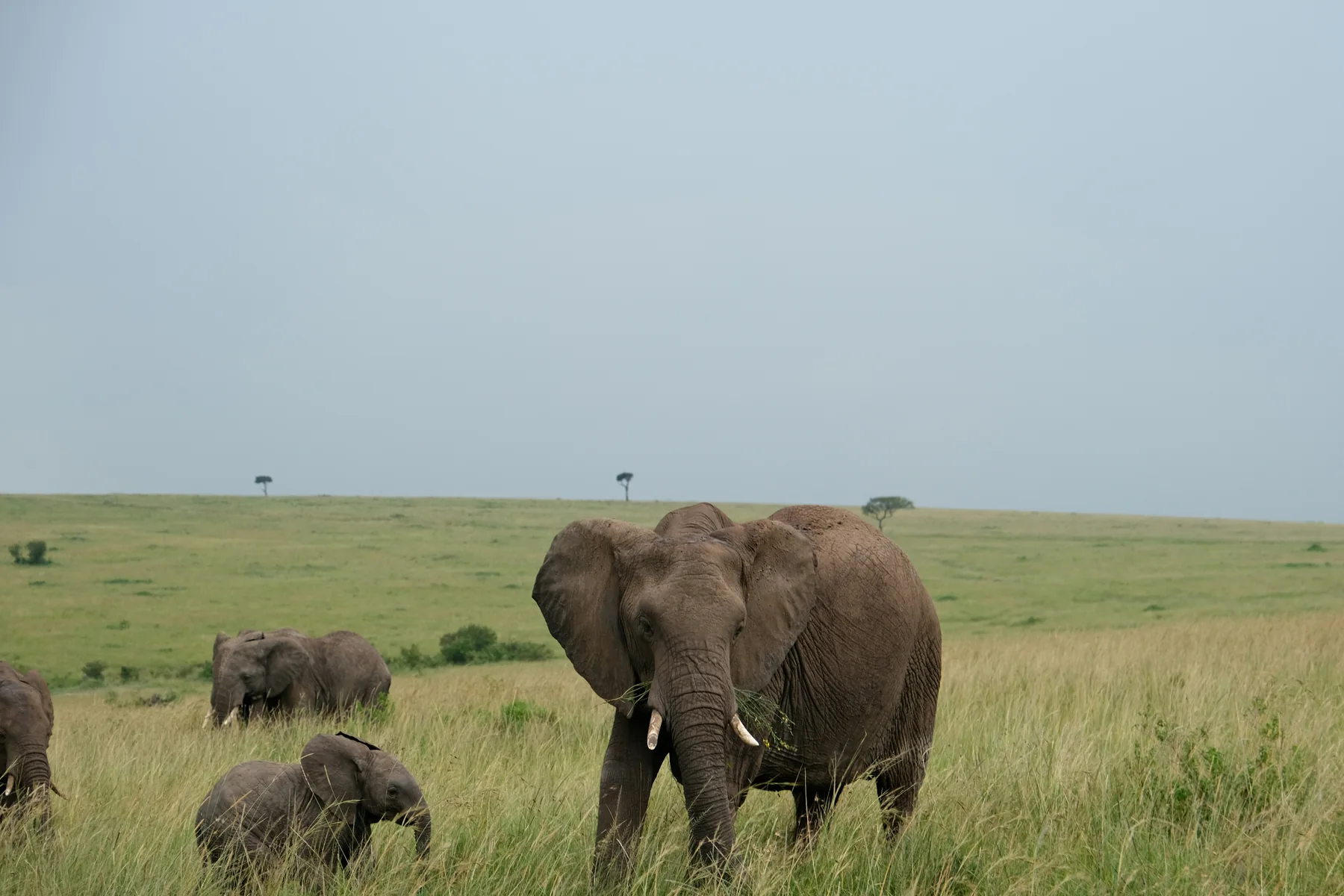
The Masai Mara green season broadly covers rain-influenced periods from November into parts of May, with drier intervals and large year-to-year variation. Resident lions, leopards, cheetahs, elephants and plains game remain. The main migration herds may be farther south, but birds, colour, young animals and fewer vehicles create their own reason to travel.
- Masai Mara green season at a glance
- How Mara rain actually feels
- Resident wildlife
- Where the great herds are
- Birding
- Young animals and predator behaviour
- Black-cotton soil and access
- Choosing where to stay
- Rates and inclusions
- Vehicle density
- Camera choices and light
- Family green-season safaris
- What to bring
- Comfort and medical planning
- Green-season itinerary ideas
- Three journeys
- From first enquiry to arrival
- Green season versus peak migration season
- Traveller opinions
- FAQs
Masai Mara green season at a glance
November short rains can arrive in dramatic bursts. January and February are often warmer and relatively dry while the land retains colour. March may transition toward the long rains, with April and May usually carrying the greatest access uncertainty.
The exact year can ignore the neat calendar. Current local conditions matter.
| Window | Typical character | Strong reason | Watch for |
|---|---|---|---|
| November | Short rains and fresh growth | Birds, storms and space | Variable tracks |
| January to February | Warm, often greener and drier | Resident cats and value | Midday heat |
| March | Transition | Colour and lighter demand | Rain timing |
| April to May | Long-rain period | Few vehicles and atmosphere | Closures and difficult access |
| June | Drying shoulder | Green texture with improving roads | Cool mornings |
How Mara rain actually feels
Rain may fall overnight, arrive as an afternoon wall or miss one sector entirely. Heavy storms can be intense, yet clear light may return quickly. Long-rain spells can also last and change river levels or road access.
Ask the camp about its soil, drainage, airstrip and all-weather routes. A specific operational answer is better than a generic monthly rainfall average.
Resident wildlife
Mara lion prides, leopards, cheetahs, elephants, giraffes, buffalo, hippos and antelope populations continue through the year. The departure of large migration herds changes prey distribution and spectacle, not the existence of wildlife.
A patient guide reads tracks, territories and local movements rather than racing toward a crossing point. Several nights create multiple chances.
Where the great herds are
During much of the Mara green season, the main wildebeest herds are in the Serengeti ecosystem, including southern calving areas early in the year. Movement varies with rain.
Travel for the green Mara itself. Any proposal promising a January Mara crossing or guaranteed migration spectacle is selling the wrong season.
Birding
Palearctic migrants join resident raptors, rollers, bee-eaters, bustards, waterbirds and smaller species. Breeding activity and insect abundance can make quiet periods unusually busy.
Tell the guide that birds matter. A bird-aware drive stops for behaviour and habitat instead of treating every non-mammal sighting as filler.
Young animals and predator behaviour
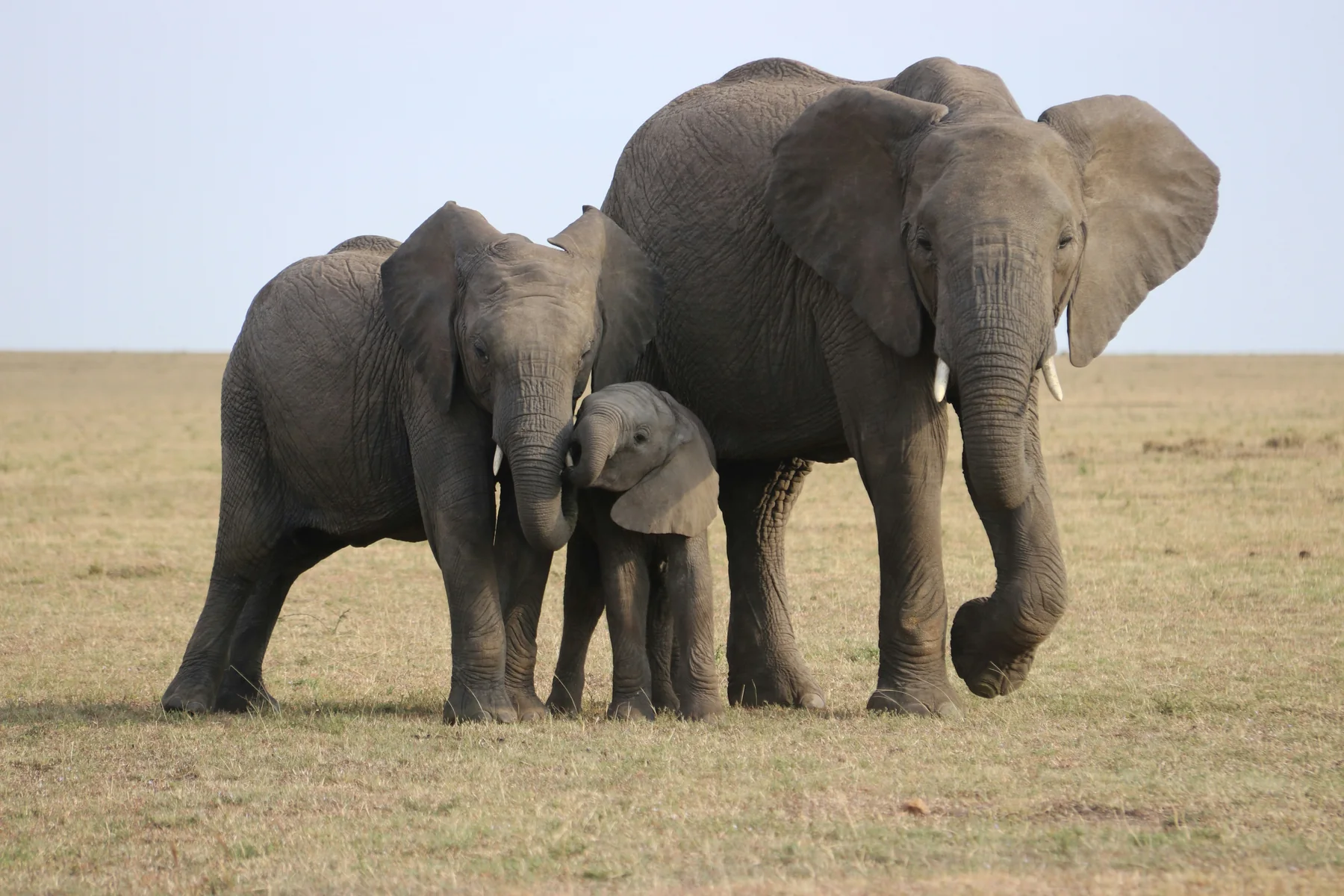
Fresh grazing can support newborn herbivores and attentive predators, but the Mara does not have one single calving event equivalent to southern Serengeti. Species breed under different cycles.
Watch behaviour without asking the guide to crowd a vulnerable animal. A mother changing direction or a herd tightening around young is information to give more space.
Black-cotton soil and access
Mara soils can become slick and deeply rutted. A proper 4×4, experienced guide, recovery equipment and conservative judgement matter. Off-road freedom in a conservancy does not make unsafe ground harmless.
Avoid itineraries that depend on a same-day road transfer and international flight during the wettest period. Leave buffer and use camps with reliable access.
Choosing where to stay
Reserve, conservancy and community land locations create different drive rules, density, fees and airstrips. A distant bargain can lose value if every sighting requires a difficult approach.
Ask whether the camp closes, where drives operate after heavy rain, whether vehicles are open or closed and how transfers change.
| Camp question | Why it matters |
|---|---|
| Does it operate all season? | Some close for maintenance |
| Which airstrip is used? | Rain can affect transfers |
| Where do drives occur? | Fees and access differ |
| Private or shared vehicle? | Controls pace and photography |
| Laundry and drying? | Wet gear needs a practical plan |
Rates and inclusions
Green-season offers can make a private vehicle, extra night or higher-quality camp possible. Festive dates and Easter may interrupt low-season pricing.
Compare fees, flights, vehicle basis, drinks and activities with the room. A well-located three-night stay can outperform a cheaper two-night stay far from productive areas.
Vehicle density
Outside peak migration, famous sectors may be quieter and guides can wait with resident animals. A green-season cat sighting with two vehicles feels different from a dry-season cluster.
There can still be local crowds around a rare animal. Private guiding and conservancy limits improve control but never grant ownership of wildlife.
Camera choices and light
Storm edges, saturated grass, reflections and dark skies make green season visually rich. Taller vegetation can hide small animals and challenge autofocus, while clean green backgrounds can transform portraits.
Use a rain cover, lens hood, cloths and sealed bag. Keep two copies of files and avoid changing lenses in dust or rain.
Family green-season safaris
Choose family rooms, a private vehicle and a camp with comfortable common space when storms pause drives. Pack waterproof shoes, spare socks, simple games and accessible layers.
Build rest into the day. A flexible guide can shorten a drive without affecting other guests and use tracks, insects and birds to keep children engaged.
What to bring
Pack a breathable rain shell, fleece, quick-dry trousers, closed shoes, sandals, hat and dry bags. Dawn can be cold after rain. Carry camera protection and medication in hand luggage.
Soft-sided bags suit light aircraft. Keep one dry change and waterproof cover accessible in the vehicle rather than beneath the main luggage.
Comfort and medical planning
Seek current professional advice about malaria prevention, vaccines and personal health. Use repellent and accommodation nets or screening as provided.
Drink safe water, protect from sun after cloud clears and keep medication dry. Travel insurance should cover remote medical care and full prepaid costs.
Green-season itinerary ideas
Four Mara nights create three full days and several weather windows. A seven-night trip can pair the Mara with Ol Pejeta or Amboseli, using flights where long roads add risk rather than interest.
In April or May, a single well-chosen ecosystem can be better than an ambitious circuit. Confirm every camp and connection close to travel.
Three journeys
A November photographer chooses four nights in a conservancy, a private vehicle and flexible meal times. They accept storms and focus on birds, cats and light.
A February couple spends four Mara nights and three at Diani. They enjoy resident predators and warm coast weather without expecting migration herds.
An April repeat visitor chooses a camp that remains open with reliable access, carries full rain protection and leaves a Nairobi buffer before the international flight.
Each route succeeds because it was designed for the actual green-season window, not a discounted copy of August.
From first enquiry to arrival
At enquiry, identify the actual window rather than saying only green season. A November trip needs short-rain flexibility. A February trip may need sun and heat planning. An April trip needs direct confirmation that the camp, airstrip and intended routes operate. Ask what happened in comparable weeks recently without treating last year as a forecast.
At quotation, compare the named camp, room, vehicle basis, park or conservancy fees and transfer. A lower rate outside the reserve may still be good value, but calculate daily access and driving. If a camp offers a stay-pay deal, decide whether the extra night improves the experience rather than using the saving to add another rushed destination.
Before payment, read closure, weather-disruption and flight terms. Travel insurance should cover the full amount and remote evacuation. If separate tickets connect the bush flight to an international departure, add a Nairobi buffer. Weather does not need to become a dispute when the itinerary has already allowed it room.
One week before travel, ask for current access, rainfall and packing advice. Check official forecasts for broad context, while recognising that a camp team sees roads and river levels directly. Download documents and contacts. Do not rebuild the itinerary around every changing weather-app icon.
On arrival, let the guide make local decisions. A closed track can lead to a productive wetland; a delayed dawn can become a brilliant post-storm evening. Green-season quality comes from preparation plus flexibility. Neither alone is enough.
Green season versus peak migration season
Peak dry-season travel offers a chance of huge herds, dusty drama and easier visibility in shorter grass, alongside high rates and vehicle pressure. Green season offers colour, birds, resident wildlife and quieter roads, alongside rain and taller vegetation.
A first visitor whose dream is a river crossing should choose the migration window and accept that crossings remain unpredictable. A photographer who values storm light, space and resident cats may prefer February or November. A repeat visitor can use April or May to see a more demanding, intimate Mara.
The budget should follow the experience. Green-season savings can fund a private vehicle or extra nights, both of which improve opportunity. Peak spending makes sense when dates and migration interest truly require it. There is no honest reason to label one season as the real Mara and the other as a compromise.
Choose the season whose drawbacks you can enjoy or accept. Dust, crowds, mud and rain are not brochure details. They shape the hours in the vehicle. An honest choice includes them before the booking, leaving the safari free to surprise in better ways.
What travellers say after the trip
These are exact words from public reviews and discussions. Each person had their own route, budget and expectations, so the value is in the detail rather than treating one experience as a promise.
weve just been to masai mara end of February..saw lions and leopards everyday. weather was good and the grass was just green but not tall.
A recent traveller describing a February Mara safari outside peak migration months.
I love November and the Green Season in April and May.
A repeat visitor explaining a personal preference for quieter, greener months.
November has short rains and is greener, but roads can get tricky in some areas.
A planning discussion balancing the visual reward with access reality.
Mara green season questions
When is the Masai Mara green season?
It usually refers to rain-influenced months from November into May, with a warmer drier interval often occurring around January and February.
Does it rain all day?
Often no. Storms can be local or brief, but prolonged rain and difficult roads are possible, especially in the long-rain period.
Are there animals in the Mara during green season?
Yes. Resident predators, elephants, giraffes, hippos and plains wildlife remain throughout the year.
Is the Great Migration in the Mara?
The main herds are usually in Tanzania for much of green season. Exact movement follows rain and grazing.
Are camps cheaper?
Many properties offer lower rates outside festive and peak periods, but seasons, closures and inclusions differ.
Do camps close in April or May?
Some close for maintenance or access reasons, while others remain open. Confirm the exact property and dates.
Are roads difficult?
Black-cotton soil and low-lying tracks can become challenging. Capable vehicles and local route knowledge matter.
Is green season good for photography?
Yes. Fresh colour, storm light, birds and fewer vehicles can be excellent, with rain protection and patient guiding.
Is it good for birding?
Yes. Migrant species, breeding activity and productive wetlands add variety.
Can NLS plan a green-season Mara safari?
Yes. NLS can match camps, access, vehicle and nights to the exact dates and preferences.
Sources and further reading
Official park, heritage, tourism, aviation and regulatory sources support the practical details in this guide.
See the Mara when the plains breathe again
Tell us which green-season month works. We will build around access, resident wildlife, birds, photography and honest weather expectations.
Plan a Mara green-season safari
Share dates, travellers, rain tolerance, wildlife interests and accommodation style.