
Kenya Safari in January: Weather, Wildlife and Best Routes
January is not migration season in the Mara. It is still one of the most rewarding months to see Kenya as a whole.

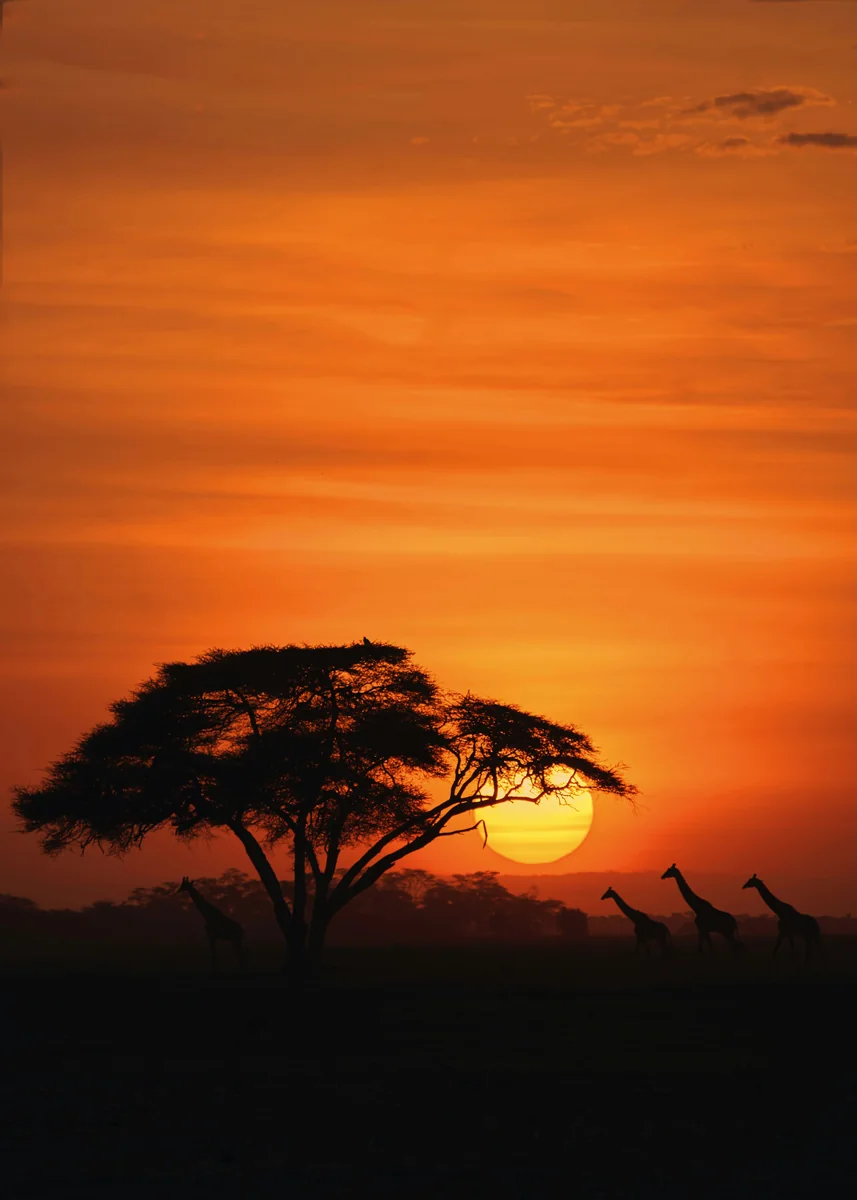
A Kenya safari in January often brings warm days, green landscapes, migrant birds and strong resident wildlife. Festive demand eases after New Year, although popular dates and properties remain busy. The great migration is generally farther south, while the Mara, Amboseli, Samburu, Laikipia and Tsavo continue their own year-round stories.
- Kenya safari in January at a glance
- Temperature and rainfall
- Masai Mara in January
- Amboseli in January
- Samburu and Laikipia
- Ol Pejeta and Nairobi National Park
- Tsavo in January
- January birding
- January rates and availability
- January family safaris
- January safari and beach
- January photography
- January packing list
- Itinerary ideas
- A January route in practice
- A detailed January planning calendar
- Health, comfort and daily rhythm
- A January booking timeline
- Traveller opinions
- FAQs
Kenya safari in January at a glance
January often follows the short rains with green areas, warm afternoons and active birdlife. Conditions differ between the Mara highlands, Amboseli basin, northern drylands, Tsavo and the coast.
The first week can retain festive prices and demand. Later January may offer a calmer balance before February heat builds.
| Area | January strength | Watch for |
|---|---|---|
| Masai Mara | Resident predators and green plains | No promised main migration herds |
| Amboseli | Elephants, wetlands and mountain views | Cloud can hide Kilimanjaro |
| Samburu and Laikipia | Northern species and birds | Warm days and variable roads |
| Ol Pejeta | Rhinos and conservation | Cooler highland mornings |
| Tsavo | Elephants, scale and coast link | Long distances |
| Coast | Warm beach extension | Humidity, tides and local weather |
Temperature and rainfall
Nairobi and highland areas can have cool mornings, while Samburu, Tsavo and the coast become hot. Showers remain possible, but January is often drier than the core short-rain months.
Pack for the day rather than the label: a dawn layer, breathable clothing, rain shell, hat, sunscreen and water.
Masai Mara in January
The migration’s main herds are generally south in Tanzania, yet the Mara supports resident lions, leopards, cheetahs, elephants, giraffes, hippos and plains game. Green grass and fewer vehicles can make a slower safari especially rewarding.
Choose January if the whole ecosystem interests you. Do not buy a river-crossing promise for the wrong season.
Amboseli in January
Permanent wetlands keep supporting wildlife while surrounding plains reflect recent rain. Elephant families can move between marsh and open country, and birds benefit from water and fresh growth.
Kilimanjaro visibility is never guaranteed. Give the park several dawns rather than one afternoon stop.
Samburu and Laikipia
Grevy’s zebra, reticulated giraffe, gerenuk, beisa oryx and Somali ostrich distinguish the north. Elephants and predators add broader safari depth.
Warm conditions make early and late drives valuable. Camp location and river conditions guide daily movement.

Ol Pejeta and Nairobi National Park
Ol Pejeta offers rhino-focused conservation within a Laikipia route, while Nairobi National Park can provide an efficient game drive near the capital. Lake Nakuru is another possible rhino stop.
Choose the stop that fits the route rather than adding a long detour for one species. Sightings remain natural, not guaranteed.
Tsavo in January
Tsavo East and West suit travellers who enjoy landscape and patient searching. January warmth and changing water distribution influence where animals gather.
The route combines naturally with Mombasa and the south coast, but the parks deserve several nights.
January birding
Migrant birds remain across wetlands, lakes, woodland and savanna. Flamingo concentrations depend on changing water chemistry and food rather than a fixed lake promise.
A bird-aware guide slows for raptors, rollers, bee-eaters and waterbirds instead of racing from one mammal radio call to another.
January rates and availability
Holiday premiums and minimum stays may continue through the first days of January. Later dates can bring more availability or softer rates at some properties, though each lodge sets seasons differently.
Compare what a saving can buy. An extra night or private vehicle often improves the safari more than moving to a grander room.
| Timing | Demand pattern | Planning move |
|---|---|---|
| 1 to 5 January | Festive peak can continue | Book early and check minimum stays |
| 6 to 20 January | Often calmer | Compare private vehicle value |
| Late January | Warm, established season | Confirm February-style rate changes |
January family safaris
A family trip works best with three-night bases, private guiding and a recovery night after long-haul travel. Choose family rooms and ask whether the camp is fenced.
Balance dawn drives with pool or rest time. Children often remember tracks, dung, birds and guide stories as vividly as the Big Five.
January safari and beach
Diani offers a broad resort beach, Watamu combines reef and creek, Malindi adds town history and Mombasa offers heritage and access. Lamu creates a slower Swahili coast journey.
Use flights when the holiday is short. Confirm tides, wind, marine activities and transfer time for the exact beach.
January photography
Fresh grass, dramatic skies, birds and young animals create colour. Dawn backlight and storm edges can be powerful, while midday heat shimmer affects long lenses.
Carry a rain cover, lens cloth and beanbag. A private vehicle protects position and waiting time.
January packing list
Bring quick-dry neutral clothing, a fleece or light insulated layer for dawn, sun hat, sunglasses, closed shoes and a compact waterproof jacket. Include insect repellent and prescribed health items.
Soft bags simplify safari vehicles and light aircraft. Keep medication, documents, camera batteries and one change of clothes in hand luggage.
Itinerary ideas
Seven nights can use four in the Mara and three in Amboseli. Nine nights can pair Samburu, Ol Pejeta and the Mara. A coast-focused road journey can combine Amboseli and Tsavo before Diani or Mombasa.
Do not add a park merely because it appears nearby on a small map. Kenyan roads, gates and airstrips turn distance into a real day.
A January route in practice
A first-time couple has nine nights after 10 January. They want cats, elephants, rhinos and beach. The plan uses four Mara nights, one Nairobi buffer with a national park drive if timing works, and four Diani nights. Amboseli is saved for another trip rather than creating a chain of flights.
A photographer has eight safari nights and no coast. They spend three in Samburu, two at Ol Pejeta and three in the Mara, flying the longest leg. The route gives northern species, rhinos and resident Mara predators.
A family travelling over New Year chooses three Amboseli nights and four Mara nights with a private vehicle. Rooms are confirmed early, drives remain flexible and the first day after arrival is intentionally light.
January succeeds because none of these travellers waits for the migration to make Kenya worthwhile.
A detailed January planning calendar
Place the first five days of January in a separate column. They can still carry festive rates, minimum stays and busy family travel. From the second week, some properties and routes settle into a calmer rhythm. Ask for the exact date-based rate rather than assuming the whole month is either peak or shoulder season.
Choose a core ecosystem. Four Mara nights suit travellers who want resident predators and plains wildlife. Three Amboseli nights suit an elephant and photography priority. Three Samburu nights create a northern-species chapter. Add Ol Pejeta or Nairobi National Park when rhinos matter, but do not collect every option in one week.
Match the transfer to the holiday length. Road travel shows towns, farms and changing landscapes, but long cross-country legs can consume January heat and family patience. Flights protect wildlife time, while baggage limits affect camera and child equipment. A mixed route often works best: road where the journey adds context and air where it merely repeats distance.
Plan the coast as a destination with its own conditions. Diani, Watamu, Malindi, Mombasa and Lamu differ in tides, marine activities, history, nightlife and airport access. A January beach stay can be warm and restorative, but the traveller should choose the town rather than buy a generic strip of sand.
Keep expectations honest. The Mara will not become empty because the main migration herds are in Tanzania, and January will not guarantee clear Kilimanjaro or dry roads. Build a route with resident wildlife, birds, several drive windows and a guide who reads local conditions. That is how January becomes a first choice instead of a compromise.
Health, comfort and daily rhythm
January heat is strongest in some northern and coastal areas, while dawn in the highlands can still feel cold. Dress in layers, drink before feeling thirsty and use shade during picnic stops. A good guide plans activity around wildlife and human energy rather than treating every hour as equally productive.
Seek current professional medical advice for vaccines, malaria prevention and personal conditions. Carry medication in original packaging with a copy of the prescription where appropriate. Do not place the entire supply in checked luggage or leave temperature-sensitive medicine in a hot vehicle.
Dust, pollen and long drives can irritate eyes and airways. Pack familiar remedies, a reusable bottle and a scarf or buff if helpful. Travellers with back or mobility concerns should confirm step height, seat position and stop frequency before the vehicle is assigned.
January offers long, rewarding days, but rest protects them. A quiet afternoon between dawn and evening drives can improve children’s mood, photography concentration and everyone’s enjoyment of dinner. Safari depth comes from attention, not exhaustion.
A January booking timeline
Confirm the core park and best-located accommodation before adding optional activities. If travelling in the New Year week, treat it as festive travel and book early. For later January, compare offers carefully without assuming every discounted room is well positioned.
Check internal flight baggage, vehicle basis, park-fee inclusions, room category and coast transfer. A January quote should state that the migration is not promised in the Mara and explain the resident-wildlife plan instead.
In the final week, download entry documents, insurance, tickets and contacts. Check current weather and road advice, then let the guide adapt. Preparation should remove administrative surprises while leaving space for the living safari to remain unscripted.
What travellers say after the trip
These are exact words from public reviews and discussions. Each person had their own route, budget and expectations, so the value is in the detail rather than treating one experience as a promise.
January is a fabulous time to go. Great weather, better prices, lots of animals.
A traveller describing January as a complete safari month rather than a migration substitute.
I’ve been on safari in January and February. Ten days in different parts of Kenya and the weather was great.
A Kenya safari discussion describing variable rain without a spoiled trip.
I think I’m going to rethink the itinerary around Nairobi National Park + Sheldrick for the rhinos, and then put most of the trip into the Mara.
A January first-time planner refining the route around actual wildlife priorities.
January Kenya safari questions
Is January a good month for a Kenya safari?
Yes. Warm weather, green scenery, resident wildlife and migrant birds make January rewarding in several parks.
Is the migration in the Masai Mara in January?
The main herds are usually in the southern Serengeti ecosystem. The Mara still has excellent resident wildlife.
Does it rain in January?
Showers are possible and patterns vary. Many days contain long bright periods, but no month has guaranteed weather.
Which Kenya parks are best in January?
The Mara, Amboseli, Samburu, Laikipia, Ol Pejeta, Tsavo and Nairobi can all work depending on priorities.
Is January crowded?
New Year can be busy. Demand often softens later in the month compared with festive dates and peak migration season.
Is January good for elephants?
Yes. Amboseli, Samburu, Tsavo and the Mara all support elephants, with landscapes and viewing styles differing.
Is January good for birding?
Yes. Migrant birds join resident species, and green habitats can be especially active.
Can I combine safari and coast?
Yes. January is popular for warm coast extensions, with exact wind, tide and rain conditions varying by place.
What should I pack?
Light layers, a warm dawn layer, sun protection, a compact rain shell and soft luggage cover most January routes.
Can NLS plan a January route?
Yes. NLS can match current availability, parks, transport, vehicle and beach options to the exact dates.
Sources and further reading
Official park, heritage, tourism, aviation and regulatory sources support the practical details in this guide.
Let January tell its own Kenya story
Tell us the animals, landscapes and coast plans that matter. We will build around the season that is actually there.
Plan a January Kenya safari
Share exact dates, travellers, wildlife priorities, budget range and beach plans.