
Best Time for a Kenya Safari: A Month-by-Month Guide
July has dust and drama. January has young animals and clear mornings. November can turn the plains green overnight.
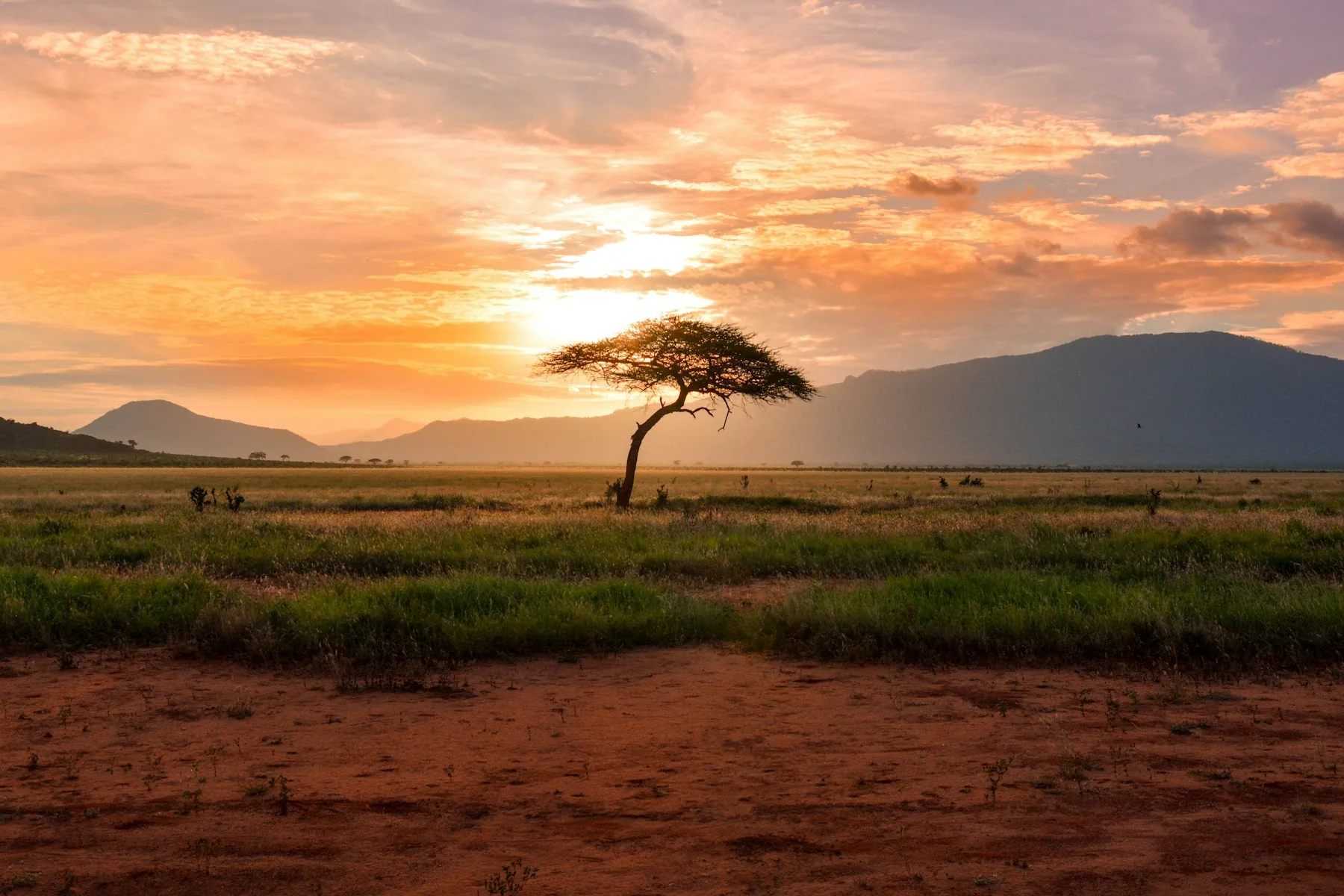
The best time for a Kenya safari depends on the story you want to see. July to October suits travellers hoping for dry-season wildlife and possible migration action in the Mara. January and February often bring warm, clear conditions and fewer vehicles. November and the green months reward photographers, birders and travellers who value colour, space and lower rates.
- Best time for a Kenya safari at a glance
- Twelve-month Kenya safari planner
- January and February
- March, April and May
- June
- July and August
- September and October
- November and early December
- Christmas and New Year
- Best months by park
- Price, crowds and availability
- How to choose your month
- A worked seasonal choice
- Independent rainy-season safari video
- Traveller opinions
- FAQs
Best time for a Kenya safari at a glance
The dry months make tracks, roads and water sources easier to read. Grass can be shorter and animals may gather near remaining water. The same conditions attract more visitors and higher prices. A famous season is not automatically a private one.
Green months soften the landscape and often bring dramatic skies, migrant birds and young herbivores. Some tracks can be muddy and wildlife may spread across wider grazing. For travellers who enjoy atmosphere and do not need a river crossing, that trade can be wonderful.
| Travel window | Character | Best for | Watch for |
|---|---|---|---|
| January to February | Warm, often dry, green in places | Resident wildlife and calmer camps | Heat at midday |
| March to May | Long-rain period | Colour, birds and value | Road access and closures |
| June | Drying landscapes | Shoulder-season balance | Cool mornings |
| July to October | Main dry and migration window | Classic viewing and Mara action | Crowds and peak rates |
| November to mid-December | Short-rain period | Green scenery and space | Variable showers |
| Festive season | Popular holiday period | Family travel | Early booking and premiums |
Kenya safari month-by-month planner
The chart is a planning pattern, not a forecast. Rains can start late, fall locally or arrive in short bursts. A month should narrow the likely conditions and questions, never promise the weather.
| Month | Likely safari character | Good reason to choose it | Honest trade-off |
|---|---|---|---|
| January | Warm, often dry, with green traces | Resident wildlife, birds and coast combinations | Hot afternoons, especially in lower parks |
| February | Warm and generally dry | Predators, young animals and fewer peak crowds | Heat, dust and no Mara migration promise |
| March | Transition toward long rains | Mixed colour, birds and changing skies | Storm timing becomes less predictable |
| April | Often one of the wettest periods | Very quiet parks, green scenery and value | Some closures, muddy tracks and difficult transfers |
| May | Long rains may continue | Low demand and photographic colour | Remote access and lodge operations need checking |
| June | Drying transition with cool mornings | Green remains while roads improve | Migration herds may still be south |
| July | Main dry season begins | Classic viewing and possible Mara herd arrival | School holidays and rising prices |
| August | Dry, cool at dawn and busy | Large Mara herds and possible crossings | Vehicle pressure and premium rates |
| September | Dry with strong water concentration | Migration season with some easing of family travel | Popular Mara areas remain busy |
| October | Dry or turning toward short rains | Strong resident wildlife and transition colour | Herd movement and first storms vary |
| November | Short rains often refresh the land | Birds, green backgrounds, space and value | Showers and muddy detours |
| December | Variable short rains and rising holiday demand | Family travel, green scenery and resident game | Festive premiums and minimum stays late in the month |
January and February
January often opens with green grass left by the short rains, warm afternoons and excellent resident wildlife. It is a strong window for the Mara, Amboseli, Samburu, Laikipia and Tsavo when the river crossing is not the purpose of the trip. Migrant birds add movement and colour.
February can be hotter and drier, with young antelopes and attentive predators in some ecosystems. The huge migration herds are normally farther south in the Serengeti ecosystem, yet the Mara does not become empty. Its resident cats, elephants and plains game continue their lives.
March, April and May
The long rains can begin in March and often intensify in April or May. They do not arrive on a national switch. One valley may receive a hard afternoon storm while another remains bright. Roads, black-cotton soil and river levels matter more than a generic rain icon.
Some camps close for maintenance and some remote tracks become difficult. Others stay open with attractive rates and very few vehicles. A green-season safari needs a capable vehicle, local route knowledge, flexible transfers and an honest conversation about access.
June
June is one of Kenya’s most useful compromise months. The long rains are usually retreating, vegetation is still textured, mornings can be cool and peak migration crowds have not fully built. Wildlife viewing remains strong across several parks.
The migration cannot be ordered for a June arrival. Herd position follows rain and grazing across the wider ecosystem. Choose June for the whole safari, not as a discounted promise of July.
July and August
July begins the celebrated dry-season chapter. Herds may enter the Mara ecosystem, predators work through plentiful prey and water sources become increasingly important. Families also travel during northern school holidays, so vehicles and lodge demand rise.
August can produce huge concentrations and possible river crossings. A crossing is never scheduled. Hours of waiting may end with nothing, or the herd may cross somewhere else. A private guide can balance that uncertainty with cats, elephants and quieter sectors.

September and October
September often continues the Mara’s migration season with strong wildlife and busy popular areas. Later in the month, some family traffic eases. October is a transition: herds may begin moving south, grass is dry and the first short-rain storms may rebuild colour.
Dates do not contain the animals. In both months, camp location decides how much time is spent reaching a productive area. Ask where drives usually take place, which reserve or conservancy fees apply and whether all-day drives are possible.
November and early December
Short rains can turn dust to green within days. New grass spreads wildlife, storm light makes photographs glow and migrant birds arrive. Showers may be intense, but many fall in bursts followed by workable hours.
November appeals to repeat visitors and photographers who value space. It is less suitable for someone who would resent a muddy detour or judge the safari only by a migration crossing. Match expectations before choosing the rate.
Christmas and New Year
Late December is not a quiet low season. Festive travel brings families, minimum stays and premium rates at sought-after camps. Book rooms, family tents, private vehicles and flights early.
The reward can be lovely green scenery, resident wildlife and a celebratory atmosphere. Protect children from an overfilled route. Three nights in one ecosystem usually creates a better holiday than constant packing.

Best months by park
The Mara is influenced by the Serengeti migration but has year-round wildlife. Amboseli’s wetlands hold life through dry periods while Kilimanjaro visibility changes hour by hour. Samburu and Laikipia respond to northern rainfall. Tsavo covers such a vast area that local water and road knowledge becomes essential.
The coast follows Indian Ocean patterns, with humidity, wind, sea state and rainfall shaping beach days. A safari-and-beach itinerary should not assume the same month is perfect in both places.
| Destination | Strong windows | Reason to travel outside them |
|---|---|---|
| Masai Mara | July to October, January to February | Green season, birds and fewer vehicles |
| Amboseli | Dry months and January to February | Green foregrounds for Kilimanjaro |
| Samburu and Laikipia | January to March, June to October | Distinct northern species year-round |
| Tsavo | January to February, June to October | Green landscapes and coast access |
| Rift Valley lakes | Year-round with local variation | Bird movement and water levels change |
| Kenyan coast | January to March, July to October | Each coast town has different wind and rain patterns |
Price, crowds and availability
Peak prices reflect demand and limited beds, not a guarantee of better wildlife. Shoulder season may place the same budget in a more private vehicle or better-located camp. Green-season savings can make an extra night possible, which often improves sightings more than a luxury room.
Compare the full experience: park fees, internal flights, vehicle basis, room type, included activities and cancellation terms. Do not chase a cheap lodge two hours from the area you want to explore.
How to choose your month
Write down three priorities. They might be migration scale, elephant families, photography, fewer vehicles, warm beach weather, family dates or value. Then decide which compromise you can enjoy rather than merely tolerate.
If dates are fixed, change the parks instead of fighting the season. A February route can celebrate Samburu, Laikipia, Amboseli and resident Mara wildlife. An April route can use properties with reliable access. A December route needs festive availability and more advance planning.
Leave one element unpromised. Wildlife movement, mountain visibility and rain cannot be guaranteed. The itinerary should be strong enough that the safari still feels complete when nature chooses another script.
A worked seasonal choice
Imagine a couple who can travel for ten nights in late August. They want cats, elephants and three nights at the coast, but dislike crowds. The obvious answer is not simply “book the Mara in migration season.” A better answer gives the Mara enough time, places the camp in a conservancy or quieter sector, uses a private vehicle where the budget permits and connects to a coast area whose wind and sea conditions fit their plans. The calendar supplies the conditions. The route protects the experience.
Now imagine the same couple can travel in February. They lose the expectation of huge Mara migration herds, but gain warm days, resident predators, young animals, migratory birds and a calmer atmosphere. Samburu or Laikipia can introduce northern species, Amboseli can add elephant families and the coast can follow naturally. February is not the failed version of August. It is a different Kenya story with its own photographic palette.
A family tied to Easter holidays needs another approach. The long rains may be starting, some properties may close and road conditions can change quickly. The planner should choose camps with reliable access, leave time around transfers, avoid an exhausting chain of one-night stops and explain the rain trade honestly. Children often enjoy dramatic storms and uncrowded wildlife when the itinerary includes warm layers, dry bags, indoor space and a flexible guide.
Budget decisions also change with season. A peak-season room far from the wildlife area can cost more while stealing drive time. A shoulder-season rate may fund a private vehicle or a fourth night in the same ecosystem. Before changing the month, compare what the money actually buys: location, exclusivity, guide quality, park access, flight convenience and cancellation flexibility. The cheapest date and the best-value safari are rarely identical questions.
Finally, leave room for uncertainty. Rain may arrive late. A famous crossing may happen before breakfast or not at all. Kilimanjaro can hide behind cloud. The best seasonal plan does not promise control. It gives the traveller several worthwhile reasons to be in each place, so an uncooperative headline event does not empty the day. That is the clearest test of whether the chosen month truly fits.
An independent Amboseli rainy-season safari
Watch Laura Bornstein’s independent Amboseli rainy-season safari video on YouTube. It shows why rain is not the same as a ruined safari and why local road, cloud and wildlife conditions matter more than a single national weather icon. Use it for atmosphere, not as a forecast for another date.
What travellers say after the trip
These are exact words from public reviews and discussions. Each person had their own route, budget and expectations, so the value is in the detail rather than treating one experience as a promise.
January is a fabulous time to go. Great weather, better prices, lots of animals.
A traveller describing a January Kenya safari without treating migration season as the only worthwhile window.
We visited in July of last year and missed the wildebeest migration but my partner and I talk about our safari experience at least once a week
A reminder that a missed migration moment can still sit inside a deeply memorable safari.
Feb is a great time: green season, fewer crowds, and all the resident big cats are around
A repeat Kenya traveller explaining why February can be rewarding in the Mara.
it was incredibly underwhelming because of the crowds.
A critical peak-season Mara experience that shows why famous timing can still be the wrong fit.
There is a window between rainy seasons in Feb which is when we visited and thought it was perfect
A traveller explaining why February worked better for their priorities than migration peak.
January and February in Kenya are just as fabulous as any other month of the year.
A recent traveller’s reminder that resident wildlife does not disappear outside the migration window.
Kenya safari timing questions
What is the best time for a Kenya safari?
July to October is popular for dry conditions and Mara migration possibilities, while January and February are excellent for warm weather, resident wildlife and fewer vehicles.
Is Kenya worth visiting outside migration season?
Yes. Resident predators, elephants, rhinos, giraffes and plains wildlife remain, and other parks have stories unrelated to the migration.
When are the long rains?
They are commonly associated with March to May, but timing and intensity vary by year and region.
When are the short rains?
They often fall around October to December, usually as showers rather than continuous rain, but patterns are not guaranteed.
Which month is cheapest?
Rates are often softer in parts of the green season, especially away from festive dates, but each property sets its own seasons.
When is the Mara most crowded?
July through September can be busiest, especially around migration hotspots and river-crossing waits.
When is Amboseli clearest?
Kilimanjaro visibility is often strongest early in the morning. Dry months can improve wildlife concentration, while green months add colour.
Can rain cancel game drives?
Some roads can become difficult, but many showers are local or brief. Camps adapt routes and timing to safe conditions.
When should I combine safari and beach?
January to March and parts of July to October often work well, while coast wind and rain patterns need a separate check.
Can NLS plan around fixed dates?
Yes. NLS can match parks, camps, transport and pace to the travel window you actually have.
Sources and further reading
Official park, heritage, tourism, aviation and regulatory sources support the practical details in this guide.
Choose the season that feels like your safari
Tell us when you can travel and what you most want to feel or photograph. We will build the route around that reality.
Plan your Kenya safari dates
Share dates, travellers, wildlife interests, budget range and whether crowds, heat or rain concern you.