
Solo Female Travel in the Masai Mara: Safety, Freedom and the Right Team
The plane lands on a strip of red earth. By dinner, names are being exchanged around a fire. By dawn, the guide already knows whether you would rather wait for a leopard or follow elephants.
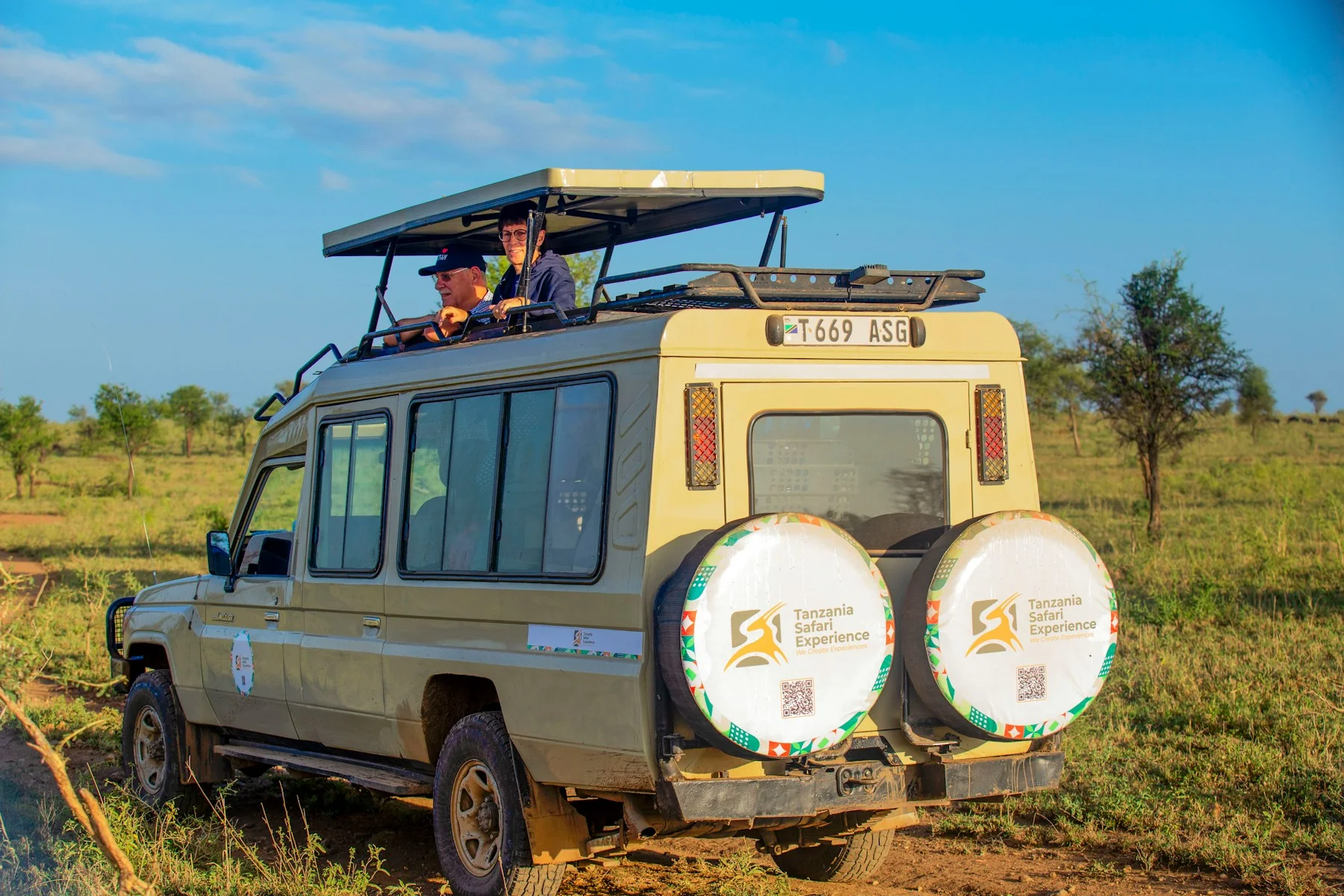
Solo female travel in the Masai Mara can feel both freeing and sociable when transfers, guide, camp and communication are chosen carefully. The safari itself is structured. The important safety decisions happen before arrival and at the handovers.
- What safety looks like on a safari
- Choosing an operator and guide
- Nairobi, Wilson Airport and Mara airstrips
- Choosing a camp that feels sociable
- Shared and private game drives
- Handling attention and personal boundaries
- Single supplements and avoiding financial pressure
- Packing, health and communication
- What to do if something feels wrong
- A solo Mara plan from arrival to the flight home
- Traveller opinions
- FAQs
What safety looks like on a safari
A Mara safari is not unstructured solo backpacking. A driver meets the flight, a vehicle transfers to camp, staff escort guests after dark and game drives follow protected-area rules. That structure can feel reassuring. Risk appears when the traveller does not know who is collecting her, who employs the guide or which company received the money.
Ask for names, telephone numbers, vehicle details and a 24-hour contact before departure. Send the itinerary to someone at home and agree on check-in points. Keep copies of passport, insurance and flight details separate from the originals. These steps are useful for every traveller and especially important when no companion can verify a handover.
Choosing an operator and guide
Confirm the company’s legal name, tourism licence, office contact, payment beneficiary and recent independent feedback. The bank account should match the contracted business. Be wary of a last-minute change to a personal account or an itinerary that never names the camp. Ask who employs the guide and who takes responsibility if the first flight is delayed.
Professional boundaries are part of service. A guide should not pressure a guest for personal contact, romance, purchases or secrecy. If communication becomes uncomfortable, contact the company manager and camp immediately. A strong operator makes escalation simple and does not leave the traveller to negotiate with the person causing concern.
| Before paying | Evidence to request | Concern |
|---|---|---|
| Company | Licence and legal name | Only a social-media handle |
| Payment | Business beneficiary and invoice | Personal account change |
| Guide | Name, employer and contact | No accountable manager |
| Transfers | Driver and vehicle details | Unmarked last-minute pickup |
| Camp | Exact property and confirmation | Unnamed accommodation category |
Nairobi, Wilson Airport and Mara airstrips
International flights usually arrive at Jomo Kenyatta International Airport. Safari flights commonly leave Wilson Airport, which means a road transfer across Nairobi. Arrange it through one accountable company, allow a realistic buffer and do not accept an unknown driver who merely knows your name. The flight should land at the airstrip nominated by the camp.
A road safari can keep one guide and vehicle from Nairobi to the Mara, reducing handovers but adding a long drive. Compare the driver’s rest, vehicle condition, route and daylight arrival. After the safari, use a named transfer to the hotel, international airport or beach connection rather than solving the next step at an airstrip.
Choosing a camp that feels sociable
Small tented camps often gather guests around a fire and communal dining table, creating natural conversation without obliging anyone to socialise all evening. Larger lodges offer more anonymity, public facilities and room to choose a private table. Ask how meals work, how many guests join a vehicle and whether the property regularly hosts solo travellers.
A conservancy camp can add guided walks and night drives with controlled vehicle density. A reserve lodge may give direct access to a broad game-drive sector. Choose the area for the safari, then the camp for atmosphere. A beautiful honeymoon-focused property may feel quiet for one guest, while a wildlife-led camp can make connection easy.
Shared and private game drives
Shared drives lower the solo cost and provide companions for sightings, meals and stories. The tradeoff is a fixed schedule and group priorities. Ask how many guests sit in each row, whether everyone has a window and how the camp handles different interests. A small vehicle group often feels more personal than a large minibus.
A private vehicle gives complete control over pace, photography and quiet. It also places the traveller with one guide for long hours, so vetting and professional fit matter. Schedule a call before booking if that arrangement raises concern. A guide who listens, explains the day and welcomes boundaries can turn solo travel into unusual freedom.
| Drive choice | Strength | Tradeoff |
|---|---|---|
| Shared camp vehicle | Company and lower cost | Group schedule |
| Private camp vehicle | Freedom and photography | Higher solo cost |
| Road safari vehicle | One guide from Nairobi | Long transfer |
| Fly-in camp drives | Fast access and camp community | Flight handovers and baggage limits |

Handling attention and personal boundaries
Kenya is welcoming, and most interactions are ordinary and respectful. Unwanted attention can still happen in cities, on messaging apps or within tourism. Use a direct no, leave the situation and involve a manager. Do not worry about appearing rude when someone ignores a boundary. Avoid sharing room numbers, detailed solo plans or live location publicly.
Use hotel or operator transport at night, keep drinks in sight and follow local advice for neighbourhoods. At camp, wildlife creates its own boundary rules. Wait for an escort after dark and never walk between a hippo and water or approach an animal for a photograph. The guard is there for wildlife safety, not because the guest has failed at independence.
Single supplements and avoiding financial pressure
One traveller often pays a supplement because one room and vehicle seat cannot be divided. Ask for the room rate, transport, park fees, conservancy fees, flights and activities as separate lines. A shared camp vehicle can reduce cost, while a private road safari may remain expensive even with a modest room.
Carry limited cash, use official receipts and agree prices before optional visits or purchases. A cultural activity should state the entrance contribution and what it supports. Do not let a guide decide an unplanned shopping stop is compulsory. The itinerary belongs to the traveller, and saying no is enough.
Packing, health and communication
Bring a local-capable phone or eSIM plan, power bank, headlamp, compact door alarm if it adds comfort, layers, closed shoes and a cross-body day bag. Keep medicine in original packaging and carry enough for delays. Download the itinerary, insurance and emergency contacts for offline use.
See a travel-health clinician for malaria, vaccines and the full route. Travel insurance should cover remote medical evacuation. Share allergies and medical conditions with the operator when relevant. A paper with essential contacts can still work when a phone is lost or has no signal.

What to do if something feels wrong
Move to a public area, contact the camp manager or operator and tell a trusted person. Ask for another guide or driver when professional boundaries have been crossed. If immediate danger exists, use local emergency services and the appropriate embassy or consular assistance. Document names, messages and vehicle details when safe to do so.
A reputable company will respond without making the traveller prove discomfort. The same principle applies to accommodation: if a room lock, escort arrangement or transfer feels unsafe, raise it before night. Safety is not a promise in a brochure. It is a system with people who act when the plan changes.
A solo Mara plan from arrival to the flight home
For a first visit, meet a named driver inside the international arrivals process and use a confirmed hotel when the safari flight leaves the next morning. The Wilson transfer should be on the same booking or clearly handed over between accountable companies. Leave time for Nairobi traffic. At Wilson, check the airline desk rather than following an unsolicited helper, keep documents close and confirm the airstrip printed on the boarding information.
On arrival in the Mara, the camp vehicle should be waiting with the guest’s name and the camp identity. If nobody appears, call the camp directly before accepting a lift. The first transfer often becomes a game drive, so water, sun protection and a camera belong in the small bag. At check-in, ask for the escort procedure, manager contact, meal style, emergency signal and the way room locks or tent zips work.
Three or four nights in one camp give enough time to build rapport without constant handovers. Shared drives provide natural company, while one private day can focus on photography or a full-day route. A solo guest does not have to accept every communal meal or remain alone. Tell the host which balance feels comfortable and change it as energy shifts.
For a city or beach extension, keep the same discipline. Use a named transfer from the airport, avoid publishing the live hotel and do not let a new contact replace the planned vehicle without confirmation. Carry the operator’s main number separately from the driver’s. A screenshot of the booking and vehicle plate is simple evidence if the phone loses signal.
Solo travel is valuable precisely because the day can follow one person’s curiosity. Spend forty minutes with a secretarybird, take lunch quietly or join guests at the fire. Good planning does not remove spontaneity. It creates a secure frame in which the traveller can say yes, no or not today without needing another person to make the decision credible.
| Handover | Confirmation | If it changes |
|---|---|---|
| JKIA arrival | Named driver and meeting point | Call the operator before leaving arrivals |
| Wilson Airport | Airline, time and airstrip | Use the airline desk |
| Mara airstrip | Camp vehicle and staff name | Call the camp directly |
| Camp activity | Guide, time and group | Tell the manager |
| Return transfer | Vehicle and final destination | Do not accept an unverified substitute |
What travellers say after the trip
These are exact words from public reviews and discussions. Each person had their own route, budget and expectations, so the value is in the detail rather than treating one experience as a promise.
I felt very safe and you get to mingle with other guests around the campfire or during game drives so it’s not lonely.
A solo traveller reporting after a Masai Mara safari.
I did a safari in the Maasai Mara and it was incredible.
A woman responding to another solo traveller’s safety concerns.
Other travelers were friendly, as a solo female traveler I felt very safe, and really enjoyed myself.
A traveller comparing the freedom of a solo safari with a small group.
Solo female Masai Mara questions
Is the Masai Mara suitable for a solo woman?
Yes, with a reputable operator, confirmed transfers, a professional camp and normal travel precautions. No destination is risk-free.
Should I fly or drive from Nairobi?
Flying reduces road time and handovers when arranged well. Driving can cost less and keeps one guide, but it is a long journey.
Will I feel lonely at camp?
Many camps use communal meals, fires and shared drives, making conversation easy. Ask about the camp atmosphere before choosing.
Should I use a private guide?
A private guide gives control and privacy. Shared drives provide company and lower the cost. Vet the operator in either case.
How do I check an operator?
Confirm its legal identity, tourism licence, physical contact details, recent independent reviews, payment beneficiary and written itinerary.
What should I do about airport transfers?
Use a pre-arranged named driver, exchange vehicle details, avoid unmarked pickups and keep the camp contact available.
Are camps safe after dark?
Wildlife camps may be unfenced. Follow escort rules and do not walk alone after dark, even when buildings are nearby.
Do solo travellers pay more?
A single supplement is common because one person occupies a room. Shared departures or selected seasons may reduce it.
What should I pack for personal safety?
Carry a charged phone, power bank, copies of documents, modest flexible clothing, medicine and only the cash needed that day.
Can I add Nairobi or the beach?
Yes. Use vetted city transfers and a coherent flight plan rather than arranging each handover with an unknown provider.
Sources and further reading
Official park, heritage, tourism, aviation and regulatory sources support the practical details in this guide.
Travel solo with a team that knows every handover
Share your dates, arrival flight and preferred level of company. We will make the people, vehicles and camp easy to identify before you leave home.
Plan a solo Mara safari
Tell us your dates, comfort level and whether you prefer shared or private drives.