
Samburu Safari Cost: A Complete Guide to Budgeting the Trip
See what drives the Samburu safari cost, how road and fly-in plans compare, what a complete quote includes and where saving money protects or weakens the experience.
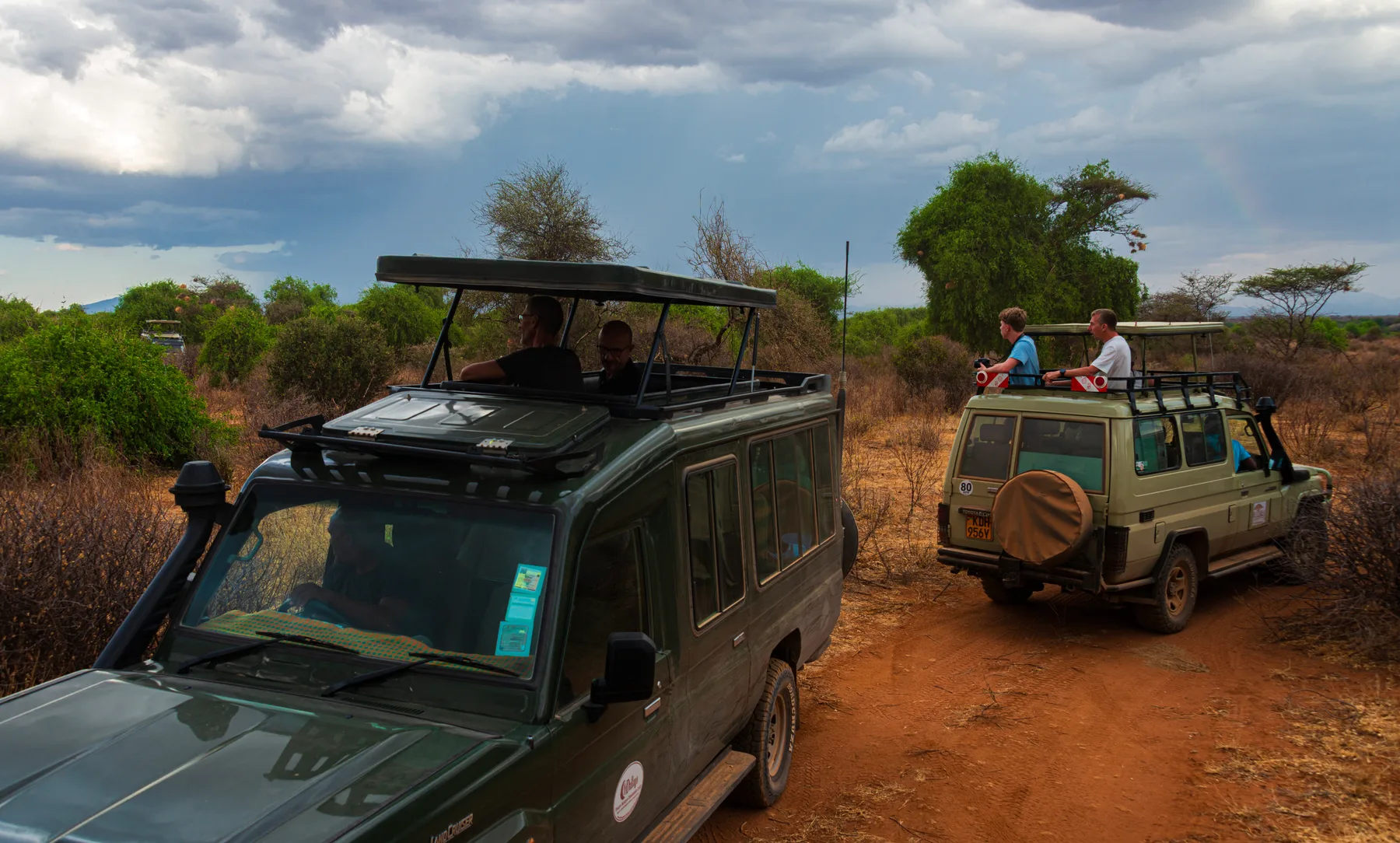
- Samburu safari cost at a glance
- A useful planning benchmark
- Why one daily rate can mislead you
- The complete Samburu safari cost formula
- Accommodation usually moves the total most
- Room rate basis changes the apparent price
- Season changes both price and availability
- Road and air create very different budgets
- A road safari cost is shared across the vehicle
- The vehicle should be described, not assumed
- Guide quality is part of the price
- Scheduled flights charge per passenger
- Door-to-door time has a financial value
- Park and reserve fees need their own line
- Conservancy fees fund a different access model
- The lodge location changes daily driving cost
- Meals can be fully included or surprisingly incomplete
- Drinks can separate full board from fully inclusive
- Activities may sit inside or outside the room rate
- Private game drives change both price and freedom
- A two-night stay can be false economy
- Three days and two nights by road
- Four days and three nights by road
- A fly-in Samburu safari
- A road circuit through Ol Pejeta or Laikipia
- Solo travellers face two cost pressures
- Couples have the widest choice
- Families can make private road travel economical
- Larger groups should price exclusive use
- Resident, citizen and non-resident rates differ
- Photography has its own hidden costs
- Cultural visits should show the community fee
- Tips are small individually but significant together
- Insurance belongs in the true trip cost
- Payment method can alter the final amount
- Cancellation terms carry a price
- What a genuinely complete quote includes
- Common exclusions that change the total
- How to compare two Samburu proposals
- Where saving money makes sense
- Where cutting cost usually backfires
- Is Samburu worth the cost
- Samburu versus Amboseli on cost
- Samburu versus Masai Mara on cost
- A realistic Samburu budget conversation
- Final booking checklist
- Build a Samburu safari around value
The price of a Samburu safari is not one lodge rate multiplied by the number of nights. It is a chain of choices: road or air, private or shared vehicle, reserve or conservancy, two nights or four, full board or fully inclusive, and whether the first and last travel days deliver useful safari time.
That is why two quotations for “three days in Samburu” can look dramatically different while both appear reasonable at first glance. One may include every gate fee, private game drives and a 4×4 from Nairobi. The other may include the room and meals but leave flights, airstrip transfers, drinks, conservation fees and activities outside the headline.
This guide shows what creates the Samburu safari cost, where economies make sense and where cutting too far weakens the trip. It gives a realistic planning benchmark, then helps you build a complete total for your dates rather than buying the lowest-looking number.
Samburu safari cost at a glance
| Cost question | What matters most |
|---|---|
| Biggest single variable | Accommodation level and season |
| Biggest transport choice | Private road safari versus scheduled flight |
| Cost most often misunderstood | Park, reserve or conservancy access fees |
| Best saving for friends or family | Share one private 4×4 across more travellers |
| Saving that often damages the trip | Staying only one night after a long road journey |
| Quote comparison rule | Match every inclusion and exclusion line by line |
Start with the Samburu safari guide if you are still deciding what the destination should include.
A useful planning benchmark
SafariBookings' independent expert guide says, “Most Samburu budget safaris range between US$125 per person per day and US$350 per person per day.” The full budget-safari explanation notes that inclusions can cover a guide, driver, vehicle, accommodation, meals, water and game drives, while fees and transfers still need checking.
| Benchmark | Safe interpretation |
|---|---|
| US$125 per person per day | Usually needs sharing, simple accommodation or a tightly costed group plan |
| US$350 per person per day | Can support a stronger budget or some mid-range arrangements |
| Above the band | Common with private travel, flights, premium lodges or conservancies |
| Below the band | Inspect fees, vehicle, meals, guide quality and room basis carefully |
This is a market-planning reference, not a promise that every date can be sold inside the band.
Why one daily rate can mislead you
A daily rate hides the shape of the itinerary. A two-night road trip may be called three days even though much of day one and day three is spent on the highway. A more expensive three-night plan may deliver twice as much useful wildlife time.
| Headline | Detail that changes value |
|---|---|
| “Three-day safari” | Is it two nights or three? |
| “All inclusive” | Are conservation fees and premium drinks included? |
| “Private safari” | Is the vehicle private on game drives or only on transfers? |
| “Fly-in package” | Are both Nairobi airport transfers included? |
| “Samburu stay” | Which reserve, conservancy or lodge location? |
Judge the cost per meaningful safari day, not merely the label on the package.
The complete Samburu safari cost formula
Build the total from real components. This prevents one quotation from looking cheaper only because several costs have been moved outside it.
| Component | Multiply or add |
|---|---|
| Accommodation | Rate basis × rooms × nights |
| Transport to Samburu | Road vehicle or flights plus transfers |
| Safari vehicle and guide | Vehicle days, privacy and positioning |
| Access fees | People, vehicle, days and relevant wildlife area |
| Meals and drinks | Anything outside the board basis |
| Activities | Walks, cultural visits, sundowners or specialist guiding |
| Personal costs | Tips, insurance, visas, laundry and purchases |
| Contingency | Reasonable room for optional spending or changes |
If any row is missing, the total is not ready for comparison.
Accommodation usually moves the total most
Samburu offers campsites, simple camps, established lodges, intimate tented camps and premium conservancy properties. The difference is not only the bed. Higher rates may include better locations, smaller guest numbers, more activities, drinks, laundry, transfers or guiding.
| Accommodation choice | Cost effect |
|---|---|
| Public or basic camping | Lowest room cost, but equipment and support still matter |
| Simple camp | Lower comfort and fewer inclusions |
| Mid-range lodge | Reliable rooms, meals and shared facilities |
| Small tented camp | Higher staff-to-guest ratio and stronger atmosphere |
| Luxury conservancy lodge | Premium room, access, guiding and broader activities |
| Exclusive-use house | High total but can work well for a large family group |
Use where to stay in Samburu, Buffalo Springs and Shaba to compare location before comparing room price.
Room rate basis changes the apparent price
A per-person-sharing rate and a per-room rate are not interchangeable. A solo traveller may pay a single supplement, while a family room may be priced for a particular mix of adults and children.
| Rate wording | Confirm |
|---|---|
| Per person sharing | Which room and meal plan? |
| Per room | Maximum occupancy and extra-bed charge |
| Single supplement | Added to what base rate? |
| Child sharing | Age limit and bed arrangement |
| Family unit | Included adults, children and private space |
| Resident rate | Identification and residency conditions |
The final proposal should show the exact room names and occupancy, not simply “double” or “family.”
Season changes both price and availability
Dry-season demand, festive dates and school holidays can raise rates and reduce room choice. Green-season offers can lower accommodation cost, but road conditions and weather patterns deserve consideration.
| Travel period | Budget effect |
|---|---|
| Peak wildlife and holiday dates | Higher rates and stricter terms |
| Shoulder period | Good balance when rooms remain available |
| Quieter green-season dates | Potential offers and fewer guests |
| Easter and year-end holidays | Supplements or minimum stays may apply |
| Last-minute booking | Less choice, even if a deal appears |
The best time to visit Samburu explains what each season changes beyond price.
Road and air create very different budgets
Driving pays for a safari vehicle, guide, fuel and their time. Flying pays per seat, then may require Nairobi airport transfers and an airstrip-to-lodge vehicle. Neither is automatically cheaper for every group.
| Route | Usually favours |
|---|---|
| Private road safari from Nairobi | Families, friends and travellers with more luggage |
| Scheduled fly-in safari | Couples or short trips where time has high value |
| Private charter | Larger groups, privacy or unusual routing |
| Drive one way, fly one way | Travellers wanting scenery without repeating the road |
| Road circuit via Ol Pejeta or Laikipia | Trips where the vehicle links several useful stops |
Read Nairobi to Samburu: drive or fly for the door-to-door comparison.

A road safari cost is shared across the vehicle
The 4×4 and guide cost much the same whether two or five guests occupy it, subject to vehicle capacity and luggage. That makes road travel progressively better value per person as the group grows.
| Travellers | Vehicle-cost pattern |
|---|---|
| One | Entire vehicle cost sits with one traveller |
| Two | Private comfort, but each pays a large share |
| Three or four | Strong balance of space and shared cost |
| Five or six | Lowest vehicle cost per person, with less personal space |
| Larger group | A second vehicle may protect comfort and window access |
Do not fill every seat merely to lower the price. Wildlife viewing and luggage space still matter.
The vehicle should be described, not assumed
A 4×4 safari Land Cruiser, minivan and simple transfer vehicle do not deliver the same reserve experience. Roof design, window position, charging, suspension and guide communication affect value every day.
| Vehicle detail | Cost and value implication |
|---|---|
| 4×4 capability | Important on reserve and conservancy tracks |
| Pop-up roof | Useful for photography and standing views |
| Guaranteed window seat | More valuable than maximum occupancy |
| Private use | Flexible timing and sightings |
| Onboard charging | Helpful for phones and cameras |
| Fridge or cooler | Comfort, not a substitute for a good guide |
A cheaper vehicle is poor value if passengers cannot see or the guide must avoid useful tracks.
Guide quality is part of the price
A strong guide reads tracks, positions the vehicle without disturbing wildlife, explains northern species and manages time well. A driver who only moves between gates and radio calls may cost less but reduce the experience.
| Guide capability | Why it has value |
|---|---|
| Samburu ecosystem knowledge | Finds and explains specialist wildlife |
| Birding | Turns quiet periods into rich viewing |
| Ethical positioning | Protects wildlife and guest experience |
| Communication | Adapts detail to the traveller |
| Route planning | Avoids wasted hours and poor gate choices |
| Vehicle care | Reduces delays and safety risks |
Price the guide as a central safari professional, not a free extra attached to the vehicle.
Scheduled flights charge per passenger
Flight cost rises with every seat, which is why flying can be attractive for a couple but expensive for a family. Baggage limits and excess arrangements can add another decision, especially for photographers or a long Kenya trip.
| Flight cost line | Check |
|---|---|
| Fare | One way or return, taxes included or not |
| Nairobi transfer | JKIA or hotel to Wilson Airport |
| Samburu airstrip transfer | Included by the lodge or separate |
| Baggage | Weight, bag type and excess options |
| Child fare | Age rules and seat requirements |
| Schedule change | Rebooking and missed-connection terms |
AirKenya's published timetable shows Samburu services involving Buffalo Springs and Kalama, but the useful airstrip depends on the lodge and travel date.
Door-to-door time has a financial value
Flying may save a long road day, but only after the transfer to Wilson Airport, check-in and airstrip transfer are counted. Driving may consume more hours but place one private vehicle at your disposal throughout the trip.
| Time cost | Why it matters |
|---|---|
| Lost game-drive period | A cheaper transfer may remove valuable viewing |
| Nairobi overnight | May be needed for a safe flight connection |
| Vehicle positioning | A road guide may travel empty before or after the trip |
| Airstrip wait | Small-aircraft schedules can include stops |
| Fatigue | A long arrival-day drive can weaken the first two days |
The cheapest movement is not always the lowest total when it wastes a paid lodge night.
Park and reserve fees need their own line
Samburu National Reserve, Buffalo Springs and Shaba are separate protected areas with their own administration and access logic. A lodge's position and the game-drive plan determine which fees apply.
| Fee question | Why it changes cost |
|---|---|
| Which wildlife area? | Samburu, Buffalo Springs and Shaba are not one ticket |
| How many entry days? | A calendar or validity rule may affect the count |
| Adult or child? | Categories differ |
| Resident or non-resident? | Rate basis and proof differ |
| Vehicle charge? | May sit outside person fees |
| Cross-reserve drive? | Could trigger additional access |
Current fees should be confirmed for the travel dates and written into the proposal as amounts, not hidden behind “as applicable.”
Conservancy fees fund a different access model
Community conservancies may charge conservation or bed-night fees and include activities unavailable inside a national reserve, such as guided walks, night drives or cultural experiences, depending on the property and rules.
| Conservancy value | Cost implication |
|---|---|
| Lower vehicle density | Premium can buy quieter viewing |
| Community land income | Fee contributes to the local model |
| Wider activities | Some experiences may be included |
| Lodge exclusivity | Access can be tied to staying at a member property |
| Reserve visits | Separate reserve fees may still be needed |
Compare what the conservancy adds, not just whether its fee is higher or lower.
The lodge location changes daily driving cost
A lower room rate can be offset by a long transfer to the best game areas, extra reserve entries or the need to hire a vehicle separately. A well-positioned camp may cost more and return the difference in time.
| Location | Budget consequence |
|---|---|
| Inside the chosen reserve | Less commuting, relevant fees still apply |
| Outside a gate | Daily entry and transfer timing matter |
| Across the Ewaso Nyiro | Bridge and route can shape drives |
| Private conservancy | Conservancy access plus possible reserve day trips |
| Far from the airstrip | Longer transfer and possibly a private vehicle |
Use Samburu, Buffalo Springs and Shaba compared before choosing the apparently cheapest lodge.
Meals can be fully included or surprisingly incomplete
Most safari lodges use full-board or all-inclusive plans, but arrival and departure lunches, packed meals, premium drinks and special dining may differ.
| Board basis | Usually means | Still confirm |
|---|---|---|
| Bed and breakfast | Room plus breakfast | Lunch, dinner and drinks |
| Half board | Breakfast plus one main meal | Which meal and packed lunch |
| Full board | Three meals | Drinks and special dining |
| All inclusive | Meals plus specified drinks | Premium labels and activities |
| Game package | Room, meals and shared drives | Fees, transfers and private vehicle |
One missing lunch for a family is small beside the whole safari, but repeated exclusions distort the comparison.
Drinks can separate full board from fully inclusive
Water on game drives may be included while wine, spirits, soft drinks or specialty coffee are not. Premium camps sometimes include house drinks but exclude champagne or reserve bottles.
| Drink line | Ask |
|---|---|
| Drinking water | Unlimited and provided on drives? |
| Soft drinks | Included at meals or throughout? |
| Beer and house wine | Included in which package? |
| Premium spirits | Charged separately? |
| Champagne | Included only for a special occasion? |
| Minibar | Included, limited or itemised? |
Travellers who drink little should not overpay for an inclusion they will not use. Others should budget honestly rather than discovering a large bar bill at checkout.
Activities may sit inside or outside the room rate
Game drives are central, but cultural visits, guided walks, sundowners, bush meals, specialist photography and private vehicles can carry separate charges.
| Activity | Price question |
|---|---|
| Shared game drive | Included frequency and duration |
| Private game drive | Per vehicle, per drive or per day |
| Guided walk | Included, age-restricted or extra |
| Cultural visit | Community fee and transport included? |
| Sundowner | Standard stop or private setup? |
| Bush meal | Included event or special arrangement? |
The Samburu cultural village visits guide explains how to assess community benefit as well as cost.
Private game drives change both price and freedom
Shared lodge vehicles lower cost and can be sociable. Private vehicles let you choose departure times, wait with one sighting and adapt to children or photographers.
| Shared vehicle | Private vehicle |
|---|---|
| Lower per-person cost | Higher supplement or daily rate |
| Fixed lodge schedule | Flexible start and return |
| Sightings chosen collectively | Your interests set the pace |
| Less room for equipment | Better camera and family space |
| Good for solo travellers | Strong for families and specialists |
Do not pay for privacy if you enjoy group drives. Do not assume “luxury” automatically includes a private vehicle.
A two-night stay can be false economy
Driving from Nairobi on day one and back on day three leaves one full day in Samburu. The room total is lower, but transport occupies most of the trip.
| Stay | Useful safari shape |
|---|---|
| One night | Rarely worth the road journey |
| Two nights | One strong full day, with travel at both ends |
| Three nights | Better wildlife depth and less pressure |
| Four nights | Room for reserves, conservancy or cultural activity |
| Longer | Suits specialists and slower travel |
A longer stay can lower the psychological cost of each transfer and improve the chance of seeing the Samburu Special Five.
Three days and two nights by road
This is the shortest common package. It can fit a tight budget when several travellers share a private vehicle and use a good-value lodge, but it is road-heavy.
| Day | Cost-bearing elements |
|---|---|
| Day 1 | Nairobi vehicle, guide, fuel, meals, first fee period and lodge night |
| Day 2 | Accommodation, meals, access, vehicle and full game-drive day |
| Day 3 | Morning activity, return vehicle, guide, fuel and meals |
The independent US$125 to US$350 daily budget benchmark suggests a broad three-day planning reference of US$375 to US$1,050 per person. That arithmetic is useful only after confirming exactly which fees, transfers and room type the chosen product includes.
Four days and three nights by road
Adding one night does not add another Nairobi transfer, so the extra day can deliver better value than the headline increase suggests. It creates space for a slower wildlife day, Buffalo Springs, a conservancy or a respectful community visit.
| Added cost | Added value |
|---|---|
| One room night | A full additional morning and afternoon in the ecosystem |
| One more fee period | Access to the chosen wildlife area |
| Vehicle and guide day | More flexible wildlife searching |
| Meals | A less rushed itinerary |
| Optional activity | Culture, walking or specialist focus |
Compare this shape with the shorter trip before deciding that one fewer night is automatically economical.
A fly-in Samburu safari
A fly-in plan replaces the long road with scheduled aircraft and lodge transfers. It works well for a short couple's trip or a wider flying circuit, but each passenger adds a fare.
| Fly-in cost | Include it |
|---|---|
| Nairobi hotel or JKIA to Wilson | Road transfer and safe timing |
| Scheduled flight | Fare and taxes each way |
| Baggage arrangement | Excess or storage if needed |
| Airstrip transfer | Correct airstrip and lodge vehicle |
| Lodge game package | Shared drives or private supplement |
| Conservation access | Reserve or conservancy fee basis |
The time saved can justify the price when the safari is only a few nights, but not if a poor connection forces an extra airport hotel.
A road circuit through Ol Pejeta or Laikipia
Samburu becomes better value when the vehicle also links another worthwhile northern destination. Instead of paying for a stand-alone return transfer, the road becomes part of a circuit.
| Circuit | Cost logic |
|---|---|
| Nairobi, Ol Pejeta, Samburu | Vehicle links rhino conservation and dry-country wildlife |
| Nairobi, Laikipia, Samburu | Higher lodge range possible, but little route repetition |
| Samburu, Meru, Nairobi | Longer distances and road conditions need careful pricing |
| Road north, fly south | Uses the road once and saves the repetitive return |
Explore the Ol Pejeta safari guide and Laikipia safari cost when planning the wider route.
Solo travellers face two cost pressures
One traveller may pay a single-room supplement and carry the full private vehicle cost. Shared departures or lodge fly-in packages can reduce one or both pressures.
| Solo option | Cost effect |
|---|---|
| Join a fixed group road safari | Shares vehicle and guide |
| Fly and use lodge drives | Avoids a private Nairobi vehicle |
| Pay single supplement | Keeps room privacy |
| Share a twin room | Only with a suitable travel companion |
| Travel in quieter season | May reduce room supplement or base rate |
Compare the final total and personal comfort, not the single supplement alone.
Couples have the widest choice
Two people can compare a private road vehicle with two flight seats and lodge drives. Road travel gives freedom and luggage space, while flying may make a three-night trip feel much longer.
| Couple priority | Likely value choice |
|---|---|
| Lower complete cost | Private road plan with well-chosen lodge |
| Short total holiday | Fly-in plan |
| Photography | Private road vehicle or private lodge vehicle |
| Honeymoon atmosphere | Small camp and slower pace |
| Wider Kenya circuit | Drive one direction, fly another |
For romantic planning, connect the numbers to the Kenya honeymoon safari guide.
Families can make private road travel economical
A family sharing one vehicle can bring the cost per person down, but room layout and child ages become decisive. Two standard rooms may cost more than a well-designed family tent.
| Family line | Confirm |
|---|---|
| Child rate | Age band and whether fees use the same band |
| Family room | Beds, bathrooms and privacy |
| Vehicle | Car seats, space and private use |
| Meals | Child-friendly times and dietary needs |
| Flights | Child fare and baggage allowance |
| Activities | Minimum age for walks or special outings |
The cheapest room arrangement is not good value if parents and children cannot sleep safely and comfortably.
Larger groups should price exclusive use
Friends or an extended family can divide vehicles, guides and sometimes an exclusive house across more people. The total is large, but the per-person value may beat separate premium rooms.
| Group decision | Cost effect |
|---|---|
| One crowded vehicle | Lower price, weaker viewing |
| Two comfortable vehicles | Higher total, much better experience |
| Exclusive house | Strong value near its full occupancy |
| Private dining | May be included with exclusive use |
| Charter flight | Can become competitive when enough seats are filled |
Price the group as a real configuration, including children and singles, instead of dividing an advertised maximum-occupancy figure.
Resident, citizen and non-resident rates differ
Accommodation and access fees may use different categories and proof requirements. A mixed group can therefore have different per-person totals even while sharing the same vehicle and rooms.
| Category issue | Confirm |
|---|---|
| Kenyan citizen | Accepted identification |
| Kenya or East Africa resident | Residency document and validity |
| Non-resident | Currency and payment method |
| Mixed household | Each person's qualifying category |
| Child | Age proof and category interaction |
Build the proposal traveller by traveller where categories differ. Do not assume one resident can extend a resident rate to an entire group.
Photography has its own hidden costs
Long lenses, extra batteries, private positioning and baggage can change a photographer's budget. A fly-in plan may need excess baggage or luggage storage in Nairobi.
| Photography need | Cost implication |
|---|---|
| Private vehicle | Daily supplement or dedicated road vehicle |
| Empty middle seats | More equipment room, fewer cost-sharing passengers |
| Extra baggage | Airline arrangement or road preference |
| Charging | Vehicle inverter or lodge power schedule |
| Specialist guide | Higher fee, potentially much better results |
| Longer stay | More light and weather opportunities |
Spending on the right vehicle can add more value than moving one room category higher.
Cultural visits should show the community fee
A village visit should not appear as “free” while guests face pressure to donate or shop. The community's time and knowledge deserve a clear arrangement, with craft purchases remaining optional.
| Cultural cost | Good presentation |
|---|---|
| Visit fee | Named and included or stated separately |
| Local guide | Paid role explained |
| Transport | Distance and vehicle included |
| Craft purchases | Optional personal spending |
| Gratuity | Optional, not a substitute for the fee |
Clarity supports a better relationship for both visitor and host.
Tips are small individually but significant together
Driver-guide, lodge staff, spotters and activity guides may all be tipped. There is no need to turn every interaction into a transaction, but a realistic cash plan avoids an anxious final morning.
| Tip recipient | Plan |
|---|---|
| Driver-guide | Personal service across the safari |
| Lodge staff | Shared staff box where available |
| Specialist guide | Walk, birding or cultural interpretation |
| Baggage assistance | Small service tip if desired |
| Community host | Only where locally appropriate and separate from the fee |
Ask about customary ranges privately, then decide according to service and budget.
Insurance belongs in the true trip cost
Remote travel, small aircraft and expensive prepaid lodges make cancellation and medical cover important. The cheapest policy can be useless if it excludes safari activities or pays only after narrow conditions.
| Cover | Why it matters |
|---|---|
| Trip cancellation | Protects non-refundable safari payments |
| Medical treatment | Covers illness or injury in Kenya |
| Evacuation | Remote-area transport can be costly |
| Baggage | Cameras and delayed luggage need adequate limits |
| Missed connection | Separate international and safari flights create exposure |
| Activity exclusions | Walking or ballooning may need confirmation |
Insurance is not part of the operator's safari price, but it is part of the traveller's financial decision.
Payment method can alter the final amount
Card fees, bank charges, currency conversion and intermediary deductions can add cost. A quotation should name the currency, beneficiary and amount expected to arrive.
| Payment detail | Confirm |
|---|---|
| Currency | USD, KES or another agreed currency |
| Exchange rate | Fixed at invoice or converted on payment day |
| Bank charge | Sender, receiver or shared |
| Card fee | Percentage added at checkout |
| Beneficiary | Legal business or property name |
| Receipt | Amount and booking reference recorded |
Never send safari funds to a newly supplied account without verifying the change through a known contact channel.
Cancellation terms carry a price
Two equal quotations are not equal if one becomes non-refundable six months earlier. Peak dates and small lodges often have stricter terms because cancelled rooms are hard to resell.
| Term | Financial question |
|---|---|
| Deposit | Refundable, transferable or immediately committed? |
| Balance date | When is full payment due? |
| Cancellation bands | What percentage is retained at each date? |
| Name change | Is traveller substitution allowed? |
| Date change | Can funds move to a new trip? |
| Supplier change | What happens if a lodge or flight cancels? |
Read the terms before paying, not after circumstances change.
What a genuinely complete quote includes
| Included line | Required detail |
|---|---|
| Accommodation | Property, room, nights and board basis |
| Transport | Vehicle or flight sectors and transfers |
| Game drives | Shared or private, frequency and guide |
| Fees | Protected areas, conservancies and vehicle charges |
| Meals | Travel-day lunches and packed meals |
| Drinks | Water, soft drinks, alcohol and exclusions |
| Activities | Included, optional and age restrictions |
| Taxes | Included or payable separately |
If the proposal says “all ground services,” ask for the lines anyway. Confidence comes from clarity.
Common exclusions that change the total
| Exclusion | Possible surprise |
|---|---|
| International flights | Often the largest cost outside the safari |
| Nairobi hotel | Needed around international or safari-flight timing |
| JKIA to Wilson transfer | Separate airports, separate road journey |
| Access fees | Significant when excluded from a low headline |
| Drinks | Bar bill accumulates over several nights |
| Private vehicle | Luxury room may still use shared drives |
| Tips and purchases | Personal, but worth budgeting |
| Insurance and visas | Paid outside the safari operator |
A low quote with five major exclusions is not a bargain. It is an incomplete total.
How to compare two Samburu proposals
Create one table and force both options into the same rows. Where a detail is missing, mark it unknown instead of assuming the most generous interpretation.
| Comparison row | Proposal A | Proposal B |
|---|---|---|
| Exact lodge and room | ||
| Nights and board basis | ||
| Road or flight sectors | ||
| Private or shared vehicle | ||
| Access fees | ||
| Activities | ||
| Drinks | ||
| Payment and cancellation | ||
| Complete price per traveller |
The table reveals whether the cheaper proposal is truly less expensive or simply less complete.
Where saving money makes sense
Good savings protect the core wildlife experience. Travel with friends, use a comfortable mid-range lodge, choose road travel as part of a northern circuit or visit outside the highest-demand weeks.
| Sensible saving | Why it works |
|---|---|
| Share one private vehicle | Fixed cost divided across travellers |
| Choose a good-value room category | Same guide and wildlife outside the room |
| Stay three nights instead of flying for two | Better use of transport cost |
| Build Ol Pejeta into the road route | Transfer becomes an itinerary |
| Use shared lodge drives | Good when flexibility is not essential |
| Book early | More choice within the intended budget |
Saving is successful when you still return with the Samburu experience you wanted.
Where cutting cost usually backfires
| Weak saving | What it can cost you |
|---|---|
| One-night road trip | Almost no useful safari time |
| Ordinary car on reserve roads | Access, comfort and safety problems |
| Unqualified guide | Fewer sightings and poor interpretation |
| Lodge far from chosen area | Long daily transfers and extra fees |
| Excluding access fees | A large payment appears later |
| Overfilled vehicle | Poor views and constant seat negotiation |
| Unsafe flight connection | Missed sector and lost lodge night |
Do not save a small percentage by weakening every hour of a once-in-years trip.
Is Samburu worth the cost
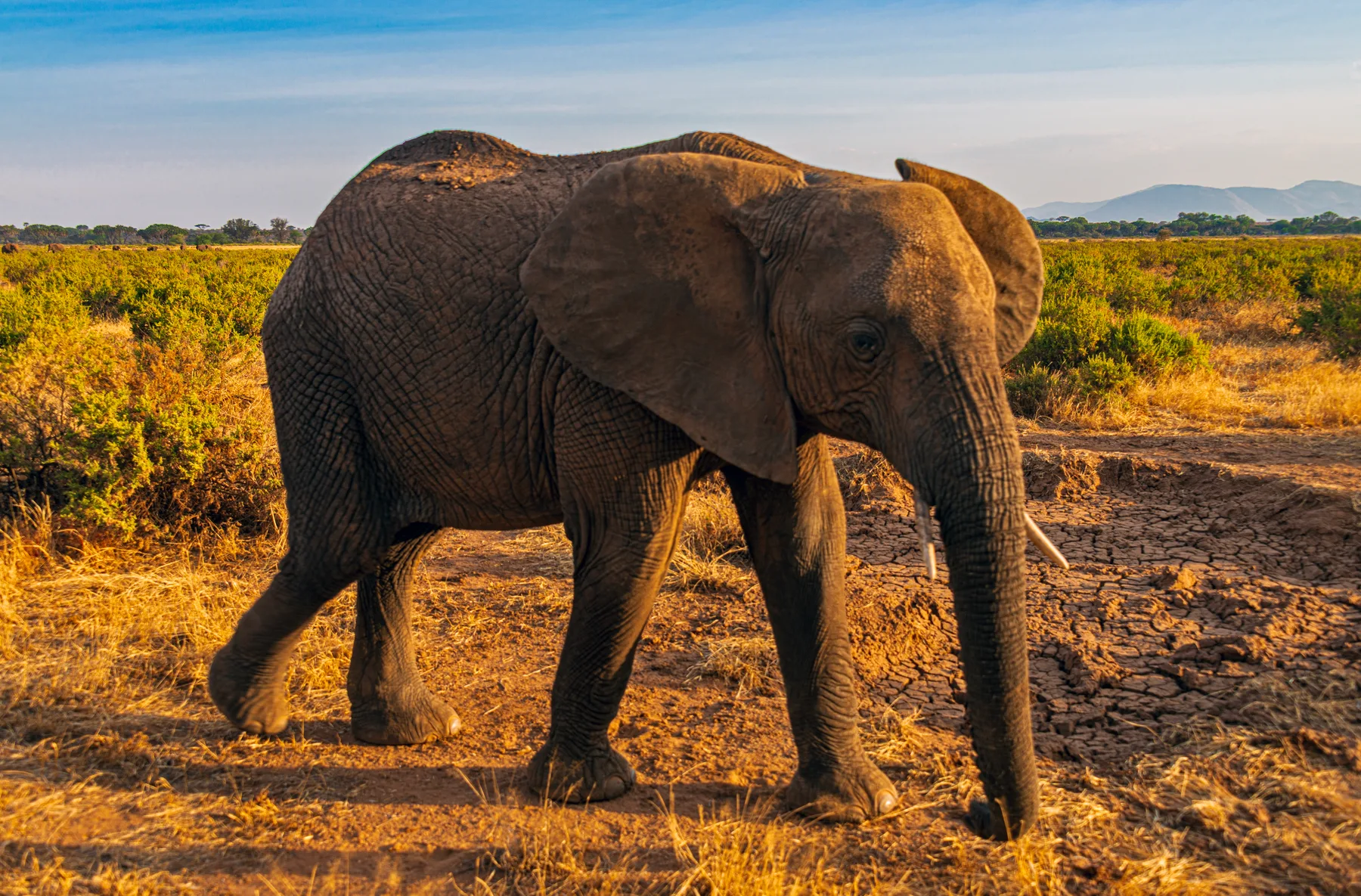
One traveller summarised the value as, “Worth the cost for the rare wildlife and peaceful environment.” The full traveller review also mentions the Special Five, elephants, big cats and relatively low crowds.
| Samburu value | Who appreciates it most |
|---|---|
| Northern specialist wildlife | Repeat safari travellers and naturalists |
| Ewaso Nyiro river life | Elephant and landscape lovers |
| Lower vehicle density | Travellers tired of crowded sightings |
| Distinct dry-country scenery | Photographers and slow travellers |
| Cultural and conservancy context | Guests wanting more than a checklist drive |
Value is strongest when the itinerary gives the destination enough nights.
Samburu versus Amboseli on cost
Amboseli is generally closer to Nairobi, while Samburu may require a longer road transfer or flight. The correct comparison also includes lodge category, fees and the wildlife goal.
| Cost driver | Samburu | Amboseli |
|---|---|---|
| Road distance | Longer northern journey | Shorter from Nairobi in many plans |
| Signature value | Northern species and dry-country ecosystem | Elephants and Kilimanjaro views |
| Flight option | Samburu-area airstrips | Amboseli airstrip services |
| Wider circuit | Ol Pejeta and Laikipia | Tsavo or Chyulu route |
| Stay decision | Benefits from enough nights after travel | Can fit shorter itineraries more easily |
Use Samburu vs Amboseli to choose by experience before comparing prices.
Samburu versus Masai Mara on cost
The Mara has a much wider accommodation market, seasonal migration demand and its own fee structure. Samburu has fewer properties and longer access from Nairobi, but can offer quieter wildlife viewing.
| Comparison | Budget meaning |
|---|---|
| Lodge range | Mara offers more choices at many levels |
| Peak demand | Migration season can raise Mara pricing |
| Access | Both offer flights, road shapes differ |
| Fees | Separate authorities and rules |
| Crowding value | Samburu may feel more private at comparable comfort |
Read Samburu vs Masai Mara before treating one destination as a cheaper substitute for the other.
A realistic Samburu budget conversation
Start with what you can spend on the complete safari, then choose the strongest experience inside it. Hiding the budget often wastes time on lodges or transport that could never fit.
| Tell the planner | Why it helps |
|---|---|
| Total or per-person range | Sets the real design boundary |
| Dates and flexibility | Reveals seasonal alternatives |
| Travellers and rooming | Calculates shared and single costs |
| Road or flight tolerance | Focuses transport choices |
| Private-drive priority | Protects the experience that matters |
| Must-have activities | Prevents false savings |
The best proposal is not the most expensive one. It is the one whose money is concentrated on your priorities.
Final booking checklist
| Check | Confirmed detail |
|---|---|
| Exact lodge and room | Name, occupancy and nights |
| Board basis | Meals and drinks |
| Transport | Every road and flight sector |
| Vehicle | Type, capacity and privacy |
| Guide | Service days and language |
| Fees | Wildlife areas and categories |
| Activities | Included and optional |
| Price | Currency, per-person total and group total |
| Terms | Deposit, balance and cancellation |
| Contact | Booking reference and emergency route |
Once all ten rows are clear, the Samburu safari cost becomes a plan rather than a guess.
Build a Samburu safari around value
Samburu rewards enough time, a knowledgeable guide and a route that makes sense. Spend first on the parts you will experience for hours: lodge location, vehicle, guiding and a sensible number of nights. Add flights when the saved time matters. Choose premium accommodation when its setting, privacy or activities genuinely improve your trip.
Share your dates, travellers, room needs, wider Kenya route and comfortable budget range. We can build the road, fly-in or mixed plan as one complete total, then show exactly where the money goes.
Sources and further reading
Build your complete Samburu budget
Share your dates, travellers, room needs, route and target budget. We will compare road, fly-in and mixed options with the same inclusions.