
Budget Kenya Safaris: Spend Less Without Losing the Safari
A good-value Kenya safari is not built by choosing the cheapest camp on every line. It comes from a short, sensible route, the right vehicle and spending money where it changes the day.
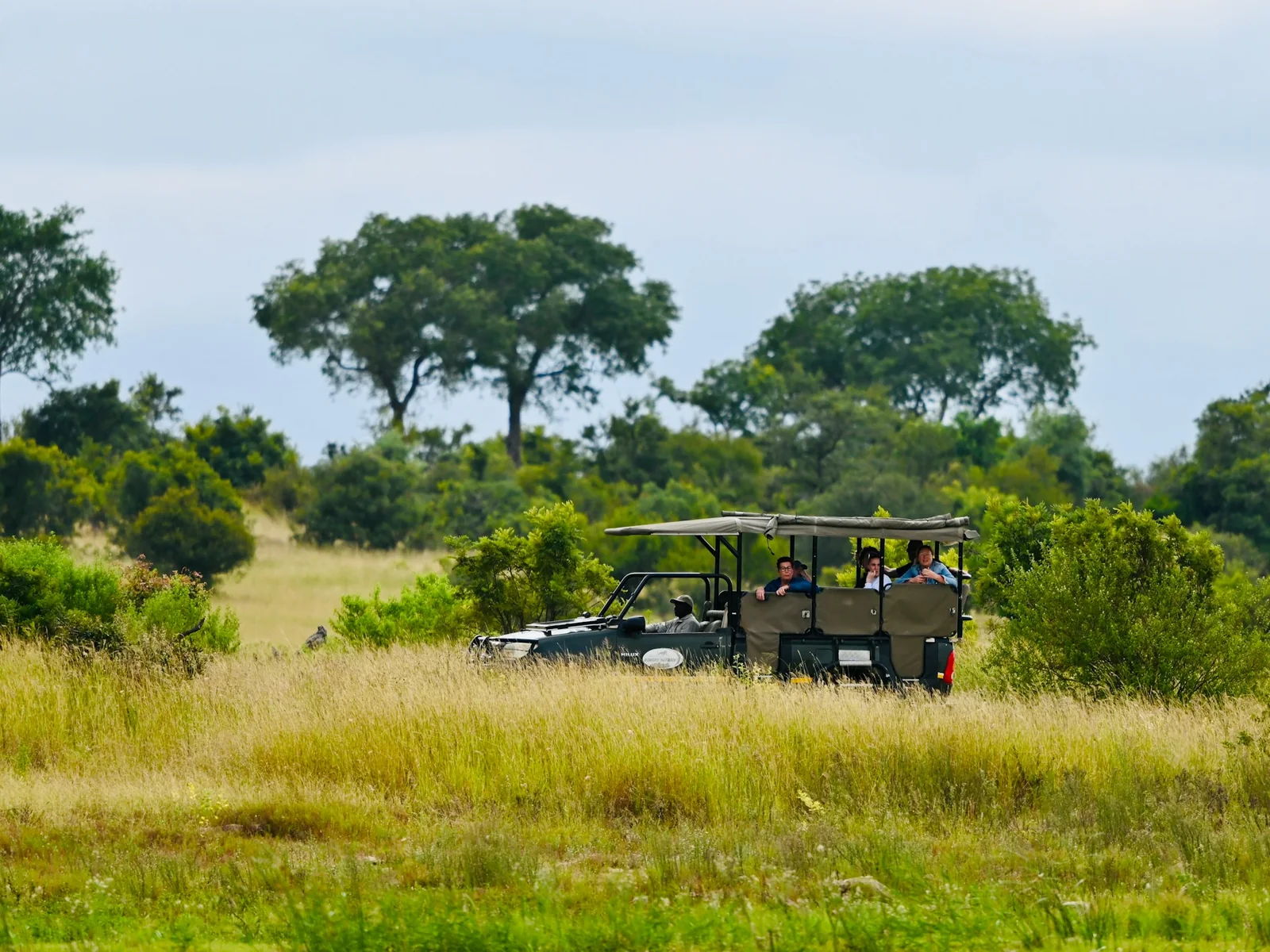
Budget Kenya safaris can still include a skilled guide, a reliable four-wheel-drive vehicle, comfortable tents, private bathrooms and long hours with wildlife. The trick is knowing which savings are harmless and which ones quietly take the safari away.
- What a budget Kenya safari should include
- Budget safari routes that make geographical sense
- Budget camps and lodges in Kenya
- Land Cruiser, safari van and shared departures
- Park fees, seasons and the real budget
- Meals, water, luggage and everyday comfort
- Ten ways to lower the price without spoiling the safari
- What to send and what should come back
- Traveller opinions
- FAQs
What a budget Kenya safari should include
The word budget is often used too loosely. One operator means a shared minivan and a simple camp outside the gate. Another means a private Land Cruiser, a small tented camp and a route designed for four travellers who divide the vehicle cost. Both can be honest products, but they are not the same safari. Begin with the vehicle, guide, location and fee days before comparing the bedroom.
A sound package includes safe transport, an experienced driver-guide, accommodation with a clear room description, meals stated in writing, drinking water, park fees, game drives and the transfers promised. It should also explain what is not included. Flights, visas, travel insurance, tips, drinks and optional activities should never emerge as a surprise after the deposit.
Keep
A capable guide, sound vehicle, sensible location, enough park time and clear safety standards.
Simplify
Room decoration, oversized public areas, premium drinks and extra hotel changes.
Question
Very low prices that hide fee days, shared vehicles, outside-gate travel or compulsory extras.
Budget safari routes that make geographical sense
From Nairobi, Amboseli is a strong two or three-night safari. Lake Naivasha and Lake Nakuru pair naturally, while the Masai Mara deserves at least two nights and feels better with three. Tsavo East and Tsavo West make excellent sense when the journey ends in Mombasa, Diani, Kilifi or Malindi. Samburu is rewarding, but adding it to the Mara on a very short trip creates a great deal of road.
The cheapest-looking six-park itinerary may deliver less wildlife time than a four-night trip split between two places. Every move creates checkout, luggage, road hours, another gate and another orientation drive. A route becomes better value when dawn and late afternoon belong to wildlife rather than to the highway.
| Time available | Sensible route idea | Why it works | Avoid |
|---|---|---|---|
| 3 days | Amboseli or Masai Mara only | One destination and no hotel changes | Trying to combine distant parks |
| 4 to 5 days | Mara only, or Amboseli plus Naivasha | More complete drives and a relaxed middle day | Three parks in four nights |
| 6 to 7 days | Mara, Nakuru and Naivasha; or Amboseli and Tsavo | A coherent northern or southern line | Crossing Kenya twice |
| 8 to 10 days | Mara, lakes and Amboseli; or Samburu, Ol Pejeta and Mara | Enough time for distinct ecosystems | One-night stays throughout |
Budget camps and lodges in Kenya
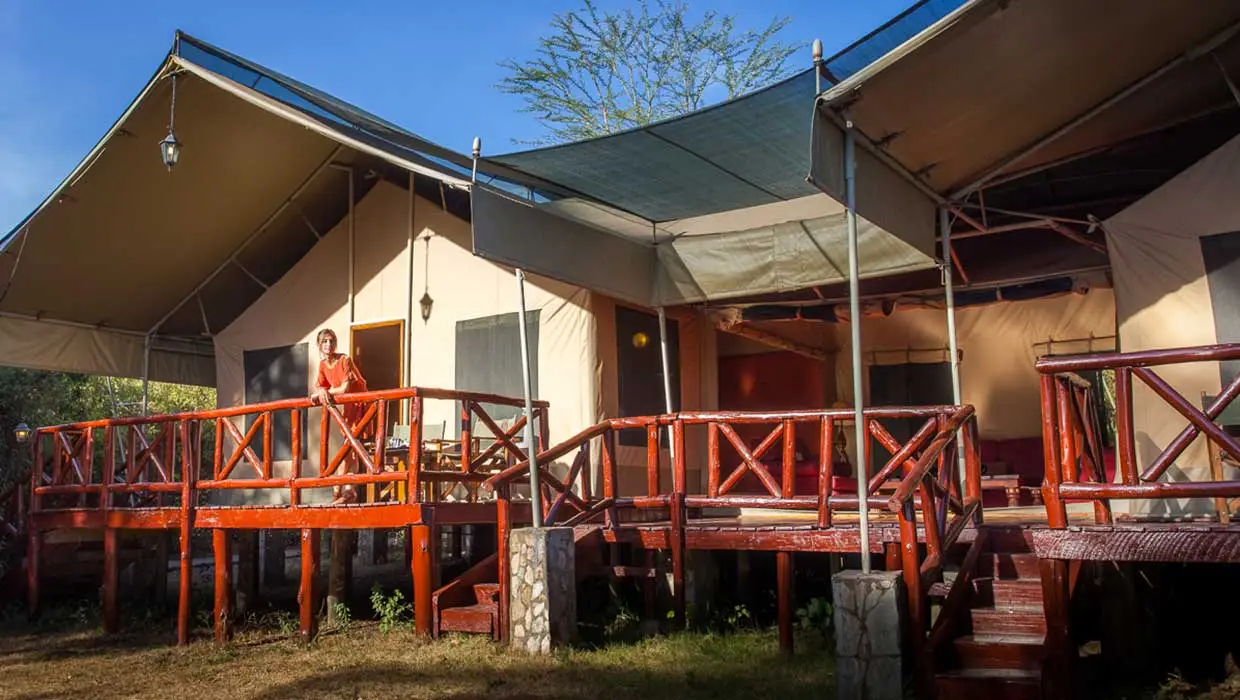
In the Mara, value properties include tented camps around Sekenani and Talek, as well as larger lodges that price competitively in quieter months. Enkorok Mara Camp, Jambo Mara Safari Lodge, Sentrim Mara and Mara Chui Resort are useful examples to compare, but current condition, exact room and gate distance matter more than the category label. In Amboseli, AA Lodge and Sentrim Amboseli often sit in the value conversation, while Amboseli Sopa and Kilima can move between value and mid-range by season.
Near Lake Nakuru, outside-park hotels reduce the room cost but add a gate journey each day. In Tsavo, Voi Wildlife Lodge, Ngutuni Lodge, Manyatta Camp and Sentrim Tsavo East illustrate different combinations of waterhole, location and price. Ask whether the quoted room is a permanent tent, cottage or hotel room, whether it is en suite, and whether the rate includes all meals.
| Destination | Examples to investigate | Location question | Comfort question |
|---|---|---|---|
| Masai Mara | Enkorok, Jambo Mara, Sentrim Mara, Mara Chui | Which gate and how long to wildlife areas? | Permanent bathroom, power and room category |
| Amboseli | AA Lodge, Sentrim Amboseli, Amboseli Sopa | Inside the park or outside which gate? | Pool, family rooms and Kilimanjaro outlook |
| Lake Nakuru | Town hotels and lodges near the park | How much time is spent reaching the gate? | Dinner, early breakfast and secure parking |
| Tsavo | Voi Wildlife, Ngutuni, Manyatta, Sentrim Tsavo East | Which park sector and water source? | Heat, pool, fan or air conditioning |
Land Cruiser, safari van and shared departures
A safari vehicle is not just transport. It is where you may spend eight hours a day. A pop-up-roof van is usually the lowest-cost option and can work on established roads. A four-wheel-drive Land Cruiser gives better clearance, stronger performance in mud and a more traditional safari layout. Seat count, window access, suspension, charging points, fridge or cooler, radio and recovery equipment deserve more attention than branded cushions.
Shared departures reduce cost, but travellers must agree on start time, toilet stops, photography and how long to stay at a sighting. A private vehicle costs more overall and often less per person as the group grows. For a family of five or six, private transport can be both the most comfortable and the most rational value.
| Arrangement | Main saving | Main compromise | Best fit |
|---|---|---|---|
| Shared safari van | Lowest transport cost | Fixed group pace and less space | Solo travellers and flexible friends |
| Private safari van | Low cost with personal control | Less clearance on rough tracks | Families on a dry-season route |
| Private Land Cruiser | Cost divided by the group | Higher daily vehicle rate | Four to six travellers, rain, photographers |
| Fly-in with shared camp drives | Saves road time | Flights raise the total and drives are shared | Short special trips |
Park fees, seasons and the real budget
Park and conservancy fees are not optional extras. They support protected areas and can form a large part of the total, particularly for non-resident adults. Children, residents, East African citizens and African citizens may fall into different categories. The age definition and proof required should be checked before travel, not argued about at the gate.
High season raises accommodation prices in migration months and over festive dates. April, May and parts of June often bring lower room rates, green landscapes and fewer vehicles, although rain can slow roads. January to March can offer dry conditions and good resident wildlife without peak migration pricing. Value comes from matching the season to your priorities rather than chasing one famous month.
- Confirm fee category for every traveller
- Count every park and conservancy entry day
- Check whether children qualify by age
- Compare high, shoulder and green-season room rates
- Allow for card or payment rules at gates
- Keep contingency for weather-related route changes
Meals, water, luggage and everyday comfort
Most safari packages use full board from lunch on arrival to breakfast on departure. Roadside meals on travel days may be included or separate. A picnic lunch extends the wildlife day but may be simpler than lodge lunch. Tell the planner about allergies, vegetarian needs and children who eat early. Remote camps can cater well when they know in advance.
Pack soft luggage, layers for cold dawns, a hat, sunscreen, insect repellent, comfortable closed shoes and a small day bag. Carry a reusable bottle if the operator supplies refill water. Laundry may be available at a charge, which can be cheaper than flying with an extra bag. The least glamorous details often decide whether a budget trip feels easy or makes everyone tired.
Cold mornings
The Mara, Amboseli and highland lakes can be surprisingly chilly before sunrise.
Hot afternoons
Tsavo and northern Kenya need water, shade, breathable clothing and a sensible pace.
Soft luggage
Easier in safari vehicles and essential when a light-aircraft flight is included.
Ten ways to lower the price without spoiling the safari
Travel with three to five companions, choose one region, stay three nights instead of changing camp twice, use a good-value permanent tent, travel outside peak weeks and drive where geography makes sense. Book flights and the safari in a sequence that avoids backtracking. If the coast follows Tsavo, continue east instead of returning to Nairobi simply because a prebuilt package says so.
Do not save by removing park time, accepting an unroadworthy vehicle, choosing an unknown room, skipping insurance or booking a guide only because they are cheapest. A rushed one-night Mara stay may tick the destination off a list, but it spends heavily on the road for very little time in the ecosystem.
- Travel as a small private group
- Use fewer parks and longer stays
- Choose shoulder or green season
- Drive coherent routes
- Compare inside and outside-gate value
- Keep one vehicle and guide
- Use family or triple rooms where suitable
- Limit expensive add-ons
- Connect Tsavo with the coast
- Pay for clarity, not vague discounts
What to send and what should come back
Send the exact travel dates, adult and child ages, room arrangement, arrival and departure flights, preferred parks, any mobility needs and a realistic total budget. Explain whether the budget includes international flights, tips and beach accommodation. A planner can make better choices when the number is honest.
The response should name each property, room and meal basis, identify the vehicle, list fee days, show included transfers and explain every exclusion. It should also state the deposit, balance date, payment recipient and cancellation terms. Once those pieces are clear, a budget safari stops being a gamble and becomes a deliberate use of money.


A useful budget protects the safari core first
Park fees, vehicle and guide costs do not disappear because the room is simple. Accommodation and season are flexible. Wildlife time, vehicle condition and route logic are not. The visual below is not a price quotation. It shows the order in which to protect a limited budget.
This independent Kenya-based travel creator breaks a private safari budget into its working parts. Use the method to question a quotation, then compare it with the exact dates, parks and group size in your own trip.
What travellers say after the trip
These are exact words from public reviews and discussions. Each person had their own route, budget and expectations, so the value is in the detail rather than treating one experience as a promise.
I did only Massai Mara and it was the best safari ever, but I want to go to Tanzania as well
A traveller reflecting on a Kenya safari centred on the Mara.
It was still amazing (it was migration season).
A repeat visitor describing a three-day road safari from Nairobi.
If I had carried on to Masai Mara, I’m sure I would have enjoyed it, but I did feel satisfied with the experience I had.
A traveller explaining that Amboseli and Tsavo can also make a complete Kenya safari when time and road distance matter.
Budget Kenya safari questions
How much does a budget Kenya safari cost?
A useful planning range is about USD 180 to USD 300 per person per day for a shared or simple safari, with private trips usually higher for two travellers. Season, park fees, group size, vehicle and accommodation can move the total considerably.
Should I drive or fly from Nairobi?
Driving costs less and reveals the Rift Valley journey. Flying protects time and comfort. The better choice depends on budget, luggage, age, mobility and what happens immediately before and after the safari.
Is a private vehicle worth it?
It is especially valuable for photographers, families, honeymooners and anyone who wants control over departure times. A shared drive costs less, but the day follows the interests and timetable of the group.
Which parks give the best value?
Amboseli works well for a short Nairobi road safari. Naivasha and Nakuru pair efficiently. Tsavo gives strong value on a coast-bound route. The Mara earns its cost when it receives enough nights rather than a rushed visit.
Are park fees included?
They can be included in a complete package. The written quotation should state the fee category, number of entry days and whether conservancy fees are separate.
Can children join this safari?
Yes. The vehicle plan, family room, meal times, drive length and pool safety should be discussed before the lodge is booked.
Where should I not cut costs?
Do not cut vehicle safety, guide quality, realistic park time, drinking water, clear room standards or suitable travel insurance. Save through route, season, group size and optional extras first.
What happens if it rains?
Rain is part of the ecosystem and can create beautiful light. A capable four-wheel-drive vehicle, a flexible guide and a sensible camp location matter more than trying to predict one completely dry day.
Can a budget safari still use a Land Cruiser?
Yes. A simple camp and a shared Land Cruiser can be better value than a more polished room paired with a crowded or unsuitable vehicle.
How do I start planning?
Share travel dates, adults and children, room needs, budget range and the experiences that matter most. That is enough to create a first route and an itemised quotation.
Sources and further reading
Official park, heritage, tourism, aviation and regulatory sources support the practical details in this guide.
Build a Kenya safari around a real budget
Share the total you want to spend, your dates and the experiences that matter. We will show where to save and where a little more changes the trip.
Start planning a good-value Kenya safari
Tell us your dates, group size, preferred parks and budget range. We can work from a blank page or improve a route you already have.