
Budget Masai Mara Safari: A Better Trip for Less
A good-value Mara safari keeps the guide, vehicle, park time and safe comfortable bed, then removes the extras that do not improve the wildlife day.
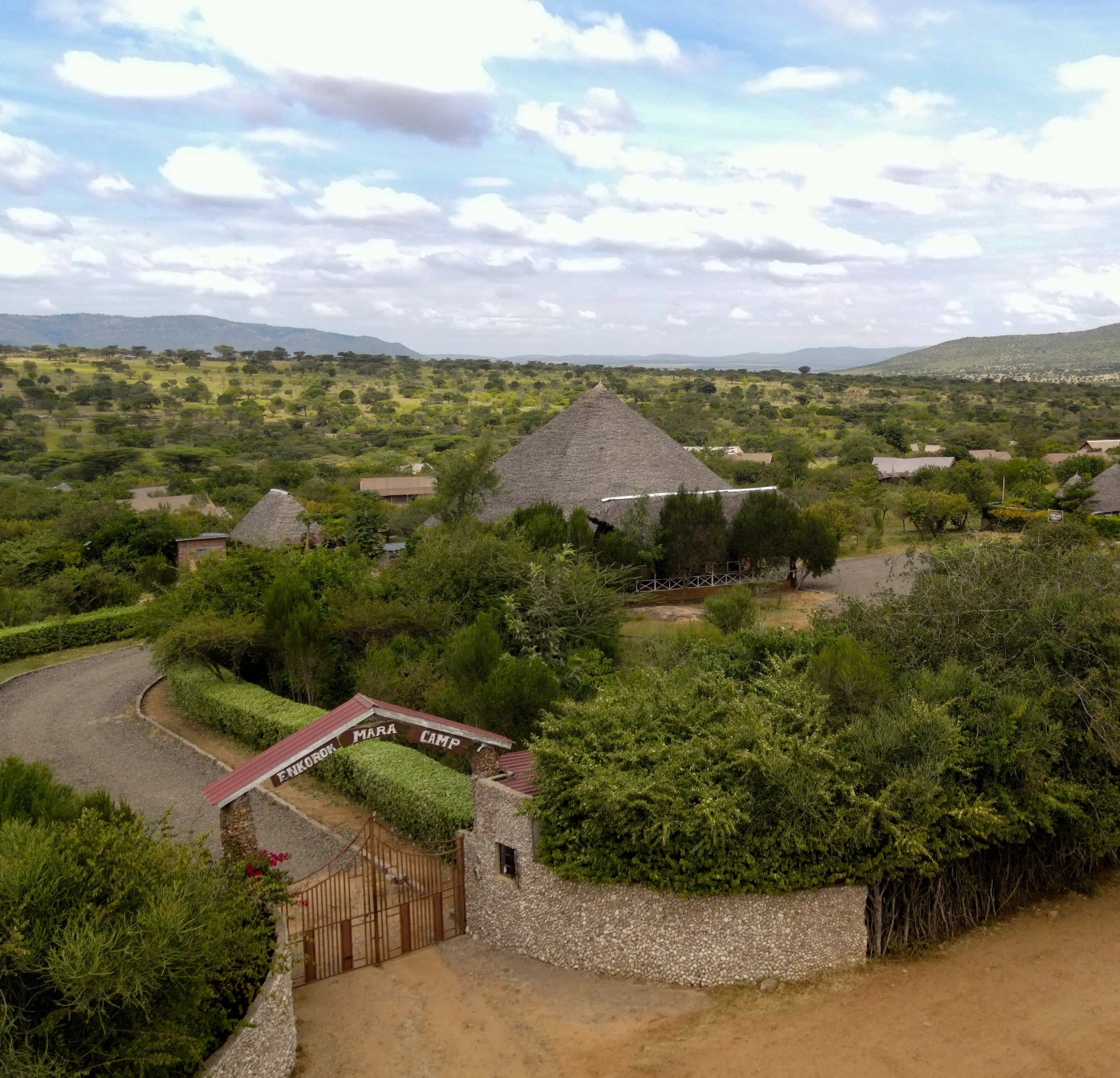
A budget masai mara safari can still include a private bathroom, full-board meals, a capable guide and long game drives. The smartest savings come from route and season, not from cutting the heart out of the safari.
- What budget should mean in the Mara
- Reserve, Mara Triangle and conservancies
- Camps and lodges to compare for a budget stay
- Vehicle, guide and the shape of the day
- How budget Mara pricing works
- Migration, green season and shoulder months
- How many nights for a budget Mara safari
- Balloon, bush meals, village visits and special moments
- A realistic budget safari calculation
- Traveller opinions
- FAQs
What budget should mean in the Mara
Budget does not mean unsafe, vague or uncomfortable. It means a practical en-suite camp, a clear meal plan and a route that shares the major costs efficiently. A clean permanent tent near the correct gate can be better value than a discounted lodge that adds hours to every drive.
Ask for the vehicle model, maximum passengers, camp name, room, bathroom, gate distance, fee days and drinking water. Those details reveal whether the low price comes from efficiency or from missing parts.
Clarity
A named camp, vehicle and complete list of inclusions.
Location
The right sector reduces transfers and places the day in the landscape you chose.
Efficiency
Fewer hotel moves and shared costs without wasting wildlife time.
Reserve, Mara Triangle and conservancies
The eastern reserve around Sekenani and Talek offers broad camp choice and practical road access. Musiara serves the northern reserve. The Mara Triangle occupies the west, with Mara Serena and Little Governors’ the only accommodations inside it. Properties outside can still enter under the relevant fee and access plan.
Outside-gate camps can reduce room cost, but the transfer must be counted. A camp close to the gate is useful. A remote bargain can turn every morning into a commute.
| Setting | Why choose it | Cost or access detail |
|---|---|---|
| Eastern reserve | Broad choice and road access | Peak traffic and exact gate distance |
| Mara Triangle | Western scenery and river systems | Longer road approach or fly-in logic |
| Private conservancy | Lower density and added activities | Conservancy fee plus selected reserve days |
| Outside-gate camp | Often lower room rate | Daily gate time and fee count |
Camps and lodges to compare for a budget stay
Enkorok Mara Camp, Jambo Mara Safari Lodge, Sentrim Mara, Mara Chui Resort and well-run permanent tented camps around Sekenani and Talek show how wide the choice is. They do not form one simple ranking. Some are inside the reserve, some in conservancies and some outside a gate. The landscape and guide arrangement should narrow the list before the room photographs do.
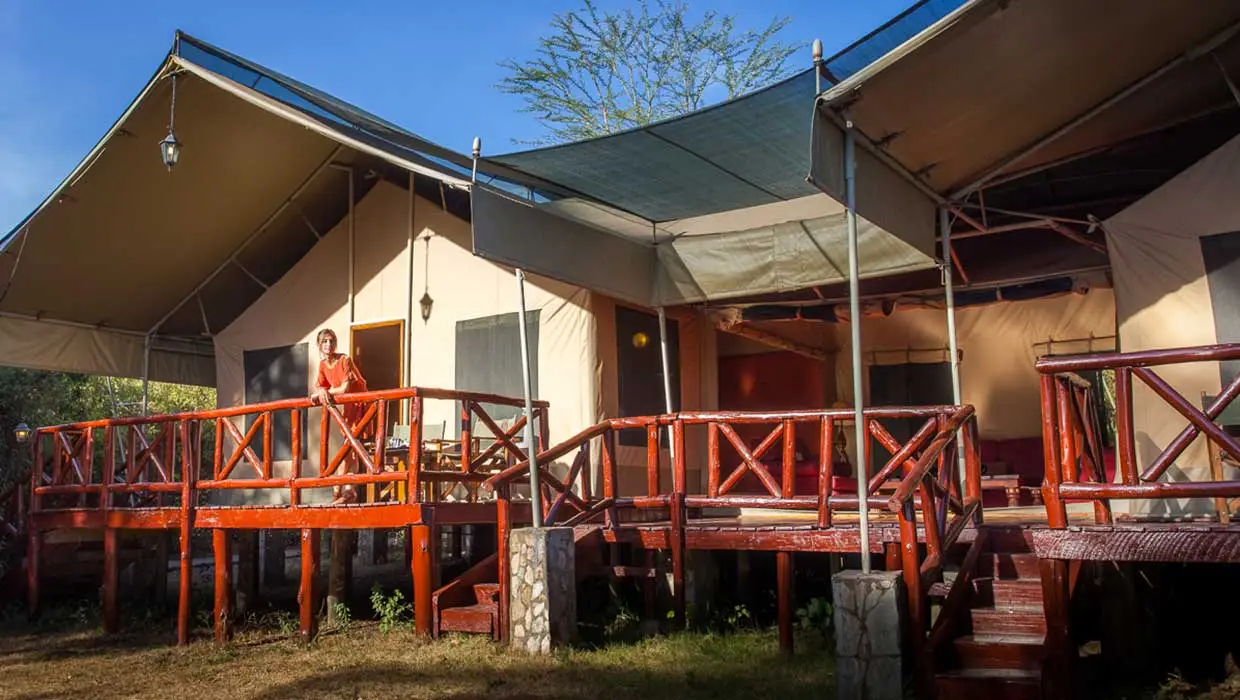
Compare the actual room, not the cheapest category on the property website. Confirm whether the tent is permanent, the bathroom is private, hot water is reliable, power is available when needed and the full-board rate begins with lunch or dinner.
| Example style | Often suits | Confirm |
|---|---|---|
| Simple permanent tent | Couples and friends | Private bathroom and gate distance |
| Larger value lodge | Families and groups | Room allocation and vehicle sharing |
| Community-area camp | Low room cost and local setting | Reserve transfer and activity fees |
| Triple or family room | Three to five travellers | Real beds, bathroom count and child policy |
Vehicle, guide and the shape of the day
Sharing a vehicle reduces the cost, but the group follows common departure times and sighting interests. A private vehicle becomes surprisingly good value for four to six travellers. A safari van costs less; a Land Cruiser brings clearance and stronger wet-road ability.
Guide quality is never a decorative extra. A good guide reads tracks, weather, behaviour and other vehicles while keeping wildlife space. Ask whether the same guide stays with you, how shared drives are allocated and whether children or photographers can have a different schedule.
| Arrangement | Strength | Trade-off |
|---|---|---|
| Private road Land Cruiser | One guide, flexible day and luggage | Long drive from Nairobi |
| Fly-in shared drives | Fast arrival and camp expertise | Fixed schedule and other guests |
| Fly-in private vehicle | Time-saving plus full control | Highest vehicle cost |
| Shared road departure | Lowest transport price | Group pace and less personal space |
How budget Mara pricing works
The vehicle and guide are divided across the travellers, so group size changes the per-person figure. Camp season, room sharing, park fees and vehicle type then do the rest. Green-season travel and three or four people in one private vehicle usually produce the most meaningful savings.
The quotation should name every property, room, meal, fee day, transfer, vehicle arrangement and exclusion. A low or high headline is meaningless until those pieces are visible together.
- Named property and room
- Private or shared vehicle
- Reserve and conservancy fee days
- Road or flight transfers
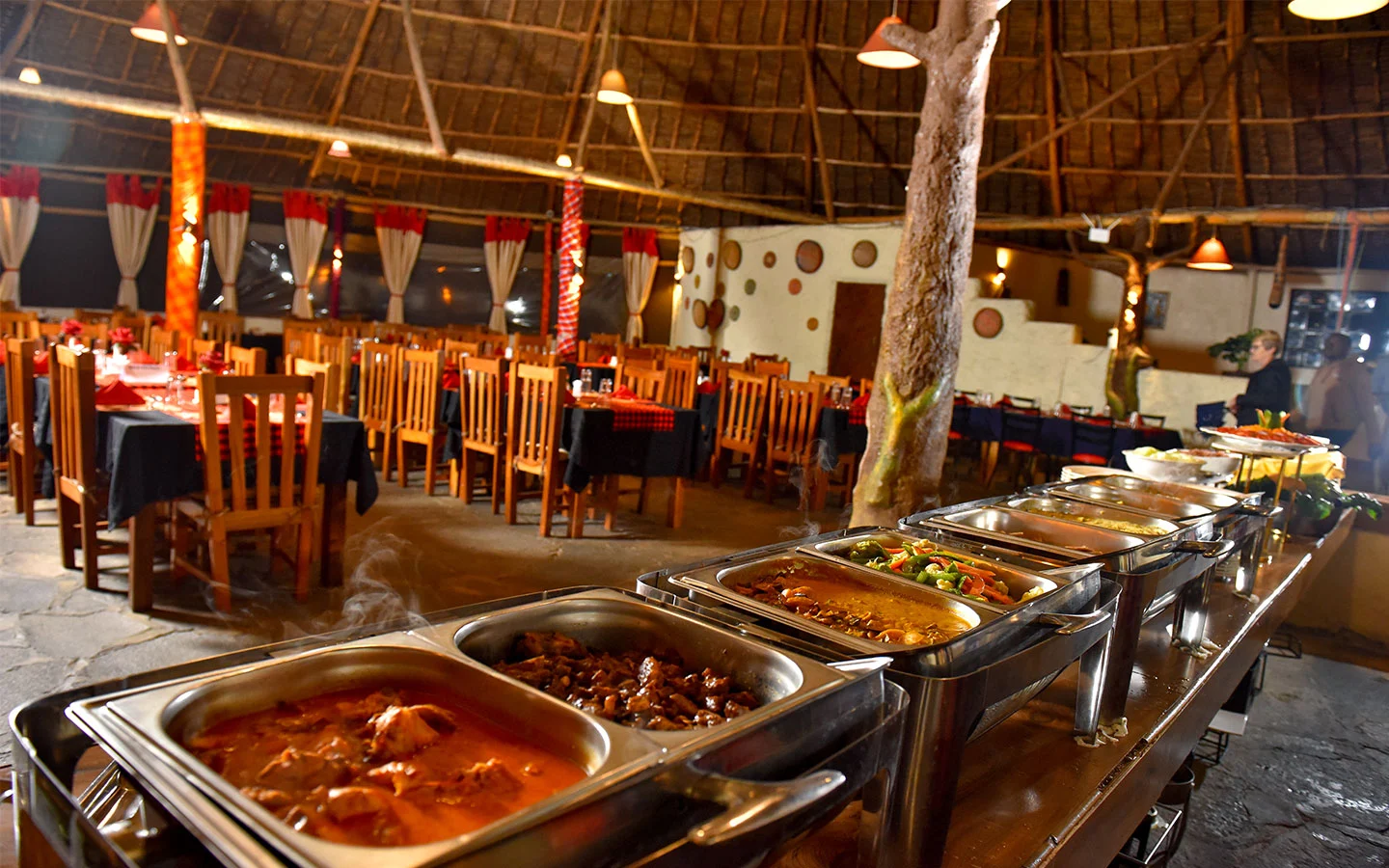
- Meals, drinks and laundry
- Balloon or community activities
- Child and single supplements
- Deposit and cancellation terms
Migration, green season and shoulder months
July to October brings migration interest, high demand and higher rates at many properties. River crossings remain unpredictable. January to March can be dry and excellent for resident wildlife. The greener long-rain months offer fewer vehicles and softer prices, with a higher chance of difficult roads.
Green and shoulder seasons can lower accommodation cost substantially. Do not remove the four-wheel-drive vehicle or contingency simply because the room is cheaper. Rain is when a capable vehicle matters most.
| Period | Character | budget opportunity |
|---|---|---|
| January to March | Often drier and strong resident wildlife | Good value outside festive dates |
| April to June | Green, quiet and wetter | Lowest room rates with road flexibility |
| July to October | Migration interest and peak demand | Protect budget through group size and route |
| November to December | Short rains and fresh landscapes | Shoulder dates outside holidays |
How many nights for a budget Mara safari
Two nights is the classic compact road safari. Three nights gives much better wildlife time for the same long journey. Four nights can remain in one value camp or split only when the second area clearly changes the experience.
Avoid adding Lake Nakuru, Amboseli or Naivasha simply to make the itinerary look larger. Each move should earn its road hours through a new ecosystem. When the Mara is the main dream, staying longer is usually the better trip.
| Nights | Rhythm | Best use |
|---|---|---|
| 2 | Compact with one full day | Short first visit |
| 3 | Two strong wildlife days | Best all-round balance |
| 4 | Flexible drives and one extra experience | Photography and families |
| 5 to 6 | Two complementary Mara settings | Depth, privacy and slower travel |
Balloon, bush meals, village visits and special moments
Ballooning is a major separate cost. A community visit, sundowner or bush meal may be more accessible, but the fee and host should be clear. A standard picnic lunch can be the best value when it keeps the vehicle in a distant wildlife sector.
A Maasai community visit should be arranged with consent, transparent fees and respect for photography. The visit deserves time for conversation rather than a rushed performance between two game drives.
A realistic budget safari calculation
A useful budget begins with the costs that do not disappear: a licensed vehicle, professional guide, fuel, park entry, accommodation, meals and the long road between Nairobi and the Mara. The vehicle is the biggest shared cost, so two travellers usually pay more per person than four or five people travelling together. A very low quote may hide a crowded vehicle, an unnamed camp, fewer park-entry days or a room far from the gate. Compare the full route, not the headline alone.
For two nights, the first afternoon and last morning can be brief because of the road journey. Three nights usually creates better value even though it costs more, since the extra night turns a rushed visit into two substantial wildlife days. If the total must stay low, keep one camp, travel outside July to October and festive dates, choose a clean permanent tent with a private bathroom, and share the Land Cruiser with people you know. Removing a balloon flight saves far more than trimming small meals or water.
Location is where false savings often appear. A camp near Sekenani can work well for eastern reserve drives. A property farther into community land may be pleasant, but the morning commute and gate queue must be counted. Ask for the exact camp pin, the gate normally used and the planned entry and exit days. If the quote says only “budget camp”, there is no way to judge the room, safety, food or lost driving time.
Families should calculate room configuration before comparing adult rates. A genuine family tent or triple can cost less than two separate rooms, while some camps restrict how many children share. Solo travellers should look for green-season single offers or a compatible small group. See our three-day Mara route for the most efficient shape and the Nairobi package comparison for road, flight and duration choices.
Keep a small contingency for tips, drinks outside the meal plan, travel insurance and changes caused by weather. Do not spend every dollar on the room and leave nothing for a reliable vehicle or an additional park day. If two quotes differ sharply, place each inclusion on one line and compare the same dates, camp, room, passenger count and fee days. The cheaper trip should still be complete. A written emergency contact, pickup point and payment beneficiary are basic safeguards at every price level. Keep those details offline as well as on the phone.
| Budget lever | Sensible saving | Saving that can damage the trip |
|---|---|---|
| Group size | Divide a private vehicle among four to six guests | Fill every seat with strangers and no luggage room |
| Season | Use green or shoulder months | Use an unsuitable vehicle during wet conditions |
| Accommodation | Choose a simple named en-suite camp | Accept an unnamed property far from the gate |
| Duration | Stay three nights in one base | Add distant parks to create a longer-looking itinerary |
| Activities | Keep core game drives and choose one extra | Remove fee days or wildlife time without noticing |
What travellers say after the trip
These are exact words from public reviews and discussions. Each person had their own route, budget and expectations, so the value is in the detail rather than treating one experience as a promise.
I travelled to Masai Mara in September and was able to do a budget trip in under 1.3L per person from Delhi – all inclusive.
A traveller who shared a detailed budget route covering the Mara, Amboseli and Nairobi.
Did 2 full days Safari in Mara NP- totally recommended 2 full day safaris.
The same traveller explaining which part of the itinerary they would protect.
If anything, just double check how much time you’ll actually get in the Mara, quite a bit of driving between parks, but price wise it passes.
A traveller responding to a value-focused Kenya itinerary and spotting the real trade-off.
An independent budget and itinerary breakdown
This traveller video works through a Masai Mara budget alongside flights, visa, accommodation, safety and itinerary choices. Use it as one person’s real-world reference, then compare the dates, vehicle, park days and camp against the trip you are considering.
Budget Masai Mara Safari questions
What makes a Masai Mara safari budget?
A simple en-suite camp, coherent road route, clear meals, park fees and a shared or private vehicle arranged without unnecessary extras.
How many nights should I stay?
Two nights is the practical minimum. Three nights gives better value because the long road journey is divided across more wildlife time.
Should I drive or fly?
Driving is usually the value choice, especially for three to six travellers sharing a private vehicle.
Can I have a private vehicle?
Yes. Confirm whether it is included or charged separately, especially at a fly-in camp where standard drives may be shared.
Are park and conservancy fees included?
They can be included. The quotation should state every reserve and conservancy fee day clearly.
Can children join?
Yes. Match the room, drive schedule, meals, pool and vehicle to their ages and check any minimum age for walks or shared drives.
Is ballooning included?
It is normally an optional extra unless the itinerary states otherwise. Camp location affects transfer time to the launch site.
Which Mara area is best?
The answer changes with season and priorities. Reserve, Triangle and conservancy settings each offer different access and activities.
What should the quotation name?
Property, room, meals, vehicle, guide, fee days, transfers, drinks, activities, payment terms and cancellation terms.
Can NLS customise the itinerary?
Yes. Dates, group size, room, road or flight, vehicle privacy, activities and onward destinations can all be shaped around the traveller.
Sources and further reading
Official park, heritage, tourism, aviation and regulatory sources support the practical details in this guide.
Plan your budget masai mara safari
Tell us the number you want to stay within. We will show what that budget can do well.
Start planning a budget Mara safari
Dates, group size and preferred number of nights are enough to begin.