
3-Day Masai Mara Safari from Nairobi: A Thoughtful 2-Night Mara Itinerary
Three days can hold the long road from Nairobi, a golden first drive, one complete day in the Mara and a final morning. It works because every decision protects time.
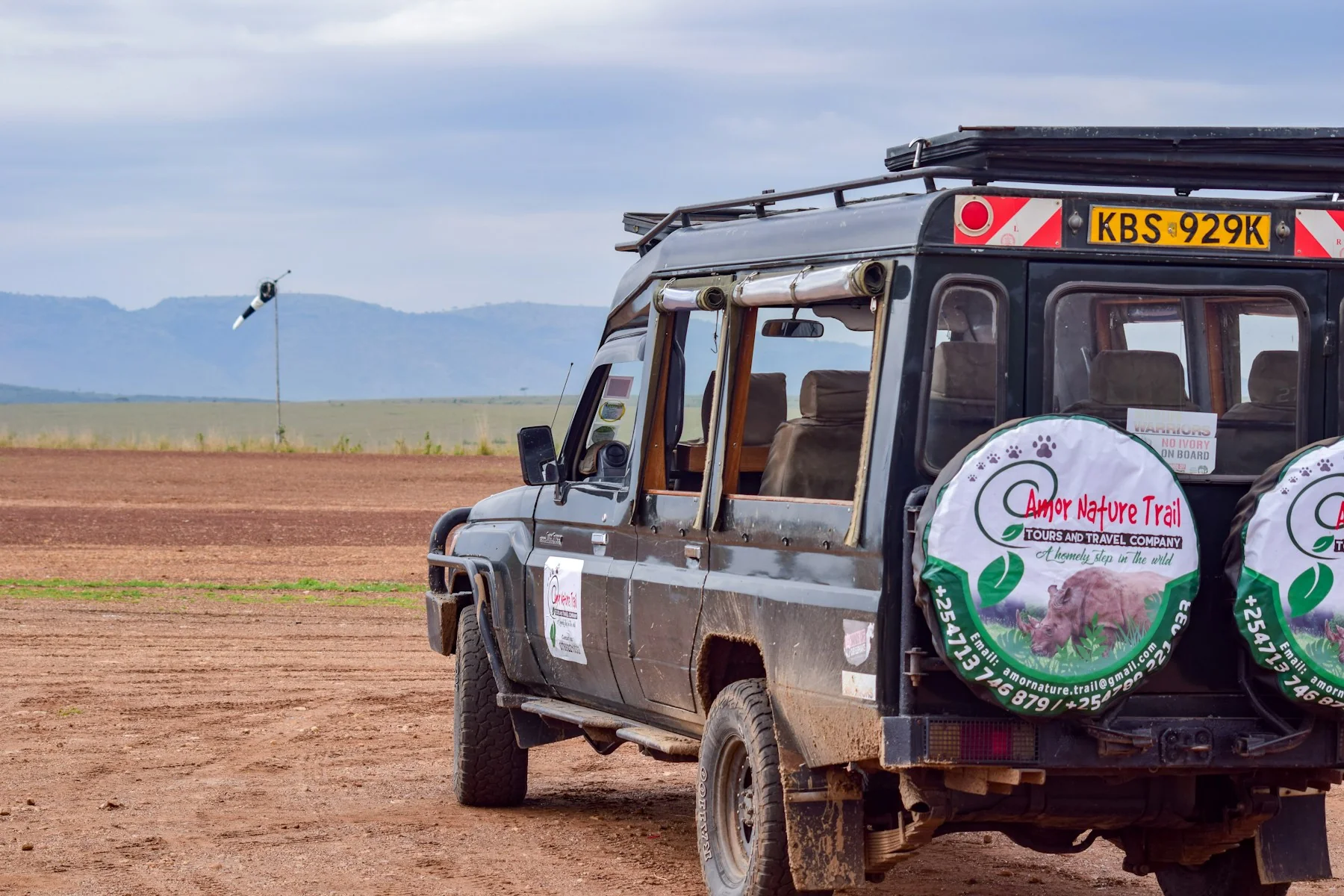
A 3-day masai mara safari from nairobi should feel like a safari with its own rhythm, not the same timetable stretched or squeezed to fit a number. With only two nights, camp location, the first departure from Nairobi and the middle day carry almost the entire trip.
- Who a 3-day Mara safari suits
- 3-day Masai Mara safari itinerary
- Reserve, Mara Triangle or private conservancy
- Camps and lodges for a 2-night stay
- Driving and flying from Nairobi
- What changes the cost of a 3-day safari
- Game drives, meals and the rhythm of wildlife
- Balloon flights, village visits and special moments
- What to pack and how weather changes the trip
- Watch an independent three-day Mara trip
- Traveller opinions
- FAQs
Who a 3-day Mara safari suits
This is the classic answer for travellers who have a short Kenya stay, want a private road safari at sensible cost and accept that the first and last days include long drives. The duration should also fit the traveller. Two dawn starts may feel exciting to one couple and exhausting to a family with small children. A photographer may prefer one long day in the field, while a honeymoon pair may want a private breakfast and a late afternoon drive instead.
The Mara rewards patience. Even on a compact itinerary, the guide needs permission to pause with elephants, follow a hunting cat or wait beside a riverbank. The programme below creates a strong framework, but wildlife never follows a printed hour. Keep the middle of each day flexible enough for the guide to respond to what is actually happening.
Road safari
Best value when the journey from Nairobi is part of the adventure and an early start is comfortable.
Fly-in safari
Best when time, comfort or a special occasion matters more than the lowest total cost.
Private vehicle
Best when the group wants control over pace, photography, children’s breaks and sighting time.
3-day Masai Mara safari itinerary
This route assumes a Nairobi start and a single Mara base. One camp for 2 nights protects time and lets the guide learn your interests. A split stay can work on a longer trip, but moving after breakfast often costs the best wildlife hours and creates another packing day.
Departure times are deliberately described as windows, not promises carved into stone. Road conditions, gate position, flight schedules, weather and wildlife can change the flow. What should remain firm is the number of nights, the fee days, the meal plan, the vehicle arrangement and the activities already paid for.
| Day | Natural rhythm | What to protect |
|---|---|---|
| 1 | Early Nairobi departure, Rift Valley and Narok, camp lunch if timing allows, then an afternoon game drive | A clean departure, minimal shopping stops and an honest gate-arrival estimate |
| 2 | Full-day drive with picnic or separate morning and afternoon drives | Let wildlife and weather decide the route instead of forcing a fixed checklist |
| 3 | Early drive or relaxed breakfast, then road to Nairobi | Agree in advance whether a final drive is included and when Nairobi arrival is realistic |
Day 1: Nairobi, the Rift Valley and your first Mara drive
A road safari normally leaves Nairobi early enough to clear the city before traffic takes control of the morning. The descent into the Rift Valley, the run toward Narok and the final approach across rougher roads are part of a long transfer, not a short prelude. One purposeful viewpoint stop is useful. A chain of shopping stops is not.
If the vehicle reaches camp in time, lunch and a short rest come before the afternoon game drive. The guide should choose habitat near the gate or camp rather than racing across the reserve for a reported cat. This first drive is orientation: light, tracks, plains animals, elephants, giraffes and whatever the evening gives you. Dinner is usually at the lodge or camp.
Day 2: the only complete wildlife day
This is the day to protect. A full-day drive with picnic lunch reaches farther and works well when the route has a clear reason, such as a river sector, a distant pride territory or migration conditions. Separate dawn and afternoon drives create a quieter middle of the day and can be better for children, honeymooners or anyone staying at a camp worth enjoying.
Do not turn the day into a Big Five race. Lions and elephants are realistic interests, but no guide can schedule a leopard, cheetah hunt or river crossing. A strong day follows fresh tracks, weather, local knowledge and animal behaviour. The choice between picnic and split drives should remain flexible until the guide has read the conditions.
Day 3: one last look, then the long return
A final drive is possible when the camp, gate time and road plan support it, but it is not automatically a full dawn game drive. Clarify whether it is included before booking. After breakfast, the vehicle returns through Narok and the Rift Valley toward Nairobi. City traffic can move the arrival later than a neat itinerary suggests.
Do not place an inflexible international departure immediately behind the road return. A Nairobi hotel night creates a calmer buffer. If the trip must connect the same day, a fly-in version or an earlier departure plan may be the safer design.
Reserve, Mara Triangle or private conservancy
The Masai Mara National Reserve is not one small park with one central hotel strip. Sekenani, Talek, Musiara and Oloololo place you near different gates and wildlife sectors. A low room rate outside the wrong gate can be poor value if every drive begins with a long transfer. Ask where the property sits, which gate is used and how long a normal drive takes before reaching the area you want to explore.
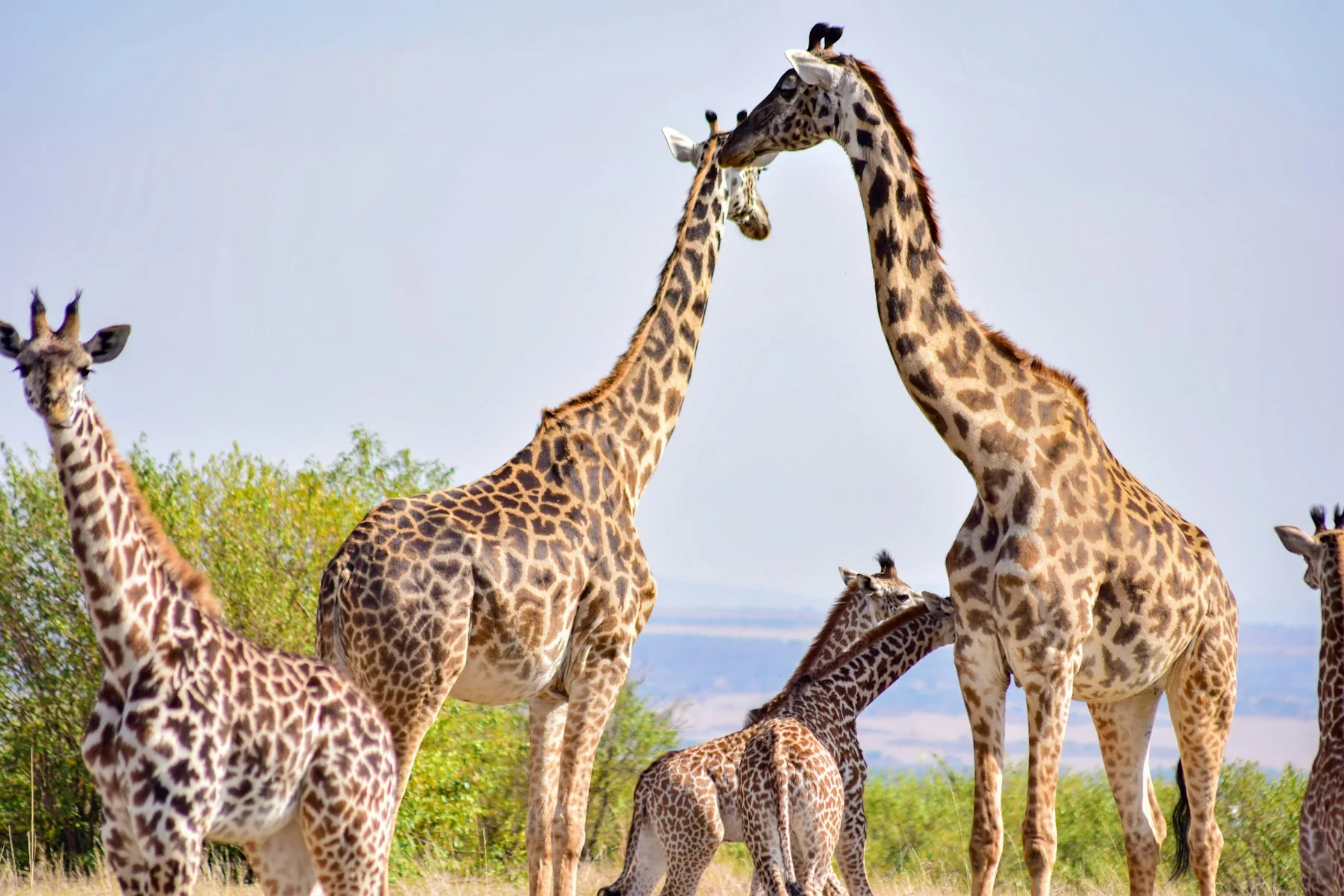
The Mara Triangle occupies the western part of the reserve and is managed by the Mara Conservancy. Mara Serena Safari Lodge and Little Governors’ Camp are the only accommodations inside the Triangle. Nearby properties can still drive there after paying the relevant fees. Conservancies such as Mara North, Naboisho, Olare Orok and Ol Kinyei usually control bed density and add options such as night drives, walks or bush meals, depending on the property and local rules.
| Base | Strength | Trade-off | Ask before booking |
|---|---|---|---|
| Eastern reserve and gate areas | Practical road access and broad lodge choice | Some sectors become busy in peak months | Exact gate, drive time and whether the camp is inside or outside |
| Mara Triangle | Western scenery, river systems and controlled management | Longer road approach from Nairobi | Whether the stay is inside the Triangle and which fees apply |
| Private conservancy | Lower vehicle density and a wider activity menu | Reserve visits may add time and extra fees | Included conservancy activities and number of reserve-entry days |
Camps and lodges for a 2-night stay
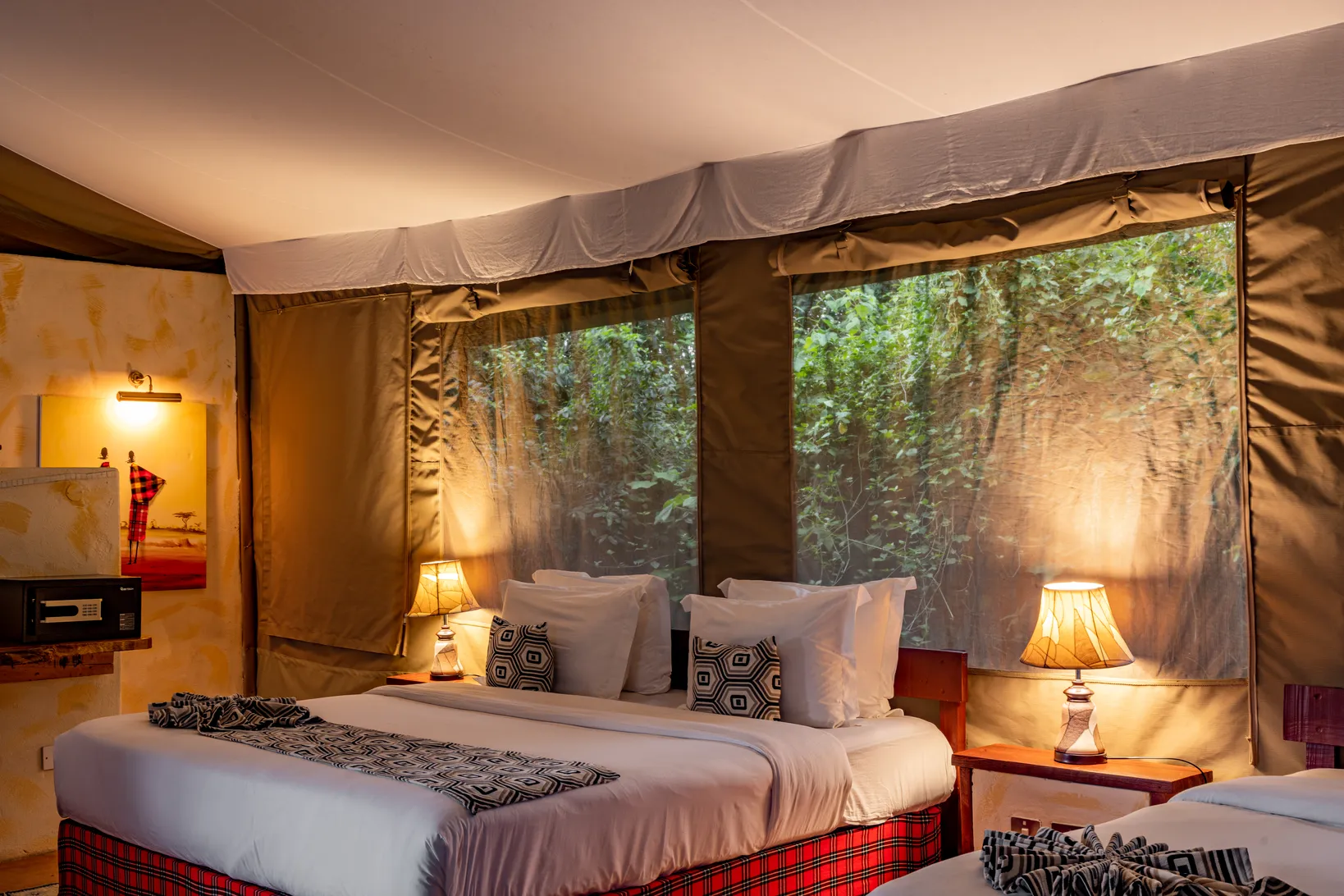
For two nights, location usually matters more than an elaborate room. A practical camp around Sekenani or Talek can protect the arrival drive, while a property inside the reserve avoids a daily gate crossing. A named category such as mid-range or luxury is not enough. Compare the actual property, room, board basis, location, power schedule, bathroom, pool, Wi-Fi expectations and whether game drives are operated by the camp or by the tour operator.
Useful reference points include Enkorok Mara Camp and PrideInn Mara on the practical eastern side, Basecamp Masai Mara near Talek, Keekorok Lodge inside the reserve, Ashnil Mara near the Mara River, Mara Serena in the Triangle, and Entim, Rekero, Governors’ and Angama in distinct premium settings. This is not a ranking. It shows how different locations answer different trips.
| Example or style | Why it may fit | What to check |
|---|---|---|
| Enkorok or a similar tented camp | Value-focused travellers who still want an established camp atmosphere | Gate distance, room category and current meal plan |
| PrideInn Mara or Basecamp Masai Mara | Comfortable tented stay with a stronger sense of place | River or garden position, drive arrangement and family rooms |
| Keekorok, Ashnil or Mara Serena | Permanent lodge services and strategic reserve locations | Size, room outlook and which wildlife sectors are closest |
| Entim, Rekero, Governors’ or Angama | Private service, distinctive location and special-occasion appeal | Private vehicle cost, airstrip transfer and included activities |
Driving and flying from Nairobi
A road safari normally leaves Nairobi early and travels through the Rift Valley and Narok. The final approach can be slow and bumpy, especially after rain. It costs less than flying and keeps the vehicle with you, but it uses much of the first and last days. For travellers arriving from a long international flight, one Nairobi night before departure is usually kinder than landing and immediately starting a full road day.
A scheduled flight reaches a Mara airstrip in roughly an hour, although the full door-to-camp journey includes airport transfer, check-in, possible stops and the game-drive transfer from the airstrip. Baggage limits are strict on light aircraft. The camp location and airstrip should be chosen together, because an attractive fare is not useful if the final transfer crosses half the ecosystem.
| Choice | Time and feel | Usually suits | Hidden detail |
|---|---|---|---|
| Private road safari | Longer journey, one vehicle throughout | Value, families, flexible luggage | Road comfort and early departure |
| Scheduled flight | Fast and scenic with a bush-airstrip arrival | Short trips, honeymooners, older travellers | Baggage limit and shared camp drives |
| Fly one way, drive one way | Balances time, scenery and cost | Travellers continuing elsewhere in Kenya | Vehicle repositioning and route logic |
What changes the cost of a 3-day safari
The vehicle and guide are divided across the paying travellers, so a private safari for two costs more per person than the same route for four. Accommodation season, room type, single supplements, child ages, park or conservancy fees and a road or flight transfer then change the total. Ballooning, exclusive vehicle use at a fly-in camp and premium drinks are usually separate decisions.
A private three-day mid-range road safari begins from $1,190 per person sharing. A private three-day luxury road safari begins from $1,490 per person sharing. Both starting points assume two guests sharing a room and vehicle. Exact dates, the named camp, room category, season and fee basis determine the final total.
Mid-range private safari
From $1,190 per person sharing. A private Land Cruiser and guide, two nights, meals, reserve entry and game drives create a practical wildlife-first trip.
Luxury private safari
From $1,490 per person sharing. The upgrade belongs in accommodation and service while the route keeps the same essential two-night rhythm.
Fly-in private or camp-drive safari
Quoted around the chosen airstrip and camp. Confirm whether the game vehicle is exclusive, because a flight and a luxury room do not automatically include private drives.
The most useful quotation names every property and room, the meal basis, all fee days, the exact vehicle arrangement, airport transfers, water, scheduled or private flights, baggage conditions and excluded drinks or activities. A lower total can be genuine, but it may also contain fewer park days, an outside-gate lodge, a shared minivan or a room category that is not comparable.
| Usually included in a private road safari | Usually separate unless named |
|---|---|
| Private safari Land Cruiser and professional guide | International flights, visa and travel insurance |
| Two nights in the confirmed room category | Balloon flight, massage and private dining |
| Meals stated in the itinerary and bottled water | Premium drinks, tips and personal purchases |
| Reserve fees for the stated entry days | Extra conservancy entry or activities not listed |
| Nairobi pickup and return at agreed points | Late airport changes or unplanned transfers |
- Named camp and room category
- Meals and drinking water
- Private or shared vehicle
- Park and conservancy fee days
- Road or flight transfers
- Balloon and cultural activities
- Single and child pricing
- Payment and cancellation terms
Game drives, meals and the rhythm of wildlife
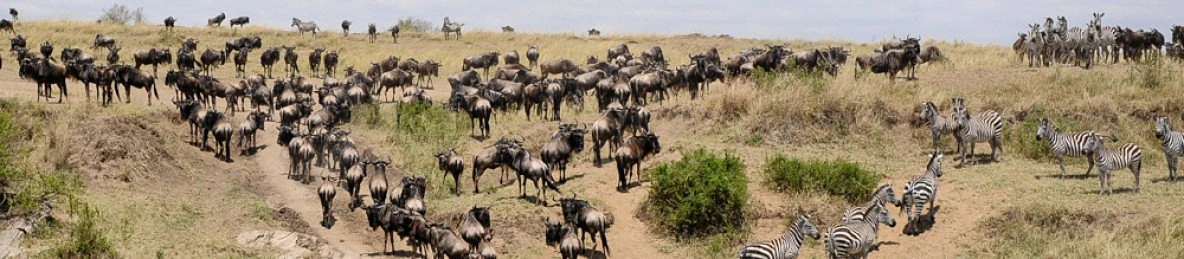
Cats are often active in the cooler hours, yet there is no rule that every sighting happens at dawn. Elephants may gather at water, cheetahs may hunt when visibility improves and a leopard can appear after a quiet hour. A private guide can decide whether to return for lunch or take a picnic and stay out. On a shared camp drive, the departure and return time are usually fixed.
A full-day drive is not automatically better. It can be wonderful when following the migration or exploring a distant sector, but it can also become tiring. Split drives leave time for lunch, a shower and the pleasure of camp. Choose one well-positioned camp, keep the middle day flexible and do not add another park. The right choice depends on season, location, children, photography and how the group feels that morning.
Dawn drive
Cool air, changing light and a chance to find predators before the day warms.
Full day
Useful for distant sectors, river country and unhurried time with a developing sighting.
Split day
Morning and late afternoon wildlife with a comfortable break at camp.
Balloon flights, village visits and special moments
A balloon safari begins before dawn and normally ends with breakfast after landing. It is a beautiful perspective on the landscape, but it should not be treated as a guaranteed wildlife spectacle. The launch zone, camp pick-up time and plan for the rest of the day matter. Some travellers continue on a game drive; others return to camp and slow the afternoon down.
A Maasai community visit deserves the same care as any other part of the trip. Ask who hosts it, how the fee is shared, whether photography is welcomed and whether the exchange goes beyond a hurried performance and souvenir stop. Bush breakfasts, sundowners and private dinners can be lovely, but the most memorable luxury is often a guide who knows when to wait and when to move.

What to pack for two Mara nights and how weather changes the plan
A three-day road safari does not need a large suitcase. Bring a small soft bag, neutral layers, closed shoes, sun protection, a warm fleece or light jacket for dawn, a rain layer, prescribed medicine, chargers and binoculars if you have them. Keep documents, medicine and one warm layer with you rather than buried below everyone else’s luggage.
- Two light daytime outfits and one comfortable evening layer
- Fleece or jacket for an open roof before sunrise
- Hat, sunglasses, sunscreen and lip balm
- Closed walking shoes plus easy camp footwear
- Camera batteries, memory cards and a dust cover
- Reusable water bottle and essential medicine
- Soft bag for a fly-in safari
- Travel insurance details and emergency contacts
Rain does not cancel the Mara. It can deepen the colour of the plains, settle dust and create dramatic skies. It can also slow the Narok approach, make black-cotton tracks difficult and change which sectors a vehicle can use. The guide should adjust the route, and the itinerary should leave enough road time on the final day. Our Masai Mara weather guide shows how those trade-offs change through the year.
Watch an independent three-day Masai Mara trip
Travel creator Emre Beyond filmed a recent three-day journey from Nairobi, including the long road, Mara Sopa Lodge, game drives and a Maasai village visit. The value is not that every viewer should copy the route. It is that you can see how much of the first and last days the road occupies, how the lodge fits between drives and how one traveller experienced the community visit.
It is an independent traveller video rather than another safari operator’s sales film. Wildlife, traffic, road conditions and the character of a village visit will differ from one trip to another.
What travellers say after the trip
These are exact words from public reviews and discussions. Each person had their own route, budget and expectations, so the value is in the detail rather than treating one experience as a promise.
It was absolutely amazing and felt like enough time.
A traveller describing a three-day, two-night Mara safari, while also noting that the quality of the driver made a major difference.
The third time I had the joy of doing a fly-in safari…no drive time, and stayed at a small lodge on the river…it was an amazing experience.
A repeat Mara visitor comparing two road safaris with a later fly-in stay.
Wasn’t cheap. But worth every penny.
A traveller who visited during the July migration and called the Mara one of the best trips they had taken.
3-Day Masai Mara Safari from Nairobi questions
Is a 3-day Masai Mara safari long enough?
Yes, when time is tight and the route is planned carefully. The trade-off is that the road journey occupies part of the first and last days.
Should I drive or fly from Nairobi?
Driving costs less and reveals the Rift Valley journey. Flying protects time and comfort. The better choice depends on budget, luggage, age, mobility and what happens immediately before and after the safari.
Is a private vehicle worth it?
It is especially valuable for photographers, families, honeymooners and anyone who wants control over departure times. A shared drive costs less, but the day follows the interests and timetable of the group.
Which Mara area should I stay in?
Sekenani and Talek give practical access to the eastern reserve. Musiara suits the north. The Mara Triangle has a small number of inside properties. Private conservancies add lower vehicle density and activities that are restricted in the reserve.
Are park fees included?
They can be included in a complete package. The written quotation should state the fee category, number of entry days and whether conservancy fees are separate.
Can children join this safari?
Yes. The vehicle plan, family room, meal times, drive length and pool safety should be discussed before the lodge is booked.
Can I add a hot-air-balloon flight?
Yes, subject to availability and weather. Pick-up time depends on the camp location, so it should be placed into the itinerary before accommodation is confirmed.
What happens if it rains?
Rain is part of the ecosystem and can create beautiful light. A capable four-wheel-drive vehicle, a flexible guide and a sensible camp location matter more than trying to predict one completely dry day.
Can this package be made luxury or budget?
3-Day Masai Mara Safari from Nairobi can be tailored through the camp, room type, vehicle arrangement, road or flight transfer, activities and the number of private services.
How do I start planning?
Share travel dates, adults and children, room needs, budget range and the experiences that matter most. That is enough to create a first route and an itemised quotation.
Sources and further reading
Official park, heritage, tourism, aviation and regulatory sources support the practical details in this guide.
Plan your 3-day masai mara safari from nairobi
Tell us what you want the days to feel like. We will match the route, Mara area, camp and vehicle arrangement to you.
Start planning your 3-day Mara safari
Dates and group size are enough to begin. Add your preferred comfort level and any must-have experiences if you already know them.