
How Many Days Do You Need in Amboseli? An Honest Planning Guide
At six in the morning, Kilimanjaro may be clear enough to count the folds of snow. An hour later, cloud can erase the mountain while elephants keep walking through the swamp. That is why the answer is measured in useful dawns, not just nights on an itinerary.
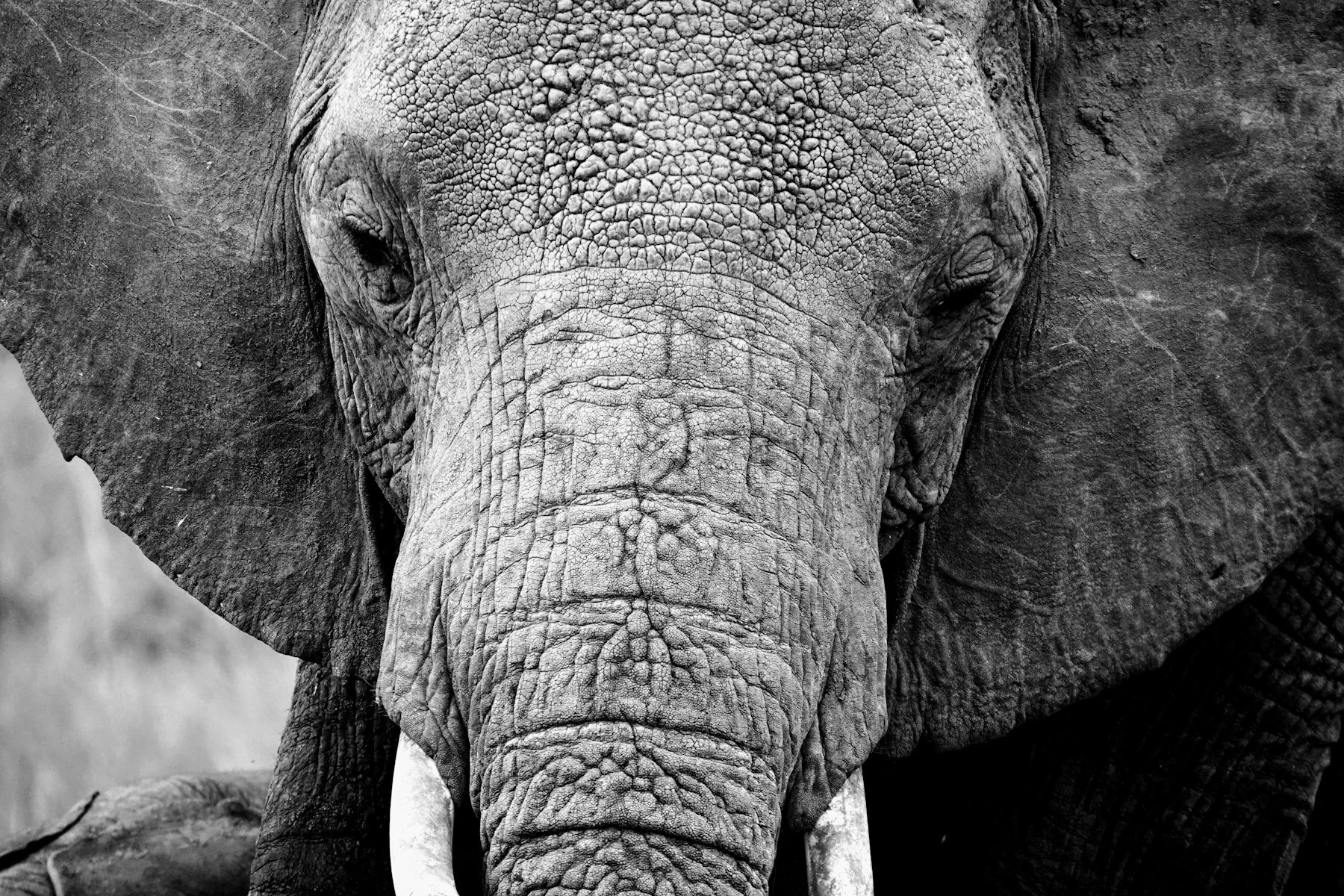
How many days do you need in Amboseli? For most first-time visitors, two or three nights are right. Two nights give one full day plus arrival and departure drives. Three nights give two full days, a second chance at Kilimanjaro and a far less hurried safari.
- Two nights for a good visit, three for depth
- Why one night often feels like a transfer with a bed
- What two nights in Amboseli actually look like
- What the third night buys
- Five questions that decide the length
- Amboseli with Nairobi, Tsavo or the Mara
- Dry months, rains and Kilimanjaro margin
- How many nights for families and older travellers
- Fees, vehicles and the true cost of staying longer
- What people say after trying short Amboseli stays
- How many days do you need in Amboseli for your travel style?
- Watch an independent Amboseli safari
- Traveller opinions
- FAQs
Two nights for a good visit, three for depth
A two-night stay is the practical minimum for most travellers. Arrive in time for an afternoon drive, spend the next day exploring the swamps, lake bed and woodland, then take one last morning drive before leaving. That gives three different light periods without making Amboseli dominate a broader Kenya itinerary.
Three nights add another complete day. The extra time matters when the mountain hides behind cloud, a family needs shorter drives, a photographer wants to return to the same elephant herd or the itinerary includes a respectful Maasai-hosted visit. It also makes room for the lodge, rather than paying for a pool and veranda that are seen only between showers.
| Stay | Useful safari time | Best for | Main drawback |
|---|---|---|---|
| 1 night | Arrival and departure drives only | Very tight fly-in or through-route | No full day |
| 2 nights | One full day plus two partial drives | Most first visits | Little margin for weather |
| 3 nights | Two full days plus partial drives | Photography, families and depth | Higher fees and accommodation cost |
| 4 nights | Three full days plus partial drives | Slow safari and specialists | May reduce variety elsewhere |
Why one night often feels like a transfer with a bed
On paper, Nairobi to Amboseli for one night looks efficient. In practice, a road arrival can reach the park after the best cool hours. Check-in, lunch and the gate take time. The next morning starts beautifully, then the vehicle must leave before the group has settled into the landscape. Cloud can hide Kilimanjaro throughout the only viewing window.
A one-night stay works better when the traveller flies, arrives early, sleeps in or very near the park and departs late enough for a real morning. It can also work as a road stop between Nairobi and Tsavo, provided nobody calls it a complete Amboseli safari. Use honest language: it is a taste, not depth.
What two nights in Amboseli actually look like
Day one is mainly access. A private road departure after breakfast may reach the ecosystem around lunch, depending on Nairobi traffic and stops. An air arrival can be faster but involves Wilson Airport and the camp transfer. The afternoon drive introduces the swamps, elephants and the mountain’s changing cloud.
Day two should not be over-scripted. Start before breakfast, watch where elephant families move between dry plains and permanent water, and decide with the guide whether to return for lunch or carry a picnic. The last morning may finally reveal a clear peak or a completely different wildlife story. Leave enough time for the onward road or flight.
| Day | Natural rhythm | Do not forget |
|---|---|---|
| Arrival | Transfer, lunch and afternoon drive | Gate time and daylight |
| Full day | Dawn, swamp circuit, rest or picnic, sunset | Heat, dust and fatigue |
| Departure | Early drive and onward transfer | Flight or road buffer |
What the third night buys
The third night buys a second full day, not merely another dinner. One day can follow the classic swamp and lake-bed circuit. The other can slow down around birds, Observation Hill, woodland, a conservation conversation or a carefully arranged community visit. Photographers can return to a promising location in different light.
It also protects the trip from weather. Kilimanjaro makes its own cloud, and no month guarantees an uninterrupted view. Two or three dawns improve the odds without turning nature into an appointment. Families gain recovery time, while couples can spend one afternoon at the lodge without feeling that they skipped half the park.
Five questions that decide the length
Begin with access. A long road journey consumes more of day one than a well-timed flight. Next consider the whole route: Amboseli connects naturally with Tsavo and the coast, while a direct road jump to the Mara creates a punishing day. Then consider pace, children, photography and the importance of seeing Kilimanjaro.
Accommodation position also matters. A lodge inside the park can begin drives without a gate queue. An outside property may offer privacy or value but adds entry time. Finally, count fees by the official validity rules for the dates. A three-night plan can cross more chargeable periods than a traveller expects.
| Question | Favour 2 nights | Favour 3 nights |
|---|---|---|
| Access | Early flight or efficient route | Late road arrival |
| Mountain view | Pleasant bonus | Major trip goal |
| Travellers | Energetic adults | Children or slower pace |
| Interest | General safari | Elephants or photography |
| Activities | Game drives only | Culture, conservation or lodge time |
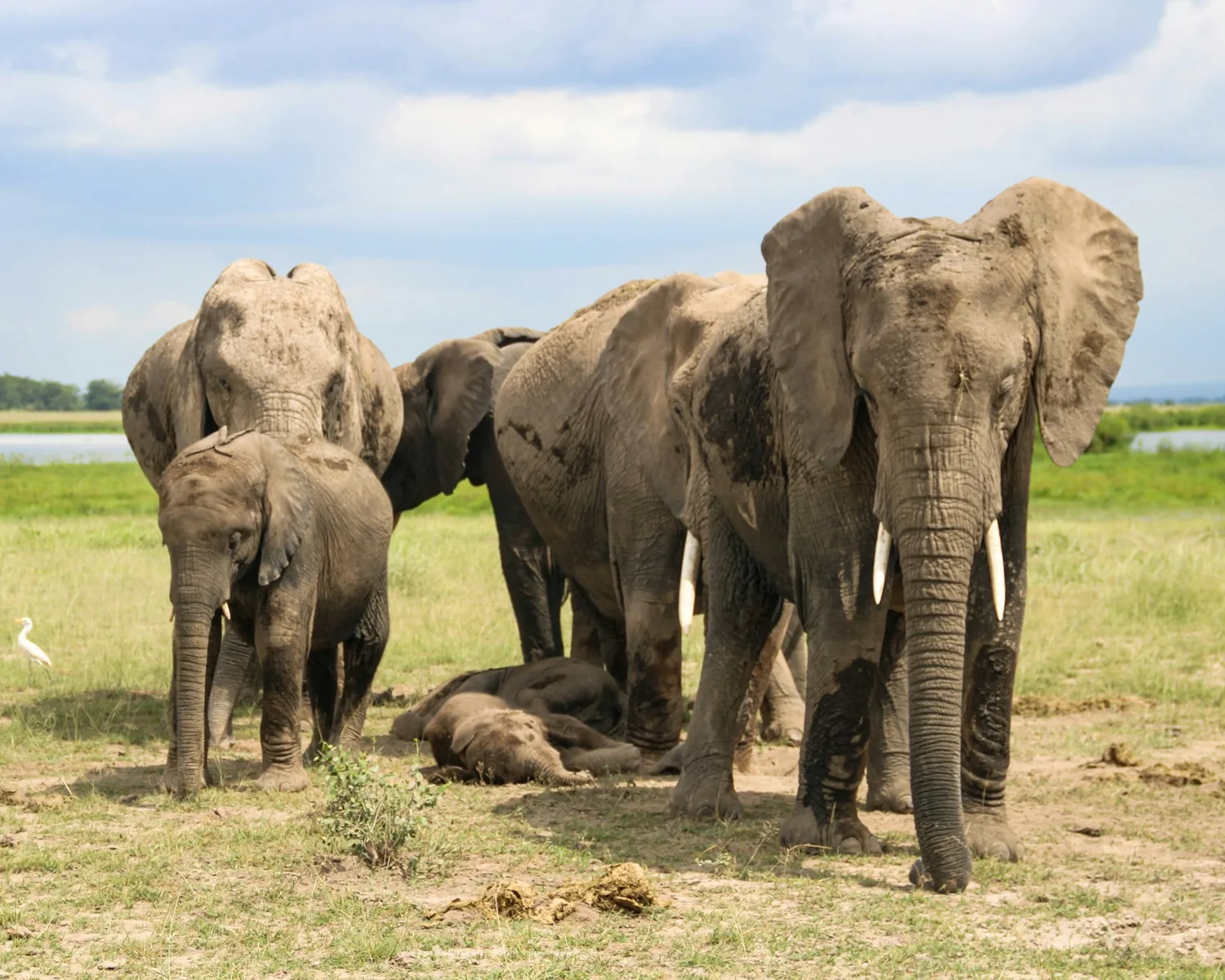
Amboseli with Nairobi, Tsavo or the Mara
From Nairobi, two nights work well when departure is early and the return day is not tied to a risky international connection. Toward Tsavo West, the route becomes a satisfying change from springs and elephant country to lava landscapes and the Chyulu hills. Continue to Tsavo East and the coast only with enough days to avoid a relay race.
Amboseli and the Mara are both iconic but far apart by road. Flying through Nairobi can save energy, while a road itinerary often needs an intermediate night or a different sequence. Do not solve the distance by shrinking each park to one night. Fewer places with proper dawns usually create a richer first safari.
Dry months, rains and Kilimanjaro margin
Dry periods concentrate animals around reliable water and create classic dusty elephant scenes. They can also bring busy tracks and a fine dust that reaches cameras, clothes and sinuses. Rain transforms the plains, attracts birds and creates dramatic light, but roads and transfer times can become less predictable.
The mountain is often clearer early, yet cloud is possible in every season. A longer stay is not an insurance policy, simply more opportunity. During rains, three nights provide useful flexibility. During a dry, multi-park safari, two may balance depth with the desire to see another ecosystem.
How many nights for families and older travellers
Two nights can feel rushed with young children because the road, early wake-ups and long wildlife day arrive together. Three nights allow shorter drives, pool time and one morning that begins later. A private vehicle lets the family stop for birds, bathrooms and tired attention without negotiating with other guests.
Older travellers may also prefer three nights, especially after a long-haul flight. Ask about steps, vehicle access, heat, dust and room distance. The best luxury may be an afternoon nap and a gentle sunset drive rather than a packed activity list.

Fees, vehicles and the true cost of staying longer
An extra night adds accommodation, meals and often another period of park or conservation fees. It may also add private-vehicle time. Yet moving to another park adds its own fuel, flight, transfer and lost wildlife hours. Compare complete itineraries rather than one lodge rate.
Ask for the exact room, meal basis, vehicle, passenger count, fees, airstrip transfers, drinks and cancellation terms. KWS fee validity rules can affect a stay that crosses time boundaries or exits and re-enters. Use the current official schedule for the travel dates, not a screenshot from an old article.
| Cost line | Two nights | Three nights |
|---|---|---|
| Accommodation | 2 room nights | 3 room nights |
| Useful full days | 1 | 2 |
| Weather margin | Limited | Stronger |
| Transfer frequency | Same arrival and departure | Same arrival and departure |
| Value for specialist interest | Good | Often better |
What people say after trying short Amboseli stays
Traveller discussions disagree, which is exactly why a single number is unhelpful. One person says a night is enough; another calls three nights a minimum. The more revealing comments explain the route. People who spend most of the visit transferring often feel hurried, while those protecting two mornings value the second chance at cloud and wildlife.
A recent first-time visitor who used only one Amboseli night still saw a cheetah with cubs, yet described the wider trip as exhausting after long drives and wished they had known flights were possible. That is Amboseli in miniature: a short stay can produce magic, but a magical sighting does not make the logistics gentle.
How many days do you need in Amboseli for your travel style?
Choose two nights if you arrive early, have a sensible onward route, want a classic elephant-and-landscape introduction and are comfortable with one full day. Choose three if the mountain or photography matters, children are travelling, the arrival is late, a cultural visit is planned or this may be the only Amboseli trip.
Choose four only when slow observation, research, birding or lodge time is part of the purpose. Choose one when the alternative is missing Amboseli and the route truly supports it, then keep expectations honest. Whichever number wins, protect the dawns. They are the part no extra room upgrade can replace.
An independent traveller’s day in Amboseli
Jessica Faye’s travel vlog follows a real day in Amboseli, including the park roads, elephants, Kilimanjaro glimpses and time at a lodge outside the gate. It is not a tour-company film, and that makes the ordinary moments useful: the drive itself, the changing view and how much can fit into one day without pretending every morning looks the same.
What travellers say after the trip
These are exact words from public reviews and discussions. Each person had their own route, budget and expectations, so the value is in the detail rather than treating one experience as a promise.
And I want 2 nights in Amboseli incase it’s cloudy/foggy out one of the days, which happens often.
A traveller explaining why a second morning mattered for the Kilimanjaro view.
My personal minimum at any camp is 3 nights, and I prefer 4. One night is lunacy, you will be missing so much game drive time
A safari traveller reacting to an itinerary that tried to cover several ecosystems too quickly.
Amboseli was definitely more dusty than the other two areas!
A first-time Kenya traveller comparing a one-night Amboseli stop with the Mara and Lake Nakuru.
Amboseli duration questions
How many days do you need in Amboseli for a first safari?
Two nights are a good minimum. Three nights give a second full day, more mountain-view margin and a gentler pace.
Is one night in Amboseli enough?
It can work on a fly-in or well-positioned road route, but it leaves no full day and is vulnerable to late arrival, cloud and fatigue.
What do two nights in Amboseli include?
Usually an afternoon drive on arrival, one full wildlife day and a morning drive before departure, subject to transport and lodge position.
Are three nights too long?
No. Three nights suit photographers, families, elephant enthusiasts and travellers adding a cultural or conservation experience.
Do I need four nights?
Four nights suit slow travel, serious photography, lodge time or a deeper ecosystem visit. Many first itineraries can use the fourth night in another park.
Should I fly or drive to save time?
Flying protects useful safari hours on a short trip. Driving can be excellent in a private circuit when Amboseli connects naturally with Nairobi or Tsavo.
When is Kilimanjaro most likely to be visible?
Early mornings are often clearest, but cloud and weather are unpredictable. More than one dawn improves opportunity without guaranteeing a view.
How long is the drive from Nairobi?
Allow roughly four to five hours in normal planning, with extra time for traffic, stops, road conditions and the exact lodge.
Can I combine Amboseli and Tsavo?
Yes. The road connection works particularly well when continuing toward the Kenya coast, but give each ecosystem enough nights.
Can NLS customise the number of nights?
Yes. We can shape access, lodge, vehicle, fees and onward route around the actual flights and travellers.
Sources and further reading
Official park, heritage, tourism, aviation and regulatory sources support the practical details in this guide.
Give Amboseli the right number of dawns
Share your dates, arrival flight, onward plan and people travelling. We will show you a two-night and three-night version with the real time in each.
Plan your Amboseli stay
Tell us where you begin, where you go next and what you most want from Amboseli.