
Kenya Safari Cancellation, Deposit and Payment Questions
The most useful booking conversation happens before a card is charged: what becomes confirmed, when the balance is due, and what changes if life changes first.
- The four dates that matter
- What our standard terms say
- A deposit is not the cancellation charge
- Why deposit requests differ
- What should be on the quote
- How to pay safely
- What happens after payment
- Changing dates, people or camps
- Insurance and the first payment
- What travellers have said
- If you need to cancel
- Compare two offers fairly
- Frequently asked questions
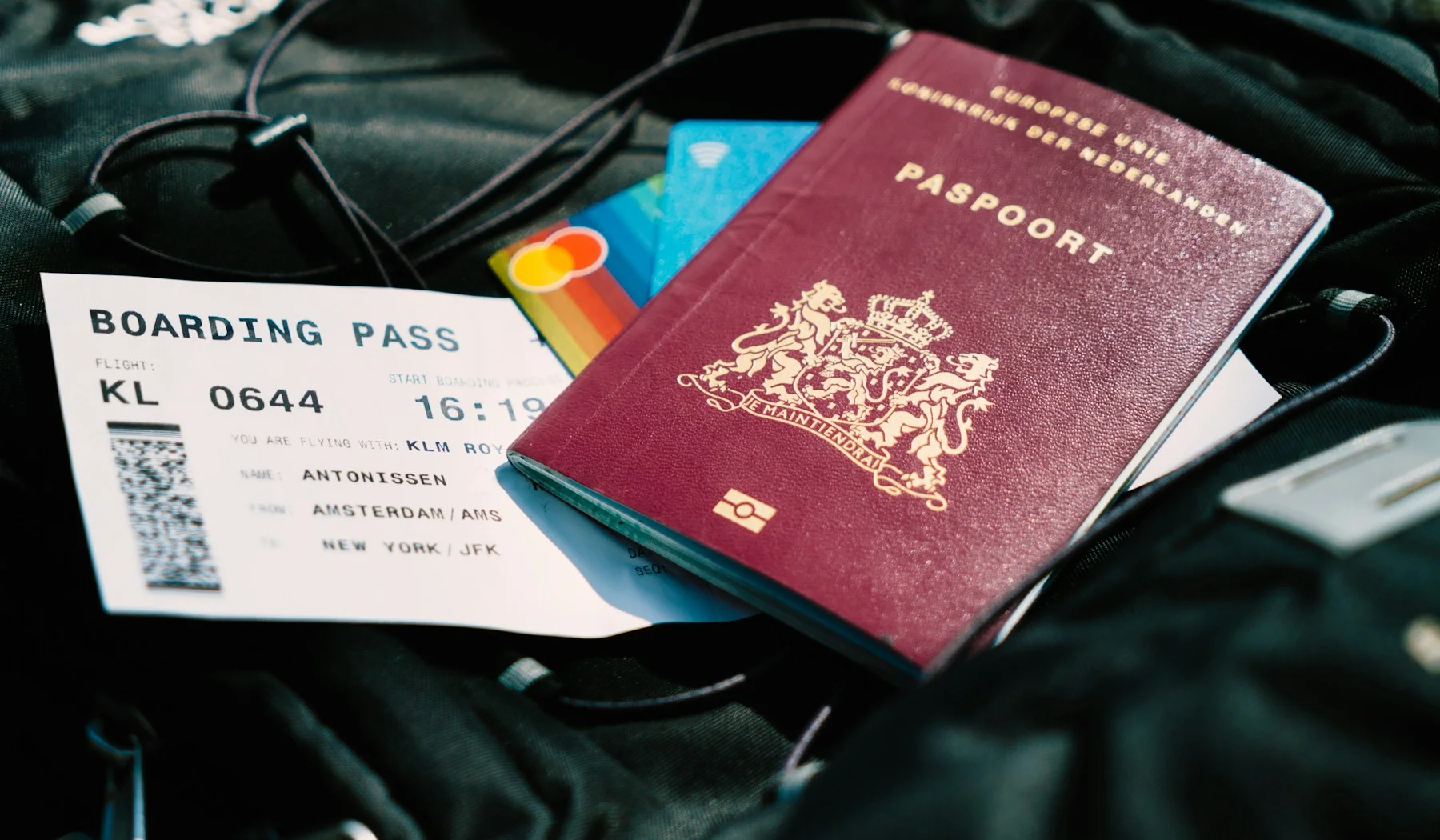
The email arrives with an exciting name on it: a camp by the Mara River, perhaps, or a small lodge with Kilimanjaro in view. Then your eye goes to the payment line. Thirty percent now. The rest later. What exactly does that first payment buy, and what happens if a child gets sick or a flight changes?
Those questions are not a sign that you are being difficult. They are part of planning a good safari. Kenya itineraries often join several suppliers: accommodation, a private guide and vehicle, park or conservancy access, flights and special activities. Their dates and cancellation rules do not always move together. This guide explains how to read the commitment before you make it, including the NLS Safaris booking terms and the questions worth asking any operator.
The four dates that matter more than a single percentage
A deposit percentage on its own tells you very little. A 30% deposit due today might be more flexible than a 20% deposit tied to a non-refundable flight, or less flexible than a larger payment for a room with generous change terms. Trace four separate moments.
| Moment | What it means | What to check |
|---|---|---|
| Space is held | A proposed room or seat may be temporarily reserved. | When does the hold expire, and is the exact room named? |
| Deposit is paid | The booking is confirmed under written conditions. | What becomes non-refundable immediately, if anything? |
| Balance falls due | The remaining amount must clear by the agreed date. | Does a late payment risk release of a camp or flight? |
| Cancellation band changes | The charge may rise as departure approaches. | Which calendar date moves the booking into the next band? |
Put the exact dates on your calendar, not just “two weeks before.” If a trip crosses time zones or starts with a Nairobi hotel night, state which day counts as the safari start. Also ask whether the rule is measured from when you send a cancellation request or when the operator receives it.
What our standard booking terms say
For a booking with NLS Safaris, our booking terms and conditions set a standard 30% deposit to confirm the safari and a remaining balance due at least 14 days before travel. A booking made within that final 14-day window may require full payment at confirmation. Payments are generally in US dollars unless another currency is agreed.
The same terms use a sliding cancellation scale. They say no cancellation charge for an early cancellation up to 60 days before the safari, then 20% between 35 and 60 days, 40% between 15 and 34 days, 60% inside 15 days but more than three days before departure, and 100% at three days or less. Certain camps, flights and offers may have stricter supplier rules, which should be disclosed with the quotation and take precedence where applicable.
| When cancellation is received | Standard charge in our published terms | On a hypothetical $4,000 safari |
|---|---|---|
| Well before the 60-day boundary | 0% | $0 cancellation charge, subject to any applicable refund-processing fee or disclosed supplier rule |
| 45 days before departure | 20% | $800 |
| 20 days before departure | 40% | $1,600 |
| Five days before departure | 60% | $2,400 |
| Two days before departure | 100% | $4,000 |
These figures illustrate the published scale, not a quote for your trip. The wording on the terms page meets at day 60, so if that exact date matters, ask us to state the applicable band in your written confirmation. A refund may also be subject to a 5% administrative processing fee, and supplier conditions can alter the outcome. We would rather make those exceptions visible before payment than have anyone discover them during a cancellation.
A deposit is not the same thing as a cancellation charge
Imagine a $4,000 trip with a 30% deposit. You pay $1,200 to confirm it. If the applicable cancellation charge later becomes 20% of the total, that charge is $800, not 20% of the deposit. The amount already paid is set against what is owed or refunded under the contract. At a later band, the charge could exceed the deposit and an outstanding balance may still be payable.
That distinction matters because a traveller can hear “30% deposit” and assume the maximum loss is 30%. It may not be. Likewise, “no cancellation charge” does not automatically mean every transaction or supplier payment returns instantly. Read the refund method, processing fee and component exceptions together. NLS terms say eligible refunds return to the original payment method and processing can take up to 60 days, depending on suppliers and banks.
If you are comparing our policy with another operator’s, calculate the amount at realistic dates: a month before travel, a week before travel and after the final balance is paid. The Kenya safari cost guide explains the other line items that can change a quotation; this page is about when you become committed to them.
Why one safari asks for 30% and another asks for more
A deposit is shaped by what must be reserved, not by a universal Kenya rule. A small camp in migration season may require advance money to hold a specific tent. A scheduled bush flight may issue a ticket with its own change terms. A private vehicle and guide must be taken out of circulation for your dates. A hotel near Nairobi may have a different cancellation window from a conservancy camp.
That does not make a high deposit automatically unsafe or a low deposit automatically generous. The revealing question is what the operator has actually confirmed for that payment. A quote that names the property, room, dates and transport sectors gives you something concrete to check. A vague “luxury lodge or similar” does not. If the named room is unavailable, understand whether you can approve a substitute, receive a refund, or change the plan.
Mixed itineraries deserve an especially close look. A fly-in safari can place a flight ticket and camp booking on different clocks. A private road trip may have more flexibility in transport but still depend on the lodge. A balloon flight may have its own weather and cancellation rules. Request a single explanation that shows where those pieces meet.

What should be in front of you before you pay
The useful document is not a glossy itinerary alone. It is a versioned quotation or invoice that agrees with the itinerary. It should name the legal business receiving payment, each property or clearly defined alternative, room and meal basis, group size, guide and vehicle arrangement, flights, park or conservancy fees, optional activities, total price, currency, deposit, balance date, cancellation scale and supplier exceptions.
If an international flight is delayed, will the first safari night or bush flight move? If the operator proposes a different lodge, who approves it and how is a price difference treated? If a family room cannot be confirmed, can you change the group configuration? These are not demands for a perfect prediction. They are normal questions about how a booking responds to real life. Our operator vetting guide goes deeper into checking licences, guides and business identity.
Kenya’s Tourism Regulatory Authority licence verification service can help confirm a tourism licence when you have the operator’s file number. A licence does not replace your written contract, but it is one useful identity check.
How to pay without wondering where the money went
Our booking terms say NLS payments can be made through a secure card link after the booking and invoice are issued, and that our official bank accounts are in Kenya. Card brands accepted through a particular payment link and possible conversion charges should be clear at checkout. If you prefer a transfer, confirm the beneficiary against your invoice and verify any later change of bank details using a number you found independently on our website, not only a number inside the change request.
Keep the payment confirmation, invoice number and receipt in one folder. Never send card details in an ordinary email or WhatsApp message. A request for a personal account, an unfamiliar payment domain or a sudden “today only” pressure call deserves a pause. The US Federal Trade Commission’s travel scam guidance similarly tells travellers to obtain terms before paying and avoid payment methods that are hard to recover when something goes wrong. That advice is about fraud prevention, not a claim that every bank transfer to a legitimate Kenyan company is a scam.
Currency is another quiet detail. If the invoice is in US dollars but your card is billed in euros or pounds, your card issuer may set its own exchange rate and foreign-transaction charge. The operator’s price and the final amount on a bank statement can therefore differ without a change in safari price. Ask which currency will actually be charged.
After the deposit: what confirmation should arrive?
A receipt proves that money moved. A booking confirmation tells you what the payment secured. After the deposit, expect an updated itinerary or confirmation identifying the travel dates, named accommodation, room type where applicable, transport plan and any components still awaiting final confirmation. A bush airline or camp may not immediately issue a traveller-facing reference number, but the operator should be able to explain the status rather than leave you guessing.
Read the confirmation while there is still time to correct it. Check names against passports, the first night’s arrival plan, the airport or airstrip, ages of children, bed configuration and any accessibility or dietary request that materially affects the trip. If something differs from the quotation, raise it in writing. Our Masai Mara booking guide shows how those details shape the actual route, not just the paperwork.
Changing dates, travellers or camps is not always a cancellation
A request to move a trip can have several outcomes. The same camp may move the booking at no charge if the new dates are open. It may keep the deposit but apply a seasonal rate difference. A flight ticket may need a new fare. A camp may regard a name change as a cancellation and new booking. None of these is safe to assume in advance.
Tell the operator what has changed, which parts of the trip must stay, and whether you have alternative dates. Ask for the proposed amendment, supplier charges and revised cancellation schedule before accepting it. A verbal “we can probably move it” is less useful than a new written itinerary with the new dates and costs. If a component was promised but cannot be delivered, that is a different question from a traveller choosing to cancel. The applicable contract and consumer rights may also depend on where and how the trip was sold.
Travel insurance starts being relevant at the first payment
Insurance is a separate contract between you and the insurer. Trip cancellation cover usually applies only to listed reasons and subject to its limits and exclusions. A “cancel for any reason” option, where available, has different conditions and often returns only part of the insured cost. The US National Association of Insurance Commissioners explains that such options commonly have purchase-time and cancellation requirements. Those requirements vary by policy and country, so ask the insurer rather than assuming a rule from a travel blog.
Look at the timing before paying the deposit. Some benefits must be bought within a short period after the first trip payment. List every non-refundable amount, including long-haul flights bought separately, bush flights, camps and activities. Then compare that total with the policy’s cancellation limit. Medical treatment and evacuation are different coverages again. Our Kenya safari travel insurance guide walks through those questions without recommending a particular policy.
What travellers have actually worried about
Public safari discussions rarely begin with an abstract percentage. People want to know whether the camp is real, whether the operator will still answer after payment, and whether a change of plans will erase the trip budget. These are individual experiences, not evidence that every operator behaves the same way.
We are reluctant to pay the full tour cost before arriving due to their “0 refund” cancellation policies
A traveller comparing Kenya and Tanzania safari proposals described the tension between paying in full and trusting a smaller deposit request. The answer lies in the written supplier and cancellation terms, not the percentage alone.
I did not take the travel insurance when I first made the 20% deposit
Another traveller discovered that waiting until a later payment could affect eligibility for a particular insurance option. The lesson is to compare policies at the first commitment, not only just before departure.
I had a similar experience with a different company in Kenya. Safari was spectacular with no surprises.
In a thread about slow post-deposit communication, a past guest offered a useful counterweight. Silence can worry people without proving a booking has failed, but timely, specific confirmation is still the better standard.
If you need to cancel, write down the moment it happened
Send a clear written notice to the booking contact, state the booking reference and the services you are cancelling, and retain a copy. Ask for the applicable contractual charge, any supplier exception, the amount already paid, the expected refund and the method of return. Do not cancel a flight or room separately without knowing whether that changes the rest of a package.
NLS terms say an eligible refund goes back to the original payment method. They also say processing can take up to 60 days depending on suppliers and banks, and a 5% administrative processing fee may apply. If there is a disagreement, request the calculation in writing against the version of the terms that applied when you booked. Keep the invoice, payment receipt and cancellation notice together. An insurer may need those documents as well.
A fair comparison between two safari offers
Two itineraries can have the same price and very different money risk. Compare the trip you would actually receive, then the schedule of money at risk. This is more useful than ranking operators by the smallest deposit alone.
| Line to compare | Offer A | Offer B | Why it changes the decision |
|---|---|---|---|
| Named lodge and room | Exact property and category? | Exact property and category? | A substitute can change location, comfort and game-drive time. |
| Deposit and balance | Amount, currency, due dates | Amount, currency, due dates | Cash-flow and insurance timing begin here. |
| Cancellation at 60, 30 and 7 days | Actual amount at each date | Actual amount at each date | Percentages are easier to judge as money. |
| Non-refundable components | Flights, camps, activities? | Flights, camps, activities? | Supplier rules may override a general scale. |
| Change and substitution rights | Written approval and price difference? | Written approval and price difference? | A date change is not always a simple rebooking. |
| Beneficiary and payment method | Company account or secure link? | Company account or secure link? | Identity and fraud checks protect the payment. |
Once the money questions are settled, let the attention return to the reason for the journey. A well-written confirmation should make it easier to imagine the first morning in the bush, not leave a small worry humming in the background.
Frequently asked questions
How much is the NLS Safaris deposit?
The standard deposit is 30% of the total tour price. A named camp, flight or activity can have a stricter supplier rule, so read the terms attached to the particular itinerary before paying.
When is the balance due?
NLS booking terms say the balance is due at least 14 days before the start of the safari. A booking made within that window may require full payment at confirmation.
Is a safari deposit refundable?
The answer depends on the cancellation date, the booked components and the terms supplied with your booking. Do not assume the deposit itself is the maximum cancellation charge or that every component follows the same scale.
What happens if I cancel 60 days before departure?
The published NLS cancellation table has a boundary at 60 days. Its wording should be clarified against your exact date and supplier terms in the written booking confirmation rather than guessed from a calendar.
Can I pay for my safari in instalments?
You can discuss a staged payment plan, but the required deposit, supplier deadlines and final balance date must still be met. Have the amount, currency and due date of each payment written into the invoice.
Is it safe to pay a safari company by bank transfer?
A bank transfer can be a legitimate method, but verify the operator, company account name and beneficiary through a contact channel you already trust. Treat an unexpected change of banking details as a reason to pause and confirm independently.
Should I buy travel insurance before paying the deposit?
Compare cover at the time of the first payment. Some benefits have purchase-time conditions, and the policy must cover the non-refundable amount you want protected. Check the insurer’s actual wording and eligibility rules.
Can I change dates instead of cancelling?
Sometimes, but a lodge, bush flight or activity may charge a change fee or fare difference. Obtain the revised itinerary and price in writing before assuming the original deposit will carry across.
How long can a refund take?
NLS booking terms say eligible refunds return to the original payment method and can take up to 60 days to process depending on suppliers and banks. The amount also depends on the applicable cancellation charges.
Continue planning
- NLS Safaris booking terms and conditions
- How to book a Masai Mara safari
- How to choose a Kenya safari operator
- Kenya safari travel insurance
- Kenya safari cost
- Tailor-made Kenya safaris
Sources and further reading
Plan a safari with clear terms
Share your dates, group, route and the payment or cancellation question on your mind. We will reply with a trip proposal and the terms that apply to its components.