
Kenya Fly-In Safaris: From Wilson Airport to the Wild
Understand Wilson Airport, bush airstrips, baggage limits, lodge vehicles and the Kenya routes where flying gives you a better safari rather than simply a higher bill.
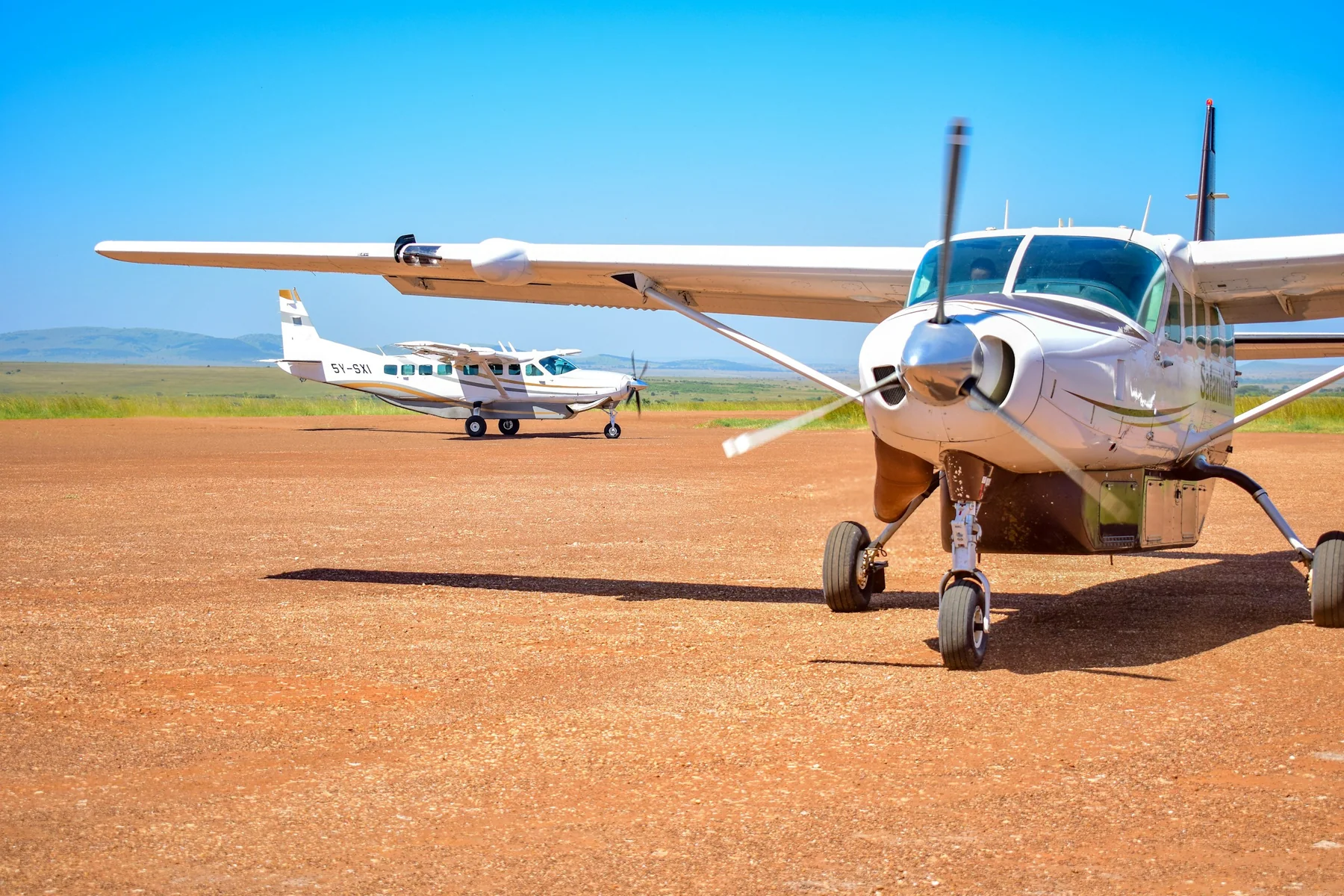
The bag feels unusually light in your hand. A few hours earlier, Nairobi was all hotel doors, morning traffic and takeaway coffee. Now a small propeller aircraft is climbing away from Wilson Airport, the city is thinning beneath the wing and the ground is opening into farms, ridges and grassland.
That change of scale is one of the pleasures of Kenya fly-in safaris. Flying can also give you more time where you came to be: in the Mara at dusk, watching elephants in Amboseli, or settling into a Samburu camp before lunch rather than arriving after a long day on the road.
The flight is only one part of a good plan, though. Your international aircraft probably lands at Jomo Kenyatta International Airport, while most scheduled safari flights leave from Wilson Airport. Your camp may be served by several airstrips, but only one makes sense for its location. Your ticket may show the final destination even when the aircraft makes other stops. Once you land, game drives are usually in the camp's vehicle, which may be shared unless a private vehicle has been arranged.
This guide joins those pieces together. It explains what the day actually feels like, where you can fly, how luggage works and when a road safari may still be the better journey.
What a Kenya fly-in safari actually looks like
Imagine you are flying from Nairobi to the Masai Mara. A driver collects you from your hotel and takes you to Wilson Airport, Nairobi's smaller domestic aviation hub. You check in with a soft-sided bag, pass through the terminal and walk to an aircraft designed for short regional routes and bush airstrips.
The cabin is smaller and more intimate than an international jet. Depending on the aircraft, you may see the pilots at work. The view is part of the journey: Nairobi gives way to the Rift Valley and then to the open country of the Mara ecosystem.
The flight may be direct, but it may also land at one or more airstrips to drop off other passengers. This is normal safari flying, not necessarily a delay. AirKenya states that a ticket can show the final destination even when the route includes other scheduled stops.
At your airstrip, a guide from the camp or lodge will be waiting. That first transfer is often a game drive in its own right. The vehicle may pause for giraffes, elephants or a cat sighting before you have seen your room. At camp, the daily game-drive pattern normally follows the property's vehicle arrangement, not the aircraft ticket. If you want a vehicle only for your party, it needs to be included in the safari proposal.
The six pieces that need to fit
| Part of the journey | What needs to be right |
|---|---|
| International arrival | Enough time for immigration, baggage and any delay |
| JKIA to Wilson transfer | A separate road transfer across Nairobi with a sensible buffer |
| Safari flight | Correct date, route, operating day and passenger names |
| Airstrip | The strip that serves the booked camp without an unnecessarily long ground transfer |
| Baggage | Correct weight, soft-sided format and prior arrangements for extra or specialist items |
| Camp vehicle | Shared or private game drives clearly stated before the safari begins |
Plan my fly-in safari
Share your dates, international flights, preferred parks and luggage needs. We will shape the route around the way you want to travel.
Wilson Airport and JKIA are not the same airport
Most overseas visitors arrive at Jomo Kenyatta International Airport, usually called JKIA. Most scheduled flights to safari airstrips leave from Wilson Airport. The two airports are in different parts of Nairobi, and the journey between them is by road.
That matters most on the first and last safari day. A connection that looks comfortable when you compare flight times can become tight after immigration, checked baggage, traffic and a change of terminal. Safari airlines also have their own check-in cut-offs. AirKenya, for example, asks passengers to check in at Wilson 60 minutes before departure.
If the international flight lands late in the day, a Nairobi night is often the calmer choice. You can sleep, reorganise luggage and leave for Wilson without turning the first morning into a race. The same idea works on the return. When an international departure is important, avoid a fragile connection that depends on a bush flight, road transfer and airport change all running perfectly.
A fly-in safari should feel lighter, not more anxious. The route needs time for the unglamorous pieces as well as the beautiful ones.
Kenya fly-in safaris: where can you go?
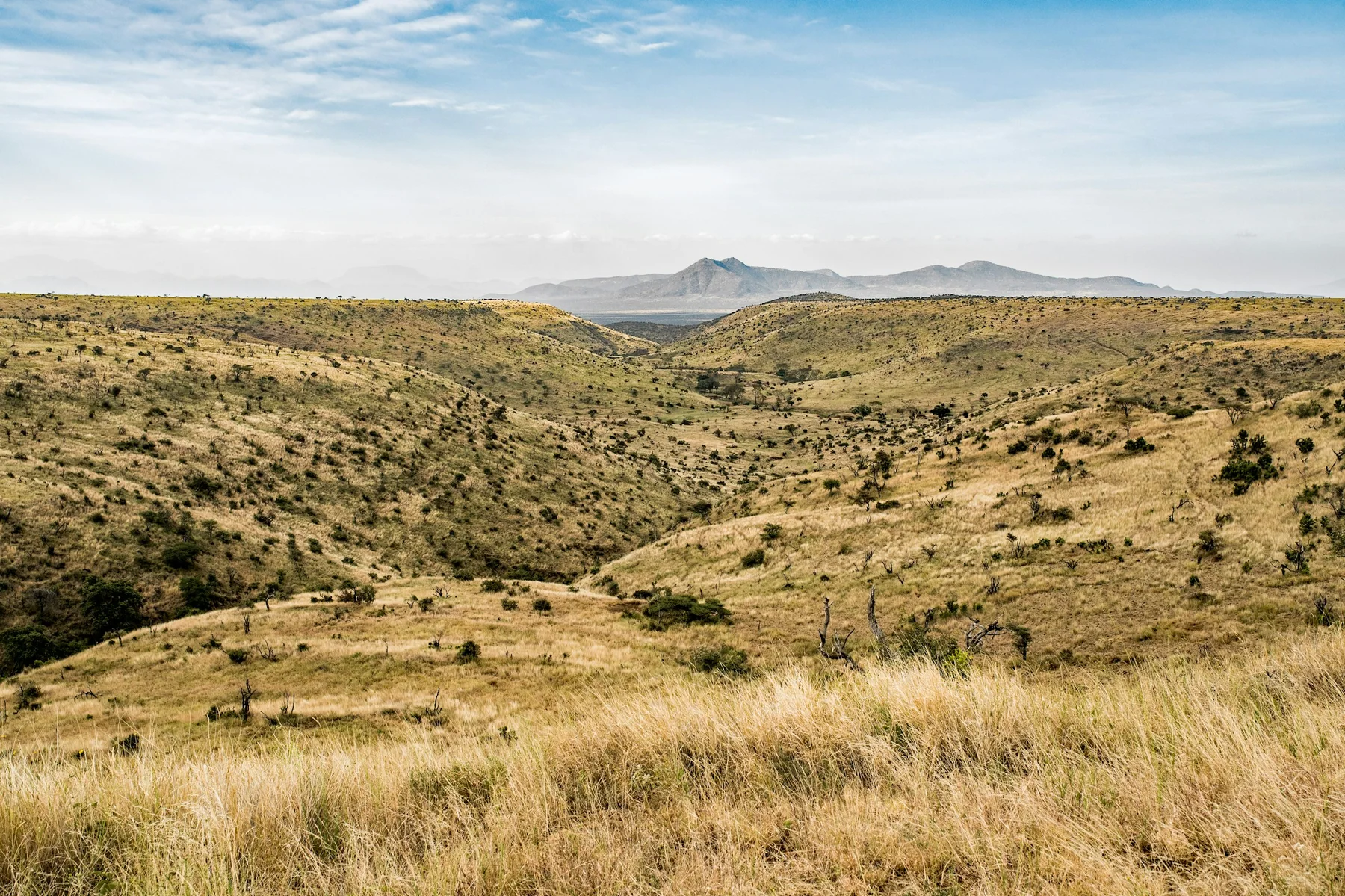
Scheduled safari airlines connect Wilson Airport with the Masai Mara, Amboseli, Samburu and several Laikipia destinations. Networks also include Tsavo services and coastal airports such as Diani, Mombasa, Malindi and Lamu. The exact route, frequency and connection depend on the season, airline and travel date.
Destination and airstrip planning
| Safari area | How flying works | The detail that matters |
|---|---|---|
| Masai Mara | Several airstrips serve different parts of the reserve and surrounding conservancies | Choose the strip around the camp. A cheaper ticket to the wrong side of the ecosystem can create a long ground transfer. |
| Amboseli | Scheduled flights link Wilson with the Amboseli area | Kilimanjaro views are never guaranteed. Morning cloud, weather and the side of the aircraft all matter. |
| Samburu and Buffalo Springs | Flights serve the northern safari circuit | Confirm which property collects from which strip and how long the transfer usually takes. |
| Lewa | Scheduled flights serve Lewa Downs | Some stays include the airstrip transfer; confirm it rather than assuming. |
| Loisaba | Flights serve the conservancy and may connect through the northern circuit | Operating days and through-connections need to match the complete itinerary. |
| Tsavo | Selected airstrips serve parts of the wider Tsavo and Chyulu region | Tsavo is vast. The nearest strip to one lodge may be impractical for another. |
| Diani and the coast | Coastal airports can link with Nairobi and selected safari routes | Check whether the connection is direct, through Wilson or dependent on the operating day. |
Names such as “Mara” or “Tsavo” are too broad for an air ticket. The lodge name, airstrip and ground-transfer arrangement need to appear together.
A safari flight may make more than one stop
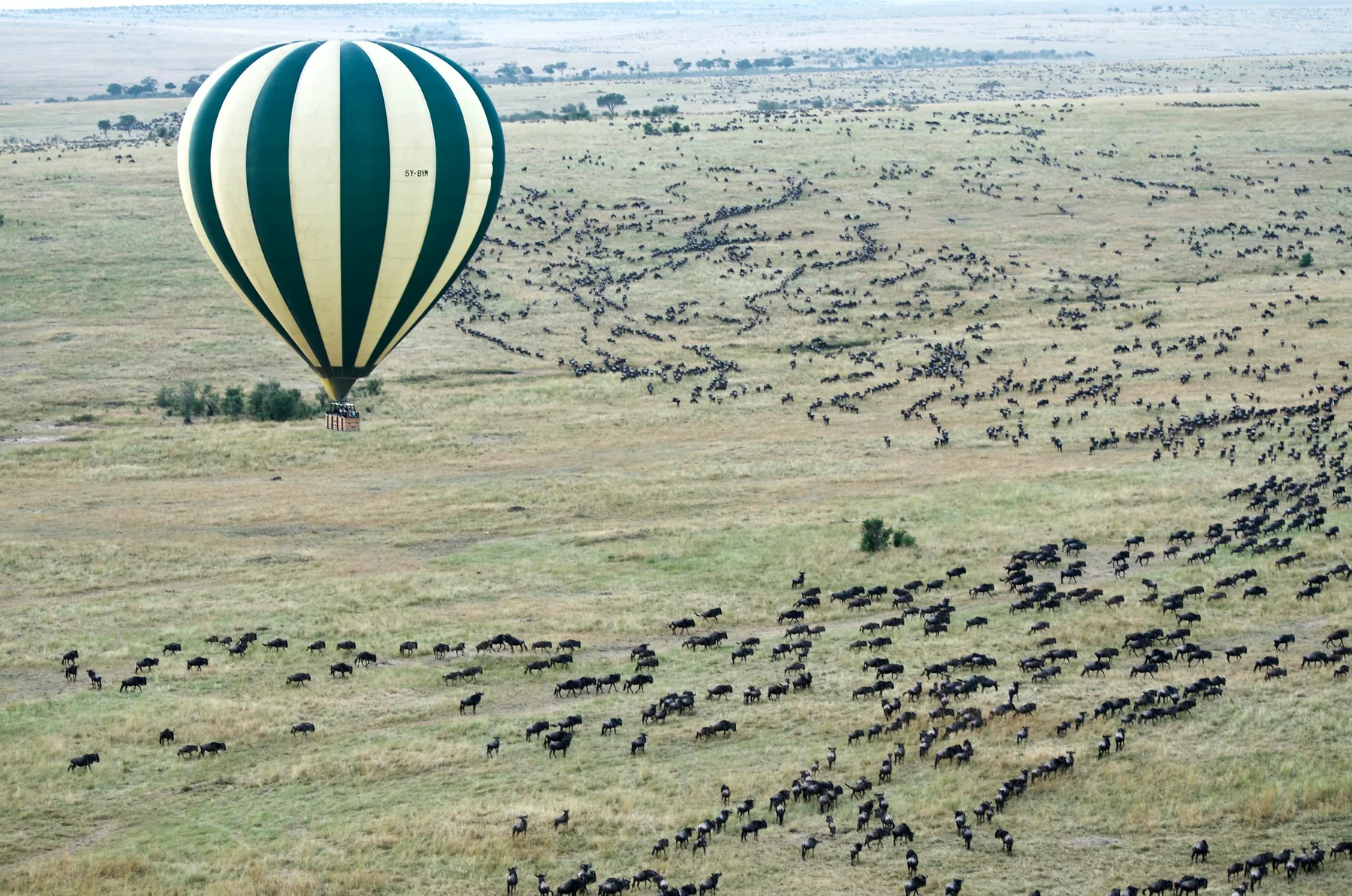
The phrase “direct flight” can be confusing in safari aviation. An aircraft may leave Wilson, land at several Mara airstrips and continue to the final stop without requiring you to change planes. The journey still feels very different from a long road transfer, but the time in the air and on the ground can vary with the day's passenger routing.
This is sometimes called a milk-run flight. It can be surprisingly enjoyable. Doors open, a few passengers step onto a red-earth strip, bags move quickly and the aircraft is airborne again. You see different corners of the ecosystem from above. It is less enjoyable when a traveller expects a non-stop hop and has not been told how bush flying works.
Weather, airstrip conditions and operational needs can also alter timings. A good itinerary does not place a fragile, expensive connection immediately after a safari flight simply because the timetable looks possible on paper.
For an independent look at the journey, aviation vlogger Sam Chui filmed a Safarilink flight from Wilson to the Mara, including multiple airstrip stops and the view from a Cessna Grand Caravan. Watch the independent fly-in safari video on YouTube.
Which Kenya routes work especially well by air?
Flying is most useful when it removes backtracking or protects a short trip from being swallowed by transfer days.
Three nights: one place, properly enjoyed
Fly from Wilson to a Mara airstrip, stay at one well-chosen camp for three nights and fly back. This is a clean shape for a traveller who has limited time and wants the Mara to be the main event. It is also easier after a business trip in Nairobi or before a beach extension.
Five nights: two contrasting ecosystems
Pair Amboseli with the Mara when the operating flights and connection times work for the date. Amboseli brings elephants, wetlands and the possibility of Kilimanjaro views. The Mara brings a much larger grassland system and a different predator experience. The flight avoids turning the transfer between them into a very long road day.
Seven nights: north and south
Combine Lewa, Loisaba or Samburu with a Mara stay. Northern Kenya adds dry-country species, rugged scenery and conservancy activities that feel very different from the Mara plains. A through-flight can make the combination elegant, but it must be checked for the actual day of travel. If the connection does not operate, the route may pass through Wilson or need a different order.
Ten nights: safari and the Indian Ocean
Spend the first part of the trip in two safari areas, then fly toward Diani, Mombasa, Malindi or Lamu. The coast usually works best after the early mornings and movement of safari. The final route should protect the first beach afternoon rather than lose it to a poorly timed airport chain.
A mixed road and air safari
Drive from Nairobi through Naivasha and Nakuru, continue to the Mara, then fly to Amboseli or the coast. The road section lets you see the Rift Valley and keeps one guide through the connected parks. The flight removes the longest backtracking sector. This is often more satisfying than choosing road or air as an all-or-nothing rule.
Check the best flight route for my dates
Share your dates, international flights, preferred parks and luggage needs. We will shape the route around the way you want to travel.
Fly-in safari versus private road safari
Neither is automatically better. The right answer depends on your days, route, luggage, group and the kind of journey you enjoy.
| Question | Fly-in safari | Private road safari |
|---|---|---|
| Useful time | Protects more time in distant wildlife areas | Uses more time between parks, but the landscape becomes part of the trip |
| Guide | Usually changes with each camp | One driver-guide can remain with you across the route |
| Game-drive vehicle | Often shared unless private use is included | Private vehicle can serve the same travelling party throughout |
| Luggage | Strict weight and soft-bag rules on safari routes | More forgiving, within the safe capacity of the vehicle |
| Families | Removes long road sectors, but small aircraft and shared drives need planning | Easier for car seats, snacks, stops and a familiar guide, but long days can tire children |
| Photography | Fast access, but baggage and shared seating can limit equipment and positioning | More room for gear and control over stops when the vehicle is private |
| Cost pattern | Airfare is charged per passenger, then camp vehicle arrangements apply | Vehicle and guide cost is shared by the travelling party |
| Best fit | Short trips, distant combinations and travellers who dislike long drives | Connected circuits, flexible stops and travellers who want to see more of Kenya |
One traveller described flying Safarilink as “very convenient,” then immediately added, “look into baggage weight limits.” Read the original traveller discussion. That small warning catches the balance well. Flying can simplify the map, but only when the luggage and ground arrangements have been designed with it.
Help me choose road, air or both
Share your dates, international flights, preferred parks and luggage needs. We will shape the route around the way you want to travel.
Safari-flight baggage rules
This is the part to solve before the suitcase is packed.
AirKenya states that its allowance is 15 kilograms per passenger in soft-sided bags, with hand baggage included in that total. Safarilink also limits standard safari routes to 15 kilograms per person, inclusive of hand baggage, in soft bags. Some coastal and regional Safarilink routes have a higher allowance, but the complete itinerary is governed by the flights actually booked.
A 15-kilogram allowance does not mean 15 kilograms checked plus a separate cabin bag. On the safari routes described by the airlines, the hand baggage sits inside the total allowance.
Why soft-sided bags matter
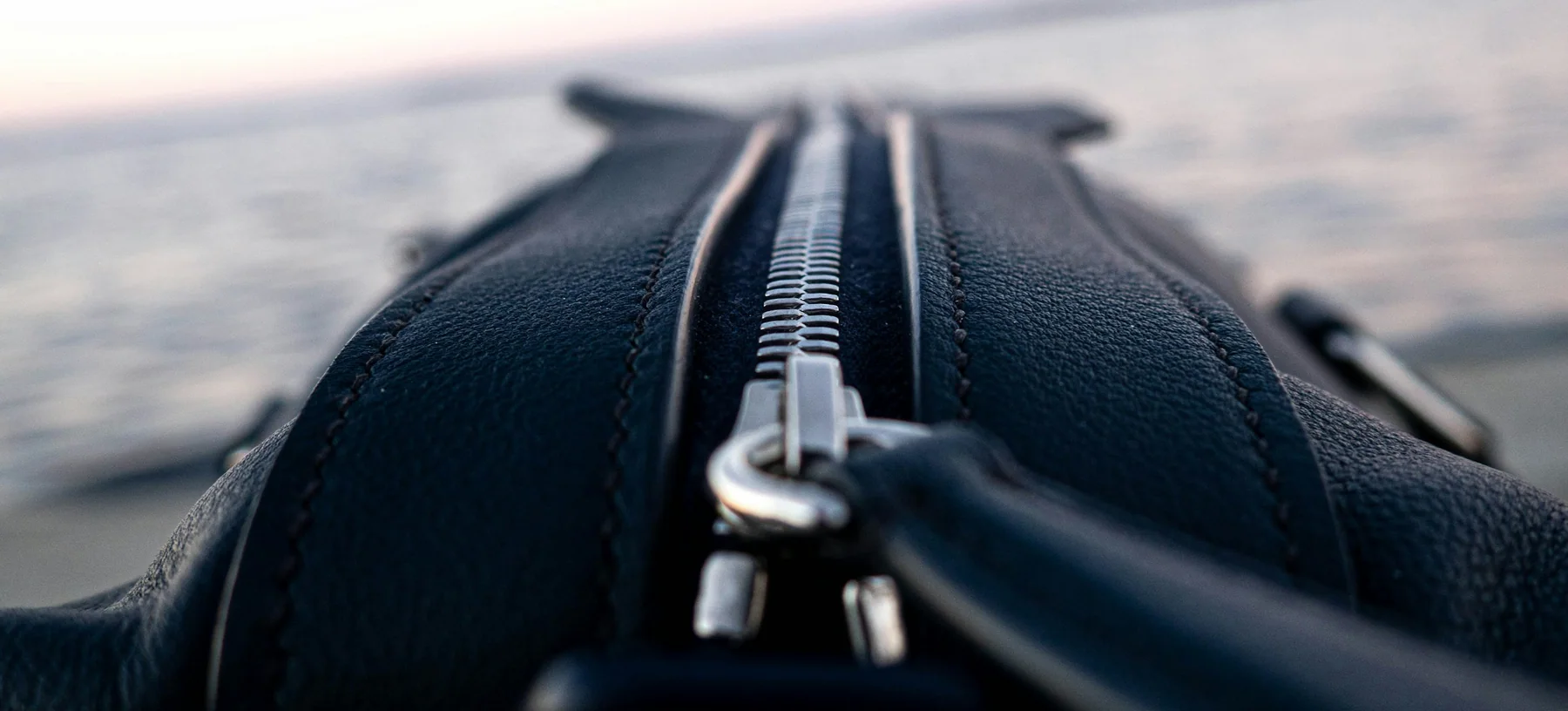
Safari aircraft have smaller, differently shaped luggage holds. A rigid suitcase may fit poorly even when it is under the weight limit. A soft duffel without a hard frame can be placed into the available space more safely.
Cameras and binoculars
Camera bodies, lenses, batteries and a laptop can consume the allowance quickly. Keep the equipment list honest. A photographer may be better served by a private road sector, advance excess-baggage arrangement or carefully chosen freight seat than by arriving at Wilson and hoping the extra bag can be carried.
Extra luggage
AirKenya publishes options for advance excess baggage and a freight seat, subject to its conditions and availability. Excess baggage at the airport is not something to rely on because the aircraft, passenger load and available space matter. Travellers returning through Wilson may also be able to store luggage that is not needed on safari, depending on the airline arrangement.
Mobility aids, prams and medical equipment
AirKenya states that collapsible assistive devices for qualified passengers with disabilities are carried separately from the normal allowance, and it also accepts foldable prams and baby car seats. Specialist or medical equipment should still be declared before ticketing. The aircraft steps, cabin access, seating and airstrip vehicle need to be considered together, not one at a time.
Check the exact rules on the AirKenya baggage policy and Safarilink baggage allowance pages for the flight you are booking.
Build my luggage-friendly itinerary
Share your dates, international flights, preferred parks and luggage needs. We will shape the route around the way you want to travel.
What happens to your game drives after landing?
On most fly-in safaris, the camp or lodge collects you from the airstrip and provides the vehicle for game drives. Many rates are built around a shared vehicle. You may be joined by other guests, and the guide may balance different interests, photography needs and return times.
Shared drives can be sociable and good value. They work well when everyone is comfortable with the camp's normal rhythm. They are less suitable when you want to spend forty minutes photographing one bird, return early with a tired child, avoid a crowded sighting or create a day around limited mobility.
A private camp vehicle can often be arranged for an extra charge, subject to availability. It should appear clearly in the proposal. A private airport transfer does not automatically make the game drives private, and a private charter does not automatically include a private ground vehicle.
This distinction matters more than whether the flight itself feels luxurious. Most of the waking safari hours are spent on the ground.
Who gains the most from flying?
Travellers with limited time
If you have three or four safari nights, spending most of the first and last day on the road can feel expensive in time. Flying can place you in the wildlife area early enough for lunch and an afternoon drive, depending on the chosen service and airstrip.
Honeymoon couples
A fly-in route can remove a tiring transfer and create a smoother bridge to the coast. Privacy on game drives still needs its own decision. The romantic value comes from pace and time together, not simply from boarding a plane.
Older travellers and people with back discomfort
Flying can avoid rough road sectors, but the small aircraft has steps, a tighter cabin and limited movement. Airstrip transfers may also use open vehicles. The better choice depends on the person's mobility, not age alone.
Families
Short flights can be easier than a full road day. The family still needs a plan for child seating, noise, snacks, luggage, naps and game-drive flexibility. A private road vehicle may be more forgiving for very young children even when the drive is longer.
Photographers
Flying protects time in the field, while road travel protects luggage capacity and vehicle control. A photographer carrying long lenses should solve both the airline allowance and the game-drive seating before choosing the route.
Nervous flyers
Safari aircraft are smaller, cabin noise is more noticeable and turbulence can feel different from a jet. A nervous flyer may prefer the road, or may feel better after seeing the aircraft type, boarding process and likely route in advance. No one should be pushed into a fly-in safari simply because it looks more premium.
What does a fly-in safari cost?
The final price is built from more than the air ticket. It can include the Nairobi transfer, scheduled airfare or charter, taxes, airstrip transfers, accommodation, park or conservancy fees, meals, game drives and any private-vehicle supplement.
The number of travellers changes the comparison. Scheduled airfare is normally priced per seat, so the total rises with each passenger. A private road vehicle has a larger fixed component that is shared across the group. For a couple on a short, distant route, flying may be worth the saved time. For a family or group on a connected circuit, a private Land Cruiser can give more control and stronger value.
Compare the complete door-to-door journey rather than the headline transport price:
- Which Nairobi airport transfer is included?
- Is the correct lodge airstrip named?
- Are airstrip transfers included in the camp rate?
- Are game drives shared or private?
- Are all park and conservancy fees included for every entry day?
- Does the baggage plan work for every flight sector?
- Is a Nairobi night needed before or after the safari flight?
- What happens if weather or operations change the route?
Frequently asked questions
Are Kenya safari flights safe?
Commercial air transport operators in Kenya require an Air Operator Certificate from the Kenya Civil Aviation Authority. Weather and operational decisions can change timings. Follow the airline's check-in, baggage and safety instructions, and disclose mobility or medical needs before travel. Read the KCAA Air Operator Certificate requirements.
Do flights from Nairobi leave from JKIA?
Most scheduled safari flights leave from Wilson Airport, not JKIA. International arrivals usually need a road transfer between the airports.
Is a fly-in safari private?
Not automatically. Scheduled flights carry other passengers, and lodge game drives may be shared. Private charter and private camp vehicles are separate arrangements.
Can I take a hard suitcase?
Safari routes commonly require soft-sided bags because of the aircraft's luggage compartments. AirKenya and Safarilink publish a 15-kilogram total allowance on standard safari routes, including hand baggage. Check the booked airline and every sector.
Will the flight be non-stop?
It may stop at other airstrips to drop off or collect passengers. The ticket can still show your final destination. Routing varies with the day's operation.
How many nights make flying worthwhile?
Three nights in one distant safari area can justify flying when time is tight. Longer trips benefit when a flight removes a difficult cross-country sector or creates a sensible connection to the coast.
Can I fly directly from the Mara to Amboseli or the coast?
Connections exist on selected routes and operating days. They change, so the exact date, airline and connection must be built into the itinerary before accommodation is locked.
Should I fly or drive to the Masai Mara?
Fly for more useful time and a lighter travel day. Drive for the Rift Valley journey, one continuous guide, flexible stops and more luggage freedom. The number of nights, group size and camp location decide which trade-off feels better.
Plan a Kenya fly-in safari that works on the ground too
The best flying itinerary is not the one with the most aircraft sectors. It is the one that quietly removes the tiring parts of the map and gives you more time in places that feel different from one another.
Tell us your travel dates, international flight, preferred parks, luggage needs and whether you want private game drives. We can connect the airports, airstrips, camps and vehicles into one journey, or recommend a road-and-air combination when it gives you a better Kenya safari.
Talk to a Kenya safari planner
Share your dates, international flights, preferred parks and luggage needs. We will shape the route around the way you want to travel.
Related Kenya safari planning
Plan your Kenya fly-in safari
Tell us your dates, international flights, preferred parks, luggage and whether you want private game drives.