
Best Time to Visit Aberdare National Park
Compare every month for road access, waterfall flow, Mount Satima, forest wildlife, birding, photography, families, camping and connected Kenya routes.

- Start with the experience you want
- The Aberdare climate in plain language
- Do not confuse Nairobi weather with Aberdare weather
- The annual rhythm at a glance
- January in Aberdare
- February in Aberdare
- March in Aberdare
- April in Aberdare
- May in Aberdare
- June in Aberdare
- July in Aberdare
- August in Aberdare
- September in Aberdare
- October in Aberdare
- November in Aberdare
- December in Aberdare
- Best time for wildlife viewing
- Best time for The Ark waterhole
- Best time for Karuru and Gura Falls
- Best time to hike Mount Satima
- Best time for Dragon’s Teeth
- Best time for birding
- Best time for photography
- Best time for families
- Best time for a honeymoon
- Best time for camping
- Best time for road conditions
- The long rains and four-wheel drive
- Low season is not automatically poor season
- High season needs advance booking
- Combine Aberdare with Solio
- Combine Aberdare with Laikipia
- Combine Aberdare with Meru
- Combine Aberdare with the Masai Mara
- What to pack in every month
- A seven-day forecast checklist
- The best time of day matters too
- How to decide between two possible months
- Common timing mistakes
- Frequently asked questions
- Choose conditions, then build flexibility around them
- Sources and further planning
The Aberdares can hold two kinds of weather in one afternoon. Nyeri may feel warm under a bright sky while cloud sits over the forest and cold drizzle crosses the high moorlands. A lodge waterhole may be busy on a dry evening even though a waterfall carries less water. A wet month may create magnificent scenery and difficult roads at the same time.
That is why the best time to visit Aberdare National Park depends on what you want to do. A wildlife-focused lodge stay, a Karuru Falls trip, a Mount Satima hike, a birding visit and a family road safari do not share one perfect month.
This guide treats each month as a planning tendency, not a promise. For a specific trip, use the latest Kenya Meteorological Department forecast and a same-day KWS gate report.
Start with the experience you want
| Priority | Usually strongest window | Main trade-off |
|---|---|---|
| Firmer park roads | January to March; July to September | Waterfalls may be narrower after a dry spell |
| Full waterfalls | April to June; November to early December after rain | Mud, cloud and route closures are more likely |
| Mount Satima hiking | Drier, stable days in January to March or July to September | Cold, wind and mist remain possible |
| Waterhole wildlife | Drier periods | Forest sightings remain unpredictable |
| Green landscape photography | Wet and shoulder periods | Long views may disappear in cloud |
| Family comfort | July to September or January to March | Warm layers are still essential |
| Lower visitor pressure | April to June and some shoulder weeks | Weather and roads demand flexibility |
The Aberdare climate in plain language
The park rises from lower forest and salient country into high moorland above the tree line. Temperature falls with altitude, and exposure changes quickly. Rain can be local. The conditions at a hotel outside the park do not reliably describe the route to Karuru, Mutubio or Mount Satima.
| Climate feature | What it means on safari |
|---|---|
| Cool central highlands | Pack more warmly than for the Mara or Samburu |
| Altitude variation | One day can move through several temperature bands |
| Long-rain tendency | April and May often bring sustained wet conditions |
| Shorter-rain tendency | October to December can bring showers and storms |
| Mountain cloud | Views and trail navigation can change in minutes |
| Year-round moisture | A dry-season date does not guarantee a dry road |
Do not confuse Nairobi weather with Aberdare weather
A forecast for Nairobi is useful for the departure road, not for a mountain summit. Check Nyeri or Nyandarua county guidance, a highland forecast and the park's same-day route advice.
| Forecast layer | Use it for |
|---|---|
| Nairobi | Departure and highway transfer |
| Nyeri or Nyandarua | Lower park approaches |
| Mountain or highland forecast | Moorland wind, rain and cloud |
| KWS gate report | Current road and trail access |
| Lodge report | Waterhole, transfer road and property conditions |
One traveller described the microclimate vividly: “Huge difference in weather: dry and hot in Aberdare Country Club, and wet and cold at the Ark.” The full July account is older, but the location contrast it describes remains a useful mountain lesson.
The annual rhythm at a glance
| Period | Typical character | Strongest uses |
|---|---|---|
| January to February | Drier tendency, warm lower slopes, cool nights | Hiking, scenic drives, families, waterholes |
| March | Transition towards long rains | Flexible mixed safari before wetter roads |
| April to May | Long-rain tendency | Waterfalls, green photography, quiet lodge time |
| June | Rain may ease, ground can remain saturated | Shoulder travel with cautious route planning |
| July to August | Cooler dry-season tendency | Hiking, wildlife, family travel, road circuits |
| September | Often dry and gradually warmer | Broad all-round option |
| October | Transition towards shorter rains | Green change, birding and flexible scenic trips |
| November | Short-rain tendency | Waterfalls, forest colour, lodge stays |
| December | Mixed early showers and holiday demand | Family trips with advance booking |
January in Aberdare
January often begins with drier roads and clearer breaks after the shorter rains. It is a strong month for a mixed itinerary: forest wildlife, one waterfall route and a highland walk. Holiday demand can carry into early January, so rooms and private vehicles may need advance booking.
| January question | Practical answer |
|---|---|
| Roads | Often firmer, but confirm remote routes |
| Hiking | Strong option with early starts |
| Waterfalls | Flow depends on the preceding short rains |
| Wildlife | Drier conditions can concentrate activity around waterholes |
| Packing | Sun protection plus warm waterproof layers |
February in Aberdare
February is often one of the most dependable months for walking and driving. Lower slopes may feel warm by midday, while the moorlands remain cold in wind or cloud. It is a good month for Mount Satima when the forecast is stable.
| February strength | Planning note |
|---|---|
| Clearer high-country windows | Begin hikes early before afternoon cloud |
| Firmer access roads | A 4×4 remains the sensible default |
| Waterhole viewing | Protect dawn, evening and night lodge time |
| Photography | Carry both dust protection and rain cover |
March in Aberdare
March is a transition month. Some weeks remain dry, while later storms may announce the long rains. The benefit is flexibility: a good forecast can produce excellent hiking and fewer peak-season pressures. The risk is building a remote route around a historic monthly average.
| March plan | Build in |
|---|---|
| Mount Satima | Lower moorland alternative |
| Karuru Falls | Road confirmation and cloud margin |
| Camping | Strong rainproof shelter |
| Cross-park drive | Same-day confirmation of entry, road and exit |
April in Aberdare
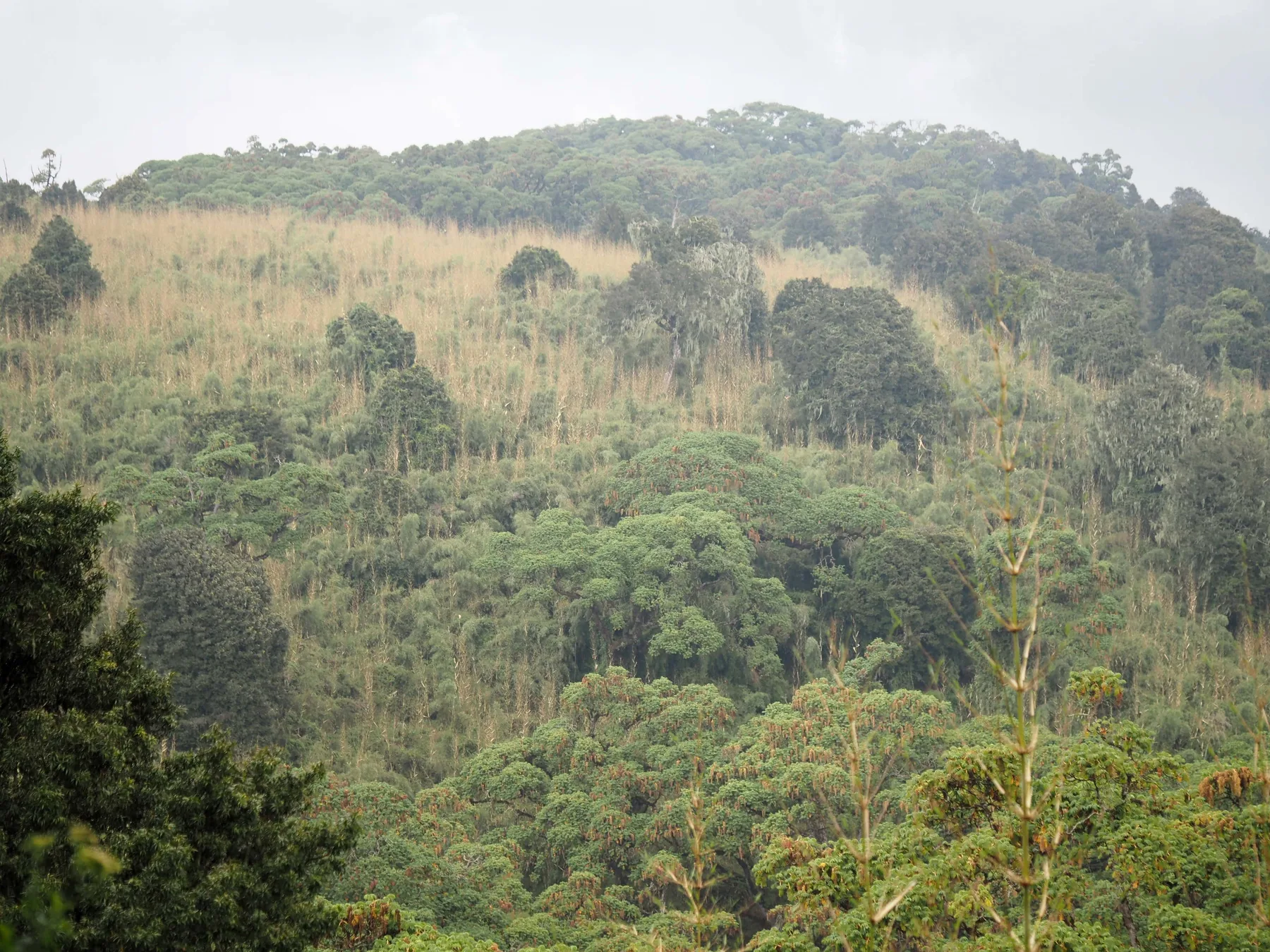
April commonly carries the heart of the long rains. In its March-to-May 2026 forecast for Nyeri County, the Kenya Meteorological Department expected April to be the seasonal rainfall peak. That is a forecast for one season, not a permanent monthly rule, but it shows why current official guidance matters more than a generic chart.
| April benefit | April challenge |
|---|---|
| Strong waterfall flow | Mud and washouts |
| Saturated forest colour | Low cloud and reduced views |
| Quieter visitor experience | Longer driving times |
| Lodge atmosphere | Hiking plans may need to change |
April suits travellers who enjoy rain, forest and slow lodge time. It is a poor month for somebody who will be disappointed if a particular remote road closes.
May in Aberdare
May often remains wet and roads may be saturated from weeks of rain. Waterfalls can be dramatic, but the safest viewpoint route decides the day. A lodge-based itinerary with one confirmed scenic circuit is stronger than a long list of distant stops.
| May choice | Why it works |
|---|---|
| Two-night lodge stay | Weather can move without ruining the trip |
| Private 4×4 | Route can change with the gate report |
| Forest photography | Wet trunks, fern and mist create depth |
| Short approved walk | Avoids forcing a high exposed route |
June in Aberdare
June sits between the long rains and the cooler dry-season period. Rain may ease, yet the ground can remain wet. Expect mixed conditions and ask about the preceding week rather than only the day ahead.
| June reality | Response |
|---|---|
| Better breaks between showers | Keep waterproof layers close |
| Lingering mud | Confirm roads and use good tyres |
| Full vegetation | Scan slowly for hidden wildlife |
| Cooler mornings | Choose a warm early breakfast and later picnic |
July in Aberdare
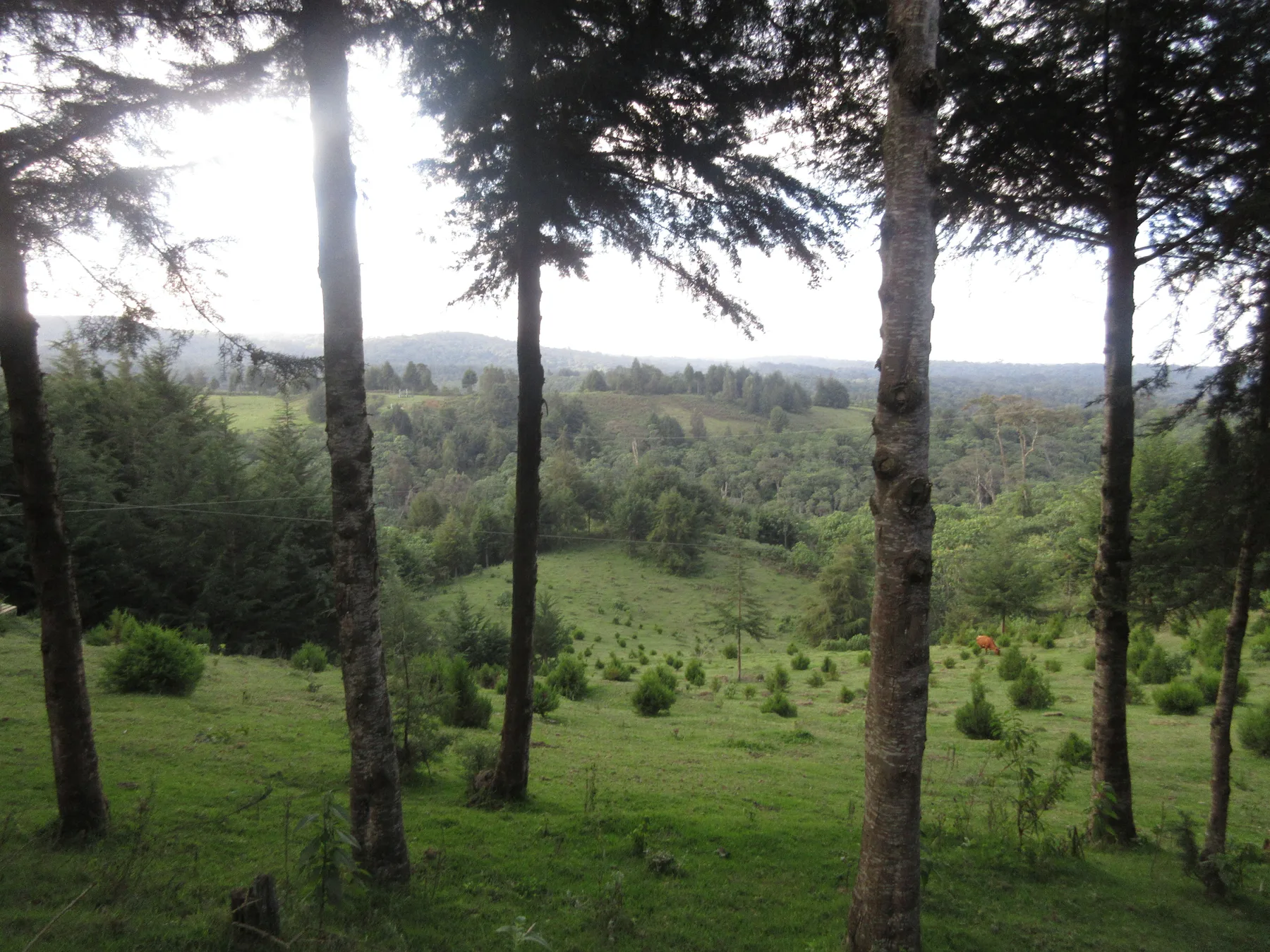
July is a popular month for Kenya travel and often a strong Aberdare option. Roads tend to improve after the long rains, hiking windows can be better and school holidays suit families. It can feel distinctly cold in the forest and moorlands.
| July priority | Planning detail |
|---|---|
| Family lodge stay | Book rooms and private vehicle early |
| Hiking | Gloves and warm layer belong in the daypack |
| Waterhole wildlife | Evening and overnight viewing can be rewarding |
| Road trip | Avoid assuming every rain-season closure has already cleared |
August in Aberdare
August continues the cooler dry-season tendency. It is well suited to Mount Satima, Dragon's Teeth, birding and combined Aberdare-Laikipia routes. Demand across Kenya can be high, even if the Aberdares feel quieter than the Mara.
| August advantage | August caution |
|---|---|
| Firmer tracks | Corrugation and hard ruts remain |
| Stable hiking potential | Wind and cloud at altitude |
| Easier multi-park routing | Peak-season vehicle and room demand |
| Waterhole viewing | No sighting can be guaranteed |
September in Aberdare
September often provides one of the broadest all-round windows. Roads are commonly firm, temperatures begin to feel less severe on lower slopes and the shorter rains may not yet have established themselves.
| September traveller | Strong plan |
|---|---|
| First-time visitor | Two-night lodge plus one scenic circuit |
| Hiker | Satima or Dragon's Teeth with early start |
| Photographer | Dry-road access plus mist contingency |
| Family | Short drives, waterfall and waterhole combination |
October in Aberdare
October is another transition month. Some days are dry and bright, while showers can begin to change roads and waterfall flow. Build the itinerary around two possible routes.
One October visitor wrote, “It was cold up there and the drive would be difficult if it had been raining.” Read the complete discussion for the wider wildlife, scenery and road context.
| October plan | Alternative |
|---|---|
| High moorland hike | Lower forest or lodge circuit |
| Cross-park route | One-gate out-and-back |
| Waterfall drive | Shorter accessible fall or viewpoint |
| Camping | Lodge or self-catering house if storms strengthen |
November in Aberdare
November commonly carries the shorter rains. Showers may be intense and local rather than all-day, but park roads can change quickly. The landscape greens, streams rise and birding can be lively.
| November strength | Planning response |
|---|---|
| Waterfalls | Choose a confirmed approach |
| Forest colour | Carry camera rain protection |
| Birding | Use a private slow vehicle and guide |
| Quiet intervals | Stay two nights so one shower does not define the trip |
December in Aberdare
December can begin wet and move towards brighter holiday weeks, though every year differs. Demand rises around Christmas and New Year. Book early, especially for family rooms, The Ark, Fishing Lodge and private vehicles.
| December task | Reason |
|---|---|
| Confirm holiday supplement and meal plan | Festive arrangements vary |
| Reserve early | Limited specialist accommodation fills |
| Keep rain alternative | Short rains may continue |
| Protect onward transfer | Holiday traffic changes road time |

Best time for wildlife viewing
The Aberdares are a forest park. Dense vegetation limits long views in every month. Drier periods can improve roads and increase waterhole concentration, but they do not turn forest into savannah.
| Wildlife goal | Timing and method |
|---|---|
| Elephant and buffalo | Dry-period waterholes and slow salient drives |
| Giant forest hog | Patient dawn or evening observation |
| Bongo | No month offers a responsible guarantee |
| Colobus monkey | Quiet forest-edge observation |
| Nocturnal activity | Waterhole lodge with evening and overnight time |
Best time for The Ark waterhole
A drier spell can concentrate animals around the waterhole and salt lick. The lodge remains interesting in wet weather because forest animals, birds and atmosphere continue, but the wildlife rhythm may be more dispersed.
| Waterhole decision | Better package |
|---|---|
| Wildlife is the main priority | Two nights with dawn, evening and night viewing |
| One-night stop | Arrive early enough for afternoon and evening |
| Wet forecast | Value lodge atmosphere and forest, not only a species list |
| Photography | Confirm viewing position and low-light equipment |
Best time for Karuru and Gura Falls
More rain usually means stronger flow, while clearer dry-season days improve the chance of seeing across the gorge. There is no perfect combination guaranteed.
| Desired photograph | Timing tendency |
|---|---|
| Powerful water | Wet period or shortly after rain |
| Full gorge context | Stable clear day |
| Misty forest mood | Shoulder or wet period |
| Safest easy road | Drier period with current confirmation |
Use the Aberdare waterfalls and hiking guide to choose the route before choosing the month.
Best time to hike Mount Satima
Choose a drier period and a stable forecast, commonly within January to March or July to September. Begin early. Even in those months, cloud, wind and bog can change the day.
| Satima check | Go or revise |
|---|---|
| Stable morning with no storm warning | Begin early with guide approval |
| Heavy rain or thunder forecast | Choose a lower route |
| Trailhead road damaged | Do not force access |
| Group unwell at altitude | Stop ascent and descend if needed |
Best time for Dragon’s Teeth
Dragon's Teeth can be a flexible alternative to the full summit. The shorter distance reduces altitude exposure but does not remove the need for a ranger, proper trailhead access and mountain clothing.
| Condition | Decision |
|---|---|
| Clear or broken cloud | Strong photography and hiking option |
| Summit hidden in cloud | Shorter route may still work with guide approval |
| Saturated bog | Waterproof boots and slower timing |
| Thunder risk | Leave exposed moorland |
Best time for birding
Birding is possible all year because forest, moorland, streams and lodge waterholes offer different habitats. Seasonal rainfall changes flowering, insects, visibility and road access.
| Birding interest | Timing idea |
|---|---|
| Forest residents | Year-round slow observation |
| Moorland species | Drier access window |
| Active wet forest | Rain and shoulder periods |
| Photography | Clearer light balanced with habitat activity |
| Long species list | Two or three nights across altitude bands |
Best time for photography
Photographers should choose conditions, not only sunshine. Dry weather offers road access and long views. Wet weather offers cloud layers, saturated green, water and reflected light.
| Visual style | Useful conditions |
|---|---|
| Wide moorland landscape | Clear dry-season break |
| Misty forest | Wet or shoulder morning |
| Waterfall power | After rain with safe access |
| Waterhole wildlife | Drier spell and patient lodge stay |
| Birds and small subjects | Private vehicle in any season |
Best time for families
July to September and January to March commonly offer the easiest balance of roads and outdoor comfort. Families can still enjoy wet months when the package is lodge-based and flexible.
| Family concern | Choose |
|---|---|
| Young children | Two-night lodge and shorter drives |
| School holidays | Book July, August and December early |
| Car sickness | Drier roads and one-gate circuit |
| Cold sensitivity | Lower-elevation activities and warm vehicle kit |
| Teen hikers | Dry stable window with suitable guide |
Best time for a honeymoon
The Aberdares suit couples who enjoy quiet, forest atmosphere and private drives. January, February, July, August and September often provide easy route combinations. A wet-season honeymoon can be beautiful when the lodge and room remain enjoyable during rain.
| Honeymoon style | Month logic |
|---|---|
| Waterhole and fireplace | Cool dry months or wet atmospheric stay |
| Hiking couple | Stable drier window |
| Photography | Shoulder period for changing cloud |
| Kenya circuit | Match Aberdare dates to the next park rather than isolating one month |
Best time for camping
Camping is easier in drier periods, but high-altitude nights remain cold. Wet-season camping belongs to experienced groups with strong equipment and a clear exit plan.
| Camping season | Preparation |
|---|---|
| Dry period | Warm sleeping system and reserve water |
| Shoulder period | Fully waterproof tent and groundsheet |
| Long rains | Flexible cancellation or lodge alternative |
| Any month | Site confirmation, food, fuel, waste and wildlife plan |
Best time for road conditions
Roads tend to be firmer after sustained dry weather. A rainstorm can still damage one route while another remains open. Ask about the exact gate and named road.
| Road question | Useful answer |
|---|---|
| Has it rained? | Where and how much |
| Is the park open? | Which gate and route are open |
| Can a 4×4 pass? | Which 4×4, tyres and driver capability |
| Can we cross the park? | Entry, internal road and exit all confirmed |
The long rains and four-wheel drive
KWS identifies April to June as the broad long-rain low season and warns that many park roads may require four-wheel drive. In the Aberdares, a capable 4×4 is prudent throughout the year and essential for ambitious wet-weather routes.
| Vehicle feature | Why it matters |
|---|---|
| All-terrain tyres | Grip in mud and ruts |
| Ground clearance | Protects the underside |
| Low range where fitted | Controlled climbs and descents |
| Proper recovery points | Safe assistance |
| Experienced driver | Knows when to turn around |
Low season is not automatically poor season
April to June can deliver solitude, full waterfalls and the most saturated forest colour. The trip fails only when it is designed as if the roads and viewpoints must behave like August.
| Low-season strength | Design response |
|---|---|
| Fewer visitors | Slow photography and lodge time |
| Strong falls | One confirmed scenic route |
| Green habitat | Birding and forest detail |
| Possible value | Compare exact room and cancellation terms |
| Uncertain roads | Private vehicle and daily route decision |
High season needs advance booking
July, August, late December and early January can bring pressure on family rooms, private vehicles and a small number of distinctive properties. The park may still feel uncrowded, but the accommodation inventory is not endless.
| Book first | Why |
|---|---|
| Exact room | Family and accessible rooms are limited |
| Private 4×4 | Peak Kenya demand affects fleets |
| Fishing Lodge | Only two units are listed |
| Hiking guide and ranger | Good teams have finite dates |
| Multi-park transfers | Air and road connections need alignment |
Combine Aberdare with Solio
Solio's open rhino country contrasts with Aberdare forest. Drier months make the road connection and both wildlife days easier, while shoulder months add green scenery.
| Combination priority | Timing idea |
|---|---|
| Rhino and forest wildlife | July to September or January to March |
| Photography | September, October or a green shoulder period |
| Family road trip | Drier school-holiday dates |
Read the Solio Ranch safari guide before fixing the accommodation base.
Combine Aberdare with Laikipia
Laikipia often has drier, more open conditions than the Aberdare highlands. The contrast means a wet Aberdare day need not define the entire trip.
| Route | Timing thought |
|---|---|
| Aberdare plus Lewa | Strong year-round with road and lodge checks |
| Aberdare plus Borana | Drier periods for active days |
| Aberdare plus Ol Pejeta | Family-friendly throughout the year |
| Aberdare plus Loisaba | Allow enough nights for the longer route |
Use best time to visit Laikipia and the Laikipia conservancies comparison together.
Combine Aberdare with Meru
Meru is lower, warmer and ecologically different. Rainfall may not match the Aberdare day, so check both destinations independently.
| Plan | Protect |
|---|---|
| Aberdare first | Cool mountain start and gradual move lower |
| Meru first | Warm wildlife days before highland rest |
| Wet-season route | Road status in both parks |
| Dry-season route | Water, heat and long transfer comfort |
The best time to visit Meru National Park guide separates Meru's own seasonal decisions.
Combine Aberdare with the Masai Mara
July to October is popular in the Mara because of migration interest, and that can raise vehicle, flight and accommodation demand across Kenya. Aberdare offers a quieter forest contrast.
| Safari shape | Recommendation |
|---|---|
| Peak migration trip | Book both parks early |
| Green-season safari | Expect rain but enjoy fewer vehicles |
| Honeymoon | Place the quiet forest stay before or after the Mara |
| Family | Avoid an overlong single road transfer |
What to pack in every month
| Item | Why it never leaves the list |
|---|---|
| Warm mid-layer | Altitude and night cold |
| Waterproof shell | Mountain rain in any season |
| Walking shoe or boot | Wet viewpoints and tracks |
| Sun protection | High-altitude UV and clear breaks |
| Binoculars | Distant and forest wildlife |
| Water and food | Remote roads and delays |
| Offline map and power bank | Unreliable signal |
A seven-day forecast checklist
| When | Action |
|---|---|
| Seven days before | Read official county and highland forecast |
| Three days before | Ask lodge or operator about recent road conditions |
| Previous evening | Confirm gate, intended route and alternative |
| Morning of travel | Recheck rain, cloud and KWS advice |
| At the gate | Ask which named roads are open now |
The best time of day matters too
Month choice cannot rescue a poorly timed day. Early entry protects cool wildlife hours, clear hiking time and a generous road margin. Midday works well for a lodge lunch or a short viewpoint when cloud has not closed in. Late afternoon belongs close to the exit or an overnight base, not at the far end of an uncertain traverse.
| Activity | Strong daily window | Reason |
|---|---|---|
| Forest wildlife drive | Early morning and later afternoon | Animals may be more active and temperatures are cooler |
| Waterhole viewing | Dawn, evening and night from the lodge | Activity can continue after ordinary driving hours |
| Mount Satima | Earliest practical guided start | More time before afternoon cloud or storms |
| Waterfall photography | Morning or a bright cloud break | Softer light and more time to wait safely |
| Family circuit | Morning with a midday rest | Children avoid one long rough-road block |
| Cross-park drive | Early entry only after route confirmation | Keeps a real turnaround and exit margin |
Gate hours are 6:00 to 18:00 unless the visitor is staying overnight. Treat 18:00 as the closing boundary, not the target arrival time.
How to decide between two possible months
| If the priority is | Choose the month with |
|---|---|
| Hiking | Better stable forecast and drier trail |
| Waterfalls | Recent rain plus confirmed access |
| Family comfort | Firmer roads and available room |
| Wildlife | More patient lodge time, not only a dry label |
| Photography | The visual conditions you prefer |
| Budget | Exact package value and flexible weather design |
Common timing mistakes
| Mistake | Better approach |
|---|---|
| Calling one month “perfect” | Match the month to the activity |
| Reading only Nairobi weather | Check highlands and park route |
| Assuming dry season means warm | Pack for cold altitude |
| Assuming wet season means constant rain | Plan around showers and road effects |
| Booking Satima without forecast fallback | Name a lower alternative |
| Ignoring holiday demand | Reserve scarce rooms and vehicles early |
| Using old road reports | Ask KWS on the day |
Frequently asked questions
What is the best month to visit Aberdare National Park?
September is often an excellent all-round option, while January, February, July and August also commonly balance firmer roads and outdoor comfort. The best month still depends on the chosen activity.
When are the long rains?
The broad long-rain tendency runs from March or April into May and sometimes June. Exact onset, intensity and end vary by year.
When are the short rains?
The shorter-rain tendency commonly develops from October into November and early December, but timing and distribution vary.
Which months are best for Mount Satima?
Choose a stable day within a drier period, often January to March or July to September. Check trailhead access and the mountain forecast.
Which months are best for Karuru Falls?
Wet and recently wet periods give stronger flow, while dry periods can give clearer gorge views and easier roads. Current access should decide the visit.
Is July cold in the Aberdares?
It can be cold, especially in the forest, at night and on the moorlands. Carry warm layers even if lower Kenya routes feel warm.
Can I visit during April or May?
Yes, especially for waterfalls, green forest and a quiet lodge stay. Use a capable 4×4 and a flexible route.
Is September good for families?
Yes. It often provides firmer roads and broad activity choice. Family rooms and private vehicles should still be confirmed early.
Does dry season guarantee wildlife?
No. Forest wildlife remains difficult to predict. A lodge waterhole and patient slow drives improve the experience without guaranteeing species.
Can rain close roads?
Yes. Heavy or sustained rain can create mud, ruts, washouts or temporary closures. Confirm the exact route with KWS.
Choose conditions, then build flexibility around them
The best time to visit Aberdare National Park is the period that supports the experience you care about and leaves room for mountain weather. A clear August morning may suit Mount Satima. A wet May afternoon may turn Karuru into a roaring wall of water. A dry February night may bring buffalo to a lodge waterhole.
Choose the version you want, book enough time for it and keep one alternative that would still feel worthwhile. That is a better plan than asking the mountain to behave like a calendar.
Sources and further planning
Choose your Aberdare dates
Share your date windows, travellers, activity priorities and next destination. We will compare the real seasonal trade-offs.