
Kenya and Tanzania Combined Safari
The Masai Mara and Serengeti meet on a map, but a traveller cannot simply drive from one game reserve into the other. A good combined safari makes the border, the wildlife sectors and the full travel days part of the plan from the beginning.

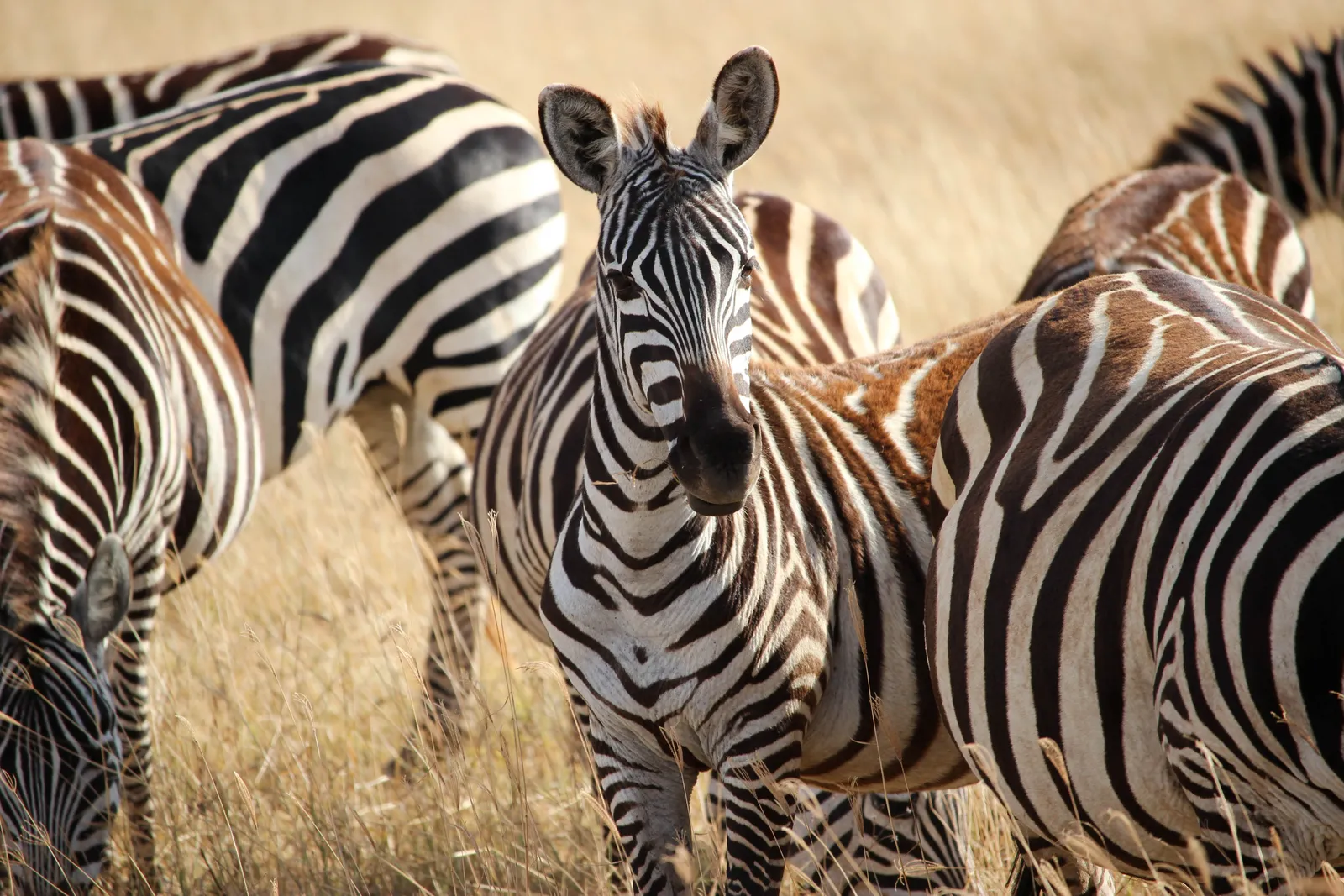
The grass does not stop at the Kenya and Tanzania border. Wildebeest move between the Mara and Serengeti ecosystems without a passport, and that can make a combined safari look simple on a map. Travellers have a different experience. They must leave a park, drive to a recognised crossing, complete immigration formalities and enter another country’s protected area under a different set of fees and guiding arrangements. The reward can be enormous, but only when both sides receive real wildlife days.
Our thirteen-day example starts in Nairobi with three nights in the Masai Mara, crosses through Isebania and Sirari, then allows time in the Serengeti, Ngorongoro and Tarangire before ending near Arusha. It avoids pretending that the border day doubles as a full game drive. If Amboseli’s elephants are a priority, a different route through Namanga may make more sense. Neither version is a fixed package that you must accept as written. Choose the wildlife, travel pace and final airport first, then fit camps and transport to the route.
Should you combine Kenya and Tanzania at all?
A combined trip suits travellers with enough time to notice how the parks differ. The Mara concentrates game viewing into a comparatively compact area, with reserve and neighbouring conservancy choices. The Serengeti is much larger; the right region matters at least as much as the name on the lodge. Ngorongoro gives a dramatic crater day under a separate conservation authority. Tarangire has elephant herds, baobabs and river country that feel unlike the Mara’s grassland. These differences are worth the border when you have the days to enjoy them.
If the holiday is eight days long, two countries may consume a disproportionate share of it in road, border and airport time. A slower Kenya circuit or Tanzania northern circuit can give more dawns in the field. The same is true if anyone in the group finds long, rough vehicle days exhausting. The question is not whether a Kenya and Tanzania safari is possible. It is whether the journey you can afford, in time as well as money, would be better in two countries than one.
| Priority | Best starting approach | Reason |
|---|---|---|
| Mara plus Serengeti migration country | Western Isebania and Sirari border, with several nights on each side. | Lets the route move broadly west to east without adding Amboseli first. |
| Amboseli elephants plus Tanzania parks | Namanga border toward Arusha and Tarangire. | Connects the eastern Kenya park naturally to Tanzania’s northern circuit. |
| Limited time or low tolerance for transfers | One-country safari, or a carefully flight-linked two-country route. | Protects actual game-viewing days rather than collecting park names. |
| Photography in one wildlife sector | Longer stay in one Mara or Serengeti area. | Changing countries can cost the very light and animal behaviour you travelled to photograph. |
Isebania and Namanga are not interchangeable shortcuts
Kenya’s Directorate of Immigration lists both Isebania and Namanga as established one-stop border posts. Isebania, paired with Sirari on the Tanzanian side, serves a westward Mara-to-Serengeti journey. Namanga serves the Nairobi or Amboseli-to-Arusha corridor. The best border is the one on your actual route. Choosing Namanga for a Mara-to-western-Serengeti holiday can mean considerable backtracking; choosing Isebania for an Amboseli-to-Tarangire journey is similarly illogical.
Even at Isebania, the Mara and Serengeti are not joined by an ordinary visitor gate. The Kenya vehicle must reach the border from its Mara base, and the Tanzania side must continue to the booked Serengeti camp via suitable roads and park gates. Border formalities, road conditions and the location of both lodges affect the time. Many safaris change vehicles and guides at the crossing, although exact permissions and operating arrangements vary. A proposal should name who takes you to the post, who meets you after immigration, and how luggage moves. Do not assume the same driver follows the group for thirteen days because the itinerary has one title.
One independent traveller’s thirteen-day trip report says of the Serengeti, “be prepared to travel far on rough roads.” She also describes changing vehicles several times across the two countries. That was her shared-safari experience, not a universal rule for private travel. It is a valuable reminder to ask about the specific transport and group arrangement before comparing prices.
There are flight-based alternatives, but “fly Mara to Serengeti” is not a complete itinerary. A route can involve more than one small aircraft, separate airstrips, a border procedure and strict soft-bag allowances. Flight patterns can change. Compare the door-to-door time, not just flying minutes. Our fly-in versus drive-in Kenya safari guide explains how small-aircraft travel affects the Kenya side of a trip.
A thirteen-day safari from Nairobi to Arusha
The route below includes twelve nights: one in Nairobi, three in the Mara, one in western Serengeti after the crossing, three in central Serengeti, two around Ngorongoro or Karatu, one near Tarangire and one in Arusha. It deliberately gives the long border transfer its own day and finishes with a departure buffer. Camps and Serengeti sectors can change with season. Do not treat the word “western” as a promise that migration herds will be there on your dates.
Day 1, Nairobi: Arrive, meet your transfer and sleep. A long international arrival is not the right moment to gamble on a distant park connection.
Day 2, into the Masai Mara: Drive or fly to the selected reserve or conservancy camp. A flight generally uses Nairobi Wilson Airport and still needs airstrip transfers. If going by road, allow for city traffic and the final approach to the property. Take an evening drive only when the arrival really permits it.
Days 3 and 4, Mara wildlife days: Go out in the early and late light. A full-day reserve drive may be worthwhile for a camp far from a particular wildlife area, while a conservancy base can make shorter drives and a midday pause attractive. Keep room for the guide to follow what is actually happening. A river crossing is never a scheduled show. Our Mara guide helps with reserve and conservancy geography.
Day 5, the border transfer: Leave early for Isebania. Complete the formalities and meet the planned Tanzania team. Continue toward the western Serengeti stay. This can be a tiring day; a packed meal and an overnight positioned for the route matter more than selling a ceremonial “afternoon safari”. The gate, camp and local road conditions must be checked before final timings are promised.
Day 6, west to central Serengeti: Move through the landscape rather than treating the transfer as lost time. The route should be chosen with the guide and current wildlife reports, but the day’s arrival at the central camp is still a priority. If your dates put the most interesting herds in the north or south, replace the central base rather than driving great distances from the wrong lodge each morning.
Days 7 and 8, Serengeti: Two full days let you explore the chosen region, rest in the heat if desired and return to an area when the light changes. Tanzania National Parks provides the official park information. The exact game-drive plan belongs to the season and the camp location, not a fixed checklist of species.
Day 9, toward Ngorongoro: Leave the Serengeti for a stay on or near the crater highlands. This is another road journey through managed protected areas, with its own gate, transit and fee basis. A lodge inside the conservation area and one outside at Karatu can mean different crater-descent departure times and charges.
Day 10, the crater: Start early for a descent with the authorised vehicle and guide. The crater floor’s grassland, lake, marsh and woodland make a distinct day from the Serengeti. Wildlife is wild here too; a rhino sighting is possible, not included in a price. The Ngorongoro Conservation Area Authority manages access separately from TANAPA’s national parks. Return for a second highlands night rather than rushing onward after a full morning.
Day 11, Tarangire: Continue to a camp that suits the park’s river and baobab landscape. A drive on arrival depends on the road and gate timing. Tarangire’s official attractions guide describes the elephants, river loops and birdlife that distinguish it from the crater.
Day 12, Tarangire to Arusha: Enjoy a morning drive if the route permits, then travel to Arusha for the final night. This buffer protects the international departure from a long park drive or a delayed gate exit.
Day 13, depart: Transfer to the airport on the booked international ticket. Kilimanjaro International Airport and Arusha Airport are not the same place. If you continue to Zanzibar, replace the departure with an actual domestic flight and island transfer, rather than implying the beach is a road extension.

The Mara and Serengeti share an ecosystem, not an identical safari day
The Mara is the Kenyan northern part of a wider wildlife landscape. The Serengeti stretches across a much larger area in Tanzania. The herds follow forage and rain rather than a published calendar. During some periods the Mara may be the best fit for migration interest; during others, a northern, central, western or southern Serengeti base can make more sense. Even then, a particular animal encounter or crossing cannot be guaranteed.
For travellers who want cats, elephants, birds and the pleasure of watching behaviour rather than only the migration, both parks offer year-round reasons to go. A Mara conservancy may allow activities under its rules that differ from the main reserve. A central Serengeti camp can give large landscapes and predator country, while a northern camp may reduce travel time to the Mara River in the relevant season. The correct comparison is not which country’s park is “better”. It is where you would sleep, drive and spend two complete mornings for your exact dates.
Do not let the planned border crossing dictate a poor Serengeti camp. A western gateway can be logical on transfer day, but it may not be where you should spend three nights later in the trip. The sample’s western overnight followed by a central stay is one way to solve that problem. In another season, a northern or southern sector can be better and may call for different transport. This is where a tailored route is materially different from copying a fixed park list.

Why the crater and Tarangire add something new
Ngorongoro is not simply one more national park. It is a conservation area with its own authority, accommodation geography and crater-descent charges. From the rim, the floor can look close enough to touch, but the vehicle still needs the proper descent and the day has its own rules. One full crater day can be a highlight; adding it as a hurried roadside stop between the Serengeti and Arusha misses the point. A stay on the rim, such as Ngorongoro Serena Safari Lodge, differs in position and often cost from a Karatu hotel outside the conservation area. Compare both with the entry and timing implications included.
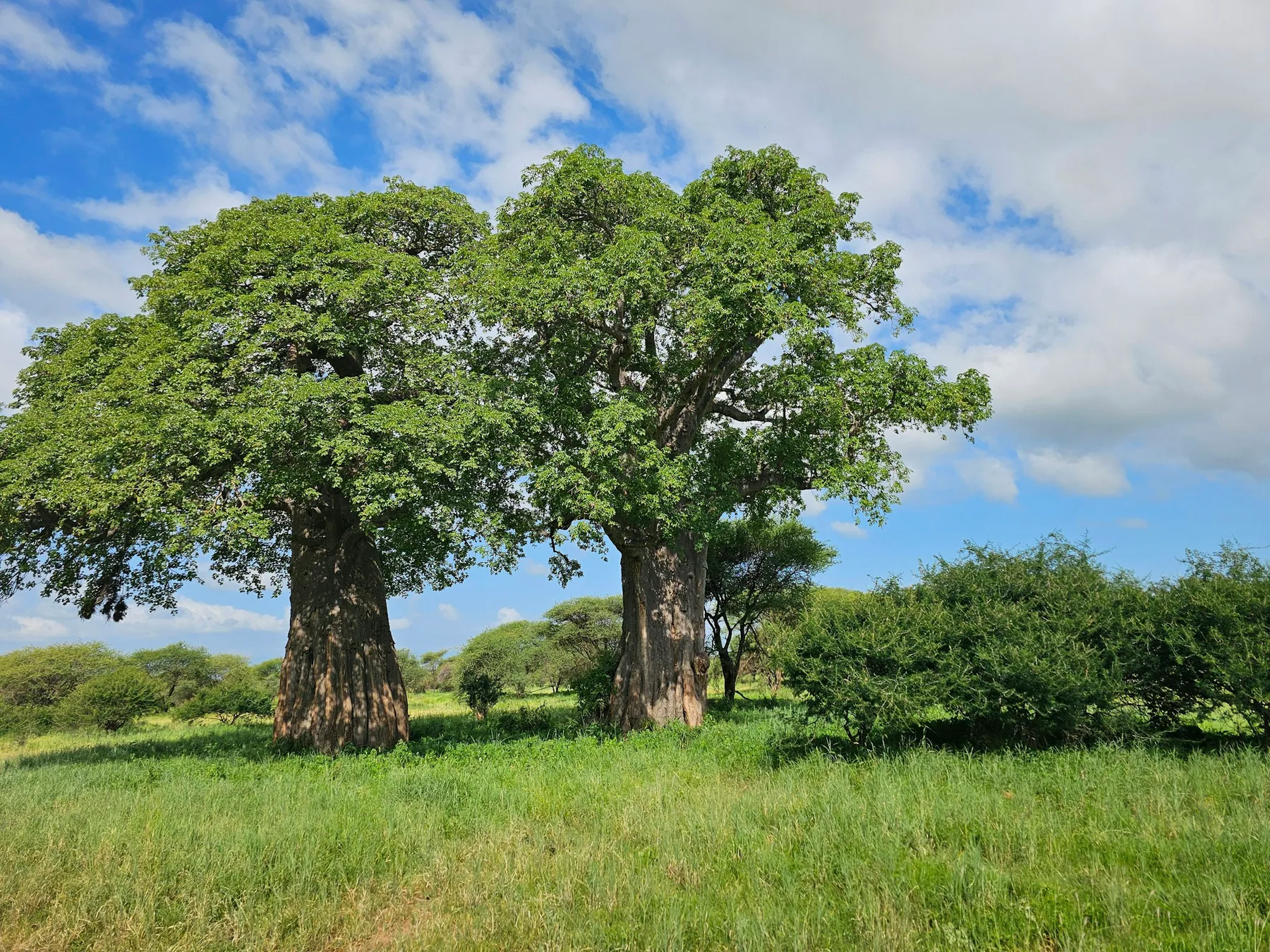
Tarangire changes the visual language again. Baobabs, the river and the park’s elephants give it a character of its own. It is not a spare afternoon because someone wanted a fifth park name in a title. A night near or inside the park gives a more useful morning and evening than an exhausting day trip tacked onto a crater transfer. Birders and photographers may happily give it two nights. The official Tarangire park information is a good starting point for understanding its landscape and access.
One traveller may prefer to skip Tarangire and take a fourth Serengeti night. Another will care more about Ngorongoro’s distinctive setting than another long drive across open plain. We can change the balance, but we cannot fit every park well into every holiday length. That is a choice to make openly.
Named camps and exact locations matter on both sides
In the Mara, start with the position of the camp: main reserve, a particular conservancy or outside a gate. Ask how long a morning journey to the intended drive area takes, which fees apply and whether guiding is private. A river-facing room does not establish its safari geography. In Tanzania, the same care becomes even more important because Serengeti distances can be large. Serengeti Serena Safari Lodge is one established central-area style of stay; a seasonal mobile camp in a migration region is a different purchase with a different drive pattern. Neither should be presented as a generic “Serengeti lodge”.
For the border night, a western Serengeti location may spare the group an unreasonable final leg after Isebania. For the later nights, choose a camp for the wildlife sector you actually want. Around Ngorongoro, the rim and Karatu choices differ in price, access and timing. Around Tarangire, inside-park and outside-park stays change gate travel and sometimes activities. A proper proposal names each property, exact room, meal plan and position on a map.
| Night | Location decision | What to confirm |
|---|---|---|
| Mara | Reserve, conservancy or gate area. | Game-drive area, extra entry fees and vehicle sharing. |
| Border arrival | Western Serengeti stay suited to the crossing. | Gate and expected arrival after immigration. |
| Main Serengeti stay | Central, north, west or south by season and interest. | Driving distance to the wildlife area, not just the national park name. |
| Ngorongoro | Rim or Karatu. | Crater descent timing, area fees and room category. |
| Tarangire | Inside or outside the park. | Gate travel, guiding and the time available on departure day. |
The real price includes two fee systems and a border handover
Kenya’s Mara reserve or conservancy fee and Tanzania’s Serengeti and Tarangire national-park tariffs do not come from the same authority. TANAPA’s official tariff page is the source for its park charges, while NCAA publishes separate Ngorongoro tariffs. Crater vehicle, transit or concession costs may be relevant to the route. The written total should show the fee basis and entry days rather than hiding everything under “park fees included”. Fees can change, so an attractive old price pulled from a brochure is not a reliable quote for your dates.
Transport is another significant variable. A private vehicle on each side costs differently from shared joining safaris. If a cross-border handover is planned, name the meeting point, guides and whether the same party stays together. A flight alternative may save a difficult road day but adds air fare, airstrip transfers, baggage restrictions and sometimes another overnight. An open-jaw international ticket arriving in Nairobi and leaving from the Arusha or Kilimanjaro area can save a return across Kenya. Compare it against your actual long-haul fare, not just the safari ground price.
Entry documents depend on nationality and route. Use Kenya’s official eTA system and Tanzania’s official visa portal. The two countries are not covered by one automatic travel document. If you return to Kenya after Tanzania, re-entry conditions matter too. Confirm the proper permissions before locking in non-refundable flights. We can show the safari components clearly, while each traveller remains responsible for their own eligible document.
| Line item | Ask to see in the full quote |
|---|---|
| Accommodation | Each named camp, room category, nights and meals. |
| Kenya guiding | Private or shared vehicle, guide days, Mara entry or conservancy charges. |
| Border day | Drop-off, collection, luggage handling and planned overnight. |
| Tanzania guiding | Vehicle, guide, Serengeti and Tarangire access, Ngorongoro area and crater fees. |
| Flights | Bush or regional sectors, baggage, airport transfers and final departure point. |
| Optional experiences | Balloon, walks where permitted, Zanzibar extension and other extras separately agreed. |
If the classic route is not your route
If you want Amboseli as well as Tanzania, enter at Namanga after two or more Amboseli nights, sleep near Arusha and continue to Tarangire, Ngorongoro and Serengeti. You can put the Mara before Amboseli, but that adds a cross-Kenya transfer or flight and generally calls for a longer holiday. A different option is to put the Mara at the end, using suitable regional flights, but exact services and connection timing must be checked. We would not sell a one-day Mara-to-Amboseli-to-Arusha sequence as if it were relaxed.
If you want the migration more than variety, devote the extra nights to a chosen Mara and Serengeti sector and omit Tarangire. If you want elephants, scenery and a smoother road journey, Amboseli through Namanga toward Tarangire and Ngorongoro may be stronger than forcing both Mara and Serengeti into a short trip. If your party wants beach at the end, fly on to Zanzibar with several nights there rather than sacrificing a full wildlife day for a token overnight.
The best combined safari is not the one with the most famous names in the smallest number of days. It is the one where you can remember two or three full mornings in each place, where the border works without anxiety, and where the camp view and the wildlife area match what you hoped to see. We can customise the route beyond the itineraries shown on the website.
Kenya and Tanzania combined safari questions
Can I drive straight from the Masai Mara into the Serengeti?
No. Although the ecosystems meet, the visitor road route crosses at an official border such as Isebania and Sirari. Allow a full transfer day and name both vehicles and guides.
Which border is best for a Mara-to-Serengeti safari?
Isebania and Sirari usually fit the western route. Namanga fits an Amboseli-to-Arusha route. The correct crossing depends on the order of parks, final flight and availability.
Do I keep the same safari vehicle in both countries?
Do not assume it. Many itineraries use a planned vehicle and guide handover at the border. The exact arrangements, luggage transfer and who meets you must appear in the proposal.
How many days do I need for Kenya and Tanzania?
Around thirteen days gives the example Mara, Serengeti, Ngorongoro and Tarangire route a workable pace. If you have less than ten days, fewer parks usually make for a better safari.
Will I see the Great Migration in both the Mara and Serengeti?
The herds move with rainfall and grazing. The right Serengeti sector changes during the year, and no river crossing can be promised on a specific day.
Is Ngorongoro Crater a national park?
No. It is within the Ngorongoro Conservation Area, managed by its own authority. The fee and crater-descent basis should be itemised separately from Serengeti National Park.
Do I need both a Kenya and a Tanzania visa?
Requirements depend on nationality and the entry sequence. Kenya and Tanzania have separate official immigration systems. Check both before booking non-refundable travel.
Can I finish the safari in Zanzibar?
Yes. The Tanzania section can end with an onward domestic flight to Zanzibar instead of an Arusha departure, provided the added flight, airport transfers and island entry rules are planned.
Should I add Amboseli to this route?
It is possible, but Amboseli sits naturally on a Namanga border route. Adding it to a Mara-Isebania-Serengeti route may create long backtracking or require more days and flights.
How many nights should I spend in the Serengeti?
At least three nights are worthwhile if moving between western or northern and central areas. The Serengeti is large; a single two-night stay cannot cover every migration sector.
Are park fees included in a combined safari quote?
They should be stated by authority and entry day, including Mara reserve or conservancy, TANAPA national parks, Ngorongoro Conservation Area and crater vehicle charges as applicable.
What is the best start and finish airport?
The example arrives in Nairobi and departs from the Arusha or Kilimanjaro area. Open-jaw international flights can avoid a long return to Kenya; the best option depends on ticket price and schedule.
Can I fly between the Mara and Serengeti?
There may be multi-sector regional or bush-flight options on some dates, but do not assume a direct flight or one baggage rule. The specific route, border formalities and both airstrip transfers must be checked.
What should I ask about a group safari across the border?
Ask whether the group, guide and vehicle remain the same, where handovers occur, how bags travel and whether you join a different group in Tanzania. The word combined does not guarantee one continuous private trip.
Explore the Kenya side in more detail
Tell us your route priorities
Share dates, group size, desired wildlife areas and whether you prefer road or flight connections. We can show the full plan with named camps and the border arrangement.