
Aberdares, Solio and Ol Pejeta Rhino Safari
This seven-day central Kenya journey moves from the misty Aberdares to Solio Game Reserve and Ol Pejeta. It is a rhino-focused safari, but each stop offers a different kind of day. Here is how to travel it without promising that every forest drive will produce a rhino.
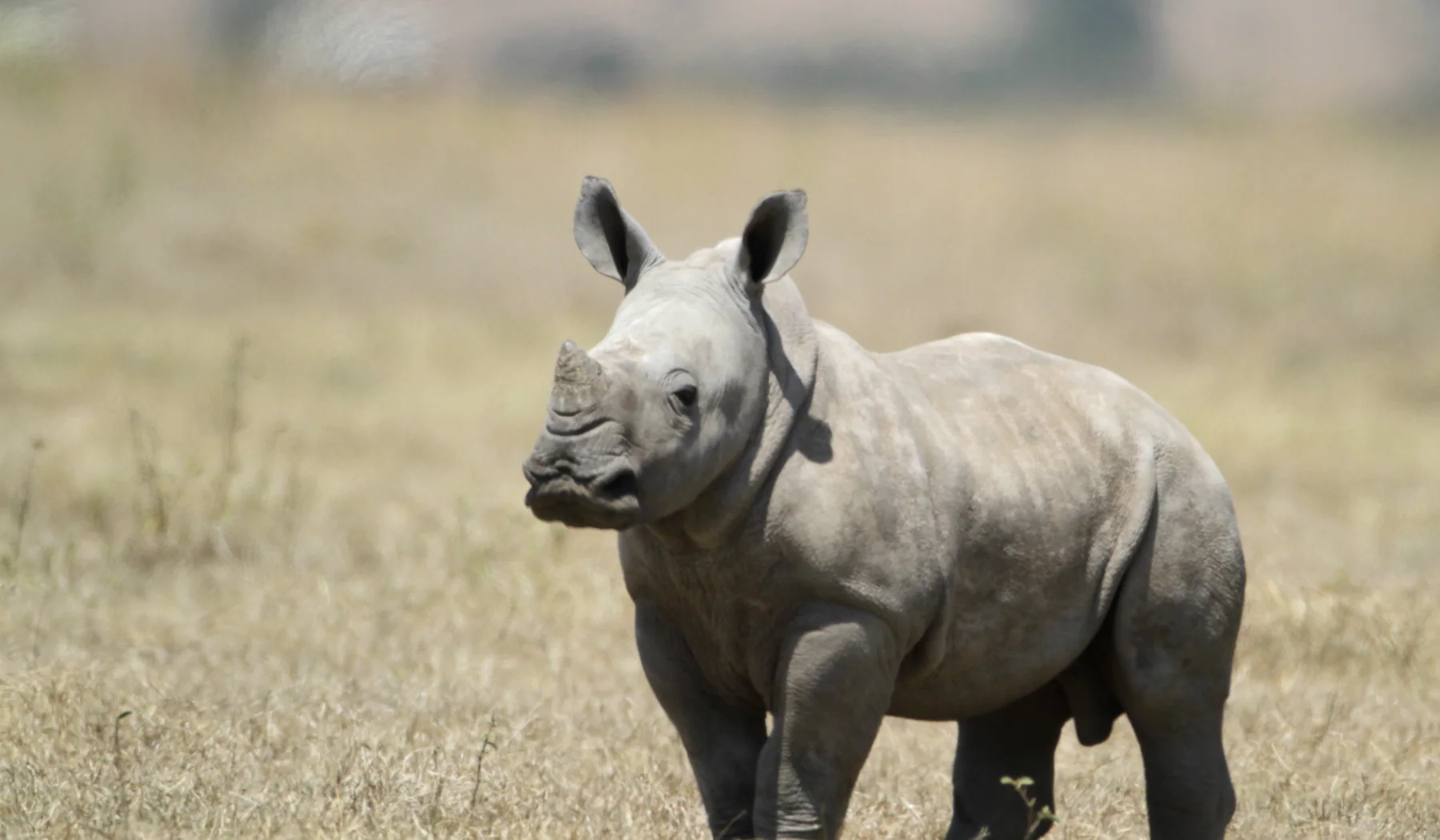
A rhino safari is more interesting when it does not treat every horned silhouette as the same sighting. A white rhino grazing in Solio’s open grassland, a black rhino found by a patient guide, and Ol Pejeta’s separate northern white rhino conservation story ask for different kinds of attention. The Aberdares add another contrast: highland forest, mist, waterfalls and waterhole watching rather than an easy open-plains search.
This route spends two nights in each area and finishes back in Nairobi. It is practical for travellers who want rhinos without crossing the country to the Mara or Amboseli. It is also rewarding for repeat Kenya visitors who already know the southern parks. The route can be made shorter, but then each move consumes a larger share of the holiday. Seven days give one full day in the Aberdares, one in Solio and one in Ol Pejeta, plus the possible wildlife time on arrival and transfer days.
Why Aberdares, Solio and Ol Pejeta belong together
The three areas sit in central Kenya, so the trip can make a sensible progression from Nairobi into the Aberdare highlands, toward Solio between the range and Mount Kenya, and on to Ol Pejeta in Laikipia. It still needs a private vehicle, realistic road times and three distinct entry arrangements. Geography does not erase the difference in terrain.
| Area | Landscape and main appeal | Rhino expectation | Planning decision |
|---|---|---|---|
| Aberdare National Park | Highland forest, bamboo, moorland, falls and waterhole viewing. | Wildlife can be hidden by dense vegetation. Do not make a rhino sighting the test of success. | Choose the forest section, activities and lodging style you actually want. |
| Solio Game Reserve | Open grassland and private reserve rhino conservation. | Strong rhino-focused viewing, with black and white rhinos; encounters remain wild, not guaranteed. | Choose day visit or a reserve-associated stay, and check gate and orphanage terms. |
| Ol Pejeta Conservancy | Laikipia wildlife, rhino conservation and named visitor experiences. | Rhino interest plus the distinct northern white rhino story; special visits have booking rules. | Pick exact lodge, entry days and which conservation activities matter. |
Aberdare National Park’s Kenya Wildlife Service description highlights forest, peaks, ravines and waterfalls. Solio’s official entry information makes clear that day visitors can use its gates. Ol Pejeta’s visitor information explains its single-entry rule and separately bookable experiences. Those facts make a better itinerary than treating all three as interchangeable rhino parks.
A seven-day, six-night route from Nairobi
| Day | Plan | Night | What to keep flexible |
|---|---|---|---|
| 1 | Leave Nairobi for the Aberdare foothills and selected park area. | Aberdares 1 of 2 | Gate, road and lodge-arrival time. |
| 2 | Full highland day for forest, waterhole or accessible falls. | Aberdares 2 of 2 | Weather, road conditions and activity permissions. |
| 3 | Move toward Solio, then reserve drive if timing permits. | Solio 1 of 2 | Gate closing time and actual lodge location. |
| 4 | Full Solio rhino-focused day, with breaks and guide time. | Solio 2 of 2 | Wildlife movement and any separate orphanage booking. |
| 5 | Continue to Ol Pejeta; afternoon wildlife drive if possible. | Ol Pejeta 1 of 2 | Entry timing and lodge-to-gate distance. |
| 6 | Full Ol Pejeta day for wildlife and one chosen conservation experience. | Ol Pejeta 2 of 2 | Special-experience availability and age rules. |
| 7 | Return to Nairobi for the onward flight or hotel. | None in the six-night plan | Airport margin and traffic. |
Six nights are Aberdares two, Solio two and Ol Pejeta two. If an international flight lands late on day one, add a Nairobi arrival night before beginning. If the flight home leaves early on day seven, a Nairobi night after the safari may be wiser than a rushed return. Both would make the overall holiday longer than the seven-day example.
Days 1 and 2: begin in the Aberdare highlands
The Aberdares do not look or feel like Solio. You may move through forest, bamboo and high moorland, with cool air and a chance of mist. Elephants and buffalo may appear, but dense vegetation means sightings are less predictable than on an open plain. Waterfalls and views can be as memorable as the animals. This is why the route begins here: it gives the journey a highland chapter before the rhino-focused reserves. Our Aberdare National Park guide covers park zones and practical access.
On day one, leave Nairobi with enough time to reach the selected lodge and park area without turning the afternoon into a gate race. On day two, choose one main priority. A forest or moorland drive, a suitable waterfall visit, or a waterhole-viewing stay can each fill the day in a different way. Park roads, weather and walking rules affect the plan. A lodge overlooking a floodlit waterhole, such as The Ark, offers a different style from a country-club base outside the park or a property chosen for longer drives. The room and transfer arrangement must match the experience you want.
It would be misleading to sell the Aberdares as the guaranteed first rhino sighting. The forest is part of Kenya’s broader rhino conservation landscape, but its vegetation changes visibility. Go for the highland ecosystem, then let Solio and Ol Pejeta carry the core rhino focus.

Days 3 and 4: give Solio the time it deserves
Solio Game Reserve is the open-country rhino centre of the route. The contrast with the Aberdares is immediate: the guide can scan grassland, watch animal behaviour and spend time with a sighting rather than threading through dense forest. Both black and white rhinos are part of the reserve’s conservation story, but no guide controls where a wild animal will be at a chosen hour. A full day is worth more than a quick “rhino stop” on the road north.
On day three, travel from the Aberdare area to the selected Solio gate or camp. If driving in as day visitors, the reserve says tickets can be bought at its Main Gate or Rhino Gate, and its entry information specifies card payment, a passport and an indemnity form. The same page gives opening hours of 6:30 am to 5:00 pm. Check the actual access plan before leaving the previous lodge. A visitor staying inside a reserve property may have a different arrangement, so the final proposal should say which basis applies.
Day four is for patient drives. Some guests want to photograph rhinos in morning and later light, with a rest in between. Others would add birding or a conservancy talk. Solio’s rhino orphanage is not simply another name for the game reserve drive. The reserve lists orphanage bookings separately, so confirm whether a visit is offered, what it costs and whether it suits the group. Do not assume the lodge room or reserve entry includes it.
Solio Lodge and the JW Marriott Mount Kenya Rhino Reserve Safari Camp are examples of named high-end stays associated with Solio. Marriott identifies its camp as within the conservancy and describes its rooms and Nanyuki-airstrip transfer. These are examples, not a claim that they are available or the only way to visit. A traveller can also stay outside and arrange a reserve visit subject to entry rules. The room, guide, vehicle and entry basis should all be named before comparing the two approaches.
Days 5 and 6: Ol Pejeta’s wider conservation story
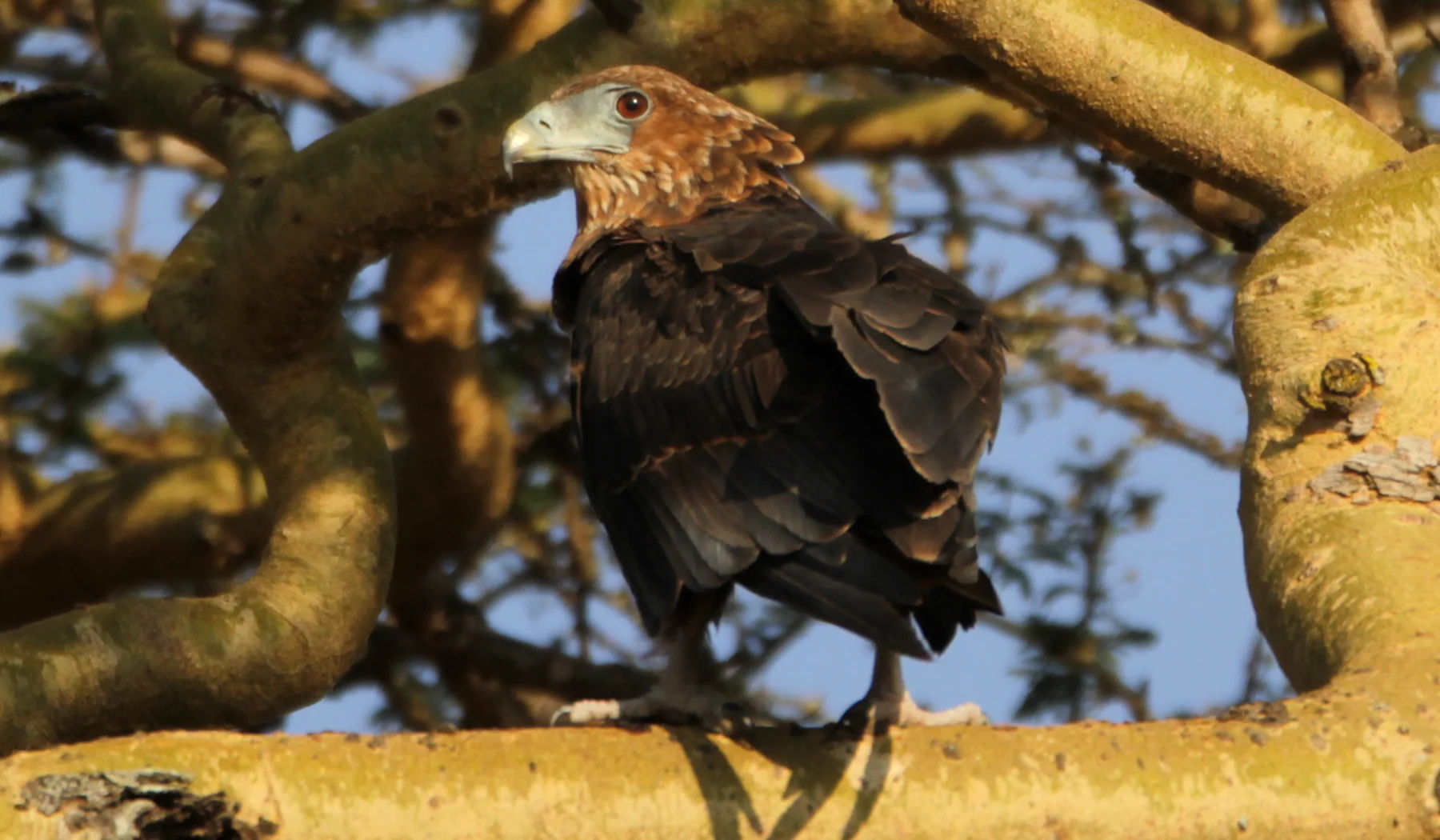
Continue to Ol Pejeta Conservancy in Laikipia. A two-night stay gives one complete day after arrival, enough for wildlife drives and one carefully chosen special experience. It is tempting to list rhino tracking, the chimpanzee sanctuary, the northern white rhino story, a night drive and a camp afternoon in one paragraph. They do not all fit naturally into the same day, and some need booking or separate fees.
Ol Pejeta’s official visitor information says guests should check whether their accommodation includes entry. Its single-entry policy is important when staying outside the conservancy and planning to leave and return. A second entry may cost extra. It also lists specific experiences and operating arrangements. These are details worth resolving while designing the day, not surprises at a gate.
Day five is the arrival drive if road time allows. Day six can focus on a full wildlife day and one special conservation visit. The northern white rhino experience tells a distinct story from ordinary southern white rhino viewing. It should be booked and described precisely. A guest who wants general rhino photography may prefer more uninterrupted game-drive time instead. Our Ol Pejeta guide goes into the conservancy’s wildlife and activities.
Accommodation has real variety. Ol Pejeta’s partner list includes Sweetwaters Serena, Kicheche Laikipia and Porini Rhino Camp. Sweetwaters is a larger established tented option; Kicheche is a small tented camp in the wilderness zone; Porini Rhino sits in a more secluded setting. Their vehicle privacy, activities, meal basis and location are not necessarily the same. Choose the actual camp for the way you want to spend the day, then compare total cost.
White rhino, black rhino and northern white rhino are not synonyms
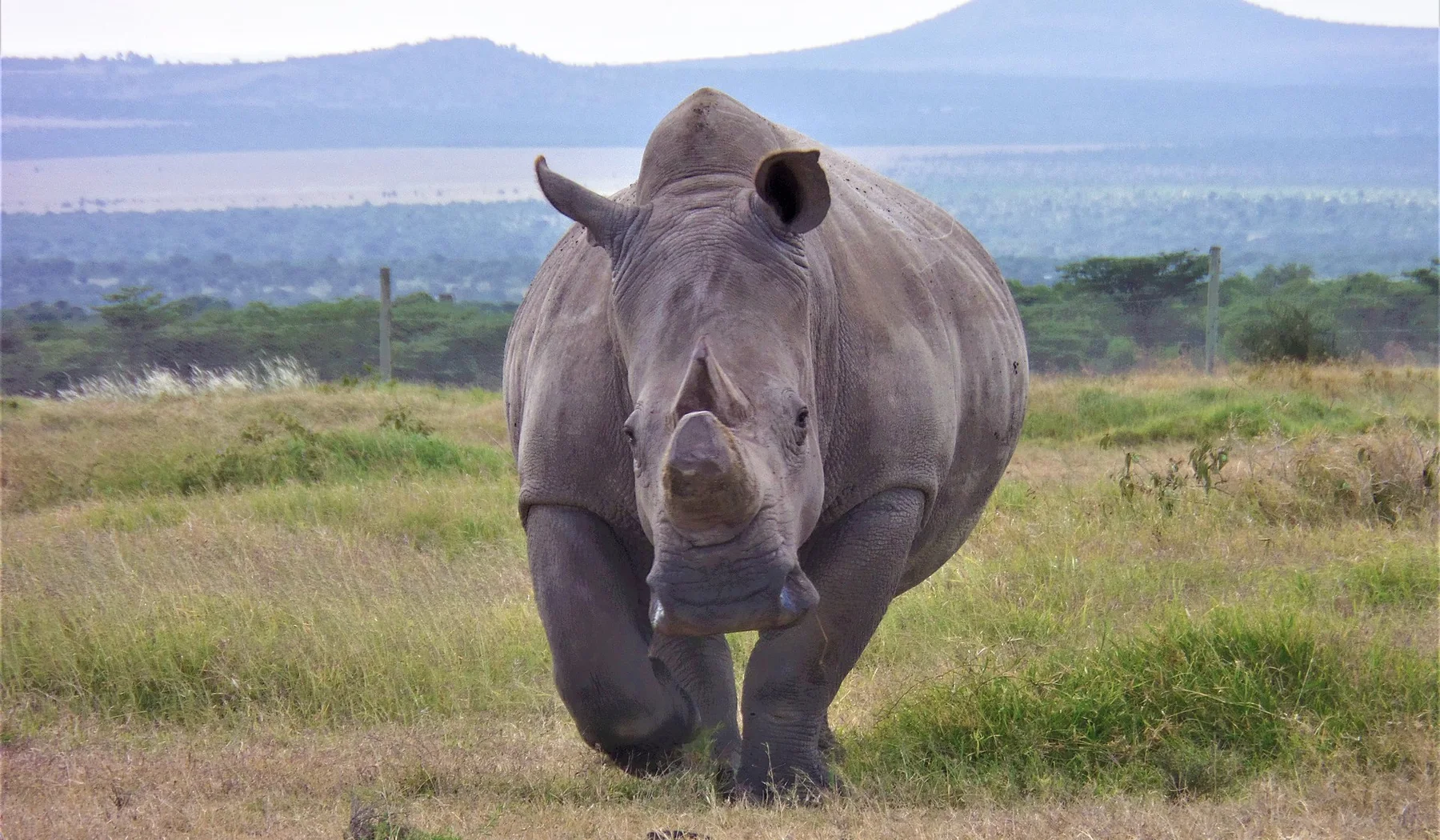
A reader should know what the guide means by “rhino” before comparing parks. Black rhinos and white rhinos are different African rhino species. Within the white rhino, the northern and southern forms are distinct conservation stories. Seeing an ordinary white rhino at Solio is not the same as participating in Ol Pejeta’s northern white rhino experience. It is also unfair to suggest that every white rhino photographed at Ol Pejeta belongs to that tiny northern population.
In the field, a guide can explain body shape, head carriage and feeding behaviour without promising that a quick look at distance will solve every identification. Keep vehicle distance respectful. Ask the guide about current reserve rules; do not urge them to leave tracks or crowd an animal for a closer picture. Conservation tourism works best when the rhino’s behaviour, not the guest’s camera, sets the pace.
| Rhino question | Useful answer | Where this route helps |
|---|---|---|
| Where is open-country rhino viewing a focus? | Solio’s grassland and rhino conservation make it central to this journey. | A full Solio day, not a hurried drive-through. |
| Where can we learn a distinct conservation story? | Ol Pejeta offers named visitor experiences alongside general wildlife viewing. | A prebooked experience selected for age, interest and availability. |
| Is the Aberdare forest a guaranteed rhino stop? | No. The forest’s appeal includes highland habitat, scenery and waterhole watching; visibility differs. | A contrasting first stage rather than a promised rhino count. |
| Are all white rhinos northern white rhinos? | No. Northern white rhinos are a distinct, critically important population. | Use precise language when describing an Ol Pejeta special visit. |
Choose stays for access and experience, not just a star rating
The Ark’s floodlit waterhole experience is different from a lodge chosen for broad Aberdare road exploration. Solio Lodge or the JW Marriott camp offer a reserve-associated stay, while an outside property may make a day visit more affordable or practical for a different budget. At Ol Pejeta, an inside conservancy camp may simplify entry and activity planning compared with staying outside and re-entering. These differences matter more than describing all rooms as “luxury” or “mid-range”.
Ask for the exact six-night room plan: two Aberdare nights, two Solio-area nights and two Ol Pejeta nights. If a property swap is needed, check how it changes gate access, drive time and cost. For families, confirm whether rooms connect or whether a family suite truly fits the ages. For guests with mobility concerns, ask about steps, paths, viewing decks and vehicle entry. The Aberdare accommodation guide and Ol Pejeta accommodation guide help narrow the stay style.
Entries, special visits and the complete price
The route crosses a KWS national park and two separately managed reserves or conservancies. There is no single “rhino safari fee” that buys every gate. The Aberdare park entry, Solio reserve entry and Ol Pejeta entry should each be visible in the proposal. A Solio orphanage visit or Ol Pejeta specialist experience may have its own booking and charge. Ol Pejeta’s single-entry policy changes the calculation for an outside-lodge stay. The vehicle, guide, meals, room categories and transfers complete the cost picture.
| Cost line | What the quote should say | Common misunderstanding |
|---|---|---|
| Aberdare park access | Entry category and dates, plus lodging position. | Assuming a highland hotel automatically includes the park. |
| Solio access | Day-visitor or reserve-stay basis, gate and vehicle arrangements. | Assuming the rhino orphanage is included with a game drive. |
| Ol Pejeta entry | Entry days, whether lodging includes it and any re-entry implications. | Leaving and returning on the same ticket when the rule does not allow it. |
| Special experiences | Exact visit, capacity, age rules, fee and booking status. | Treating every rhino-related activity as automatically available. |
| Transport and rooms | Private guide and vehicle, six named room nights, meals and Nairobi return. | Comparing one complete route with a lodging-only figure. |
We can tailor the trip to dates, group and budget rather than force everyone into one Solio lodge or Ol Pejeta camp. A complete quote should show the total and the same per-person assumptions for any alternatives. It should also explain what a different hotel does to access and daily travel. Our Kenya safari cost guide covers the broader drivers.
A visitor’s view of spending time at Solio
One independent traveller described a five-day stay at Solio’s JW Marriott camp in a public firsthand account. What they valued was time at a sighting: Far fewer vehicles, so you can actually watch rather than just snap a photo
. They also praised their guide and reported seeing both black and white rhinos. That is one guest’s experience at one property, not a guarantee that every drive will be quiet or that a particular animal will appear. It illustrates why we give Solio a full day in this route instead of making it a hurried stop.
The same care applies at Ol Pejeta. A special rhino visit may be moving and educational, but it should not replace the unhurried game viewing that drew you here unless that is your choice. In the Aberdares, a quiet evening watching a waterhole may be the memory you keep even though the trip is called a rhino safari.
Aberdares, Solio and Ol Pejeta rhino safari questions
How many days does the Aberdares, Solio and Ol Pejeta route need?
The sample uses seven calendar days and six nights, with two nights in each area. A shorter four- or five-day version is possible but has fewer full days and more relative transfer time.
Will I see rhinos in Aberdare National Park?
Rhinos occur in the wider Aberdare conservation story, but forest visibility is different from open Solio or Ol Pejeta. Choose the Aberdares for highland forest, waterholes and scenery, not a guaranteed rhino sighting.
Can day visitors enter Solio Game Reserve?
The reserve’s official entry page says tickets can be bought at its Main Gate or Rhino Gate. It specifies card payment, a passport and an indemnity form. Confirm current access and any chosen orphanage visit separately.
Is the Solio Rhino Orphanage included with reserve entry?
Do not assume it is. The reserve lists orphanage bookings separately. Ask for the exact visit, availability, fee and rules before adding it to the itinerary.
Are northern white rhinos the same as the white rhinos at Solio?
No. The northern white rhinos at Ol Pejeta are a distinct subspecies and part of a separate conservation story. Do not describe every white rhino seen at Solio or Ol Pejeta as a northern white rhino.
Which is better for rhino photography, Solio or Ol Pejeta?
Solio’s open areas can be attractive for patient rhino viewing, while Ol Pejeta adds broader conservation experiences and other wildlife. The guide, light, season and actual animals determine photographs.
Can I stay inside Solio?
Solio has named lodging inside or associated with the reserve, including Solio Lodge and JW Marriott Mount Kenya Rhino Reserve Safari Camp. Availability, room type, vehicle and reserve-entry terms need checking.
Where can I stay at Ol Pejeta?
The conservancy lists partners including Sweetwaters Serena, Kicheche Laikipia and Porini Rhino Camp. They differ in size, setting and vehicle or activity arrangements.
Does Ol Pejeta entry permit leaving and returning on the same ticket?
Its official visitor information describes a single-entry policy. This particularly matters if you stay outside the conservancy and plan to return for an afternoon or night activity.
Can this route include a Mount Kenya hike?
A suitable highland walk may be possible, but a proper mountain ascent needs extra days, gear and guiding. Do not bolt a summit plan onto the six-night rhino itinerary.
Is this route suitable for families?
It can be adapted with a private vehicle, appropriate rooms and age-suitable activities. The highland weather, lodge steps, viewing decks and any walking rules should be checked for the children.
What should the complete quote include?
Name the three properties and room categories, meals, guide and vehicle, KWS Aberdare entry, Solio reserve entry, Ol Pejeta entry, any special rhino visits, transfers and cancellation terms.
Read the area guides before choosing rooms
Tell us how you would like to travel
Share dates, travellers, room preference, rhino interests and any accessibility needs. We can plan reserve entry, named camps and the right pace.