
Kenya Corporate Safaris, Incentive Trips and Small Groups
A company safari is not a family holiday with twenty names on the booking. An incentive needs to feel like a reward. A leadership retreat needs privacy and working space. A conference extension needs to fit real flight times. Here is how to choose the right Kenya route, room block, vehicles, meetings and budget without losing the wildlife that made the idea exciting.
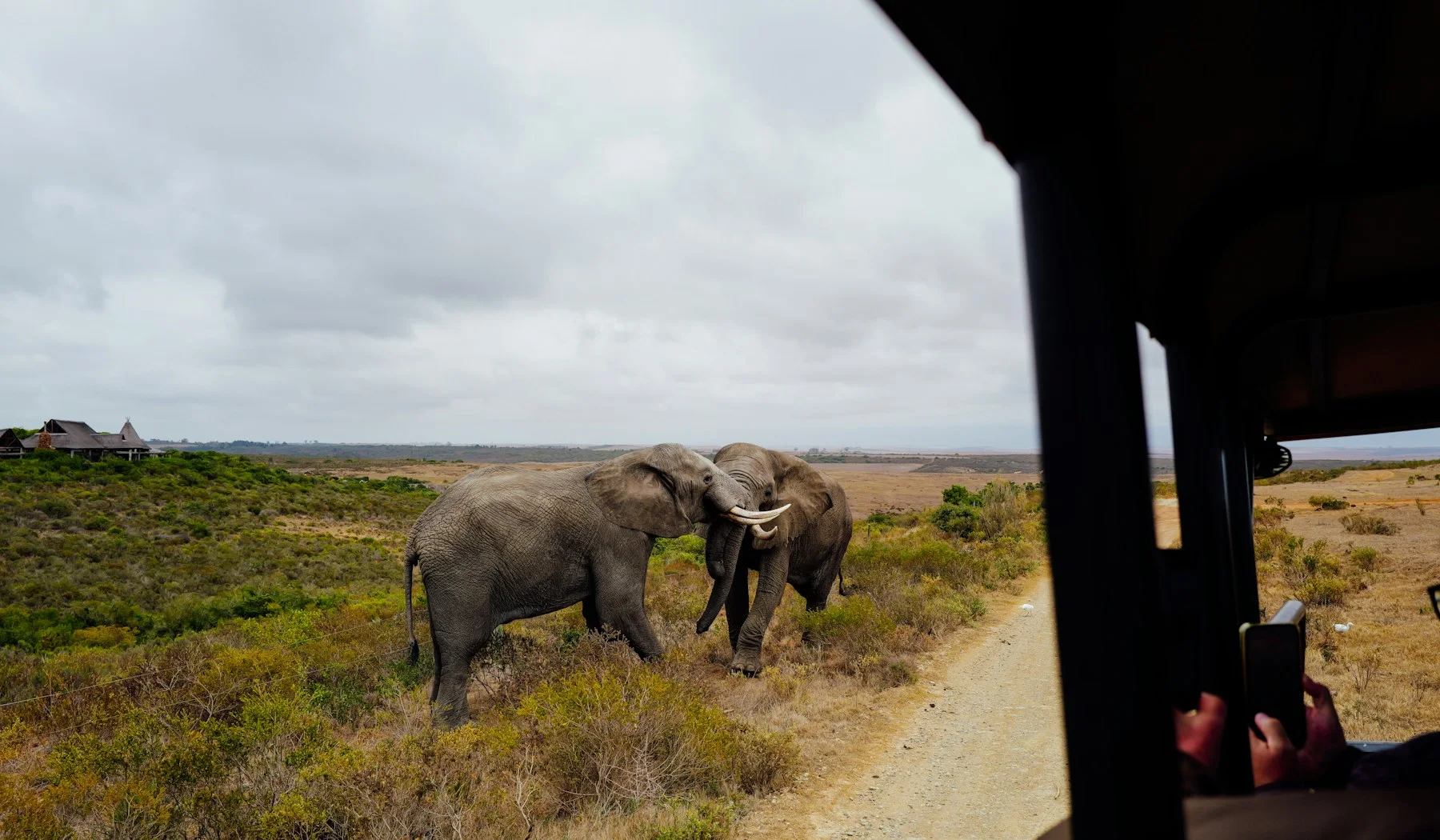
Picture ten colleagues at breakfast after a morning with rhinos. Half are still replaying the sighting; the other half have a strategy session at nine. If the lodge has no private room, the internet fades and someone is trying to take a call beside the coffee station, the safari has not solved the retreat. Now picture a different group: sales winners who earned a break but are marched through workshops between drives. They have not been rewarded either. The reason for the trip has to shape the route from the first conversation.
Kenya is set up for both business events and wildlife travel. The Kenya National Convention Bureau promotes meetings and incentive travel, while the parks and conservancies give a group distinctive experiences beyond the conference venue. But a safari has different constraints from a city hotel: game-viewing vehicles, park entry, domestic-flight bags, lodge room counts and daylight all matter. These are details to decide, not surprises to solve when everyone is already on the bus.
We can shape an itinerary around a corporate brief. That does not mean every camp has a boardroom, every vehicle has the same capacity or every activity is suitable for a group. The most useful early work is to identify what must happen together and what can be optional. The result should feel purposeful and still leave enough unplanned time for Kenya to do what no meeting agenda can script.
Start with what success looks like
If the goal is to recognise performance, the trip should feel generous: comfortable rooms, genuine wildlife time, perhaps one memorable private meal, and no obligation to work through every afternoon. If the goal is to reach a decision, choose a place where people can hear each other and connect reliably, with safari drives before or after the working blocks. If the goal is a conference extension, participants may have paid for it themselves and be under pressure to catch international flights. Those differences determine everything from destination to cancellation terms.
Define the group before asking for lodges. How many confirmed travellers, not just invited people? Where are they flying from? Are partners invited? Are there executives who need private rooms, guests who cannot tolerate rough roads, or colleagues who will only join the city portion? A ten-person group with four arrival days is not the same operation as ten people on one flight. An honest approximate range is more useful than a precise count that will change tomorrow.
Also decide whether the group wants one shared programme. Some colleagues may choose a balloon while others prefer a slow breakfast. Some may want a longer wildlife drive while another needs a quiet afternoon. A well-designed itinerary can hold optional branches without splitting the group into unrelated holidays. The common meal and one or two shared drives may be enough to give the trip its identity.
Five group formats that should not be sold as one thing
Incentive travel. The trip rewards top performers or partners. Build the experience around the reason they qualified: beautiful wildlife time, strong guiding, good rooms and a celebration. One clear group gathering may be meaningful; compulsory daily presentations usually are not. A Mara camp, a conservancy stay or an Amboseli and coast combination can work if the travel does not consume the reward.
Leadership retreat. A smaller group might need a private room, reliable power, a screen and a setting where conversations remain confidential. A lodge with attractive wildlife does not automatically have these facilities. Naivasha or a well-equipped Nairobi venue followed by a safari extension can protect working time. A conservancy property may be excellent for discussion if the exact meeting set-up is verified.
Conference extension. Delegates already in Nairobi can use a morning in Nairobi National Park, one or two nights in the Rift Valley, or a fly-in Mara trip if they have enough days. An airport buffer matters more than squeezing in one extra activity. The official Kenya Wildlife Service park page places Nairobi National Park near the city, but that does not remove city traffic or international check-in time. Our Nairobi day safari guide helps judge the shortest worthwhile option.
Client or partner experience. The host may want private dining, discreet conversation, flexible seating and clear authority for changes. A wildlife drive can strengthen a relationship, but guests should not feel trapped in a sales event. Decide who covers upgrades, drinks and optional outings before anyone arrives.
Small private group. Founders, board members, a professional association or friends travelling together may not be employees of one company. Their money and privacy may be handled differently, but vehicle and room-block decisions are similar. Establish whether one organiser holds the contract or each traveller pays their own balance.
| Format | Protect first | Typical mistake |
|---|---|---|
| Incentive | Reward feeling and real safari hours. | Turning the trip into compulsory training. |
| Leadership retreat | Private working room, power and quiet. | Choosing a beautiful camp without meeting facilities. |
| Conference extension | Flight buffers and easy transfer. | Overloading a one-day window. |
| Client experience | Discretion and guest comfort. | Leaving extras and hosting duties unclear. |
| Independent small group | Shared contract and room deadlines. | Assuming one person will cover every cancellation. |
Let the destination serve the group
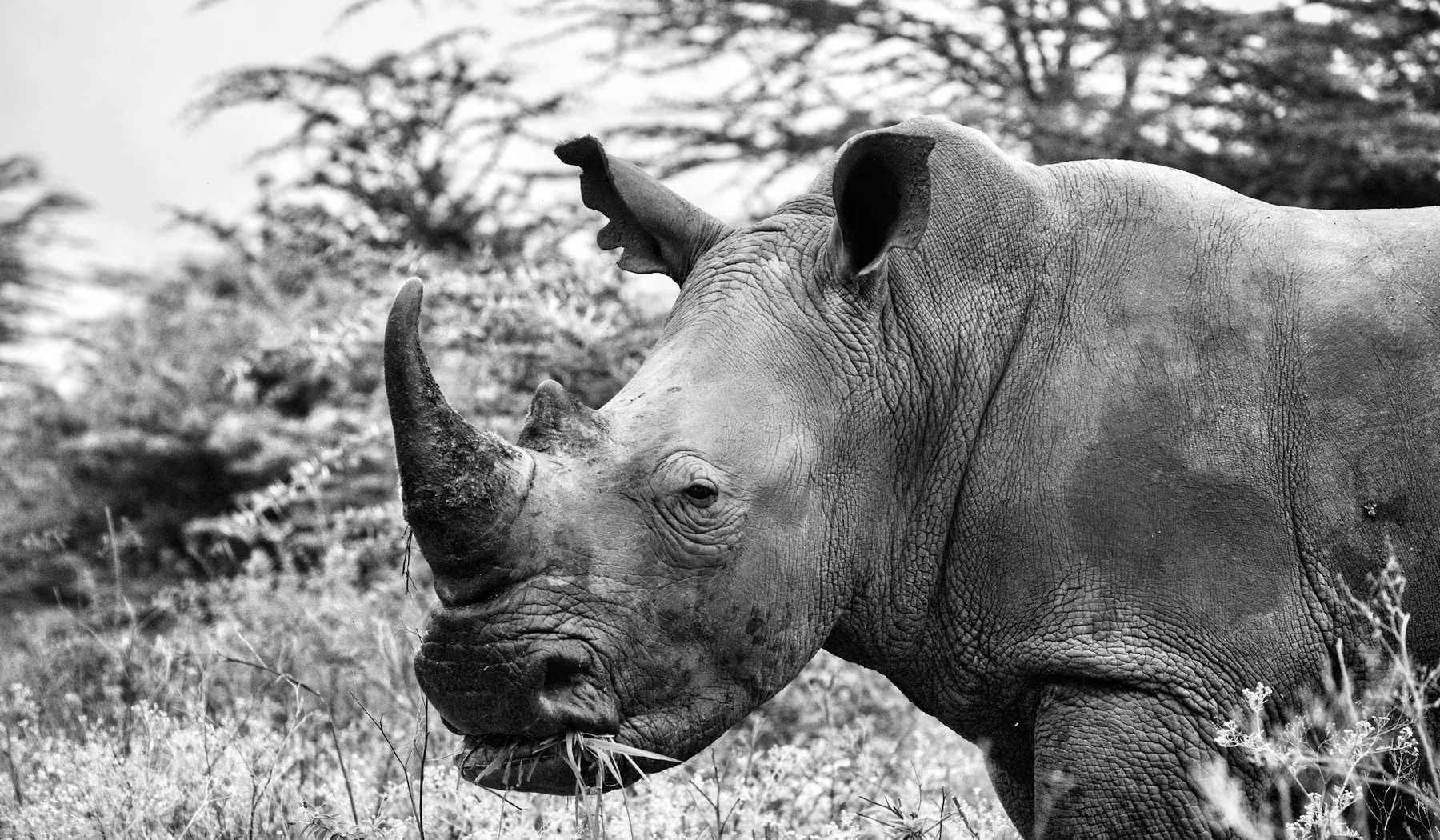
Nairobi National Park is valuable when time is genuinely limited. The park is close enough to the city for a meaningful half-day drive, with rhino habitat and a striking skyline backdrop. It is not the same as three nights in the Mara, and no one should promise the group an elephant there. A conference delegate who has only a morning can still have a real safari without a rushed domestic flight.
Lake Naivasha gives a slower Rift Valley setting for discussion, boats and nearby activities, while Lake Nakuru can add a separate rhino-focused park day. These are not interchangeable lakes. One is often chosen for water and a comfortable meeting base; the other for a fenced national park and wildlife drive. Our Naivasha guide and lake comparison make that choice tangible.
The Masai Mara works when wildlife is the reward and the group can give it at least a couple of nights. A private conservancy camp can offer quieter vehicle activity or exclusive use for a suitable group size, but bed counts and conservancy rules vary. The Reserve has its own advantages and a broader accommodation range. Neither label automatically includes the other. Start with the Mara guide, then choose an actual property that can accommodate your people.
Amboseli brings elephants, wetlands and the chance of a Kilimanjaro view. It is good for an incentive group that wants a recognisable landscape and a slower camp afternoon. The mountain can be hidden by cloud, so never frame its visibility as the reward guarantee. Ol Pejeta in Laikipia can put rhino and conservation learning at the centre of an executive programme, subject to the activities and room capacity chosen. Our Ol Pejeta guide covers the real experience.
Samburu and the coast can make a group route feel less conventional, but they lengthen transfers or require flights. A remote camp may be brilliant for twelve participants and impractical for forty. Diani can be a restful finish after the safari, but it changes flight handling and baggage. Do not add a destination only because it looks impressive in a proposal. Each move should earn the hours it consumes.
| Place | Best reason to choose it | Constraint to solve |
|---|---|---|
| Nairobi National Park | Wildlife time around a city event. | Traffic, park hours and the next meeting or flight. |
| Naivasha | Working retreat with a gentler landscape. | Venue’s real meeting set-up and boat safety. |
| Masai Mara | Strong incentive with substantial game viewing. | Room block, flight seats, park or conservancy fees. |
| Amboseli | Elephants and a distinct mountain setting. | Road time and no guarantee of a clear summit. |
| Ol Pejeta | Conservation and rhino-focused discussions. | Activity reservations and group-size fit. |
Three programmes with enough room to work
A Nairobi conference morning. Keep the delegates in their Nairobi hotel. Leave early for a guided drive in Nairobi National Park, return for a late breakfast or lunch, then allow time for luggage and the day’s work or flight. This suits visitors who cannot add another night. It should not be described as seeing all of Kenya. A private vehicle arrangement and a clear return time protect delegates who have afternoon obligations.
A two-night working retreat by Naivasha. Drive from Nairobi and begin with an unhurried arrival and one focused afternoon session. The next morning holds the most important work while people are fresh. Later, choose a safe guided nature or lake activity, followed by dinner without speeches. The final morning can close decisions before the road journey back. Confirm a room with privacy, stable power, screen and enough seats before selling this as an offsite. A lovely lakeside view does not project a board presentation.
A three-night Mara incentive. Gather the group in Nairobi and fly or drive according to budget and comfort. Avoid scheduling a formal welcome immediately after long international travel. Give two full wildlife days with a choice of one optional activity, then a relaxed group dinner. Leave departure day for breakfast, transfer and the onward connection. If participants are on different flights, keep a named arrival list and agree how a delayed person reaches the camp. A private guide and vehicle for each small sub-group may be a better reward than forcing everyone into the same viewing rhythm.
These are examples, not published fixed packages. The exact property, vehicle count, flight times and price belong to the group that will travel. The useful lesson is proportion: one strong purpose, enough time in each place and less compulsory movement than an ambitious itinerary first suggests.
One group may need several kinds of transport
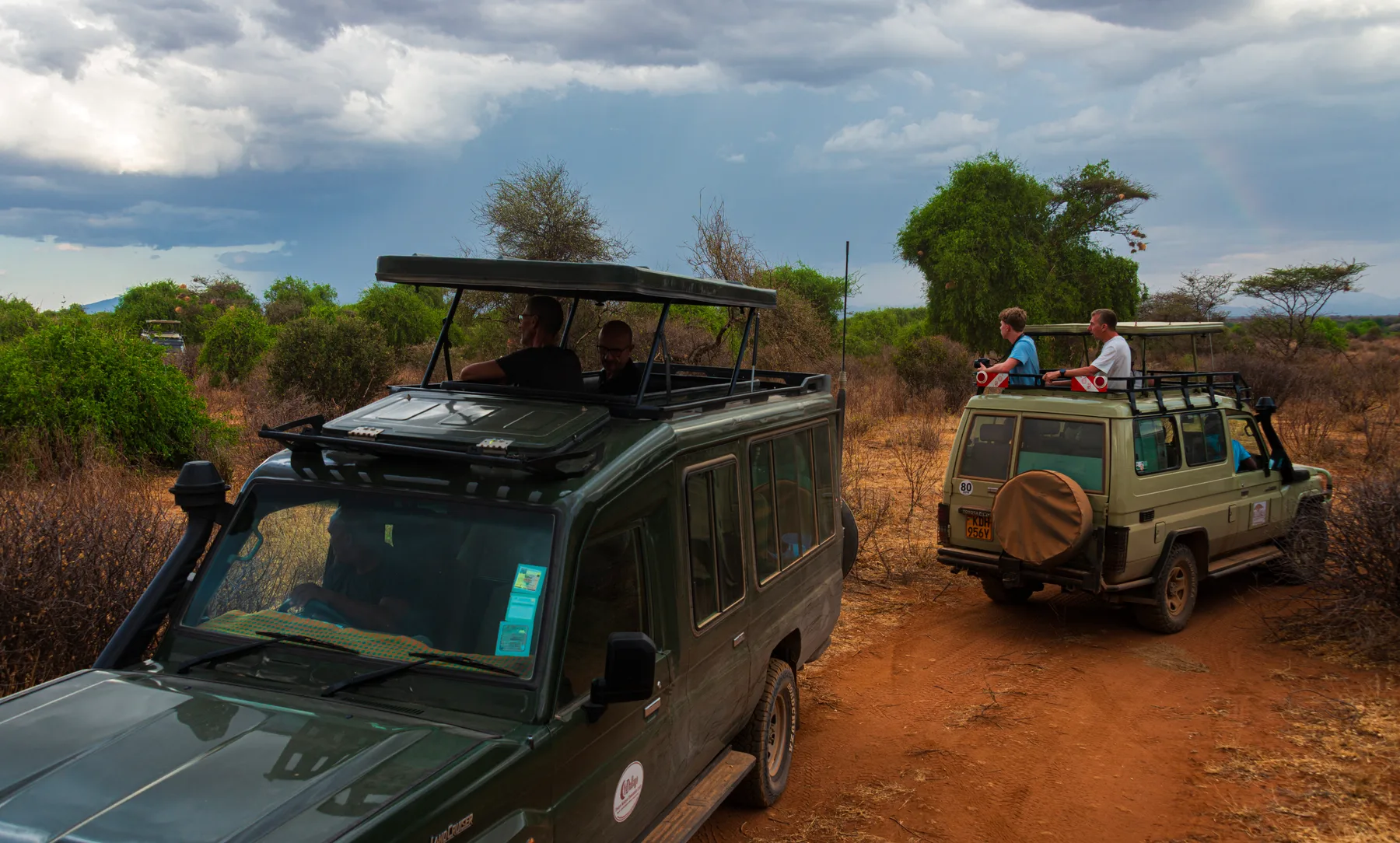
A coach or larger vehicle may be sensible for a city hotel transfer. It is rarely the right answer to a safari game drive for a group that expects good views. In the park, separate 4×4 vehicles give better sightlines and allow people to follow different interests. Vehicle capacity is not just the number of legal seats. You need to decide how many guests can see and photograph comfortably, where bags go, who sits with whom and whether an older participant can climb in easily.
Write the vehicle plan in names, not only totals. Who is in which car? Will the same guide remain with that group? If one participant opts out of a long drive, is a vehicle available to return or does the whole party have to leave? Can a group split between a serious photography drive and a shorter family-friendly loop? Our private 4×4 guide shows what vehicle choice changes in practice.
Flying can save a day on a Nairobi to Mara route, but it imposes aircraft seat and luggage limits. A company bringing presentation equipment or branded gifts should not assume those can travel as normal soft-bag luggage. Ask about weight, bag shape and storage before the group is committed. Flights can be delayed by weather, so leave enough time between a bush flight and an international departure. The safari flight baggage guide is especially useful for an organiser buying tickets for others.
An arrival manifest is simple and valuable. For each person it should show the flight number, arrival time, contact method, transfer driver or meeting point, first-night room and what happens if the flight is late. Keep sensitive information with the organiser and those who need it; do not circulate a public sheet of passport details and medical needs to the entire group.
A room block is not a meeting venue
A lodge can have twenty rooms and nowhere private to seat twenty people around a table. Another property may have a proper room but not enough beds for everyone. Confirm the two capacities separately. Also confirm room category, single supplements, twin versus double bedding, accessible rooms, early check-in and whether a buyout is really exclusive. “Private” can mean one meeting room, one vehicle or the whole property; they are different purchases.
A meeting needs more than a table. Ask about power outlets, daylight glare, sound from the dining room, screen or projector, microphone if needed, Wi-Fi measured at the actual meeting space and a backup when connectivity drops. A confidential board discussion should not happen in a lounge open to other guests. If a safari lodge cannot offer that, use a Nairobi or Naivasha meeting venue and let the bush be a place for experience rather than compromised work.
For an incentive, a private dining area may be sufficient. Think about who will speak, how long they truly need, dietary requirements and whether neighbouring guests will be disturbed. Some celebrations are better as a warm, short toast after a great drive than an elaborate production. For an association, the room block may be more complex because members pay separately. Decide whose card or invoice guarantees unsold rooms.
Properties change over time. A list of currently available rooms and facilities matters more than an old brochure. We can tailor the route beyond the packages displayed on the site, but the final proposal should name the exact hotel, room type and service basis. That gives everyone confidence about what has actually been reserved.
Duty of care should be practical and discreet
Travel needs can be very different within one group. Some delegates may require step-free rooms, a shorter game drive, specific food preparation or a quiet place for a medical device. Gather this information privately and early enough to confirm the right room and vehicle. A camp described as accessible in a brochure may still have a high vehicle step, rough path to dining or a bathroom that will not fit the guest. The person travelling should be able to approve the actual arrangement.
International visitors should check their own entry eligibility using the official Kenya electronic travel authorisation portal and any applicable exemptions. Requirements can differ by nationality and purpose. The company organiser should track that everyone has the documents they need without assuming one rule applies to all employees. Insurance, health advice and emergency contacts also belong in the pre-travel brief, handled sensitively.
Wildlife safety is part of the programme, not a disclaimer hidden at the end. Park rules apply to vehicles and viewing distance. A team game is not a reason to leave a vehicle in an unsafe area or approach an animal for a photograph. Select activities that suit the group and the landscape. A conservation conversation led by the people who work in that landscape may be more meaningful than a contrived challenge using wildlife as scenery.
A contingency plan should name who decides when a flight changes, a road becomes slow or someone needs to return early. Keep a reachable organiser and a clear chain of communication. A good group safari is not one where nothing can go wrong; it is one where the team knows what happens next.
Price the whole group, not a headline room
The fair comparison is total cost per participant for the agreed experience. That means accommodation, meals, vehicles, guide, park or conservancy fees, domestic flights, airport transfers, activities, meeting room, equipment, drinks policy, gratuities and taxes. Also show any organiser, speaker or facilitator costs that are paid by the company but not by every delegate. Our Kenya safari cost guide helps explain the main drivers.
Ask for a group total and a per-person figure at the same time. The group total tells finance the commitment. The per-person figure helps compare options when attendance changes. A property buyout that works beautifully at sixteen guests may be expensive at eleven. A second vehicle may be necessary at a certain count. A domestic flight may have different seats available for different sub-groups. These are real thresholds, not arbitrary surcharges.
Set a room-release date and an agreed process for names changing. Confirm deposit dates, cancellation bands, who pays for no-shows, and how a participant can upgrade a room or add a partner. If participants pay themselves, agree whether one central organiser is still financially responsible for any shortfall. Put the final payment beneficiary and invoice currency in writing. This protects the relationship between the group and the travel organiser as much as it protects the budget.
| Budget line | Why it gets missed | Make it visible |
|---|---|---|
| Rooms and single use | One person per room costs differently from sharing. | Named category and room count. |
| Safari vehicles | Group headcount is not viewing comfort. | Cars, passengers per car and private use. |
| Park and conservancy fees | Different destinations and days have different charges. | Each entry day and guest category. |
| Flights and luggage | Bag allowances and seat inventory are limited. | Flight basis, transfer and extra-bag policy. |
| Meetings and events | A room, equipment and exclusive dinner may be extras. | Venue, hours, kit and food or drink allowance. |
| Changes | Attendance rarely remains fixed. | Release date, cancellation and substitution terms. |

A useful first brief is short but concrete
Tell us the group purpose, likely number of participants, travel dates or date range, countries of arrival, nights available and a realistic overall budget. Add any fixed conference venue or meeting hours. Say whether companions are invited and whether the trip should be private from other guests. List essential accessibility and dietary needs through an appropriate private channel. If the group has one wildlife dream, such as rhinos or elephants, say it; if there are several, rank them.
Then name the decision-maker and the decision date. A large group can lose a room block while a proposal sits in five inboxes. Once the group agrees the route, the plan can become more detailed: rooming list, flight manifest, car assignments, final activity choices and the run sheet each guide uses. The organiser should receive a clean version that can be shared with participants, without internal pricing notes or private needs.
The best corporate safari gives people a shared memory and a workable operation. It does not ask the bush to fix a vague business goal. Be clear about the goal, choose a route that serves it and leave enough space for the unexpected sighting or conversation to matter.
Kenya corporate safari questions
What is a Kenya corporate safari?
A company-funded or company-organised Kenya wildlife trip for an incentive, retreat, client event, conference extension or small private group.
Is an incentive trip the same as a working retreat?
No. An incentive rewards participants and should protect leisure and wildlife time. A working retreat needs real meeting facilities, privacy and a lighter transfer plan.
Can a small corporate group have a private safari vehicle?
Yes, when arranged and priced as private use. Confirm the number of seats, guide arrangement and whether vehicles stay with the same participants.
How many people fit in one safari vehicle?
Capacity depends on the exact vehicle and the comfort standard agreed for game viewing. Plan seating and luggage per vehicle rather than dividing a total headcount by an assumed maximum.
Which Kenya safari destination works for a conference extension?
Nairobi National Park can work for limited time near the city. A two- or three-night Mara, Naivasha, Amboseli or Ol Pejeta extension needs more travel time and a different purpose.
Can a lodge host meetings?
Some lodges have purpose-built rooms, while others can offer only a private dining space or lounge. Verify privacy, power, screen, internet and weather backup before calling it a meeting venue.
How should we plan people arriving on different flights?
Use an arrival manifest with each person’s flight, contact, hotel, transfer and fallback plan. Keep an overnight in Nairobi when late international arrivals make same-day safari connections risky.
Can travellers pay individually within one group?
It can be arranged, but the organiser and operator should agree room-block deadlines, deposit responsibility, cancellation terms and who pays for upgrades or changes.
Can the group include accessibility and dietary requirements?
Yes, but these should be collected privately and matched to confirmed rooms, vehicles, meeting spaces and meal arrangements before deposits are committed.
Are park fees and domestic flights included in a corporate safari?
Only if explicitly listed. The full programme should show park or conservancy fees, flights, luggage terms, transfers, private vehicles and optional activities.
How early should a company begin planning?
Start once the approximate group size, budget, dates and purpose are known. Large room blocks, peak-season air seats and exclusive-use properties need earlier decisions than a Nairobi day outing.
Can NLS customise the programme?
Yes. NLS can develop an itinerary around the group size, purpose, dates, travel comfort and budget. Specific properties, vehicles and services remain subject to availability and written confirmation.
Build the right Kenya route
Plan a corporate safari
Tell us the purpose, likely participant count, dates, available nights and the moments the group most wants to share. We will shape the route and the practical arrangements together.