
Fairmont Mount Kenya Safari Club: The Nanyuki Stay Explained
Fairmont Mount Kenya Safari Club is a hotel and conservation retreat near Nanyuki, not a tented camp in the Masai Mara. Its gardens, fireplaces, Mount Kenya outlook, riding, golf and mountain bongo work can make it a memorable stop. Here is how to choose a room, build a genuine wildlife day and avoid mistaking a hotel stay for an all-inclusive safari.
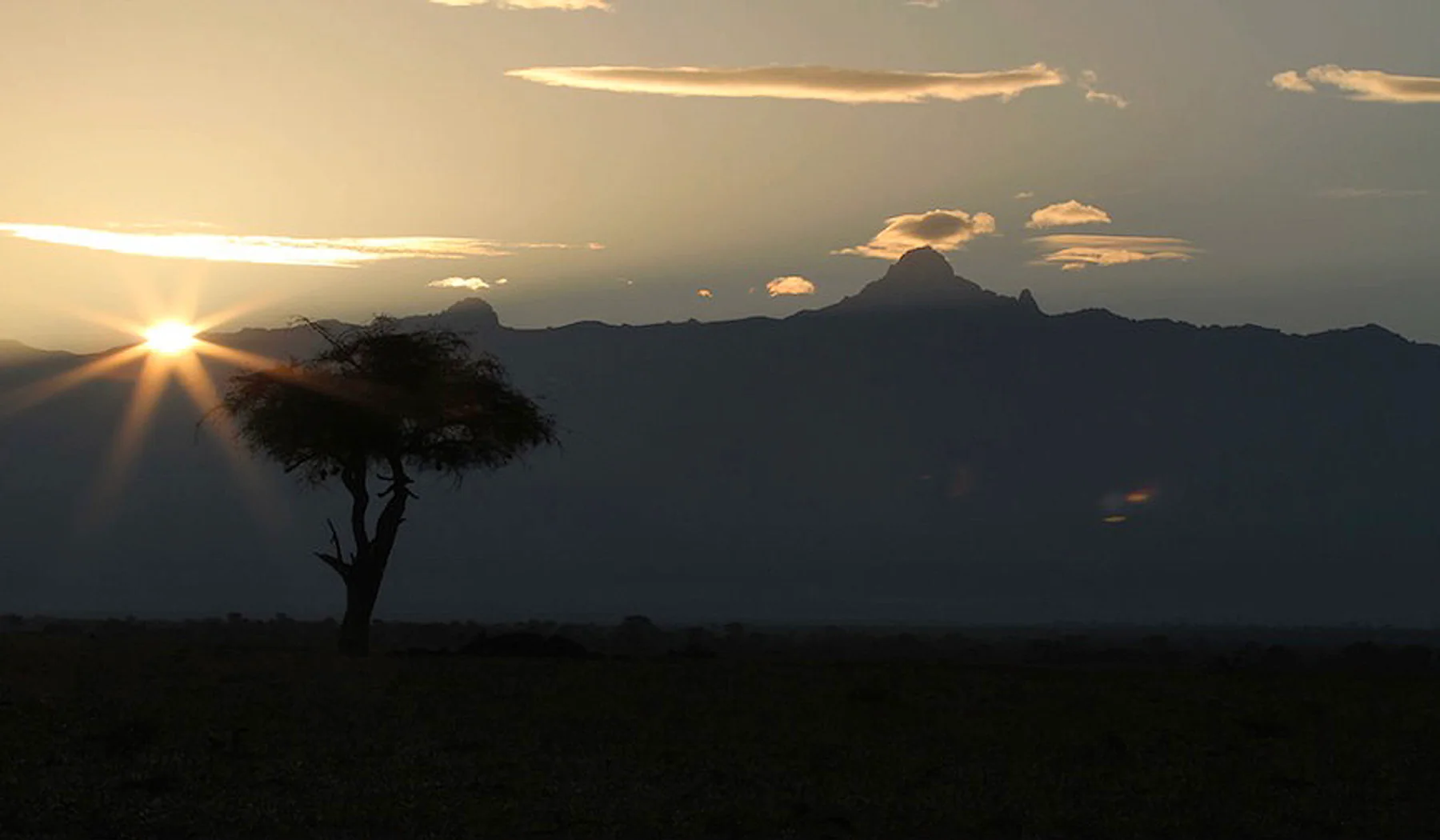
The name “Safari Club” can send a traveller in the wrong direction. You might picture a tent beside a lion pride and game drives included from dawn to dusk. Fairmont Mount Kenya Safari Club is something else: a historic resort in the green highlands near Nanyuki, at the foothills of Mount Kenya. You can wake to gardens and colobus monkeys, visit a serious mountain bongo conservation programme, ride a horse or make a day trip to a separate conservancy. Knowing that difference makes the stay much better.
The hotel has 100 rooms, suites, cottages and villas, according to Fairmont’s room guide. That scale makes it unlike a ten-tent Mara camp. There are restaurants, a spa, a heated pool, golf and family activities. Some guests will love that choice, especially after a run of small bush camps. Others want the intimacy of a remote lodge and should not book it simply because the word safari is on the sign.
Nanyuki, Mount Kenya and three different kinds of wildlife day
The club is near Nanyuki in Laikipia County, close to the equator and the forested Mount Kenya foothills. It sits within the Mount Kenya Wildlife Conservancy, where the mountain bongo breeding and rewilding work takes place. That is not the same as a full-day big-game drive at Ol Pejeta or Solio. Each area has its own access arrangements and purpose. Fairmont’s lawns and gardens may have birdlife and smaller animals, but they are not a substitute for a dedicated rhino safari.
Mount Kenya is a reason to come, yet a clear view of its peaks is weather-dependent. Cloud can hide the mountain for hours. A guest who stays two nights has a better chance of seeing it in changing light than one who arrives late and leaves before breakfast. The hotel’s main building and some rooms face the mountain, while others face forest or garden. Room category and orientation matter if the view is your priority. Our Laikipia accommodation guide compares the region’s different bases.
There are three sensible ways to use the hotel. Stay mostly on property for a restful highland break and conservation visit. Pair it with a booked day at Ol Pejeta for rhino and wider wildlife viewing. Or make it a soft landing between Nairobi and a more remote camp. A traveller hoping for dawn-to-dusk drives on every day might prefer to sleep within the conservancy where those drives happen. A traveller who wants comfort, restaurants and several ages happy together may prefer the club.
| Experience | Where it happens | What to expect |
|---|---|---|
| Gardens, pool and resort activities | Fairmont Mount Kenya Safari Club. | Hotel facilities, not a wilderness game drive. |
| Mountain bongo conservation visit | Mount Kenya Wildlife Conservancy beside the hotel. | Learn about breeding and rewilding; access may depend on the package. |
| Rhino-focused safari | Ol Pejeta or another separate wildlife area. | Plan a vehicle, park access and enough travel time. |
| Mount Kenya hike | Mountain routes beyond the hotel grounds. | Match route, guide, weather and fitness to the day. |
From Mawingo to a famous safari club
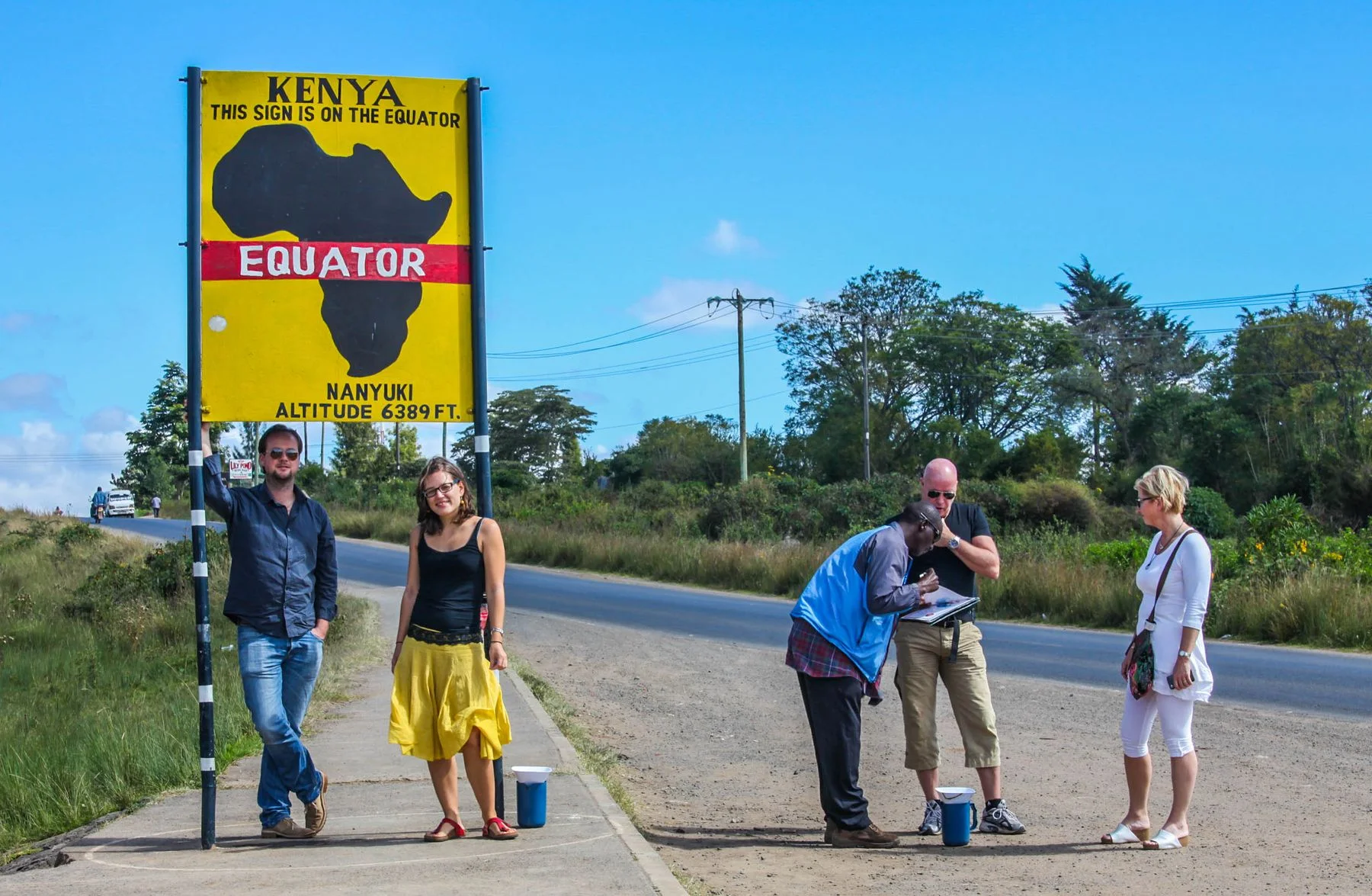
This property has a real history, not merely a retro design scheme. Fairmont’s history traces it to Mawingo, acquired in 1959 by Ray Ryan, actor William Holden and Carl Hirschman. The club became a social landmark associated with highland travel and celebrity guests. Today’s hotel is larger and more polished than the old club, but the fireplaces, lawns and long view toward the mountain help explain why the place has lasted.
History can be interesting without turning into the whole sales pitch. You will still judge the stay on today’s room, service, food and activities. A visitor who cares about old-world atmosphere should choose a heritage-feeling category and leave time to explore the main building. A visitor who values the newest bathroom and a private terrace may prefer a different room type. The word “heritage” should help you choose, not excuse a room that does not suit you.
Choose the outlook before the room name
Fairmont offers Deluxe rooms with queen or twin beds, Riverside Deluxe rooms, suites, cottages and villas. Some rooms are in the main building with mountain views; others have a quieter forest outlook. Selected categories include fireplaces, terraces or balconies. The room descriptions are specific enough to make a real choice. A Riverside room is attractive if you want more seclusion and a terrace. A main-house room may suit someone drawn to the building’s history and easier access to central facilities.
For a family, room count alone is not the answer. Ask which rooms connect, whether a cottage gives a shared living space and how far the proposed room is from dining and the children’s activities. The hotel has a kids club and outdoor experiences, but a child who wants daily big-cat drives may be happier in a dedicated wildlife conservancy after this stop. For a couple, a quieter room and a dinner in the garden may matter more than a larger suite. Our Kenya safari stay-type guide helps distinguish resort comfort from bush-camp intimacy.
The gardens are part of the room experience. You may step outside and see peacocks, cranes or colobus monkeys in the trees, though wildlife visits are never scheduled. Mountain weather can be cool, particularly at night or after rain. A fireplace sounds romantic but should not be the only reason for a room; check whether it is operational in that category and season. Similarly, a “mountain view” can be clouded over. The best room is the one whose size, position and quietness suit your actual party.
| Room priority | Likely direction | Useful check |
|---|---|---|
| Historic main-house feel | Fairmont Deluxe category in the main building. | Confirm exact outlook and stairs or lift needs. |
| More seclusion | Riverside or a detached cottage category. | Ask about walking distance and terrace orientation. |
| Family space | Connecting rooms, larger suite, cottage or villa. | Get the actual bed and bathroom layout, not only a maximum occupancy. |
| Mount Kenya view | A room facing the mountain where available. | Cloud can hide the peak regardless of the room name. |
The mountain bongo is the conservation story here
A mountain bongo is a large, striped forest antelope and one of Kenya’s rarest mammals. The Mount Kenya Wildlife Conservancy works on breeding, conservation education and rewilding, and Fairmont shares the landscape with its rescue centre. It is a different wildlife experience from tracking lions in the Mara. You are visiting a programme designed to restore a species to its forest habitat, not a display where every animal should be approached for a photograph.
The conservancy’s work has continued beyond the hotel brochure. Associated Press reported in 2026 on the breeding effort and the reintroduction of bongos to forest habitat. That wider story makes a visit more meaningful. Ask what parts of the rescue centre or bongo programme guests can see and whether the visit is guided. A dining experience advertised as breakfast with bongos is a particular product, not an automatic inclusion with every room.
Animal rescue centres raise ethical questions too. The useful questions are what the centre does for rehabilitation, how the animals arrived and what the visitor fee supports. Fairmont and the conservancy describe a rewilding programme, which is more substantial than a generic petting zoo claim. Respect the distance and photography rules on site. Children can learn more from a careful explanation of why bongos need habitat than from a rushed selfie.
How to build a day without rushing from activity to activity
A balanced first day might be simple: arrive, settle into the room, walk the grounds and eat with a view of the mountain if weather allows. On another day, visit the wildlife conservancy, perhaps ride a horse or take a guided nature walk, then spend the afternoon by the heated pool. Fairmont also lists golf and spa facilities. These are hotel experiences that can make the stay feel like a holiday rather than a transfer night.
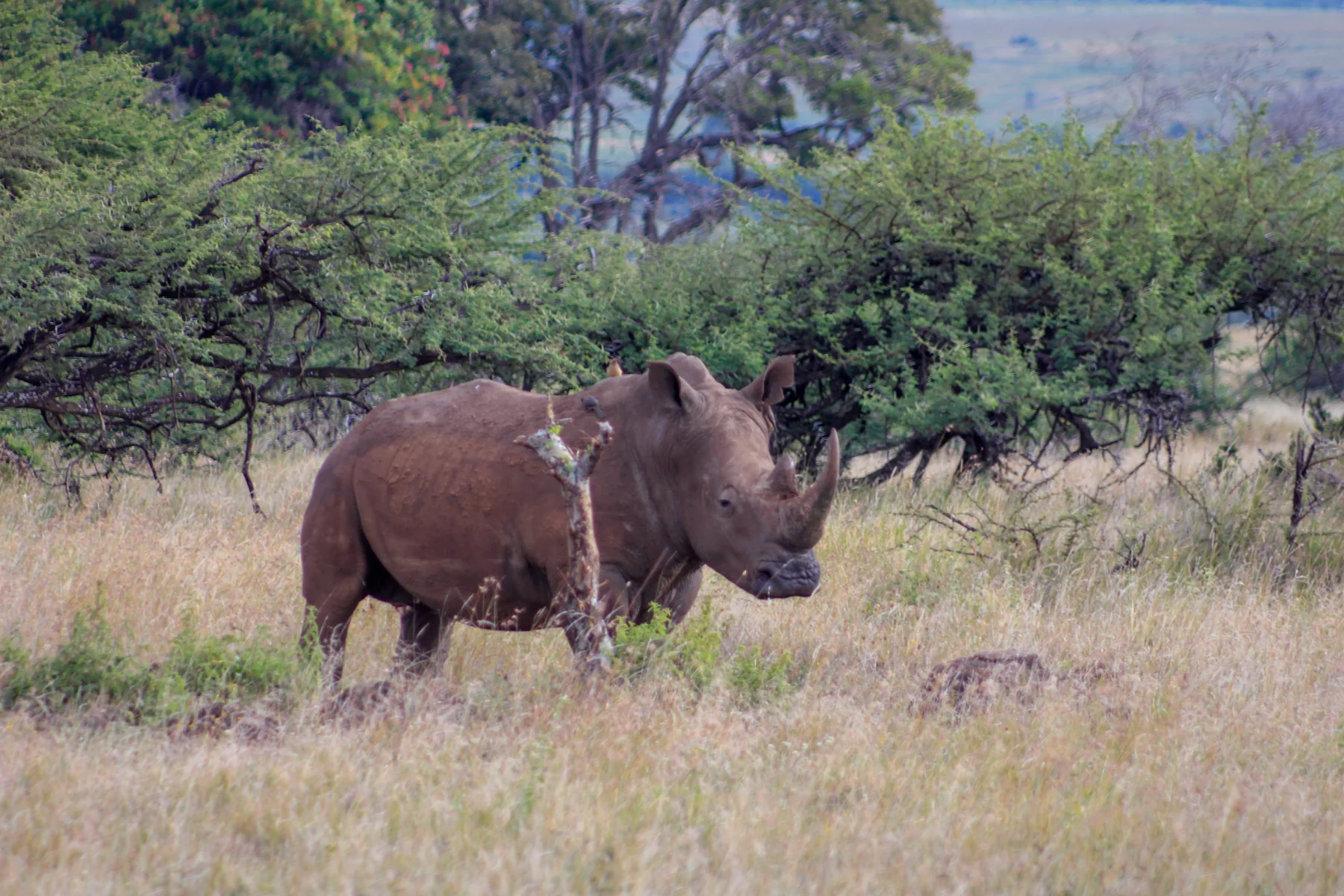
If you want a big-game drive, set aside a separate day and choose the place deliberately. Ol Pejeta Conservancy is a well-known option for rhinos and other wildlife, but its fees and transfer are not automatically part of a Fairmont room. Solio is another distinct rhino-focused area in the region. Their wildlife, access and logistics should be compared before deciding. Returning to Fairmont for dinner after a drive can be a pleasant contrast with a remote camp night.
For more physical travellers, Mount Kenya’s trails require a plan beyond “we will hike the mountain.” Altitude, weather, route length and guide arrangements matter. A hotel walk through nearby forest is not the same as a high-altitude ascent. Similarly, horseback riding is an activity with its own rules, rider skill and safety briefing. Fairmont advertises eco-safari horse riding, but the actual route and eligibility should be matched to each guest. Do not turn every named activity into a guarantee for every date.
The hotel can also work as a family reset between longer safari legs. Children may appreciate space to play and swim, while adults enjoy a good bed, laundry time and a meal at a normal table. A honeymoon couple might prefer spa time and a dinner in the Rose Garden. The club is versatile because the surrounding region offers different days, not because every day needs to be full.
Tusks, Colobus, Zebar and the difference between a meal and a package
Fairmont’s dining guide names Tusks Restaurant and Terrace for all-day dining, Colobus for a more formal meal, Zebar on the equator and a pool bar. Special meals include garden, riverside and bongo-themed experiences. This variety is one reason to choose a larger heritage hotel over a small camp where everyone eats the same set menu. It also means you should know what your booked meal plan covers.
A room with breakfast is not the same as half-board, full-board or one of Fairmont’s special safari packages. A tasting dinner, spa treatment, horse ride or wildlife conservancy experience may be an additional item. If dietary restrictions are important, share them in advance and check the chosen restaurant, not just the hotel’s broad promise of options. A real guest complaint about a meal, discussed below, is a reminder that even a luxury property’s kitchen can miss the mark on a particular day.
The praise and the complaints in recent guest accounts
Guests often praise the gardens and human warmth. On Booking.com, one guest summed up their stay as The location, the staff, the accommodations, the food!
The short comment captures why this is a good rest stop: the whole environment matters, not only the room. On Tripadvisor, a July 2026 reviewer, Matthew D, called The location was magical
and singled out several staff members by name.
Not every stay has been flawless. A June 2026 Tripadvisor reviewer, Streethiker, wrote The food experience has been rough
after a poorly prepared burger and a disappointing remake. The hotel’s manager replied and acknowledged that service had fallen short. One meal is not a verdict on every kitchen shift, but it is real feedback. Guests with allergies should make requirements explicit and raise a problem immediately so the team has a chance to correct it safely.
That mixture is more useful than an average star rating alone. The setting, heritage and conservation access are consistent reasons people choose the hotel. Service, room location and meal execution are more variable. A short stay can be wonderful if the room and activity plan align with the reason you came. A guest expecting an intimate, all-inclusive wilderness camp will judge the same property differently, and fairly so.
What belongs in the price of this stay?
Fairmont sells rooms, meal plans and specific packages. Some offers include conservancy access, activities or transfers; others do not. A three-night safari offer illustrates how a package can include some experiences while still listing other charges separately. Treat it as one possible product, not the default for every room. A room-only or breakfast rate will not magically become a guided Ol Pejeta safari because the hotel’s name includes “Safari Club.”
Build a comparison around the actual nights and people: room category, meals, conservancy access, wildlife centre visit, riding or golf, spa, Nanyuki transfer and any separate Ol Pejeta or Solio day. Children’s ages can change activity access and fees. Reserve entry for a separate park is its own line. Our Laikipia stay guide helps compare a resort base with a camp inside a conservancy; our Mara cost guide shows why a distant wildlife circuit should not be implied as part of a highland hotel rate.
| Part of the trip | How to think about it | Common misunderstanding |
|---|---|---|
| Room and meals | Choose the named room category and board basis. | Breakfast, half-board and full-board are different purchases. |
| Wildlife conservancy visit | Check access and guiding in the chosen package. | Not every room includes every bongo or rescue-centre experience. |
| Golf, riding, spa and special dining | Select only the activities you want, with their own availability. | A long hotel activity list is not an all-inclusive itinerary. |
| Ol Pejeta or Solio drive | Plan transport, guide, entry and a full wildlife day. | These are separate places, not areas inside the hotel grounds. |
| Airport or airstrip transfer | Account for the Nanyuki arrival route. | Hotel room rates may not include the transfer. |
Nanyuki airstrip or the road from Nairobi
Fairmont’s location guide describes a roughly 40-minute flight from Nairobi to Nanyuki Airport, followed by about 15 minutes to the hotel. It also gives a road journey of around three and a half hours under suitable conditions. There is a Mount Kenya Game Ranch airstrip for direct private aircraft, which is not the same as assuming every scheduled flight lands on the hotel grounds.
Most scheduled safari flights leave Wilson Airport, separate from Jomo Kenyatta International. If this is the first stop after an overseas arrival, allow for the airport transfer and buffer. If driving, the route can make an easy progression from Nairobi toward Laikipia or Ol Pejeta. The town of Nanyuki and equator stop may add interest, but do not stack them so tightly that you reach the hotel after dark and miss the mountain. Our domestic flight baggage guide and fly-or-drive guide help with the practical choice.
Who will be happiest at Fairmont Mount Kenya Safari Club?
Choose it for a comfortable highland pause with history, landscaped space, varied dining and access to an important conservation story. It can work beautifully for a multigenerational family, a couple who wants a fireplace and garden dinner, or a traveller looking to recharge between remote camps. Give the place at least enough time for one conservation visit and an afternoon that is not swallowed by transfers.
Choose a smaller wilderness property instead if being surrounded by big game at night and leaving on included drives is the entire point. Fairmont can be part of a strong Kenya safari, but it is not an interchangeable substitute for a Mara camp or an Ol Pejeta lodge inside that conservancy. The name becomes helpful once you understand the product: a safari club in the Mount Kenya highlands, with real nature and many ways to explore it, plus separate wildlife circuits when you want them.
Fairmont Mount Kenya Safari Club questions
Is Fairmont Mount Kenya Safari Club in a national park?
No. It is a heritage hotel near Nanyuki within the Mount Kenya Wildlife Conservancy area, not a lodge in the Masai Mara or Ol Pejeta Conservancy.
How many rooms does the hotel have?
Fairmont describes 100 rooms, suites, cottages and villas, with different outlooks and layouts.
Can I see mountain bongos there?
The neighbouring Mount Kenya Wildlife Conservancy runs a mountain bongo breeding and rewilding programme. Ask which guided experience is included or available with your stay.
Is an Ol Pejeta safari included in the room rate?
Do not assume so. Ol Pejeta is a separate conservancy requiring a planned transfer, guide and entry. A particular package may include it if clearly stated.
Does the hotel have a swimming pool?
Yes. Fairmont lists a heated outdoor swimming pool as one of its facilities.
Is it suitable for families?
Yes. The hotel offers room categories for different group sizes and a kids club, but the exact room connections and age rules for activities should be checked.
Can I play golf or ride a horse?
Fairmont lists golf and horseback experiences. Match bookings to availability, guest ability and any extra charges.
What is the nearest scheduled airstrip?
Nanyuki Airport is the usual scheduled-flight arrival. Fairmont describes an approximately 15-minute road transfer; a separate private-aircraft strip also exists.
How long is the road journey from Nairobi?
Fairmont describes about three and a half hours under suitable conditions. Allow more time for traffic, stops or weather.
Will every room face Mount Kenya?
No. Rooms have different mountain, garden, forest or river outlooks, and clouds can hide the peak even from a mountain-facing room.
Plan the wider highlands
Plan Fairmont Mount Kenya Safari Club
Tell us who is travelling and whether this is a restful highland stop or the base for a separate wildlife day. We can put the room and experiences into one route.