
Snorkelling and Diving: Diani vs Watamu vs Malindi
Compare Kisite-Mpunguti, Watamu and Malindi by reef access, boat, skill, conditions, safety, family needs, fees and the complete holiday rhythm.
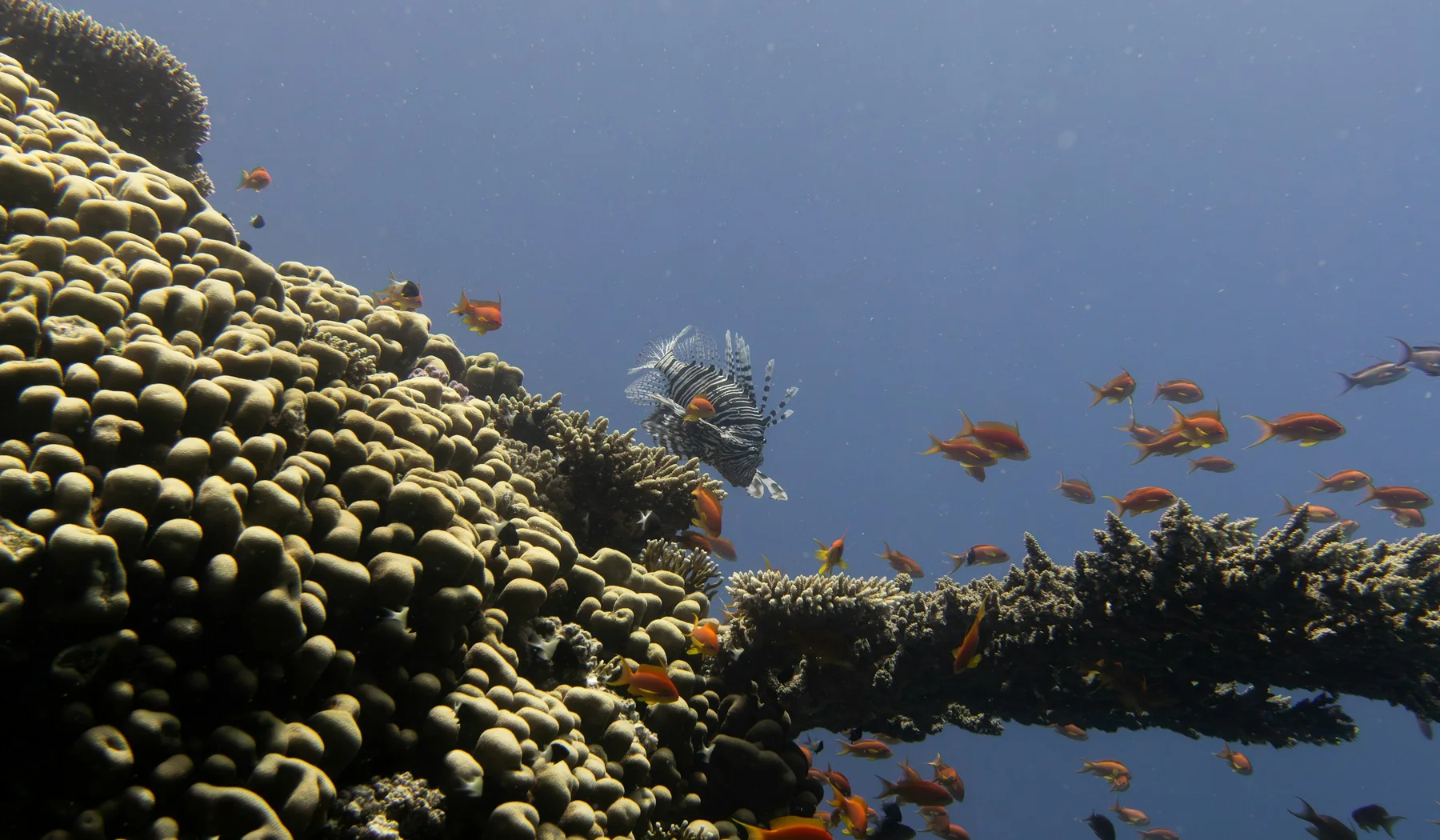
The three names appear in the same coast brochure, yet they create very different water days. Diani often means a long southern excursion toward Shimoni and Kisite-Mpunguti. Watamu places reef lagoons, the marine park and dive centres close to the hotel zone. Malindi combines its own marine protected area with a busier town and easy access to the northern coast.
This snorkelling and diving comparison starts with the person entering the water. A first-time snorkeller with an anxious child needs a different boat and site from a certified diver hoping for two morning dives. The right base depends on sea conditions, operator quality, reef access, group ability, hotel location, park fees and what else the holiday should include.
Start with the honest three-way answer
Choose Diani when you want a south-coast beach holiday with the option of a full Kisite-Mpunguti and Wasini day. Choose Watamu when marine activities should sit at the centre of several days. Choose Malindi when town, heritage, beach and its marine park need to share the itinerary.
| Base | Strong first reason | Main planning caution |
|---|---|---|
| Diani | Beach stay plus Kisite excursion | Long road and boat day |
| Watamu | Marine park and dive-centre concentration | Exact lagoon, tide and site matter |
| Malindi | Town, marine park and northern-coast access | Conditions vary by site and season |
Separate snorkelling from scuba diving
Snorkelling keeps the swimmer at the surface with mask, snorkel and fins. Scuba uses a breathing system and requires training, supervision and medical screening appropriate to the activity. A destination described as good for snorkelling is not automatically the best place for a certified diver.
Compare the real marine areas
Diani itself is a hotel base rather than the name of one protected marine park. Many signature excursions travel south to Shimoni for Kisite-Mpunguti. Watamu and Malindi each have named marine national parks and reserves managed by Kenya Wildlife Service.
Choose Diani for a beach holiday with a big marine day
The Diani Beach guide explains the resort strip, Galu and southern end. Diani works well when most days are for the beach and one carefully chosen day goes to Kisite-Mpunguti.
Understand the Diani to Kisite route
A typical Kisite day begins with a road journey toward Shimoni, then a boat into the marine protected area. It may include snorkelling, wildlife watching and a Wasini meal or visit. The exact jetty, boat, group size and lunch are operator decisions, not automatic park inclusions.
Read Kisite-Mpunguti as park plus reserve
KWS describes Kisite Marine National Park as a fully protected no-take zone and Mpunguti Marine National Reserve as an area allowing controlled use. The protected area includes reefs, coral islands and bird habitat. Visitors must follow the live park rules and marine-wildlife code.
Never promise dolphins at Kisite
KWS lists dolphins among the area’s wildlife attractions, but animals move freely. A responsible operator does not chase, crowd, feed or guarantee them. Judge the day by reef care, safe boating and the complete experience, not a sighting promise.
Choose Watamu when the marine park should shape several days
Watamu offers reef-protected lagoons, boat snorkelling, diving, beaches, Mida Creek and marine-conservation experiences within one destination. That makes it easier to keep a weather-dependent activity movable rather than staking the whole holiday on one day.
The Watamu hotels and resorts comparison is already linked here so hotel position and marine access can be planned together.
| Watamu strength | Ask |
|---|---|
| Several marine days | Which days and sites suit conditions? |
| Lagoon and boat options | Shore or boat entry? |
| Conservation context | Which visit supports credible work? |
| Malindi Airport access | Hotel transfer and bags |
Understand Watamu Marine National Park and Reserve
KWS describes Watamu Marine National Park as a no-take zone within a wider reserve that includes controlled use and Mida Creek. The protected area contains reef, lagoon, seagrass and mangrove systems. One excursion cannot represent every habitat.
Match the Watamu hotel to the water plan
Watamu hotels sit in different bays and beach sections. A room described as beachfront may not place a dive boat at the door. Ask where the operator collects guests, whether equipment is stored at the centre and how tide affects boarding.
Use Malindi for marine days with town and heritage
Malindi can combine its marine park with the Vasco da Gama Pillar area, old-town history, restaurants and a broader urban base. It suits travellers who want the sea to share the week with town life rather than dominate every day.
The Malindi hotels and resorts comparison separates town, marine-park and resort positions.
Understand Malindi Marine National Park and Reserve
KWS records Malindi Marine National Park and Reserve as part of a protected seascape with reefs, coral gardens, seagrass, mangroves, mudflats and marine wildlife. The management plan distinguishes the park, reserve and adjacent coastline rather than treating “Malindi reef” as one site.
Compare Diani, Watamu and Malindi in one table
Choose by snorkelling access
Ask whether snorkelling begins from shore, a short boat ride or a full road-and-boat excursion. A beautiful reef that requires a difficult ladder may be wrong for a weak swimmer. A close lagoon may offer a calmer introduction when tide and sea state cooperate.
| Access | Best for | Watch |
|---|---|---|
| Shore entry | Confident swimmer in known area | Tide, reef and lifeguard |
| Glass-bottom boat | Non-swimmer or mixed group | Viewing quality and capacity |
| Short boat snorkel | First guided experience | Ladder and flotation |
| Full-day dhow or boat | Kisite-style excursion | Heat, road, duration and toilet |
Choose by scuba depth and experience
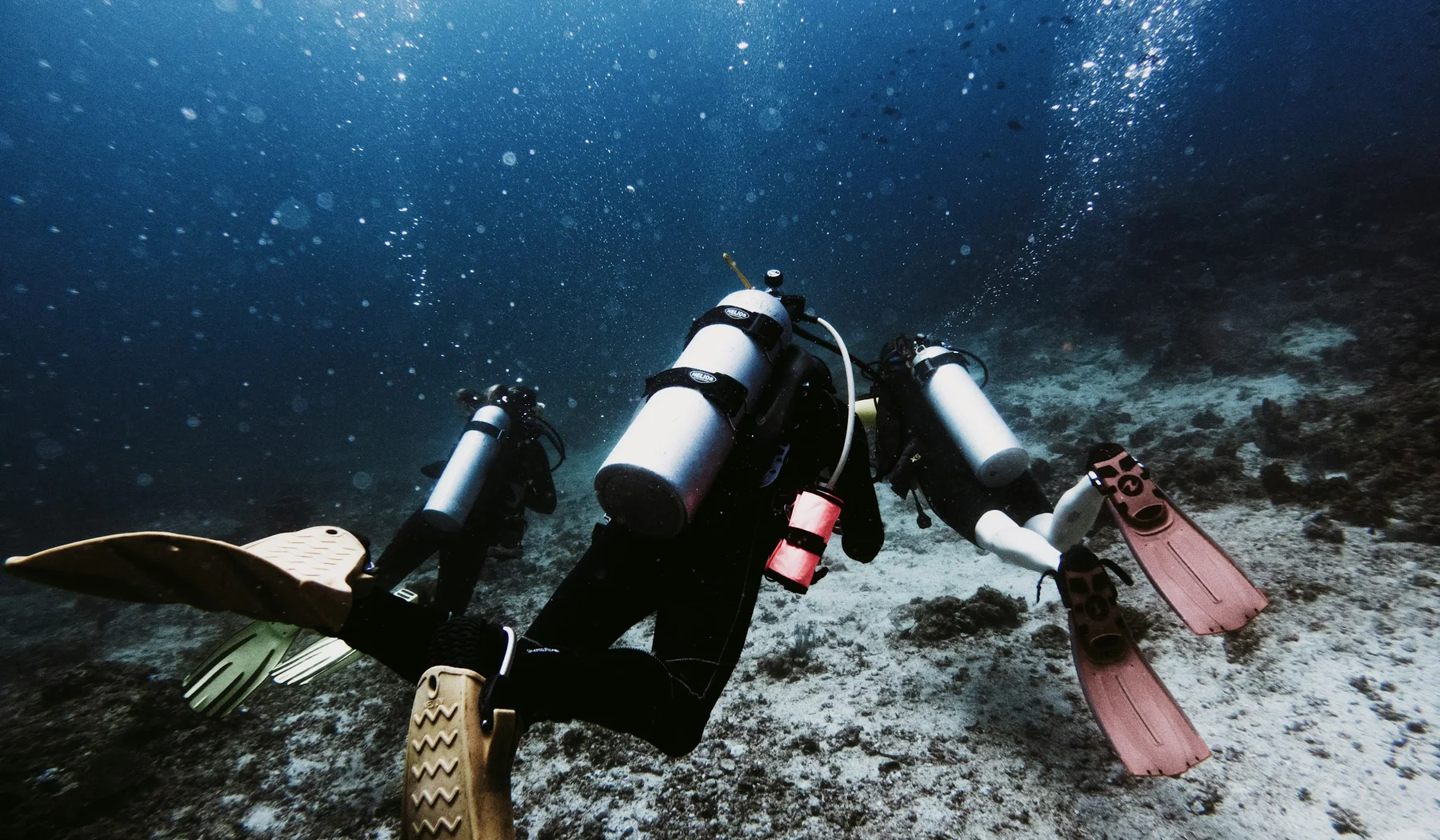
Do not select a base from a list of named sites alone. A certified beginner needs sites within training, recent experience and comfort. An advanced diver may want current, depth or overhead features that require additional qualifications and local assessment.
| Diver | Operator must check |
|---|---|
| Newly certified | Depth, calm site and close supervision |
| Experienced but rusty | Refresher and skills check |
| Advanced | Certification, logs and site conditions |
| Rescue or professional | Personal goals, not title alone |
| Technical diver | Specialist centre, gases and emergency plan |
Treat a discovery dive as training, not a ride
An introductory scuba experience should include medical questions, equipment fitting, theory, confined-water skills and close instructor control. It is not a shortcut to an advanced reef.
Decide whether to complete certification at the coast
A full course uses several holiday days and depends on study, confined-water work and open-water conditions. Referral training can complete theory and pool skills at home, then conduct qualifying dives with a properly affiliated centre in Kenya.
Check the dive centre before the destination
The best town cannot rescue a weak operator. Ask for training affiliation, instructor and divemaster credentials, compressor practice, cylinder inspection, oxygen, first aid, communications, boat safety and a written emergency-assistance plan.
Ask who owns the boat
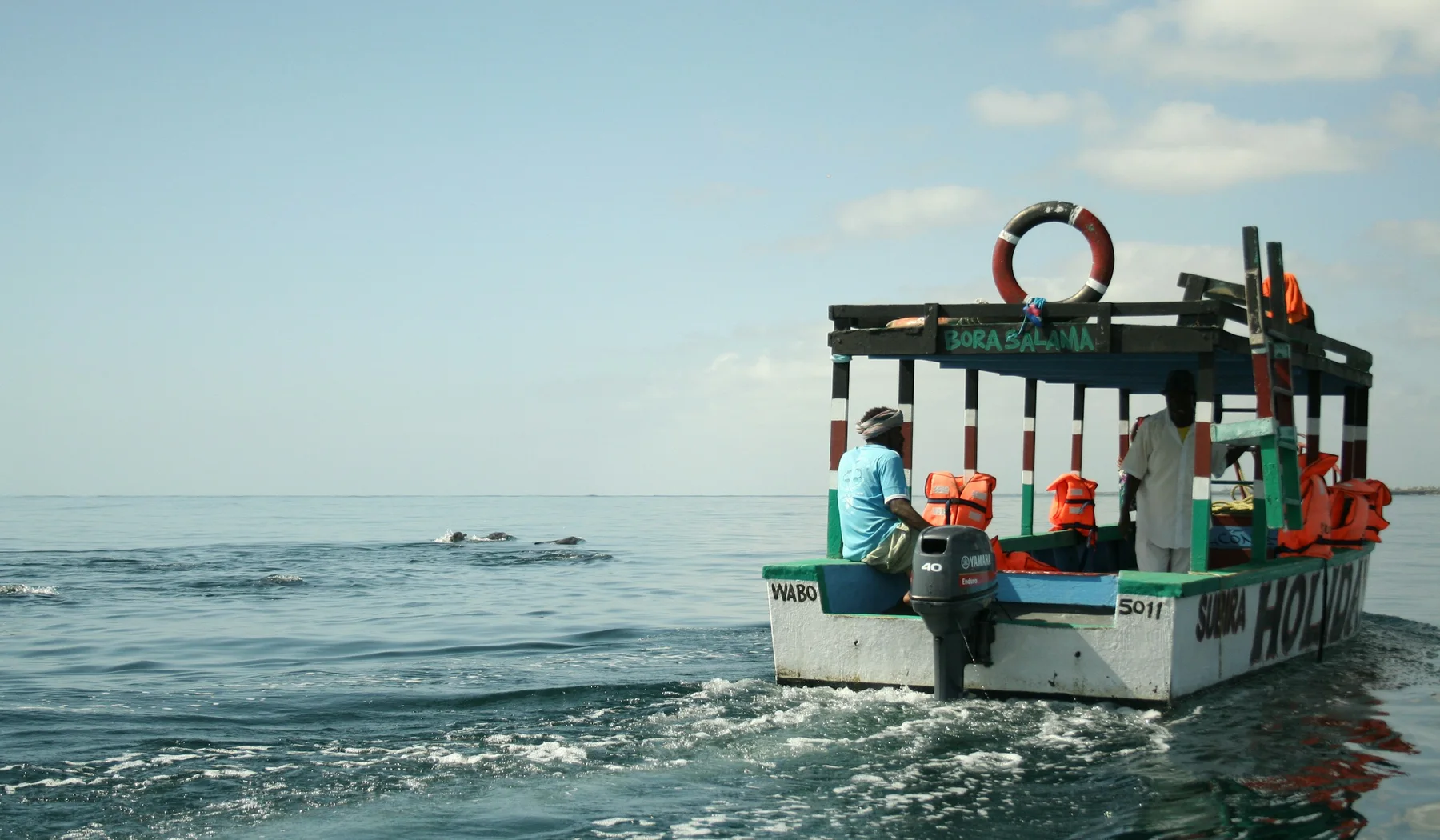
Some centres operate their own boats. Others hire local vessels. Either can work when responsibility is clear. The operator selling the trip should name the captain, capacity, shade, ladder, life jackets, oxygen and weather decision-maker.
Put life jackets and flotation in the brief
A snorkel vest is not the same as a life jacket. Children, non-swimmers and nervous guests may need different equipment. Ask whether flotation is available in the correct size and whether guides carry rescue aids.
Treat children as individual swimmers
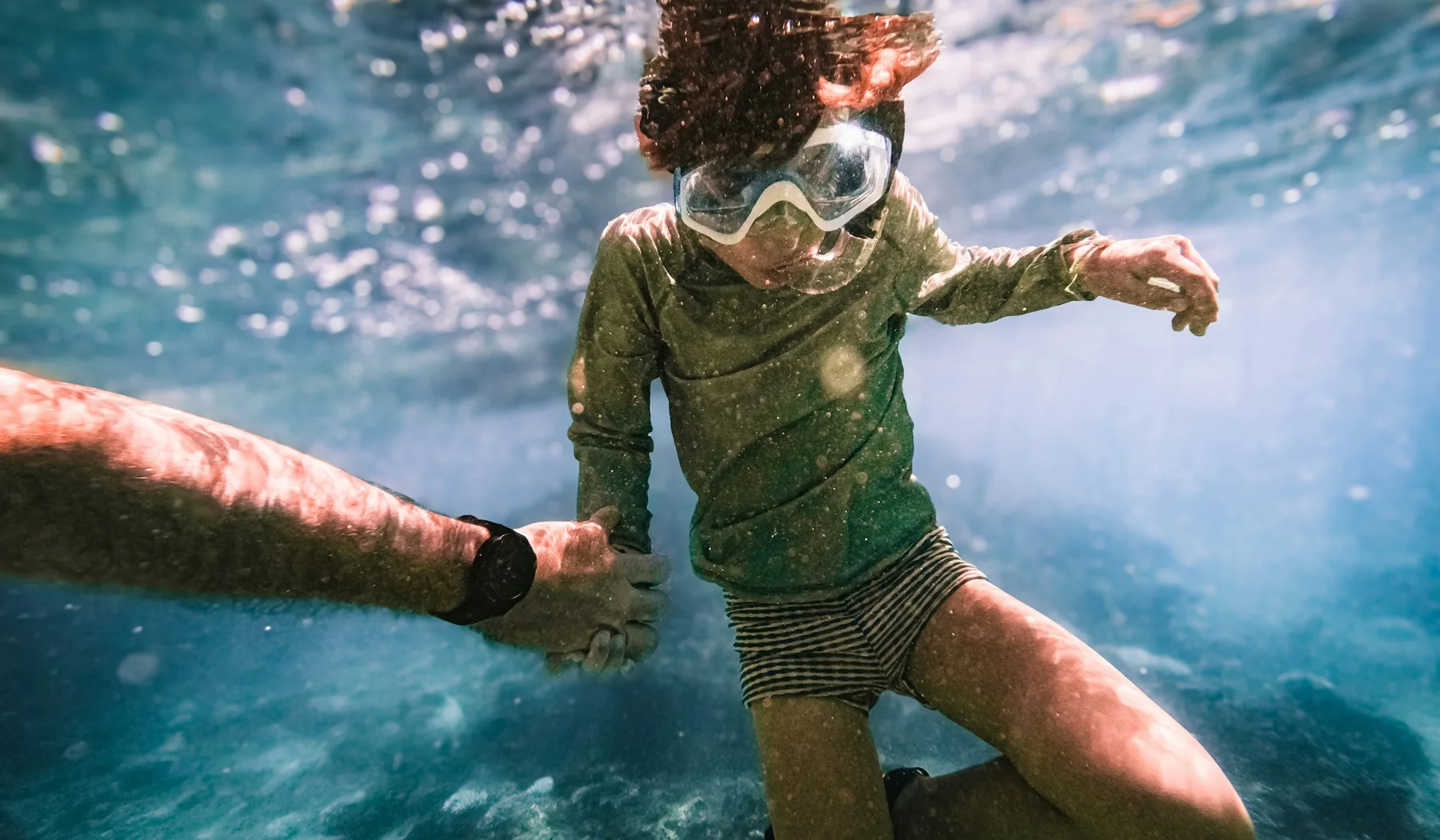
Age is only one factor. Consider swimming ability, mask comfort, cold, sun, boat fear, seasickness and whether an adult can supervise without also managing a camera. The Kenya safari with children guide helps balance the marine day with the rest of the holiday.
| Child question | Why |
|---|---|
| Can they float calmly? | Water confidence |
| Will the mask seal? | Comfort and vision |
| Can they climb the ladder? | Boat re-entry |
| How long can they stay out? | Fatigue and cold |
| Who supervises? | One clear adult |
Give non-swimmers a real experience
A non-swimmer should not be pressured into deep water because the trip was expensive. Compare glass-bottom viewing, a boat ride, a sandbank when safely exposed, a shoreline nature walk or staying aboard with shade and a life jacket.
| Alternative | Confirm |
|---|---|
| Glass-bottom viewing | Water clarity and viewing panel |
| Boat wildlife watch | Ethical approach and seating |
| Sandbank stop | Tide, landing and footwear |
| Wasini visit | Walking, meal and access |
| Mida Creek | Boat type and tidal route |
Plan for limited mobility from room to reef
Accessibility includes hotel path, vehicle, jetty, boat edge, ladder, water entry and toilet. A guest may enjoy the boat but not enter the sea. Record what dignity and comfort look like rather than promising a generic “accessible excursion.”
Use the accessible Kenya safaris guide to map every transfer.
Choose the hotel after choosing the activity rhythm
A dive-focused traveller benefits from early breakfast, gear storage and a short centre pickup. A family may prefer pools, shallow beach access and flexible meals. A Kisite day from Diani needs an early departure and a calm evening afterward.
Compare hotels by exact coast zone
Use the Diani hotel comparison and Malindi hotel comparison before accepting a generic transfer. A hotel at one end of the destination can add meaningful road time.
Arrive through the airport that matches the base
Ukunda Airport is closest to Diani. Malindi Airport can serve both Malindi and Watamu. Moi International Airport offers broader Mombasa access but longer road transfers to these areas. Compare the Diani Airport guide and Malindi Airport guide.
Connect safari and diving in the right order
The safari-to-beach transfer guide explains flight, train and road choices. Safari first often keeps the final coast days flexible. Diving before a flight or high-altitude road needs special planning.
Follow no-fly guidance after scuba diving
Divers Alert Network recommends a minimum 12-hour preflight surface interval after one no-decompression dive and 18 hours after multiple dives in a day or on multiple days. DAN advises a substantially longer interval after dives requiring decompression stops. These are minimum recommendations, not guarantees.
Include high-altitude road travel in the dive plan
Flying is not the only altitude exposure. A road journey from the coast into Kenya’s highlands can also matter after diving. Give the dive professional the exact onward route and follow current dive-computer, agency and medical guidance.
Complete the medical form honestly
Scuba medical screening can identify conditions or medicines that need physician review. Do not hide asthma, heart history, seizures, pregnancy, recent surgery or medication to save a holiday day. Snorkelling also demands honest assessment of swimming, breathing and exertion.
| Health issue | Action |
|---|---|
| Positive medical-form answer | Diving physician review |
| Recent illness | Tell instructor before boat day |
| Ear or sinus problem | Do not force equalisation |
| Pregnancy | Follow medical and agency rules |
| Low fitness | Choose lower exertion and close supervision |
Protect ears before descending
Equalise early, gently and often. Pain is a stop signal, not a challenge. A cold, congestion or rushed descent can turn a paid dive into an injury.
Prepare for seasickness before the jetty
Longer Kisite days and rougher offshore conditions can be hard for a sensitive traveller. Ask a clinician or pharmacist about suitable medication and timing. Choose a stable boat, sit where the captain advises, look at the horizon and avoid a heavy breakfast.
Use reef-safe behaviour, not a marketing label
Do not stand on coral, collect shells, chase turtles, feed fish or buy wildlife products. KWS asks visitors not to damage or remove coral, shells, plants or animals. A guide should correct poor behaviour even when a guest wants a photograph.
Check sunscreen, clothing and shade
Sunburn can happen on the road, boat and water surface. Use protective clothing, shade and a sunscreen that meets the destination’s current guidance. Apply it early enough and avoid contaminating masks or rental gear.
Let the tide choose the hour
Tide changes water depth, current, boat access and the amount of reef exposed. The same lagoon can feel gentle at one hour and unsuitable at another. Ask the operator to explain the selected time for the exact site rather than stating that low or high tide is always best.
| Tide effect | Planning question |
|---|---|
| Shallow lagoon | Enough depth without standing on reef? |
| Boat channel | Safe entry and exit? |
| Current | Suitable for group ability? |
| Sandbank | Exposed safely and legally? |
| Jetty | Boarding height and mobility? |
Let wind and swell change the plan
The coast can look calm from a hotel garden while the offshore route is uncomfortable. A credible captain cancels, changes site or delays when conditions exceed the boat or group. Ask what happens to park fees, transport and payment after a weather cancellation.
Use seasons as context, not a promise
The best time to visit the Kenyan coast explains rain, wind and heat patterns. Climate averages help choose a month, but the captain and dive leader must make the day-of decision.
Ask about visibility without demanding a number
Visibility changes with plankton, tide, wind, rain, current and site. An operator can describe recent conditions and choose the best available reef. No honest person can guarantee a precise range weeks in advance.
Expect reef life, not a species checklist
KWS lists coral gardens, reef fish, turtles, dolphins and other marine wildlife across these protected areas. The mix changes by habitat and chance. A good guide teaches the difference between coral, seagrass, sand and open water instead of racing from one promised animal to another.
Treat turtle sightings as a privilege
Watamu is known for turtle habitat, and turtles also occur elsewhere along Kenya’s coast. Do not block a turtle’s route, crowd it at the surface or touch the shell. A photograph is secondary to the animal’s breathing and feeding.
Keep whale and whale-shark claims seasonal and uncertain
Migratory animals can pass the coast, but encounter windows vary and a seasonal possibility is not a sighting guarantee. Ask whether the activity is a dedicated wildlife watch, a dive with chance encounters or merely a marketing line.
Choose a mixed snorkel-and-dive boat carefully
Mixed boats help couples and families stay together, but divers and snorkellers have different sites, supervision and timing. Confirm that neither group is left waiting without shade or a guide.
Fit rental equipment before the boat day
A leaking mask, oversized BCD or tight fins can ruin a good site. Try equipment at the centre, record sizes and ask how a failed regulator or torn strap is replaced offshore.
Bring personal gear only when it earns its space
A familiar mask and computer may be worth carrying. Cylinders and weights are normally local. Compare airline allowance, maintenance, drying time and the rest of the Kenya packing guide.
Check cylinder, gas and computer practice
Certified divers should know cylinder material and size, valve type, gas, analyser process and whether each diver carries or shares a computer. Nitrox requires appropriate qualification and analysis.
Dive conservatively after a demanding safari
Early game drives, heat, road travel, alcohol and poor sleep can leave a traveller tired or dehydrated. Take a rest day if needed. The first dive is not the place to test maximum depth or air consumption.
Protect cameras without sacrificing buoyancy
An underwater camera increases task loading. A new diver should master buoyancy and awareness before chasing images. The guide must never move an animal or damage coral to stage a shot.
Price the whole marine day
Compare transport, boat, KWS entry, equipment, guide, tanks, course materials, meals, water, tips and photographs. Use the live KWS page for current fees and the Kenya safari cost guide for the full holiday budget.
Read the KWS fee category correctly
KWS uses nationality and residency categories with adult and child rates. Proof requirements matter. Do not quote a citizen rate to a visitor or assume the operator’s bundle includes the park fee.
| Fee question | Get in writing |
|---|---|
| Visitor category | Citizen, resident, African citizen or non-resident |
| Age category | Current child definition |
| Park | Exact protected area |
| Payment | Included, prepaid or paid at gate |
| Receipt | Issued to traveller |
Compare private and shared boats honestly
A private boat offers schedule control and a known group. A shared boat can be social and cost-effective. Safety depends on the vessel, captain, weather and capacity, not the word private.
| Private boat | Shared boat |
|---|---|
| Control group size | Lower per-person cost |
| Adjust pace within rules | Fixed departure |
| Easier family supervision | Mixed abilities |
| Higher total cost | More waiting possible |
Ask whether lunch shapes the whole excursion
Wasini lunches are part of many Kisite days, but menu, drinks, allergy handling and walking route vary. Watamu and Malindi half-day boats may return before lunch. Choose the experience rather than assuming every marine trip includes the same food.
Leave one marine day movable
If snorkelling or diving matters, do not place it only on the final possible morning. Book early enough to allow a weather move, while protecting no-fly time at the end.
Build a three-night Diani marine plan
Build a five-night Watamu marine plan
Build a four-night Malindi marine plan
Give the non-diving partner a complete holiday
A diver may leave before breakfast and return at lunch. The partner needs transport, hotel access and activities that do not feel like waiting. Diani’s resorts, Watamu’s creek and conservation options, and Malindi’s town and heritage produce different answers.
Read traveller reviews for conditions and organisation
One Watamu reviewer called the park a “beautiful experience suitable for everyone” and said the reef was “close to the shore” on the Watamu Marine Park review page. That is one family’s experience in a named month, not proof that every sea day suits every child.
Another recent Watamu visitor described a “very well protected marine park” with “so much sea creatures.” Read the full review to understand the boat and conditions, then ask the operator what has been seen recently without turning it into a promise.
At Kisite, one family reviewer wrote “incredible snorkelling” and “delicious food” on the independent Kisite-Mpunguti review page. Another called it their “3rd time to Kisite” and praised the “boat ride.” Those clues support the full-day experience, while the long road, boat comfort and ethical wildlife practice still need checking.
Use negative reviews as design questions
A complaint about fees may reveal that the traveller did not understand park entry. A poor-visibility review may describe one tide or season. A crowded-boat review should lead to questions about capacity and guide ratio. Do not average unlike trips into one verdict.
Prefer independent visual accounts to promotional reels
Look for videos that show boarding, shade, ladders, equipment and time on the water, not only a dolphin clip. A useful review names the date, base, operator relationship and whether the creator paid. Hotel or park videos can show facilities, but should be labelled as first-party material.
Check conservation claims before paying a premium
Ask who runs the programme, what permission exists, where the money goes and whether animals are handled. KWS has reported current coral-restoration work in Watamu, but a hotel using “reef restoration” in a package should still identify the partner and activity.
Do not buy shells or marine curios
KWS advises visitors not to buy shells or other marine-life products because demand drives removal. Choose locally made crafts with a clear artisan story instead of coral, shell, turtle shell or unknown animal material.
Keep the reef free of food
Feeding fish changes behaviour, concentrates animals and can damage the ecological experience. Do not select an operator because photographs show fish swarming around bread.
Compare marine activity with the full holiday
The Kenya safari and beach packages guide helps decide how many coast nights remain after safari. A full Kisite day may be perfect in a week at Diani and too much in a two-night stop.
Add Mombasa only when the route or hotel makes it useful
Mombasa has its own marine park and dive options, but it is outside this Diani, Watamu and Malindi comparison. Use the Mombasa diving and snorkelling guide when a north-coast or city hotel is already booked.
Insure the activity you actually booked
General travel insurance may exclude scuba, depth, training or emergency recompression. Tell the insurer the certification, planned maximum depth, equipment, boat activity and onward travel. Keep receipts and the operator’s incident record.
Log the dive before leaving the centre
Record site, time, depth, gas, guide and conditions while the details are fresh. Keep certification, medical information and no-fly time accessible. A complete log supports safe repetitive diving and future planning.
Compare the complete proposals line by line
Complete the marine brief
Run the final operator check
Run the 24-hour conditions check
Frequently asked questions about snorkelling and diving
Choose the coast that fits the people in the water
There is no winner for every traveller. Diani gives a broad beach holiday and a serious southern marine excursion. Watamu makes reef, creek and dive planning easy to repeat. Malindi blends its protected marine area with town and heritage.
The best snorkelling and diving plan names the protected area, operator, boat, site, guide, conditions and full cost, then leaves wildlife free to surprise you.
Plan your Kenya marine stay
Share dates, swimmers, divers, children, hotel, access needs and onward travel.