
Laikipia Conservancies Compared: Lewa, Borana, Loisaba, Ol Jogi, Segera, Mugie, Sosian and Suyian
Compare Lewa, Borana, Loisaba, Ol Jogi, Segera, Mugie, Sosian and Suyian by wildlife, privacy, accommodation, activities, access and the way you actually like to travel.
- The eight conservancies at a glance
- Laikipia is a region, not one reserve
- First choose the experience, then the name
- Lewa: the established rhino and Grevy’s zebra choice
- Borana: hills, horses and the Lewa-Borana landscape
- Loisaba: escarpment views, star beds and active days
- Ol Jogi: an entire conservancy to one travelling party
- Segera: wildlife, art and regeneration in the same frame
- Mugie: remote variety and a wonderfully unconventional day
- Sosian: a ranch home for riders and active families
- Suyian: the newest design-led private wilderness
- The wildlife comparison needs honest language
- Which conservancy has the fewest vehicles?
- Which is best for horse riding?
- Which is best for families?
- Which is best for a honeymoon?
- Conservation access is not a performance
- How many nights should you stay?
- Should you combine two Laikipia conservancies?
- Fly or drive between conservancies?
- How cost changes across the eight
- Season changes the land, not the identity
- A practical decision table
- Frequently asked questions
- The best Laikipia conservancy is the one that changes your days
The difficult part of planning Laikipia is not finding a beautiful conservancy. It is choosing between eight places that are all beautiful for completely different reasons.
Lewa may put rhinos and Grevy's zebras at the centre of the trip. Borana adds a strong ranch character, hills and horseback country. Loisaba opens into escarpments, star beds and a recently restored rhino story. Ol Jogi is an entire conservancy taken privately. Segera combines wildlife with art, design and regeneration. Mugie feels remote, varied and wonderfully unconventional. Sosian is a warm ranch home with serious riding. Suyian is the new ultra-luxury arrival on a vast, exclusive wilderness.
Laikipia conservancies compared only by room price will look confusing. Compare the land, wildlife priorities, number of resident properties, guiding style, activities and transfer logic first. The right answer is rarely “the most luxurious”. It is the place where your days will unfold in the way you actually enjoy.
The eight conservancies at a glance
| Conservancy | Strongest identity | Accommodation pattern | Often suits |
|---|---|---|---|
| Lewa | Established rhino conservation and reliable all-round safari country | Several independent lodges and camps | First Laikipia visit, rhino focus, mixed-age families |
| Borana | Hills, working-ranch character, riding and the connected Lewa-Borana landscape | A small collection of lodges and exclusive houses | Riders, active travellers, repeat safari guests |
| Loisaba | Northern escarpments, star beds, varied activities and returning rhinos | Several complementary properties | Couples, families, active travellers, scenery lovers |
| Ol Jogi | Entire conservancy and private home taken exclusively | One eleven-bedroom exclusive-use home | Large families, celebrations, maximum privacy |
| Segera | Art, design, wellness, community programmes and regenerated wildlife habitat | One private retreat | Honeymoons, art lovers, wellness and conservation interest |
| Mugie | Remote working landscape, predators, unusual activities and emerging tourism | Lodge stay plus pre-booked camping options | Return travellers, families, birders, curious generalists |
| Sosian | Hosted ranch house, horses, waterfall and adventure | One intimate lodge | Riders, families, sociable guests, active safaris |
| Suyian | New ultra-luxury lodge on a sole-operator conservancy | Thirteen suites and one family suite | Couples, design lovers, privacy seekers, long stays |
This table is a doorway, not a verdict. Wildlife moves, activities can depend on weather and a property may change its operating dates or inclusions. The sections below explain the differences that survive beyond a single season.
Laikipia is a region, not one reserve
Laikipia spreads north and west from the Mount Kenya area through a patchwork of private conservancies, working ranches, community land and wildlife corridors. There is no single Laikipia gate and no shared rulebook covering every property.
That matters. A night drive, horse safari, off-road sighting, conservation visit or neighbouring-conservancy excursion may be possible in one place and restricted, charged or unavailable in another. Even where two conservancies share a wildlife landscape, a guest's tourism access still follows the booked lodge and its agreements.
Use the Laikipia safari guide for the regional picture. This comparison is about choosing the right base within it.
| Question | Why it changes the choice |
|---|---|
| Is rhino viewing essential? | Lewa, Borana, Loisaba and Segera have especially important current rhino stories |
| Do you want to ride? | Horse quality, rider level, duration and age rules differ sharply |
| Is a private vehicle enough, or do you want private land? | Ol Jogi offers whole-conservancy exclusivity; other stays share land with varying numbers of guests |
| Do you enjoy activity variety? | Loisaba, Borana, Mugie and Sosian are especially strong beyond the vehicle |
| Is the lodge itself a major part of the holiday? | Segera, Ol Jogi and Suyian devote unusual attention to design, art, privacy or facilities |
| Are you travelling with children? | Room layout, minimum ages and the daily rhythm matter more than a generic family label |
First choose the experience, then the name
Imagine two mornings. In the first, you leave before sunrise to track rhinos across open country, then visit a conservation operations room after breakfast. In the second, you ride quietly through zebra herds, return to a ranch-house lunch and spend the afternoon at a waterfall. Both are Laikipia. They are not interchangeable.
| Your leading wish | Start with |
|---|---|
| Strong rhino emphasis and several lodge styles | Lewa |
| Horse riding plus Lewa-Borana range | Borana |
| Star bed, landscapes and a large activity menu | Loisaba |
| A private home and no other tourism party on the conservancy | Ol Jogi |
| Art, wellness and conservation in one retreat | Segera |
| Wild, unconventional and less familiar | Mugie |
| Serious riding and an informal hosted ranch atmosphere | Sosian |
| New ultra-luxury design and sole-operator privacy | Suyian |
Lewa: the established rhino and Grevy’s zebra choice
Lewa is the easiest of these names to recommend to a first-time Laikipia visitor because its identity is so clear. The conservancy has decades of endangered-species work behind it, an established road and guiding network, and several lodges with different characters.
Lewa's official visitor information highlights black and white rhinos, Grevy's zebras, elephants, buffalo, lions, cheetahs, wild dogs and rich birdlife. No sighting is guaranteed, but the protected rhino population and open sections give the safari a strong conservation focus. Behind-the-scenes activities can include the security operations room, tracker dogs, the elephant underpass, schools, health work and conservation education. These visits require arrangements through a resident lodge and are subject to availability.
The range of places to stay is a strength. Kifaru House is small and polished. Lewa Safari Camp offers tented comfort. Lewa House and Lewa Wilderness bring family history and hosting. Sirikoi is highly private and refined. Different properties can emphasise families, riding, conservation or complete relaxation without changing the conservancy.
| Lewa strength | Keep in mind |
|---|---|
| Mature rhino-conservation story | Do not treat any particular rhino sighting as guaranteed |
| Several accommodation styles | More beds can mean slightly more tourism activity than a one-lodge conservancy |
| Strong conservation interpretation | Specialist visits need to be requested early |
| Connected wildlife landscape with Borana | Tourism access across the boundary must still be confirmed |
Read the full Lewa Wildlife Conservancy guide before choosing the lodge, because the room, host style and activity programme matter almost as much as the land.
Borana: hills, horses and the Lewa-Borana landscape
Borana lies on the northern slopes of Mount Kenya, where high ground, valleys, rocky ridges and ranch country create a more folded landscape than Lewa's broad plains. Its conservation organisation describes a 28,000-acre protected area with black and white rhinos. A separate tourism source may state a different acreage, so use the conservancy's own current figure when comparing land management.
The fence between Lewa and Borana was removed to create a continuous rhino landscape. Wildlife can move through it. Guests should not turn that conservation fact into an automatic promise of unlimited tourism access. A day on Lewa from a Borana property can require prior arrangement, timing and an additional fee.
Borana is one of the strongest choices for active guests. Game drives and walks are joined by horse riding, mountain biking, e-biking, fly camping, conservation visits and ranch experiences. The stable keeps horses for different levels, but an honest riding conversation still matters. A nervous novice looking for a gentle hour has different needs from an experienced rider hoping to canter in open country.
| Borana is particularly good for | Ask before paying |
|---|---|
| Riders and active couples | Horse level, ride duration, weight and age rules |
| Families who want more than drives | Which activities suit each child's age |
| Travellers interested in ranch and conservation together | Which behind-the-scenes visits run on your dates |
| Guests who want access to a larger connected ecosystem | Whether Lewa entry is included or separately arranged |
Our planned Borana Conservancy guide will compare its resident properties, riding styles and transfer options in detail.
Loisaba: escarpment views, star beds and active days
Loisaba stretches across 58,000 acres in northern Laikipia. The scenery does much of the talking: high escarpments, rocky outcrops, open plains and river country create long views toward Mount Kenya and the northern hills.
Its accommodation options work together rather than repeating one another. Loisaba Tented Camp is known for the escarpment view. Lodo Springs raises privacy and service. The Star Beds turn a night into the activity, with beds rolled into open-sided platforms beneath the sky. Galago Private Canvas offers another intimate style. A split stay can work, but only when the transfer and room change add more than they take away.
Loisaba's conservation story changed when eastern black rhinos returned after their 1970s disappearance. Official Lewa reporting records the 2024 translocation of 12 black rhinos from Lewa within a wider 21-rhino move, and later white-rhino expansion added another chapter. Treat the sanctuary as a current conservation achievement, not a promise that every drive will find a rhino.
| Loisaba highlight | Best planning response |
|---|---|
| Star Beds | Reserve early and check weather, age and transfer arrangements |
| Escarpment and northern views | Give photography time outside the busiest drive hours |
| Riding, walking and varied activities | Choose three or four nights rather than squeezing everything into two |
| Rhino restoration | Ask how rhino viewing is managed and never request a guaranteed encounter |
A recent traveller wrote that the “location is very private, no 15x cars around a ‘spot’ just us and maybe one more car”. The full independent review captures the quiet that draws many people north, but vehicle numbers can still vary by sighting and season.
Our planned Loisaba Conservancy guide will separate the properties, star-bed logistics and activity rules.
Ol Jogi: an entire conservancy to one travelling party
Ol Jogi is not simply a lodge with a private vehicle. Booking the home reserves the 58,000-acre conservancy exclusively for one travelling party. The eleven bedrooms are arranged across cottages near the shared spaces, making it a natural fit for a large family, several couples or a milestone gathering.
Privacy is only one part of the identity. Ol Jogi's official activity list includes game drives, walks, canyon exploring, a rhino orphanage, veterinary clinic, wildlife rescue centre, conservation security, school visits and a wildlife-viewing tunnel from the house. Special requests can extend into helicopters, riding, fishing, camping or expert-led days.
Some rescue-centre animals may be under human care for welfare reasons. That is different from a wild sighting and should be described honestly, especially to children. A responsible visit asks what happened to an animal, what rehabilitation is possible and how the wider programme protects wild populations.
| Ol Jogi works brilliantly when | It may be the wrong fit when |
|---|---|
| A group can use the full house | A couple wants a conventional per-person lodge rate |
| Privacy is the main luxury | Social lodge atmosphere is part of the fun |
| Conservation access matters | The trip needs a simple two-night stop |
| Several generations need many facilities | The budget is better spent on a longer multi-park journey |
The value calculation belongs at group level. An apparently high house rate can be more understandable when spread across occupied rooms, while a partly used house can remain extraordinarily expensive.
Segera: wildlife, art and regeneration in the same frame
Segera is a 50,000-acre private conservancy and retreat where the lodge is deliberately part gallery, part garden, part wellness space and part conservation base. It suits travellers who want morning wildlife without pretending the hours between drives do not exist.
Its experience menu includes art, community and conservation visits, stargazing, solar tours, walking with a herbalist, meditation, wellness, sleep-outs and helicopter trips. The Zeitz Foundation programmes and the retreat's contemporary African art collection make the conversations feel different from a standard safari stop.
Wildlife is not an afterthought. Segera's official wildlife information describes lions, leopards, cheetahs, hyenas, elephants and rare species. In 2025, eastern black rhinos returned to a new sanctuary after a 60-year absence. That makes Segera part of Laikipia's expanding network of secure rhino habitat.
| Choose Segera for | Do not assume |
|---|---|
| A honeymoon balancing drives and private lodge time | Art and wellness mean weak wildlife |
| Contemporary African art and thoughtful design | Every conservation activity runs daily |
| Regeneration and community programmes | Rhino presence guarantees an easy sighting |
| A single retreat with low tourism density | The experience will feel like a rustic bush camp |
An independent guest reviewing Segera said, “Being on private land meant we didn't see other vehicles when out on drives.” The complete review and discussion also describes the service, setting and conservation focus. One stay cannot predict another, but it explains why privacy is central to Segera's appeal.
Mugie: remote variety and a wonderfully unconventional day
Mugie covers about 200 square kilometres in north-western Laikipia and helps connect the plateau with the Rift Valley and northern landscapes. It is a working conservation area rather than a safari stage set, with livestock, wildlife corridors, community programmes and an A4 road that creates real management challenges.
Mugie's character comes from variety. Its official tourism material lists a nine-hole golf course, bloodhound tracking, community-office visits, cultural boma visits and camping. Wildlife work includes corridor monitoring, carnivore conservation and habitat protection. More than 350 bird species are recorded on the conservancy's birding page.
Golf sounds like a novelty until giraffes or antelope cross the fairway. The bloodhound experience is more meaningful when the guide explains how the dogs support security. It may be cancelled if the K9 unit is needed for an incident, which is exactly as it should be.
| Mugie experience | Important detail |
|---|---|
| Golf among wildlife | It is a nine-hole bush course, not a resort championship course |
| Bloodhound tracking | Pre-booked and operational work takes priority |
| Pokot or Samburu cultural visit | Book ahead and confirm that community payments go through the agreed group |
| Wild dog and predator interest | Packs range widely and sightings remain uncertain |
| Ol Keju camping | Confirm equipment, water, food, vehicle and check-in rules |
Mugie rewards the traveller who enjoys finding a place before it becomes familiar. It is less suitable for someone who wants every hour polished into the same luxury rhythm.
Sosian: a ranch home for riders and active families
Sosian is a 24,000-acre wildlife conservancy and working ranch with one lodge in a restored ranch house. The atmosphere is elegant but informal. Guests tend to meet around meals, share the day's stories and choose among drives, walks, horses, camel outings, fishing, cycling, waterfall time and sleep-outs according to current conditions.
Riding is a genuine pillar here, not a token pony circuit. Experienced riders can build longer days or multi-day plans, while novice suitability must be discussed clearly. One 2026 traveller warned, “If you plan to ride horses, you must be advanced experienced riders.” The original Sosian review refers to that guest's particular rides, so ask what is available for your ability rather than treating the comment as a universal rule.
The ranch model is also part of the education. Carefully managed cattle and wildlife share the landscape. That creates conversations about grazing, water, predators and livelihoods that a purely photographic safari may never reach.
| Sosian is strong for | Check carefully |
|---|---|
| Experienced riders | Horse allocation and required ability |
| Families with active teenagers | Age and swimming ability for waterfall activities |
| Guests who enjoy warm shared hosting | Private dining and completely secluded days if required |
| A four or five-night immersive stay | Transfer time from the previous conservancy |
Suyian: the newest design-led private wilderness
Suyian Conservancy covers 44,000 acres in north-western Laikipia. Its sole tourism operator opened a new lodge with thirteen two-person suites and one family suite. Each suite has extensive living space and a private plunge pool, so the property fits travellers who want the room to be a destination rather than somewhere visited only after dark.
The conservancy's old cattle-ranch history, kopjes, Ewaso Narok river country and rare northern wildlife give the setting substance. Official lodge materials place game drives and guided nature walks at the centre of the included daily programme. Other active or cultural experiences should be confirmed against the current activity sheet rather than copied from an old launch announcement.
Suyian is new enough that some travel impressions will reflect opening-year energy. That can mean beautiful infrastructure and a fresh team, while travellers who prefer decades of established lodge tradition may lean toward Lewa, Borana or Sosian.
| Suyian advantage | Planning question |
|---|---|
| Sole tourism operator on a very large conservancy | How many vehicles and guests operate during your dates? |
| Large suites and strong privacy | Is the room experience worth the rate for a drive-heavy traveller? |
| One family suite | Does its exact bedroom layout suit the children's ages? |
| New design and wellness facilities | Which experiences are included and which cost extra? |
Do not book Suyian only for the possibility of a melanistic leopard. Black leopards are real, individual wild animals with changing ranges. No ethical guide can promise one.
The wildlife comparison needs honest language
Laikipia wildlife does not arrange itself according to a brochure. Rhinos can be closely monitored and still hidden in scrub. Wild dogs can spend a week near camp and then travel beyond the day's route. Leopards can become familiar to guides and disappear overnight.
| Wildlife interest | Strong places to discuss first | Honest caveat |
|---|---|---|
| Black and white rhinos | Lewa and Borana | Habitat, monitoring and time still affect sightings |
| Newer rhino sanctuary story | Loisaba and Segera | Populations are managed for conservation, not visitor convenience |
| Grevy's zebra | Lewa and northern Laikipia properties | Distribution changes with water and grazing |
| Wild dog | Loisaba, Mugie, Sosian and Suyian region | Packs cover enormous ranges |
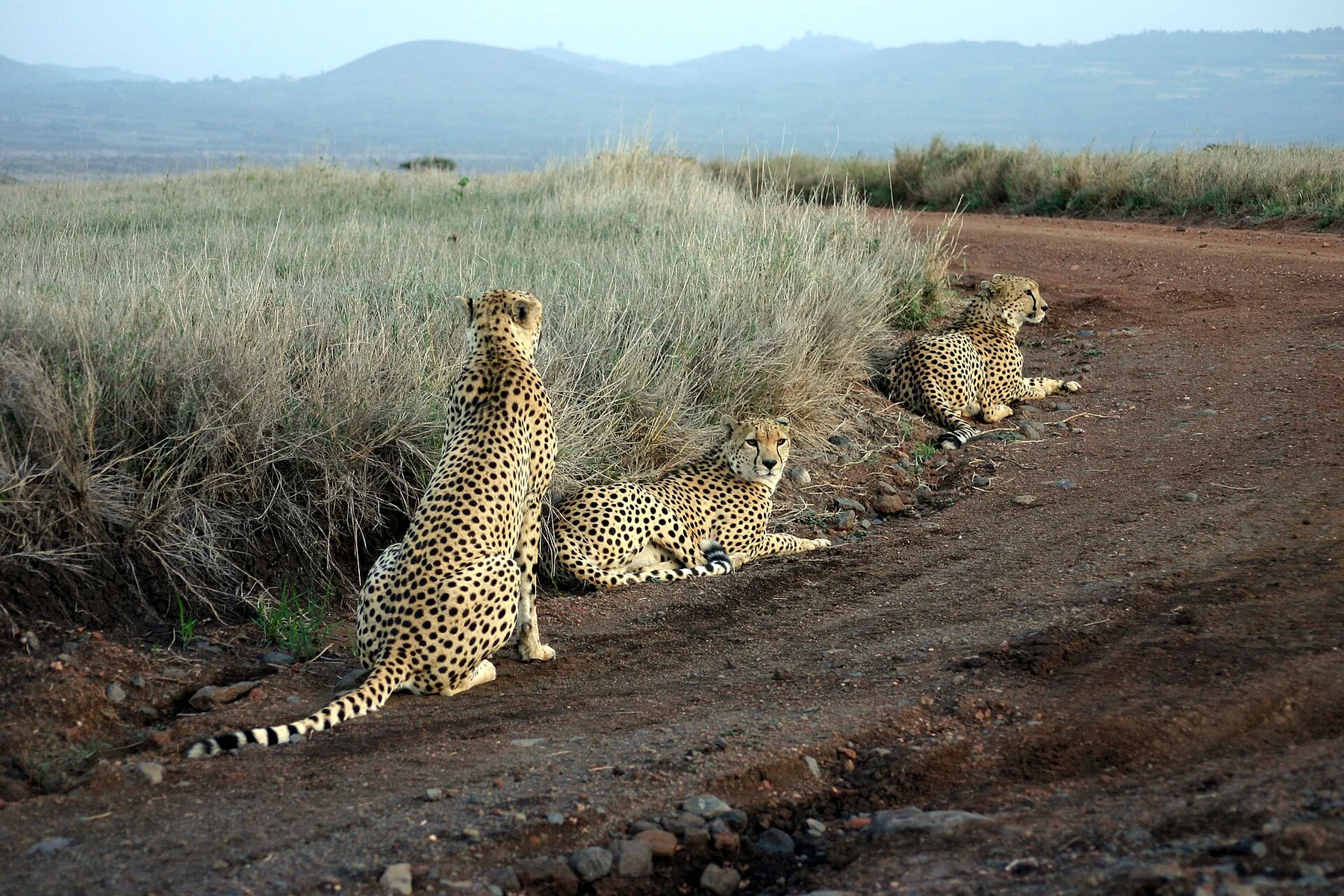
| Big cats | All eight have predator potential | Density and current territories differ |
| Melanistic leopard | Wider western Laikipia | Never choose a lodge on a guarantee |
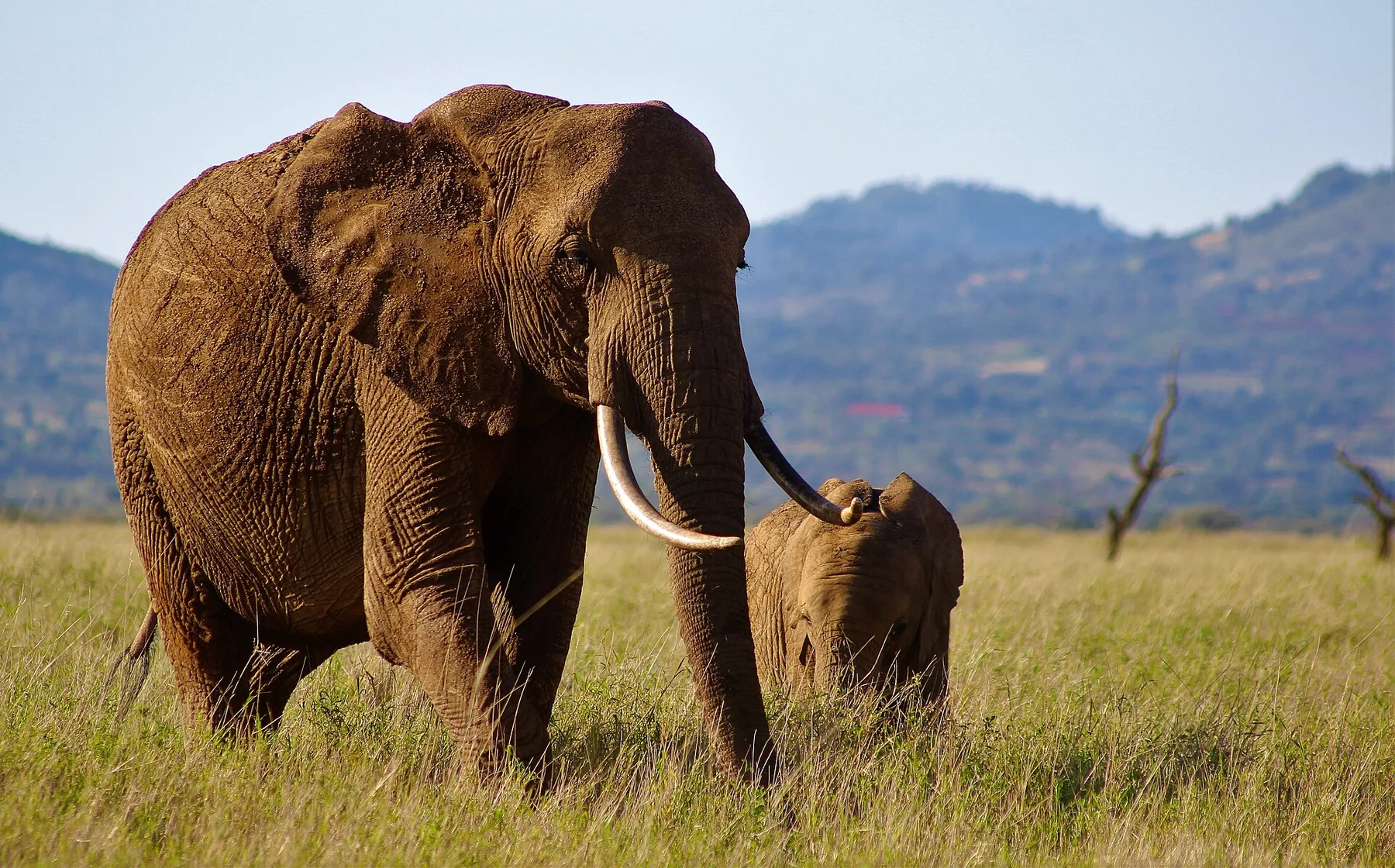
| Elephants | All eight within connected Laikipia systems | Seasonal movement changes concentration |
| Birding | All eight, with Mugie and Lewa publishing strong lists | A specialist guide matters more than a long checklist |
Which conservancy has the fewest vehicles?
Ol Jogi gives one group exclusive use of the whole conservancy, which is the clearest answer. Suyian has one lodge and sole tourism operations. Segera and Sosian each have one principal retreat or lodge. Loisaba has several properties under coordinated operations. Lewa and Borana have more resident accommodation choices.
Fewer vehicles does not automatically mean better guiding or more wildlife. It changes the feel of a sighting. A respectful guide, sensible positioning and enough time can make three vehicles feel calm. One aggressive vehicle can spoil the moment.
| Privacy type | What it actually means |
|---|---|
| Private vehicle | Your party controls its own vehicle and schedule |
| Private villa or house | Bedrooms and shared spaces are exclusive, land may still be shared |
| One-lodge conservancy | Very low tourism density, but other lodge guests use the land |
| Exclusive conservancy | No other tourism party is present during your booking |
Which is best for horse riding?
Start with Borana or Sosian. Both have deep riding identities, suitable terrain and the ability to build more than a short introductory ride. Loisaba, Suyian and some Lewa properties can also offer riding, but the current horses, age rules and rider levels must be matched.
Send the planner four facts: each rider's recent experience, comfort at trot and canter, preferred duration, and any weight or mobility consideration. “Experienced” means very different things to different people.
| Rider | Best conversation |
|---|---|
| First-time rider | A controlled introductory ride with a quiet horse |
| Comfortable trail rider | A longer mixed-terrain ride with wildlife distance rules |
| Advanced rider | Faster work only where terrain, wildlife and guide judgement allow |
| Mixed family | Split rides or alternative activities rather than forcing one level |
Which is best for families?
There is no single winner. Lewa offers lodge choice and educational conservation visits. Borana combines family houses with cycling, walking and horses. Loisaba adds star beds and active days. Ol Jogi gives a large family complete control. Mugie has unusual activities. Sosian works beautifully for outdoorsy children. Suyian has a dedicated family suite.
The real questions are room separation, pool safety, drive flexibility, minimum ages, private vehicle, meal timing and how much the children enjoy long wildlife searches. The Kenya safari with children guide helps turn a family label into a practical room and daily plan.
Which is best for a honeymoon?
Segera and Suyian lead when the room, privacy, wellness and design matter as much as the drives. Loisaba can create a more adventurous honeymoon with a star-bed night. Borana suits couples who ride. Lewa offers several romantic lodge styles. Ol Jogi makes sense for a private celebration group, not usually for a couple using only one room.
| Honeymoon mood | Conservancy to compare |
|---|---|
| Art, private dining and wellness | Segera |
| New design and a large private suite | Suyian |
| Star bed and active adventure | Loisaba |
| Horses and hills | Borana |
| Conservation-led classic safari | Lewa |
Conservation access is not a performance
Operations rooms, tracker dogs, rhino monitoring, veterinary teams and community programmes exist to do a job. Visitor access is valuable when it builds understanding and contributes financially, but it must bend around field priorities.
Never ask a security team to reveal sensitive rhino locations. Do not expect a veterinary intervention to be staged. Do not photograph children at a school without consent. Ask how a cultural visit was arranged and where the payment goes.
| Good conservation question | Why it helps |
|---|---|
| What can guests see without interrupting the work? | Respects operational priorities |
| Is there a direct activity contribution? | Makes the financial link clear |
| Who leads the community visit? | Centres local ownership |
| May we photograph here? | Protects dignity and security |
| What result can be measured? | Moves beyond vague “giving back” claims |
How many nights should you stay?
Three nights is the practical minimum for one Laikipia conservancy. It gives two full days, enough for wildlife and one or two special activities. Four nights is stronger for Loisaba, Borana, Sosian, Mugie, Segera or Suyian because activities begin competing for time. Ol Jogi deserves enough nights to justify taking over the whole property.
| Stay | What it feels like |
|---|---|
| Two nights | One full day, highly vulnerable to weather and transfer timing |
| Three nights | A sound first visit with two full days |
| Four nights | Wildlife, activities and unhurried lodge time can coexist |
| Five nights | Best for riders, families, photographers or whole-property stays |
Should you combine two Laikipia conservancies?
Combine only when the second place changes the experience. Lewa plus Loisaba contrasts an established rhino stronghold with northern escarpments and star beds. Borana plus Sosian can create a serious riding journey. Segera plus Mugie contrasts art-led refinement with a remote working landscape.
Do not spend four hours moving simply to repeat the same game-drive rhythm in a different room. Six nights often work better as three plus three than as two plus two plus two.
The Lewa vs Borana vs Ol Pejeta guide will make the eastern Laikipia decision more precise.
Fly or drive between conservancies?
Laikipia distances look modest on a map, but gates, road surfaces, escarpments and river crossings determine the day. A scheduled flight may use Lewa, Loisaba, Suyian or another airstrip and still require a road transfer. A private charter can solve geography at a cost.
Driving makes sense when the route is genuinely connected and the vehicle remains with the guests. Flying protects time when crossing the region or connecting with the Mara. Ask for the airstrip name, transfer time, baggage limit and whether the vehicle is private after arrival.
| Transfer question | Why it matters |
|---|---|
| Exact departure and arrival airstrip | “Fly to Laikipia” is not specific enough |
| Road time from airstrip to lodge | A short flight can hide a long transfer |
| Shared or private vehicle | Changes flexibility from the first drive |
| Baggage limit and bag type | Small aircraft commonly require soft bags |
| Conservancy entry or landing fee | May sit outside the accommodation rate |
How cost changes across the eight
The night's rate is only the first number. Add conservancy fees, private vehicle, special activities, flights, road transfers, exclusive-use minimums and single supplements. Some properties include two daily activities; another may price riding, helicopters or conservation visits separately.
Use the Laikipia safari cost guide to compare the complete stay. For now, group each option by structure.
| Cost structure | Typical examples |
|---|---|
| Per person sharing | Most lodge and camp rooms |
| Per family suite | Suyian family accommodation and some family units elsewhere |
| Exclusive house | Ol Jogi and private villas on other conservancies |
| Activity supplement | Riding, helicopters, some specialist or community experiences |
| Conservation fee | Usually charged per guest per night or day |
Season changes the land, not the identity
Dry months can make roads easier and wildlife more concentrated. Green months bring dramatic skies, fresh pasture, birds and quieter lodges, with a greater chance of road changes. Elevation makes mornings cool even when the day becomes warm.
The best time to visit Laikipia guide compares every month. Whichever season you choose, the conservancy identity remains: Lewa still leads with established conservation, Sosian still rides, Segera still makes space for art, and Loisaba still owns the horizon.
A practical decision table
| If this sentence sounds like you | Shortlist |
|---|---|
| “It is our first safari north of Mount Kenya and rhinos matter.” | Lewa, then Borana |
| “We want to ride properly, not just once around camp.” | Borana and Sosian |
| “We want a memorable sleep-out and lots of choices.” | Loisaba |
| “Our whole family wants complete privacy.” | Ol Jogi |
| “We care about art, design, wellness and conservation equally.” | Segera |
| “We have been on safari before and want somewhere unfamiliar.” | Mugie |
| “The suite should be as impressive as the landscape.” | Suyian or Segera |
| “We want the fewest possible other tourism vehicles.” | Ol Jogi, then one-lodge conservancies |
Frequently asked questions
Which Laikipia conservancy is best for a first visit?
Lewa is the clearest all-round starting point because of its established rhino conservation, lodge range and strong general wildlife. Loisaba is equally compelling when landscapes and active experiences lead.
Is Borana part of Lewa?
No. They are separately managed neighbours within one connected wildlife landscape. The boundary fence was removed for conservation, but tourism access still follows property arrangements.
Which conservancy is best for rhinos?
Lewa and Borana form a major established rhino stronghold. Loisaba and Segera now add important restored sanctuary stories.
Which conservancy has the most privacy?
Ol Jogi offers the strongest form: one travelling party reserves the whole conservancy. One-lodge properties such as Segera, Sosian and Suyian also keep tourism density very low.
Where can I sleep under the stars?
Loisaba Star Beds are the most famous fixed option. Other conservancies may arrange fly camping or sleep-outs subject to weather, age and operating rules.
Which is best for horse riding?
Borana and Sosian should lead the shortlist for riding-centred travel. Match the horse and pace to genuine recent ability.
Is Laikipia suitable for children?
Yes. Choose room layouts, private driving, flexible meals and age-appropriate activities rather than relying only on a lodge's family label.
Can I see a black leopard at Suyian?
It is possible to encounter melanistic leopards in wider Laikipia, but no conservancy or guide can ethically guarantee one.
How many nights do I need?
Three nights is a sound minimum in one conservancy. Four is better when riding, star beds, conservation visits or lodge time matter.
Should I stay in two conservancies?
Yes if the second changes the wildlife, landscape or activity mix. Otherwise, stay longer in one place.
Are all activities included?
No. Inclusions vary. Ask separately about riding, private vehicles, star beds, conservation visits, helicopters, community experiences and transfers.
Can I drive between the conservancies?
Often yes, but route time depends on the exact gates and road conditions. Compare a direct road transfer with scheduled or charter flights.
The best Laikipia conservancy is the one that changes your days
Laikipia conservancies compared properly stop looking like a row of luxury rooms. Lewa becomes a rhino landscape with deep institutional memory. Borana becomes a hill-and-horse country. Loisaba becomes an escarpment adventure. Ol Jogi becomes private stewardship at an enormous scale. Segera becomes a conversation between wildlife and art. Mugie becomes a surprise. Sosian becomes a ranch home. Suyian becomes a new wilderness retreat with room to breathe.
Choose the days you want to live, then choose the bed. We can customise a Laikipia itinerary beyond any fixed package and link it naturally with Samburu, Meru, the Mara, Mount Kenya or the coast.
Sources and further reading
Find your Laikipia conservancy
Share your dates, travellers, wildlife priorities, favourite activities and preferred privacy. We will compare the complete experience and transfer logic.