
Lewa vs Borana vs Ol Pejeta: Which Laikipia Safari Fits You?
Choose between Lewa, Borana and Ol Pejeta by the wildlife context, visitor rhythm, activities, privacy, accommodation and complete cost that fit you.
- The three choices in one table
- They are close, but not interchangeable
- First choose the kind of day you want
- Wildlife: the honest comparison
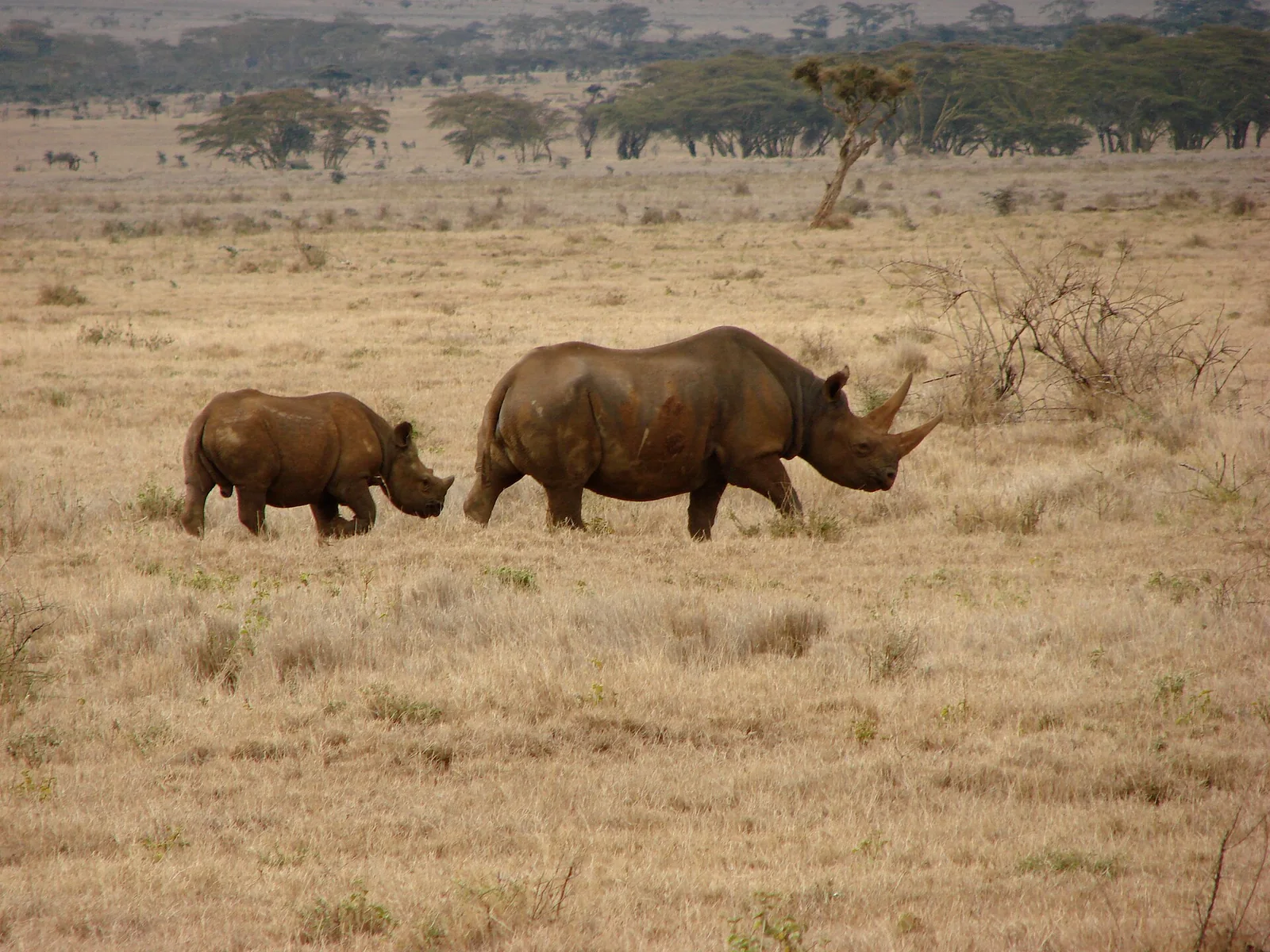
- Rhinos at Lewa
- Rhinos at Borana
- Rhinos at Ol Pejeta
- Vehicle density and privacy
- Lewa’s visitor rhythm
- Borana’s visitor rhythm
- Ol Pejeta’s visitor rhythm
- Landscapes and photography
- Conservation visits compared
- Sweetwaters Chimpanzee Sanctuary changes the Ol Pejeta choice
- Horse riding: Borana leads
- Walking, cycling and night drives
- Accommodation: Lewa
- Accommodation: Borana
- Accommodation: Ol Pejeta
- Cost structures compared
- Worked 2026 lodge-rate example
- A realistic three-night Lewa stay
- A realistic three-night Borana stay
- A realistic three-night Ol Pejeta stay
- Seasons and road conditions
- Mobility, comfort and medical needs
- Which choice pairs best with the Masai Mara or Samburu?
- Families
- Honeymoons and couples
- Photographers and birders
- First safari versus repeat safari
- Access from Nairobi
- How many nights?
- Should you combine two of them?
- The decision worksheet
- Questions to answer before paying
- The final verdict
The map makes Lewa, Borana and Ol Pejeta look like neighbours that can be chosen by whichever lodge photograph wins. On the ground, they create three very different safari days.
Lewa is an established not-for-profit conservancy with several resident lodges, a strong rhino identity and a mature conservation programme. Borana is its connected northern neighbour, where hills, riding, ranch life and an unusually broad activity list shape the stay. Ol Pejeta lies west of Nanyuki and combines a large rhino sanctuary, Big Five wildlife, rescued chimpanzees, timed conservation experiences and a much wider accommodation spectrum.
A useful Lewa vs Borana vs Ol Pejeta comparison therefore starts with the experience, not a claim that one is “best”. The right choice depends on whether you want an intimate resident-lodge safari, riding and active days, or the greatest variety of conservation visits and price points.
The three choices in one table
| Question | Lewa | Borana | Ol Pejeta |
|---|---|---|---|
| Core identity | Mature rhino conservancy with several resident lodges | Private conservancy and working ranch connected to Lewa | Not-for-profit rhino conservancy, working cattle landscape and visitor attractions |
| Landscape feel | Open plains, woodland, swamp and Mount Kenya views | Hills, valleys, rocky ridges and ranch country | Broad grassland, thicket, river and waterhole country |
| Tourism style | Resident-lodge guests | Small collection of resident properties | Resident guests plus day visitors and self-drive access |
| Signature wildlife | Black and white rhinos, Grevy's zebra and broad plains game | Rhinos in the Lewa-Borana landscape, predators and northern species | Black and white rhinos, Big Five possibilities and sanctuary animals |
| Standout activity | Conservation operations and guided wildlife days | Horse riding, cycling, walking, night drives and rhino tracking | Chimpanzees, northern white rhinos, lion tracking and rhino monitoring |
| Accommodation range | Luxury camps, lodges and private houses | Intimate lodge and exclusive houses | Camping, self-catering, large tented camp and intimate camps |
| Best for | First Laikipia visit, rhino focus, families and couples | Riders, active guests, repeat safari travellers | Conservation learners, families and mixed budgets |
They are close, but not interchangeable
Lewa and Borana share a wildlife landscape. A fence was removed so animals, including rhinos, can move across the combined area. That conservation connection does not turn the two conservancies into one tourism property. A guest staying on Borana should confirm any Lewa visit, fee and vehicle arrangement. A Lewa guest should do the same before assuming access to Borana.
Ol Pejeta is separate. It has its own gates, road network, accommodation, conservation programme and visitor tariff. Combining it with Lewa or Borana requires a road transfer around Nanyuki or a carefully arranged air movement, not a casual game drive across an internal boundary.
| Map assumption | Ground reality |
|---|---|
| Lewa and Borana are one reserve | Wildlife connects, but tourism access and property rules remain separate |
| Ol Pejeta is a district inside Lewa | It is a separate conservancy west of Nanyuki |
| One Laikipia fee covers all three | Each conservancy and property has its own structure |
| A lodge can drive anywhere in the region | Vehicle permissions and pre-arranged visits matter |
First choose the kind of day you want
Picture three mornings.
At Lewa, the guide may follow fresh black-rhino sign across open country, pause for Grevy's zebras, then take you behind the scenes at the operations room. At Borana, the day may begin on horseback, cross a ridge with Mount Kenya behind you and finish with a night drive. At Ol Pejeta, a game drive can be arranged around a fixed chimpanzee-sanctuary session or a separate visit to Najin and Fatu.
| Your strongest wish | Begin with |
|---|---|
| A classic, polished Laikipia safari with strong rhino depth | Lewa |
| Riding and varied active experiences | Borana |
| Chimpanzees and northern white rhino interpretation | Ol Pejeta |
| The broadest accommodation and budget range | Ol Pejeta |
| An intimate lodge-centred stay | Lewa or Borana |
| Day entry from Nanyuki | Ol Pejeta |
| A first conservancy visit without too many timed stops | Lewa |
Wildlife: the honest comparison
All three protect rhinos and support substantial wildlife. None can guarantee a particular wild animal.
| Wildlife interest | Lewa | Borana | Ol Pejeta |
|---|---|---|---|
| Black rhino | Major established stronghold | Part of connected Lewa-Borana population | Major sanctuary and monitoring programme |
| Southern white rhino | Present | Present | Present and often visible in open country |
| Northern white rhino | No | No | Najin and Fatu in a managed, separately bookable setting |
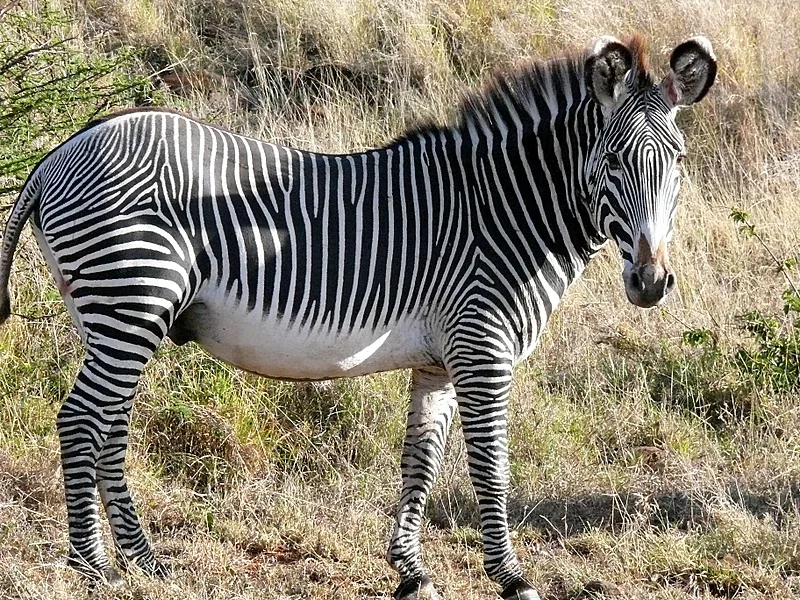
| Grevy's zebra | Strong northern-species identity | Present within connected landscape | Present, alongside common plains zebra |
| Big cats | Lion, leopard and cheetah possible | Lion, leopard and cheetah possible | Lion, leopard and cheetah possible |
| Wild dog | Possible but wide-ranging | Possible but wide-ranging | Possible but wide-ranging |
| Chimpanzees | No | No | Rescued animals at Sweetwaters Sanctuary, not native wild chimpanzees |
The strongest wildlife decision is not “where will I see everything?” It is “where can I spend enough unhurried time in habitat that interests me?”
Rhinos at Lewa
Lewa's rhino story is woven into the ordinary safari. Black and white rhinos range through the conservancy, guides know individuals and security work shapes the landscape without turning every drive into a scheduled presentation.
Black rhinos browse and often use thicker cover. White rhinos graze and can be more visible in open country. The names do not describe colour. Mouth shape, posture and feeding behaviour are more useful.
Lewa suits travellers who want rhinos to remain wild animals inside a complete safari. A conservation visit can add monitoring and security context, while most sightings still happen naturally during drives.
Rhinos at Borana
Borana's rhinos move within the connected Lewa-Borana ecosystem. Its hillier terrain changes the search. A rhino may appear below a ridge, cross a valley or remain hidden in bush despite being close.
The conservancy includes rhino tracking among its lodge activities. That does not mean guests walk freely towards any rhino. The exact format follows current safety, animal and ranger conditions. Confirm whether tracking is on foot, by vehicle or a mixture during your stay.
Borana is especially compelling when the rhino story is paired with ranch operations, riding and the question of how livestock, tourism and wildlife conservation share land.
Rhinos at Ol Pejeta
Ol Pejeta protects an internationally important eastern black-rhino population and many southern white rhinos. It also cares for Najin and Fatu, the last two living northern white rhinos.
Those are different experiences. Free-ranging black and southern white rhinos may be found on normal drives. Najin and Fatu live in a managed secure area and are visited through a separate pre-booked experience. Baraka, a blind black rhino under human care, is another managed educational encounter.
Ol Pejeta also offers bookable rhino-monitoring experiences. They can explain identification, body condition and data collection. They should not replace time watching wild behaviour.
Vehicle density and privacy
Lewa and Borana primarily serve guests staying at resident properties. Ol Pejeta also welcomes day visitors and self-drive vehicles. That makes Ol Pejeta more accessible, while busy routes near popular attractions can feel less private at certain times.
| Privacy factor | Lewa | Borana | Ol Pejeta |
|---|---|---|---|
| Day visitors | Limited access structure through conservancy arrangements | Limited and property-led | Established day-entry model |
| Resident properties | Several | Small number | Wide range |
| Self-drive tourism | Not a simple public-drive model | Not a public-drive model | Available subject to current rules and tariff |
| Private vehicle | Property-specific | Published lodge option at extra cost | Lodge or operator-specific |
| Timed attractions | Conservation visits by arrangement | Activity programme by arrangement | Several popular experiences with sessions or bookings |
A busy parking area at Sweetwaters Chimpanzee Sanctuary does not predict every Ol Pejeta game drive. A quiet morning on Lewa does not promise that no other vehicle will join a lion sighting. Compare patterns, not absolutes.
Lewa’s visitor rhythm
Most Lewa days grow from the resident lodge. The guide knows the current sightings, the lodge arranges conservation visits and meals flex around drives. There is less temptation to race between named attractions.
That rhythm suits first-time safari travellers and couples who want decisions handled quietly. It also suits families when the chosen lodge has the right room arrangement, flexible food and vehicle plan.
An independent visitor described Lewa as “a very special place”. The full traveller reviews give several perspectives on rhinos, guiding and landscape. One person's stay cannot promise another, but the repeated sense of place is useful.
Borana’s visitor rhythm
Borana asks guests to use the land. Drives compete with horses, bicycles, walks, farm visits, fly camping and conservation experiences for space in the day. Three nights can feel short when several activities matter.
The lodge publishes a broad included list in its 2026 rate, including shared day and night drives, riding, biking, walking, rhino tracking, Waitabit Farm visits and sundowners. Guests who actively use those experiences can find strong value in the headline rate.
The day can also remain simple. A rider does not have to ride every morning, and an active-lodge menu should never force a tired traveller into constant scheduling.
Ol Pejeta’s visitor rhythm
Ol Pejeta rewards a little planning. Sweetwaters Chimpanzee Sanctuary, the northern white rhino visit, lion tracking, dog tracking and other specialist activities may operate at set times or require advance booking.
The mistake is to reserve all of them. A timetable packed with conservation experiences can leave too little space for elephants, lions, wild rhinos and small discoveries between appointments.
One traveller said they were “blown away by the wildlife” after allowing several days. The original Ol Pejeta review collection also shows why longer stays work: attractions become additions to the safari, not replacements for it.
Landscapes and photography
| Visual character | Lewa | Borana | Ol Pejeta |
|---|---|---|---|
| Mount Kenya | Strong views when cloud clears | Hills can create dramatic mountain framing | Visible from eastern and open sections when clear |
| Topography | Plains, wooded areas, wetland and rolling ground | Most folded and elevated of the three | Broad plains, thickets, rivers and waterholes |
| Photography strength | Rhinos, northern species and clean open habitat | Layered ridges, horses and wildlife in varied terrain | Rhino variety, waterholes and conservation stories |
| Main challenge | Harsh midday light and mobile wildlife | Terrain can hide animals close by | Timed visits can dictate light unless planned carefully |
Photographers should request private driving, enough nights and a guide who enjoys patient positioning. No property can ignore its own off-road, animal-distance or sighting rules for a photograph.
Conservation visits compared
| Experience | Lewa | Borana | Ol Pejeta |
|---|---|---|---|
| Operations or security context | Strong behind-the-scenes programme | Conservation and ranger activities | Research, canine and monitoring activities |
| Rhino interpretation | Wild sightings and conservation work | Tracking and connected-landscape story | Wild rhinos, monitoring, Najin and Fatu, Baraka |
| Community programmes | Schools, health and livelihood work by arrangement | Local livelihood and conservancy programmes | Community development linked to conservancy work |
| Livestock story | Present in wider history and management | Strong ranch and farm component | Working cattle integration is central |
| Wildlife rescue | Not the core visitor identity | Not the core visitor identity | Sweetwaters Chimpanzee Sanctuary and managed ambassador animals |
Ask what the visit supports, how long it takes, whether photography is appropriate and whether operations can cancel it. A genuine conservation programme exists for the work, not for the guest schedule.
Sweetwaters Chimpanzee Sanctuary changes the Ol Pejeta choice
Sweetwaters provides lifelong refuge for chimpanzees rescued from illegal trade, abuse and unsuitable captivity. Chimpanzees are not native to Kenya. Visitors view sanctuary animals in managed enclosures, not a wild Kenyan population.
Families should prepare children for rescue stories. One reviewer called the experience “a little emotional when you hear the stories”. That exact comment appears in the Ol Pejeta traveller reviews. It is a welfare and education visit, not entertainment.
Choose Ol Pejeta if this matters deeply. Do not choose it only to add chimpanzees to a wildlife checklist.
Horse riding: Borana leads
Borana is the clearest of the three for a riding-centred stay. Horses and terrain are part of its identity, not a short add-on. Lewa has riding through selected properties, while Ol Pejeta options depend on the current lodge and operator rather than defining the conservancy.
| Riding question | Why it matters |
|---|---|
| What is your recent ability? | “Experienced” should describe control at different paces, not childhood lessons |
| What ride do you want? | Gentle lodge ride, wildlife ride and long canter require different horses |
| What are the age and weight rules? | Horse welfare and insurance control participation |
| Is riding included? | Borana includes it in its published 2026 lodge rate; other stays vary |
| Can non-riders enjoy the same day? | A split activity plan keeps a mixed group happy |
Walking, cycling and night drives
| Activity | Lewa | Borana | Ol Pejeta |
|---|---|---|---|
| Guided walking | Property and safety dependent | Strong included option | Booked through lodge or conservancy programme |
| Mountain or e-biking | Not the defining activity | Clear strength | Property-specific |
| Night drive | Possible under conservancy and lodge arrangements | Included shared activity at Borana Lodge | Available through selected arrangements and current rules |
| Fly camping | Property-specific | Published group setup option | Operator-specific |
Activities can be cancelled for weather, wildlife or operational safety. Build enough time that one change does not collapse the trip.
Accommodation: Lewa
Lewa offers several distinct properties. Kifaru House is small and polished. Lewa Safari Camp gives a classic tented experience. Lewa Wilderness and Lewa House bring family history and hosting. Sirikoi is highly private and refined.
| Lewa accommodation question | Why it matters |
|---|---|
| Where is the property in the conservancy? | Changes daily driving and airstrip time |
| How many rooms and vehicles? | Shapes privacy and social atmosphere |
| Is conservation fee included? | Some published game packages exclude it |
| Which activities are included? | Riding, camel visits and specialist experiences vary |
| Does the family room truly connect? | Marketing labels do not describe doors, distance or bathrooms |
Read the full Lewa Wildlife Conservancy guide before choosing the room.
Accommodation: Borana
Borana Lodge blends cottages, views and an active ranch atmosphere. Other exclusive houses in the wider Borana setting can suit families and groups. The smaller tourism footprint keeps the decision more focused than Lewa or Ol Pejeta.
Borana's published lodge rate is useful because many on-conservancy activities and its 24% conservation contribution are already included. A Lewa visit, private vehicle, Ngare Ndare excursion and fly-camp setup are separately listed extras in 2026.
Our planned Borana Conservancy guide will compare its properties, riding and connected-landscape logistics in detail.
Accommodation: Ol Pejeta
Ol Pejeta has the broadest range. Sweetwaters Serena is a larger tented camp with a busy waterhole. Kicheche Laikipia and Porini Rhino are smaller camps. Ol Pejeta Bush Camp offers another intimate option. Pelican House and other private arrangements suit self-contained families or groups. Camping and options near the gates can lower the room cost.
| Ol Pejeta style | Often suits | Main check |
|---|---|---|
| Large tented camp | First-time families and travellers wanting facilities | Vehicle sharing and route to activities |
| Small wilderness camp | Guiding and quieter atmosphere | Exact location and seasonal access |
| Private house | Family or friends wanting their own base | Catering, vehicle and staff structure |
| Campsite | Experienced independent travellers | Equipment, entry fees, security and current rules |
| Outside-gate lodge | Lower room budget | Daily driving time and entry charges |
The Ol Pejeta Conservancy guide explains the lodges, gates and activities.
Cost structures compared
The Laikipia safari cost guide provides full 2026 calculations. The key difference is structure.
| Cost question | Lewa | Borana | Ol Pejeta |
|---|---|---|---|
| Headline room range | Mostly upper-market resident lodges | Upper-market lodge and exclusive houses | Broadest, from camping to high-end camps |
| Conservation fee | Can sit outside a game-package rate | 24% contribution included at Borana Lodge | Entry or conservation treatment depends on stay and visitor type |
| Private vehicle | Property-specific | Published extra at Borana Lodge | Lodge or operator-specific |
| Day visit | Not a simple public entry product | Not a simple public entry product | Clear visitor-entry model |
| Specialist activities | Some included, some arranged | Broad lodge list included, several extras | Many separately bookable experiences |
Never compare only the room. Add conservation, vehicle, transfers, activities and the exact number of paying guests.
Worked 2026 lodge-rate example
Kifaru House on Lewa publishes a green-season game package of US$804 per adult sharing per night, excluding conservancy fees where applicable. Borana Lodge publishes a standard-season inclusive rate of US$1,025, including its 24% conservation contribution and broad activity list.
| Three nights, two adults | Room or package subtotal | Still to add |
|---|---|---|
| Kifaru House green game package | US$4,824 | Lewa conservancy fee, transport and selected extras |
| Borana Lodge standard | US$6,150 | Transport, private vehicle or off-conservancy extras if chosen |
The lower subtotal is not automatically cheaper when an important line is missing. The higher figure is not automatically better value if the travellers will not use the included activities.
A realistic three-night Lewa stay
Three nights on Lewa create two complete days. Let the first day remain wildlife-led, with an early drive, a long breakfast and a second drive when heat eases. Place one conservation visit on the second morning, then leave the afternoon flexible for rhinos, Grevy's zebras, elephants or lodge time.
| Time | Sensible plan | Why it works |
|---|---|---|
| Arrival afternoon | Settle in and take a short drive | Learns the landscape without racing |
| Full day one | Dawn drive, slow midday, afternoon drive | Protects the classic safari rhythm |
| Full day two | One pre-arranged conservation visit plus wildlife | Adds depth without turning the day into a tour |
| Departure morning | Short drive if flight or road time permits | Leaves room for an unplanned final sighting |
The temptation on Lewa is not usually too many attractions. It is trying to visit another conservancy during a short stay. Keep the first visit coherent.
A realistic three-night Borana stay
Borana needs an activity decision before arrival. If riding matters, discuss ability and reserve a suitable horse. If nobody rides, choose walking, biking, rhino tracking or a farm visit instead. Keep at least one full morning for an ordinary game drive.
| Time | Sensible plan | Why it works |
|---|---|---|
| Arrival afternoon | Orientation drive or sundowner | Lets the guide read energy and interests |
| Full day one | Dawn wildlife, afternoon ride or bike | Mixes classic safari and Borana's active identity |
| Full day two | Walk, conservation or ranch experience, then night drive | Uses activities that distinguish the conservancy |
| Departure morning | Quiet drive or lodge breakfast | Avoids making every hour strenuous |
Do not book a Lewa day trip, long ride, fly camp and Ngare Ndare excursion inside the same three nights. They are all valid experiences, but the landscape needs breathing room.
A realistic three-night Ol Pejeta stay
Ol Pejeta works best when specialist visits are spread across two full days. Pair Sweetwaters Chimpanzee Sanctuary with wildlife in the surrounding sector. Place the northern white rhino experience or rhino monitoring on the other day, then keep the remaining hours unscheduled.
| Time | Sensible plan | Why it works |
|---|---|---|
| Arrival afternoon | Drive near the lodge | Avoids missing a booked session after travel delay |
| Full day one | Wildlife drive plus chimpanzee session | Combines sanctuary education with wild animals |
| Full day two | One pre-booked rhino or predator activity plus open drive | Keeps the timetable from taking over |
| Departure morning | Waterhole or short drive | Simple finish close to the route out |
Baraka, Najin and Fatu, the chimpanzees and wild rhinos are not interchangeable. Label each experience honestly, especially when explaining the day to children.
Seasons and road conditions
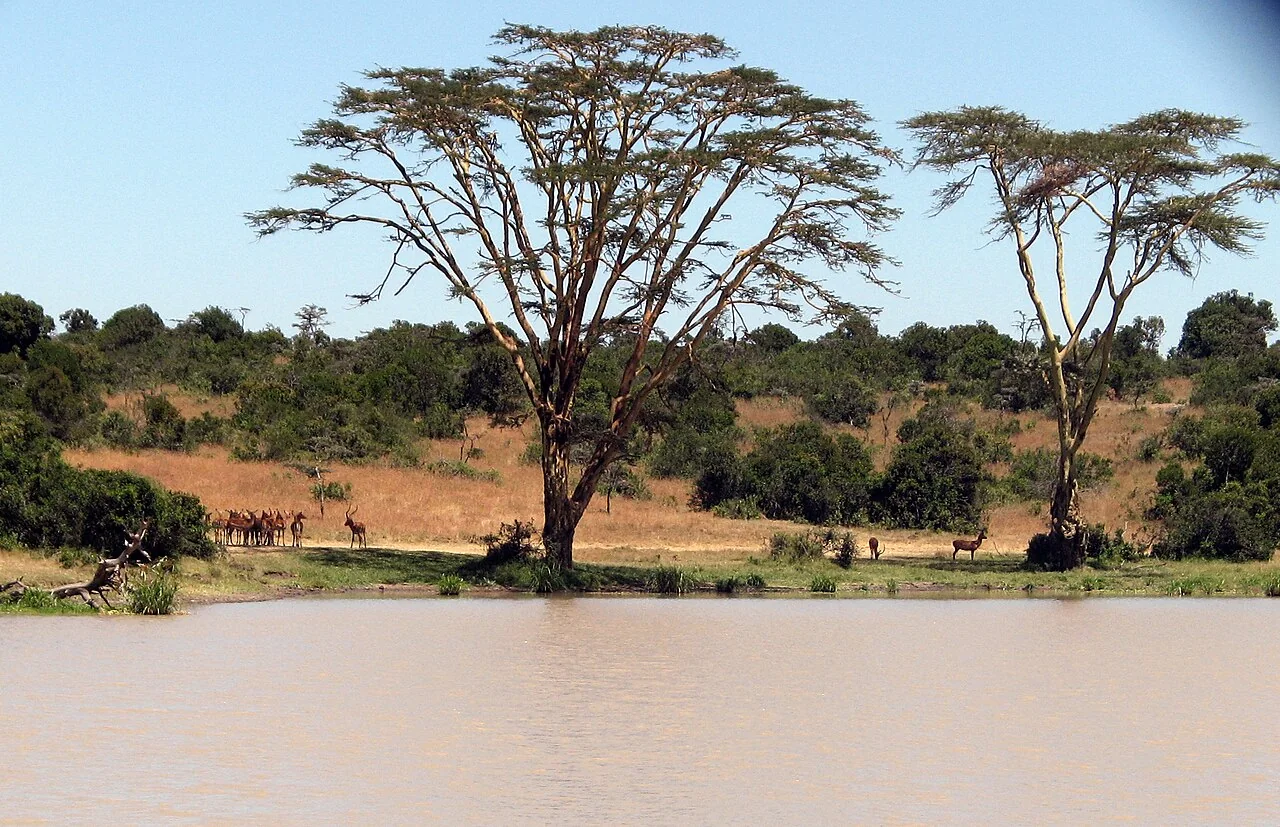
All three can be rewarding in green, cool or drier periods. Rain changes vegetation, visibility and black-cotton roads. It can also turn an ordinary landscape into deep green country with dramatic skies.
| Seasonal factor | Lewa | Borana | Ol Pejeta |
|---|---|---|---|
| Wet roads | Lodge vehicle and route decisions | Hills and tracks require local judgement | Some sectors become slow or restricted |
| Green-season price | Property-specific | Standard rate applies across published periods | Wide accommodation range creates varied offers |
| Cool nights | Elevation can feel cold | Higher ridges can be chilly | Open plains and tents can be cool |
| Peak demand | Small lodges fill early | Limited beds and horses need early planning | Popular camps and activities book early |
| Wildlife visibility | Grass height changes | Terrain and vegetation can hide animals | Open sectors and thickets respond differently |
Read the best time to visit Laikipia guide before choosing only by a seasonal discount.
Mobility, comfort and medical needs
Conservancy travel involves vehicle steps, uneven paths, soft ground and sometimes long distances from specialist care. A beautiful room can still be unsuitable if its bathroom, access path or vehicle requires movements a guest cannot manage safely.
| Need | Ask before choosing |
|---|---|
| Limited walking | Distance from room to main area, slopes and night escort |
| Wheelchair or walking aid | Door widths, steps, shower access and vehicle boarding |
| Back or neck sensitivity | Road duration, seat position and private-vehicle flexibility |
| Dietary or medication refrigeration | Exact kitchen and in-room arrangements |
| Anxiety around small aircraft | Road alternative and real gate-to-gate time |
| Young child | Car seat, toilet stops and private vehicle requirement |
Ol Pejeta's larger visitor infrastructure can suit some practical needs, while a private vehicle at any of the three can protect pace. The answer still depends on the exact property, not the conservancy label.
Which choice pairs best with the Masai Mara or Samburu?
The best pairing creates contrast. A private Mara conservancy already provides off-road drives, night drives and low vehicle density. In that case, Ol Pejeta's conservation programme or Borana's riding may add more than another purely game-drive-led stop. A Samburu visit already provides northern species and dry-country scenery, so Lewa may repeat some wildlife while adding rhinos and a different conservation model.
| Wider route | Strong pairing | Reason |
|---|---|---|
| Masai Mara private conservancy | Ol Pejeta or Borana | Adds specialist conservation or active ranch experiences |
| Masai Mara reserve lodge | Lewa | Adds a quieter conservancy rhythm and rhino depth |
| Samburu | Ol Pejeta | Chimpanzees, northern white rhinos and broader price choice create contrast |
| Amboseli | Lewa or Borana | Adds northern species, rhinos and active options |
| Mount Kenya rest stay | Any, based on daily interest | Shorter regional transfer can protect time |
Do not choose a Laikipia stop merely because it is famous. Choose the part of the Kenya journey that is still missing.
Families
| Family priority | Strongest starting point | Why |
|---|---|---|
| Education and varied conservation visits | Ol Pejeta | Chimpanzees, rhinos and bookable programmes |
| Quiet resident-lodge rhythm | Lewa | Less pressure to move between attractions |
| Active teenagers | Borana | Riding, cycling, walking and ranch experiences |
| Broad room budget | Ol Pejeta | Most varied accommodation spectrum |
| High-touch family house | Lewa or Borana | Strong private-house possibilities |
Send each child's age, room relationship, riding ability and daily routine. “Family-friendly” is not enough.
Honeymoons and couples
Lewa is the easiest all-round choice for couples who want wildlife, conservation depth and a polished lodge without a timetable full of attractions. Borana suits couples who share an appetite for riding or active days. Ol Pejeta works when conservation experiences are a leading interest, but choose a quieter camp and private vehicle if intimacy matters.
| Couple style | Best fit |
|---|---|
| First safari and relaxed luxury | Lewa |
| Riders or energetic outdoors pair | Borana |
| Conservation and animal-welfare learners | Ol Pejeta |
| Private house and complete seclusion | Selected Lewa or Borana property |
| Mix of a lower room budget and rich activities | Ol Pejeta |
Photographers and birders
Photographers should protect private vehicle access and enough nights. Lewa's rhino and northern-species strength is compelling. Borana's ridges add landscape depth. Ol Pejeta's waterholes and rhino variety create opportunities, although timed attractions should not dictate the best light.
Birders can enjoy all three. The deciding factor is often the guide rather than the conservancy name. Request a guide comfortable with calls, raptors and small species, then avoid overloading the day with mammal appointments.
First safari versus repeat safari
| Traveller | Recommendation |
|---|---|
| First safari, three nights | Lewa for the cleanest all-round rhythm |
| First safari with children | Lewa or Ol Pejeta, depending on room and activity interests |
| Repeat safari seeking active contrast | Borana |
| Repeat safari focused on conservation science | Ol Pejeta |
| Rider returning to Kenya | Borana |
| Traveller already visiting a rhino-heavy destination | Choose Borana for activities or Lewa for northern species, rather than duplicating appointments |
Access from Nairobi
All three can be reached by road or air, but the exact lodge and airstrip matter.
| Route | Practical planning |
|---|---|
| Nairobi to Lewa | Scheduled flights may use Lewa Downs; road time depends on traffic and gate |
| Nairobi to Borana | Flight and lodge transfer can use Borana or an agreed nearby strip; road via Nanyuki region |
| Nairobi to Ol Pejeta | Road is common; Nanyuki air access can reduce time |
| Lewa to Borana | Short geographically, but arrange through properties and tourism permissions |
| Lewa or Borana to Ol Pejeta | Road around Nanyuki is often logical; confirm gate-to-gate duration |
Do not accept “Laikipia airstrip” on an itinerary. Ask for the name, arrival time, baggage rule and transfer duration.
How many nights?
| Stay | Lewa | Borana | Ol Pejeta |
|---|---|---|---|
| Two nights | Rushed but possible | Too short for activities | Only with narrow priorities |
| Three nights | Strong minimum | Strong minimum for drives plus one active day | Strong minimum for wildlife plus selected visits |
| Four nights | Excellent | Better for riders and mixed activities | Best when several conservation experiences matter |
| Five nights | Slow and immersive | Excellent active stay | Works for photography, families and research interest |
Should you combine two of them?
Yes, when the second place changes the trip.
| Combination | Makes sense when | Skip it when |
|---|---|---|
| Lewa plus Borana | Riding or a different lodge style justifies the move | You only want more rhino drives in similar connected country |
| Lewa plus Ol Pejeta | You want polished resident safari plus chimpanzees or northern white rhinos | Total Laikipia time is under six nights |
| Borana plus Ol Pejeta | Active ranch days plus specialist conservation visits | Transfers consume one of only four or five nights |
| All three | Nine or more nights and strong specialist interest | It reduces each stop to two nights |
Two excellent places can create a weaker itinerary if the transfer steals a full safari day.
The decision worksheet
Score each item from zero to three. Zero means it does not matter. Three means it is central.
| Priority | Lewa | Borana | Ol Pejeta |
|---|---|---|---|
| Established rhino safari | 3 | 3 | 3 |
| Horse riding | 2 | 3 | 1 |
| Chimpanzee sanctuary | 0 | 0 | 3 |
| Northern white rhino visit | 0 | 0 | 3 |
| Broad budget range | 1 | 1 | 3 |
| Quiet resident-lodge rhythm | 3 | 3 | 2 |
| Cycling and active menu | 1 | 3 | 1 |
| Easy day access | 1 | 1 | 3 |
| Multiple luxury lodge styles | 3 | 2 | 2 |
| Timed conservation activities | 2 | 2 | 3 |
The numbers are planning weights, not scientific ratings. Change them if a specific lodge alters the experience.
Questions to answer before paying
| Question | Why it matters |
|---|---|
| Exact property and room? | Conservancy choice does not solve room fit |
| Which gate or airstrip? | Controls transfer time |
| Is the conservation fee included? | Changes the final total |
| Shared or private vehicle? | Shapes daily freedom |
| Which activities are included? | Avoids comparing unlike packages |
| Are cross-conservancy visits allowed? | Wildlife connection does not guarantee tourism access |
| Child ages and room layout? | Controls cost and safety |
| Minimum nights? | Peak periods can force a longer stay |
| Cancellation terms? | Flexibility is part of value |
The final verdict
Choose Lewa when you want a deeply established rhino conservancy, several excellent lodge choices and a safari that flows naturally from the resident property. Choose Borana when horses, hills, ranch life and an active programme will shape the best days of the trip. Choose Ol Pejeta when chimpanzees, northern white rhinos, bookable conservation experiences and a wider price spectrum matter more than complete lodge-centred privacy.
The Lewa vs Borana vs Ol Pejeta decision becomes much easier once the room photograph is removed. Choose the wildlife context, daily rhythm, activity mix, visitor density and complete cost first. The right lodge follows from those choices.
Find your Laikipia fit
Share dates, travellers, wildlife interests, activity priorities, room needs, privacy and complete budget. We will compare the three places on the same basis.