
Masai Mara vs Amboseli
Choose the Mara for the strongest all-round predator safari. Choose Amboseli for elephants, Kilimanjaro and a compact route. Combine them when six nights and the transfer plan allow.
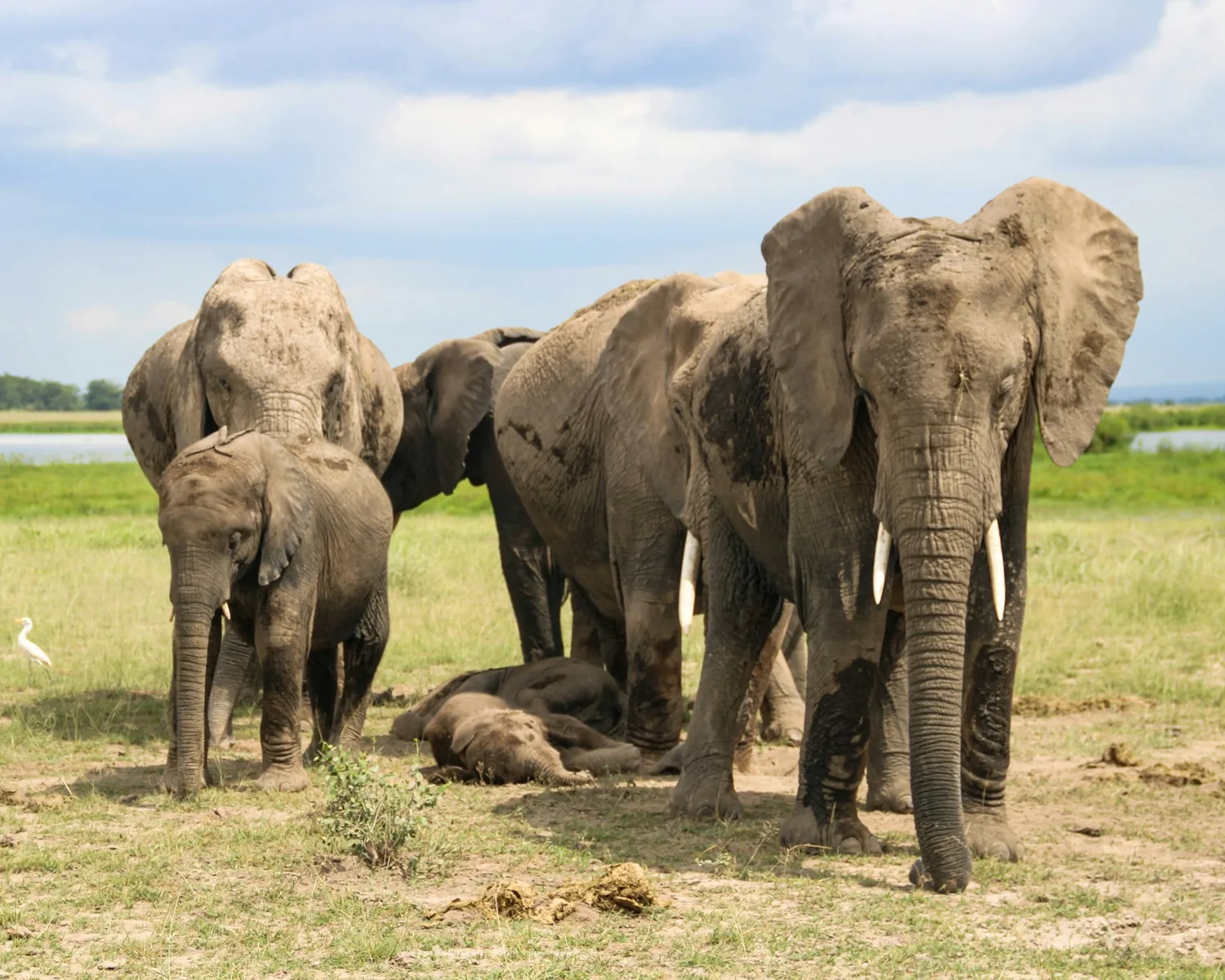
In the Mara, a cheetah can draw your eyes across an enormous sweep of grass. In Amboseli, a line of elephants may cross the dry lake bed while Kilimanjaro appears for ten clear minutes. The Masai Mara vs Amboseli question is really a choice between two safari moods.
If this is your first safari and you can give one park three nights, the Masai Mara is the safer all-round choice. If you have two nights, love elephants or want to continue toward Tsavo and the coast, Amboseli fits beautifully. If both scenes matter, a well-paced six-night route gives each park room to be itself.
Masai Mara or Amboseli at a glance
| Decision | Masai Mara | Amboseli | Better fit |
|---|---|---|---|
| First all-round safari | Predators, plains game, elephants and varied sectors | Excellent wildlife with a stronger elephant identity | Mara |
| Elephant behaviour | Good sightings across a large ecosystem | Large family groups moving to and from the swamps | Amboseli |
| Lions and cheetahs | One of Kenya’s strongest predator areas | Present, but less reliable as the main theme | Mara |
| Iconic scenery | Open grasslands, rivers and escarpment | Kilimanjaro, dust, swamp and dry lake bed | Personal |
| Short road safari | Longer transfer from Nairobi | More practical for two nights | Amboseli |
| Longer wildlife stay | Reserve, Triangle and conservancies add variety | Compact park, often paired with Tsavo | Mara |
| Birding | Grassland, woodland and river species | More than 400 recorded species and productive wetlands | Amboseli edge |
| Coast connection | Usually best by air | Natural road circuit through Tsavo | Amboseli |
Neither park guarantees its famous moment. Kilimanjaro can stay behind cloud. A migration river crossing may not happen while you wait. Choose the place whose ordinary day still excites you.
Which park is better for wildlife?
The Masai Mara is the stronger single choice for wildlife breadth. Lions, cheetahs and spotted hyenas are central to the experience, while leopards are possible around riverine woodland. Wildebeest, zebra, topi, gazelle, giraffe, buffalo and elephants keep the plains busy outside the migration months too.
Amboseli is not an elephant-only park. Lion, cheetah, hyena, buffalo, hippo, giraffe, wildebeest and zebra all occur. Yet elephants give the park its rhythm. Families leave woodland, feed in the green swamps and cross pale ground in long lines. Because the park is compact, you can watch behaviour rather than simply ticking off a sighting.
Choose Mara for predators
If lions and cheetahs sit at the top of the wish list, give the Mara at least three nights.
Choose Amboseli for elephants
If family structure, calves, dust and swamp crossings matter most, Amboseli tells the fuller story.
Choose both for contrast
The value is not doubling the animal list. It is seeing two ecosystems shape wildlife in different ways.
The Masai Mara safari guide explains the reserve, Triangle and conservancies. The Amboseli guide covers its swamps, gates, lodges and wildlife.
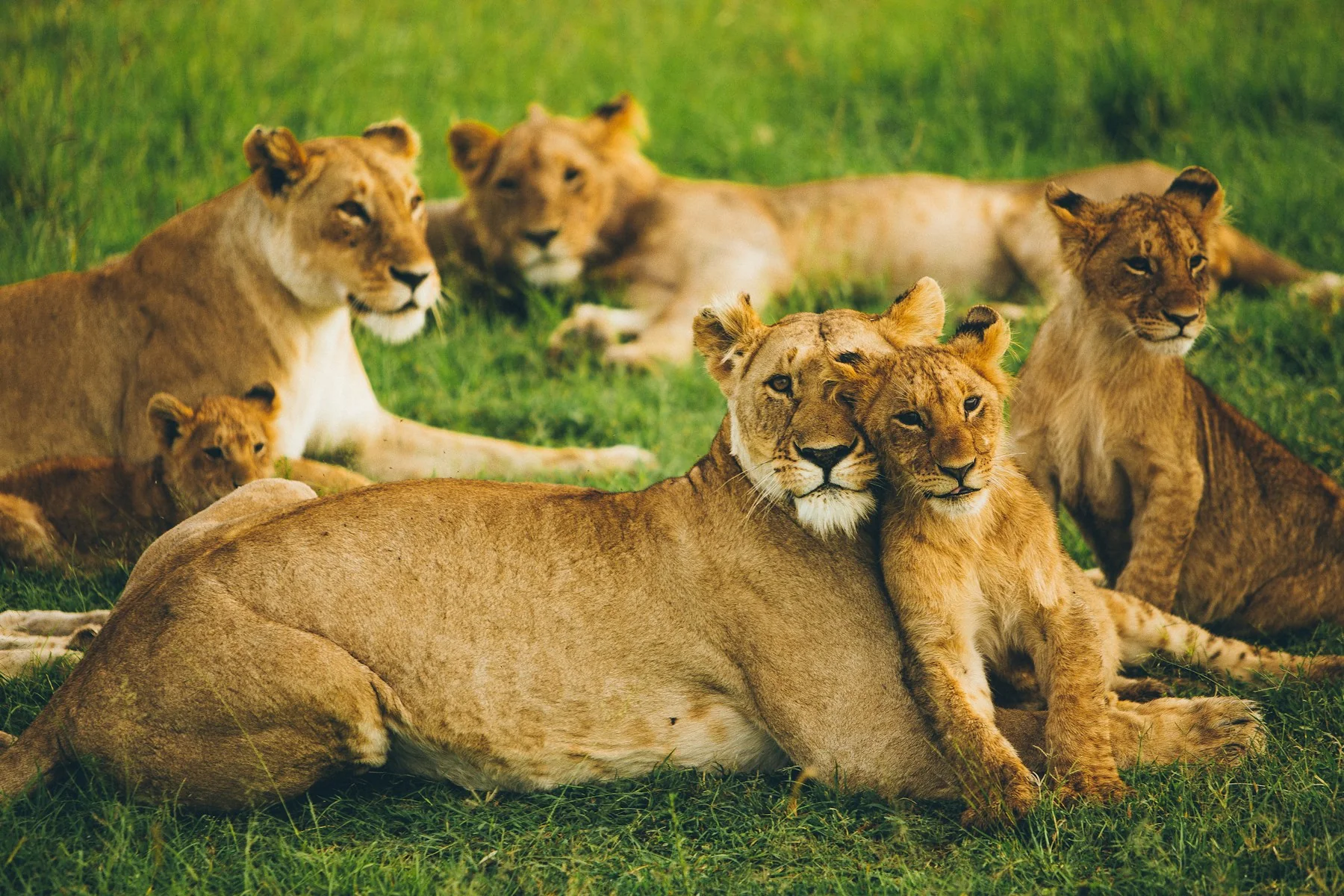

Open Mara plains versus Kilimanjaro, dust and swamp
The Mara covers roughly 1,530 square kilometres within a much larger ecosystem. Its rolling plains are cut by the Mara and Talek rivers, seasonal streams, woodland and the Oloololo Escarpment. The central reserve, Mara Triangle and private conservancies do not feel identical, which is why four nights can remain varied.
Amboseli National Park is 392 square kilometres. Its compact size holds striking contrasts: dry lake bed, acacia woodland, grassland and permanent spring-fed swamp. Kilimanjaro stands across the border in Tanzania and is often clearest around dawn. Cloud can hide it for a whole stay, so build the decision around elephants and landscape rather than a guaranteed mountain view.
For a photographer, the Mara offers more predator action and background variety. Amboseli offers clean elephant silhouettes, dust, reflections, water birds and the possibility of a mountain backdrop. A private vehicle matters in both because light can change while a shared group is ready to move on.
Masai Mara vs Amboseli by season
| Period | Masai Mara | Amboseli | Planning note |
|---|---|---|---|
| January to February | Warm, generally drier, good predators and resident game | Clearer mornings often favour Kilimanjaro; productive water areas | Excellent for either park |
| March to May | Green scenery, young animals and quieter roads, with rain possible | Green, bird-rich and beautiful, with muddy tracks and cloud risk | Choose 4×4 and time margin |
| June | Drying grass and strong general viewing before peak migration crowds | Dry-season movement begins to concentrate around water | Very strong combined month |
| July to October | Migration interest, peak demand and higher non-resident reserve fees | Dry conditions, elephants around swamps and busy water points | Book early and compare value |
| November to December | Short rains can refresh the plains and reduce dust | Dramatic skies, green growth and variable mountain visibility | Good for colour and fewer peak crowds |
The Mara is more strongly tied to migration-season demand. Amboseli’s elephants are resident, but daily movement changes with water and forage. The best-time guide for the Mara and the monthly weather guide help with exact dates.
How many nights do you need?
Three nights is the best first-visit balance for the Mara. It gives two full days and enough room for different sectors. Four nights works when a conservancy is paired with the reserve or when photography needs a private pace. Two nights can work by air, but a road trip loses much of the arrival and departure days.
Amboseli works well for two nights because the park is compact and the road from Nairobi is shorter. Three nights adds another Kilimanjaro morning, more birding, a relaxed Observation Hill visit and time to watch elephant families without chasing the whole park.
| Available safari nights | Strongest plan | Why |
|---|---|---|
| 2 nights | Amboseli by road or either park by air | Protects wildlife time on a short trip |
| 3 nights | Masai Mara for a first safari | Best all-round wildlife depth |
| 4 nights | Mara only, or Amboseli plus Tsavo West | Avoids a rushed cross-country transfer |
| 5 nights | 2 Amboseli plus 3 Mara with flights | Compact minimum for both |
| 6 nights | 3 Amboseli plus 3 Mara | Balanced and unhurried |
| 7 or more | Add a conservancy, Tsavo or Nairobi night with purpose | Creates real variety instead of more check-ins |
Read how many days to spend in the Masai Mara before cutting a night simply to fit another park.
Road and flight logistics from Nairobi
Amboseli is south-east of Nairobi and connects naturally with Tsavo West, Tsavo East and the coast. The Mara is south-west and pairs more easily by road with Lake Naivasha or Lake Nakuru. Joining the two by road usually returns through the Nairobi corridor, so the transfer should be treated as a travel day.
Scheduled light-aircraft services protect time, though some routings connect through Wilson Airport or make stops. Confirm the exact airstrips, luggage allowance, pickup and total door-to-door time. Our Nairobi to Masai Mara guide compares the longer road and bush flight.
Which safari costs more?
For non-resident adults, the Masai Mara reserve fee is USD 100 per paid day from January to June and USD 200 from July to December. Kenya Wildlife Service lists Amboseli at USD 90 for a non-resident adult. Child and resident categories differ, and conservancy levies are separate from reserve entry.
Amboseli often costs less for a short private road safari because the transfer is shorter and the park fee is lower than peak-season Mara entry. That is not universal. A premium lodge, private conservancy or flight can reverse the comparison. Look at the named room, vehicle sharing, guide, number of paid park days, transport and usable game-drive windows.
Use the Mara fee guide and Mara cost guide to understand the largest lines before comparing quotations.

Where to stay in the Mara and Amboseli
Mara accommodation can sit inside the main reserve, in the Mara Triangle, in a private conservancy or outside a gate. Mara Serena and Sarova Mara offer a classic lodge format. Smaller camps in Naboisho, Mara North, Olare Motorogi and other conservancies trade scale for controlled vehicle numbers and additional activities. Angama Mara, Mara Plains, Kicheche and many other properties serve different budgets and travel styles.
Amboseli has inside-park choices such as Ol Tukai Lodge and Amboseli Serena, plus properties near gates and on surrounding private land. Tortilis Camp, Tawi Lodge, Elerai Camp, Kibo Safari Camp and others differ in access, mountain orientation, vehicle arrangements and activities. An “Amboseli lodge” outside the park can create a gate drive each morning, so ask for the exact location.
| Stay priority | Mara answer | Amboseli answer |
|---|---|---|
| Early access | Inside reserve, Triangle or conservancy | Inside the park or very near the correct gate |
| Low vehicle density | Private conservancy with controlled beds and vehicles | Private land can add quiet, but park drives still follow park roads |
| Large lodge facilities | Established reserve lodges | Ol Tukai, Amboseli Serena and comparable lodges |
| Small camp feel | Wide conservancy and reserve selection | Selected private camps around the ecosystem |
| Extra activities | Night drives and walks mainly in conservancies | Private-land activities depend on the property and concession |
Families, honeymoons, photographers and first-timers
| Traveller | Choose Mara when | Choose Amboseli when |
|---|---|---|
| First safari | You want the broadest wildlife and predator experience | You prefer a compact start built around elephants |
| Family | You have three nights and a private vehicle | You want a shorter road and engaging elephant behaviour |
| Honeymoon | A small conservancy camp and private pace appeal | Mountain mornings and a Tsavo or coast continuation appeal |
| Photographer | Predators and many subject types lead the brief | Elephants in landscape, dust and reflections lead it |
| Birder | Grassland raptors and broad ecosystem variety matter | Wetlands and concentrated water birds matter |
| Limited mobility | The chosen airstrip, vehicle and room are accessible | A compact park and well-positioned room reduce long movement |
A private vehicle often improves either park more than moving to a more expensive room. It gives families shorter drives, photographers control of light and couples space to linger.
A six-night Masai Mara and Amboseli itinerary
Day 1: arrive in Nairobi and rest, or connect to Amboseli if the international schedule leaves a safe margin. Days 2 and 3: use dawn and afternoon light in Amboseli, with one slower midday around the lodge. Day 4: fly or transfer through Nairobi to the Mara. Days 5 and 6: take full Mara game-drive days. Day 7: return to Nairobi for the onward flight.
By road, add a Nairobi night or accept that one day is primarily transit. With more time, Amboseli can continue to Tsavo and the coast, while the Mara can pair with Naivasha, Nakuru or Laikipia. The route should feel like a journey, not a collection of famous names.
This independent traveller comparison discusses both parks from direct experience, including weather, rooms, cost and the difference between elephants and big cats.
Real opinions after visiting
“They are quite different.”
A traveller answering whether Amboseli would feel repetitive after a first Mara safari.
“The view of Kilimanjaro is not guaranteed.”
A useful reminder to choose Amboseli for the whole ecosystem, not one hoped-for photograph.
“There was just something special about Masai Mara.”
A traveller who spent four nights in the Mara and three in Amboseli loved both, yet still felt that difference.
Personal memories cannot rank a park for everyone. They do reveal the useful truth behind the comparison: Amboseli is not a smaller Mara, and the Mara is not simply Amboseli with more animals.
Masai Mara vs Amboseli questions
Is Masai Mara or Amboseli better for a first safari?
The Mara is the stronger all-round first choice for predators and wildlife breadth. Amboseli is excellent when elephants, scenery and a shorter route matter more.
Which park is better for elephants?
Amboseli is the stronger choice for watching large elephant families move between swamp, woodland and open ground.
Which park is better for lions?
The Masai Mara is usually more reliable for lion density and wider predator viewing.
Can I see Kilimanjaro from Amboseli?
Yes when the cloud clears, often around dawn. No itinerary can guarantee a mountain view.
Which park is closer to Nairobi?
Amboseli is closer and more practical for a short road safari. Both parks receive light-aircraft services.
How many nights should I spend in each?
Plan three nights in the Mara and two or three in Amboseli for a first visit.
Which safari is cheaper?
Amboseli often costs less for a short road trip. Season, lodge, vehicle, flights, park days and conservancy levies can change the result.
Which park is less crowded?
It depends on season, area and sightings. Mara conservancies control vehicle numbers, while Amboseli can concentrate vehicles around swamps and major sightings.
Can I combine Masai Mara and Amboseli?
Yes. Five nights is a compact minimum with flights. Six nights, three in each park, gives a better pace.
Which park combines better with the Kenya coast?
Amboseli combines naturally by road with Tsavo and the coast. The Mara usually reaches the coast most efficiently by air.
Related Kenya safari guides
Official sources
Choose the safari day you want to wake up to
Tell us the wildlife, scenery, number of nights, budget and road tolerance. We will recommend the Mara, Amboseli or a route that gives both enough time.
Choose your Kenya safari
Share your dates, travellers, nights, budget and whether predators, elephants, Kilimanjaro, migration or the coast matters most.