
Best Kenyan National Park for First-Time Visitors
One park can deliver cats and open plains. Another may give elephants, rhinos or northern species with a completely different feeling.
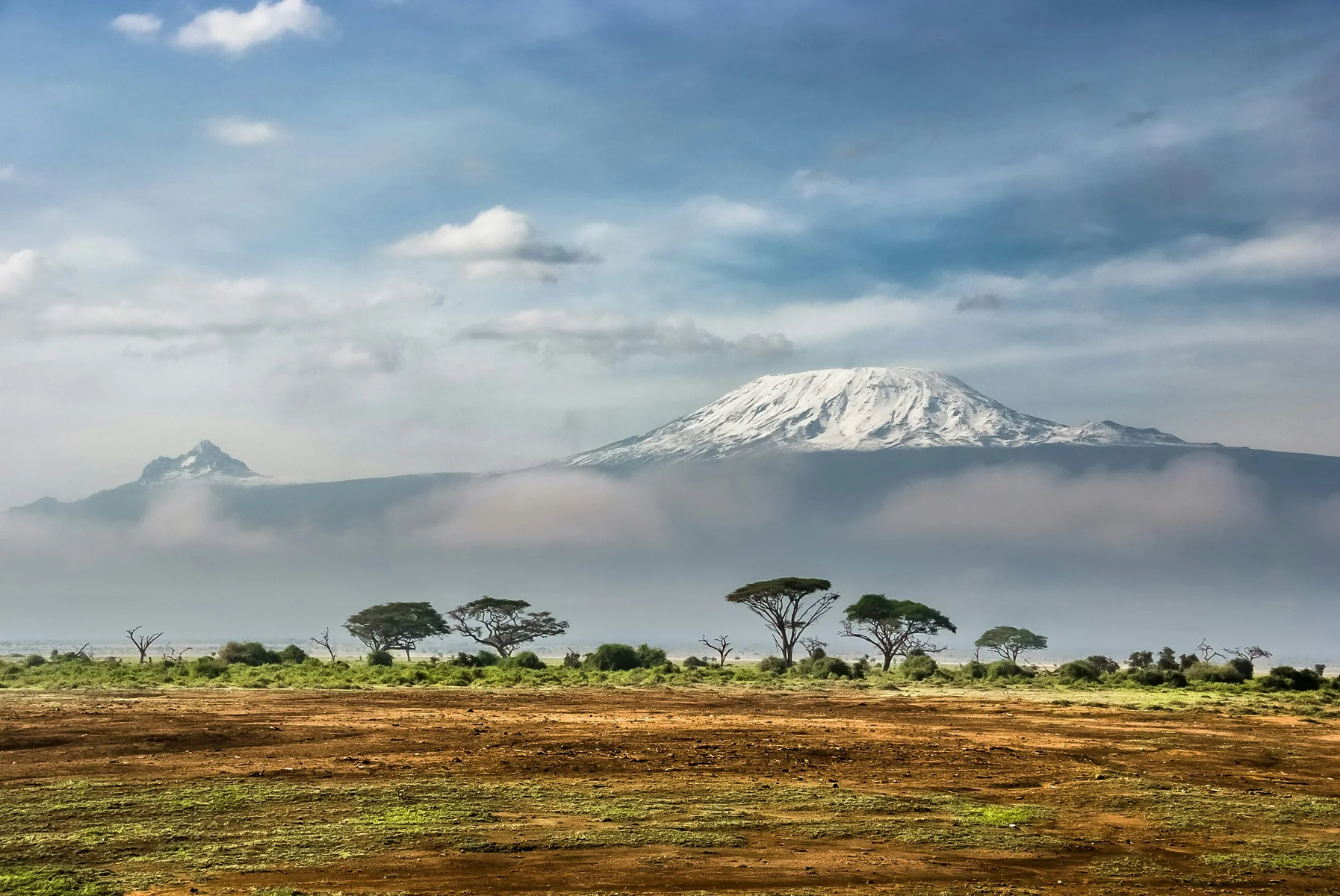
For most travellers seeking the best Kenyan national park for first-time visitors, the Masai Mara is the strongest all-round wildlife choice. Amboseli is the clearest partner for elephants and Kilimanjaro, while Nairobi National Park, Ol Pejeta, Samburu, Nakuru and Tsavo answer different priorities.
- Best Kenyan national park for first-time visitors at a glance
- Why the Masai Mara usually comes first
- When Amboseli is the better answer
- Nairobi National Park for arrival or departure
- Ol Pejeta and Laikipia
- Samburu, Buffalo Springs and Shaba
- Lake Nakuru National Park
- Tsavo East and Tsavo West
- Weather and wildlife timing
- Cats, elephants, rhinos and special species
- Seven-day route design
- First parks for families
- First safari for photographers
- Three first-time safari examples
- A first-visitor decision worksheet
- Guiding, habitat and the moments between sightings
- Traveller opinions
- FAQs
Best Kenyan national park for first-time visitors at a glance
The shortest honest answer is the Masai Mara for the broadest classic safari, Amboseli for elephants beneath Kilimanjaro and Samburu for a first trip that feels distinctly northern. Ol Pejeta and Nairobi National Park improve rhino opportunities. Tsavo gives scale and a natural coast connection. Lake Nakuru fits a Rift Valley road route when rhinos, woodland and lake scenery matter.
There is a naming wrinkle worth clearing up. The Masai Mara and Samburu are national reserves, while Ol Pejeta is a private conservancy. Travellers often use “park” for all protected safari areas, so this guide compares the destinations that answer the real question rather than excluding excellent choices on a technicality.
The decision should begin with the desired story and available nights. It should not begin with how many pins can fit on a map.
| Destination | Best first-trip reason | Trade-off | Useful stay |
|---|---|---|---|
| Masai Mara | Predators and plains wildlife | Popular areas can be busy | 3 to 5 nights |
| Amboseli | Elephants and Kilimanjaro | Mountain can hide in cloud | 2 to 3 nights |
| Samburu | Northern species and dry country | Longer transfer north | 3 nights |
| Ol Pejeta | Rhinos and conservation | Different from classic vast plains | 2 nights |
| Nairobi National Park | Access and rhinos | City remains visible | Half or full day |
| Lake Nakuru | Rhinos, woodland and Rift Valley variety | Flamingo numbers and lake conditions change | 1 to 2 nights |
| Tsavo | Scale and coast link | Wildlife more dispersed | 3 nights |
Why the Masai Mara usually comes first
Resident lions, cheetahs, elephants, giraffes, hippos and plains game give the Mara year-round depth. It is the easiest single answer when somebody has three or four nights, wants cats and classic grassland, and does not yet know which species will hold their attention. The migration adds scale in parts of the dry season, but the ecosystem is not empty when the travelling herds are south in Tanzania.
The compromise is popularity. Some central areas and high-profile sightings can gather many vehicles in peak periods. A good plan uses camp location, early starts, patient guiding and, where the budget fits, a surrounding conservancy to shape the experience. Conservancy activities and access rules differ, so “staying in the Mara” is not one uniform product.
Give the destination enough nights to move beyond a checklist. On the first drive, every zebra feels astonishing. By the third morning, a guide can slow down, return to a pride’s territory or wait beside a river instead of racing between radio calls. Read the Masai Mara safari guide before choosing an exact base.
When Amboseli is the better answer
Amboseli’s wetlands support elephant families against open plains, with Kilimanjaro beyond the Kenyan border. The park makes elephant behaviour easy to appreciate because families cross open ground between feeding and water. The swamps also support buffalo, hippos and abundant birds, while predators are present without providing the same expectation of frequent big-cat action as the Mara.
The mountain is a gift, not an appointment. It is often clearest around dawn and may disappear behind cloud for an entire stay. Book Amboseli because the basin, wetlands and elephants are worth the journey, then celebrate if Kilimanjaro appears.
Choose Amboseli when elephants, birds and landscape photography matter more than a maximum cat list. It pairs naturally with Tsavo and the coast, or with the Mara for a high-contrast first safari. Read the Amboseli National Park safari guide for areas, access and lodge choices.
Nairobi National Park for arrival or departure
Nairobi National Park can turn a spare day into a real game drive, with rhino opportunities and city buildings on the horizon. It is especially useful before a late flight or after a recovery night.
It does not replace several nights in a remote ecosystem for most first-timers. It complements them and makes efficient use of the city stop.
Ol Pejeta and Laikipia
Ol Pejeta combines black and white rhino conservation with other wildlife and activities that can include night drives or guided experiences under local rules. The central location works with Mount Kenya and Laikipia routes.
Travellers focused on rhinos may value it more than Nakuru. Compare the style, accommodation and driving plan rather than treating every conservancy as identical.

Samburu, Buffalo Springs and Shaba
Northern Kenya brings Grevy’s zebra, reticulated giraffe, gerenuk, Somali ostrich and beisa oryx alongside elephants and predators. The Ewaso Ng’iro river pulls life through dry country.
Samburu rewards three nights and a route that respects the drive or uses flights. It is an excellent first choice for travellers who want distinction more than the famous Mara name.
Lake Nakuru National Park
Lake Nakuru can offer rhinos, Rothschild’s giraffes, woodland and escarpment views. Flamingo numbers change with water levels and food across Rift Valley lakes, so old images should not be treated as a guarantee.
One or two nights can fit a road route, but a single hurried stop may add packing without enough depth.
Tsavo East and Tsavo West
Tsavo is larger and sightings can be more dispersed, which makes each encounter feel found rather than delivered. Tsavo East is known for red-dusted elephants and open country; Tsavo West adds lava, hills, springs and denser terrain.
It suits travellers continuing to Mombasa, Diani or Watamu and those who can enjoy landscape between sightings.
Weather and wildlife timing
Dry months can concentrate animals and improve roads while raising demand. Green months bring colour, birds and fewer vehicles, with more variable access. The Mara migration is only one seasonal story.
A January elephant and coast route can compete with an August migration plan because the traveller’s dates and interests differ. Use the best time guide with the park choice.
Cats, elephants, rhinos and special species
For cats and plains game, begin with the Mara. For elephants, compare Amboseli, Samburu and Tsavo. For rhinos, look at Ol Pejeta, Nairobi and Nakuru. For northern specialities, Samburu is the clear addition.
No park guarantees a species. More nights, an attentive guide and suitable habitat improve opportunity without controlling wildlife.
| Priority | Strong choices | Planning note |
|---|---|---|
| Big cats | Masai Mara | Allow several drive windows |
| Elephants | Amboseli, Samburu, Tsavo | Each landscape feels different |
| Rhinos | Ol Pejeta, Nairobi, Nakuru | Ask about current viewing rules |
| Northern species | Samburu ecosystem | Three nights rewards the journey |
| Birds | All, with lakes and wetlands strong | Season and water levels matter |
Seven-day route design
With seven safari nights, four in the Mara and three in Amboseli is a classic split. A rhino-focused traveller might use one Nairobi night, two Ol Pejeta nights and four Mara nights. A northern route can pair Samburu and the Mara by flight.
Count transfer days honestly. Arrival after lunch and departure after breakfast do not equal two full wildlife days.
| First-trip shape | Strong route | Why it works | What to watch |
|---|---|---|---|
| One park, 3 to 5 nights | Masai Mara | Broad wildlife variety without another transfer | Choose the exact sector or conservancy carefully |
| Two parks, 6 to 8 nights | Amboseli and Masai Mara | Elephants, mountain landscape, cats and open plains | Fly the long connection or allow a Nairobi break |
| Rhinos and classic safari | Ol Pejeta and Masai Mara | Strong conservation focus followed by plains wildlife | A road connection needs sensible staging |
| Northern character | Ol Pejeta and Samburu | Rhinos, dry-country species and fewer famous-name expectations | Heat and drive times need honest planning |
| Bush and beach | Amboseli, Tsavo West, Tsavo East, coast | The landscapes change naturally while the route moves east | Do not rush both Tsavo parks into token overnights |
| Very short stop | Nairobi National Park | A genuine safari experience without a distant transfer | Keep expectations different from a multi-night wilderness stay |
First parks for families
Choose shorter transfers, family rooms, a private vehicle and a property with space between drives. Amboseli and the Mara can work beautifully when the itinerary avoids daily relocation.
Age restrictions may apply to walks, balloons and shared vehicles. Confirm meals, bed setup, pool supervision and whether the camp is fenced.
First safari for photographers
A private vehicle, patient guide and camp close to the desired area can matter more than adding another park. Four dawns in one ecosystem build understanding of light and animal routines.
The Mara offers predator variety, Amboseli gives elephants and mountain scale, Samburu brings graphic dry landscapes and Ol Pejeta supports rhino stories.
Three first-time safari examples
A couple with seven nights wants classic wildlife and elephants. They choose four Mara nights and three Amboseli nights, fly one long connection and use a private vehicle. The route has two ecosystems and no one-night packing.
A solo photographer has five nights and prioritises cats. They stay entirely in the Mara, splitting reserve and conservancy locations only when the move opens a genuinely different area. The saved transfer time becomes another dawn.
A family has four nights after a Nairobi conference. They spend one recovery night, visit Nairobi National Park, then fly to the Mara for three nights. The children arrive rested and the itinerary still feels like a complete first safari.
None of these plans is the official winner. Each protects the experience the travellers actually named.
A first-visitor decision worksheet
Start with wildlife. Rank big cats, elephants, rhinos, northern species, birds and migration scale. If cats and a classic plain lead, place the Mara at the centre. If elephants and mountain scenery lead, give Amboseli several mornings. If rhinos are essential, add Ol Pejeta or Nairobi National Park instead of hoping for a rare Mara sighting.
Then rank atmosphere. A traveller who loves immense wild space may prefer Tsavo despite more dispersed sightings. Someone who wants a high density of action on a short first trip will find the Mara easier. A repeat wildlife photographer may value Samburu’s species and graphic landscapes more than a standard Big Five list.
Add the human limits: children’s ages, mobility, heat tolerance, motion sickness, flight anxiety and willingness to pack. Put international arrival and departure on the calendar before assigning park nights. A recovery night can improve every game drive that follows. A light aircraft can save a day, but its baggage and accessibility rules must fit.
Finally, give the chosen park enough chances. Three nights normally create two full days plus arrival and departure windows. Four or five nights allow different sectors, weather and slower sightings. Remove a park before reducing every destination to one night. The best first safari is the one that leaves travellers wishing they could stay, not the one that makes them relieved to stop moving.
Guiding, habitat and the moments between sightings
The Big Five are part of safari history, not a complete measure of a park. A first-time visitor may remember a secretary bird hunting, elephants greeting at water, a hyena carrying food or a guide reading tracks more clearly than a distant rhino. Ask whether the guiding style makes room for behaviour and habitat.
Different parks teach different ecological stories. Amboseli’s wetlands survive within a dry basin. Samburu’s river supports life through an arid landscape. The Mara’s grasslands connect to the Serengeti. Tsavo’s enormous scale changes how water, lava and vegetation shape movement. Choosing a park is also choosing which story the guide can unfold.
Build one quiet period into each day. Stay with an animal after the first photograph, eat a picnic where permitted and watch how light changes the plain. The best park for a first visitor is often the one given enough time to become a place rather than a collection of sightings.
What travellers say after the trip
These are exact words from public reviews and discussions. Each person had their own route, budget and expectations, so the value is in the detail rather than treating one experience as a promise.
our four nights in the Masai Mara were the highlight of our trip
A traveller comparing several East African experiences on a first major safari.
I think it’s easy to overthink the choices; I believe you’ll have a great time wherever you go.
A repeat safari traveller reminding first-timers that park fit matters more than finding a perfect ranking.
my favourite stops were Masai Mara (for everything), lake Nakuru (nice lake, views, white rhinos and we even saw a leopard there) and Amboseli
A traveller comparing the character of three popular Kenya stops.
Masai Mara is, in my opinion, the best park for a first time safari
A traveller answers the one-park question directly, while still suggesting other parks for additional time.
they are slightly harder to see than in the Masai Mara due to being restricted to the paths in Amboseli
A visitor compares their big-cat experience in Amboseli with the Mara and still reports close sightings.
We spent a compact week visiting two parks, Amboseli and Maasai Mara.
A first-safari traveller chose contrast over a long list of stops.
First Kenya safari park questions
Which Kenya park is best for a first safari?
The Masai Mara is the strongest all-round choice for classic plains wildlife and predators, though the right answer depends on season and priorities.
Should I combine the Mara and Amboseli?
Yes, for many first trips. The Mara offers broad wildlife density and cats, while Amboseli adds elephants, wetlands and Kilimanjaro scenery.
Where is best for rhinos?
Ol Pejeta and Nairobi National Park are strong options, while Lake Nakuru can also provide rhino viewing.
Is Samburu good for a first safari?
Yes, especially for travellers who value northern species, dry landscapes and a less conventional route.
Is Tsavo worth visiting?
Yes. Tsavo is vast, wild and convenient for coast combinations, but sightings can require more patience than in the Mara.
How many parks should I visit in one week?
Usually one or two. More parks often replace wildlife time with packing and road transfers.
How many nights should I spend in the Mara?
Three nights is a useful first baseline, while four or five adds flexibility for weather, areas and slower observation.
Can I start with Nairobi National Park?
Yes. It is accessible from the city and can provide wildlife and rhino viewing without a long transfer.
Should I drive or fly between parks?
Drive for route context and value, fly to protect time on long connections. Compare the complete door-to-door day.
Can NLS tailor a first safari?
Yes. NLS can match parks, nights, transport and accommodation to the group and season.
Sources and further reading
Official park and conservancy sources support the destination details in this guide.
Make the first park feel unforgettable
Tell us the animals, landscapes and pace that brought you to Kenya. We will build the route around those priorities.
Plan your first Kenya safari
Share dates, travellers, wildlife interests, budget range and preferred pace.