
Masai Mara Reviews: What Travelers Really Say After the Dust Settles
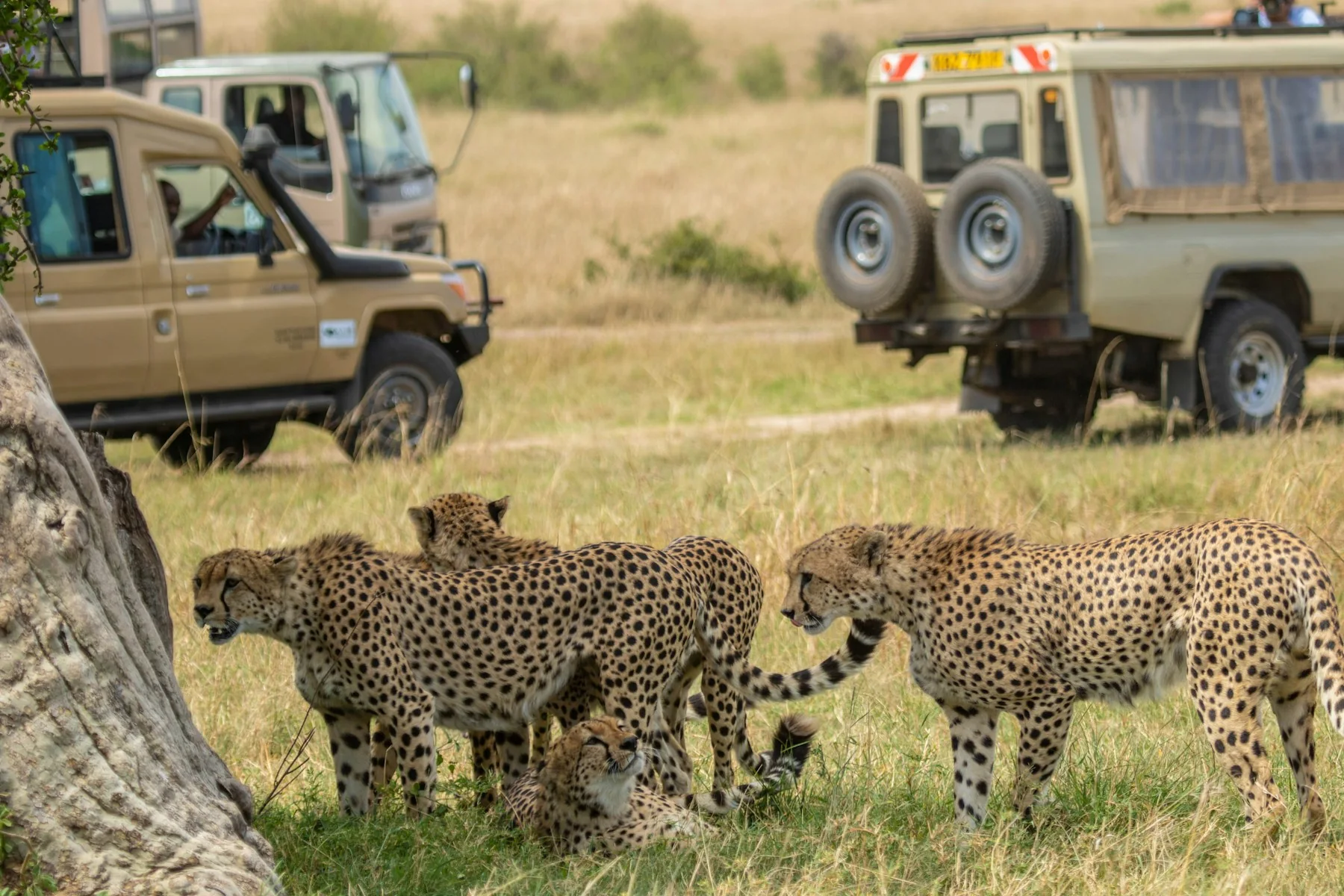
One traveller remembers lions calling at night. Another remembers the road. Someone else remembers ten vehicles around one cat. They can all be describing the same destination honestly.
Useful Masai Mara reviews do more than declare a safari amazing or disappointing. They show what the person booked, how they travelled, where they stayed, what the guide did and which expectation shaped the verdict.
- How to use safari reviews without being misled
- What people say about the wildlife
- Road versus flight reviews
- Crowding and guide ethics in reviews
- What lodge and camp reviews reveal
- Why guide reviews deserve special attention
- How travellers describe cost and value
- Safari fatigue and the value of rest
- Review red flags and fair interpretation
- Questions to ask after reading reviews
- The seven themes that matter most in Mara reviews
- How videos add context to Masai Mara reviews
- Traveller opinions
- FAQs
How to use safari reviews without being misled
Start with the travel month, number of nights, camp, reserve or conservancy, vehicle arrangement and transport from Nairobi. A guest on a one-day road visit is reviewing a different product from someone spending four nights in a small conservancy camp. Both voices can be honest without predicting the other trip.
Give more weight to specifics than adjectives. “Terrible value” becomes useful when the reviewer names a separately charged park fee, ten-hour road day or shared vehicle. “Amazing guide” becomes useful when the person describes patience, ethical positioning or how the guide handled a child.
| Review detail | What it may reveal | What to verify |
|---|---|---|
| Long transfer | Route design | Door-to-door time |
| Crowded sighting | Season and guide choices | Area and vehicle policy |
| Beautiful room | Accommodation quality | Location and inclusions |
| Great guide | Human skill | Private or camp guide |
| Poor value | Hidden assumptions | Fees and usable safari time |
What people say about the wildlife
Travellers repeatedly describe the difference between seeing wildlife in photographs and watching it make decisions in a living landscape. Lions calling at night, elephants moving as families and a quiet road becoming a hunt can outweigh the checklist. The Mara’s resident wildlife is the foundation even when migration herds are elsewhere.
Reviews that promise every Big Five animal or a river crossing on fixed dates should be treated cautiously. A good guide improves opportunity without commanding nature. Longer stays produce more chances and reduce pressure on each drive.
Road versus flight reviews
The road from Nairobi attracts both affection and frustration. Some travellers value the Rift Valley, towns and countryside with one guide. Others remember traffic, bumps and the exhaustion of giving two holiday days to travel. Group size, vehicle, stops and expectations change the verdict.
Flights protect time and energy but require Wilson Airport, strict luggage and an airstrip transfer. A positive fly-in review may reflect the correct camp and strip pairing as much as the aircraft. Compare the full chain rather than assuming flight always means seamless.
| Traveller priority | Road may suit | Flight may suit |
|---|---|---|
| Budget for several people | Often | Sometimes |
| Three-night trip | Less often | Often |
| See rural Kenya | Yes | No |
| Young children | Depends on tolerance | Often |
| Large hard luggage | Easier | Requires storage plan |
Crowding and guide ethics in reviews
Peak migration periods and visible cats can gather many vehicles, especially in public reserve sectors. Some travellers accept this for the chance of headline events. Others find it undermines the wild feeling. The guide can leave a congested sighting, arrive at quieter hours and avoid surrounding animals, but cannot make peak demand disappear.
Conservancies limit vehicle access and can offer quieter sightings, walks and night drives under their rules. They may require time and fees for reserve visits. A review praising low density should be read with the land model and season, not simply the camp brand.
What lodge and camp reviews reveal
Look for exact comments about room distance, hot water, food, power, mosquito screening, pool, staff, noise and unfenced-camp escorts. A luxury tent can still be hot, dark or far from dining. A simple camp can feel exceptional when hosting, guide and location work together.
Check whether the reviewer booked the room category pictured. Management and ownership can change, so recent reviews matter. For families, find comments about real bed layouts and meal flexibility. For honeymoons, look for privacy and atmosphere rather than a staged decoration.

Why guide reviews deserve special attention
Strong guides are praised for reading tracks, explaining behaviour, staying patient, respecting animals and understanding when guests need silence. They handle the radio without following every crowd and know how to turn birds, plants and common species into a story. Their judgement matters in rain, traffic and a medical concern.
Clarify whether the named guide belongs to a road operator or the camp. A fly-in guest may use camp guides, while a road safari keeps the Nairobi guide. Requesting one person does not guarantee availability, but the company should describe training and replacement standards.
How travellers describe cost and value
Complaints often begin when park fees, conservancy levies, drinks, activities or transfers were not visible. Positive value reviews often mention usable wildlife time, a private vehicle and a guide who changed the experience. A high nightly rate can include meals, drinks, laundry and activities that another property bills separately.
Compare one complete trip. Name the camp, room, fee days, vehicle, flight, meals, drinks, activities, tips and cancellation terms. A one-day fly-in and a four-night road safari cannot be judged by price per day without examining what each day contains.
| Value element | Count it |
|---|---|
| Usable wildlife time | Dawn, afternoon and full days |
| Transport | Road, flights and every transfer |
| Protected-area fees | Reserve and conservancy days |
| Vehicle | Shared seats or exclusive use |
| Camp inclusions | Meals, drinks, laundry and activities |
Safari fatigue and the value of rest
Reviews sometimes admit that repeated long drives became tiring even when wildlife was excellent. Early mornings, dust, sun and sitting affect people differently. A private vehicle, three or four nights in one camp, midday rest and a pool can protect attention. Adding another park may create more packing instead of more wonder.
A beach extension changes the rhythm completely. Diani or another coast stay works when it has enough nights to be more than recovery from the transfer. Families and older travellers should discuss vehicle steps, toilet breaks and longest comfortable day before the route is fixed.

Review red flags and fair interpretation
Repeated recent complaints about payment, unannounced property changes, unsafe vehicles, boundary-crossing behaviour or missing fees need direct answers. One complaint about rain, wildlife absence or an airline delay may describe circumstances beyond the operator. The management response shows whether responsibility is taken and facts are addressed.
Watch for reviews written by people with a commercial relationship, vague five-star bursts and text repeated across platforms. Independent forums can also contain operators posing as travellers. Useful evidence names the date, route and event. Verify rather than adopting either praise or anger wholesale.
Questions to ask after reading reviews
Ask the operator which protected area the camp sits in, how long the airstrip or gate transfer takes, who guides each drive, how many people share the vehicle and what every fee covers. For a reported weakness, ask the property what has changed without demanding a scripted denial.
Then decide which tradeoffs matter. A busy reserve position may be worthwhile in migration season. A remote conservancy may be perfect for quiet and wrong for daily river crossings. The review did its job when it helps the traveller choose deliberately.
The seven themes that matter most in Mara reviews
Wildlife wonder is the loudest theme, followed closely by guide quality. Road fatigue, vehicle crowding and hidden fees create many of the sharpest negative reactions. Camp atmosphere and food matter, yet their effect depends on how much time the traveller spends there. Weather becomes a problem when the itinerary has no spare drive or capable vehicle.
Families notice room connections, meals, pools and guide patience. Solo travellers notice handovers, communal dining and professional boundaries. Photographers notice vehicle seats and positioning. Honeymooners notice privacy. A review becomes useful only when the reviewer’s priorities resemble the reader’s.
Before booking, write the five outcomes the trip must protect. Then read recent independent opinions for those details, verify the current arrangement and accept the tradeoffs that remain. There is no camp with every advantage, but there can be a safari whose choices make sense.
Dates deserve special attention. A glowing migration review may come from a week when herds arrived early. A disappointed green-season visitor may have expected river crossings that were never likely. Another rainy-season guest may love dramatic skies and empty roads. Compare the reviewer’s month with the experience you want, but do not use one past year as a wildlife timetable.
Read the management response to a negative review. A specific, calm answer that explains a repair, refund or change is more useful than a denial or a generic apology. Silence is not proof of guilt, and a polished response is not proof of resolution. The aim is to see whether the company recognises the exact problem and has an accountable way to handle it.
How videos add context to Masai Mara reviews
Look for ordinary details that are hard to stage: how long hot water lasted, whether the guide changed the route for a child, how the camp handled rain, how many guests shared the vehicle and whether the airport handover worked. These details reveal operations more clearly than a string of superlatives. They also make it easier to ask the camp a precise question before travelling.
A video can add sound, scale and movement to the written record, but check who made it. An independent traveller should disclose commercial relationships, and a property video should be labelled as the property’s own view. Notice room spacing, vehicle seating and landscape rather than treating editing, music or one animal sighting as a promise. Current terms still belong in the booking documents.
Watch beyond the dramatic opening minute. The vehicle layout, distance between tents, path to the dining area and sound after dark may say more about everyday comfort. Then compare the filming date and season with your trip. A beautiful independent vlog can show atmosphere honestly while still reflecting one person, one week and one set of weather conditions.
What travellers say after the trip
These are exact words from public reviews and discussions. Each person had their own route, budget and expectations, so the value is in the detail rather than treating one experience as a promise.
I knew the safaris were going to be good but I had no idea how good.
A recent traveller describing the emotional surprise of Kenya wildlife.
It’s rough to be in a jeep for so long for so many days imo.
A traveller giving an honest warning about safari fatigue before explaining how quickly a quiet drive can change.
Having lions serenade me every night was an experience I will never forget.
A traveller remembering a stay in Mara North Conservancy.
Masai Mara review questions
Are Masai Mara reviews trustworthy?
Individual reviews are subjective. Repeated specific details across recent independent sources are more useful than one score.
Why do reviews disagree so much?
Season, camp location, guide, vehicle, route, budget and expectations can create entirely different trips.
Do travellers complain about the road?
Yes. The Nairobi road is long and the final section can be rough. Others value the countryside and one continuous guide.
Is the Mara overcrowded?
Some peak-season crossings and predator sightings can attract many vehicles. Conservancies, quieter seasons and strong guides can reduce pressure.
Are conservancies always better?
No. They offer controlled density and additional activities, while the reserve provides broad public wildlife areas and migration sectors.
How important is the guide?
Extremely. Guide knowledge, ethics, communication and positioning affect nearly every day.
Do luxury camps receive perfect reviews?
No. High price raises expectations, and room design cannot fix a weak location, vehicle policy or service failure.
How do I compare value?
Compare exact nights, usable wildlife time, camp, fees, vehicle, flights, meals, activities and exclusions.
What should I look for in negative reviews?
Repeated recent facts, management response and whether the complaint matches your priorities.
Can NLS use reviews in planning?
Yes. Specific concerns can be checked against the proposed property, route and current terms.
Sources and further reading
Official park, heritage, tourism, aviation and regulatory sources support the practical details in this guide.
Build the safari the good reviews are really describing
Share your dates, budget and the tradeoffs you want to avoid. We will make the camp, guide, vehicle and transfer choices visible.
Plan from real traveller lessons
Tell us the reviews or concerns that matter and the trip you hope to create.