
Kenya Traveller Information: Prepare for the Journey, Not Just the Photograph
This guide brings together entry, health, insurance, luggage, money, communication, packing and wildlife etiquette. Use the official links and your personal booking documents for details that can change.

Good Kenya traveller information separates general preparation from personal advice. NLS can coordinate the booked journey, while immigration, medical, airline and insurance authorities remain the source for their own rules.
- Passport and Kenya eTA
- Airports, terminals and first-night planning
- Travel health, medicine and malaria
- Travel insurance and emergency preparation
- Cards, cash, tipping and payment safety
- Safari clothing, luggage and equipment
- Wildlife, camp and road safety
- Phones, Wi-Fi, electricity and time
- Photography, clothing and community visits
- Responsible wildlife viewing
- The final day and onward travel
- Frequently asked questions
Passport and Kenya eTA
Check passport validity and apply through the official Kenya eTA website. Requirements, processing and eligible exemptions can change, so do not rely on an old blog screenshot or an unofficial application site.
Use the same passport details as the international booking. Carry the approval and the address of the first stay in an accessible form. Travellers transiting or adding another country must check every border separately.
Airports, terminals and first-night planning
Jomo Kenyatta International Airport handles most international arrivals. Wilson Airport serves many domestic safari flights. They are separate airports, and Nairobi traffic can affect the transfer.
A late arrival usually deserves a Nairobi night. A same-day bush flight needs a realistic immigration, baggage and road margin. The confirmation should name the meet point and operating contact.
| Handover | Confirm |
|---|---|
| International arrival | Terminal, meet point and contact |
| JKIA to Wilson | Vehicle and time margin |
| Bush flight | Carrier, airstrip and baggage |
| SGR | Station, class and both transfers |
Travel health, medicine and malaria
Consult a qualified travel-health professional before departure. Recommendations depend on medical history, origin, season, route, pregnancy and age. Bring enough prescription medicine in original packaging with supporting documents where appropriate.
Use mosquito avoidance measures and know what to do if fever develops during or after travel. Camps can assist with logistics, but they do not replace medical care. Keep essential medicine in hand luggage and check refrigeration or power needs in advance.
Travel insurance and emergency preparation
Insurance should cover medical care, evacuation, cancellation, interruption, baggage and the activities in the itinerary. Read exclusions for pre-existing conditions, altitude, diving, ballooning and regional travel.
Share the policy and itinerary with a trusted person. Store emergency numbers offline. NLS coordinates booked travel services but does not determine insurance coverage or medical decisions.
Cards, cash, tipping and payment safety
Cards and mobile payments are common in cities and many lodges, while remote connectivity can fail. Carry a modest amount of suitable cash without keeping it all in one place. Confirm currency and method for balances before travel.
Tipping is discretionary. Ask for guidance that reflects the guide, camp team, porters, group size and service. Never send money to changed bank details without verifying them through a known contact.
Safari clothing, luggage and equipment
Use neutral layers, a warm jacket for early drives, sun protection, comfortable closed shoes and a small day bag. Bright fashion rules are less important than comfort, dust and temperature change.
Bush airlines often use soft-bag limits below international allowances. Check the actual carrier. Bring binoculars if possible, protect cameras from dust and pack chargers that suit the camp power arrangement.
| Keep accessible | Why |
|---|---|
| Passport and eTA | Every transport handover |
| Medicine | Must not be delayed with luggage |
| Warm layer | Early drives and highland nights |
| Water and sun protection | Heat and open vehicles |
| Camera battery | Remote charging can be limited |
Wildlife, camp and road safety
Follow guide instructions and never approach or feed wildlife. Many camps are unfenced, so use escorts after dark and keep tents or rooms secured as instructed. Children require direct adult supervision.
Use seat belts where fitted, keep valuables discreet and avoid independent night movement in unfamiliar areas. For current destination-specific security advice, consult official government travel guidance and local operating contacts.
Phones, Wi-Fi, electricity and time
Kenya uses East Africa Time. Local SIM and eSIM options may help, but registration and device compatibility apply. Wi-Fi can be strong in Nairobi and intermittent in remote camps.
Ask about plug type, power hours and charging locations. Medical equipment and refrigerated medicine require written confirmation rather than an assumption based on a room photograph.
Photography, clothing and community visits
Ask before photographing people, especially children. Dress with awareness in towns, religious places and coastal communities. A community visit should explain who hosts it, how fees work and what photography is acceptable.
Bargaining, gifts and school requests can create pressure. A respectful planner can explain the visit, but the host community should control the experience.
Responsible wildlife viewing
Keep voices low, remain in the vehicle when instructed and allow animals a route to move. Do not ask a driver to crowd, chase or block wildlife. Flash, drones and off-road driving depend on rules and permits.
Migration crossings and predator encounters cannot be guaranteed. Patient, ethical viewing often produces a better memory than racing between reports.
The final day and onward travel
Do not build a fragile connection between a remote airstrip and an international departure. Weather, aircraft operations and road conditions can change. A Nairobi buffer may be sensible.
Check luggage, terminal and departure time the day before. Keep souvenirs, liquids and restricted wildlife products within airline and customs rules.
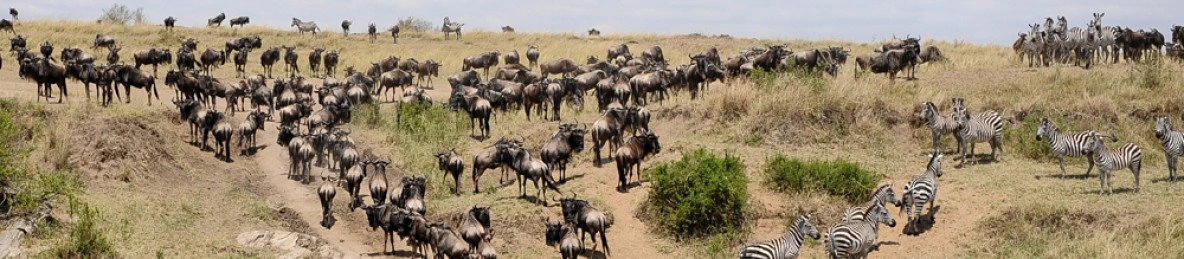

Kenya traveller preparation questions
What is the official Kenya eTA website?
https://www.etakenya.go.ke/. Use official immigration information for current requirements.
Which airport do safari flights use?
Many use Wilson Airport, while most international arrivals use JKIA. They are separate airports.
Do I need malaria medicine?
Ask a qualified travel-health professional for personal advice.
What plug is used in Kenya?
Kenya commonly uses Type G plugs. Confirm voltage needs for personal equipment.
Can I use cards on safari?
Often, but remote connectivity can fail. Carry a modest backup and confirm payment methods.
What luggage should I use?
Soft bags are often required for bush flights. Follow the booked airline limit.
Is Wi-Fi available?
It varies by property and can be intermittent in remote areas.
Can I photograph local people?
Ask for consent first and follow the host or guide’s instructions.
Sources and further reading
Arrive prepared enough to enjoy what cannot be planned
Documents, health advice, insurance and a sensible route create space for the safari to feel free.
Ask about your Kenya journey
Share dates, flights, travellers and any preparation question.