
Single Supplements and Solo Safari Pricing in Kenya
The empty half of a tent is not the same thing as a private vehicle. Once you separate the two, solo safari quotes become much easier to understand.
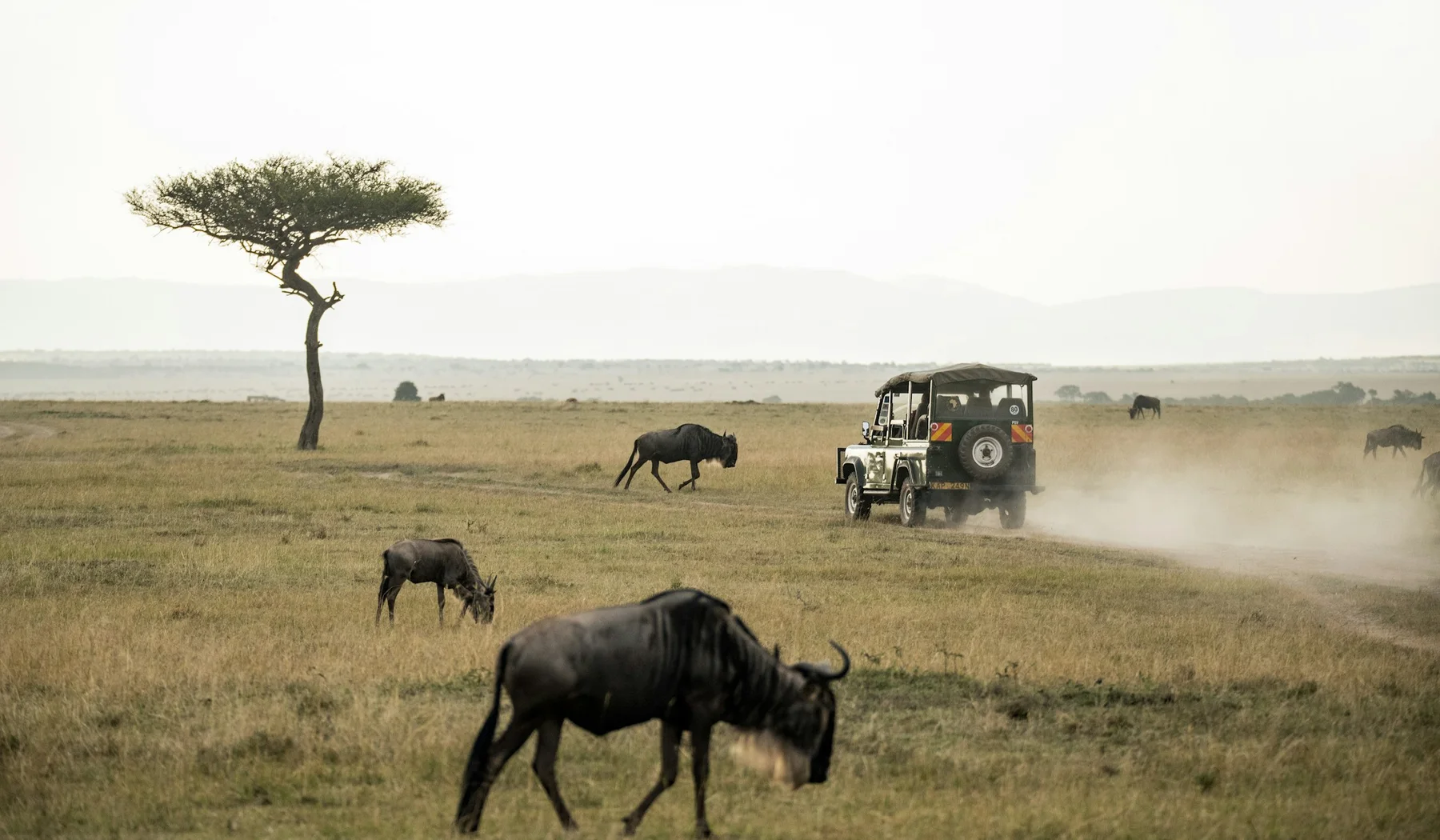
You find a safari that looks comfortably within budget. Then you put one traveller into the enquiry form and the total jumps. Did the camp double the room? Is the vehicle now yours alone? Is a light aircraft refusing to fly one passenger? Single supplements and solo safari pricing can seem like one problem, but these are different charges, with different ways to change them.
This guide is about the money side of travelling alone, not whether you will enjoy dinner or feel safe on your own. Those questions are in our solo traveller guide and solo women guide. Here, we will take the quote apart, show what “per person sharing” means, and compare the ways a solo guest can have a private room without paying for a private 4×4 for every kilometre.
What a single supplement actually pays for
Many safari accommodation rates are advertised per person sharing. Two guests occupy a tent or room, and each pays the stated figure. When one guest wants the room alone, the property may add a single-room supplement to the base per-person rate. That supplement buys sole occupancy of the room. It does not automatically buy exclusive use of a game-drive vehicle, a guide, an airport transfer or an aircraft seat.
There is no universal percentage. It depends on the property, the room type, the season and the offer attached to the booking. A small camp with only a handful of tents may price occupancy differently from a much larger lodge. At some properties one solo guest in a group receives a waiver, while a second solo guest pays. Others waive the supplement only in particular seasons. Treat “no single supplement” as a description of one line in the price, not as a synonym for “a solo safari costs the same as a couple’s safari.”
The reverse confusion is just as common. A private road safari is expensive for one person because the vehicle, fuel and guide still have to operate. That difference may be described casually as a “solo supplement,” but it is not a room charge. Ask for those components separately. One can sometimes be reduced by changing camp or travel dates; the other changes when you share transport or game drives.
The five cost lines that move when you travel alone
| Cost | What it buys | How solo travel changes it | What might lower it |
|---|---|---|---|
| Room or tent supplement | One guest occupying a room normally sold to two | Added per night or built into a single-occupancy rate | A waiver, solo-friendly room category or room-share option |
| Vehicle and guide | Transport, fuel, guide time and game-drive vehicle | One guest covers a fixed cost on a private itinerary | Shared camp drives, a guaranteed small-group departure or fewer long road legs |
| Airstrip and airport transfers | Ground connection between airport, camp and itinerary stops | A private transfer may be charged to one guest | A camp-arranged shared pickup or a route with fewer transfers |
| Park and conservancy fees | Entry or conservation charges for the person and dates | Usually still owed even if the room supplement is waived | Choose the right route and length, not a vague “free” offer |
| Flights and activity minimums | Light aircraft, balloon or other scheduled activity | Some services need a minimum passenger count | Join an existing service or choose dates with confirmed operation |
On a fly-in camp stay, shared game drives may already be included in the accommodation rate. If so, adding another line for a private game-drive vehicle would be an upgrade, not a compulsory solo charge. On a road safari, transport from Nairobi and between parks may be a distinct daily cost. The difference between those two models is why two itineraries with the same number of nights are not price-comparable from a headline total alone. Our safari vehicle guide helps with the vehicle choices.
What “per person sharing” looks like in a quote
Imagine two four-night Mara plans with the same camp. In this illustrative example, the camp costs $500 per person per night when two people share, and an empty second bed adds $160 per night for one guest. The camp includes shared game drives. A road transfer costs $240 if one traveller books it privately, or $80 per person in a shared transfer. For simplicity, set aside park fees, flights and drinks, which would need their own lines in a real quote.
| Four-night example | Two guests, each | One guest in own tent | Why |
|---|---|---|---|
| Camp stay with shared drives | 4 × $500 = $2,000 | 4 × $500 = $2,000 | Same base rate per guest |
| Single-room supplement | $0 | 4 × $160 = $640 | Only the solo guest occupies the tent alone |
| Transfer | $80 | $240 | One plan shares a vehicle, the other does not |
| Total for these lines | $2,080 each | $2,880 | The $800 difference contains two distinct costs |
Now imagine the camp waives its single-room supplement. The solo total for these lines falls to $2,240, not $2,080, because the private transfer remains private. If a shared camp pickup replaces it as well, the comparison changes again. The example is not a Kenya rate card; it shows which questions make a real quote intelligible. If someone simply says “the solo supplement is $800,” ask how much belongs to the room and how much to the road.
A third guest travelling with a couple can create its own rooming question. Are all three in one family tent, or is the solo guest in a separate room? Does a triple rate exist? Do the vehicle and entry fees split three ways? Headline per-person prices rarely answer that. A written rooming plan is more useful than a vague “three passengers” count.
Four booking formats, four different trade-offs
Join a small-group road departure. The vehicle cost is spread across the group, often making this the lowest-cost way to cover several parks. The departure must actually be guaranteed, the route must match your priorities, and you need to know whether you get a private room or are expected to share with another traveller. A “group safari” can still have a single-room charge. Our group safari page explains how the shared day feels.
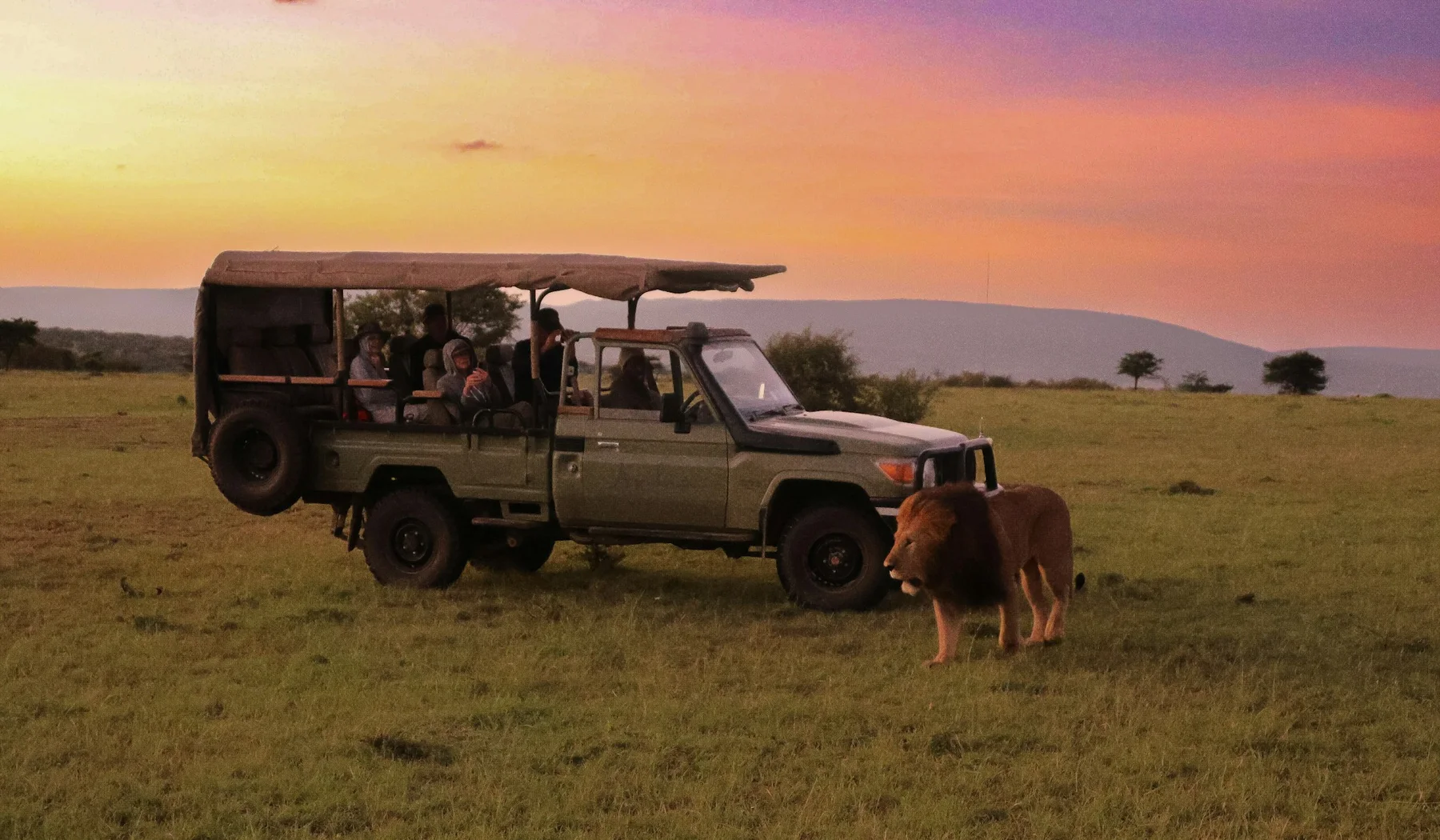
Fly into a camp and join its game drives. You can keep your own tent and spend drives with other camp guests. This can be a pleasant middle ground: solitude when you want it and company at a sighting or dinner. It can also limit control over drive length, photography stops and the other passengers. Make sure the airstrip pickup and the camp’s drive policy are in the price. The airstrip guide explains the transfer link.
Book a private road safari. A dedicated guide and vehicle offer the most control over timing and route. They also leave a solo guest paying for essentially the same vehicle operation that two or four travellers would divide. This can be worth it for a photographer, someone with mobility needs or a traveller who values a quiet pace. It is not automatically the right place to spend a limited budget. A shorter private section combined with shared camp drives later can preserve the freedom where it matters most.
Build a hybrid. An independent camp stay in the Mara, a scheduled flight to another region and a short private vehicle leg may cost less than keeping one 4×4 and guide across the whole country. The handoffs need care. Ask who arranges each transfer and whether the flight or vehicle relies on other passengers. A hybrid makes sense only when it saves meaningful time or money after every movement is counted.
A waived single supplement has conditions
Some Kenyan camp groups make solo stays easier. Offbeat Safaris describes a waiver for one single guest per group at selected properties, in all seasons. Porini Camps advertises no single-room supplement at its camps. Asilia advertises waivers in low and green seasons. The Asilia Edit group-trip terms go further, saying no supplement and a single room for solo guests, but with a limit on how many single rooms each departure allocates.
These are not interchangeable promises. One offer may apply only to the first solo guest in a group, another only to a designated room category or season. A fixed-date trip can remove the room premium but leave you with less freedom over dates, group composition and daily pace. Park and conservancy fees remain payable unless a specific itinerary says otherwise. Before basing the whole trip on a waiver, confirm that the exact property, dates, room and booking route qualify and whether the place is actually available.
It is also possible to travel alone without being a “single” in the rooming sense. Some small-group tours pair willing solo travellers with a same-gender roommate. That can remove a room supplement, but it gives up privacy and requires a clearly agreed matching policy. Other operators do not pair people at all. Porini’s travel FAQ, for example, says it does not pair guests at camp, even though an offer may waive the price of a private single tent. Ask which policy applies to the actual tour rather than assuming all “solo-friendly” trips operate the same way.
The minimum-passenger problem on light aircraft
A one-person room is not the only place a second passenger can matter. Some bush flights or special routes operate with a minimum passenger number. You may be able to book a seat on an already operating scheduled service; a bespoke or thinly booked leg can require more passengers or a charter price. An independent traveller planning Kenya described a quote that required two passengers on a domestic flight or asked them to cover the extra seat. That is a different charge from the camp’s single-room supplement.
Give the airline or safari planner the exact camp and airstrip, not just “Mara” or “Laikipia.” Ask whether the flight is confirmed for one traveller, whether the price assumes a second passenger, and what happens if another booking cancels. A transfer from the arrival strip to camp may be included, shared or charged privately. Our domestic flight and baggage guide covers the airline side, while the road-times guide helps compare flying with a vehicle day.
One-night hops between distant camps are costly in both money and experience. For a solo guest, an itinerary with three well-chosen nights in one wildlife area can sometimes offer better value than changing region after every breakfast. The saving may come from fewer airstrips and transfers, not from a magical discount on the room.
Your own room, a roommate or no guaranteed allocation?
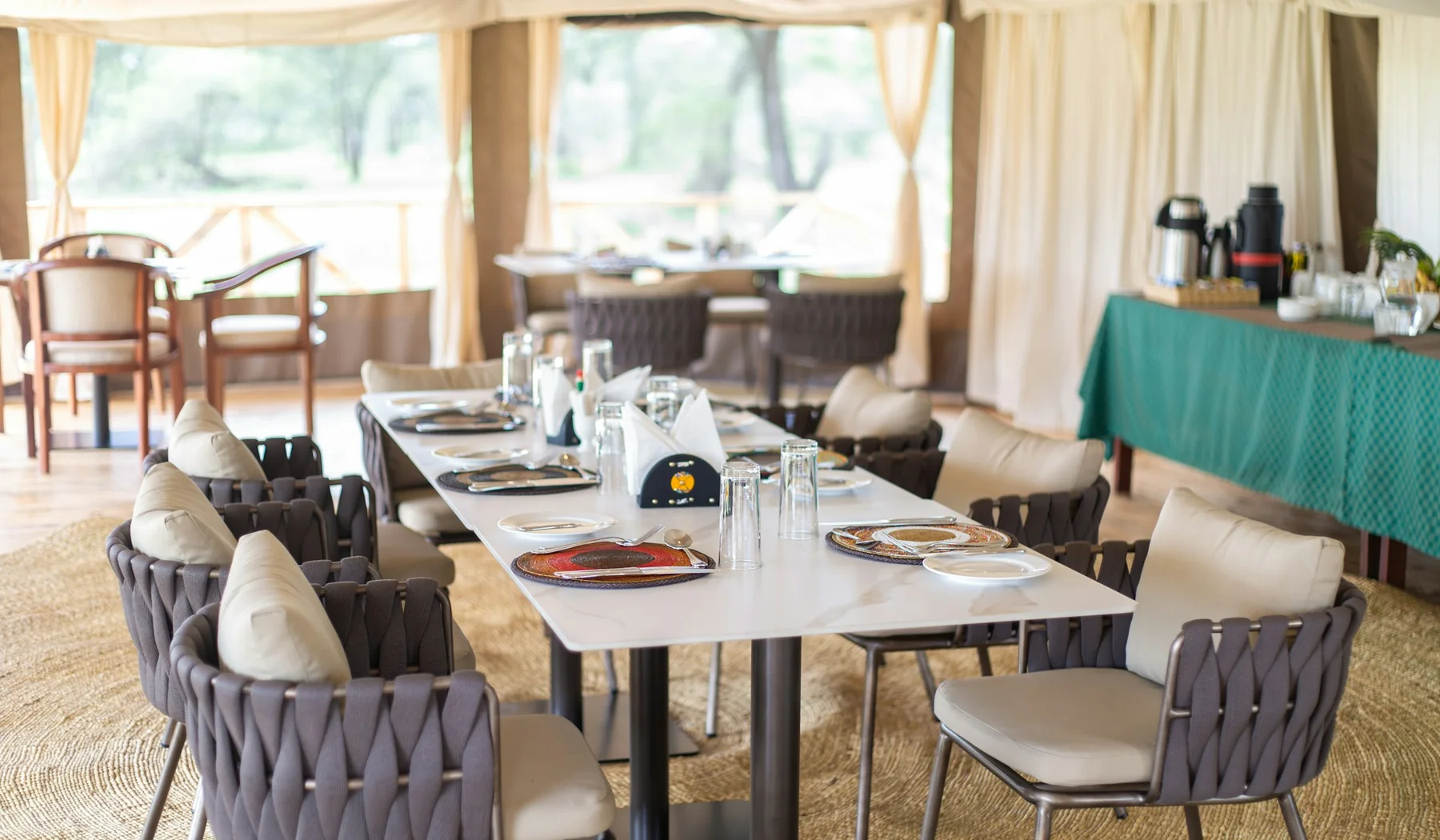
Privacy has real value. Many solo travellers are happy to share a vehicle and dinner table but want a door of their own at night. Say so directly. “Solo booking” and “single room confirmed” are not always the same. Some group tours assign twin rooms and offer a paid private-room upgrade, subject to availability. Others include single occupancy but limit the number of single rooms per departure. A camp with a no-supplement policy can still sell out of the suitable tent type.
Ask for the rooming arrangement at each stop. A Nairobi hotel may use a single room, a Mara camp a private tent, and a mobile camp a shared twin tent. If you are comfortable sharing, ask how a roommate is selected and what happens if none is found. Some tours will give you a single at no charge when no match exists; others charge the difference. The policy should be written down before the deposit.
For couples travelling with a solo friend or an adult child, compare a triple or family unit with two separate rooms. A family tent may be excellent value, but it can mean less privacy. Separate rooms may attract one supplement yet make the journey happier. A single blanket calculation based on three people in a vehicle cannot answer the accommodation question.
Where a change of dates or route helps
The most desirable migration weeks can be busy and leave fewer promotions or flexible rooms. Outside them, some camps explicitly waive solo occupancy charges. That does not mean the wildlife disappears. The Mara has resident animals throughout the year, while Laikipia, Samburu, Amboseli and Tsavo offer different landscapes and species. Let the wildlife you most want to see guide the dates first, then see whether a lower supplement or a quieter camp comes with them. Our Masai Mara guide and Samburu guide help compare the experiences.
If the private vehicle line dominates, changing season may not solve it. A guaranteed departure or shared camp drives will. If the room line dominates, one camp’s single-guest policy may be better than another’s even in the same conservancy. If flights dominate, staying longer in one area can make a bigger difference than shaving a small amount off each night. That is why the best solo route is not necessarily a cheaper copy of a couple’s itinerary.
Three solo travellers on the actual trade-offs
These are independent travellers describing their own trips or plans. They do not establish a market-wide price, but they capture the decisions behind the numbers.
I am pretty outgoing and social, so I am totally fine with joining a group trip
One traveller planning a week in Kenya valued sharing the safari day, not merely because it could cost less. They were still concerned about minimum passenger rules on flights.
The cost was also higher due to incurring single supplement fees.
This traveller took a long, comfortable journey through Uganda, Kenya and Tanzania with private drivers and bush flights. The high total was a collection of choices, not evidence that all solo Kenya safaris cost the same.
I was told I’d have to pay extra for a single room as a solo traveller.
A guest on a Kenya and Tanzania group itinerary encountered the room charge even though the safari itself was not a private vehicle journey. Sharing transport does not always remove the room premium.
The useful lesson is not to copy someone else’s total. Two people can both call their holiday a “solo safari” while one joins a vehicle and another hires one, one sleeps in a private tent and another shares, and one flies while another drives. Compare like with like.
How to read a solo safari quote without losing the plot
| Line to look for | What a clear answer names | Why it matters |
|---|---|---|
| Accommodation | Exact property, room category, board basis and single occupancy for every night | Shows whether a private room is confirmed, not merely requested |
| Room supplement or waiver | Amount per night or total, qualifying dates and number of eligible solo guests | Separates the room charge from transport |
| Game drives | Camp-shared, group departure or fully private; maximum guests and vehicle type | Explains a large difference in cost and control |
| Long transfers | Driver, vehicle, route and whether other passengers share it | Private road legs can dwarf the room supplement |
| Bush flights | Operating carrier, airstrips, passenger minimum and luggage limit | Identifies a possible extra seat or reroute |
| Entry and activities | Park and conservancy fees, nights and any private activity supplements | These can remain payable under a no-single-supplement offer |
A good comparison uses the full door-to-door total and the same number of useful wildlife days. A cheaper plan with an unconfirmed departure, an unnamed camp or a long road transfer in place of game time is not automatically better value. Conversely, a private 4×4 every day is a luxury, not a prerequisite for a rewarding solo safari. Decide what kind of company and freedom you want, then price that exact experience.
Frequently asked questions
What is a single supplement on a Kenya safari?
It is an extra accommodation charge when one guest occupies a room or tent normally priced for two sharing. It is separate from any private vehicle or flight charge.
Does no single supplement mean a solo safari costs the same as a couple’s?
No. A waiver usually concerns the room only. Private transport, transfers, park fees and flights can still make the per-person total different.
Do I have to share a bedroom to join a group safari?
Not always. Some group departures offer a confirmed single room for a supplement or as part of the rate, while others offer roommate matching. Check every stop.
Can I have a private tent and shared game drives?
Yes, many camps accommodate one guest in a private tent while game drives are shared with other camp guests. Confirm room occupancy and vehicle policy separately.
Why does a private road safari cost more for one person?
The vehicle, fuel and guide still operate for one guest, so the fixed transport cost is no longer divided between travellers. This is not the same as a single-room supplement.
Are solo supplement waivers available in Kenya?
Some camps and fixed-date group tours offer them, often with date, room or availability conditions. Confirm the exact booking terms for your stay.
Can a bush flight require more than one passenger?
Some flights or special routes have passenger minimums. Ask whether the service is confirmed for one seat and what happens if the minimum is not met.
What should a solo safari quote show?
It should name the room and occupancy, supplement or waiver, drive and transfer basis, flights, entry fees, activities and the full total.
Is a group or private safari better for a solo traveller?
A group can lower vehicle costs and add company. A private safari gives more control but costs more. A camp with shared drives can offer a useful middle ground.
More for solo travel planning
Tell us how you want to travel
Share your dates, budget and whether you prefer a group vehicle, shared camp drives or a private guide. We can price the room and transport clearly.