
Samburu, Lake Nakuru and Masai Mara Safari: Three Very Different Faces of Kenya
Travel through three different wildlife worlds, with honest transfer days and enough nights for each destination to earn its place.

- Is this the right Kenya safari for you?
- How many nights do you need?
- A strong eight-night itinerary
- Samburu is the route’s ecological reset
- What two full Samburu days can hold
- Lake Nakuru is more than a flamingo photograph
- Should Lake Nakuru be one night or two?
- The Masai Mara needs to feel like an arrival
- Reserve, conservancy or two Mara bases?
- Road and flight choices
- What the transfer days actually feel like
- When should you travel?
- Wildlife expectations without the checklist trap
- Accommodation choices that change the trip
- What travellers say about the route
- Families and multigenerational groups
- Travellers with limited mobility
- Photography and birding
- Cultural and conservation experiences
- What should the price include?
- Booking checklist
- Frequently asked questions
- Let Kenya change as you travel south
The first giraffe looks familiar until the guide points to its clean white legs and fine, geometric coat. A gerenuk stretches upright beneath an acacia. A few days later, a rhino walks out of fever-tree woodland beside Lake Nakuru. The journey ends on broad Mara grasslands where a lioness watches wildebeest in the evening light.
A Samburu, Lake Nakuru and Masai Mara safari works because each chapter changes the wildlife, landscape and rhythm. Samburu introduces Kenya's dry north and species that do not define the Mara. Lake Nakuru adds a compact rhino and woodland day while breaking the road south. The Masai Mara then needs enough time to become the journey's broad, unhurried finish.
The route becomes weak when it is sold as three names in six nights. Long drives swallow daylight, Lake Nakuru is reduced to an old flamingo promise and the Mara receives one full day. The answer is not faster driving. It is a route with honest night counts, named locations and a clear reason for every stop.
Is this the right Kenya safari for you?
Choose this circuit when contrast matters more than collecting the greatest possible number of parks. It suits first-time visitors who want more than one classic savannah, repeat visitors curious about northern species, photographers who enjoy changing habitats and families able to handle two substantial transfer days.
It is less suitable for a six-night holiday, a traveller who dislikes long road journeys or anyone whose only goal is the Great Migration. In those cases, Samburu and the Mara can be linked by air, while Lake Nakuru is left for a different trip.
| Your priority | How well the route fits | Planning response |
|---|---|---|
| Northern species and ecological contrast | Excellent | Protect three Samburu nights |
| Rhinos | Strong | Give Lake Nakuru a real game-drive window |
| Big-cat viewing | Strong | Keep at least three full Mara days |
| Huge flamingo flocks | Uncertain | Treat birds as responsive to lake conditions |
| Minimal driving | Weak in the all-road version | Fly one sector or choose two destinations |
| A seven-day international trip | Too compressed | Remove one destination or add nights |
| Family safari | Good with private vehicle control | Add breaks, pools and sensible transfer starts |
How many nights do you need?
Eight safari nights is the practical floor, not a luxury. Three Samburu nights create two full days. One Nakuru night works when you arrive early enough for an afternoon drive and leave after a second wildlife window. Four Mara nights protect three full days and make room for weather, animal movement and different sectors.
Nine nights is more forgiving. The extra night can sit in Nakuru or the nearby Rift Valley for a slower transfer, or in the Mara when photography, migration interest or a second ecosystem base matters. Ten nights allow a road journey to breathe and make space for a conservancy, cultural experience or rest without stealing game-drive time.
| Safari nights | Suggested split | Verdict |
|---|---|---|
| 6 | 2 Samburu, 1 Nakuru, 3 Mara | Too rushed, with only one full Samburu day and heavy transfers |
| 7 | 3 Samburu, 1 Nakuru, 3 Mara | Possible, but every delay affects wildlife time |
| 8 | 3 Samburu, 1 Nakuru, 4 Mara | Strong minimum and our default starting point |
| 9 | 3 Samburu, 2 Rift Valley, 4 Mara | Comfortable road rhythm and better recovery |
| 10 | 3 Samburu, 2 Nakuru area, 5 Mara | Excellent for photographers, families or two Mara bases |
Do not count an arrival at dinner and a departure after breakfast as two safari days. Count full dawn and late-afternoon wildlife windows instead.
A strong eight-night itinerary
Day 1: Nairobi to Samburu
Leave Nairobi early and travel north through the central highlands. The drive is part of the geographical story, but it is still a transfer day. Lunch time, traffic, road works and the exact camp determine whether an afternoon drive is realistic. Do not promise a full first game drive after a late arrival.
Days 2 and 3: Samburu’s river and dry country
Use early and late drives to follow the Ewaso Ng'iro River, open scrub and rocky country. Search for Grevy's zebra, reticulated giraffe, gerenuk, beisa oryx and Somali ostrich without turning the “Samburu Special Five” into a guarantee. Elephants, lions, leopards, wild dogs, hyenas and rich birdlife may add very different encounters.
Day 4: Samburu to Lake Nakuru
This is a substantial road day. Leave after an early breakfast rather than squeeze in a token drive and reach Nakuru too late. A game drive is worthwhile only when arrival, gate time and the lodge position leave a proper window. Otherwise, settle in and begin at opening the next morning.
Day 5: Lake Nakuru to the Masai Mara
Use the cool morning for rhinos, woodland, viewpoints and birds, then travel toward the Mara. The exact journey depends on road conditions and the chosen gate. Arriving near sunset can be acceptable, but the proposal should not call that afternoon a Mara game drive.
Days 6, 7 and 8: full Mara days
Let the guide read habitat and animal movement rather than repeat the same circuit. One day may focus on open plains, another on river systems, and another on a conservancy or distant sector when your accommodation permits. Early starts and patient stops usually reveal more than racing between radio calls.
Day 9: Mara to Nairobi or the coast
Fly to Wilson Airport when the budget and onward plan support it. If driving, keep the international flight on the following day or protect a very large buffer. A same-day road transfer and long-haul departure creates avoidable anxiety.
Samburu is the route’s ecological reset
The Ewaso Ng'iro River draws wildlife through an otherwise dry landscape. Doum palms, sandy channels, scrub and rocky ridges create a visual world that feels far from the Mara. River flow changes with rain upstream, so the same camp can look and behave differently across seasons.
The northern species are a major reason to come. Grevy's zebra have narrower stripes and white bellies, reticulated giraffes show crisp polygonal patterns, gerenuk often browse upright, beisa oryx carry long straight horns and Somali ostriches show distinct colouring. Finding all five is a satisfying game, not a contractual outcome.
Samburu National Reserve sits beside Buffalo Springs across the river, while Shaba lies farther east. Camp location affects which reserve, bridge and driving area are practical. “Samburu area” is not enough detail for a proposal. Ask for the property, reserve or conservancy, airstrip and included driving permissions.
Our planned Samburu National Reserve guide will help you compare the reserve, Buffalo Springs, Shaba and nearby conservancies before choosing a base.
What two full Samburu days can hold
The first full day can follow river and woodland habitats where elephants, cats and birds respond to water and shade. The second can change direction, search open country for northern specialists and slow down for behaviour. Midday heat is real, so a pool, shaded deck and a camp positioned near good habitat can improve the trip.
| Samburu interest | What to plan |
|---|---|
| Northern specialist mammals | A guide who enjoys identification and does not chase only cats |
| Elephants | Time near the river, with distance and no blocking of crossings |
| Leopards | Patient dawn and dusk searches in suitable habitat |
| Wild dogs | Flexible routing and honest acceptance that packs range widely |
| Birding | Binoculars, field knowledge and slow stops near water and scrub |
| Photography | Private vehicle, one photographer per row where possible and dust protection |
| Community visit | Named host, permission, timing, price and community benefit |
Three nights also protect the destination from a single poor wildlife day. Heavy rain, a dry river, heat or dispersed animals should not decide the whole northern chapter.
Lake Nakuru is more than a flamingo photograph
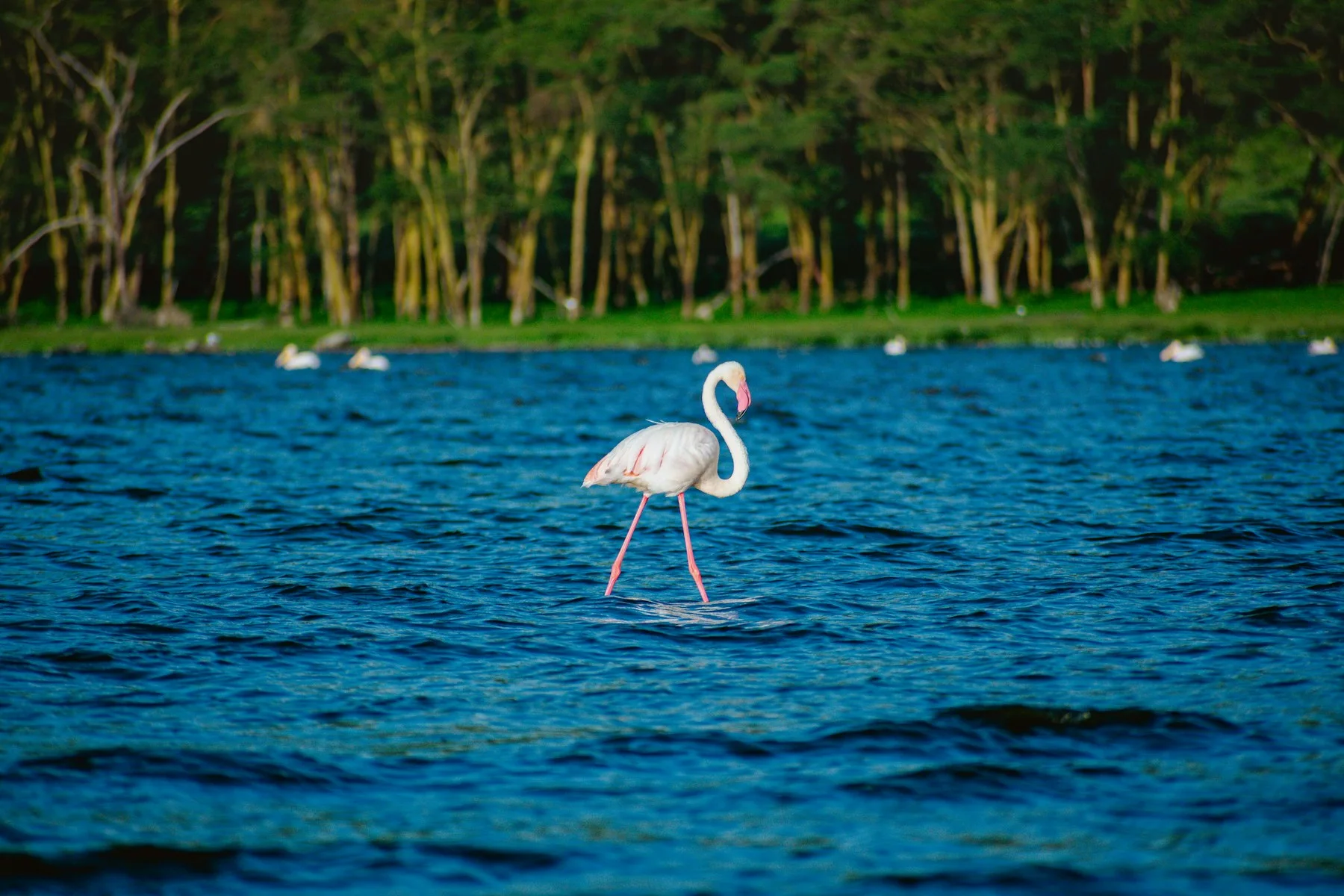
The park combines lake edge, grassland, woodland, cliffs and forest in a relatively compact area. It is known for black and white rhino conservation, and a good drive may also find buffalo, giraffes, antelope, baboons, lions and many birds. The enclosed park feels different from both Samburu and the open Mara.
Flamingos remain possible, but their numbers change with water levels, food and conditions across several Rift Valley lakes. Kenya Wildlife Service has documented that flamingos move among lakes. A large pink shoreline cannot be guaranteed for a particular date.
Plan Nakuru around rhinos, woodland light, viewpoints and varied birds. If a large flamingo gathering appears, it is a gift rather than the only measure of value. The Lake Nakuru National Park guide will compare gates, lodge positions, habitats and realistic visit lengths.
Should Lake Nakuru be one night or two?
One night works as a purposeful road break when the arrival and departure create two useful game-drive windows. It fails when both adjoining transfers are treated as full safari days. The lodge may receive you after dark, and the next morning may be cut short by the road to the Mara.
Two nights create a full day. That helps birders, photographers, families and anyone who wants a slower meal, pool time or a second rhino search. It can also make the route feel lodge-heavy if the Mara has fewer than four nights.
| Choose one night when | Choose two nights when |
|---|---|
| The road sequence needs a practical break | Nakuru's rhinos and birds are a major priority |
| Arrival is early enough for an afternoon drive | Both adjacent drives would otherwise compress the park |
| You keep four Mara nights | Children need a slower transfer rhythm |
| You accept a focused rather than complete visit | You want dawn and dusk photography without rushing |
The extra night should earn its place. It is not automatically better than a fourth or fifth Mara night.
The Masai Mara needs to feel like an arrival
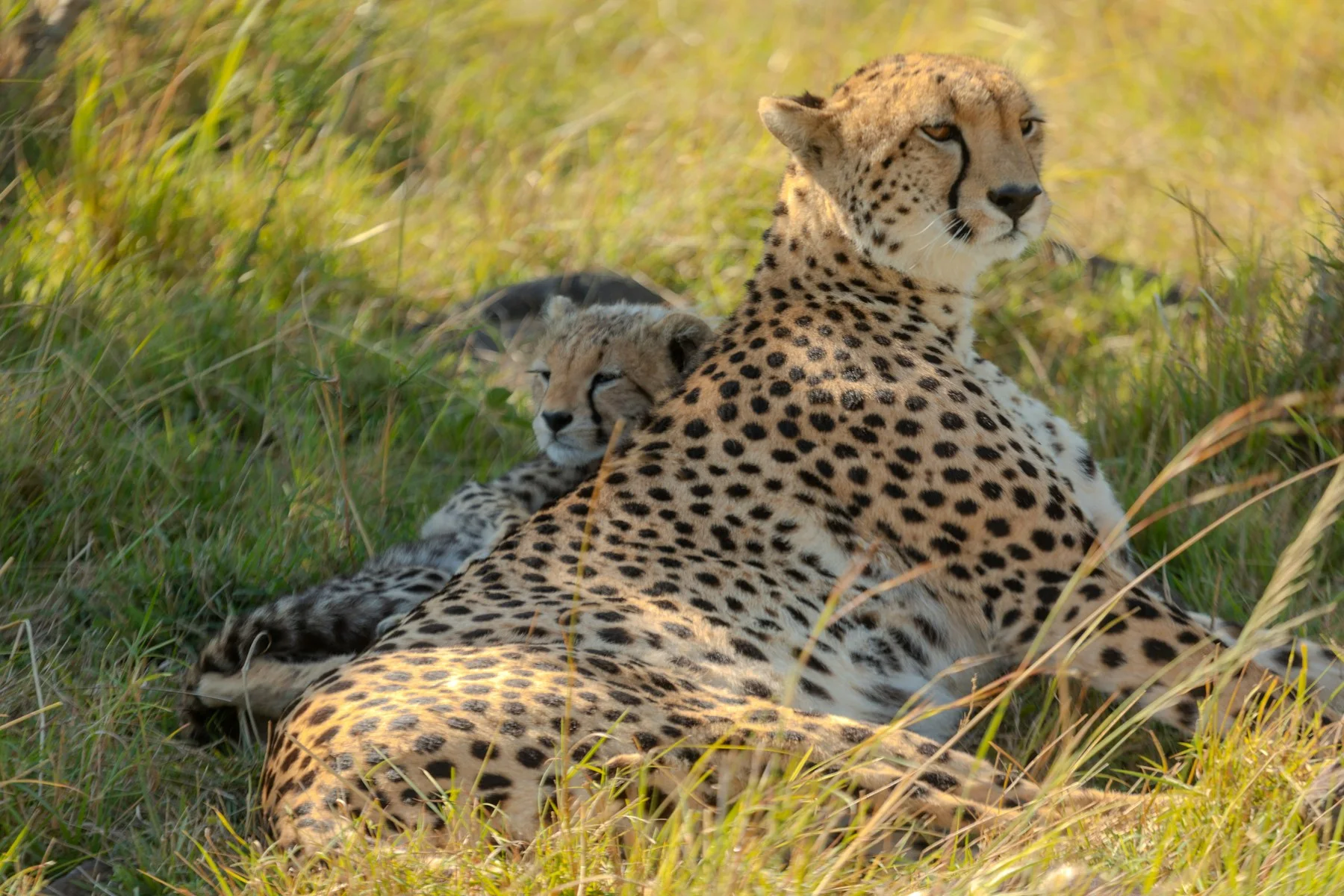
After the northern drylands and Rift Valley forest, the Mara opens the horizon. Resident predators, large herbivore herds, river systems and seasonal migration movement support deep wildlife viewing throughout the year. This is not a destination to place at the end merely for brand recognition.
Four nights allow three full days. That gives weather and animal movement less power over the trip and lets a guide choose distant areas without worrying about a noon departure. A reserve base, private conservancy or split stay creates different freedoms, fees and driving patterns.
The planned Masai Mara safari guide explains reserve sectors, conservancies, seasons and accommodation geography in more depth.
Reserve, conservancy or two Mara bases?
Inside the national reserve, the exact location determines access to river systems, open plains and migration sectors. A private conservancy can add off-road viewing where permitted, night drives, guided walks and lower vehicle density, but reserve access may involve extra time and fees.
With four nights, one well-positioned base is often calmer. With five or six, splitting between a conservancy and reserve can create genuine contrast. Do not split a three-night stay into two properties merely to list both. Packing, check-out, airstrip transfers and new briefings take time.
| Mara structure | Best for | Watch for |
|---|---|---|
| Four nights in one reserve camp | Simplicity and strong reserve access | Driving distance to the exact sector you value |
| Four nights in one conservancy | Privacy, walks and night activities | Reserve entry time, fees and included visits |
| Two reserve plus three conservancy nights | Five-night travellers seeking contrast | Transfer time and vehicle changes |
| Three nights split across two camps | Rarely recommended | Too much movement for too little gain |
Ask whether the vehicle is private, how many guests share it, which fees are included, whether a conservancy vehicle may enter the reserve and whether the same guide continues.
Road and flight choices
The all-road route has a clear geographic logic: Nairobi to Samburu, south-west to Nakuru, then on to the Mara. Lake Nakuru breaks the north-to-Mara drive, but it does not make either transfer short. Road conditions, construction, weather, stops and the exact property make fixed hour promises unreliable.
Flying can protect energy, but Lake Nakuru complicates the air sequence. Scheduled bush flights are strongest between Nairobi, Samburu and the Mara. A direct Samburu-to-Mara flight may make sense when you remove Nakuru. When Nakuru stays, road travel usually remains the practical link unless a charter is justified.
| Route design | Advantages | Trade-off |
|---|---|---|
| Drive every sector | Continuous landscape story, luggage flexibility and one guide | Two long transfer days and a long final return if you also drive out |
| Drive to Samburu and through Nakuru, fly from Mara | Keeps the coherent route and removes the tiring final road day | Bush-flight baggage limits and an airstrip transfer |
| Fly Nairobi to Samburu, drive via Nakuru, fly from Mara | Saves the first road day | Vehicle and guide handovers, higher cost |
| Fly Samburu to Mara and remove Nakuru | Fastest three-night north and Mara pairing | Loses the rhino and Rift Valley chapter |
| Private charter including Nakuru area | Maximum control | Cost and airport-to-park logistics must justify it |
Never assume that “fly-in” means door to door. Hotel-to-Wilson travel, check-in, possible stops, airstrip waiting and lodge transfer all belong in the schedule. Confirm baggage weight, bag type, camera equipment and whether storage is available in Nairobi.
What the transfer days actually feel like
A transfer day begins with luggage and check-out, not with the vehicle leaving the gate. It includes fuel, toilet stops, lunch, road delays, gate formalities, possible rain and the final drive to a camp. The first hour inside a park may also be a transfer through wildlife country, but it should not be sold as a full game drive.
The Samburu-to-Nakuru day moves from dry northern country toward higher, greener landscapes. It is visually interesting, yet sitting time accumulates. The Nakuru-to-Mara day can be slowed by urban traffic, road surfaces and the chosen reserve entrance. Children and travellers with back or hip pain feel these realities more than an itinerary map suggests.
Build in water, comfort stops and an unhurried lunch. Avoid leaving Samburu after a full morning drive when the next lodge expects arrival before dark. A safe, calm driver is more valuable than reaching a gate thirty minutes earlier.
When should you travel?
This route can work in every month, but each season changes the experience. Drier conditions can draw Samburu wildlife toward dependable water and make tracks easier, while dust and heat increase. Wetter periods colour the north, support migrant birds and create dramatic skies, but rain can slow roads and disperse animals.
Lake Nakuru's water level and food conditions influence bird distribution. The Mara supports resident wildlife all year. Migration herds may enter the wider ecosystem seasonally, yet exact arrival and river crossings follow rain and grazing rather than a booking calendar.
| Conditions | Samburu | Lake Nakuru | Masai Mara | Packing and planning response |
|---|---|---|---|---|
| Drier period | Wildlife may gather near water, dusty tracks | Open drives often straightforward | Shorter grass in some areas, popular sectors busy | Dust cover, hat, hydration and early drives |
| Wetter period | Green flush, birds and possible slow roads | Lush woodland and changing lake edge | Green plains, dramatic skies and muddy tracks | Light rain layer, dry bags and schedule flexibility |
| Cool mornings | Comfortable viewing | Forest and lake edge can feel chilly | Dawn drives can be cold in an open vehicle | Warm layer before sunrise |
| Peak migration interest | Not the central draw | Independent lake conditions | Higher demand and seasonal herd movement | Book early but keep sighting language honest |
Our Kenya safari packing guide covers layers, dust, rain protection, binoculars and soft-sided luggage for mixed road and air travel.
Wildlife expectations without the checklist trap
The route offers an excellent chance to see varied wildlife, not a promise to complete every named list. Samburu may produce northern specialists and river elephants. Lake Nakuru may offer both rhino species. The Mara can support long predator and plains-game encounters. A leopard, wild dog, cheetah hunt or river crossing remains chance.
| Wildlife goal | Strongest chapter | Honest expectation |
|---|---|---|
| Grevy's zebra and reticulated giraffe | Samburu | Good reason to visit, never guaranteed together |
| Gerenuk, beisa oryx and Somali ostrich | Samburu | Search across suitable dry habitat |
| Black and white rhinos | Lake Nakuru | Strong conservation setting, with cover affecting views |
| Flamingos | Lake Nakuru | Numbers and location change with ecological conditions |
| Lions and cheetahs | Masai Mara | Resident populations support good searches, not scheduled sightings |
| Leopards | Samburu or Mara | Possible and elusive in both |
| Elephants | Samburu and Mara | Often rewarding, with respectful distance required |
| River crossing | Masai Mara | Seasonal possibility that cannot be timed or guaranteed |
A guide should read signs and animal behaviour instead of racing to complete a list. Watching elephants choose a river crossing or a giraffe browse for twenty minutes can become more memorable than a distant cat surrounded by vehicles.
Accommodation choices that change the trip
In Samburu, a camp beside the river can provide shade, views and fast access to wildlife habitat. A lodge outside the reserve may offer space, private activities or value but require more gate travel. Check whether the property is in Samburu, Buffalo Springs, Shaba or a conservancy and which areas are included.
At Lake Nakuru, staying inside the park protects dawn and late-afternoon time. A property outside a gate may offer more choice or lower cost but adds entry formalities and travel. Ask which gate is used and whether traffic through Nakuru town affects the plan.
In the Mara, location is even more consequential. Name the reserve sector or conservancy before comparing pools, room photographs and menus. A beautiful tent that sits far from the intended game-drive area can cost hours every day.
| Accommodation question | Why it matters |
|---|---|
| Is the property inside the reserve or outside a gate? | Controls access time and repeated gate procedures |
| Which airstrip serves it? | Determines transfer duration and flight practicality |
| Is the vehicle private or shared? | Changes pace, stops, seating and departure times |
| What is the board basis? | Prevents surprise meal and drink costs |
| Are park and conservancy fees included? | Avoids a misleading room-price comparison |
| Are rooms fenced and are escorts required? | Important for families and movement after dark |
| Is there a pool, fan or shaded rest area? | Matters during Samburu heat and family downtime |
| Can the room support a triple, family or accessible setup? | Must be confirmed by exact category, not assumption |
What travellers say about the route
Independent trip discussions are most useful when they expose the trade-offs hidden by a neat itinerary. These are short, exact excerpts linked to the original conversations.
“I find Ol Pejeta just fine, and think Samburu is a lot more interesting since the ecosystem is so different from the Mara so you may see different animal sightings.”
That traveller was choosing between northern stops, and the ecological difference is precisely why Samburu belongs here. Read the original route discussion.
“Lake Nakuru has very few flamingos left so if you expect a massive amount, you’ll be disappointed.”
The same traveller still valued the abundant birds and used Nakuru as part of an all-road journey. The practical lesson is to plan for the whole park rather than one historic image. Read the original discussion.
“In the Mara, wildlife is so abundant , we did 3 and wished we have more time.”
That is why this route protects four Mara nights. The final destination should not receive the nights left after every other stop is added. Read the traveller's comment.
“You may end up spending a couple of days just transferring from one town to another.”
The traveller's answer was simple: add time. On this route, the Samburu-to-Nakuru and Nakuru-to-Mara days must appear honestly. Read the recent Kenya trip report.
One more comment captures the reward when enough time is allowed: “When you start far north and head south, you really get to see Kenya.” Read the north-to-south account.
These are individual experiences, not universal verdicts. Together they support the same design: keep Samburu for difference, Nakuru for a purposeful rhino and Rift Valley chapter, and enough Mara nights to stop watching the clock.
Families and multigenerational groups
This can be an excellent family route when a private vehicle controls stops, seats and departure times. Three-night bases reduce daily packing. Pools and shaded rest periods matter in Samburu. A one-night Nakuru stay is efficient but can feel like another luggage exercise, so two nights may suit younger children or grandparents.
Confirm child-seat availability, minimum ages for walks or night activities, interconnecting rooms, family tents, fencing, dietary needs and pool supervision. Children should never stand through an open roof while the vehicle is moving. A wildlife notebook or a search for animal behaviour often works better than an adult's Big Five count.
The Kenya safari with children guide covers flight times, malaria discussions with a clinician, room layouts and realistic drive lengths.
Travellers with limited mobility
Long road sectors, vehicle steps and toilet access require specific planning. Ask for step height, grab handles, seat width, suspension, roof view while seated and space for a folded wheelchair or walker. A lifted Land Cruiser may handle tracks well but be difficult to board. A lower safari van may be easier at the door but less comfortable on rough ground.
Name the exact rooms at all three properties and confirm paths, gradients, bathroom layout, shower access, bed height and assistance. “Accessible” without measurements is not enough. The accessible Kenya safaris guide provides a fuller checklist.
Photography and birding
Samburu offers patterned northern mammals, dust, palms and river behaviour. Nakuru brings forest light, rhinos, lake birds and viewpoints. The Mara opens space for predators, herds and long evening silhouettes. Three different visual languages make this an unusually strong photography circuit.
Use a private vehicle when possible. Confirm one photographer per row, roof and window openings, charging, beanbags, dust protection and baggage treatment on any flight. Tell the guide whether birds, behaviour, landscape or rare mammals matter most.
Birders should not treat transfer days as lost, but road sightings must never compromise safety. In the parks, slow down. Samburu's dry-country birds, Nakuru's water and woodland species, and the Mara's raptors and grassland birds can carry a day when cats stay hidden.
Cultural and conservation experiences
A Samburu community visit can add depth when it is hosted with consent, priced transparently and centred on conversation rather than a staged photo stop. Ask who receives the fee, how much time is planned, whether photography requires permission and whether purchases are optional.
At Nakuru and in the Mara, conservation stories should remain connected to habitat and management rather than promotional labels. A conservancy fee, rhino sanctuary or community programme deserves an explanation of what it supports.
Do not overload the journey with compulsory shops. A transfer lunch or craft stop should be named, optional where appropriate and separated from the guide's wildlife priorities.
What should the price include?
The route price is shaped by season, exact properties, room type, visitor category, park and conservancy fees, private or shared vehicle use, flights and group size. Compare complete itineraries, not one headline number.
| Quote line | What must be named |
|---|---|
| Accommodation | Property, room category, nights and board basis |
| Vehicle | Land Cruiser or van, private or shared, seats and roof configuration |
| Guide | Language, start and finish points and whether the same guide continues |
| Entry fees | Samburu ecosystem, Lake Nakuru, Mara reserve and any conservancy fees |
| Transfers | Exact road sectors, airstrips, airport hotels and waiting time |
| Flights | Airline, route, baggage limit and transfers at both ends |
| Activities | Game drives, walks, night drives, village visit or balloon, with restrictions |
| Exclusions | Tips, drinks, laundry, visas, insurance and optional purchases |
| Terms | Deposit, balance, amendment, cancellation and refund rules |
Our Kenya safari cost guide explains why the vehicle, fees and room category often matter more than a broad “mid-range” or “luxury” label.
Booking checklist
- Keep at least eight safari nights.
- Protect three nights in Samburu and four in the Mara.
- Decide whether Nakuru is a one-night road break or a two-night destination.
- Name the exact reserve, conservancy and property at every stop.
- Show transfer days separately from full game-drive days.
- Confirm private or shared vehicle use and window seats.
- Decide whether to fly out of the Mara.
- Confirm bush-flight baggage rules before international packing.
- State park, reserve and conservancy fees separately.
- Keep flamingo and migration language conditional.
- Declare children, mobility needs, dietary requirements and camera equipment.
- Confirm every optional activity, age limit and community payment.
- Protect a Nairobi night before an early international departure when driving out.
- Put cancellation and payment terms in writing.
Frequently asked questions
How many days do I need for Samburu, Lake Nakuru and the Masai Mara?
Use at least nine calendar days for eight safari nights. Three Samburu nights, one Lake Nakuru night and four Mara nights form a strong minimum. Add a night when you want a full Nakuru day or slower family pace.
Should I visit Samburu or the Masai Mara first?
Starting in Samburu and travelling south creates a strong ecological progression and places Lake Nakuru naturally between the north and the Mara. The reverse can work when flights or room availability require it.
Can I drive the whole route?
Yes. The road sequence is logical, but Samburu to Nakuru and Nakuru to the Mara are substantial transfers. Flying from the Mara to Nairobi can improve the final day.
Is one night enough at Lake Nakuru?
It can be when arrival and departure allow an afternoon and morning drive. Use two nights for a full park day, family recovery, birding or more patient rhino photography.
Will I see flamingos at Lake Nakuru?
Flamingos may be present, but their numbers and location change with ecological conditions across Rift Valley lakes. Book Nakuru for rhinos, habitats, viewpoints and bird diversity as well.
What animals are special in Samburu?
Grevy's zebra, reticulated giraffe, gerenuk, beisa oryx and Somali ostrich are often called the Samburu Special Five. They are targets, not guarantees.
How many nights should I spend in the Masai Mara?
Use at least four on this route. That protects three full days after two demanding road transfers and gives wildlife movement and weather less control over the visit.
Is the route suitable for children?
Yes with a private vehicle, sensible transfer starts, family rooms, pool breaks, child seats and age-appropriate activities. Two Nakuru nights may suit families that dislike daily packing.
Can I add a hot-air balloon flight?
Yes when age, health, transfer time, launch area, weather policy and cost all work. It should add to the Mara stay rather than replace a full morning drive for everyone.
Can this safari be customised?
Yes. Nights, properties, reserve and conservancy choices, vehicle, flights, activities, room style and pace can all be changed around the travellers and dates.
Let Kenya change as you travel south
The strongest version of this safari is not a sprint through three famous names. It begins with the river and northern specialists of Samburu, pauses for rhinos and woodland at Lake Nakuru, then gives the Mara enough days to open slowly.
Share your dates, travellers, room style, wildlife interests and tolerance for road time. We will name the exact camps, gates, fees, vehicle and flight options, then build a route in which every destination earns its nights.
Tell us how you want Kenya to change along the way
Share the dates, travellers, northern wildlife interests, rhino priorities, Mara plans, room style and road tolerance. We will build the route around real days rather than a list of names.