
Kenya Currency and Money Guide: Cash, Cards, ATMs and M-PESA
A card may settle a Nairobi hotel bill. A phone may buy lunch. A small shilling note may save an awkward moment at a roadside stop.
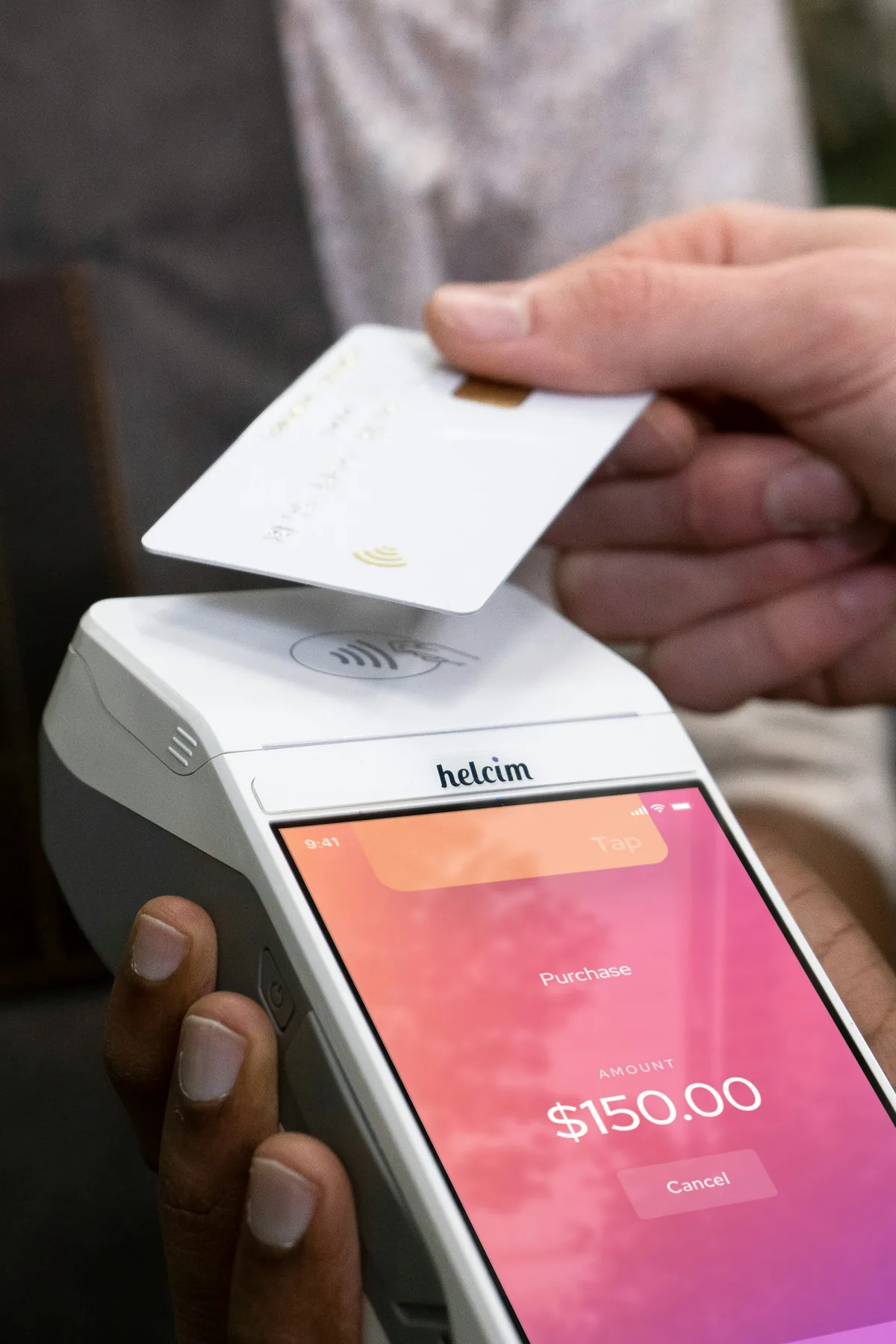
This Kenya currency and money guide gives safari travellers a simple system: use Kenyan shillings for everyday local spending, keep a working card for larger bills, and treat M-PESA as a useful option rather than the only plan. Carrying two payment methods in separate places matters more than chasing a perfect exchange rate.
- Kenya currency and money guide at a glance
- Kenyan shillings, notes and change
- Money at Nairobi airport
- Using debit and credit cards
- ATMs and cash withdrawals
- M-PESA for visitors
- Foreign exchange without surprises
- Paying at safari lodges and camps
- Cash for guides, staff and small moments
- Protect cards, phones and cash
- Money mistakes and scam signals
- A practical safari money budget
- Couples, families and groups
- Leftover shillings and final payments
- Before leaving home
- Traveller opinions
- FAQs
Kenya currency and money guide at a glance
Picture the first morning in Kenya. The airport transfer has already been arranged, breakfast is included and the guide is waiting. The money you need is not a suitcase of dollars. It is a card that works, some Kenyan shillings in useful denominations and a backup stored away from the main wallet. That quiet preparation leaves room for the journey.
The right mix changes as the route moves. Nairobi supports cards, ATMs and official mobile outlets. A remote conservancy may have a card terminal but depend on a satellite connection. A craft seller may prefer M-PESA or cash. Ask where payment happens, not simply whether Kenya accepts cards.
| Payment method | Best use | Main limitation | Good safeguard |
|---|---|---|---|
| Kenyan shillings | Tips, markets and small purchases | Loss and limited change | Carry small notes in two places |
| Debit or credit card | Hotels, lodges and larger bills | Network or issuer decline | Bring a second card |
| M-PESA | Local mobile payments | Registration and account funding | Use official Safaricom support |
| Foreign cash | Backup or agreed safari payment | Exchange condition and security | Carry clean recent notes only |
Kenyan shillings, notes and change
Kenyan prices may be written as KSh, KES or simply shillings. Count change before leaving the counter and keep smaller notes available. A KSh 1,000 note can be inconvenient for a tiny purchase, especially early in the day when a seller has little change.
The Central Bank of Kenya lists current banknotes in KSh 50, 100, 200, 500 and 1,000 denominations. Current coins include 50 cents and KSh 1, 5, 10, 20 and 40. For travellers, KSh 50, 100, 200 and 500 notes do most of the useful work: water, a small snack, a porter, market change or a modest tip.
Do not memorise a conversion rate months before travel. Rates move. Use a reputable live rate for a rough mental guide, then judge the actual bank or bureau offer by its displayed buy and sell rates, fees and receipt. A few shillings lost to a safe, convenient exchange are preferable to a risky unofficial deal.
Money at Nairobi airport
Arrival halls are tiring places to make large financial decisions. Arrange the transfer before take-off, keep one working card accessible and obtain only the shillings needed for the first day if the rate or queue is poor. Larger withdrawals or exchanges can wait for a secure bank or bureau.
Travellers carrying currency or monetary instruments worth US$10,000 or more, or the foreign-currency equivalent, must declare them to Kenya Revenue Authority. The rule concerns what you carry across the border, not an ordinary card limit or money held in your bank account.
If buying a SIM, use an official branded outlet and ask staff to explain registration, airtime, data and mobile money separately. Never hand an unlocked phone, banking PIN or card PIN to a stranger offering help. The useful assistance is the kind you can see and understand.
Using debit and credit cards
Tell the issuing bank about travel if its system still requires notice, check foreign transaction fees and confirm that Kenya is not blocked. Carry cards from separate accounts or networks. If the main card is frozen, the backup should not depend on the same lost wallet or app login.
At the terminal, check the merchant, amount and currency. Keep the card visible. If the screen offers to convert the purchase into your home currency, that is dynamic currency conversion. It may look reassuring, but the terminal’s conversion can be worse than the rate from your card issuer. Choose Kenyan shillings unless you have checked both costs, and retain the receipt until the banking alert matches.
ATMs and cash withdrawals
Use ATMs attached to known banks, inside secure malls or at established airports. Avoid an isolated machine after dark. Cover the keypad, refuse unsolicited assistance and cancel if the slot, keypad or screen looks altered. If a machine retains the card, contact the bank through an official number.
Withdrawal limits, local ATM fees and home-bank charges can stack together. Fewer sensible withdrawals may cost less than many small ones, but carrying a large amount introduces another risk. Choose a balance that suits the next route segment.
M-PESA for visitors
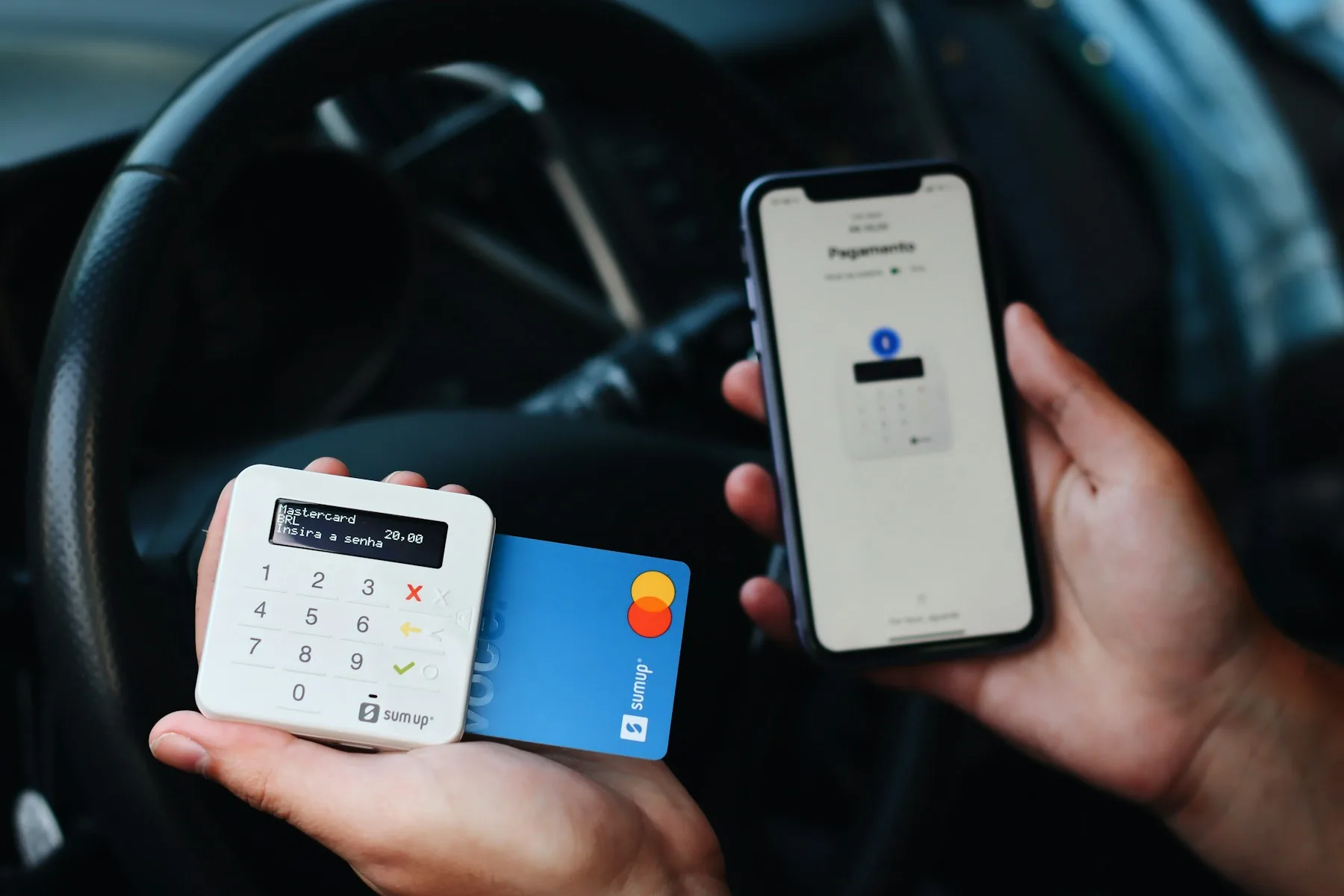
M-PESA is woven into daily Kenyan life. It can pay a restaurant, driver, shop or service provider by mobile number or till. Visitors who qualify can ask an official Safaricom shop to register the SIM and explain how to deposit, confirm a recipient and protect the PIN. Rules and products change, so current Safaricom guidance is the authority.
Read the recipient name displayed before confirming. A reversed digit can send money to someone else. Do not reveal the PIN, approve a prompt you did not initiate or follow a caller’s instructions to move funds into a so-called safe account. Save the message receipt until the service is complete.
| What you see | What it means | Safe habit |
|---|---|---|
| Send Money | Payment to a personal mobile number | Read the recipient’s displayed name before entering the PIN |
| Buy Goods / Till | Merchant payment linked to a till number | Match the business name and amount on the confirmation screen |
| Paybill | Payment using a business number plus an account reference | Copy both numbers from the official invoice or merchant display |
| Agent deposit or withdrawal | Cash moves into or out of the mobile wallet | Use an authorised agent and count cash before leaving |
Watch how one repeat visitor combines cards and M-PESA
Richard Debs explains why his payment setup changes between a short Kenya visit and a longer stay. His experience is useful because it treats M-PESA as one tool in a wider money plan rather than presenting it as compulsory.
Watch “Travel Credit Cards or M-PESA while in Kenya?” on YouTube
Foreign exchange without surprises
A bureau buys foreign currency at one rate and sells it at another. The spread is part of the cost. Ask how many shillings will be received after all charges before handing over cash. Count the money at the counter and keep the receipt.
Damaged, marked or older foreign notes may be refused or receive a poorer rate. This is one reason not to build the whole holiday around dollars. If the safari quote is in a foreign currency, follow the written payment instructions and use the named business beneficiary.
Paying at safari lodges and camps
Many established camps accept cards, but a card machine may rely on a mobile or satellite connection. Ask in advance about drinks, laundry, shop purchases, conservation activities and gratuities. If a large balance is due at camp, know the accepted cards and currencies before leaving Nairobi.
Keep spending notes during a multi-camp route. A photograph of each signed bill or a simple offline list prevents confusion at check-out. Review the folio while there is time to ask what an item means. Hospitality feels warmer when accounting questions are calm rather than rushed beside an airstrip.
| Safari expense | Often handled how | Question to settle |
|---|---|---|
| Accommodation and meals | Prepaid in the itinerary | Which board basis and drinks are included? |
| Park or conservancy fees | Prepaid or collected with package | Are all entry days covered? |
| Optional activities | Prebooked or paid locally | What is the price and cancellation rule? |
| Camp extras | Card, cash or room account | Which currency is charged? |
| Tips | Cash or staff box, sometimes digital | What is the current voluntary guideline? |

Cash for guides, staff and small moments
Separate tip money from daily spending and divide it by route segment. A road guide may stay with the group for several days, while each fly-in camp has its own guide and staff team. Ask how staff boxes work and whether the guide shares in them.
Shillings are useful and respectful because the recipient can spend them locally. Foreign notes may also be accepted in some safari settings, but do not assume every person can exchange them easily. The detailed Kenya safari tipping guide explains the handover and budgeting choices.
Protect cards, phones and cash
Divide resources. Keep one card and a modest amount in the daily wallet, another card in secure luggage or a safe, and emergency cash separately. Store issuer numbers offline. A lost phone should not remove access to every bank, eTA, ticket and contact at once.
Use a screen lock and hide message previews that reveal one-time banking codes. Avoid counting money in public. If a card disappears, freeze it immediately and check recent transactions. Report theft through appropriate local and financial channels for insurance evidence.
Money mistakes and scam signals
A stranger who demands an instant fine, asks for a transfer to release a prize or says an account must be secured by moving money is creating pressure. Do not surrender a passport as collateral or pay an unofficial roadside penalty without documentation and a lawful process. Ask to go to the relevant office and contact a trusted local representative.
Card overcharging can be less dramatic. Read the bill, keep the terminal in view and confirm whether service has already been included. At markets, agree the price and currency before the item is wrapped. Friendly negotiation is different from a payment made under confusion.
A practical safari money budget
List what is prepaid: accommodation, meals, vehicle, guide, flights and entry fees. Then add the variable layers: drinks, laundry, tips, crafts, Nairobi meals, beach activities and emergency reserve. A realistic local-spending plan can be small when the safari is genuinely inclusive.
Do not carry the whole estimate as cash. Decide which expenses can be paid by card, which might need shillings and which can be settled before travel. Exchange-rate changes should not threaten the basic trip once the large safari costs are confirmed.
Couples, families and groups
Give each adult a small independent reserve and make one person responsible for recording group payments. Children and teenagers should know that M-PESA prompts and bank codes are private. If they carry pocket money, use an amount that can be lost without disrupting the trip.
For groups, settle shared-cost expectations before the restaurant bill arrives. One person can pay and record the split, or each room can manage its own extras. The safari should not become a nightly accounting meeting.
Leftover shillings and final payments
Keep enough shillings for the final transfer, snack or small tip, but avoid a large leftover balance. A licensed bureau may exchange notes, while coins are rarely useful outside Kenya. Some travellers keep a small note as a memory or for a likely return.
Check the final hotel or camp bill before leaving, keep receipts for disputed charges and retain a modest emergency method until the international journey ends. A card packed deep in checked luggage is not a backup during a missed connection.
Before leaving home
Write down the two card issuers, emergency numbers, foreign transaction fees, ATM limits and where the backup card will travel. Download banking apps and confirm that two-factor authentication will work abroad.
Record the safari payment schedule and beneficiary exactly as confirmed. Add a daily shilling estimate, tip categories and a small contingency. The point is not perfect forecasting. It is knowing which method takes over when the first one fails.
What travellers say after the trip
These are exact words from public reviews and discussions. Each person had their own route, budget and expectations, so the value is in the detail rather than treating one experience as a promise.
I used my Revolut card for almost everything. Roughly 95–98% of the time, card payments worked without an issue.
A recent Kenya traveller describing why a card can be the main method, while still carrying backup cash.
Mostly use M-Pesa, but have some cash with you.
A Kenya discussion that captures the value of combining methods rather than relying on one.
When I visit Kenya I take cash, cards and get setup with Mpesa when I get my SIM then use each as it suits best.
A repeat visitor describing the three-part system used throughout a Kenya stay.
We also carried USD cash as backup and used that when card payments were not possible.
A recent safari visitor explaining the quiet value of a second method.
We were told M-Pesa was useful, but our group never actually needed it.
A useful counterpoint for short, organised trips where cards and cash already covered the journey.
I pull out local currency from an ATM on the first day.
One traveller’s uncomplicated answer to the question of when to obtain shillings.
Kenya money questions
What currency is used in Kenya?
The Kenyan shilling, abbreviated KES or KSh, is the everyday legal currency.
Should I bring US dollars to Kenya?
Clean, recent US dollar notes can be useful for a quoted safari balance or backup, but Kenyan shillings are better for ordinary local spending.
Are credit cards widely accepted?
Cards are common at hotels, malls, established restaurants and many lodges. Small businesses and remote stops may prefer shillings or M-PESA.
Can a tourist register for M-PESA?
Visitors may be able to register through an official Safaricom outlet with the required identity documents. Confirm current eligibility and requirements directly with Safaricom.
Which ATMs should I use?
Use machines at established bank branches, airports or secure malls. Inspect the machine, shield the PIN and keep the card within sight.
Should I accept dynamic currency conversion?
Read the terminal carefully. Paying in Kenyan shillings often lets the card issuer perform conversion, but check your own card terms.
How much cash should I carry on safari?
Carry enough for modest tips and small purchases, not the full trip budget. The route and what is prepaid determine the amount.
Can I tip in Kenyan shillings?
Yes. Shillings are practical and immediately usable. Confirm each property’s current guidance before departure.
Is it safe to exchange money on the street?
No. Use licensed banks, recognised foreign-exchange bureaux or other authorised channels and keep the receipt.
Which safari costs are usually prepaid?
Accommodation, meals on the stated board basis, scheduled game drives, park fees and transport are often included. Drinks, laundry, tips, shop purchases and optional activities may be paid locally, so read the inclusions line by line.
Sources and further reading
Official Kenyan sources establish the currency, declaration and mobile-payment facts. Traveller discussions show how those systems feel on an actual trip.
- Central Bank of Kenya currency services and current denominations
- Safaricom individual SIM and M-PESA registration form
- Kenya Revenue Authority passenger declaration guidance
- Recent traveller notes on cards, cash and M-PESA in Kenya
- Traveller discussion comparing shillings, dollars, cards and M-PESA
Give every shilling a purpose
Tell us the route and travel style. We will make the safari inclusions, optional costs and likely local spending easy to understand.
Plan your Kenya safari budget
Share dates, travellers, route, accommodation style and the activities you are considering.