
Is Amboseli Worth Visiting? An Honest Comparison for Your Kenya Safari
An elephant family crosses a pale road while Kilimanjaro appears above the cloud for six quiet minutes. That can be the photograph of a lifetime. It can also follow a punishing transfer, a dusty afternoon and a morning when the mountain never appears. Amboseli is not universally essential. Its value depends on what you came to Kenya to feel.
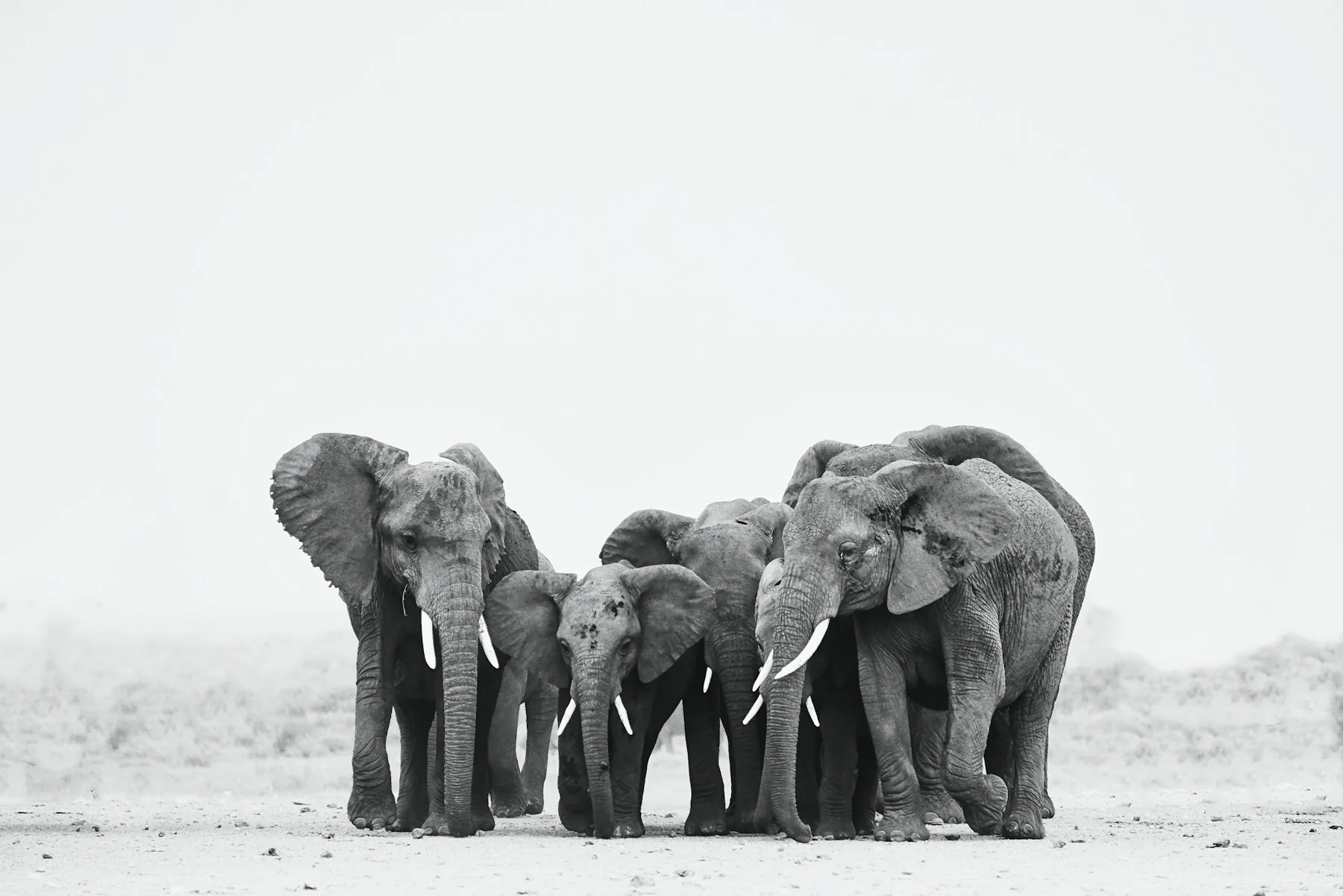
Is Amboseli worth visiting? Yes, if large elephant herds, the Kilimanjaro landscape, wetlands inside a dry basin and a natural connection with Tsavo matter to you. It may not be worth the extra travel if your trip is very short, the Mara already fills your wildlife goals or you expect dependable big-cat density and a guaranteed clear mountain.
- Is Amboseli worth visiting for your kind of safari?
- Elephants are the reason Amboseli stands apart
- Kilimanjaro can transform the morning or remain invisible
- Wildlife variety beyond elephants
- The scenery feels unlike the Mara
- Dust, roads, crowds and a compact circuit
- Amboseli is worth nights, not a rushed Nairobi day
- Amboseli compared with the Mara, Samburu, Ol Pejeta and Tsavo
- Families, photographers, honeymooners and repeat visitors
- Park fees, lodge location and the real budget
- When Amboseli feels most worthwhile
- Add Amboseli, shorten it or skip it?
- Watch an independent park comparison
- Traveller opinions
- FAQs
Is Amboseli worth visiting for your kind of safari?
Amboseli is worth two or three nights for travellers who want elephants in an open landscape, a possible Kilimanjaro dawn, prolific wetlands and a safari that combines naturally with Tsavo. It is especially strong for photographers, families fascinated by elephants, repeat visitors and first trips long enough to include two contrasting ecosystems.
It is easier to skip when Kenya has fewer than six safari nights, when the route already runs north toward Samburu or Laikipia, or when seeing rhino and big cats matters more than mountain scenery. The answer is not a ranking of parks. It is whether the experience repays the travel time inside one specific itinerary.
| Amboseli is a strong choice when | Consider another destination when |
|---|---|
| Elephants are a leading priority | Leopard or rhino is essential |
| Kilimanjaro scenery matters | A clear mountain is treated as guaranteed |
| The route continues to Tsavo or coast | The itinerary jumps directly to distant parks by road |
| Two or three nights are available | Only a return Nairobi day trip fits |
| Landscape photography matters | Species count is the only measure |
Elephants are the reason Amboseli stands apart
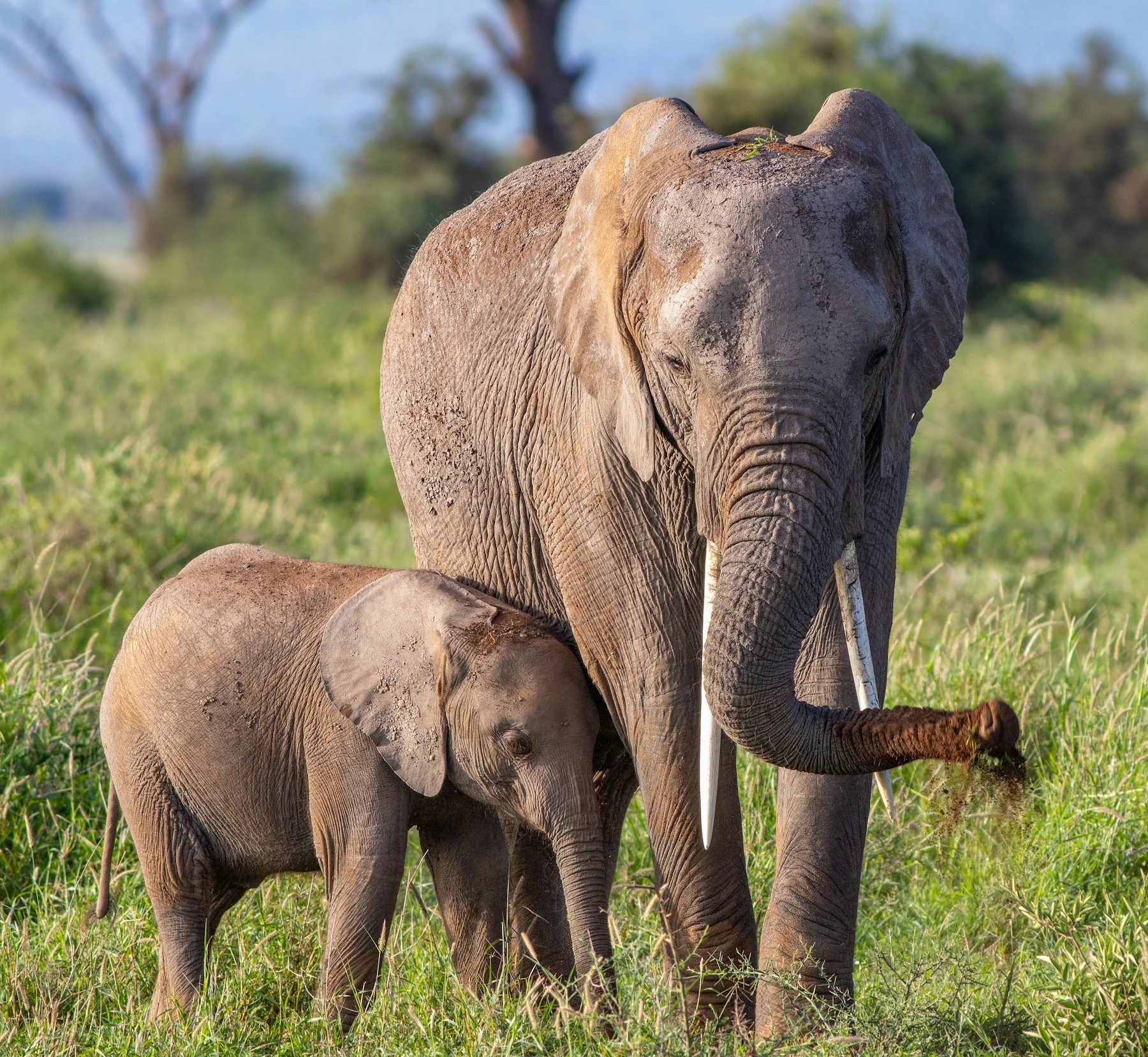
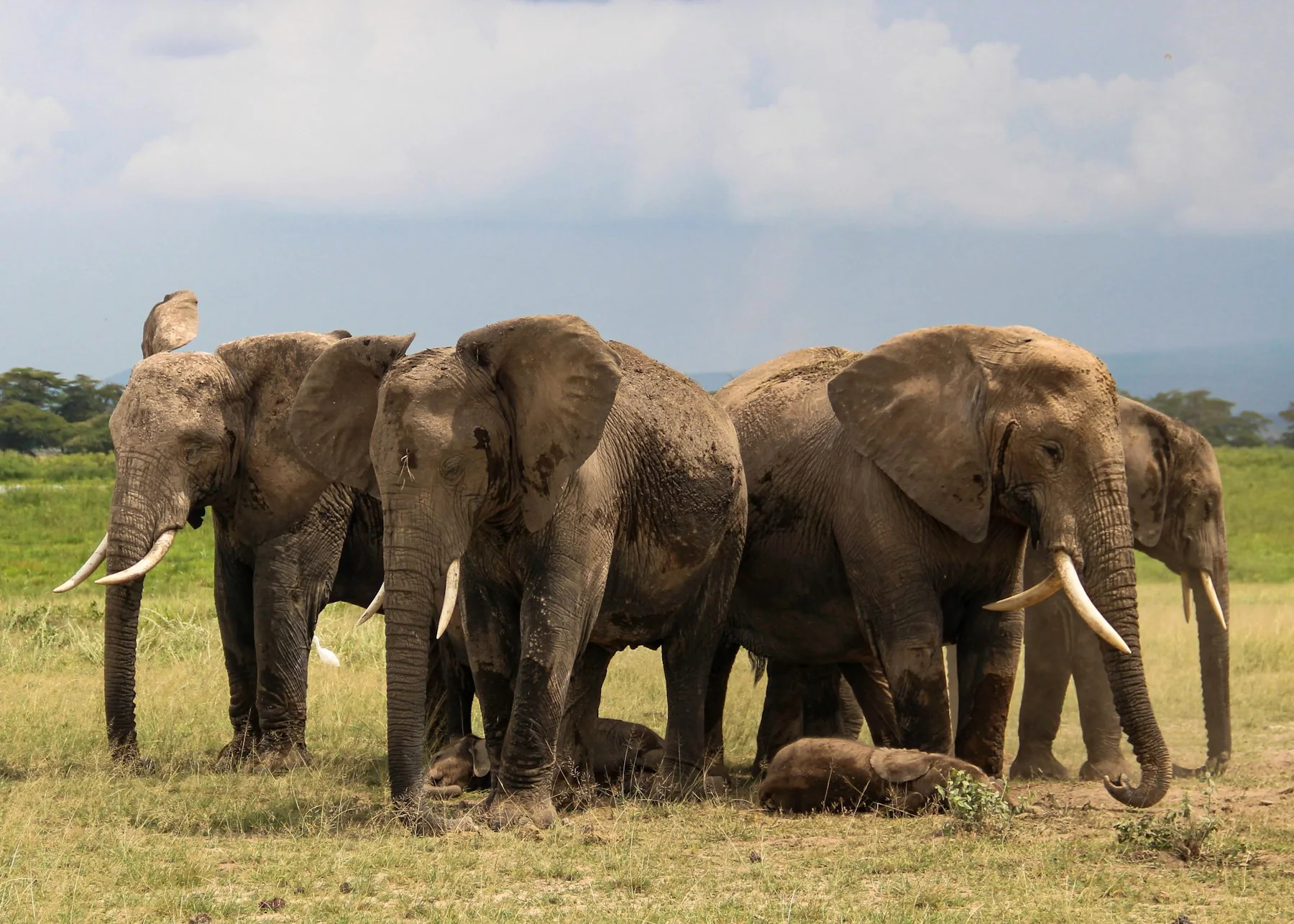
Amboseli’s permanent wetlands and open basin make family groups and mature bulls visible in a way that rewards patient observation. Researchers have followed known individuals and families since 1972, so a knowledgeable guide can add identity, kinship and history to what might otherwise be “another herd.” Our Amboseli elephants guide explains the family relationships, research history and patient viewing that make this more than a checklist sighting.
Dry periods often concentrate elephants around water. Wet periods spread them through a greener ecosystem. No individual is guaranteed, and the animals also move outside the national park. Stay with a relaxed family long enough to notice care, play, feeding and decisions. That depth is Amboseli’s answer to a park with a longer species list.
Kilimanjaro can transform the morning or remain invisible
Mount Kilimanjaro stands in Tanzania but rises above the southern view from Kenya. Early mornings often create the best opportunity before cloud develops. Dry air may be clear, while dust may reduce contrast; rain may hide the summit or wash the atmosphere into extraordinary light.
A two-night stay gives two mornings, three nights gives three. None guarantees the postcard. Travellers who will feel cheated by cloud should not make the mountain the only reason to come. The basin, elephants, birds, swamps and changing light need to carry the safari too.
Wildlife variety beyond elephants
Amboseli supports buffalo, hippo, giraffe, zebra, wildebeest, gazelles, hyenas, lions, cheetahs and rich birdlife across wetlands, woodland and open plains. KWS highlights more than four hundred bird species. Flamingos may use suitable seasonal water, while raptors, waterbirds and smaller species reward a slower guide.
The park is not a dependable leopard or rhino destination, and big-cat density can feel modest after the Mara. Wildlife remains wild, so even elephants are not an appointment. Choose Amboseli for the complete habitat story rather than a promise to finish the Big Five.
| Priority | Amboseli fit | Expectation |
|---|---|---|
| Elephant families and bulls | Excellent | Allow time for behaviour |
| Kilimanjaro landscape | Distinctive | Weather dependent |
| Birds and wetlands | Strong | Bring binoculars |
| Big cats | Possible | Lower expectation than Mara |
| Rhino and leopard | Weak reason to choose | Use another destination |
The scenery feels unlike the Mara
Pale lake bed, green permanent swamp, acacia woodland, dust, storm sky and an enormous mountain can sit within one drive. Observation Hill reveals how the habitats fit together. The contrast becomes especially dramatic late in the dry season or when rain turns the plains green.
The flatness can feel exposed and repetitive to travellers who prefer hills, riverine forest or dense wildlife at every turn. For photographers, that negative space is the point. For children, wetlands and constant elephant stories may be more engaging than long searches for a distant cat.
Dust, roads, crowds and a compact circuit
Amboseli can be very dusty, particularly late in the dry season. Heat shimmer affects photography, road corrugation tires backs and fine powder reaches cameras and rooms. Rain creates mud and slower access. KWS requires vehicles to remain on established roads, which protects habitat but limits angle and approach.
Vehicle clusters form around lions, cheetahs and famous elephants. The park’s compact road network makes them noticeable. A private vehicle, early departure and patient guide help, but cannot create solitude at every sighting. Community conservancies may provide a different pace under their own access rules.
Amboseli is worth nights, not a rushed Nairobi day
The private road journey from Nairobi is normally planned at four to five hours, with traffic, stops and the exact lodge adding uncertainty. A same-day return consumes the dawn and evening that make the park most beautiful. A one-night stop can work on a natural Tsavo route but gives no full day. The Nairobi to Amboseli guide compares the Emali road, Namanga approach and Wilson Airport flight by the whole door-to-lodge day.
Two nights create an arrival drive, full day and departure morning. Three nights let the weather change, families rest and photographers wait. Flying from Wilson protects time on a short itinerary, although airport transfers, baggage limits and lodge transfers remain part of the day.
Amboseli compared with the Mara, Samburu, Ol Pejeta and Tsavo
The Masai Mara offers greater big-cat reputation, broader game density and migration-season drama. Amboseli offers stronger elephant identity and the Kilimanjaro landscape. Samburu adds arid northern scenery and specialist species. Ol Pejeta is the clearer rhino and conservation choice. Tsavo provides scale, wildness, lava, springs and red-dust elephants.
A good Kenya itinerary combines differences. Mara plus Amboseli works when travel is by air or enough days exist. Amboseli plus Tsavo is the natural road sequence. Ol Pejeta plus Samburu creates a northern circuit. Trying to include all of them in a week makes every park less worthwhile.
| Destination | Choose it for | Main contrast with Amboseli |
|---|---|---|
| Masai Mara | Big cats, density and migration context | Busier wildlife spectacle |
| Samburu | Northern specialists and arid river habitat | More remote northern circuit |
| Ol Pejeta | Rhinos and conservation visits | Fenced conservancy model |
| Tsavo West | Lava, hills and springs | Larger, wilder road circuit |
| Tsavo East | Red earth and scale | Long horizons toward coast |
Families, photographers, honeymooners and repeat visitors
Families who love elephants can watch recognisable behaviour without needing to chase predators all day. A private vehicle allows shorter drives and bathroom flexibility. Photographers gain scale, dust, wetland birds and the mountain, but need at least two dawns and realistic cloud expectations.
Honeymooners should pair wildlife with a property and pace that feel personal, not assume the park name creates romance. Repeat safari travellers often appreciate the research history and community landscape. Travellers with back problems should discuss flight options, road condition and vehicle seats before booking.
Park fees, lodge location and the real budget
The current KWS premium-park rate for a non-resident adult is USD 90 per access period, with separate child, resident, citizen and vehicle charges. Accommodation, transport, guide, meals and activities sit above that. Inside-park and outside-park lodges can trigger different gate patterns. Our Amboseli safari cost guide breaks those moving parts into a usable budget.
A cheaper outside room may lose dawn time or add entry costs. A flight may cost more but recover a wildlife afternoon. A third night adds fees and accommodation but avoids paying for another transfer day. Compare complete routes and useful safari hours, not the room alone.
When Amboseli feels most worthwhile
June through October and January to February are generally drier windows, with wildlife using reliable water and roads usually easier. July to September bring strong demand. Late dry months can be stark, dusty and productive.
Green and rainy periods bring birds, colour, dramatic skies and lower visitor pressure, while animals disperse and tracks can slow. Choose them because those qualities appeal, not only for a lower rate. Kilimanjaro remains unpredictable in every season. The month-by-month trade-offs are covered in the best time to visit Amboseli guide.
Add Amboseli, shorten it or skip it?
Add two or three nights when elephants and scenery are priorities and the route connects naturally. Keep it to two nights when it complements a longer Mara stay. Choose three when photography, children, lodge time or conservation depth matters.
Skip it when the only possible visit is a punishing day trip, when the safari is already rushed or when rhino and northern specialists matter more. Kenya does not become incomplete without one park. It becomes memorable when each chosen place has time to reveal why it belongs.
Watch an independent Amboseli and Masai Mara comparison
Chris Chrisman Travel Adventures filmed both parks and compares the weather, rooms, costs and wildlife they experienced. It is useful because the answer is not simply that one park is better. Watch for the wider elephant scenes in Amboseli, the different pace of sightings and the amount of travel surrounding each stay.
The channel is an independent travel creator, not a competing safari operator. Their visit is one experience, so use it alongside the seasonal, route and budget evidence in this guide.
What travellers say after the trip
These are exact words from public reviews and discussions. Each person had their own route, budget and expectations, so the value is in the detail rather than treating one experience as a promise.
Absolutely worth the visit though! My favorite photos from the entire trip (9 nights on safari) came from Amboseli.
A traveller who loved two Amboseli nights while also finding the Mara much stronger for big cats.
We all loved Amboseli! It felt very magical, especially at sunset.
A first-time Kenya safari traveller recalling the park after long road transfers between destinations.
I did Amboseli after the Mara and overall wasn’t stoked about it. It was worth it to see Kilimanjaro but 1 day was enough.
A different traveller explaining why dust, crowds and comparison with five Mara days reduced the appeal.
Is Amboseli worth visiting questions
Is Amboseli worth visiting for a first safari?
Yes when elephants and Kilimanjaro scenery matter. Pair it with a contrasting destination such as the Mara rather than expecting it to provide every Kenyan safari experience.
Is Amboseli worth visiting after the Masai Mara?
It can be because the landscapes and elephant viewing feel different. Skip it if reaching it would compress an already short itinerary.
Is Amboseli good for big cats?
Lions, cheetahs and other predators occur, but the park should not be chosen for Mara-like big-cat density or routine leopard sightings.
Is Kilimanjaro always visible from Amboseli?
No. Cloud, haze and dust can hide the mountain in any season. Several early mornings improve opportunity without guaranteeing a view.
How many nights make Amboseli worthwhile?
Two nights are a good minimum and three give more depth, photography time and weather margin.
Is Amboseli worth a day trip from Nairobi?
Usually not by road. Eight to ten hours of return driving can leave only a short midday park visit.
Is Amboseli better than Samburu?
Neither is universally better. Amboseli suits elephants and Kilimanjaro; Samburu offers northern-specialist wildlife and a different semi-arid landscape.
Is Amboseli better than Ol Pejeta?
Choose Amboseli for elephants and mountain scenery. Choose Ol Pejeta when rhinos and its conservation stories are higher priorities.
Is Amboseli crowded?
Popular sightings, peak dates and easy roads can attract vehicle clusters. Early starts, lodge position, patience and selected quieter seasons help.
Can Amboseli combine with Tsavo and the coast?
Yes. That is one of its strongest route advantages, creating a natural road circuit through Tsavo toward the Indian Ocean.
Sources and further reading
Official park, heritage, tourism, aviation and regulatory sources support the practical details in this guide.
Choose Amboseli because it fits, not because it is famous
Share the animals, scenery, pace and experiences that matter most. We will tell you honestly whether Amboseli strengthens the trip and show the route that does it justice.
Compare an Amboseli itinerary
Tell us your dates, total safari nights, group, budget level and other parks or beach plans.