
Is Amboseli Safe? Wildlife, Road, Health and Personal Safety Guide
The lion beside the track is not waiting to attack the vehicle. The greater danger may be the driver rushing after dark, a forgotten malaria prescription or a traveller stepping out where getting out is forbidden. Amboseli feels wild because it is wild, but its risks are understandable and manageable.
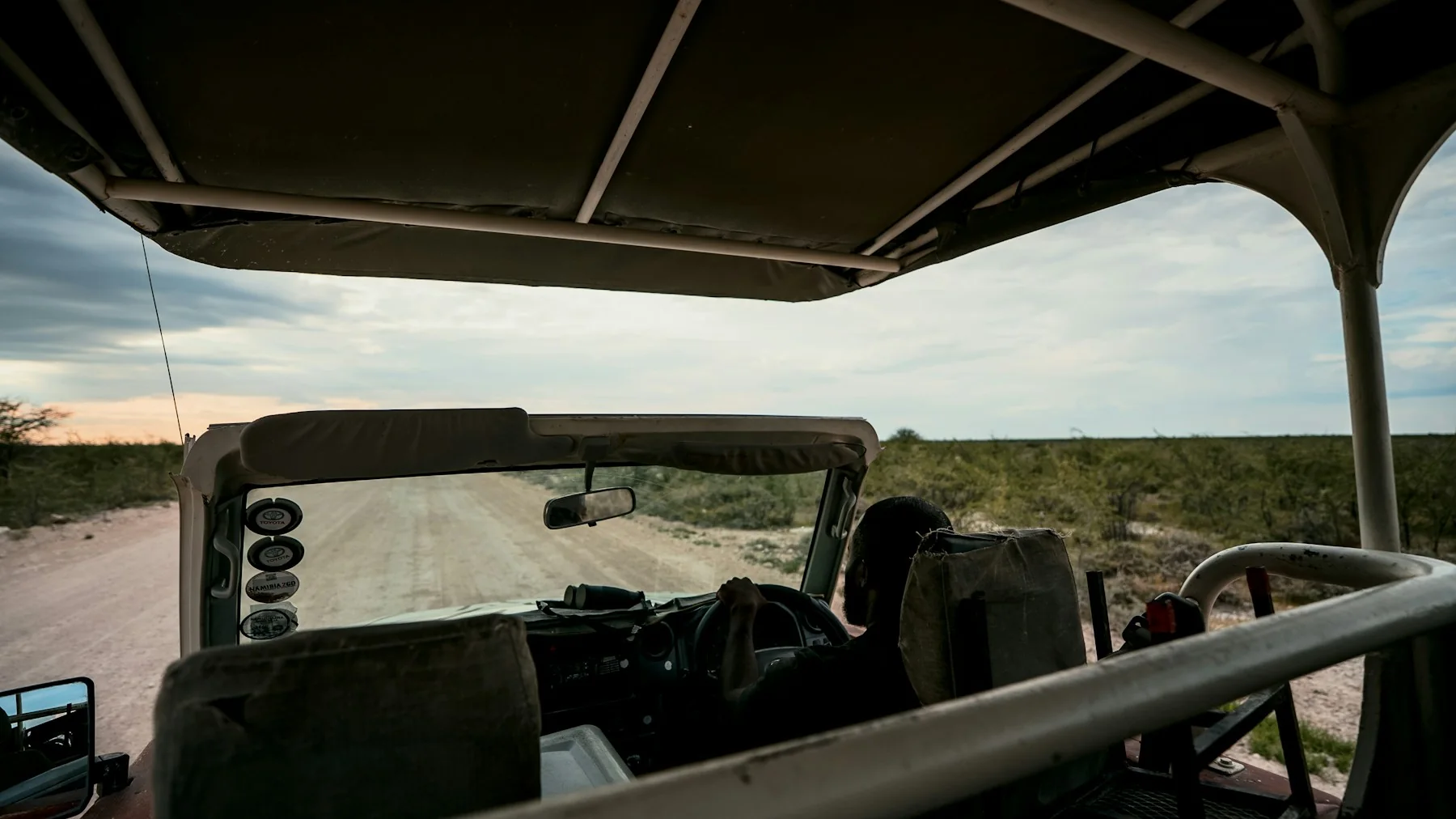
Is Amboseli safe? For most visitors on an organised safari, Amboseli is a manageable destination when transport is reputable, wildlife boundaries are respected and health preparations are made before travel. The practical risks are road crashes, getting too close to animals, heat and dehydration, mosquito-borne illness, food or water problems and the distance from advanced medical care.
- Is Amboseli safe for a first Kenya safari?
- Government travel advice and Amboseli’s location
- Park security is different from city security
- KWS wildlife safety rules that matter
- Elephants, calves and vehicle position
- Lions, hyenas and unfenced lodge grounds
- Road safety from Nairobi to Amboseli
- Flying to Amboseli and airstrip practicalities
- Malaria, vaccines and travel-health advice
- Mosquito and insect precautions in camp
- Heat, sun, dust and seasonal weather
- Food, drinking water and essential medicines
- Children, solo women, older travellers and mobility
- Payments, valuables and choosing an operator
- Medical care, evacuation cover and emergency contacts
- Amboseli safety checklist
- Traveller opinions
- FAQs
Is Amboseli safe for a first Kenya safari?
Amboseli is one of Kenya’s established safari destinations. Park gates, rangers, licensed accommodation, scheduled flights and a well-used road route support thousands of visits. On a properly arranged trip, visitors are not wandering through open bush alone. A driver-guide manages the road and sightings, while lodges explain how to move around their grounds after dark.
That structure does not remove risk. Wildlife remains wild, the ecosystem is remote, the equatorial sun is strong and Kenya’s roads require defensive driving. The sensible conclusion is not that Amboseli is perfectly safe or frighteningly dangerous. It is that the main risks are known, and most can be reduced through preparation and ordinary discipline.
| Risk | What makes it manageable | What raises it |
|---|---|---|
| Wildlife | Distance, vehicle rules and an experienced guide | Leaving the vehicle or blocking animals |
| Road travel | Daylight, seat belts and a roadworthy vehicle | Speed, fatigue and night driving |
| Health | Travel-clinic advice, water and mosquito precautions | No malaria plan or delayed treatment |
| Heat and dust | Hydration, shade and suitable clothing | Long exposure and ignored symptoms |
| Remote location | Insurance, lodge communication and contingency | No evacuation cover or medical information |
Government travel advice and Amboseli’s location
Government advisories for Kenya often name particular border, coastal or urban areas. They should be read carefully because a country-wide headline can hide the geographic detail. Amboseli lies in Kajiado County near the Tanzanian border and does not appear in the specific areas named on the UK advice-against-travel map. That does not turn an advisory into a guarantee, and another country may use different language.
The United States advisory places Kenya at Level 2, “Exercise increased caution,” and specifically warns that road crashes are a major cause of injury and death among American visitors. It also notes that safari-vehicle passengers have been seriously hurt when seat belts were not used. Check your own government’s Kenya page before travel, read the regional descriptions and make sure insurance remains valid for the intended route.
Park security is different from city security
Most of a normal Amboseli day happens inside a controlled tourism setting: lodge, transfer vehicle, gate, designated roads and wildlife-viewing circuits. Kenya Wildlife Service manages the national park and its rangers protect visitors and wildlife. Guests should still keep passports, cash and valuables secure, use room safes where appropriate and avoid leaving cameras unattended in public spaces.
The journey may begin at Nairobi airport, a city hotel or Wilson Airport, where ordinary urban precautions matter. Pre-arranged collection removes uncertainty after a long flight. Confirm the driver’s name and telephone number, share the flight details, and contact the company through a number you already know if payment instructions or pickup plans suddenly change.
KWS wildlife safety rules that matter
KWS tells visitors to give wildlife right of way, stay in the vehicle except at designated places, keep doors closed, remain on established roads and observe animals from at least twenty metres. The maximum park speed is forty kilometres per hour. Feeding animals, hooting, driving under the influence and entering outside gate hours are prohibited.
Treat twenty metres as a minimum, not an invitation to approach until the tape measure runs out. Elephants and predators may close the distance themselves. The correct response is quiet attention and the guide’s judgement, not a hand out of the roof for a phone clip. Rules protect animal behaviour as well as human bodies.
| KWS instruction | Why it matters | Traveller habit |
|---|---|---|
| Wildlife has right of way | Animals need an open route | Let the guide stop or reverse |
| Stay in the vehicle | Predators recognise its whole shape | Keep body and equipment inside |
| Keep at least 20 metres away | Animals need space to choose | Never pressure the driver closer |
| Maximum 40 km/h | Dust, bends and wildlife reduce reaction time | Do not ask the driver to chase |
| Use established roads | Protects habitat and avoids hidden ground | Accept that some sightings stay distant |
| No feeding | Food changes behaviour and creates danger | Keep snacks sealed |
Elephants, calves and vehicle position
Amboseli’s elephants often cross roads between feeding areas and wetlands. A relaxed family may pass close to a stationary vehicle, but a vehicle should not split the herd or sit in the line between a mother and calf. Bunched adults, a raised head, deliberate ear spreading, head shaking or a purposeful approach tell the guide that space matters.
A mock charge is not entertainment and a quiet elephant is not tame. Stay seated, keep voices low and let the guide create an escape route without sudden acceleration. Around old bulls, especially one showing signs of musth, distance and an unobstructed path are essential. The finest encounter is one the herd was able to end for itself.

Lions, hyenas and unfenced lodge grounds
Lions and other predators sometimes rest near vehicles because the vehicle is a familiar, non-prey shape. Standing high, leaning out or getting down breaks that shape and can change the encounter. Keep children close, avoid sudden squeals and follow the guide even when another vehicle appears more casual. Windows and roof arrangements differ, so use the instructions for the actual car.
Some safari properties are unfenced. Animals can pass through after dark, which is part of the place rather than a design failure. Never walk from the room to dinner alone when the lodge requires an escort. Do not leave food outside, approach a grazing animal or follow eyeshine with a torch. Ask about the escort system at check-in and keep the reception number beside the bed.
Road safety from Nairobi to Amboseli
The road journey usually takes about four to five hours in normal planning, but Nairobi traffic, stops, weather and the exact lodge can extend it. The common route through Emali or Namanga has paved sections followed by local access roads. Traffic mix can include buses, motorcycles, livestock and slow vehicles. Dust and corrugations become more important near the ecosystem.
Leave early enough to arrive in daylight. Every passenger should have a working seat belt, and young children need an appropriate restraint agreed before pickup. A reputable driver does not race a flight delay or use a phone in hand. Add rest and bathroom stops instead of treating the quoted drive time as a deadline. If an international flight leaves the same day, build a substantial buffer or use a Nairobi night. The Nairobi to Amboseli guide explains both road approaches and the Wilson Airport alternative.
Flying to Amboseli and airstrip practicalities
Scheduled light-aircraft services can reduce time on the road. They use Wilson Airport in Nairobi rather than Jomo Kenyatta International Airport, so a cross-city transfer may still be required. Baggage limits, soft-bag rules, check-in time and mobility assistance should be confirmed for the exact service.
At the airstrip, wait for staff instructions before moving toward an aircraft. Keep hats and loose items secure, approach only when directed and tell the airline about reduced mobility or medical equipment in advance. Weather, dust and operational needs can delay or reroute a flight. Do not schedule a tight self-made connection to an international departure.

Malaria, vaccines and travel-health advice
The CDC recommends a travel-health appointment at least a month before departure when possible. Its Kenya guidance recommends prescription malaria prevention for travellers visiting game parks below 2,500 metres, which includes Amboseli. The choice depends on medical history, age, pregnancy, other medicines and timing, so it belongs with a qualified clinician rather than a lodge or article.
Routine vaccinations should be current, and hepatitis A is among the CDC recommendations for unvaccinated travellers. Yellow fever certificate requirements depend on age and the country from which the traveller arrives or transits. Use the current official entry rules and a clinician. Carry a copy of prescriptions and the generic names of essential medicines, with enough supply for delays.
Mosquito and insect precautions in camp
Take the malaria medicine exactly as prescribed and reduce bites as a second layer. Use an effective repellent, cover ankles and arms around dusk, close screens and sleep under a properly arranged net when provided. Air conditioning does not replace the medication plan. Dengue and other insect-borne illnesses make bite prevention worthwhile even when mosquitoes seem scarce.
A fever during the trip or after returning from a malaria-risk area needs prompt medical attention. Tell the clinician about Kenya travel, even if the safari ended weeks earlier. Wash an animal bite or scratch thoroughly and seek urgent care. Do not touch lodge monkeys, baboons, dogs or bats, however comfortable they appear around people.
Heat, sun, dust and seasonal weather
Morning can be cool enough for a fleece, while midday sun becomes fierce in an open vehicle. Drink regularly, use a broad-brimmed hat, apply high-factor sunscreen and carry sunglasses. Headache, dizziness, nausea, unusual fatigue or confusion deserve attention, shade and help, not a push through the afternoon drive.
Dry months bring fine alkaline dust that reaches eyes, throats and camera equipment. Saline drops, a light face covering and sealed lens bags can help. During rains, tracks become slippery and transfer time less predictable. A good guide changes the route instead of proving what the vehicle can cross. Read the best time to visit Amboseli guide for the seasonal trade-offs.
Food, drinking water and essential medicines
Use sealed or properly treated drinking water and ask before filling a bottle from a tap. Wash or sanitise hands before eating. Established lodges manage food for international guests, but sensible choices still matter when stopping on the road. Food allergies should be written clearly and confirmed with each property rather than mentioned only to the booking office.
Keep essential medicine in hand luggage, ideally in original labelled packaging. Bring oral rehydration salts and a personal first-aid supply discussed with a clinician. Do not assume a remote lodge pharmacy can replace a lost prescription. If diarrhoea is severe, bloody, accompanied by fever or causing dehydration, seek medical advice rather than losing days to improvised treatment.
Children, solo women, older travellers and mobility
Amboseli can work beautifully for families when a private vehicle controls drive length and stops. Children must understand that they cannot leave the vehicle, feed animals or run alone around unfenced grounds. Ask about car seats, room configuration, pool barriers, meal times and minimum ages for walks or other activities before selecting a lodge. Our Amboseli with kids guide turns those questions into a family planning checklist.
Solo women commonly use organised transfers and lodge stays. Share the itinerary with someone at home, keep the operator and lodge numbers offline and avoid an unplanned night road transfer. Older travellers and guests with limited mobility should discuss vehicle steps, room distance, bathroom access, heat and emergency plans. The right property removes many obstacles before they become safety problems.
Payments, valuables and choosing an operator
Use a company name, physical contact details, written itinerary and traceable payment route. The plan should name the vehicle arrangement, accommodation, inclusions and cancellation terms. If bank details change, verify through a known telephone number rather than replying to the message that announced the change. A rushed request for money is a reason to pause.
Carry only the cash needed for the day and separate cards from backup funds. Keep a digital and paper copy of the passport without displaying the original unnecessarily. Public Wi-Fi is not the place for important bank transfers. The Amboseli safari cost guide explains the normal components so an unrealistically empty offer is easier to recognise.
Medical care, evacuation cover and emergency contacts
Amboseli is not beside a major tertiary hospital. Lodges can provide first response and coordinate transport, but a serious illness or injury may require road or air evacuation to Nairobi. Travel insurance should cover the actual safari activities, pre-existing conditions where applicable, treatment and evacuation. Read the exclusions rather than relying on the word comprehensive.
Leave the policy number, insurer assistance line, passport copy, allergies and emergency contact where a companion can find them. Tell the guide promptly about chest pain, breathing trouble, neurological symptoms, severe allergy, significant injury or worsening fever. The safest plan is early escalation, not waiting until the group returns to Nairobi.
| Before leaving home | During the safari | If something happens |
|---|---|---|
| Travel-health appointment | Carry medicine and water | Tell guide or lodge immediately |
| Insurance with evacuation | Keep policy details offline | Call assistance line early |
| Share itinerary | Use seat belts and escorts | Give medical history clearly |
| Pack prescriptions | Report symptoms promptly | Follow professional instructions |
Amboseli safety checklist
Confirm passports, entry requirements, insurance, clinician advice, malaria medicine and prescription supply. Save the operator, driver, lodges, airline, insurer and emergency contact offline. Share arrival flight details and arrange the pickup before landing. Pack repellent, sunscreen, hat, reusable water bottle, closed shoes, a warm layer and a small light.
At the briefing, ask about seat belts, roof use, getting out, lodge escorts, food allergies and the next day’s departure time. Then let the safari feel like a safari. Preparation should not make every elephant frightening. It should create enough confidence to sit quietly, watch the herd cross and understand why respecting its space is the most important safety rule of all.
What travellers say after the trip
These are exact words from public reviews and discussions. Each person had their own route, budget and expectations, so the value is in the detail rather than treating one experience as a promise.
The road is generally good, especially if you use the route through Namanga just make sure to travel during the day for safety.
A Nairobi resident describing the practical approach they use for the road to Amboseli.
People need to understand it’s THEIR home and you have to be more respectful.
A recent Kenya safari traveller reflecting on wildlife space and vehicle behaviour after the trip.
Our doctor also advised tetanus shots and malaria medication, so do speak to a proper travel-health professional based on your own route and medical situation.
An independent traveller explaining how they prepared for a Kenya safari from Ireland.
Amboseli safety questions
Is Amboseli safe for tourists?
Most organised visits are manageable when travellers use reputable transport, follow KWS rules, prepare for health risks and avoid unnecessary road travel after dark.
Is Amboseli in a current no-travel area?
Amboseli is not inside the specific Kenya areas currently named in the UK advice against travel, but national and local advice can change. Check the advisory issued by your own government before departure.
Can lions or elephants attack a safari vehicle?
Wild animals can be dangerous, but incidents are uncommon when guests remain inside, guides keep appropriate distance and vehicles do not block or provoke animals.
May I get out of the vehicle in Amboseli?
Only at designated places or when a guide and park rules clearly allow it. KWS asks visitors to stay in vehicles except in designated areas.
Is the road from Nairobi to Amboseli safe?
It is a commonly used route, but traffic, speed, livestock, road works, weather and darkness create risk. Use a roadworthy vehicle, seat belts and daylight timing.
Is malaria a risk in Amboseli?
The CDC recommends malaria prevention medicine for travellers visiting Kenyan game parks below 2,500 metres. A travel-health clinician should advise on the medicine and timing for the individual traveller.
Is Amboseli safe for children?
It can be a rewarding family destination with car seats where needed, private pacing, close supervision, safe food and water habits and firm rules about vehicles, pools and lodge grounds.
Is Amboseli safe for solo women?
Many women visit on organised safaris. Pre-arranged transfers, verified accommodation, daylight road travel and direct contact details reduce the uncertain parts of the journey.
Do I need medical evacuation insurance?
Remote parks have limited access to advanced treatment. Cover for emergency transport and medical evacuation is sensible, especially for travellers with existing conditions or complex itineraries.
What should I do if an animal approaches the vehicle?
Stay seated and quiet, keep arms and equipment inside and follow the guide. Do not stand suddenly, call, feed the animal or ask the driver to move into its path.
Sources and further reading
Official park, heritage, tourism, aviation and regulatory sources support the practical details in this guide.
A safe safari begins before the park gate
Tell us who is travelling, when you land and where you go next. We will shape the transport, lodge, vehicle and daily pace around a calm, well-prepared Amboseli journey.
Plan a well-prepared Amboseli safari
Share dates, traveller ages, arrival details, mobility or dietary needs and the other places you want to include.